50 Bird Tattoos for Women
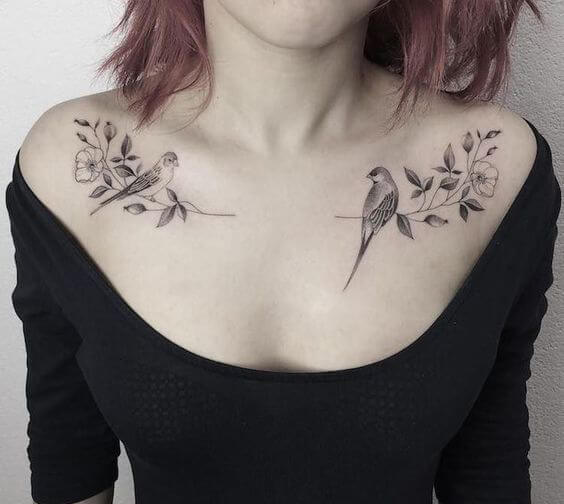
Birds work as tattoos for a reason that has nothing to do with meaning: the silhouette. A bird in flight is instantly readable at any size and from across a room, which is more than can be said for most motifs, and it curves naturally over a shoulder, a collarbone or a ribcage.
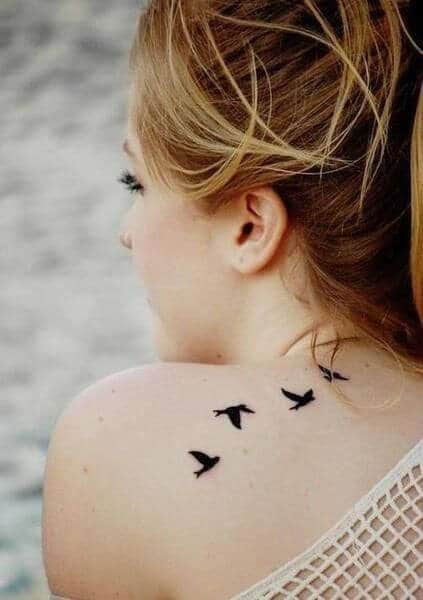
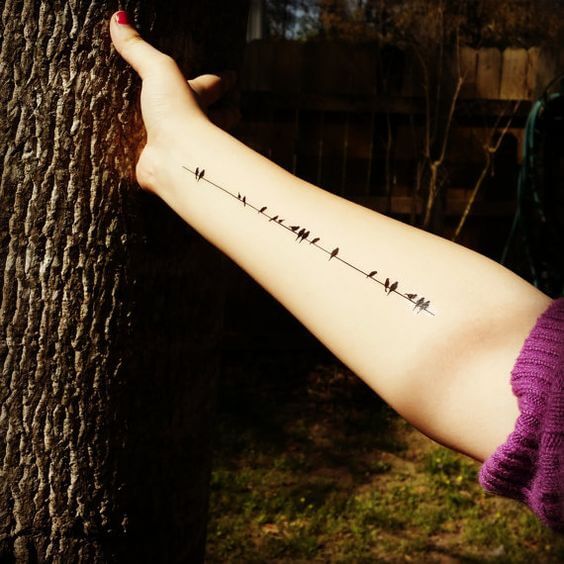
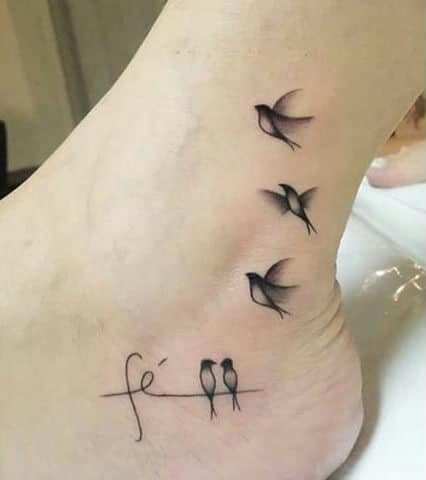
The trap is the generic version. Three or four small black birds ascending a shoulder, species unspecified, is one of the most-repeated tattoos of the last fifteen years. It looks like a font.
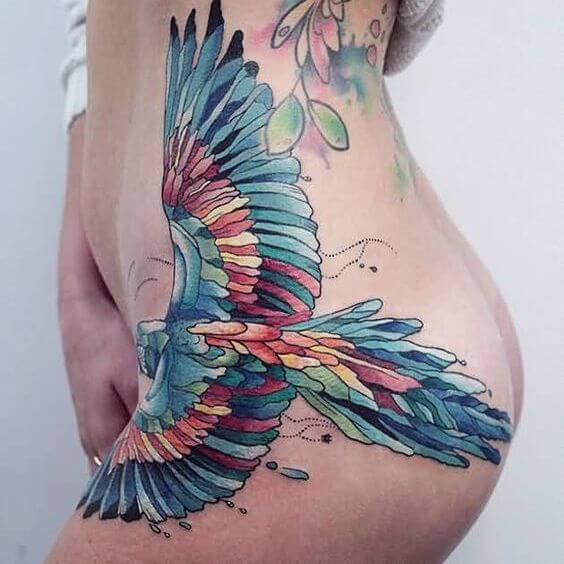
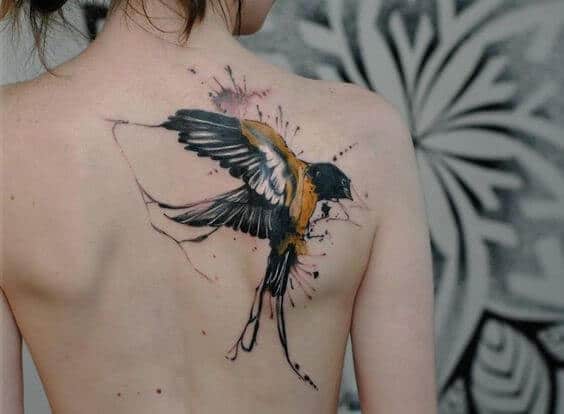
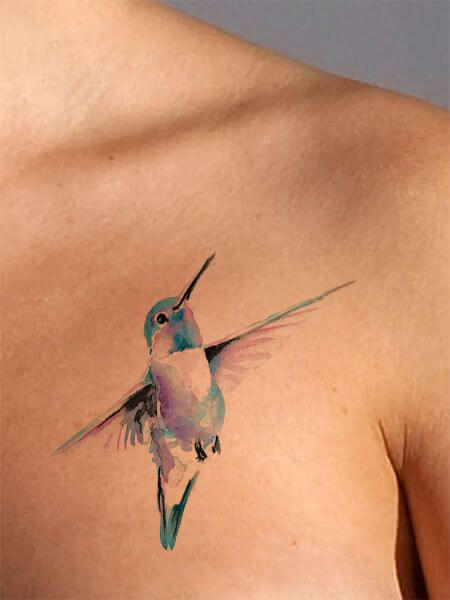
Species, and what each one actually signals
Choosing a real bird is the single change that lifts this design out of the generic, and it gives you something true to say about why you picked it.
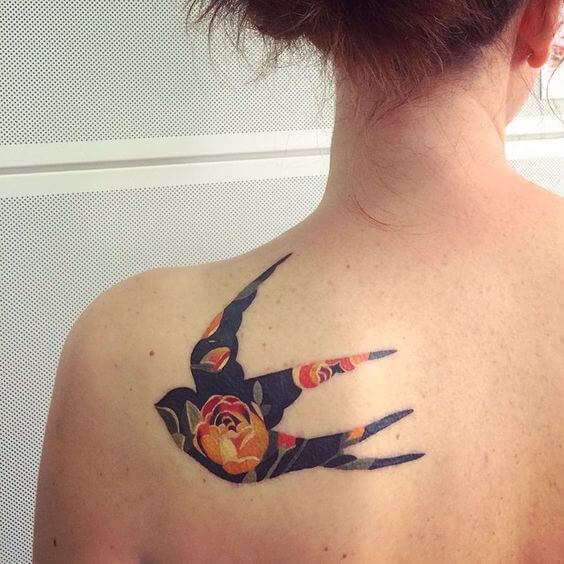
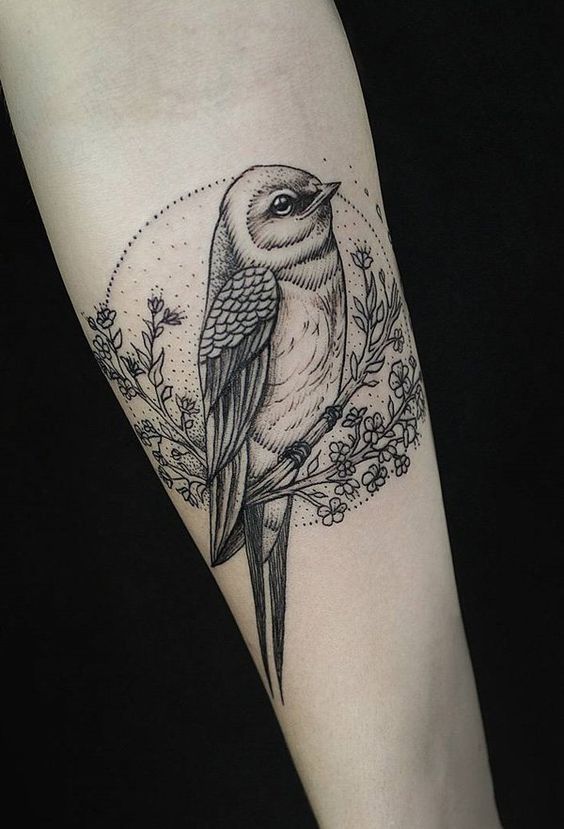
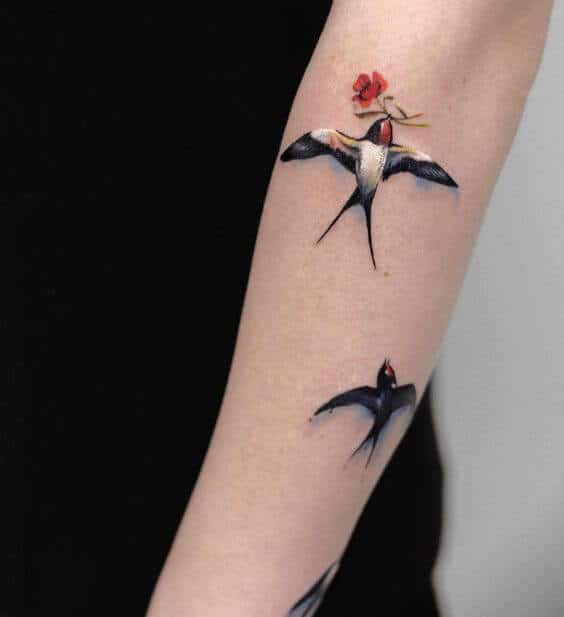
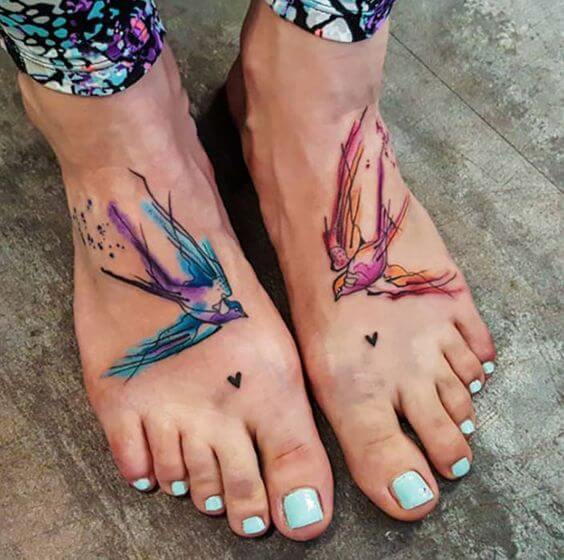
- Swallow - the traditional sailor's tattoo, marking distance travelled and a safe return home. Bold shape, ages superbly, a century of history behind it.
- Sparrow - closely related in the traditional canon, and associated with loyalty, since they were believed to pair for life.
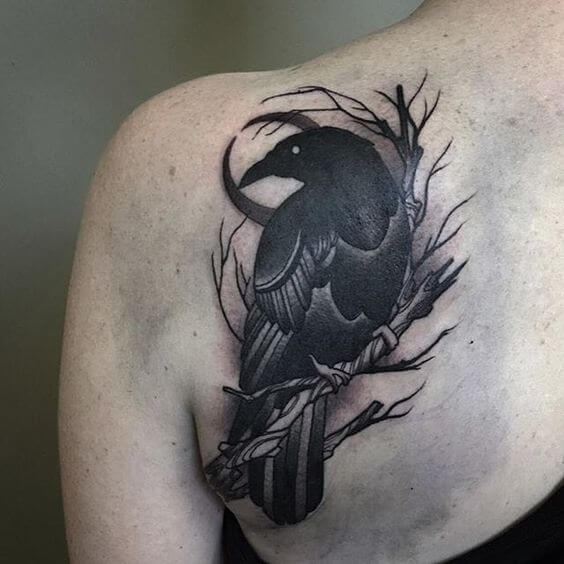
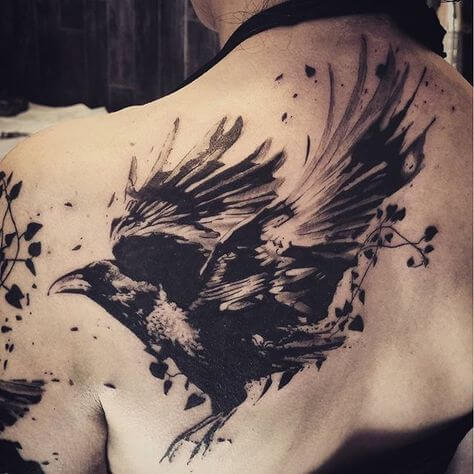
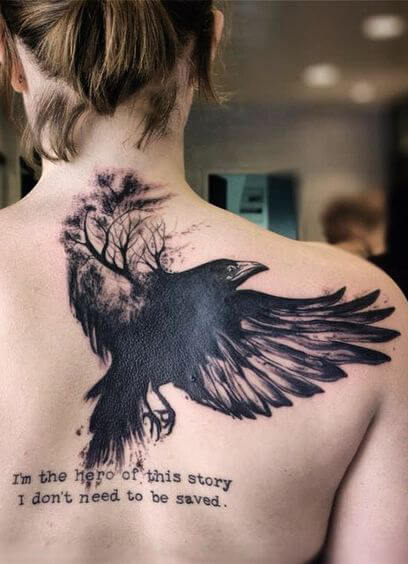
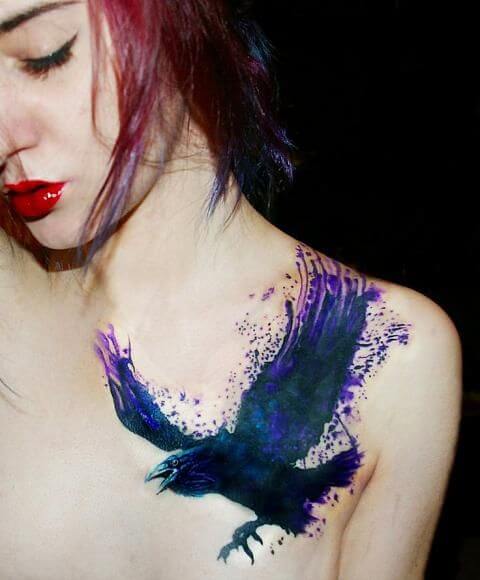
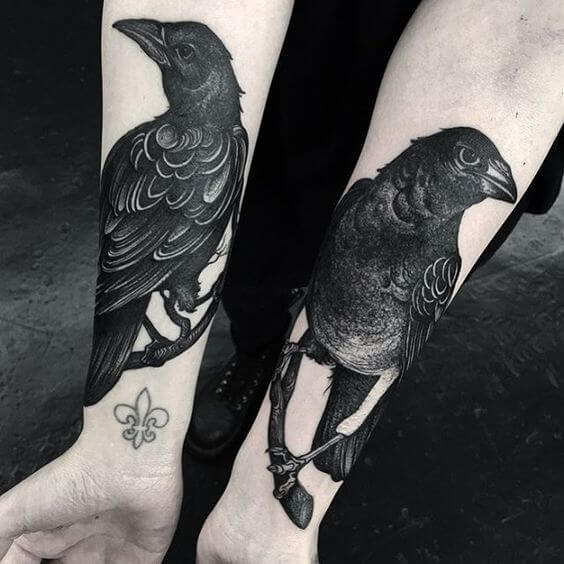
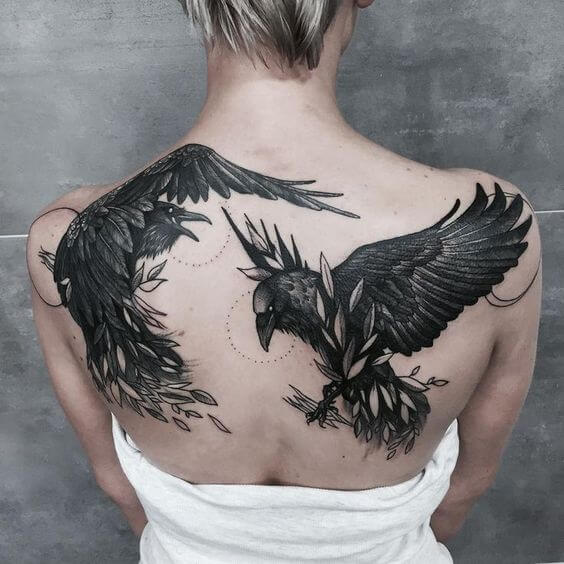
- Raven and crow - intelligence, memory, prophecy, and a link to the dead in Norse and Celtic tradition. Dark, striking, and a completely different register from the songbirds.
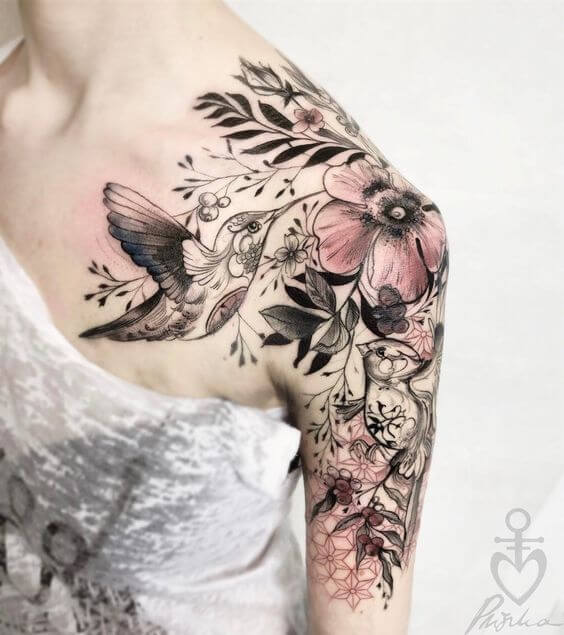
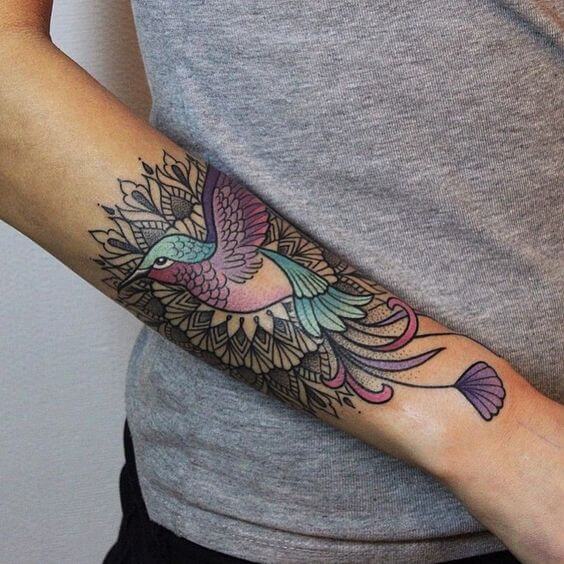
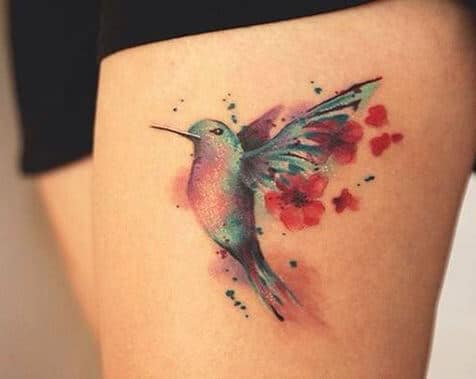
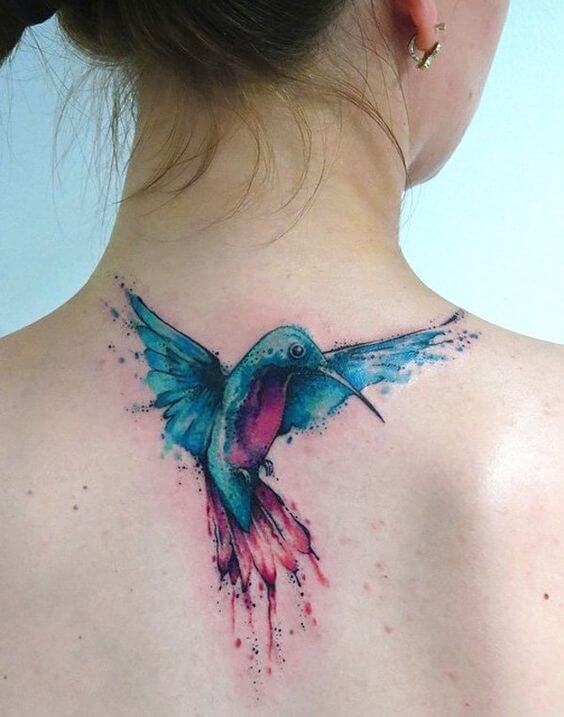
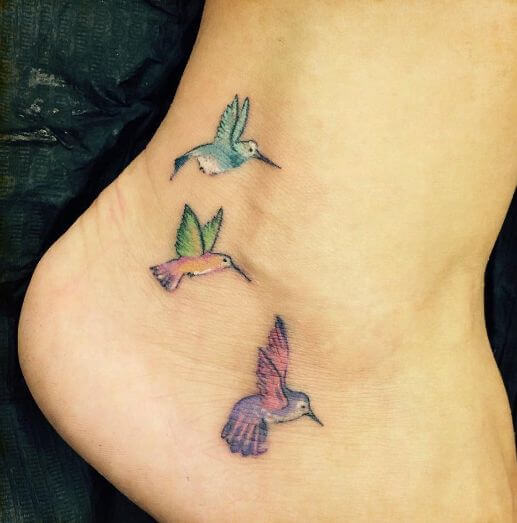
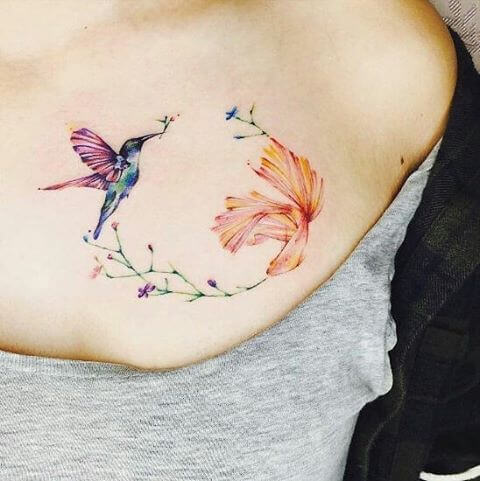
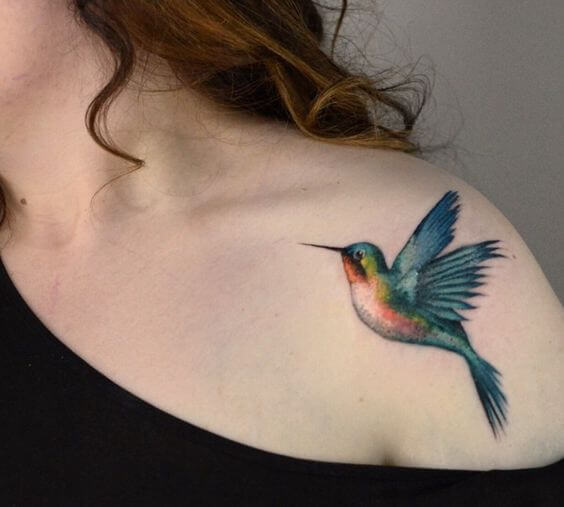
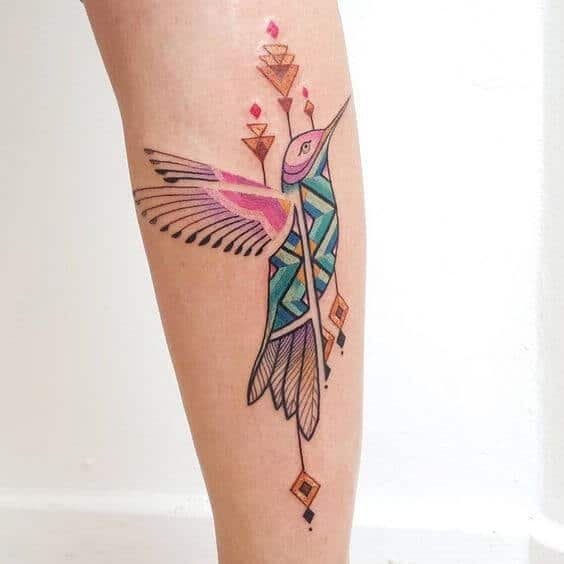
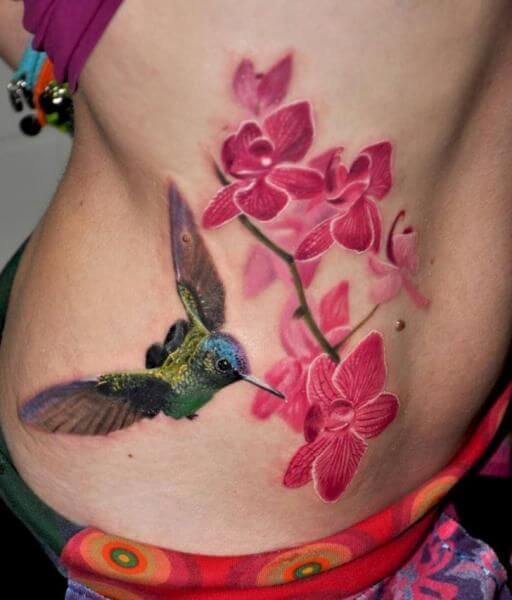
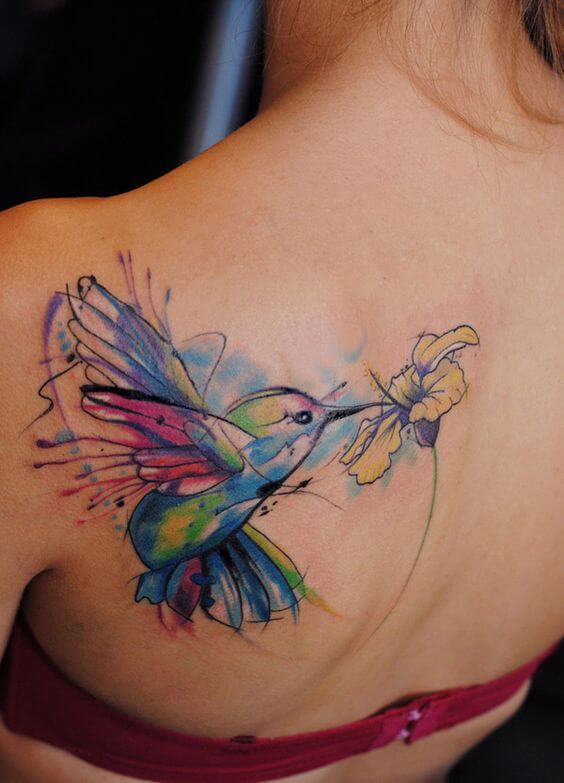
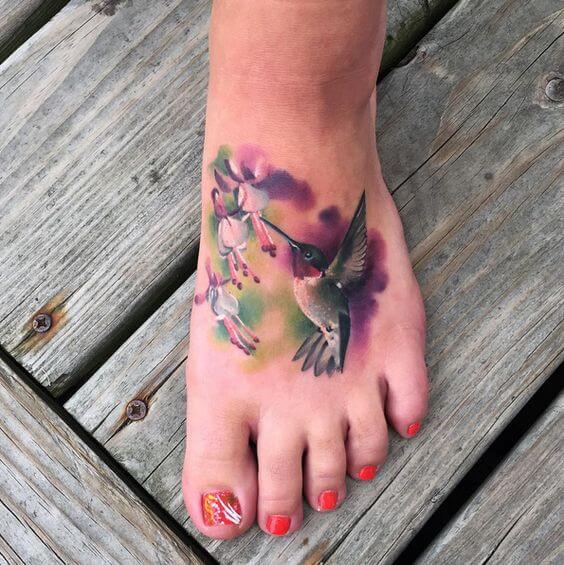
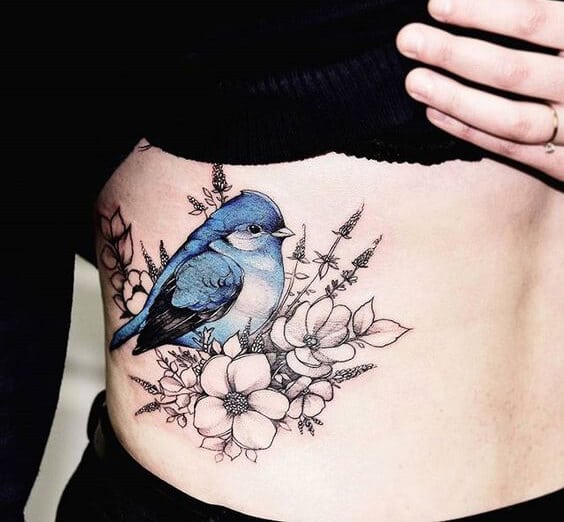
- Hummingbird - the only bird that hovers, and in several Central American traditions a messenger and a survivor. Beautiful in colour, demanding to keep.
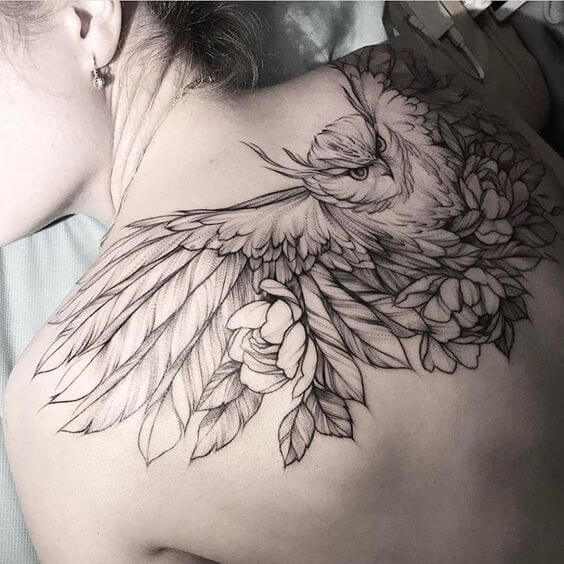
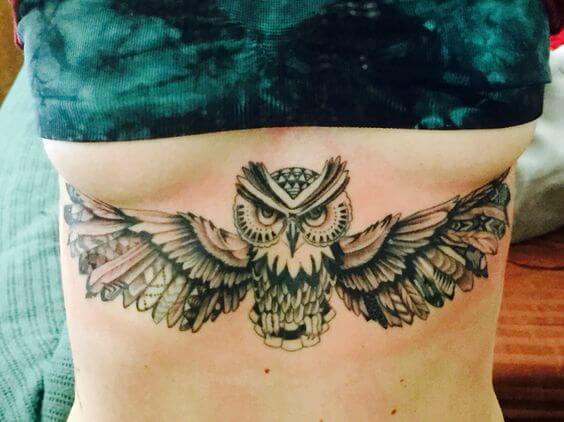
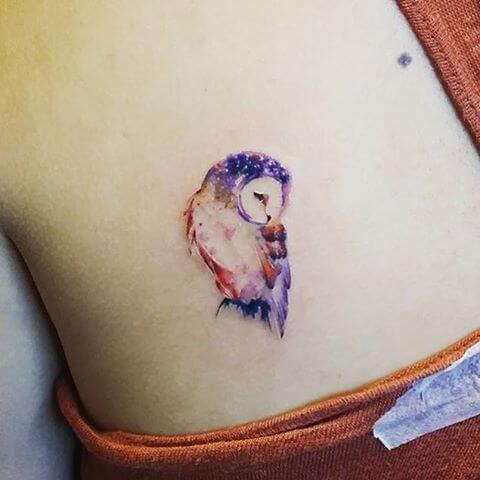
- Owl - wisdom in the Greek reading, an omen in others. Ask before assuming it is only the flattering meaning.
- Phoenix - rebirth, and the most demanding piece of drawing on this list. Give it space.
- Dove - peace, and in Christian iconography the Holy Spirit. Also common in memorial work.
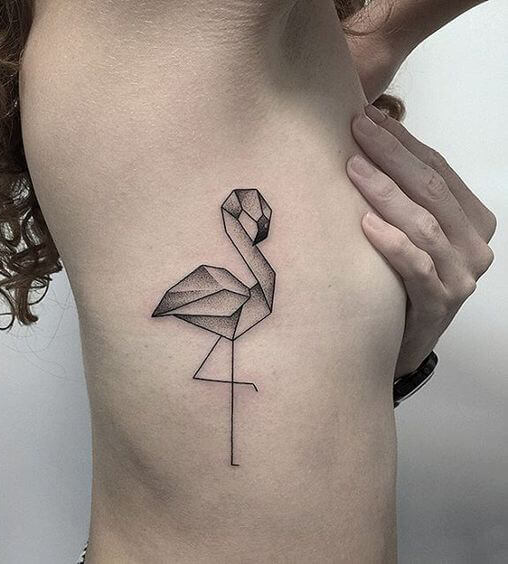
- Heron and crane - long, elegant lines that suit a spine, a forearm or a calf. The crane in Japanese tradition carries longevity and fidelity.
- Hawk and eagle - vision, focus, and in several Native American traditions a genuinely sacred bird rather than a general symbol of freedom. Worth reading about rather than assuming.
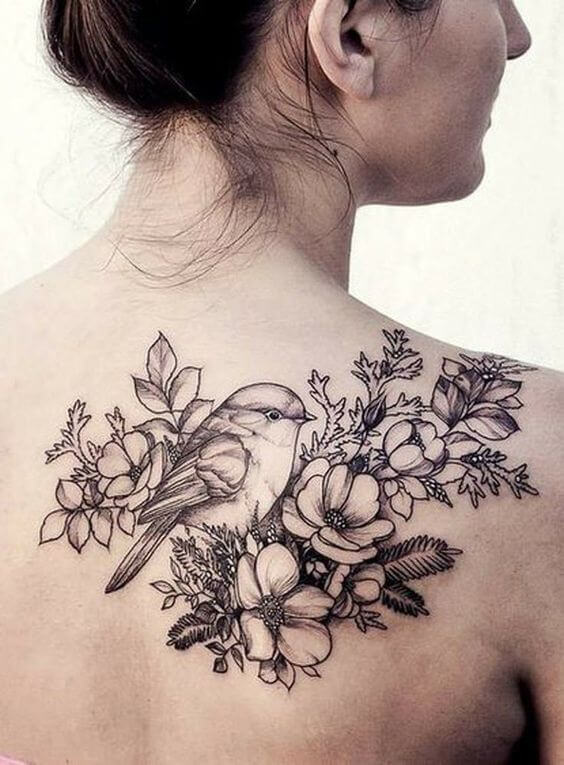
Composition matters more than detail
A bird tattoo lives or dies on its outline. Get the wing shape and the posture right and it works at an inch across; get them wrong and no amount of feather rendering rescues it.
Three practical points.
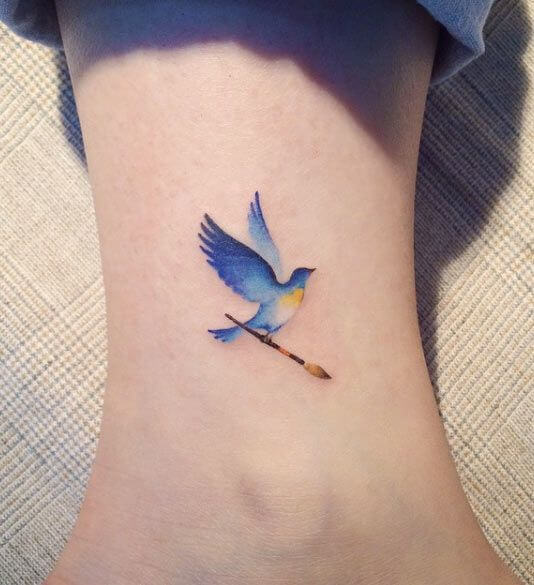
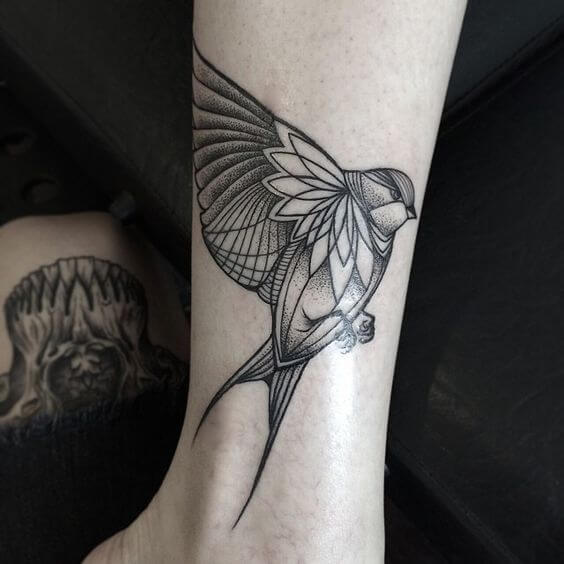
Pick a moment. Wings up, wings down, gliding, landing, perched. A bird frozen mid-downstroke reads as motion; one with wings spread symmetrically reads as a badge. Both are legitimate, but choose deliberately.
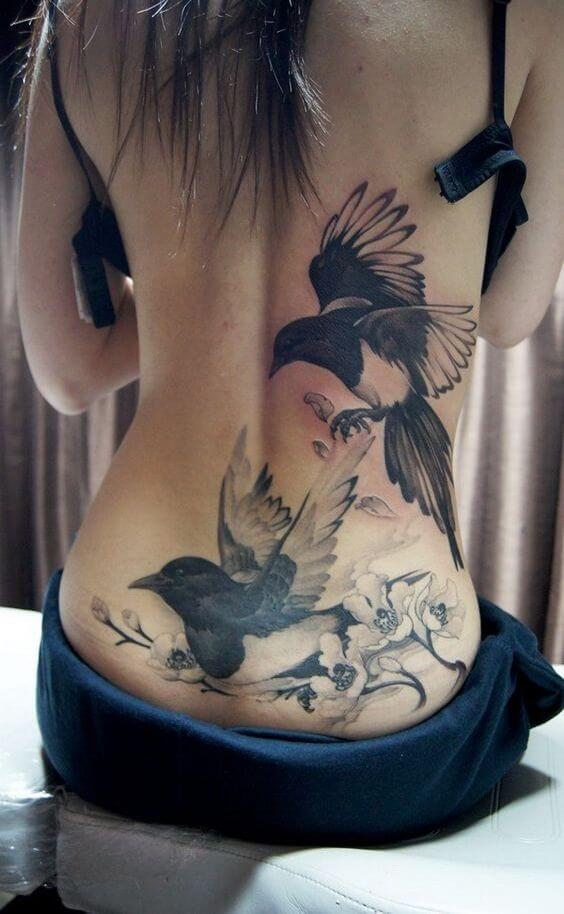
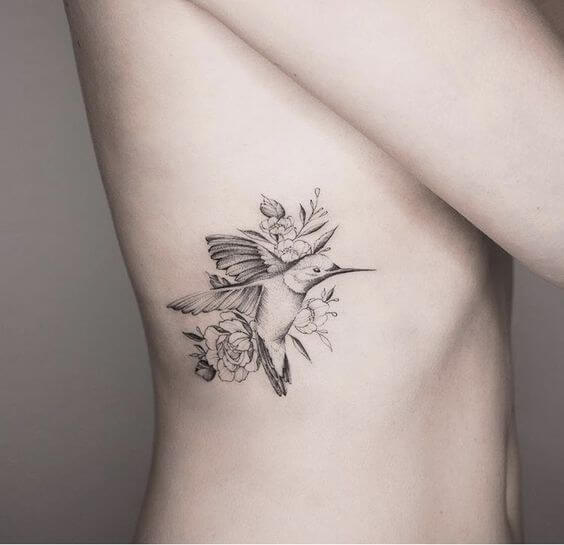
Follow the body. A bird placed on a shoulder should bank into the curve. On a ribcage it can rise with the line of the ribs. Drawn flat and applied to a curved surface, it looks stuck on.
Resist the flock. If you want several, vary their size and posture, and give the group a shape. Identical birds in a diagonal line is the version that looks like clip art.
Placement, size and cost
| Design | Typical size | Sittings | Pain, 1-10 | Rough cost |
|---|---|---|---|---|
| Small silhouette, wrist or ankle | 1-2 in | 1 | 6-7 | Shop minimum |
| Two or three birds, shoulder | 3-5 in | 1 | 4-5 | $150-$400 |
| Single bird, inner forearm | 4-6 in | 1 | 5-6 | $250-$600 |
| Detailed bird, black and grey, thigh | 6-10 in | 2 | 3-5 | $600-$1,500 |
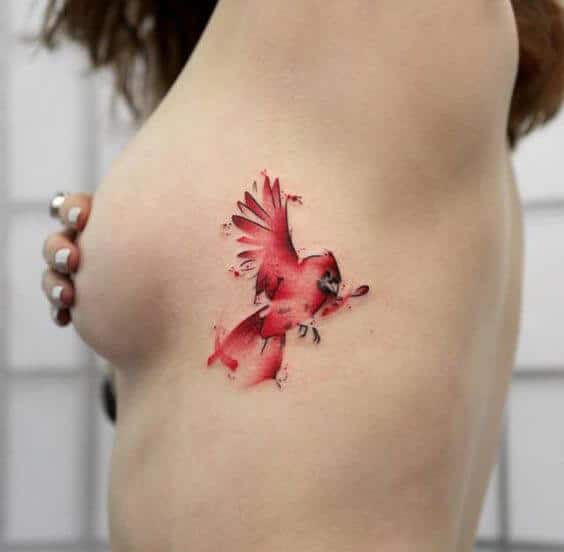
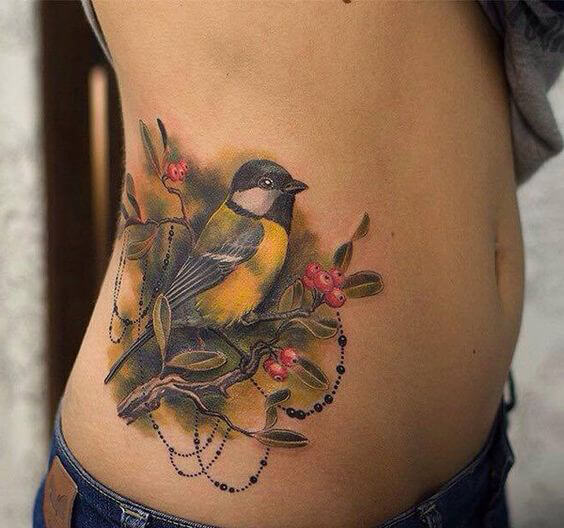
| Ribcage or sternum composition | 6-10 in | 2 | 8-9 | $700-$1,800 |
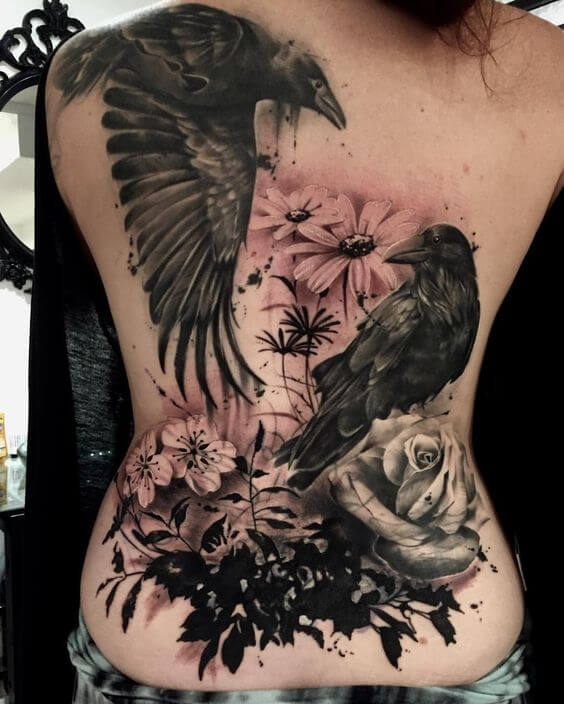
| Phoenix or large back piece | - | 4-10 | 4-6 | $2,500-$8,000 |
Rates vary widely by city and artist. Colour, particularly on a hummingbird or a phoenix, is what drives the sittings up.
Styles that hold up
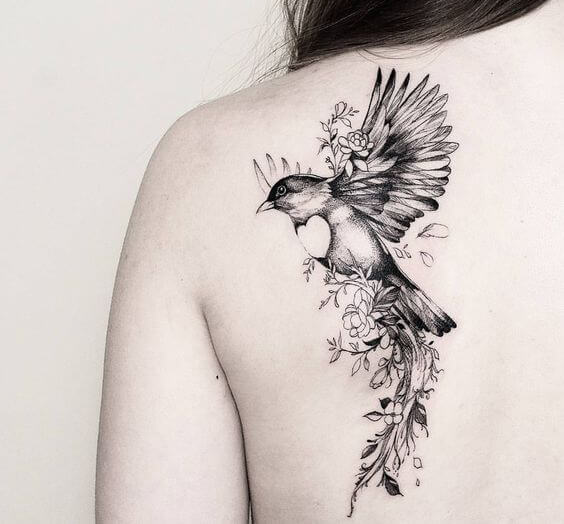
Black and grey realism. Feather structure rendered in tone rather than line. The most durable option and the one that suits raptors and corvids best.
Traditional. Swallows and sparrows have been tattooed this way for a hundred years because it works: heavy black, simple shapes, colours that last.
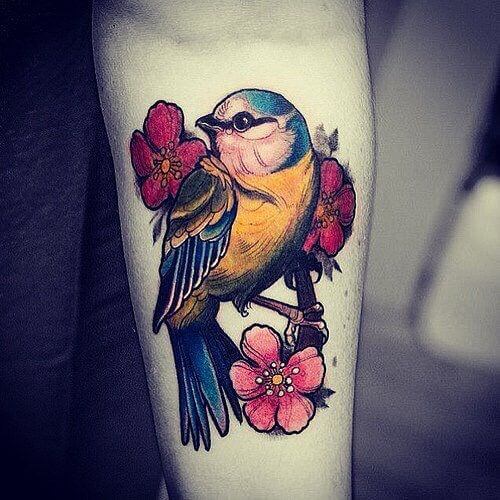
Neo-traditional. Bold outline with more decorative rendering. Excellent for owls and herons.
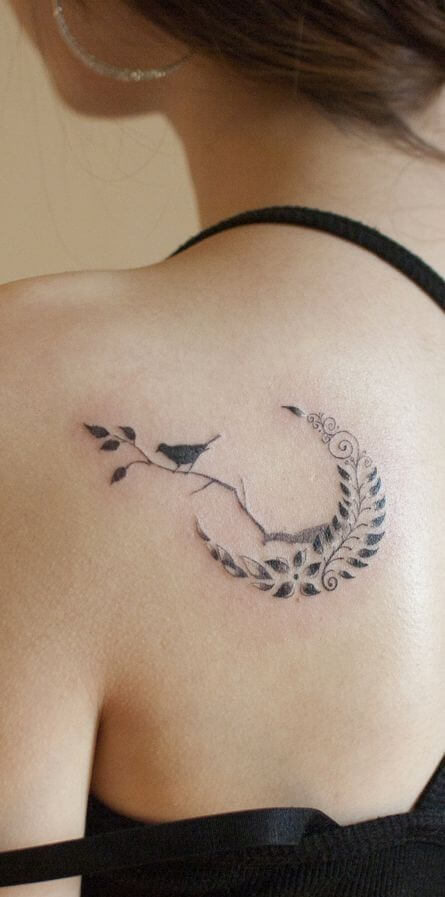
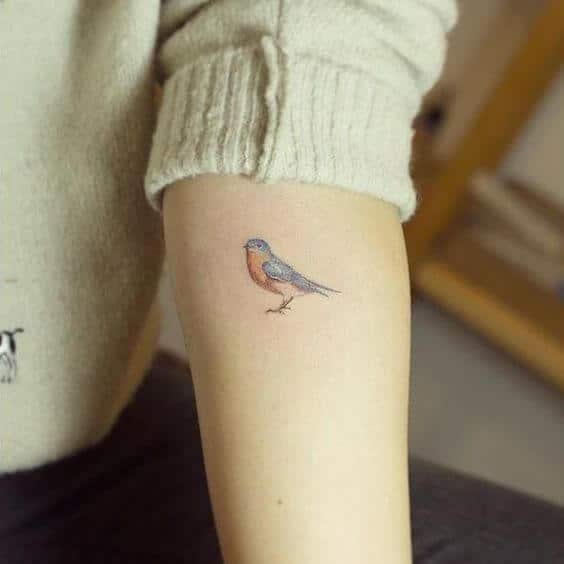
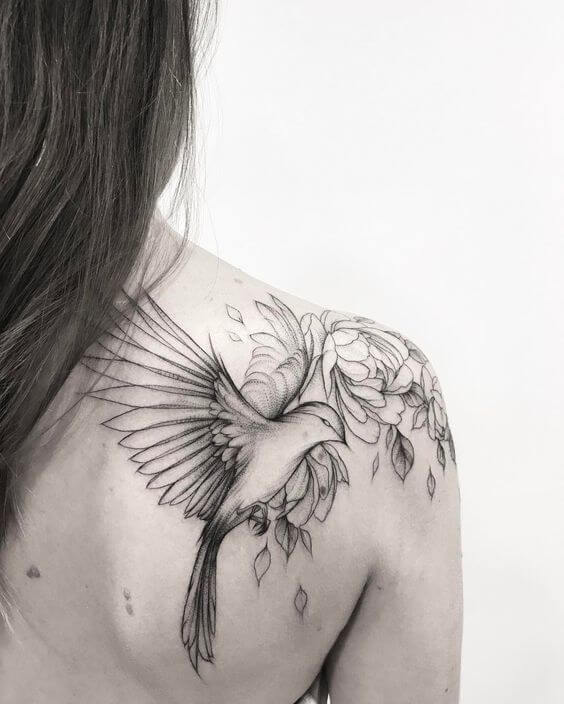
Fine-line silhouette. Clean and understated. Works well provided the shape is strong, because there is nothing else holding it up.
Japanese. Cranes and phoenixes in the Japanese canon come with established composition rules and they age extremely well. Find an artist who works in the style rather than borrowing its surface.
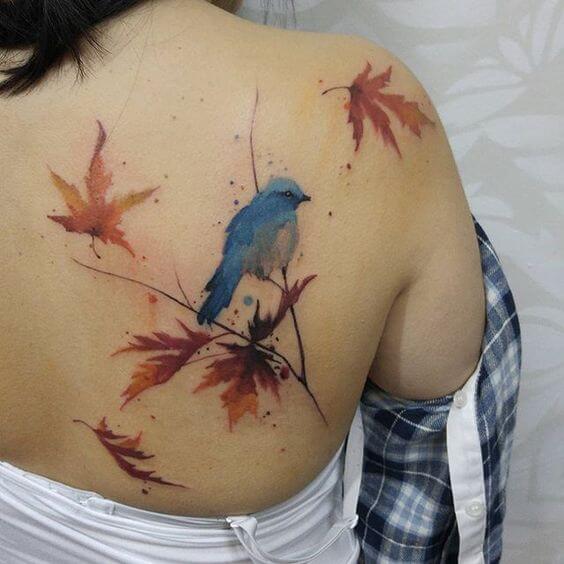
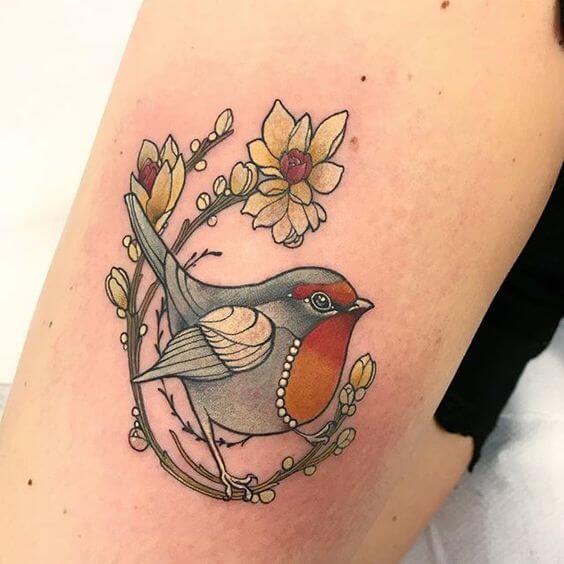
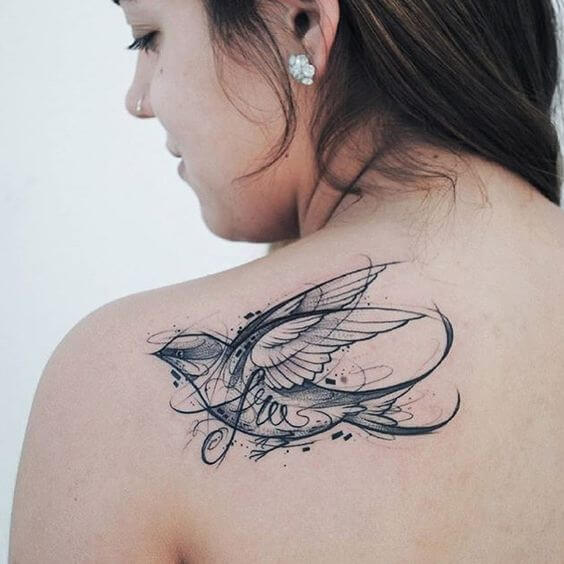
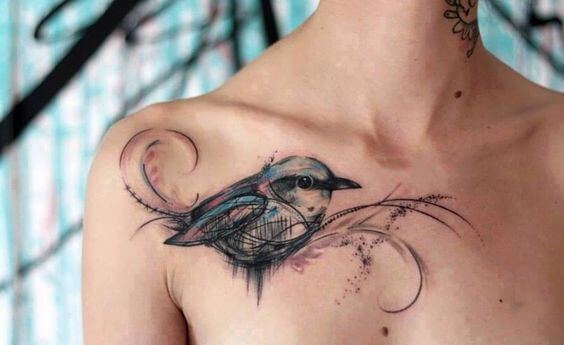
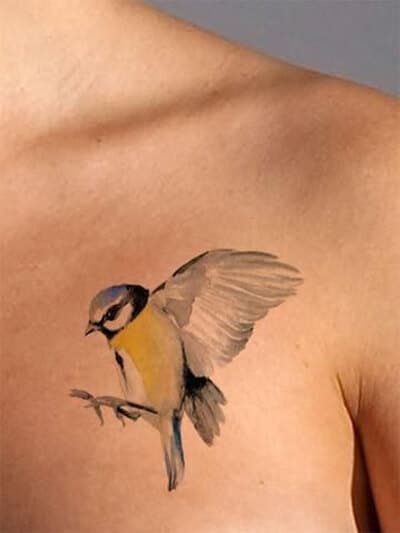
Watercolour. Popular for birds and the weakest over time - splashes with no black structure fade to vague colour within a few years. Ask for a black-and-grey framework underneath if you want the look.
How it will age
Feathers are the fine detail that merges. Individually rendered barbs packed tightly together will blur into tone over ten to fifteen years, which is survivable if the silhouette underneath is strong and fatal if the whole design was the detail.
That is the argument for choosing shape over rendering: a well-drawn raven in solid black will look the same in thirty years. A photorealistic hummingbird will need maintenance.
Colour fades first in yellows, light oranges and pale blues, which is most of a hummingbird's palette. Sun is the main cause. Sunscreen once healed, and plan a touch-up around year five for anything detailed or heavily coloured.
What to bring your artist
A species. A posture. A sense of where on the body it sits and which way it should face - birds facing off the edge of a limb look like they are leaving, which may or may not be what you want.
A good artist will push back on: identical birds in a row, feather detail too fine for the size, and watercolour with no line structure.
Aftercare, briefly
Your artist's instructions come first. Generally: leave the covering on as long as they said, wash twice a day with clean hands and fragrance-free soap, then a very thin layer of the recommended aftercare.
Ribcage and sternum work is uncomfortable while it heals because everything moves when you breathe and clothing rubs. Loose fabric for a fortnight. No soaking for two to three weeks, and no picking while it peels.