50 Dream Catcher Tattoos for Women
The dream catcher is one of the most requested tattoos there is, and one of the few where the first thing to say is not about the drawing.
It is Ojibwe in origin - a hoop of willow with a woven web, traditionally hung over a child's cradleboard. It spread to many other Native American nations during the twentieth century, and from there into the wider world, where it became decoration. Which means a dream catcher tattoo sits in genuinely contested territory, and it is worth knowing that before you book rather than finding out afterwards.
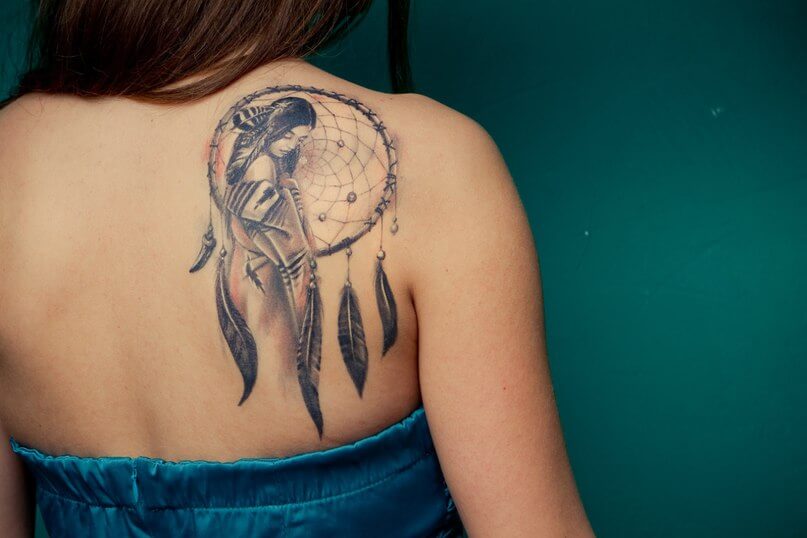
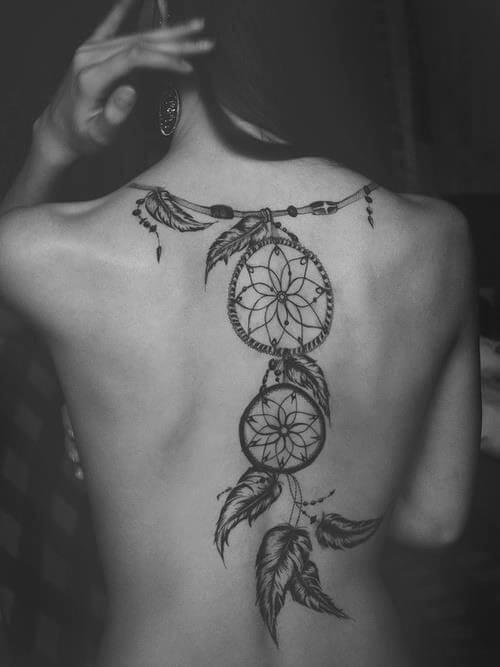
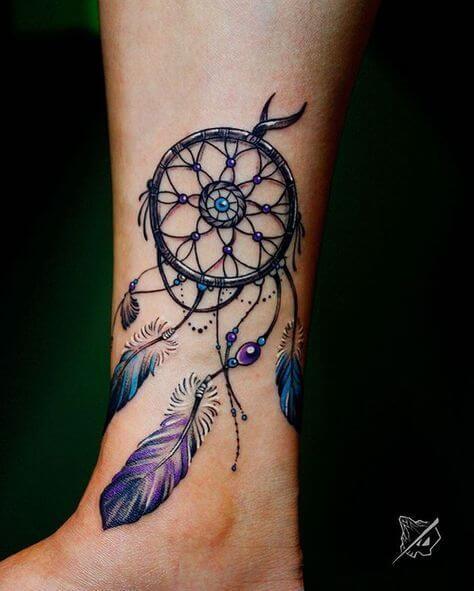
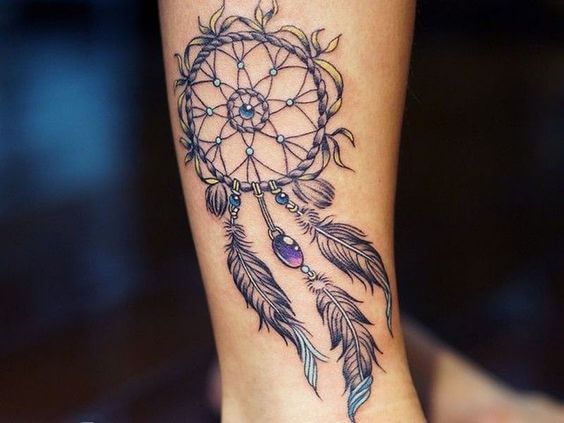
Where it comes from, and the question of wearing it
In the Ojibwe telling, the web catches what comes in the night: the good passes through to the sleeper, the bad is caught and gone by morning. Or, in other tellings, the reverse. The hoop is a circle for the sun's daily journey, the feathers are the path the good dreams take down.
Opinion among Native people about non-Native people wearing it is not uniform, and it would be dishonest to tell you otherwise. Some regard the dream catcher as widely shared and are untroubled by it. Others see the mass-market version as a clear example of a sacred object turned into a souvenir, and a tattoo of it as the permanent form of that.
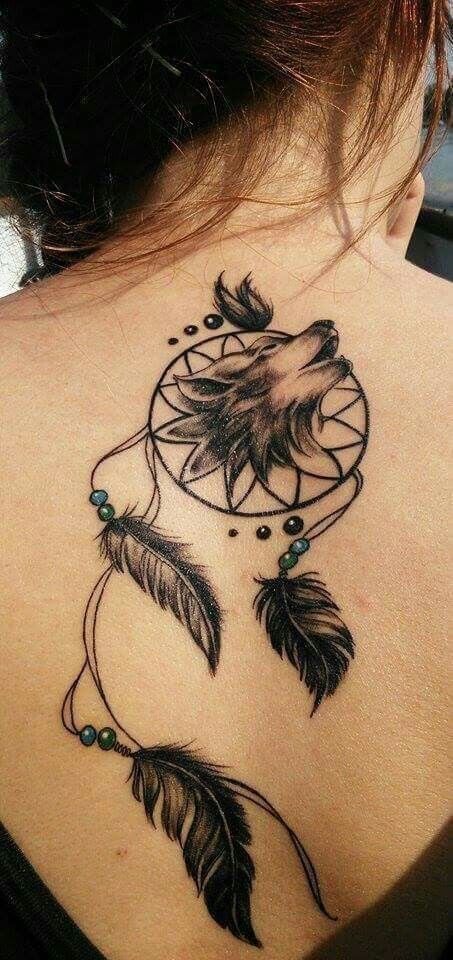
What is more consistently objected to is the composite: a dream catcher wound together with a war bonnet, a wolf, a sacred animal skull and generic "tribal" pattern. That combination borrows from several distinct nations at once and belongs to none of them.
Practical suggestions if you want one:
- Know which tradition you are drawing from, and be able to say why it means something to you specifically.
- Avoid the composite. Keep it to the object itself.
- Do not add a war bonnet or ceremonial regalia. Those are earned items in the cultures they come from.
- Consider buying from Native artisans if the object matters to you, and consider commissioning a Native tattoo artist. Several work in exactly this space and can tell you far more than this page.
- If the meaning is really about sleep, protection or a child, there are motifs from your own background that carry it and come with no question attached.
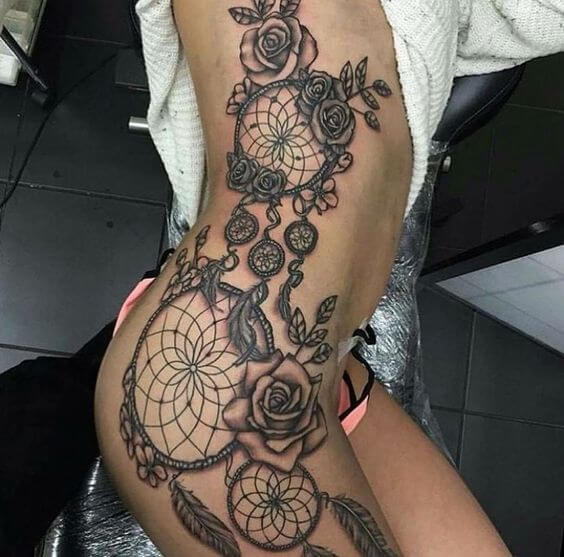
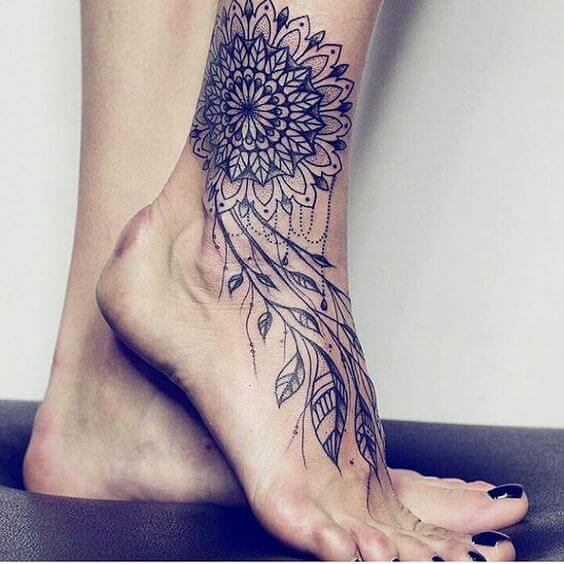
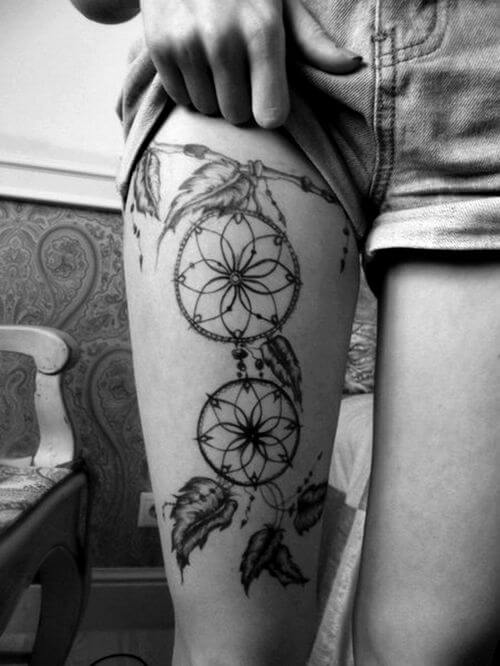
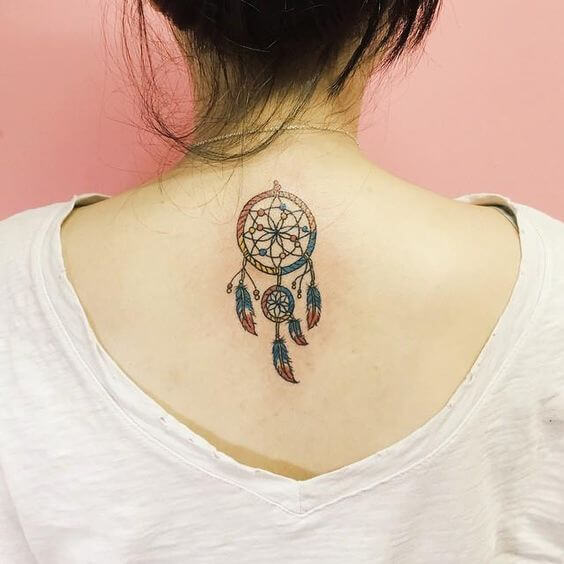
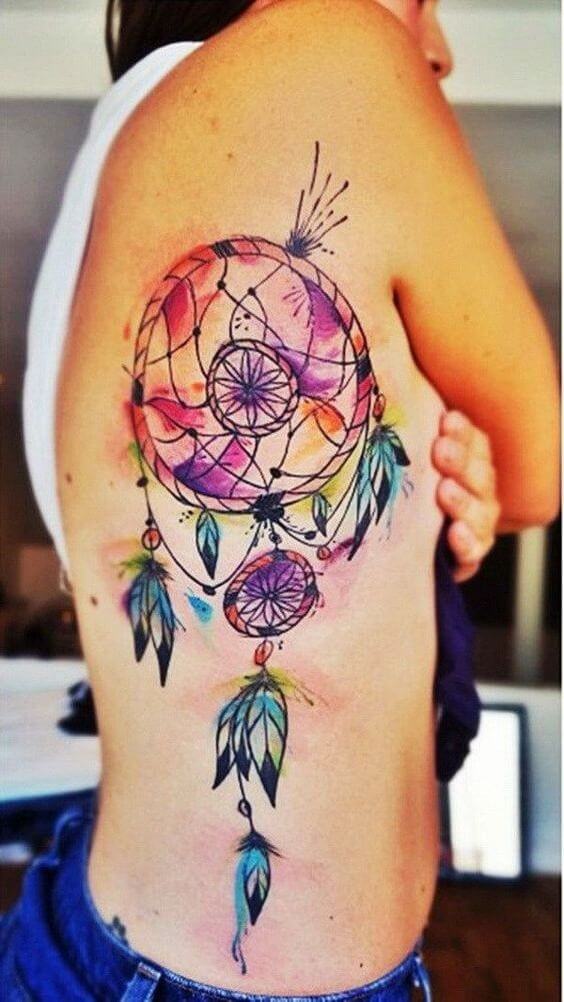
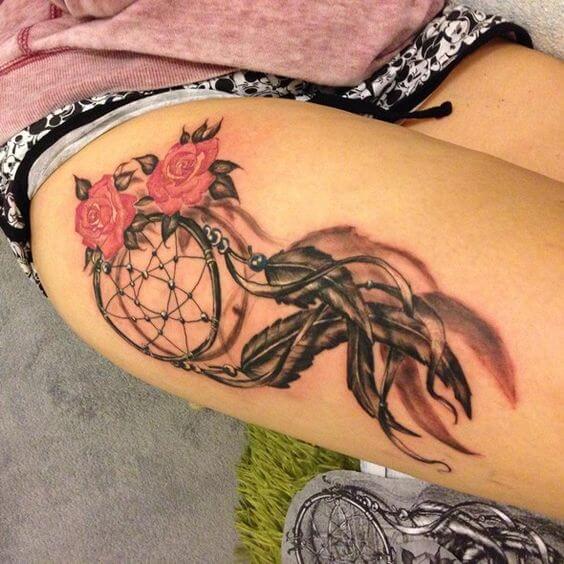
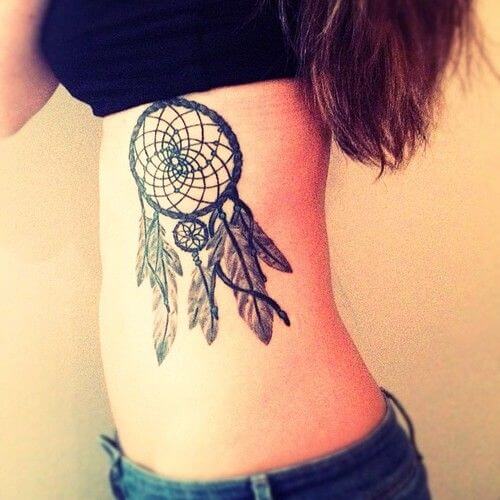
Placement, size and cost
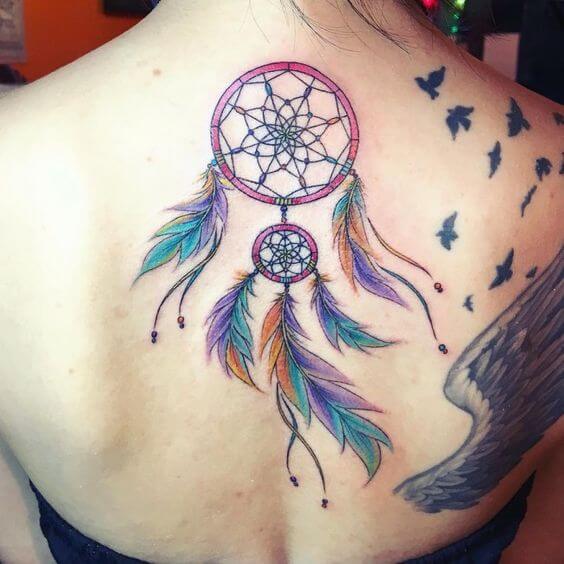
This design has a specific problem: it is a circle with a web inside it and things hanging below, so it needs vertical space and it needs size. Squeezed small, the web fills in and the feathers turn to smudges.
| Design | Typical size | Sittings | Pain, 1-10 | Rough cost |
|---|---|---|---|---|
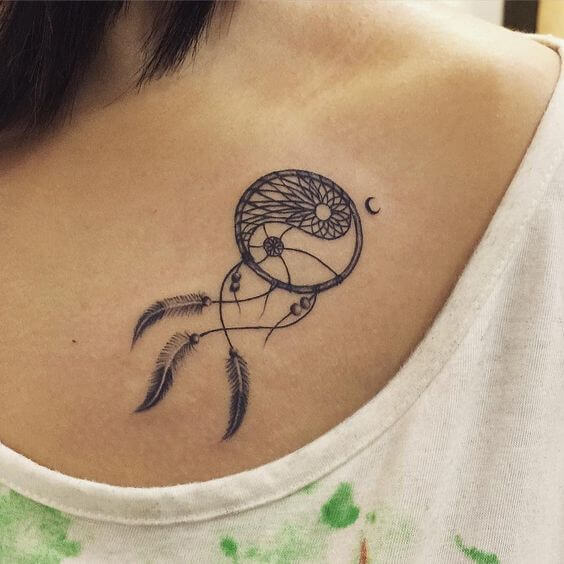
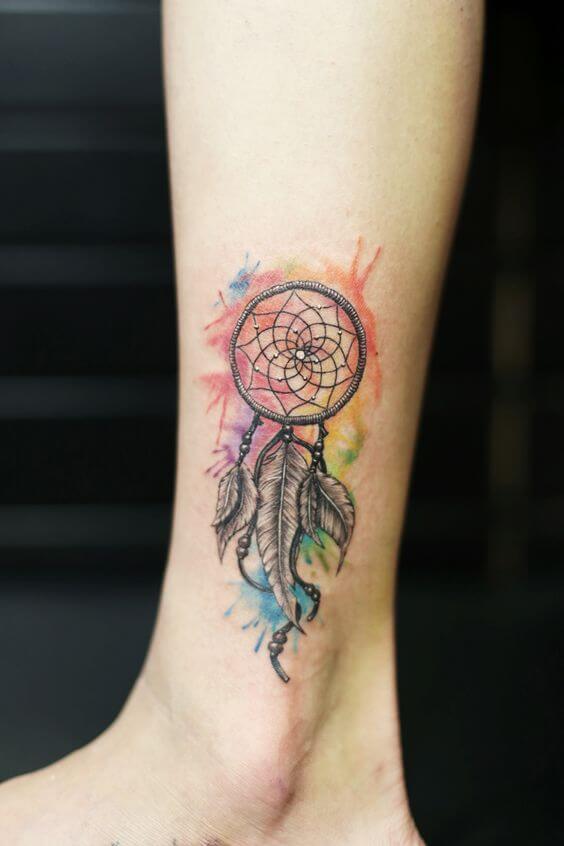
| Small hoop, wrist or ankle | 2-3 in | 1 | 6-7 | $120-$300 |
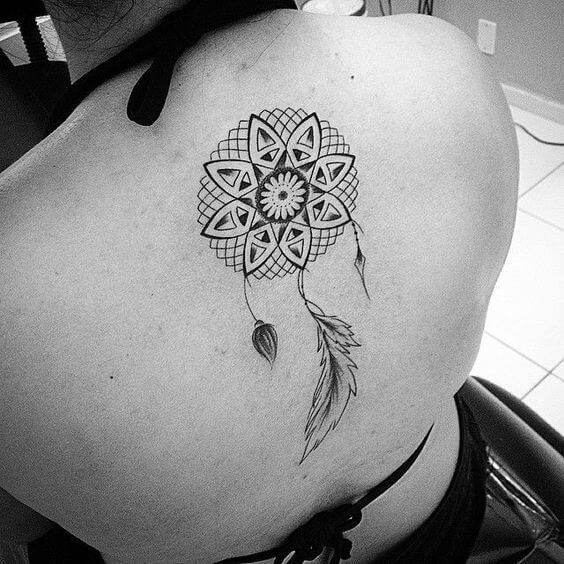
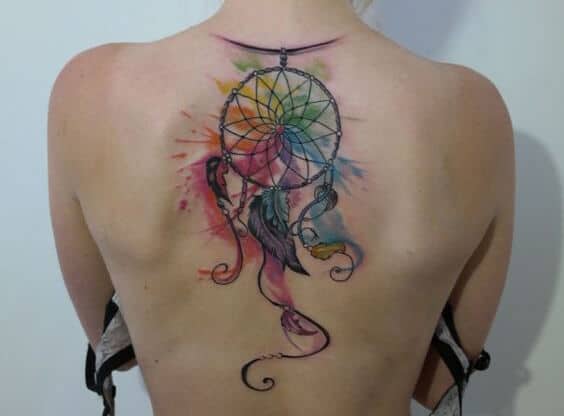
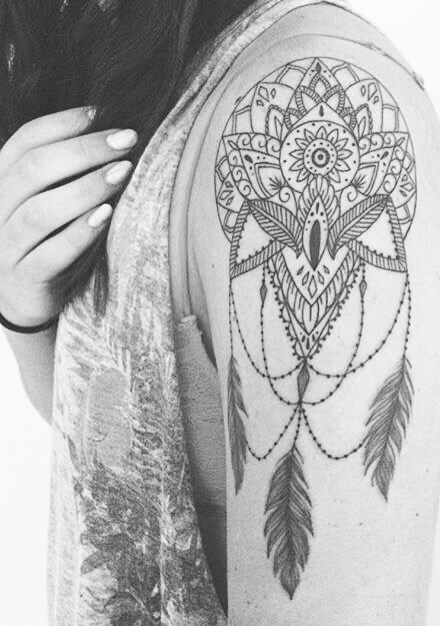
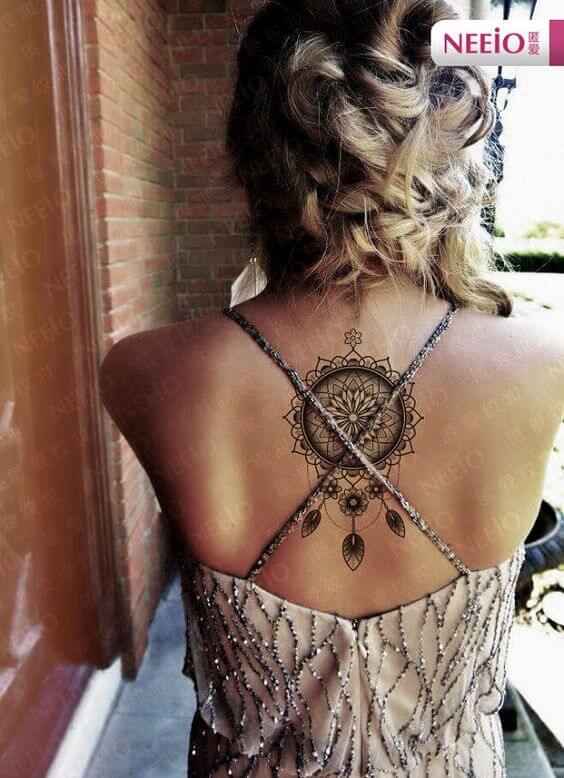
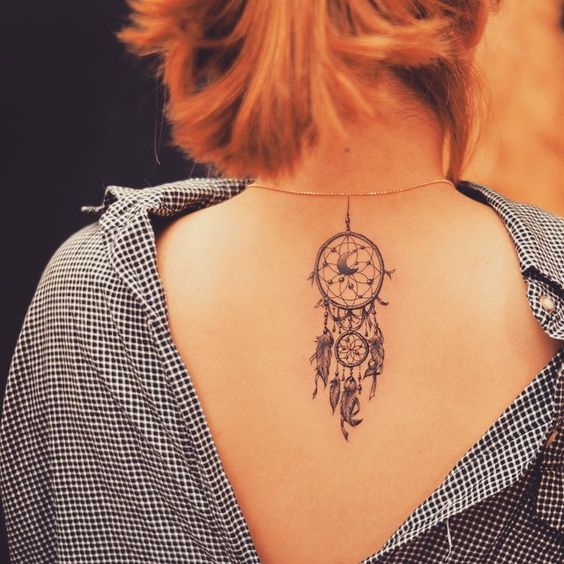
| Shoulder blade | 5-7 in | 1-2 | 4-5 | $350-$800 |
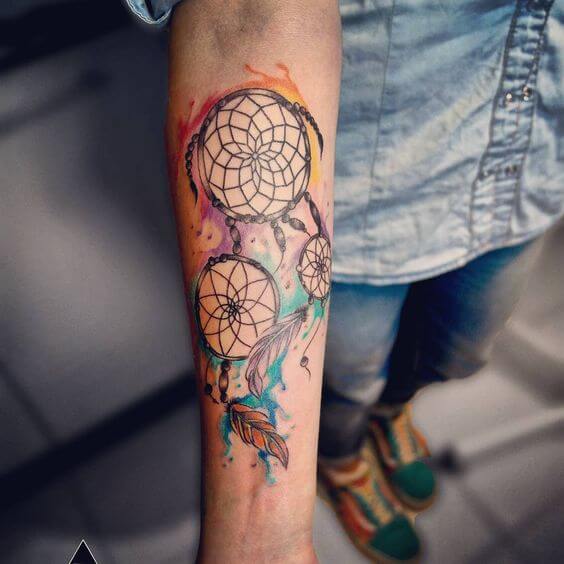
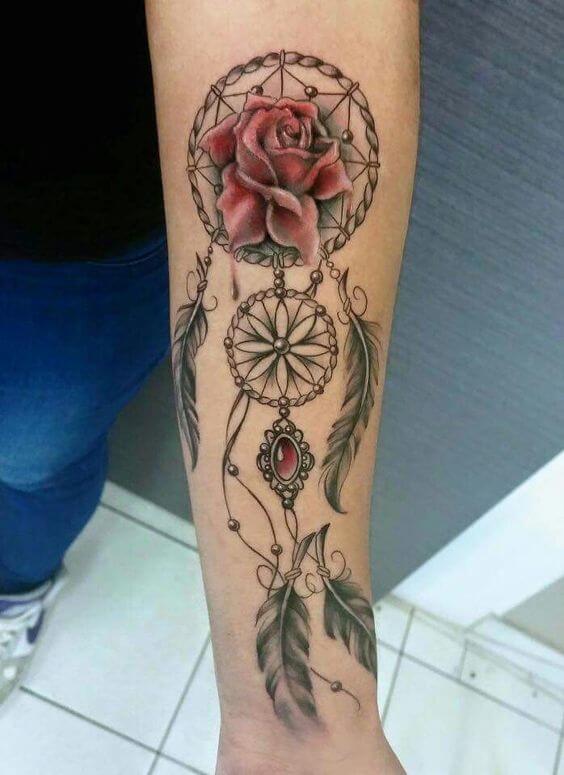
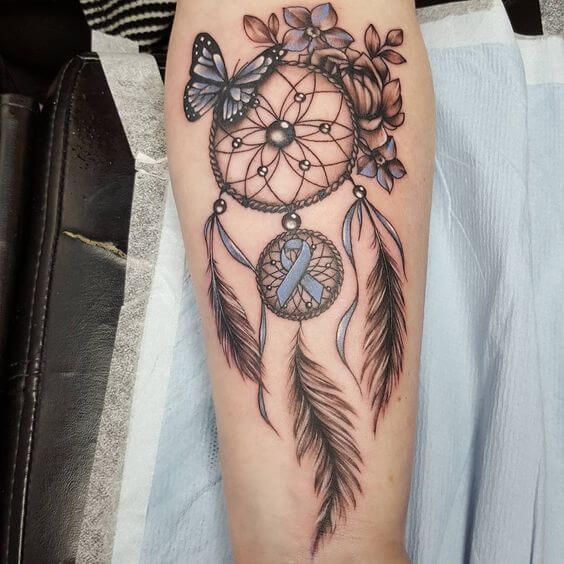
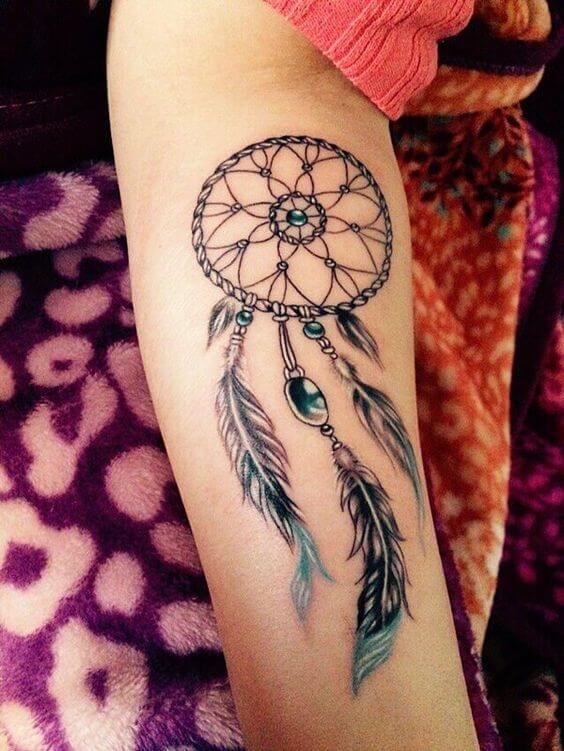
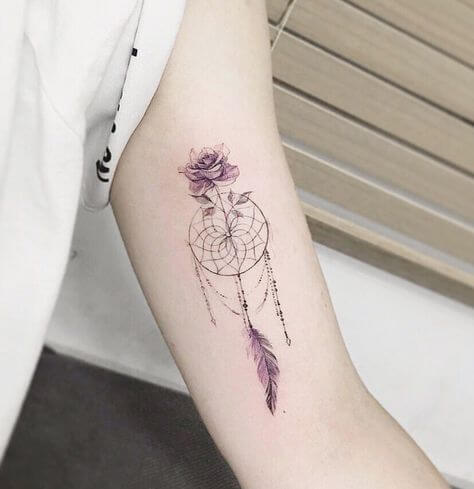
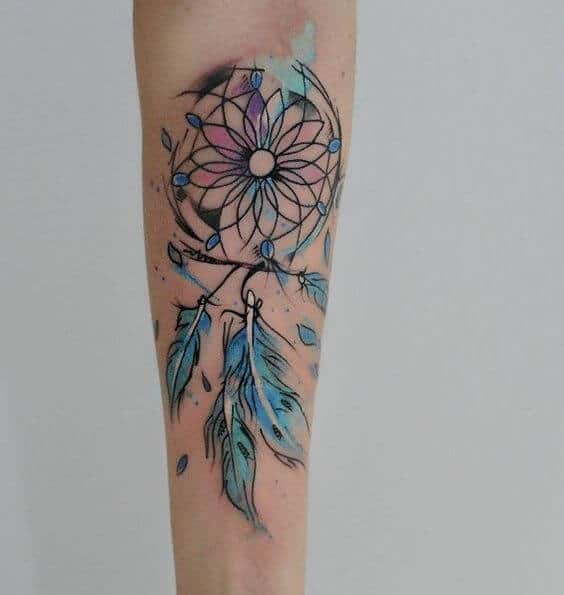
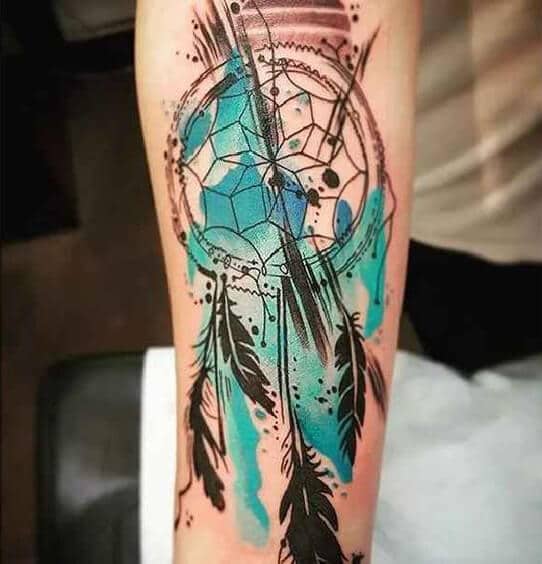
| Inner forearm, vertical | 5-8 in | 1-2 | 5-6 | $350-$900 |
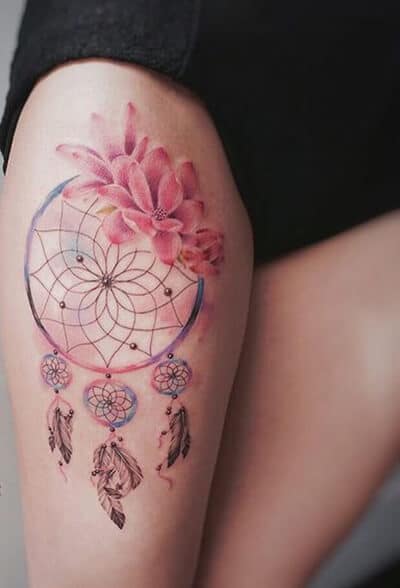
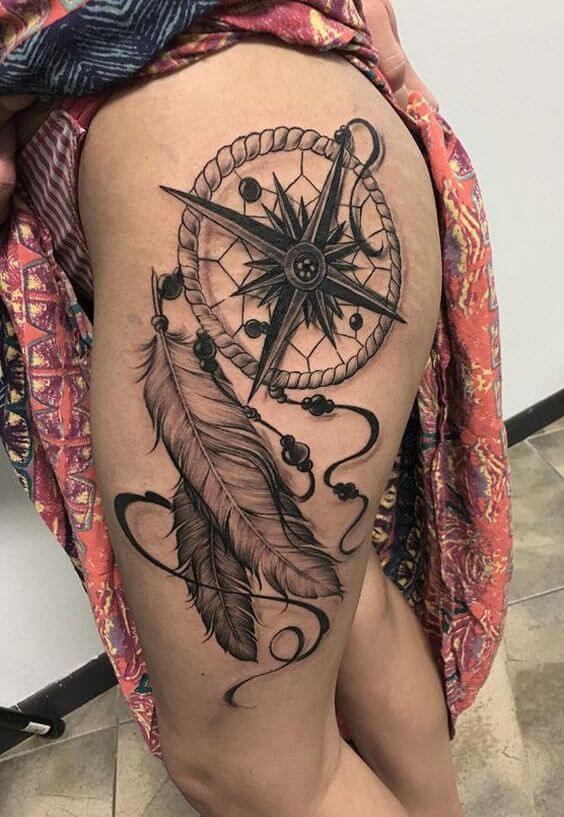
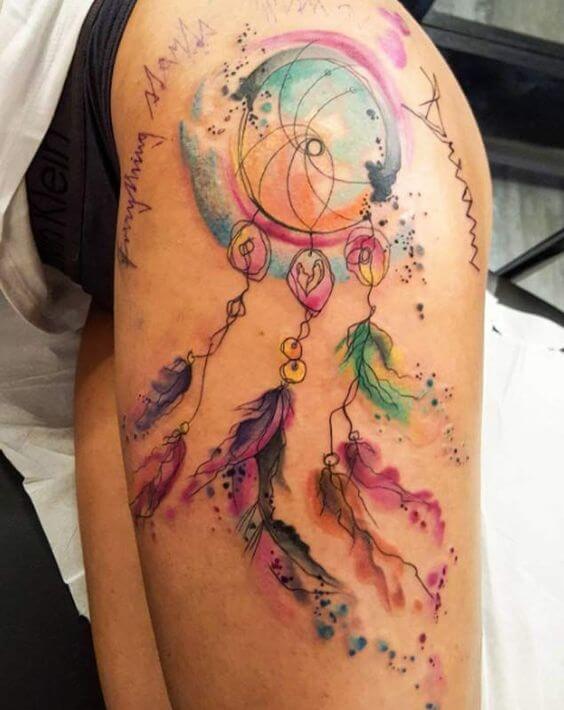
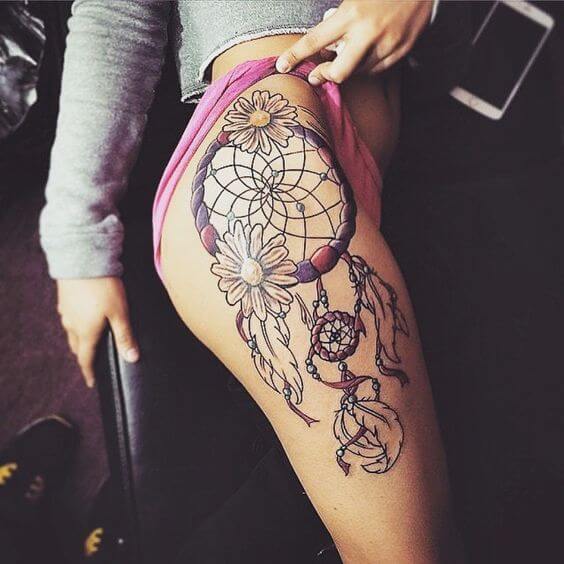
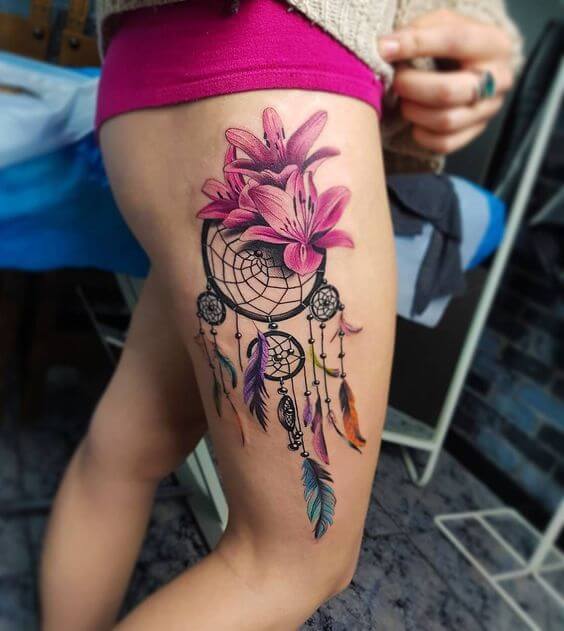
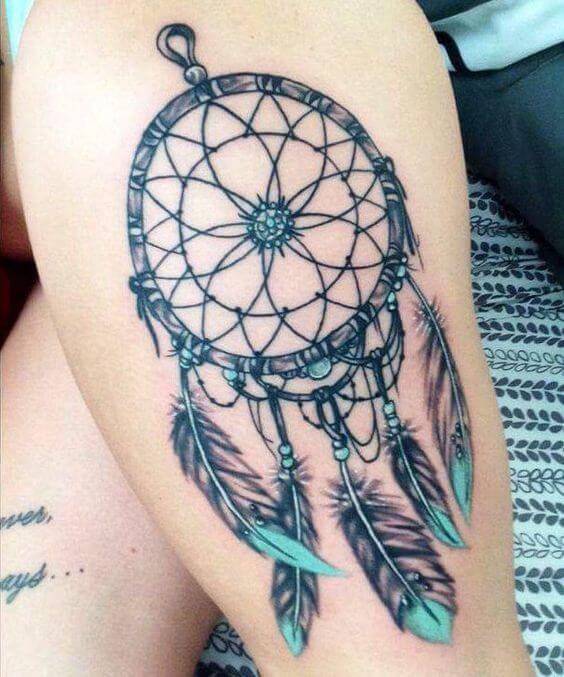
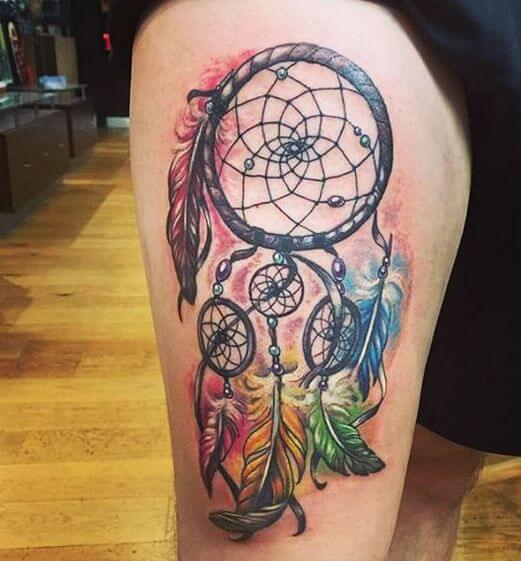
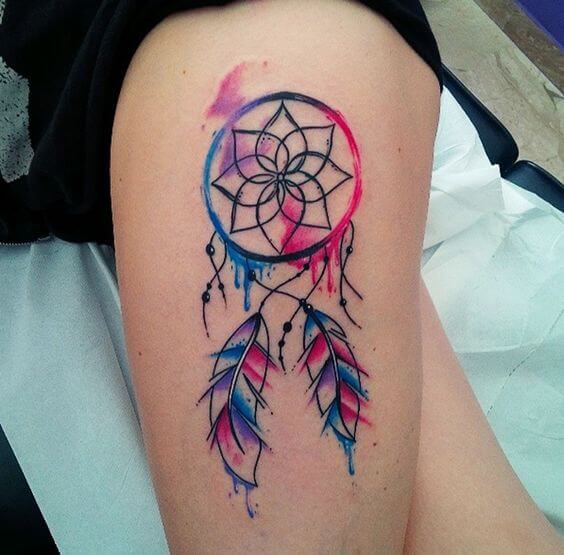
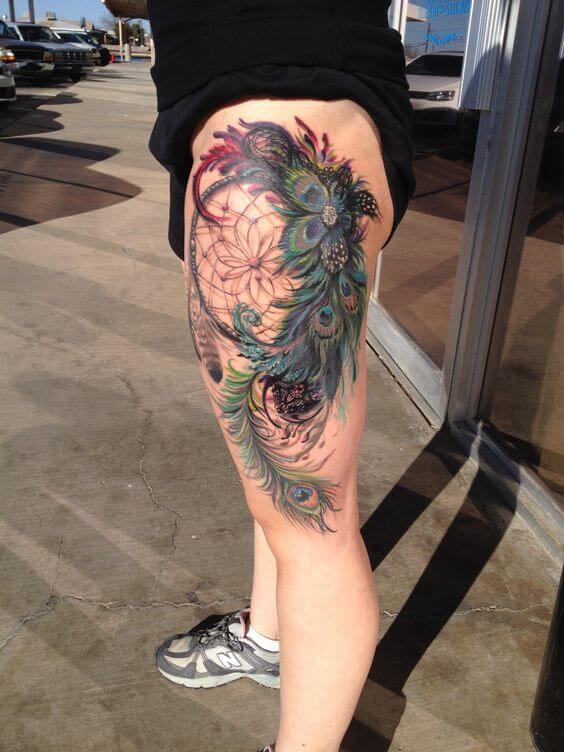
| Thigh, with feathers falling | 8-14 in | 2-3 | 3-5 | $900-$2,500 |
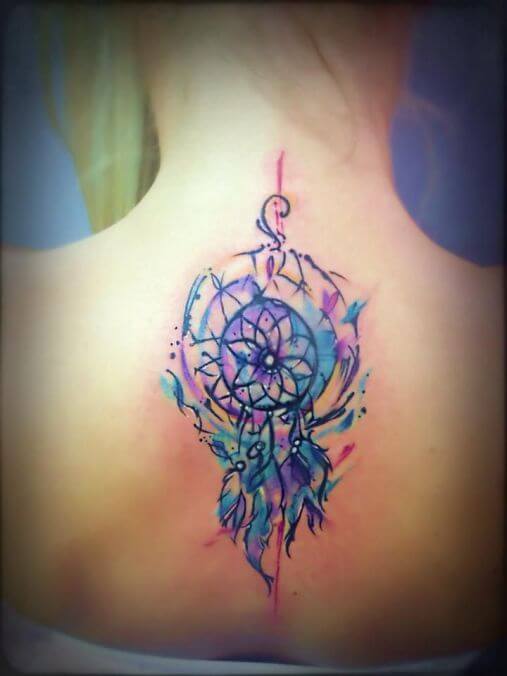
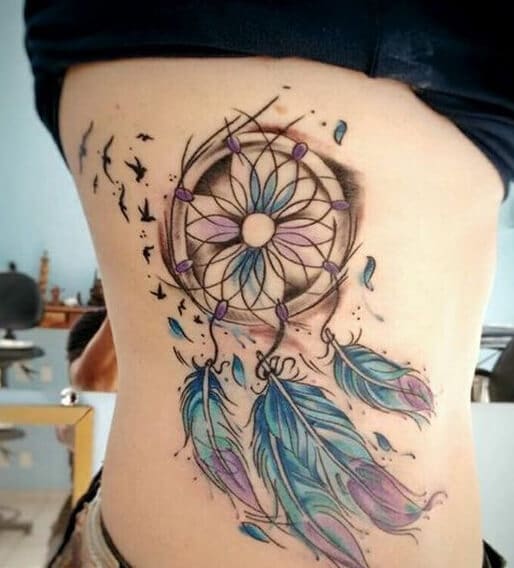
| Ribcage or spine | 8-14 in | 2-3 | 8-9 | $1,000-$2,800 |
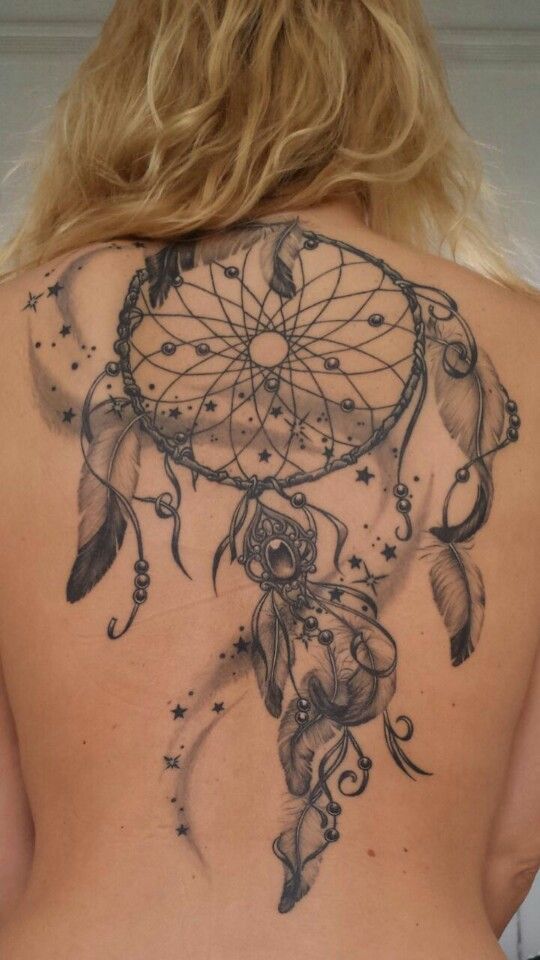
| Back piece | - | 4-8 | 4-6 | $2,000-$6,000 |
Rates vary by city and by artist. Anything below about four inches is fighting the design.
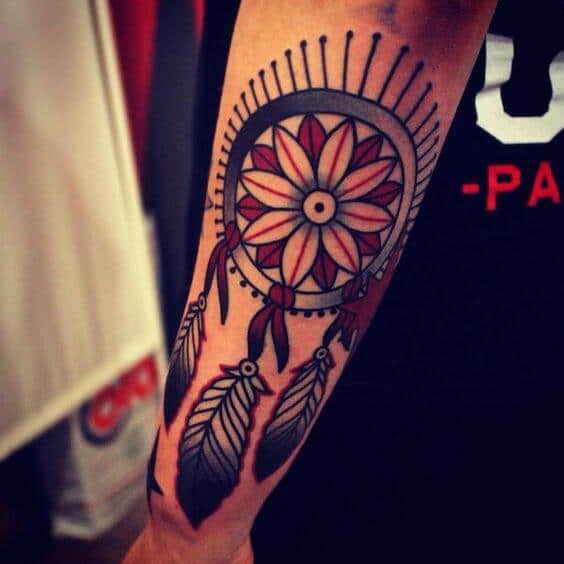
Styles that hold up
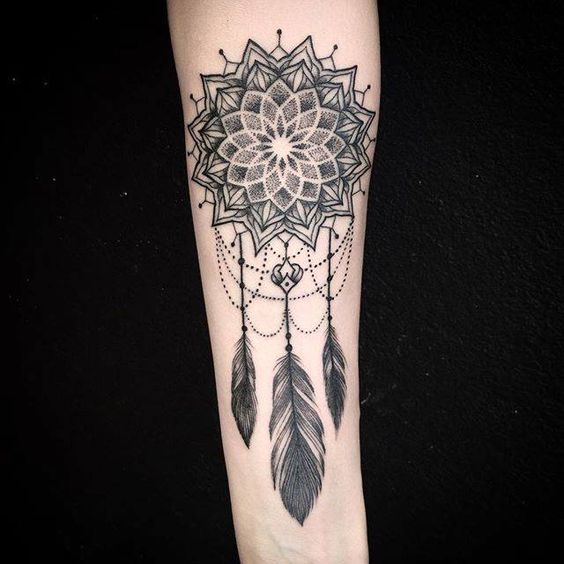
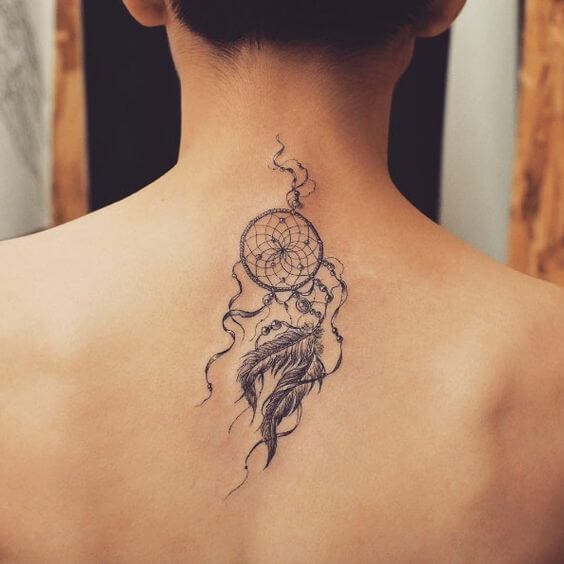
Black and grey with real tonal work. Web rendered as thread, feathers with structure. The most durable version.
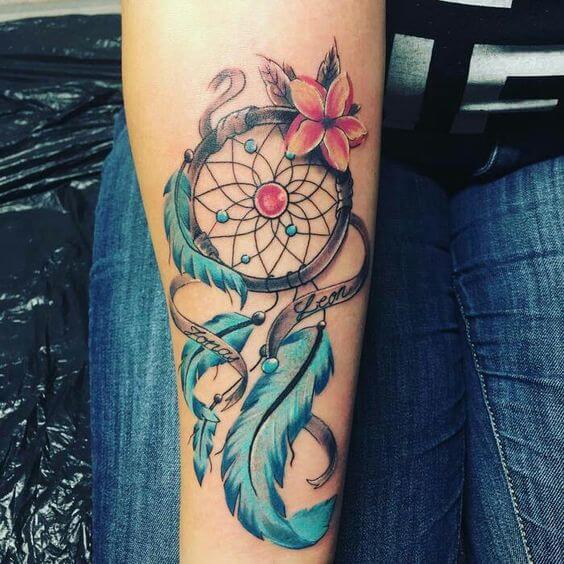
Neo-traditional. Bold outline, controlled palette, decorative beads and feathers. Ages very well and suits the object.
Dotwork and stippling. Beautiful for the web, and the dots hold their shape better than hairlines do.
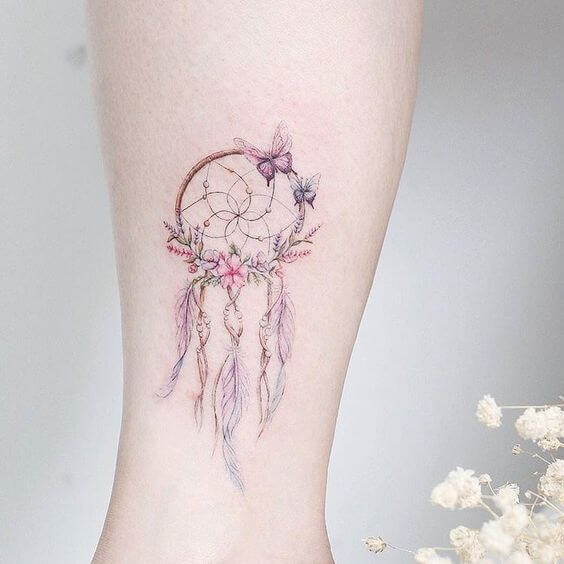
Illustrative with botanicals, where the hoop is wound with flowers or foliage. Gives the composition weight beyond the web.
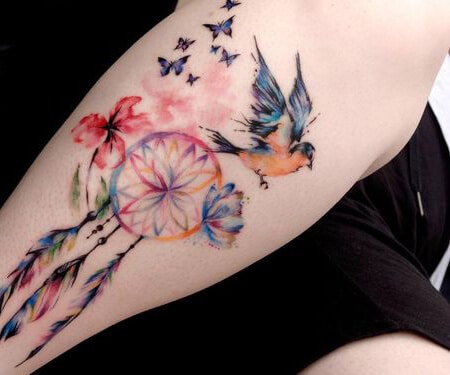
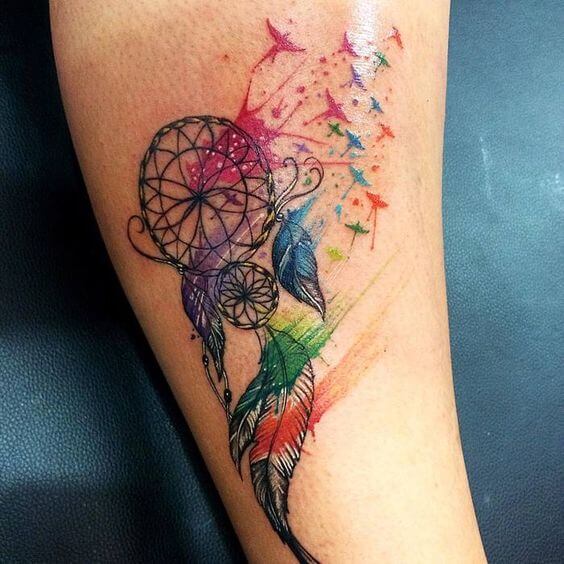
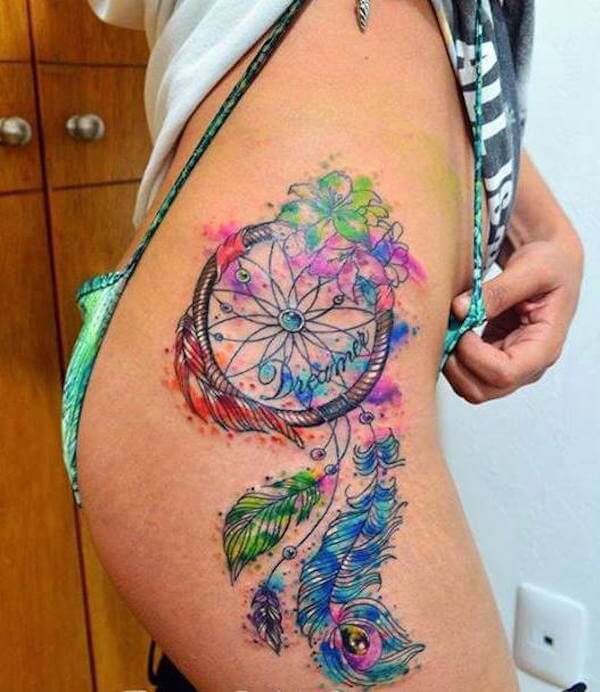
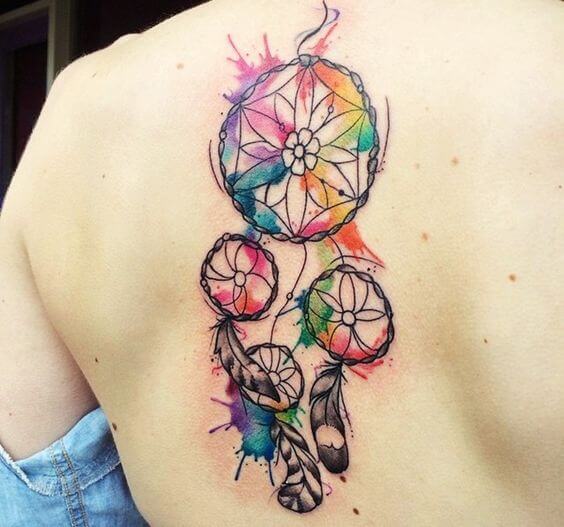
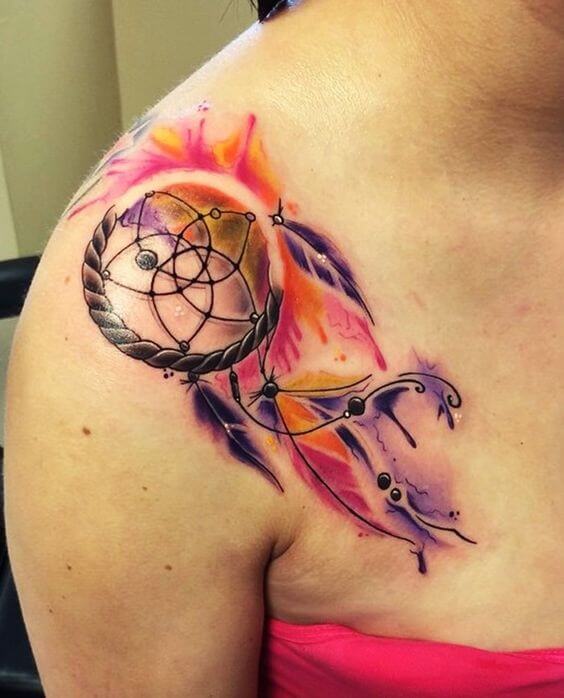
Watercolour. Common for this motif, and the weakest over time. Splashes without black structure underneath fade to vague colour within a few years. Ask for a black-and-grey framework if you want the effect.
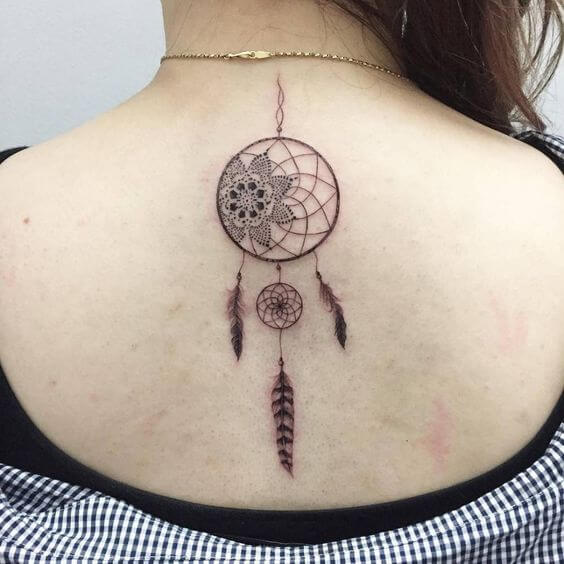
Fine-line micro. The version that ages worst here, for the reason in the next section.
How it will age, honestly
This design is almost entirely fine detail, which makes it one of the harder motifs to keep.
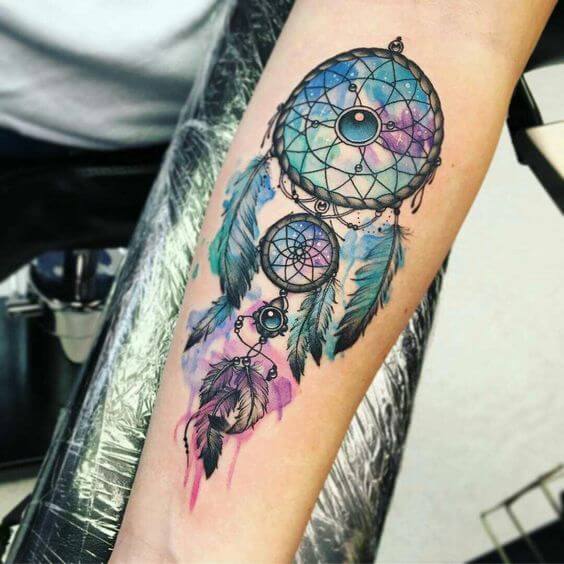
The web is the problem. Hairline threads crossing at narrow angles will merge over ten to fifteen years, and a merged web is a grey disc. The defences are size, and asking your artist to draw a simpler web with wider spacing than the reference - it looks better fresh too.
The feathers need internal structure, not outline. A feather drawn as a shape with a few lines becomes a smudge. Drawn with real barb separation and tonal work, it stays a feather.
The beads and wrapping are small solid elements, which is good - solid black is the most durable thing you can have.
Sunscreen once healed. Expect a touch-up around year five, and treat it as maintenance on a detailed piece rather than a fault.
What to bring your artist
Bring a sense of the vertical space you want it to occupy, because that is the decision that shapes everything. Bring reference for the feathers you want - they are the most personal part and are usually copied thoughtlessly.
Ask for a web with fewer, wider threads than the picture you liked. Every experienced artist will agree, and will probably have suggested it first.
A good artist will also push back on cramming it small, and many will have a view on the cultural question above. That conversation is worth having rather than avoiding.
Aftercare, briefly
Follow your artist's instructions. In general: covering on as long as they said, then gentle washing twice a day with clean hands and fragrance-free soap, and a very thin layer of the recommended aftercare.
Large detailed pieces peel more dramatically and itch more. Do not pick - ink lifted out of a web line is exactly the damage that shows. No soaking for two to three weeks, and keep it out of the sun entirely while healing.