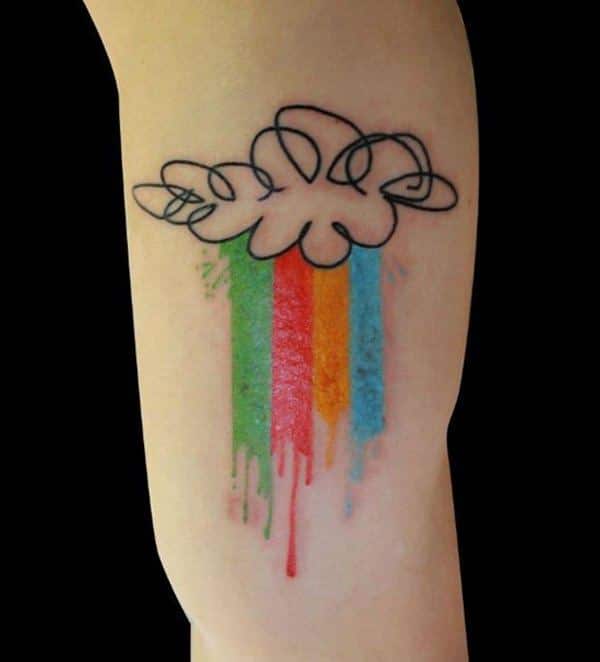
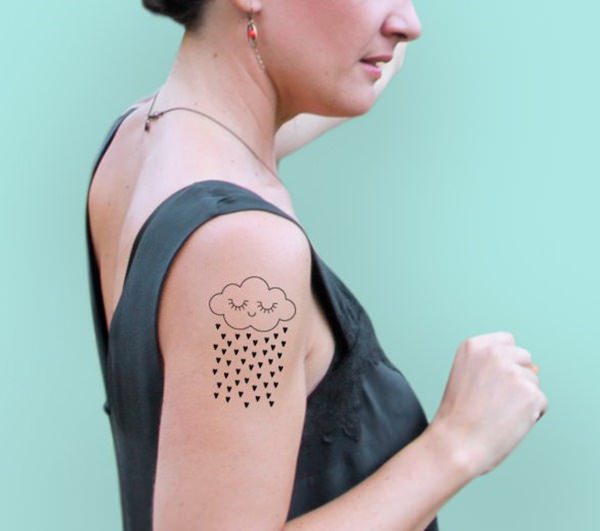
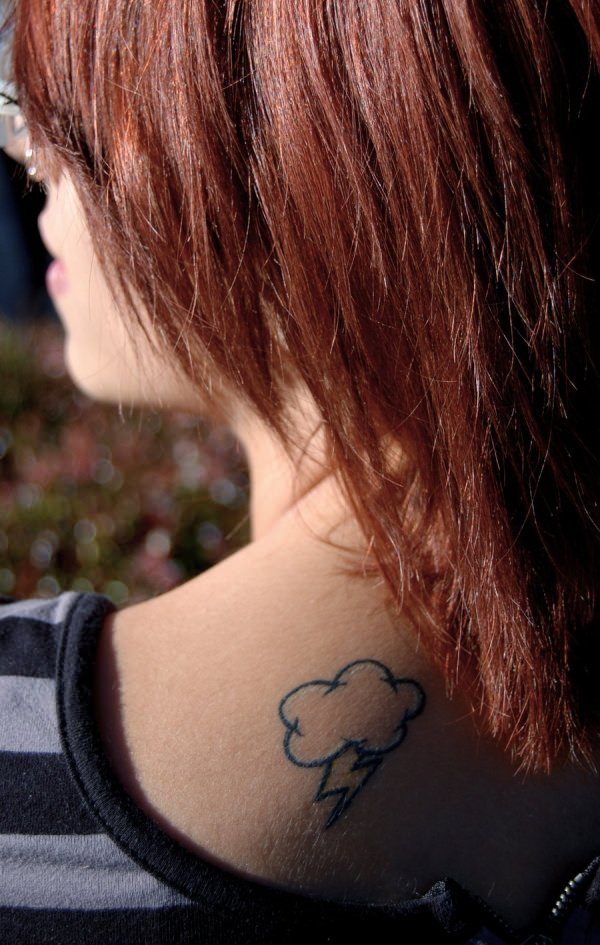
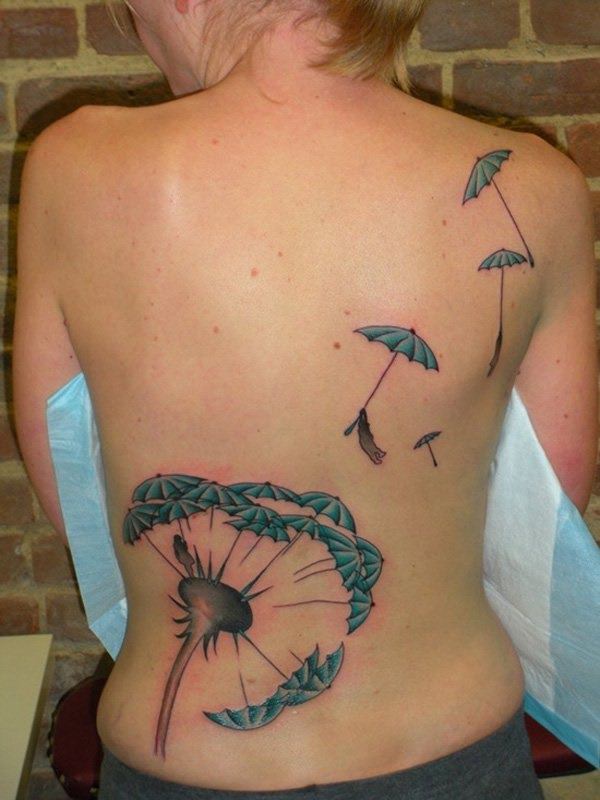
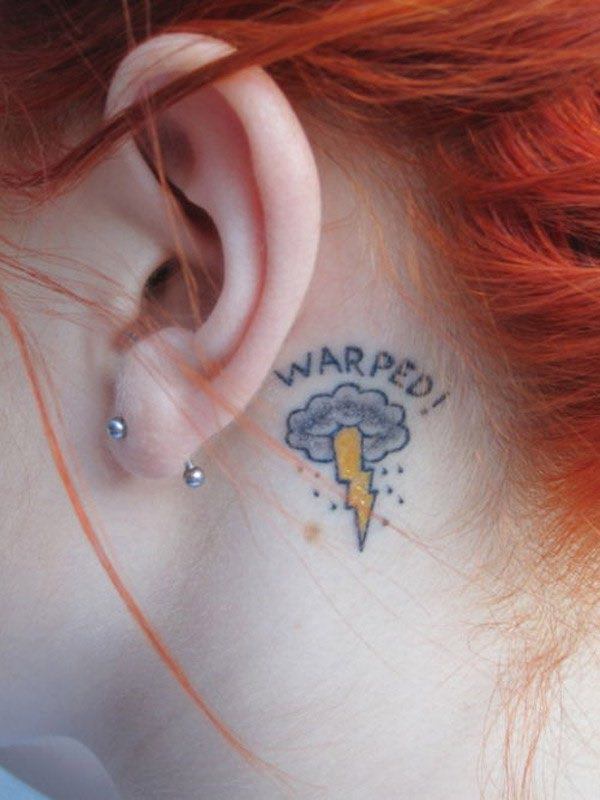
55 Dreamy Cloud Tattoo art to choose from
Clouds are the most useful shape in tattooing and the least discussed. They have no fixed form, no correct proportions and no orientation, which means an artist can bend them around anything: fill an awkward gap, connect two unrelated pieces, carry a design across a shoulder, or give a dragon somewhere to be.
They are also a subject in their own right, with a long and specific tradition behind them that most people getting a cloud tattoo have never been told about.
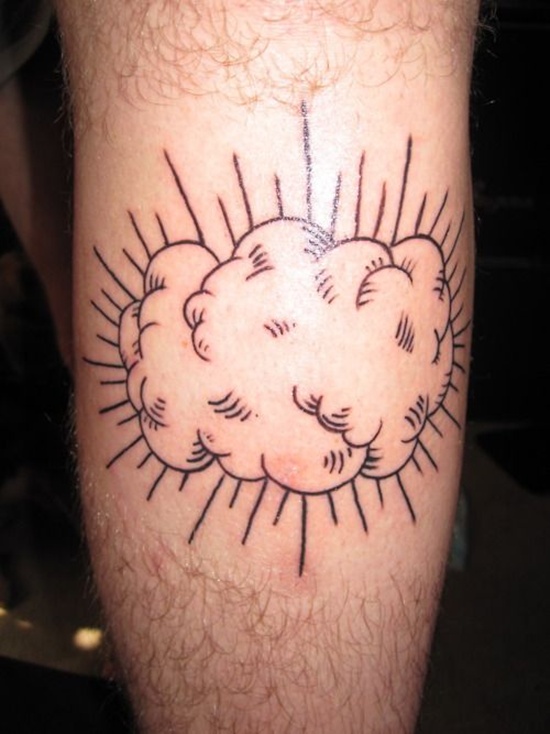

The Japanese and Chinese tradition
In Japanese tattooing, clouds are not decoration and not an afterthought. They are structural. A traditional Japanese back piece uses cloud and wind bars to frame the main subject, to control how the eye moves, and to unify a body suit into one composition rather than a collection of separate images.
The style has rules. Cloud forms are stylised into recognisable shapes, rendered with specific line and shading conventions, and their placement is governed by how the design flows over the body. An artist who works in the tradition can explain each choice. One borrowing the surface usually cannot.
In Chinese art the auspicious cloud, xiangyun, is a specific motif associated with good fortune, and with the sky as the domain of dragons and immortals. The scrolled, curled form is instantly recognisable and it appears throughout Chinese decorative art.
If you want a cloud that carries this weight, find an artist who works in the style properly. It is one of the traditions where the difference between real knowledge and imitation is immediately visible to anyone who knows it.

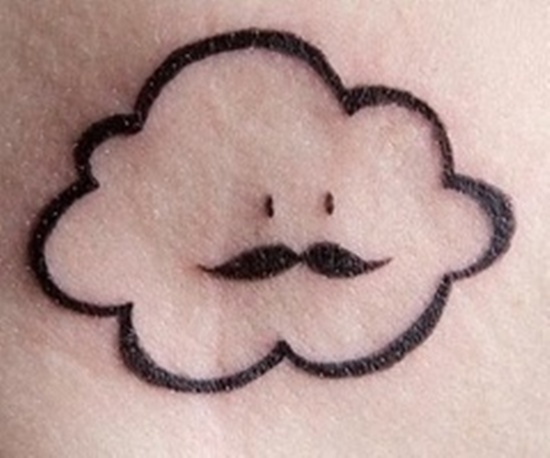
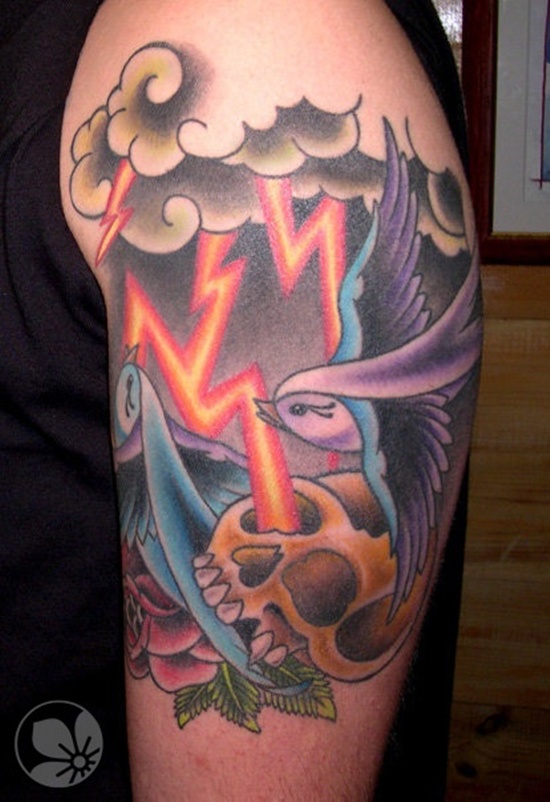
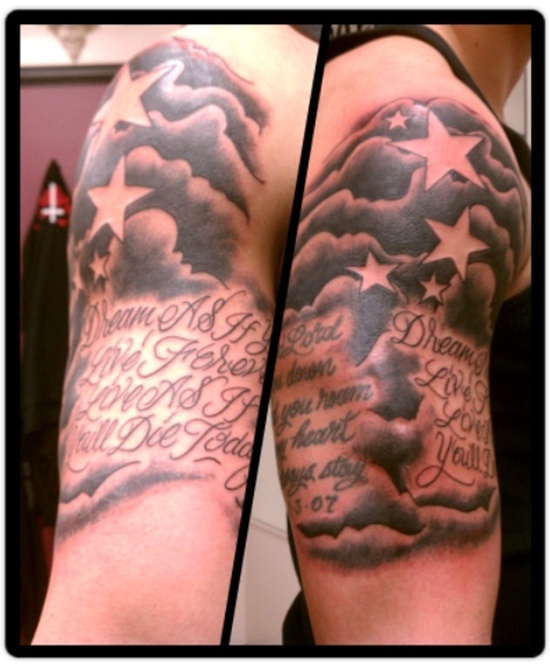
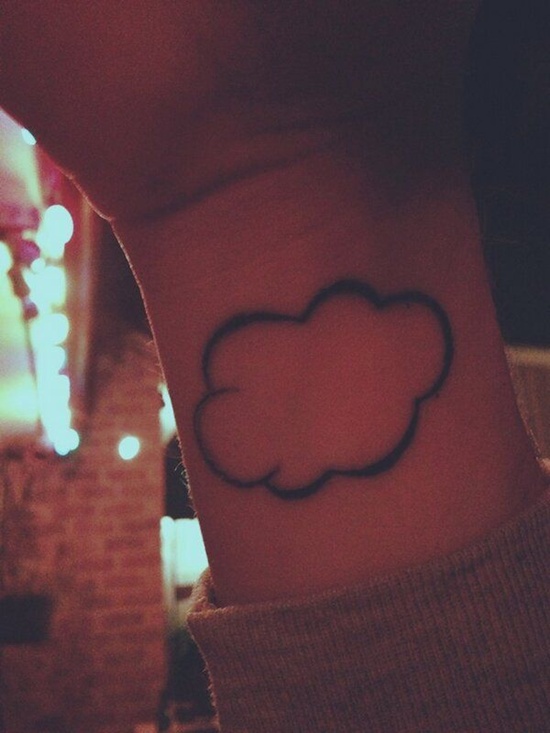
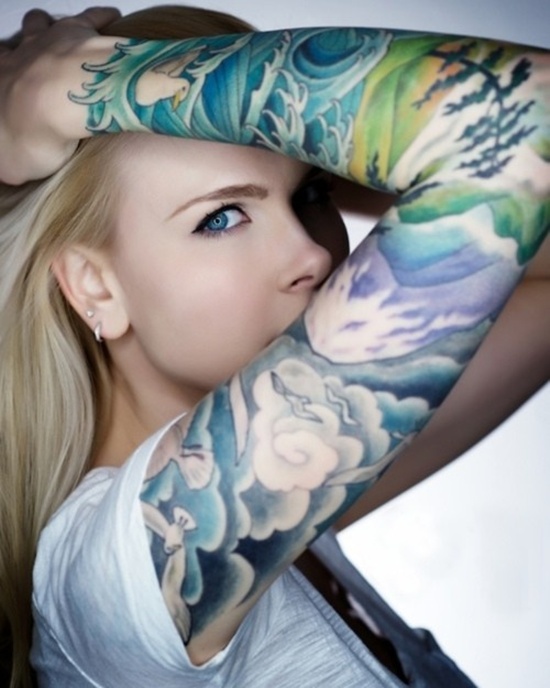
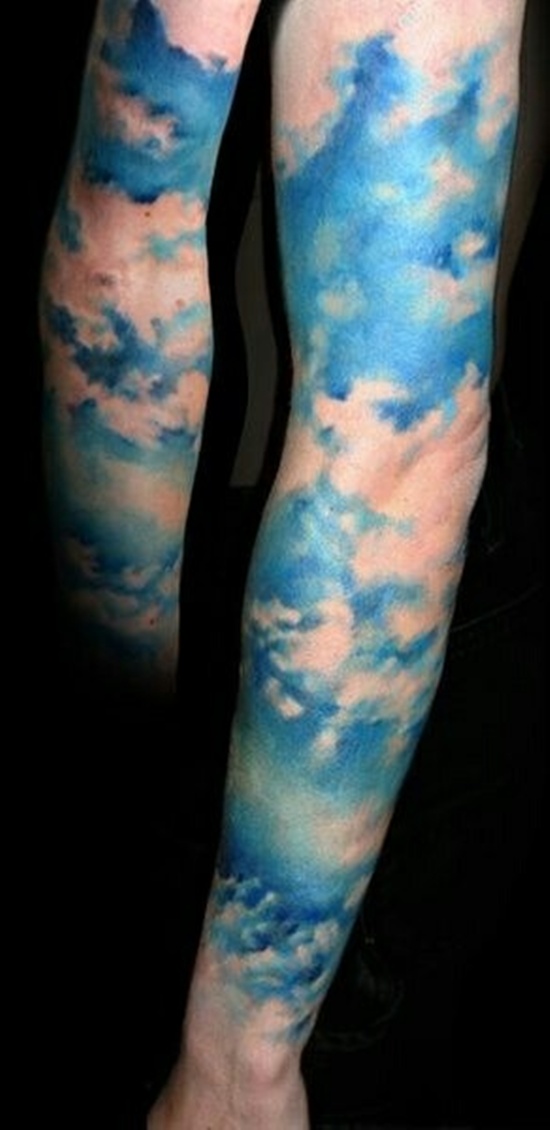
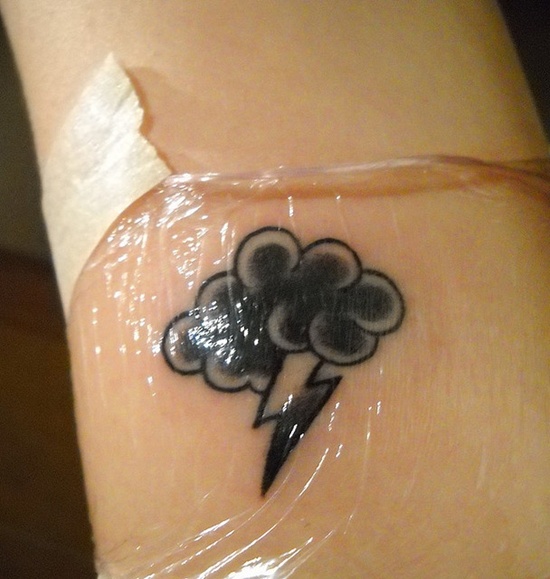
What clouds mean elsewhere
Transience. Nothing holds a shape less. The obvious reading and a good one.
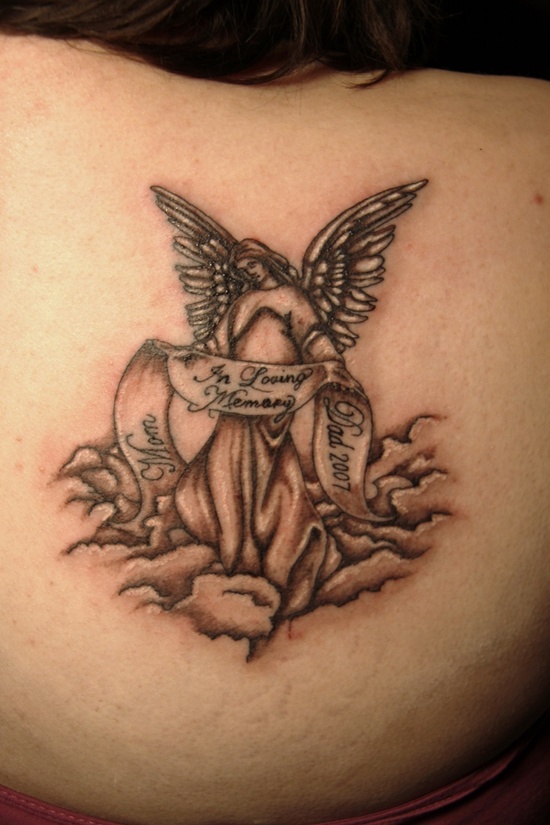
A person who has died. Clouds are among the most common elements in memorial tattoos, usually with a name, a date, or light breaking through.
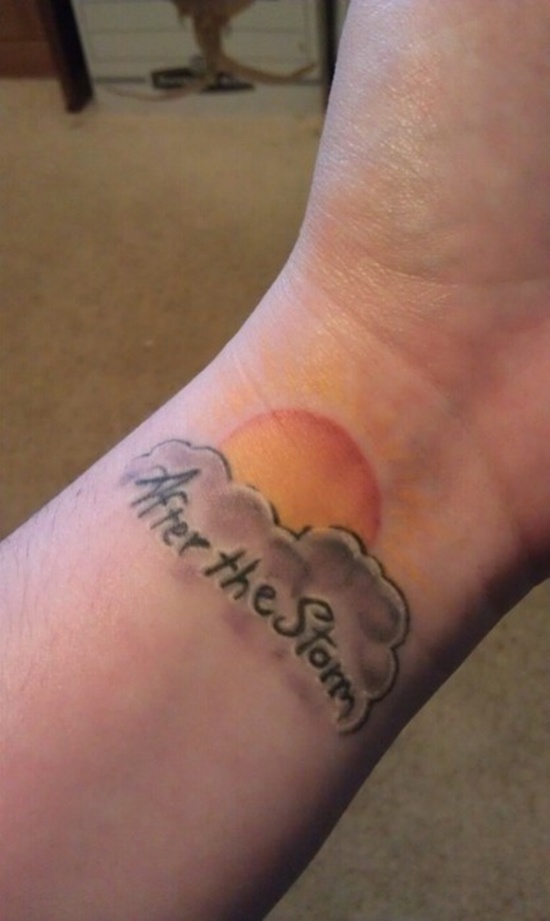
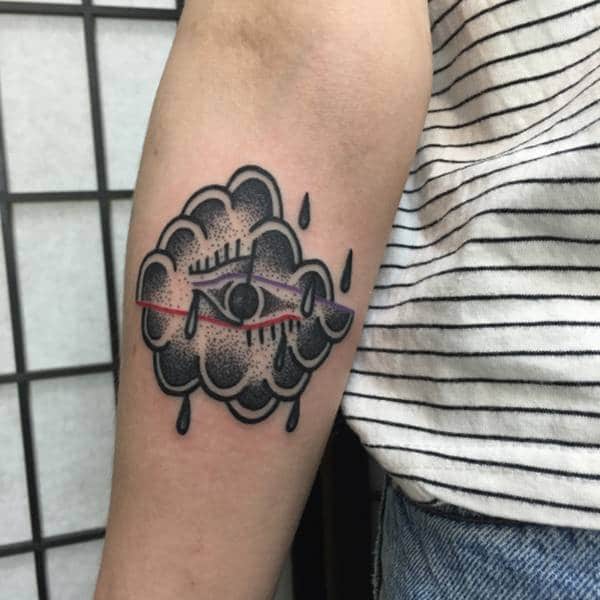
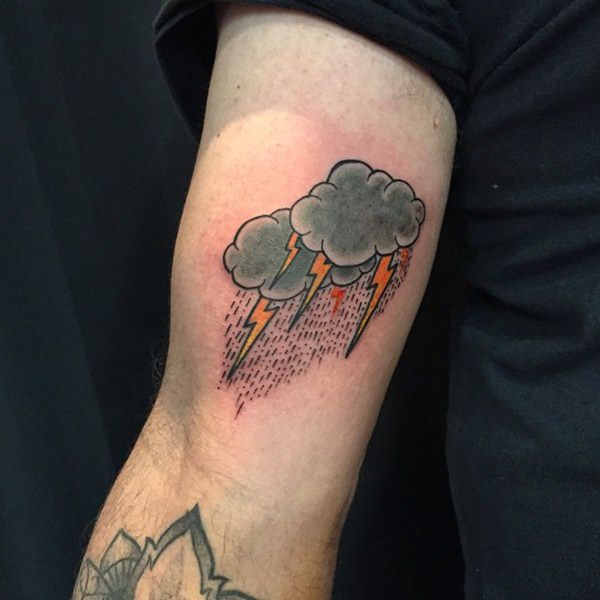
Storms come and go. Dark clouds with light behind them is one of the most common recovery tattoos there is, and it is effective precisely because it is not subtle.
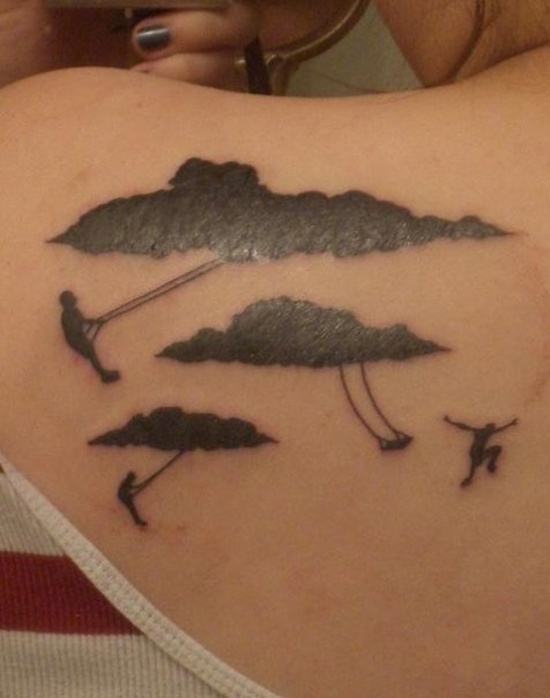
Freedom, height, distance. Sky as escape.
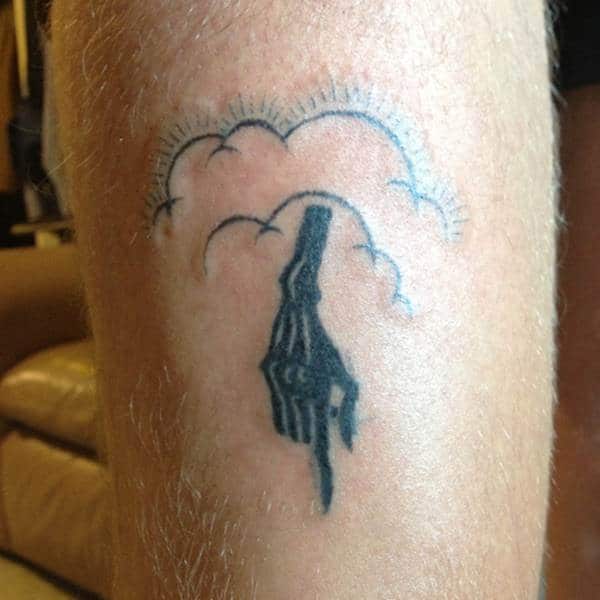
Faith. Clouds with rays behind them carry a specific religious reading in Western art, and are read that way whether or not you intend it.
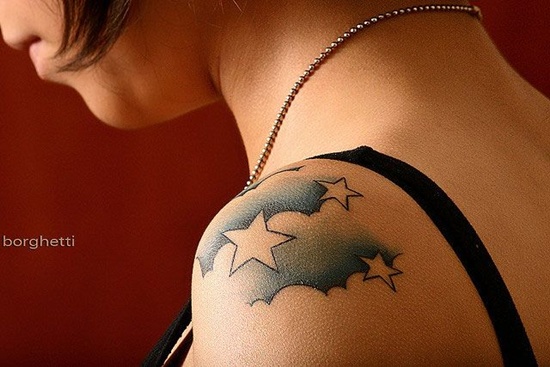
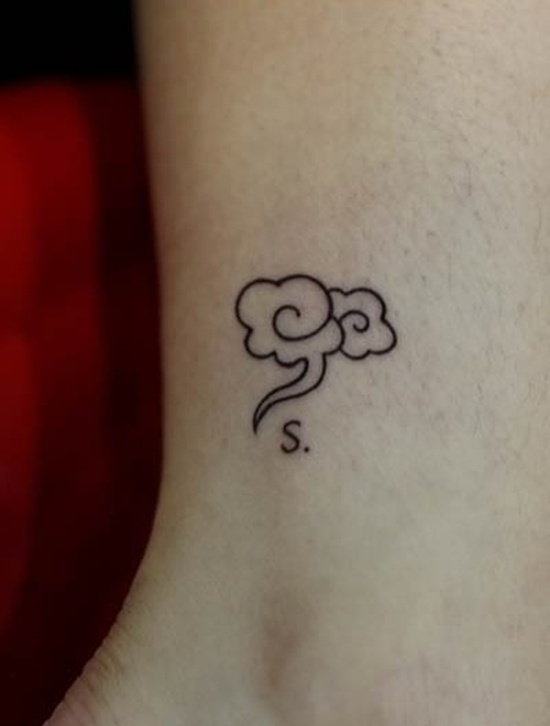
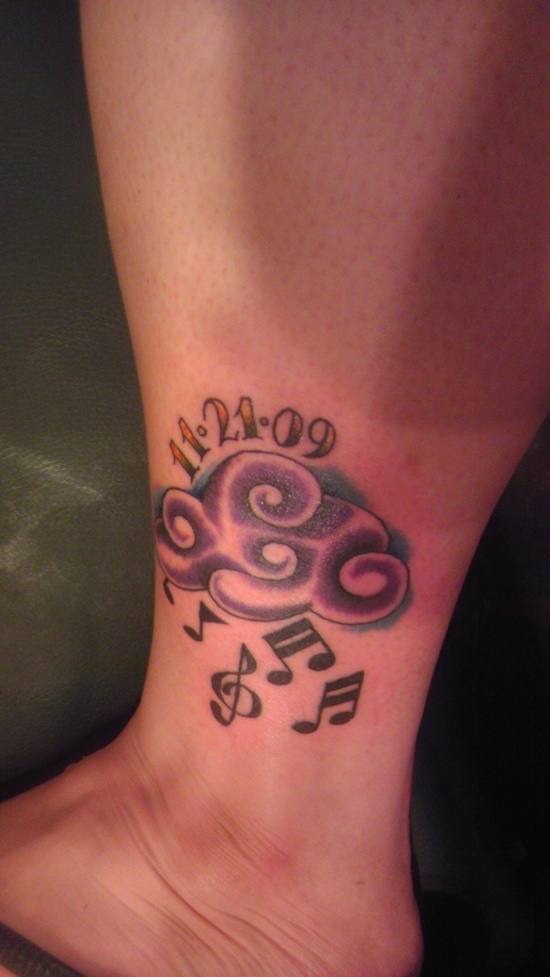
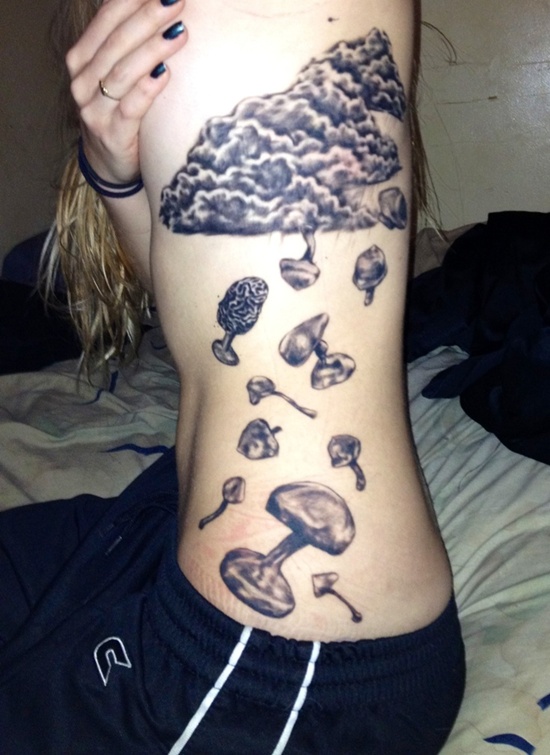
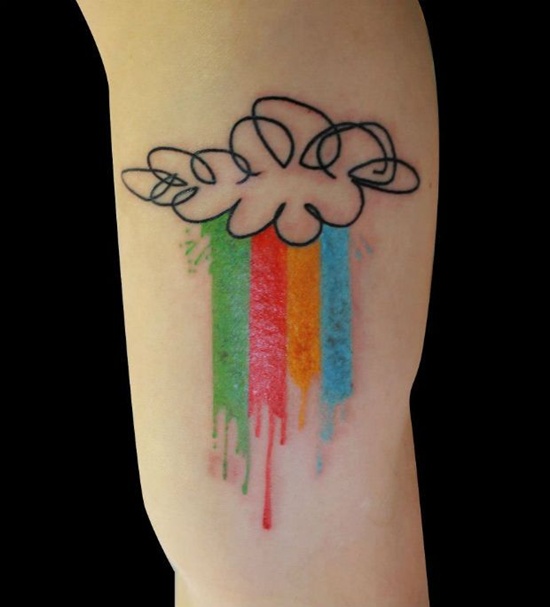
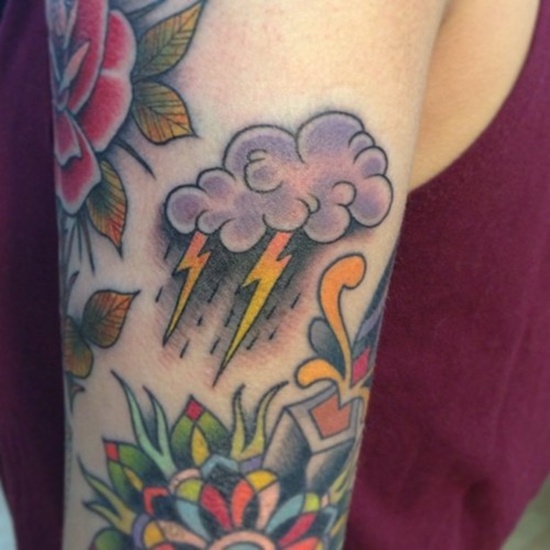
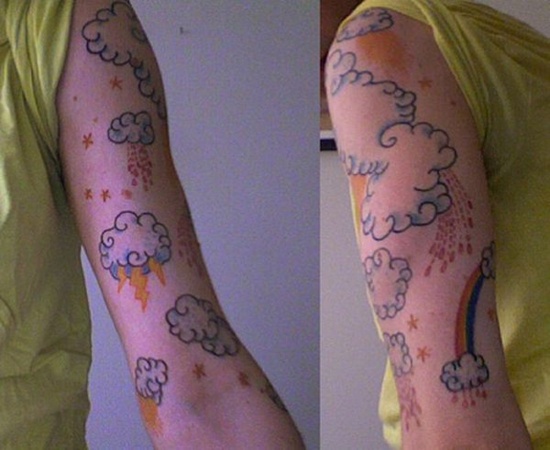
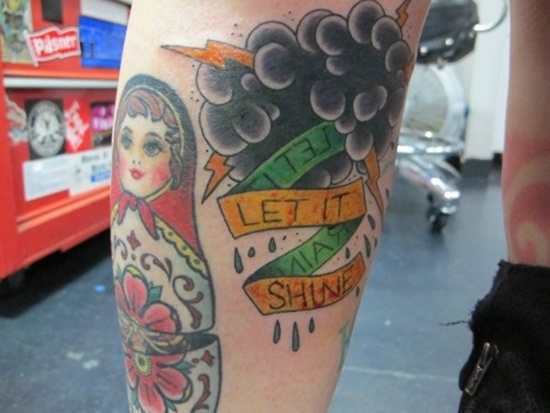
Clouds as filler, which is their real job
Most cloud tattoos are not standalone pieces, and this is worth understanding if you have several tattoos you want to connect.
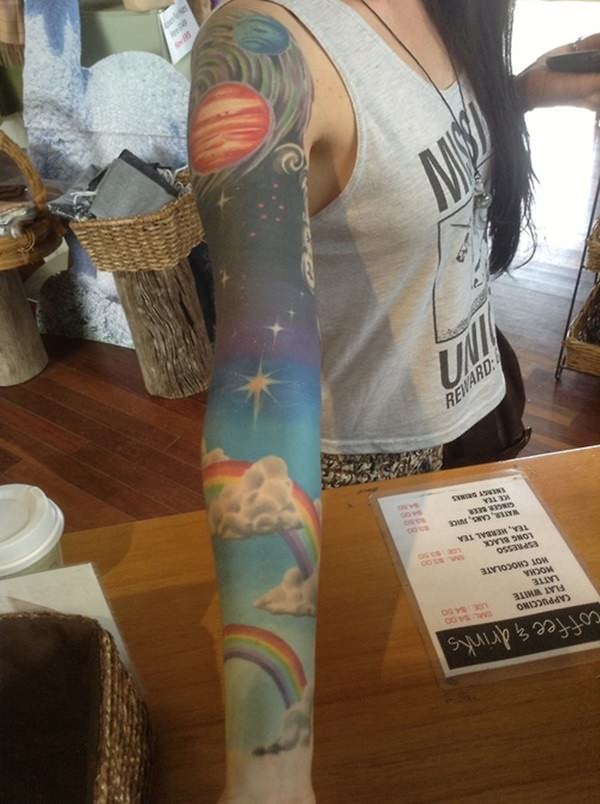
Filler is what turns separate tattoos into a sleeve. Clouds, wind bars, water and smoke are the traditional options, and clouds are the most flexible because they can be any size and any shape. They fill the awkward inner arm, they bridge the gap between two unrelated pieces, they hide the edge of an old tattoo, and they give the eye somewhere to rest.
If a sleeve is where you are heading, mention it early. An artist planning for filler from the start produces a far better result than one asked to retro-fit connections between five tattoos done by four different people.
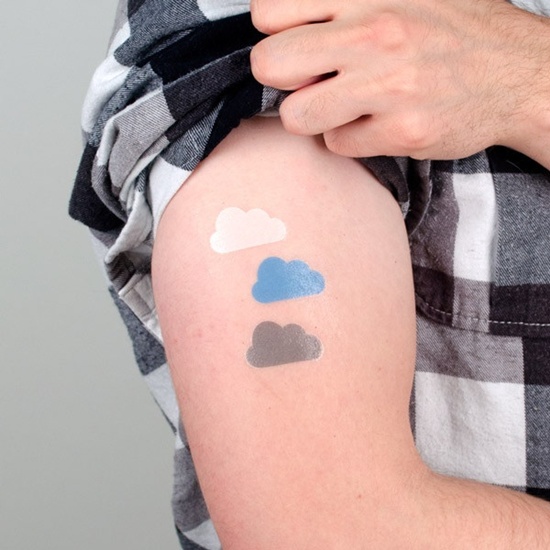
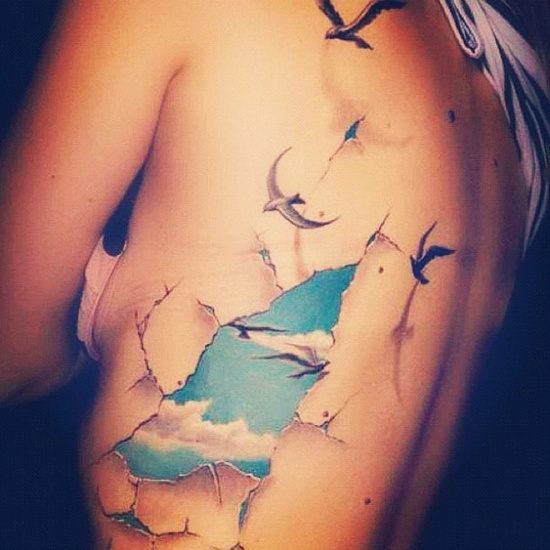
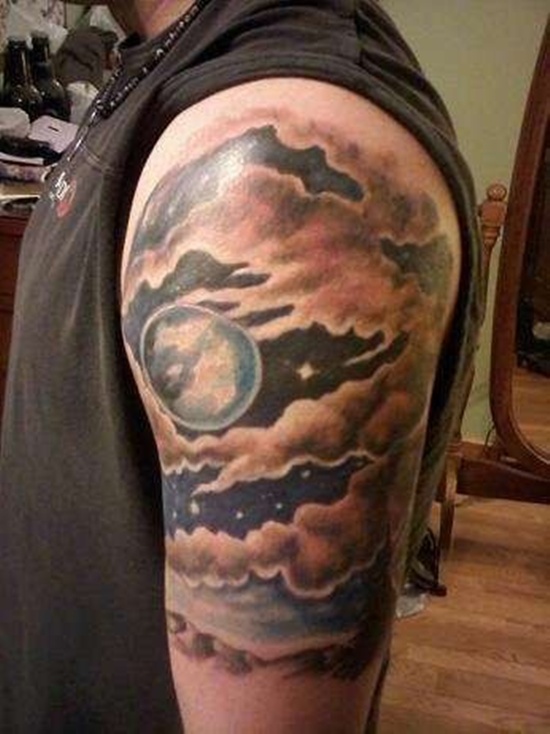
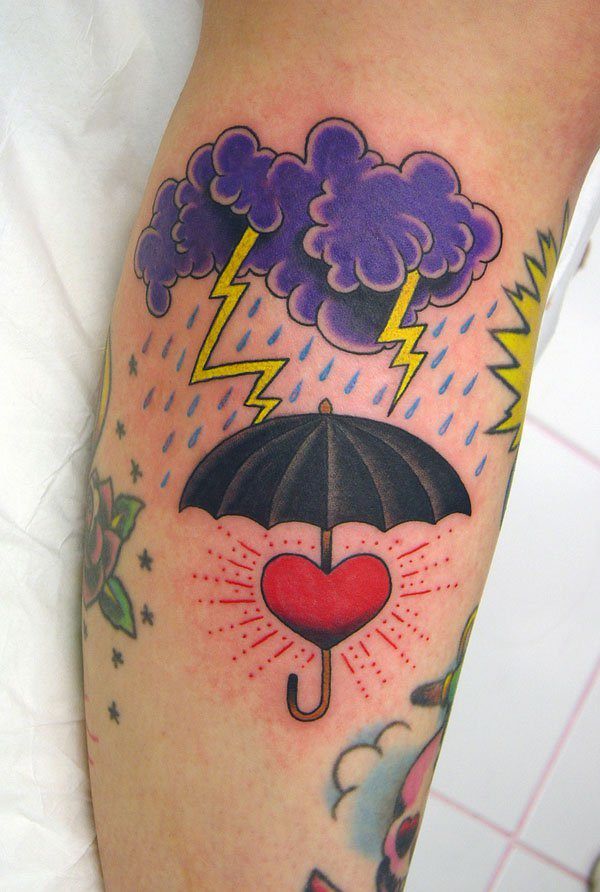
Placement, size and cost
| Design | Typical size | Sittings | Pain, 1-10 | Rough cost |
|---|---|---|---|---|
| Small cloud, wrist or ankle | 2-3 in | 1 | 5-7 | Shop minimum |
| Cloud with sun or moon, forearm | 4-6 in | 1 | 5-6 | $250-$600 |
| Storm scene, outer arm | 6-9 in | 1-2 | 2-3 | $500-$1,200 |
| Japanese cloud panel, shoulder | 8-12 in | 2-3 | 4-5 | $900-$2,500 |
| Filler across an existing sleeve | - | 2-4 | 4-6 | $800-$2,500 |
| Full Japanese back or sleeve | - | 8-20 | 4-6 | $4,000-$12,000 |
Rates vary by city and artist. Cloud shading is slower than it looks - smooth tonal gradients take multiple passes to lay evenly.
Styles that hold up
Japanese. Built over centuries to age on skin: bold outline, structured shading, real black. Nothing on this page lasts better.
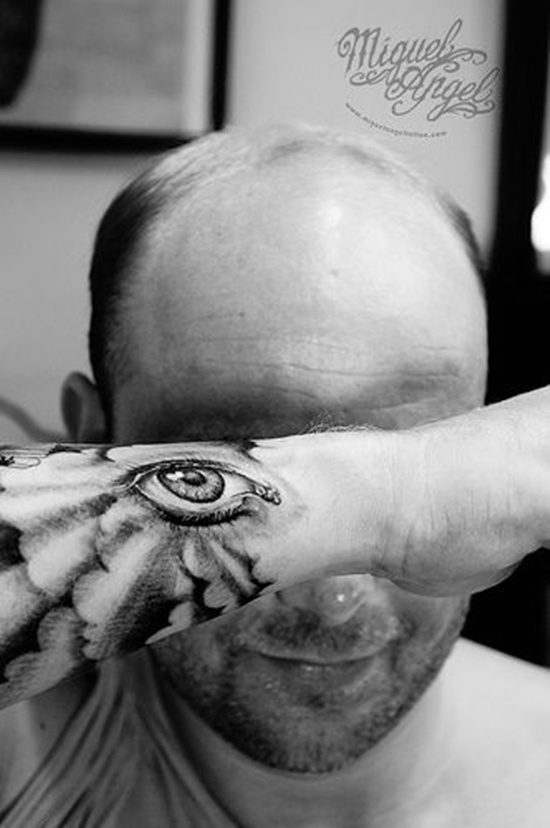
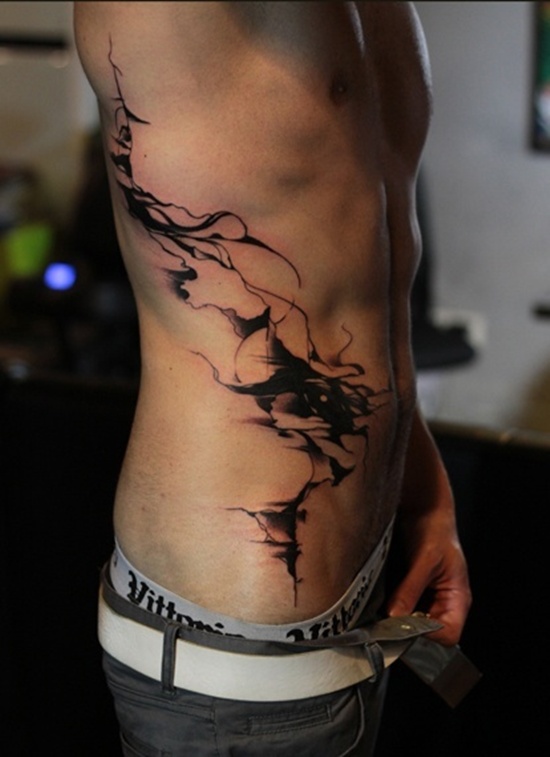
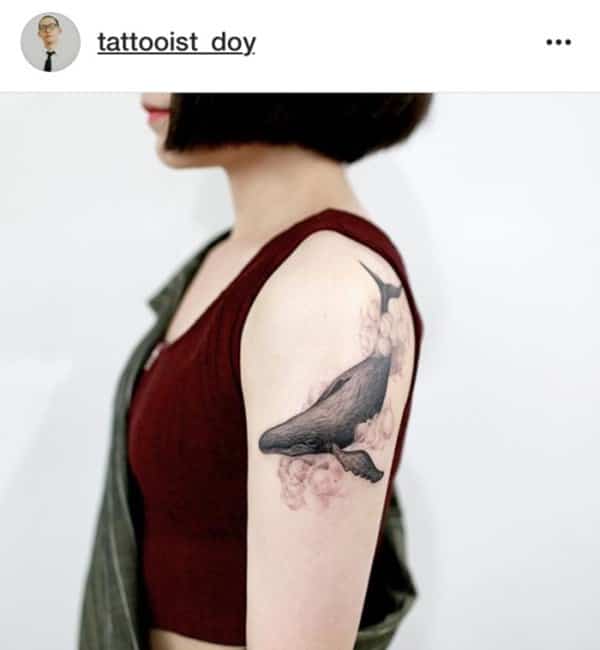
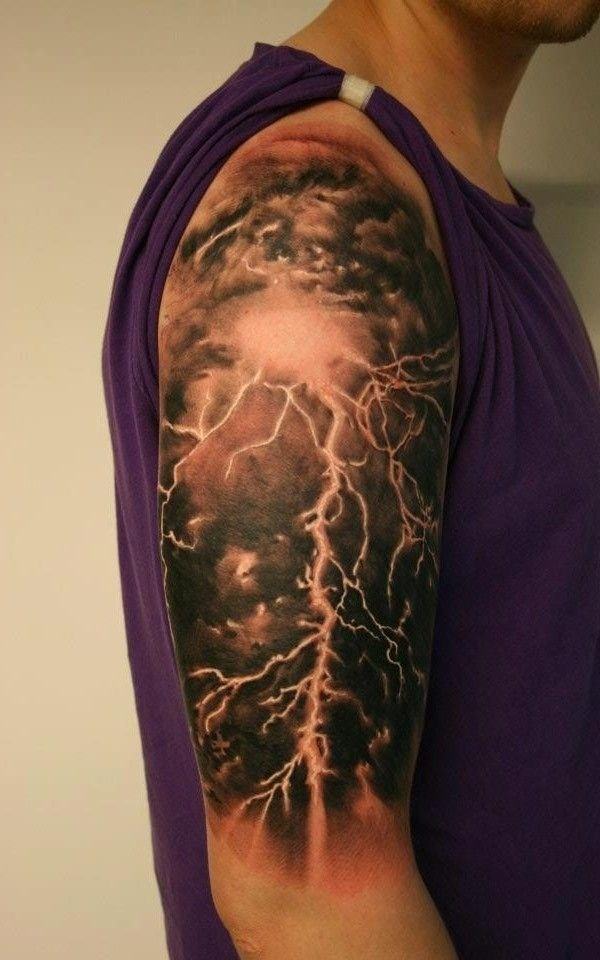
Black and grey realism. Photographic cloud formations rendered in tone. Beautiful, and see the ageing note below.
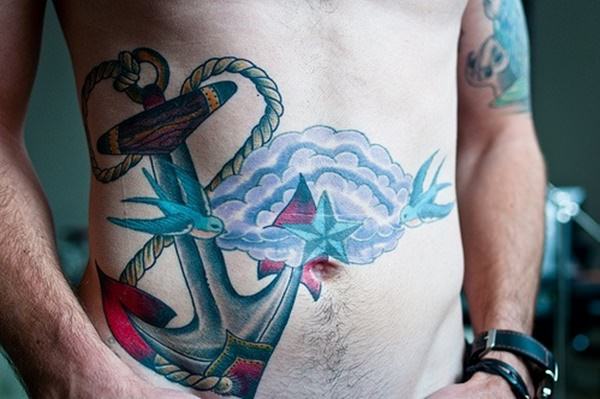
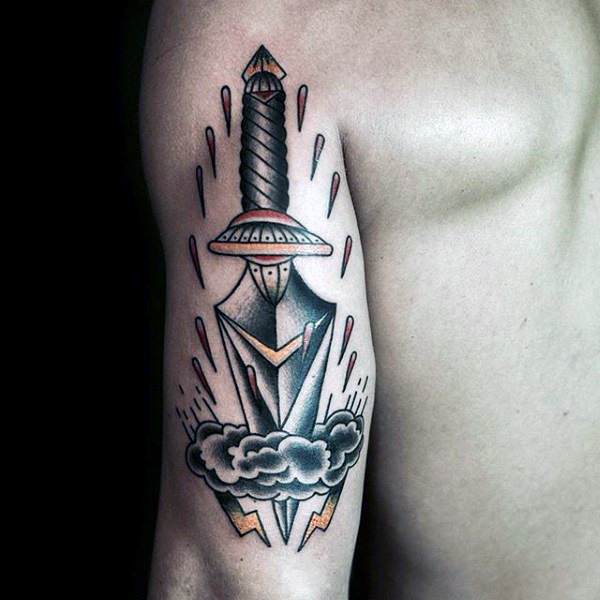
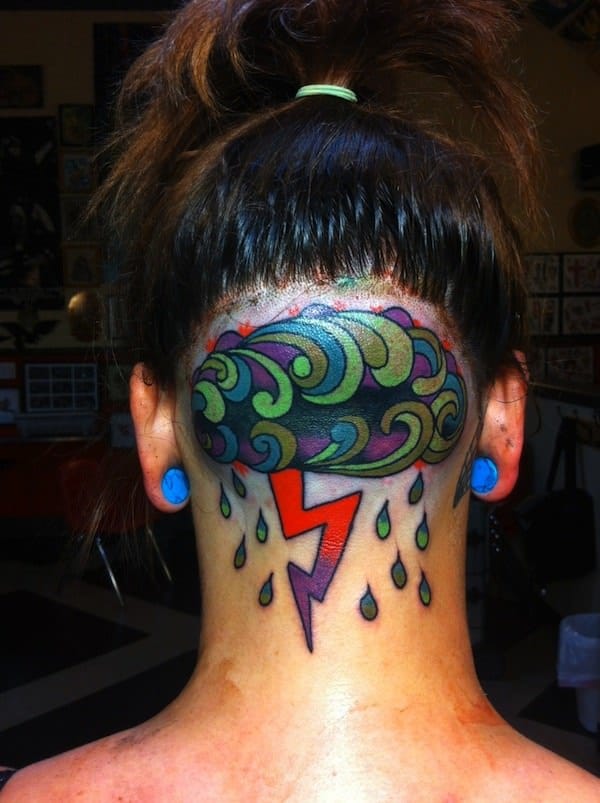
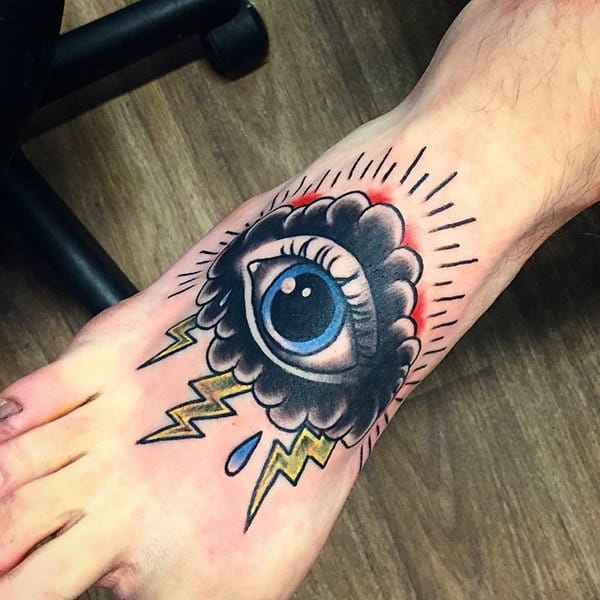
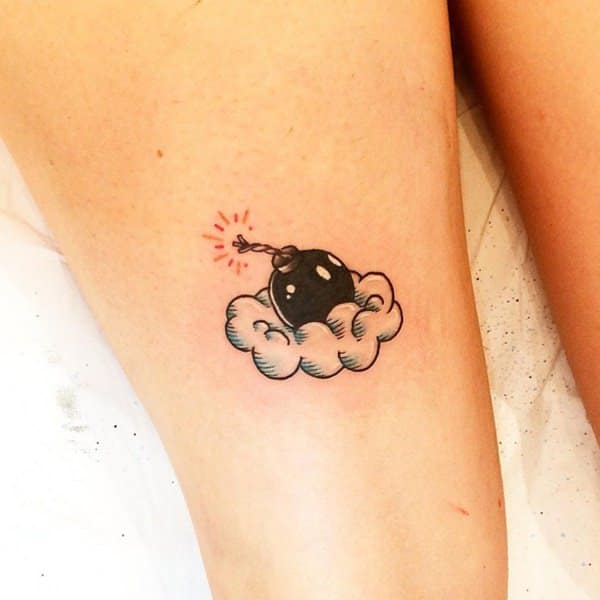
Traditional. Simple, bold, flat. Ages indefinitely.
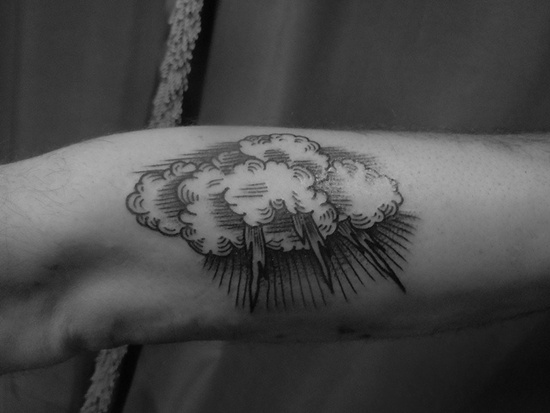
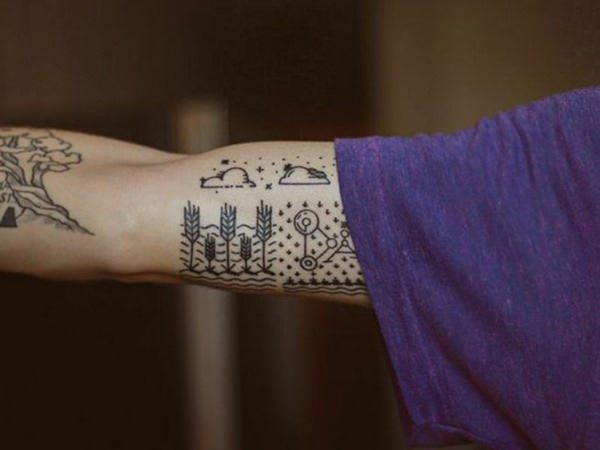
Blackwork and etching style. Cross-hatched clouds in the manner of an old engraving.
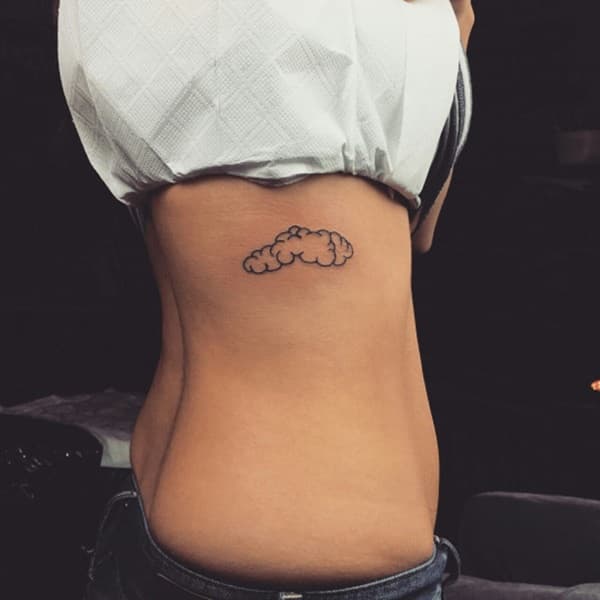
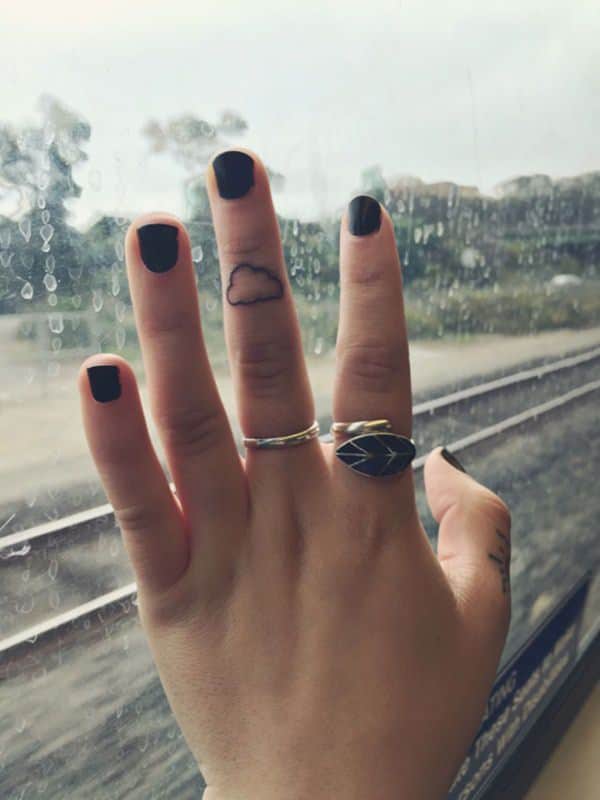
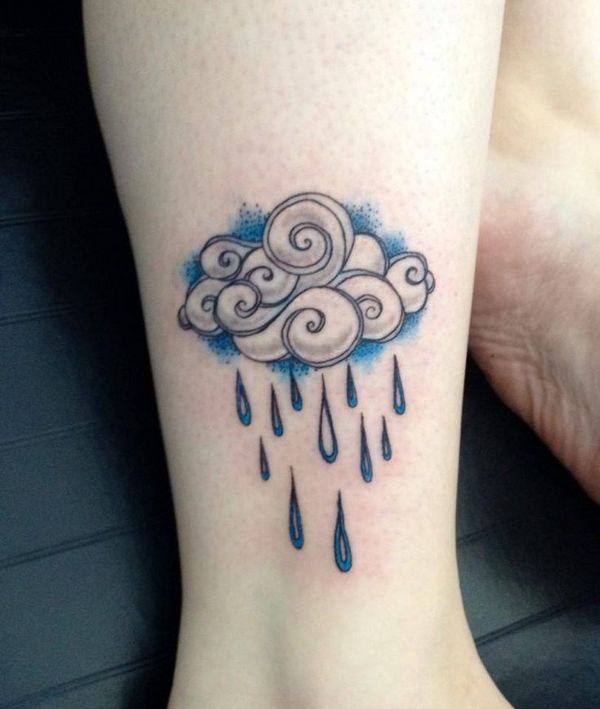
Fine-line. Delicate outlined clouds, popular in small minimal work. Fine provided the line has weight.
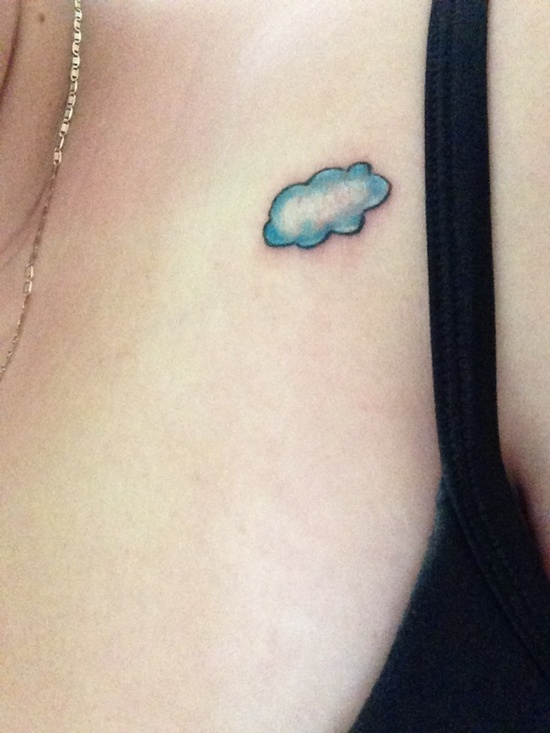
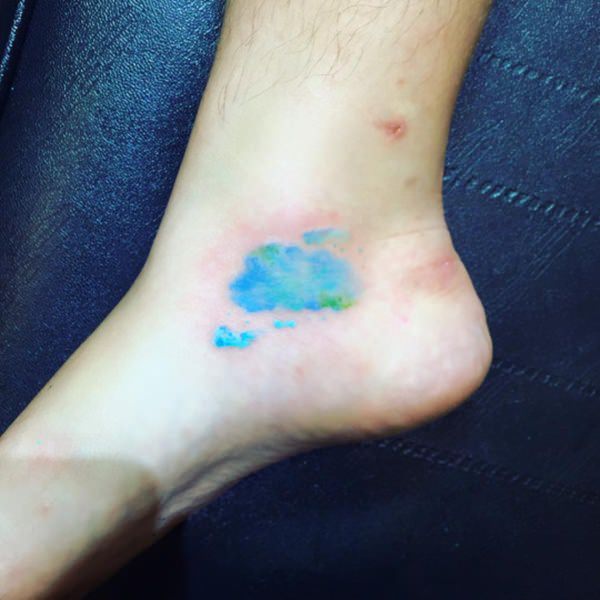
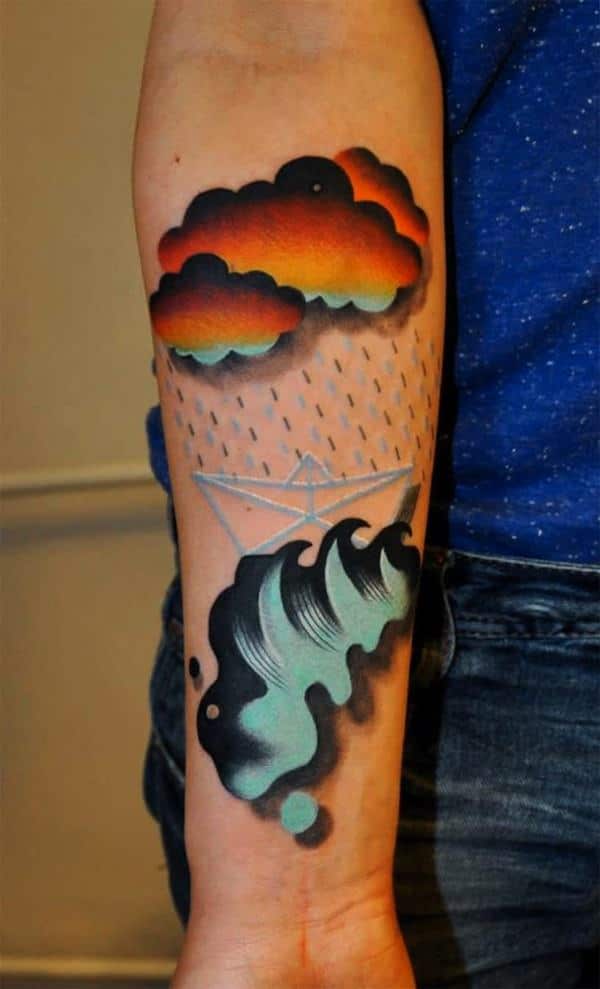
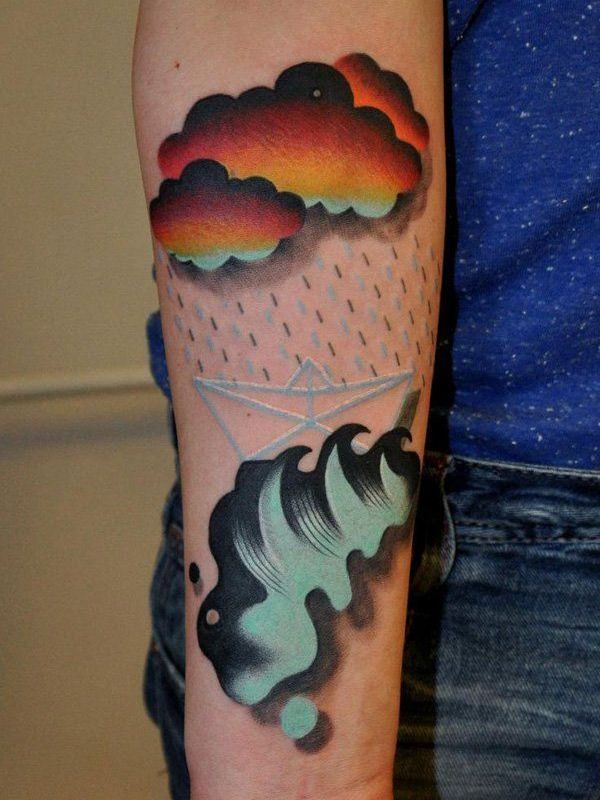
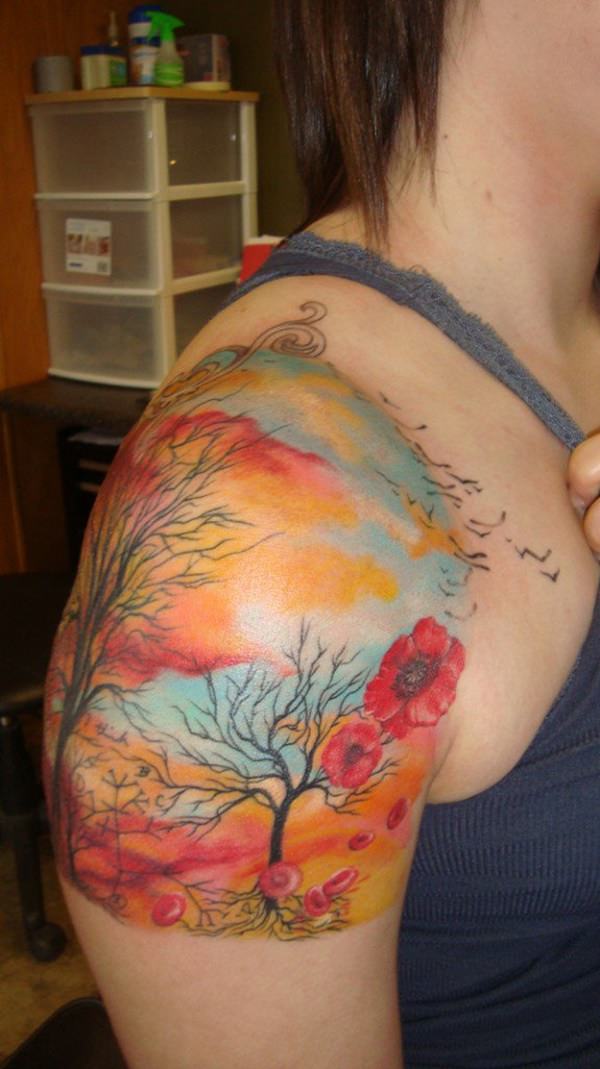
Watercolour. Very common for clouds and the weakest over time - a watercolour cloud with no structure fades to a faint smudge. Ask for line work underneath.
How it will age
Clouds have an unusual ageing profile: their weakness is also their strength.
A cloud has no correct shape, so when it softens over the years, it still reads as a cloud. A blurred portrait is a ruined tattoo; a blurred cloud is just a slightly different cloud. This is one of the most forgiving subjects there is.
The exception is soft grey realism. Very pale, smooth grey is the first thing to lift out of any tattoo, and a realistic cloud built entirely from pale tone can fade to almost nothing within ten to fifteen years, particularly on a sun-exposed placement. The defence is contrast: ask for genuine darks somewhere in the design, so there is structure left when the pale work softens.
Japanese-style clouds avoid the problem entirely, because they are defined by outline and by bold shading rather than by subtle gradient. That is not an accident - the style was developed to survive on skin.
Sunscreen once healed. Touch-up around year five on soft grey work.
What to bring your artist
Whether the cloud is the subject or the setting, because that changes everything. If it is the setting, bring the thing it surrounds. If it is filler, bring photographs of every tattoo it needs to connect.
Say whether you want the Japanese tradition specifically or the look of it, and have an honest conversation about which. And ask for real darks somewhere, whatever the style.