30 Amazing Hakuna Matata Tattoos
Two things are worth knowing before this goes on your skin. The phrase is real Swahili, not invented for the film - it means roughly "no trouble" or "no worries", and it is used in East Africa as an everyday reassurance. And it is one of the most tattooed phrases of the last twenty years, which means the obvious version of it looks like everyone else's.
Neither is a reason not to get it. Both are reasons to spend an hour on the design rather than picking the first script off a phone screen.
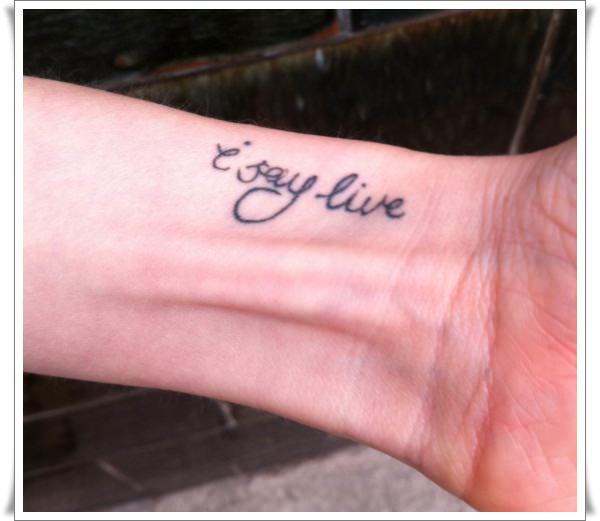
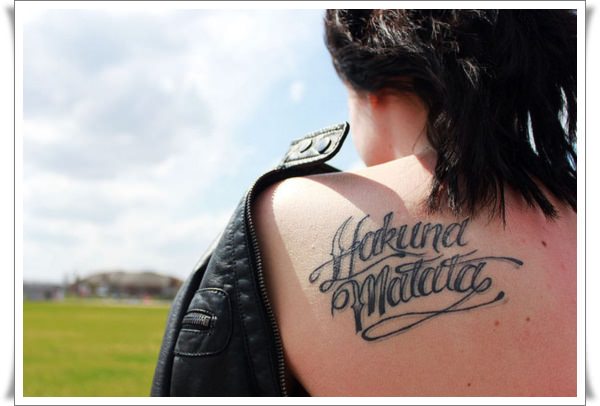
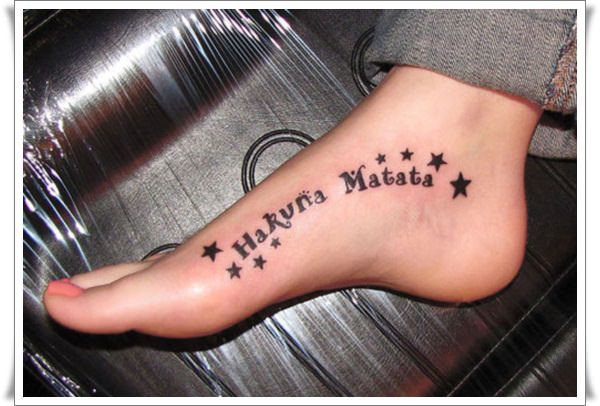
What it means, and the film question
In Swahili, hakuna matata is ordinary speech. Hakuna is "there is not", matata is "troubles". It predates The Lion King by a long way, and the film took it from existing usage rather than coining it.
Most people getting it tattooed mean the film, and that is fine - it is a piece of childhood that carried a genuinely useful idea. Some mean the philosophy on its own terms, or a connection to East Africa. It is worth being clear with yourself which, because it changes what should be drawn around the words.
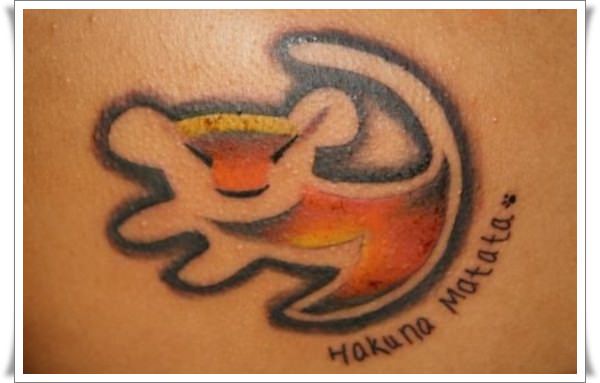
If the film is the point, lean into it honestly: the Pride Rock silhouette, the paw print, Timon and Pumbaa, the sunrise. Half-hiding it produces something that satisfies nobody.
If the phrase is the point, drop the film references entirely and treat it as lettering, which usually results in a better tattoo.
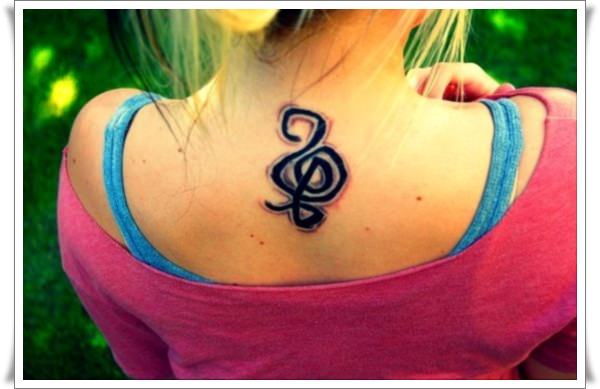
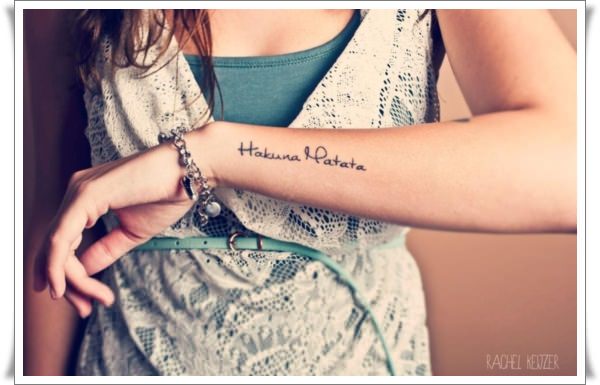
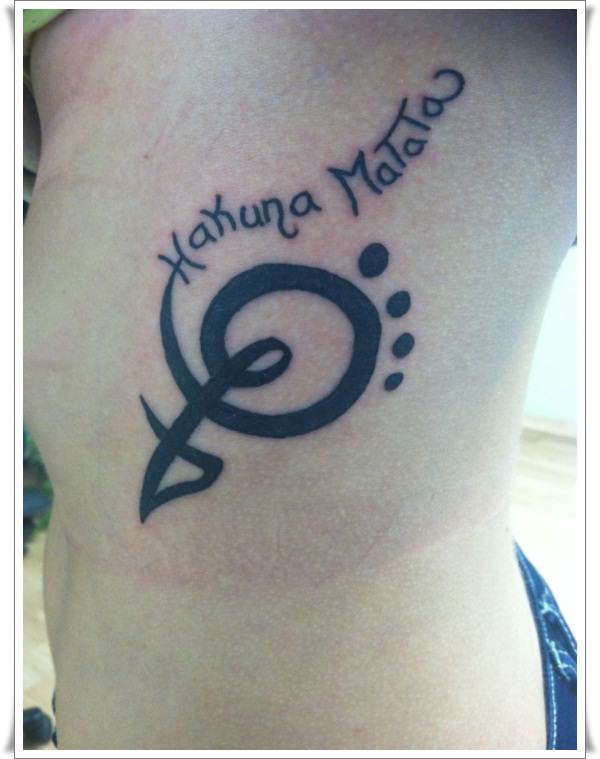
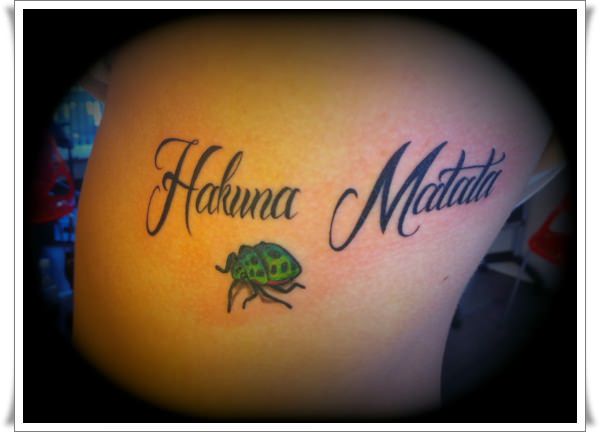
Getting past the default version
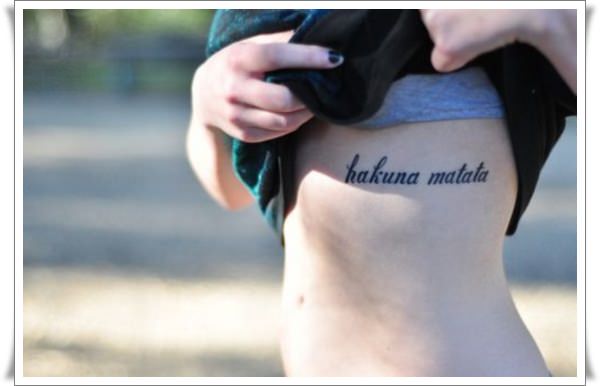
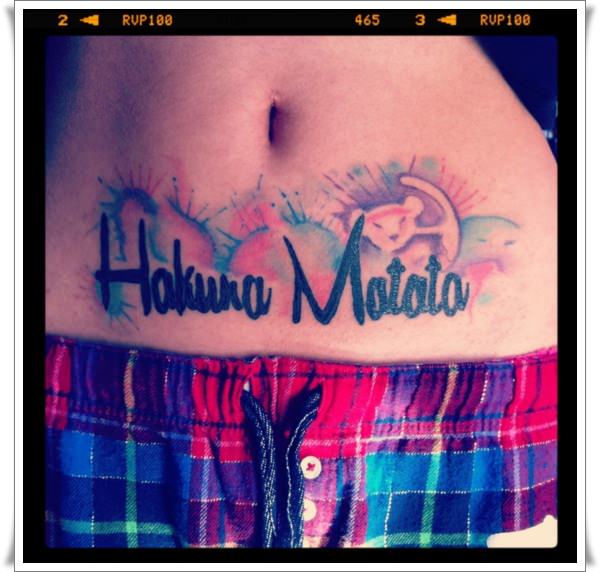
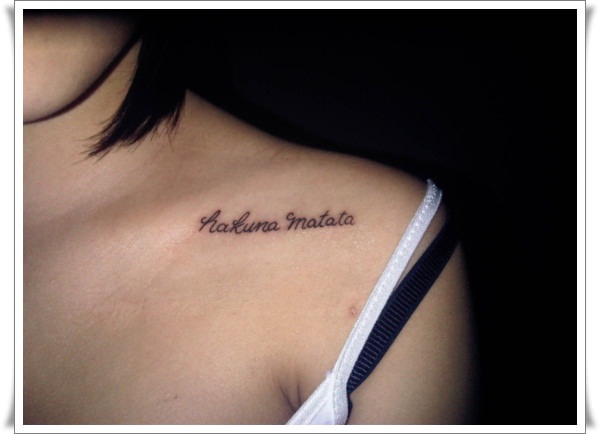
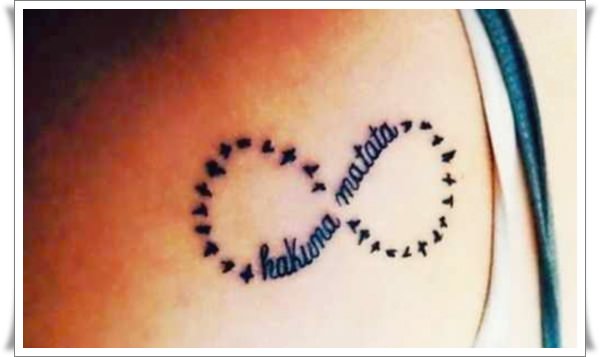
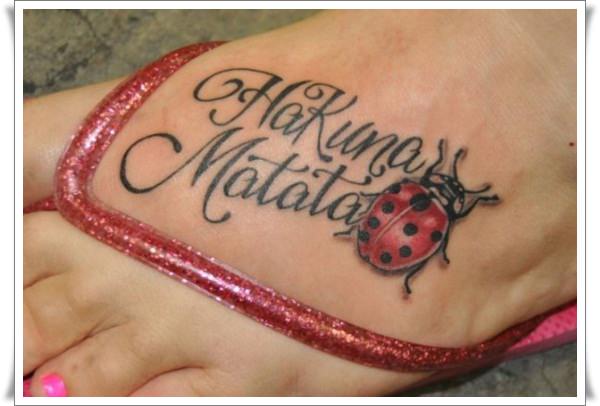
The default is two lines of thin brush script on a forearm or ribcage, sometimes with a paw print. There is nothing wrong with it and there are tens of thousands of them.
Ways to make it yours:
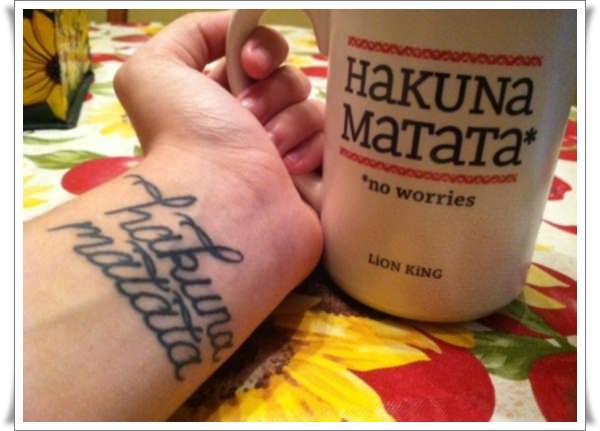
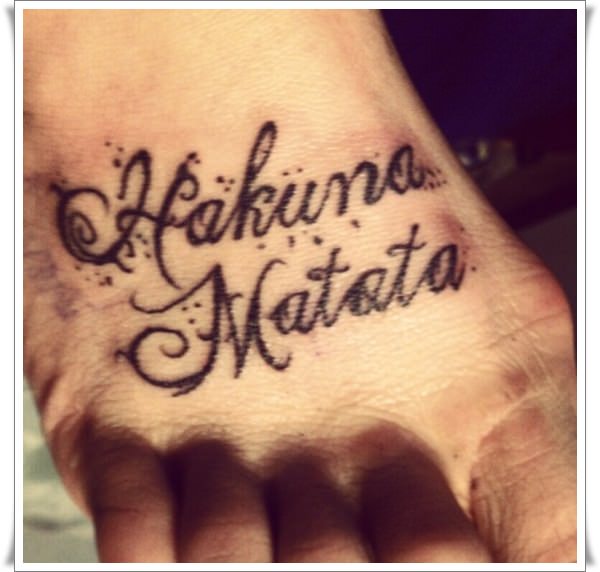
- A different register of lettering. The phrase is casual and warm, so something typewritten, hand-drawn or slightly rough often reads better than formal calligraphy.
- A real place. If it connects to time spent in Kenya or Tanzania, put something specific in it - an acacia silhouette, a horizon, a date.
- Set it small and let something else lead. The words as a caption under a lion, a sunrise or a landscape.
- Split the two words across a composition rather than stacking them.
- Handwriting, if someone specific said it to you.
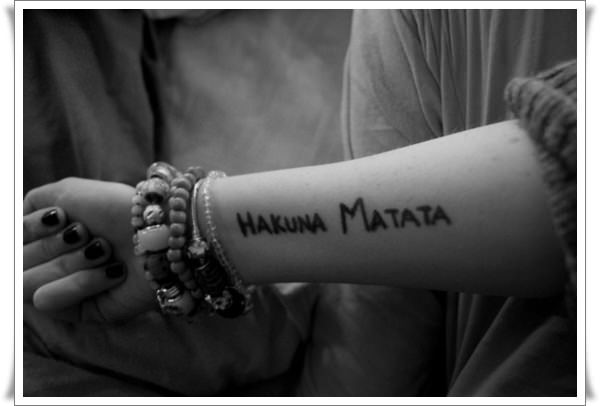
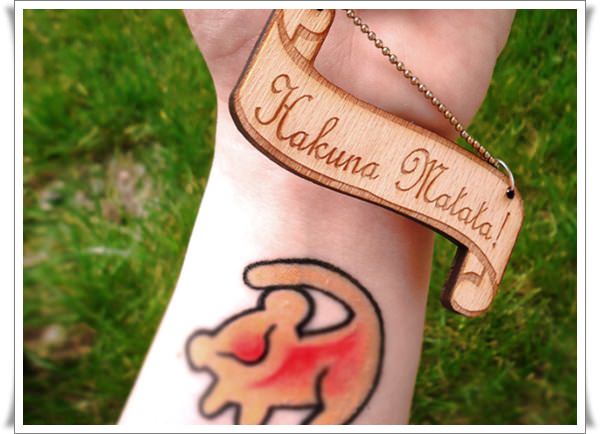
Lettering that survives
Text is the only tattoo that fails completely rather than gradually. A blurred lion is still a lion; a blurred word is unreadable.
Size it above the minimum - avoid cap heights under about a quarter of an inch, and go larger for any script with thin hairlines. Choose a face with open counters, meaning real space inside letters like a and o, because those gaps close first as ink spreads over the decades. Avoid fingers and the side of the hand, where friction and sun wear lettering fastest.
And proof the stencil twice before the needle starts. Photograph it, read it on your phone, check every letter.
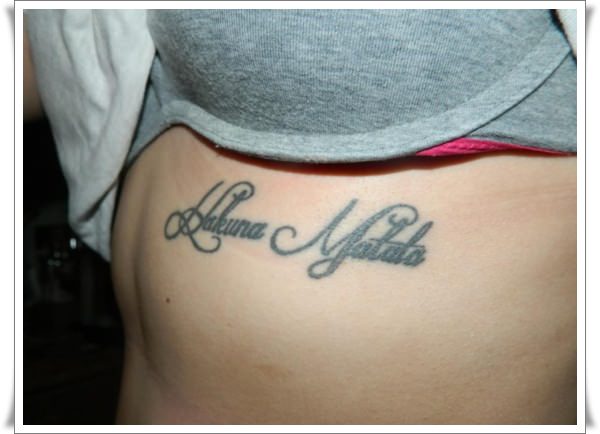
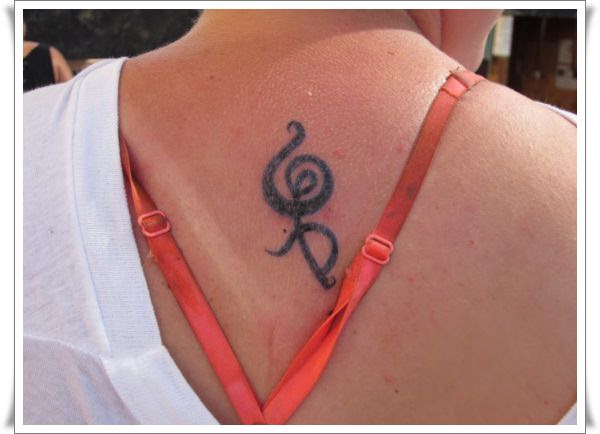

Placement, size and cost
| Design | Typical size | Sittings | Pain, 1-10 | Rough cost |
|---|---|---|---|---|
| Script alone, wrist or ankle | 2-3 in | 1 | 6-7 | Shop minimum |
| Script, inner forearm | 4-6 in | 1 | 5-6 | $150-$350 |
| Script with paw print or small motif | 4-6 in | 1 | 5-6 | $200-$450 |
| Ribs or collarbone | 5-8 in | 1 | 8-9 | $250-$600 |
| Full scene with lettering | 6-10 in | 2-3 | varies | $700-$2,000 |
Rates vary by city and by artist demand. Lettering is fast to apply and slow to draw well, so some of the cost is design time before you sit down.


How it will age, and what to ask for
Solid black lettering at a sensible size ages very well - this is one of the most durable things you can have tattooed. Fine-line script at small sizes is the version that struggles, closing up within five to ten years.
Colour in an accompanying scene will fade before the lettering does, particularly yellows and light oranges in a sunrise. Sunscreen once healed, and expect a touch-up around year five on anything with fine work.
Bring your artist the exact phrasing, the register you want it to read in, and whether the film matters to you. A good artist will push back on lettering too small to last and on cramming a scene, a paw print and a banner around three syllables.
Aftercare, briefly
Your artist's instructions come first. In general: leave the covering on as long as they said, wash gently twice a day with clean hands and fragrance-free soap, and apply a very thin layer of what they recommended.
Keep it out of the sun entirely while it heals, wear loose clothing over it, and do not pick the flakes - ink lifted from the middle of a letter is exactly the damage that shows.