Thigh Tattoos for Women: 150+ Designs, Pain and Real Costs
Ask a tattoo artist where they would most like to work and the thigh comes up more than almost anywhere else. It is large, it curves in a way that flatters a design, it takes ink well, and it is the easiest large placement on the body to sit through.
There is one thing to understand before booking, and it is the difference between the outer and the inner thigh. They are effectively two different placements: one of the most comfortable areas on the body, and one of the least.
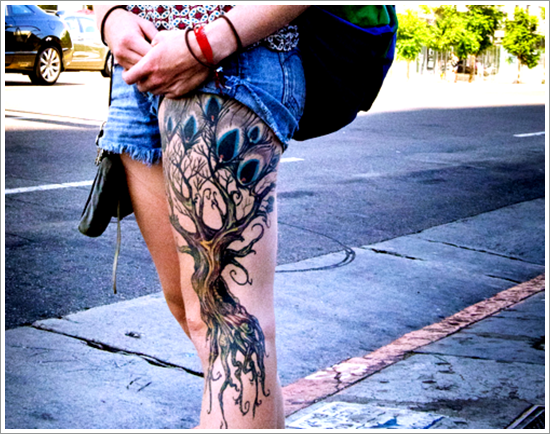
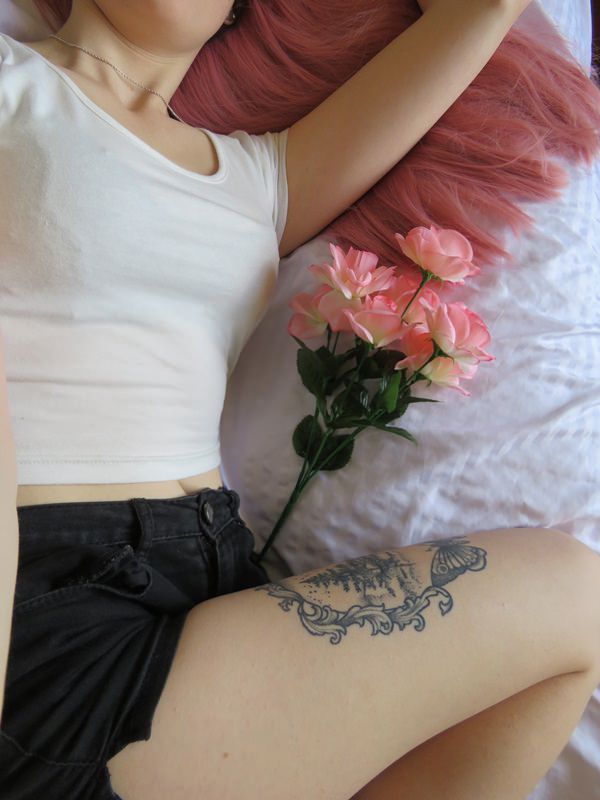
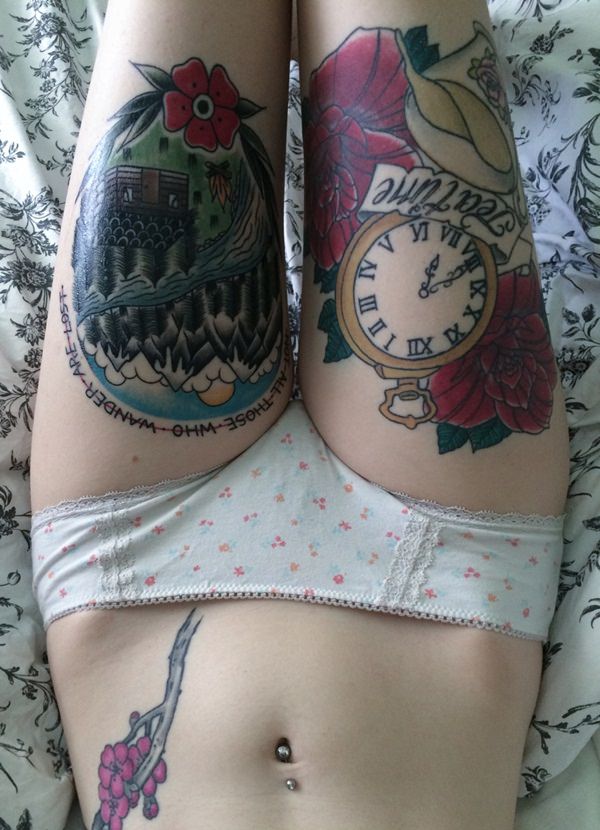
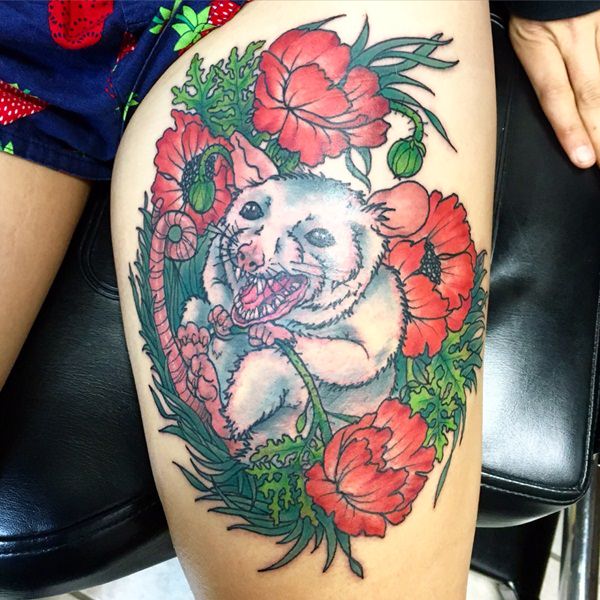
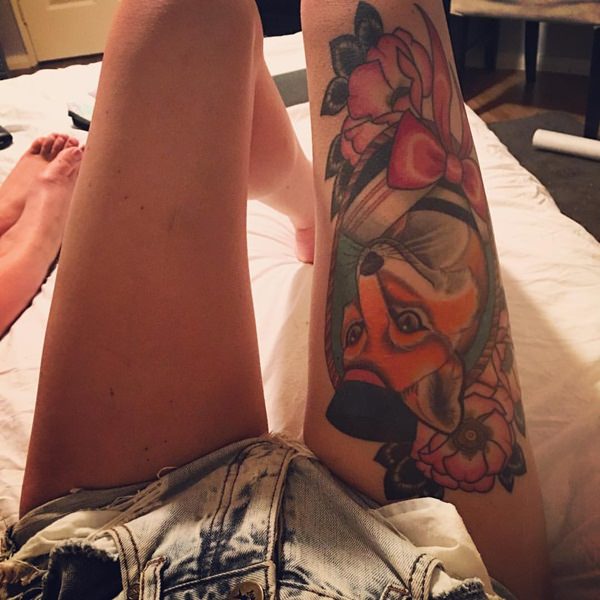
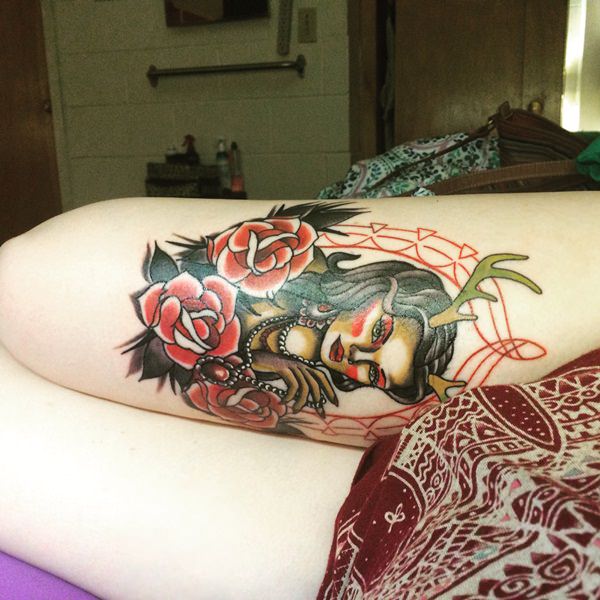
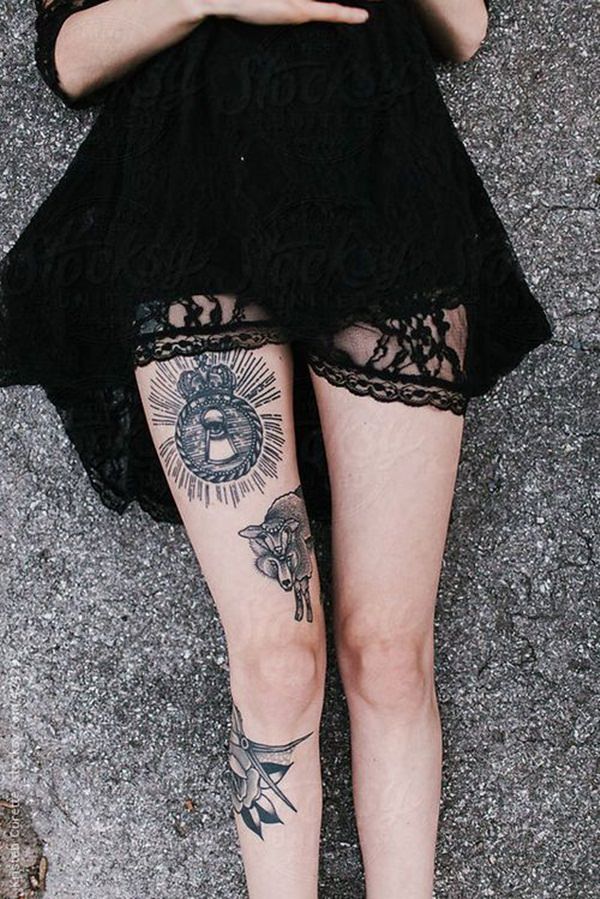
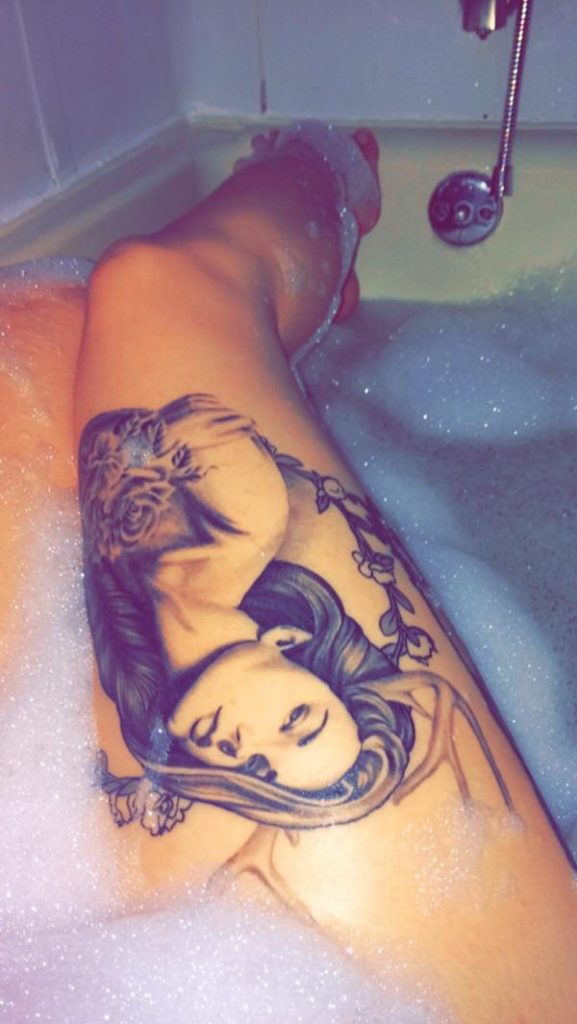
Why artists rate it
Space, without a deadline. A thigh takes a large design without cramping it, which means detail can be sized properly rather than shrunk until the lines merge. It is also one of the few placements where you can start with one piece and grow it over years without the composition looking bolted together.
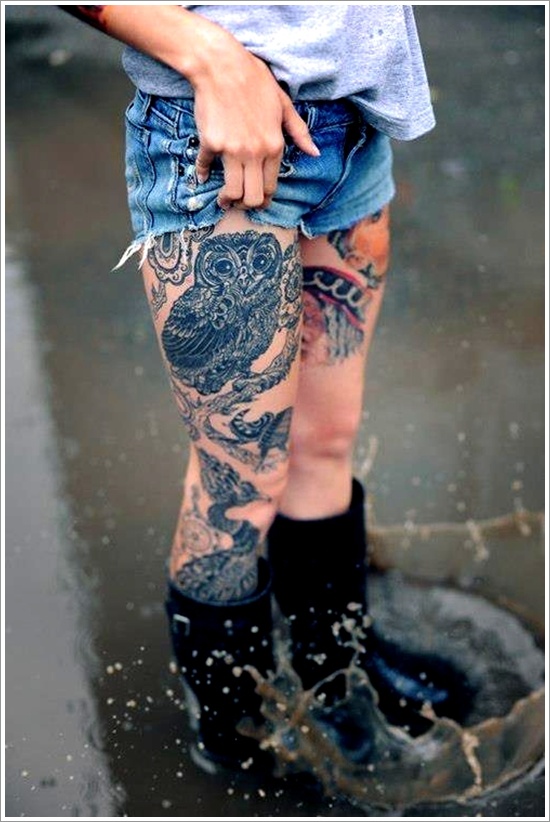
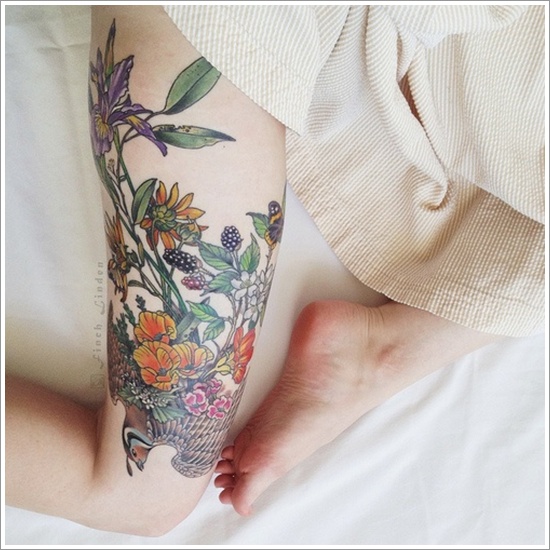
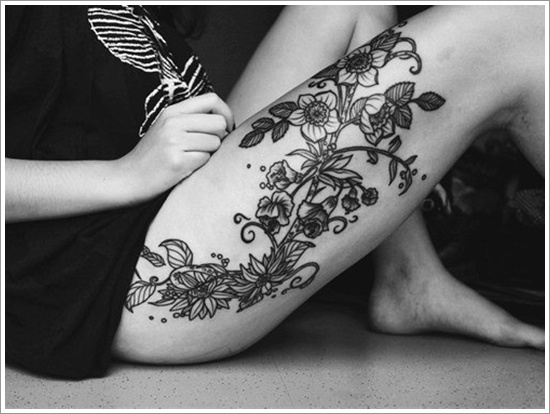
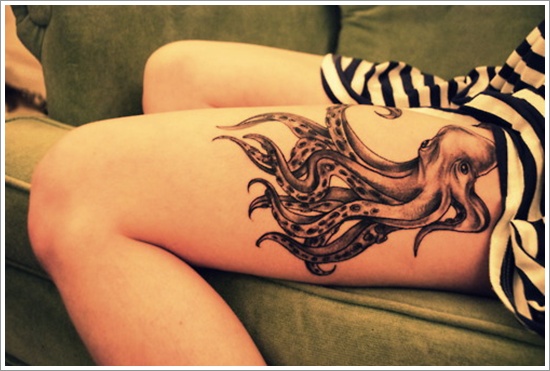
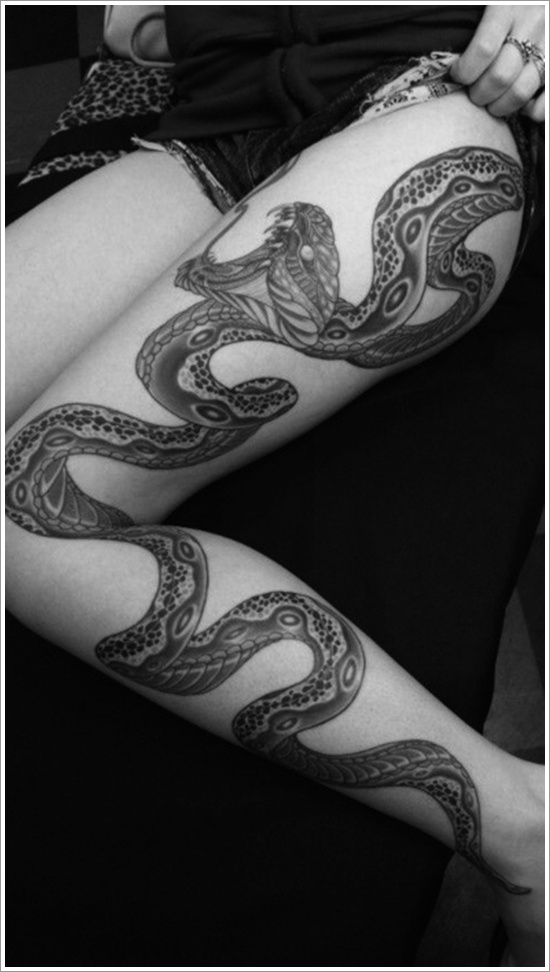
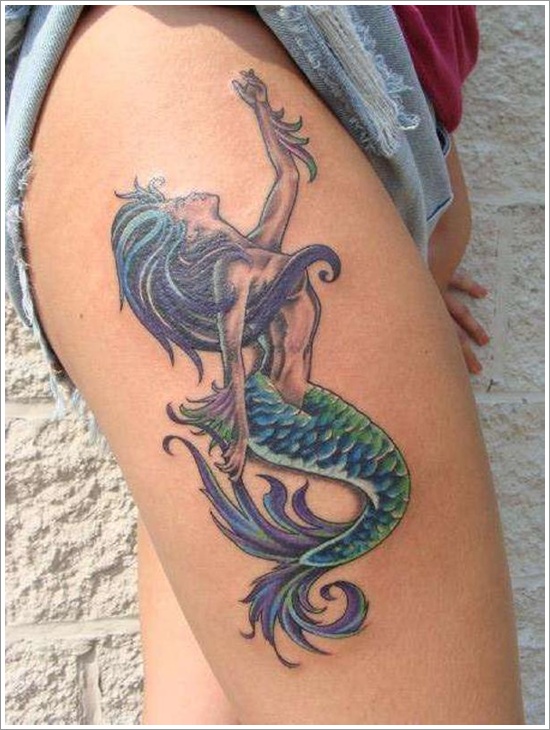
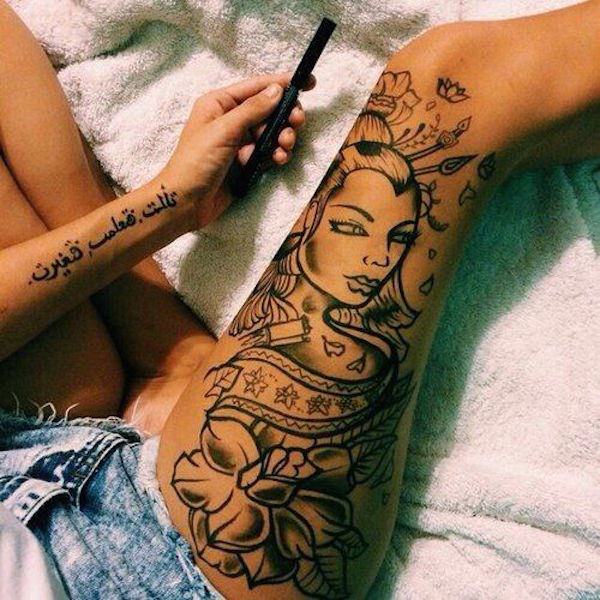
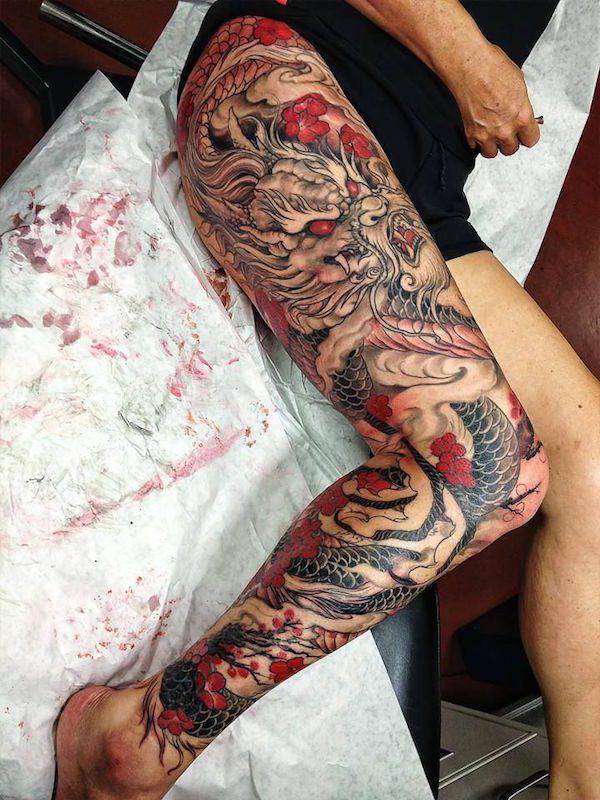
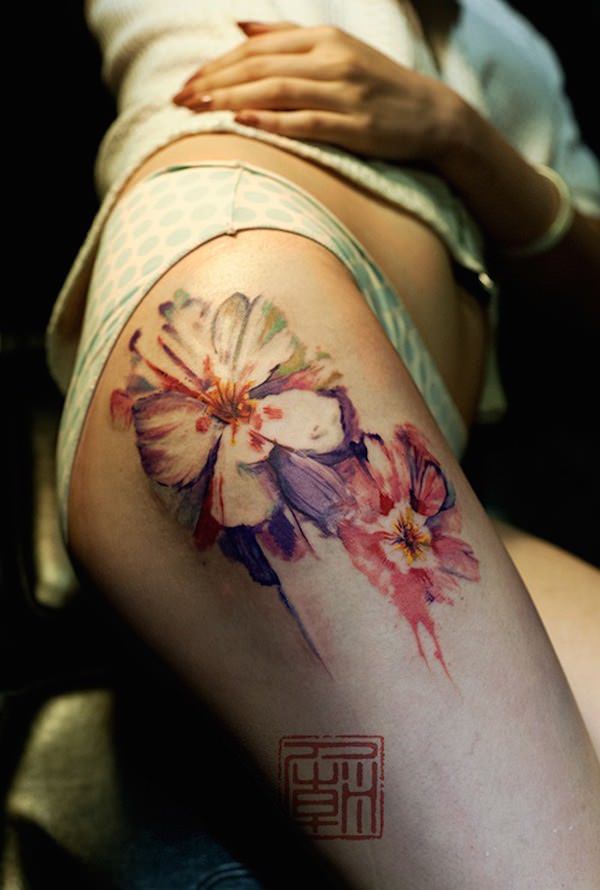
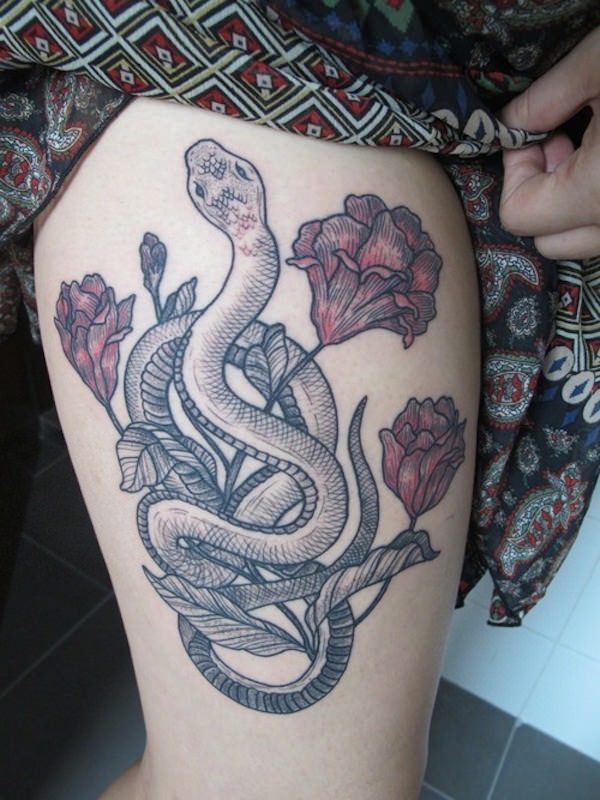
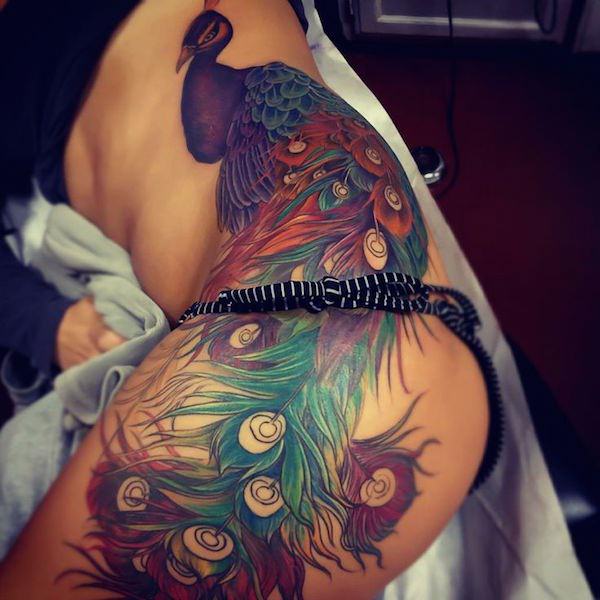
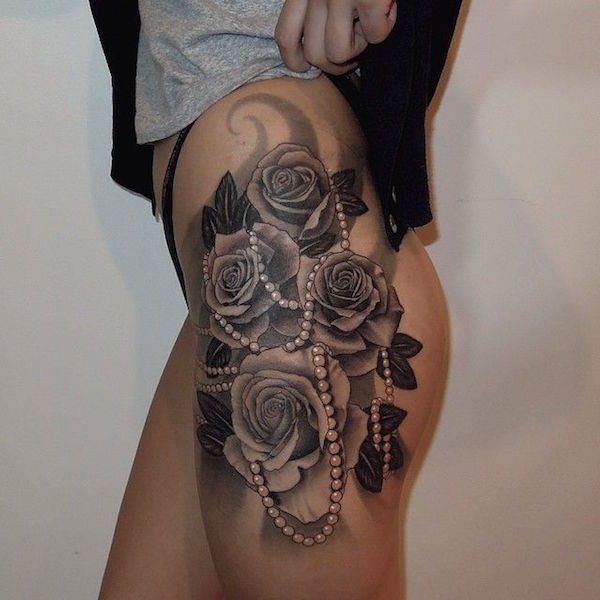
A surface that suits drawing. The thigh has a natural curve and taper. A design drawn for that curve - a snake following it, a floral spray that widens toward the hip - looks made for the body rather than applied to it.
It takes ink well. Thick skin over muscle and fat, not much bone, and relatively little sun. Colour holds better here than on a forearm.
You choose who sees it. Covered by almost anything, which matters for a lot of people professionally.
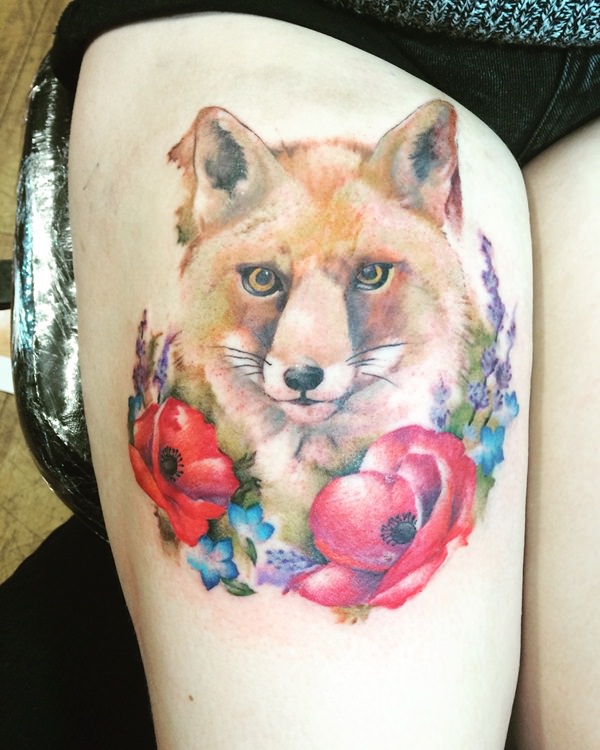
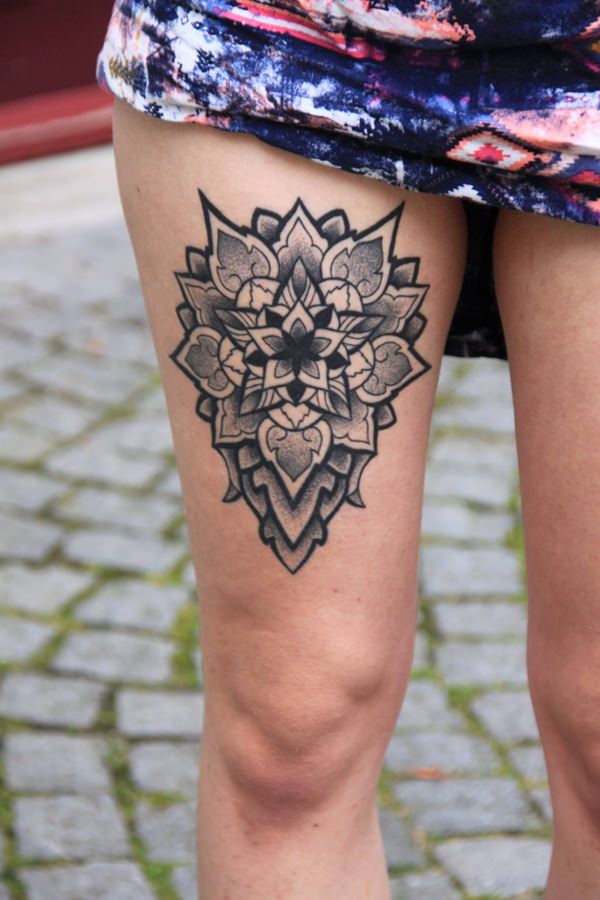
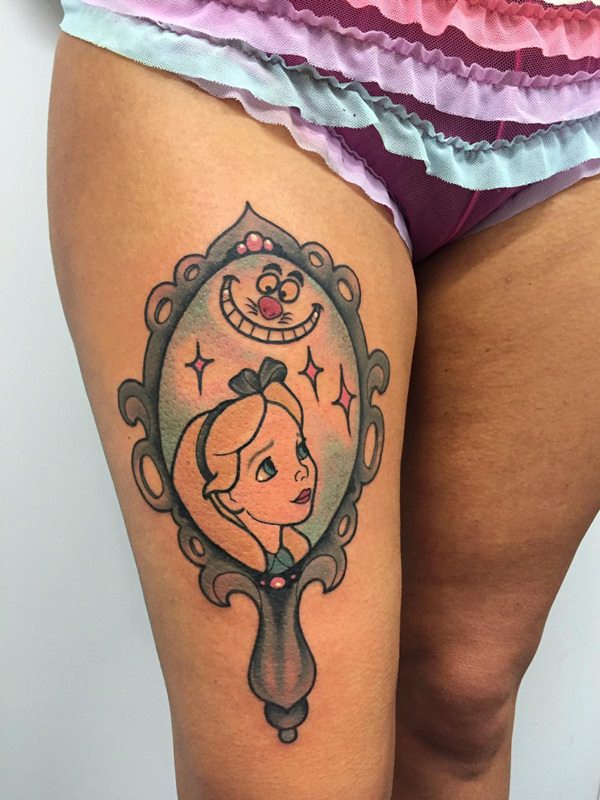
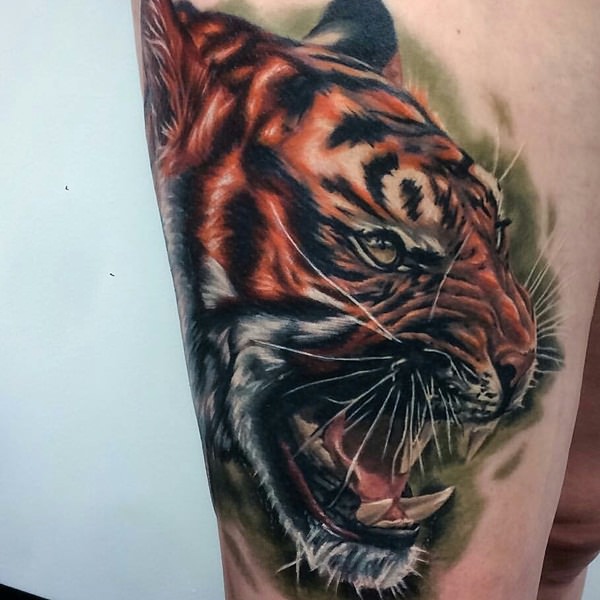
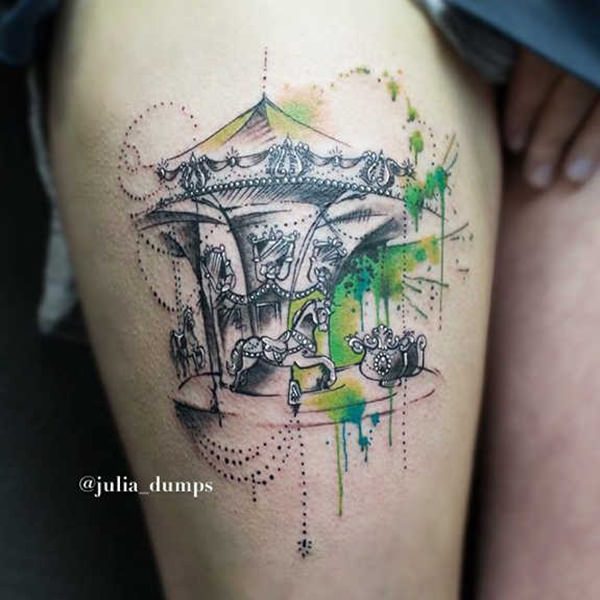
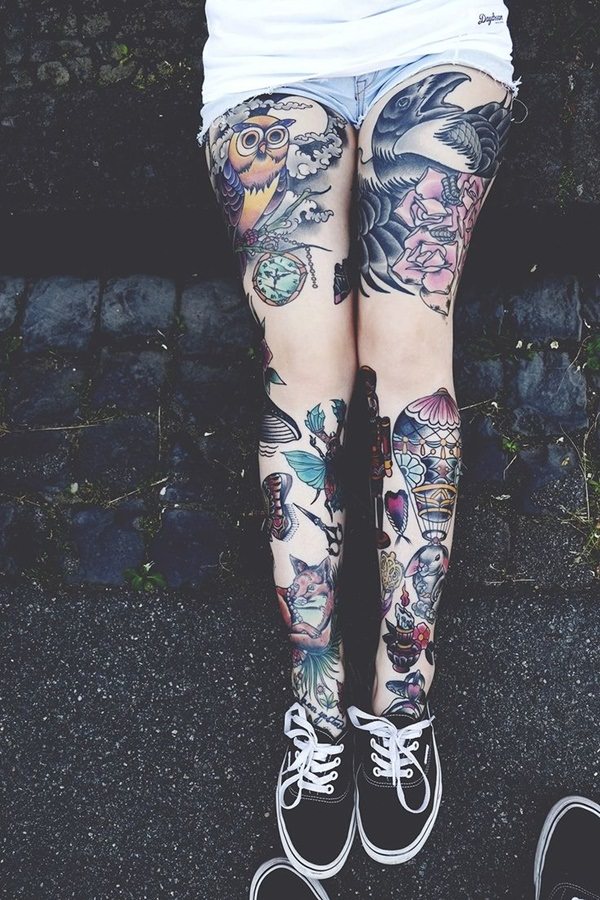
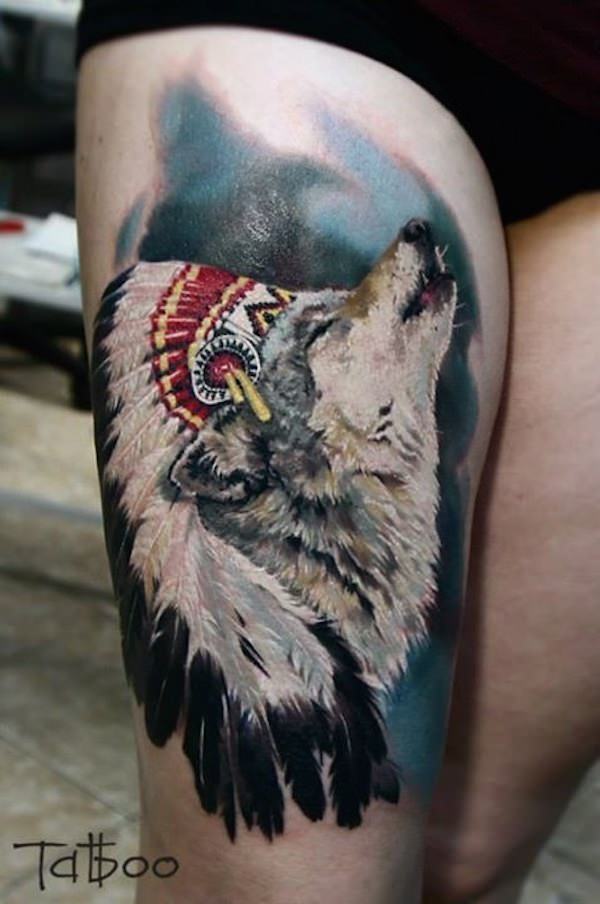
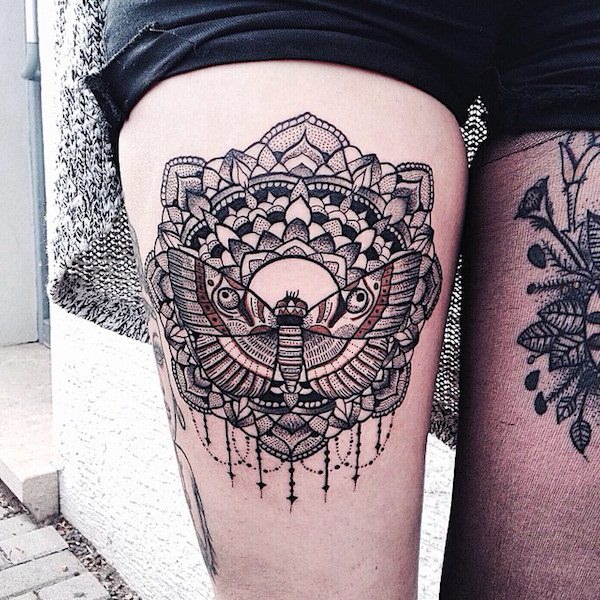
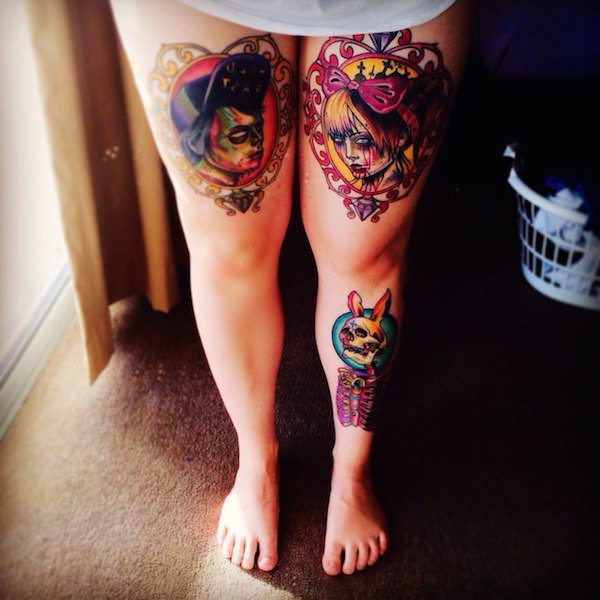
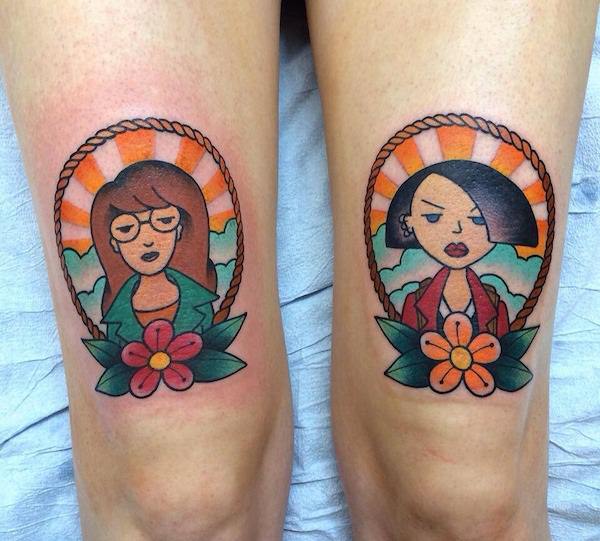
Outer thigh versus inner thigh
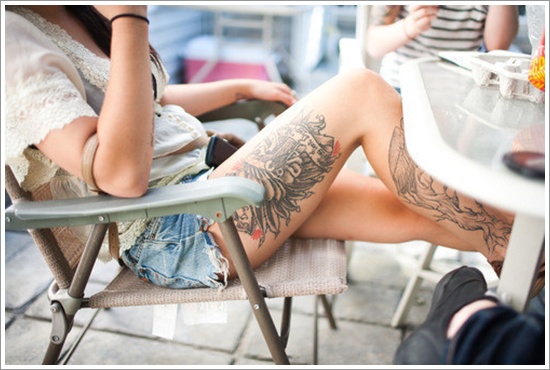
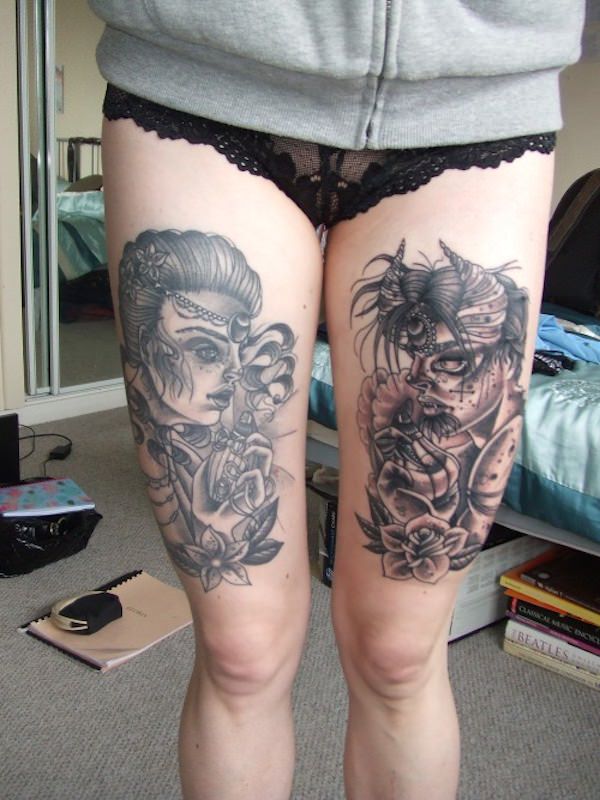
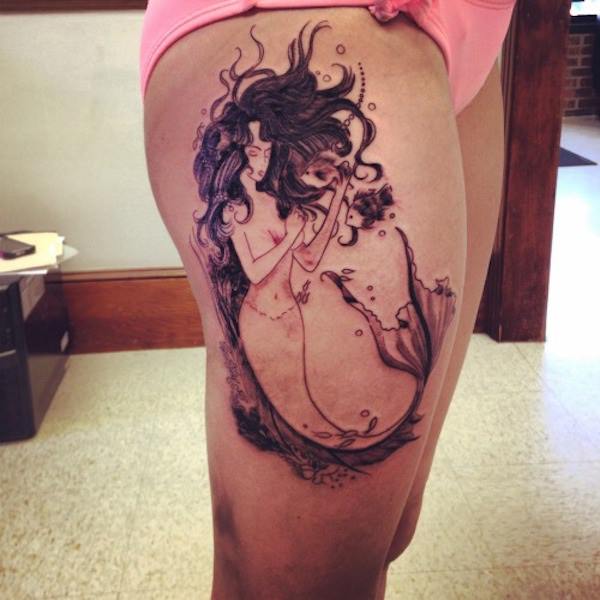
Outer thigh. One of the two or three most comfortable placements on the body, roughly a 3 out of 10. Plenty of muscle and fat between needle and bone, and most people can sit four to six hours there without much trouble. If it is your first large tattoo, this is the place to have it.
Front of the thigh. Comfortable too, around 3 or 4, though it gets closer to the bone toward the knee.
Inner thigh. A completely different experience. The skin is thin, soft and rarely exposed to friction, and it is nerve-dense. Most people rate it 7 to 9, and it is a sharp, stinging pain rather than a dull one. Sittings there are usually shorter by necessity.
The back of the thigh sits in between, and gets uncomfortable near the crease.
None of this should stop you choosing the inner thigh if that is where you want it. It should stop you booking a six-hour first session there.
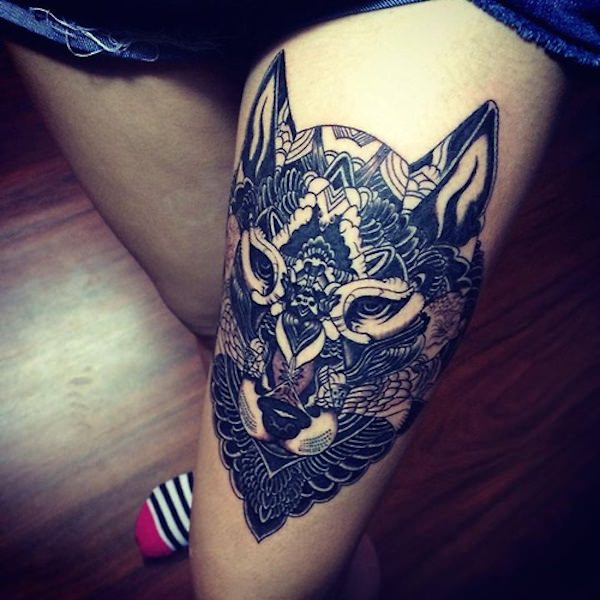
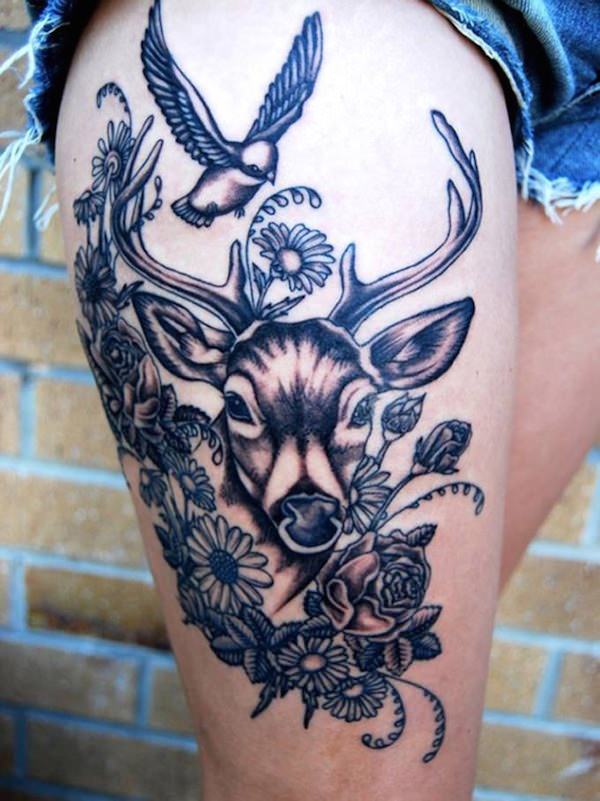
Placement, size and cost
| Design | Typical size | Sittings | Pain, 1-10 | Rough cost |
|---|---|---|---|---|
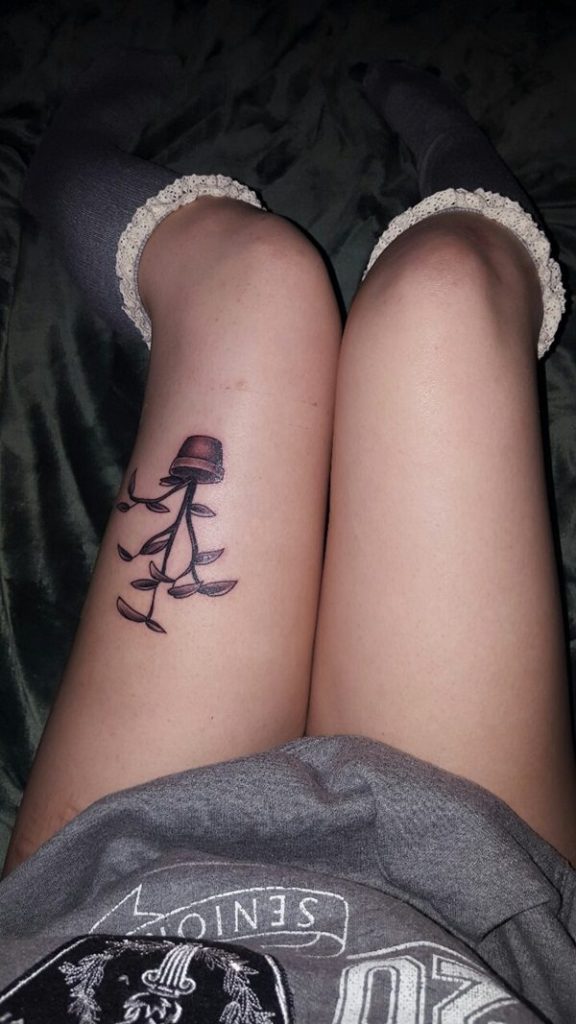
| Small motif, outer thigh | 3-5 in | 1 | 3-4 | $150-$400 |
| Medium floral, black and grey | 6-8 in | 1-2 | 3-4 | $400-$1,000 |
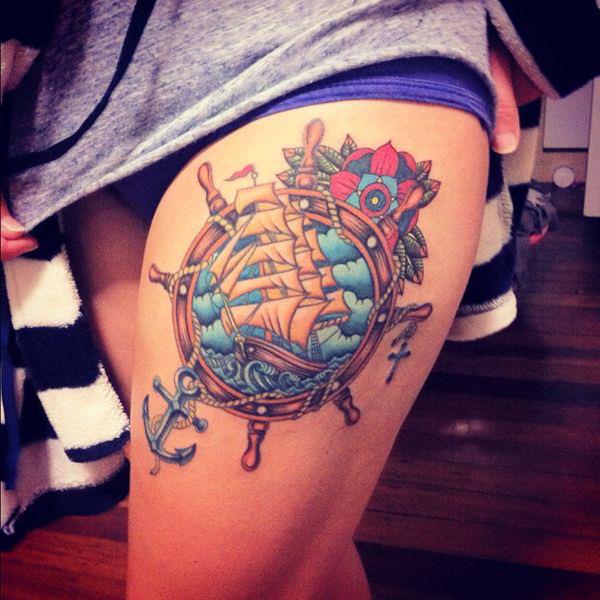
| Large colour piece, outer thigh | 8-12 in | 2-3 | 3-5 | $900-$2,500 |
| Inner thigh piece | 5-8 in | 1-2 | 7-9 | $500-$1,400 |
| Full thigh wrap | - | 4-8 | 3-7 | $2,000-$6,000 |
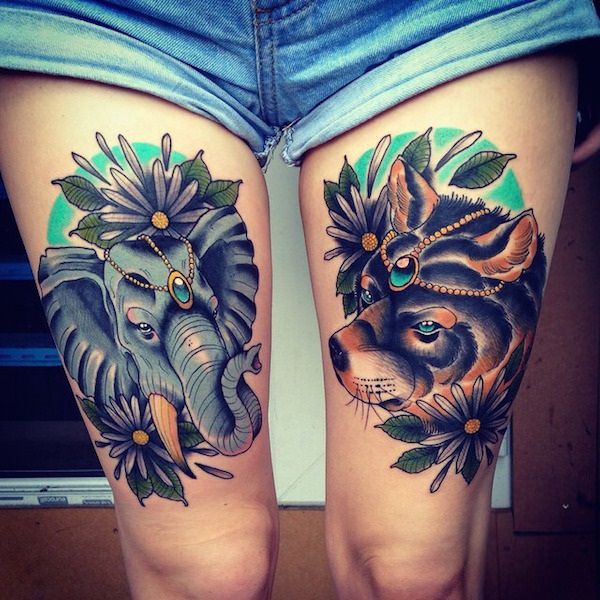
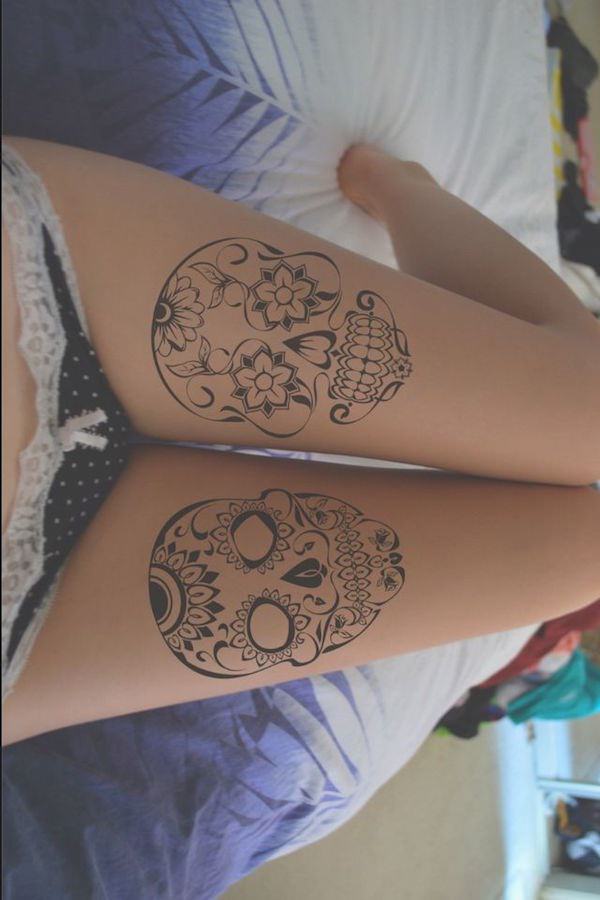
| Both thighs as a pair | - | 8-16 | 3-7 | $4,000-$12,000 |
Rates vary widely by city and artist demand. The thigh's size is what drives the cost: it is not more expensive per hour, it simply takes more hours.
Styles that hold up
Almost everything works here, which is unusual. The thigh's low sun exposure and thick skin make it forgiving of styles that struggle elsewhere.
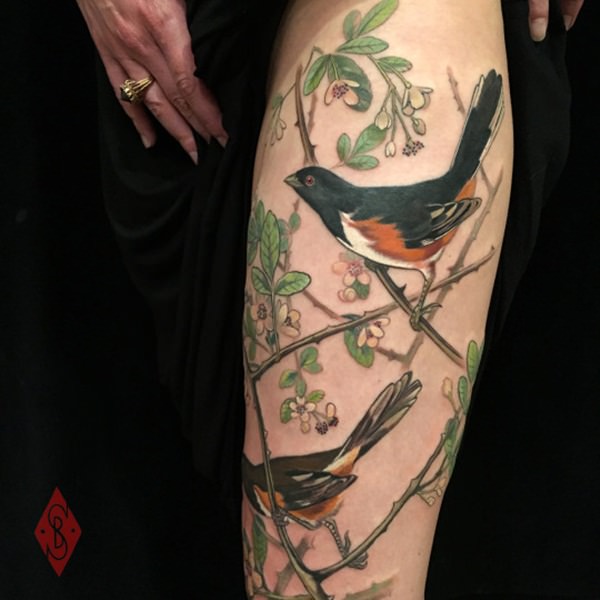
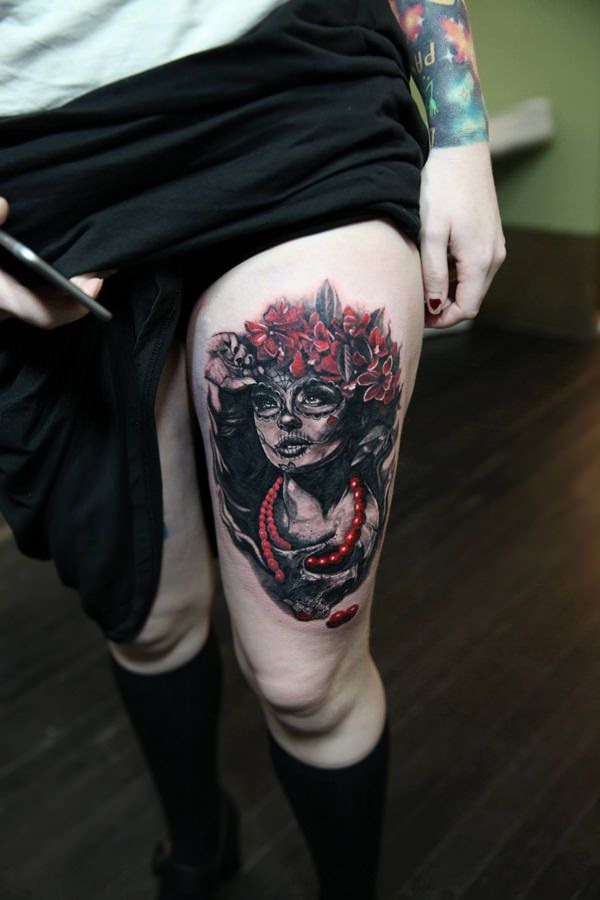
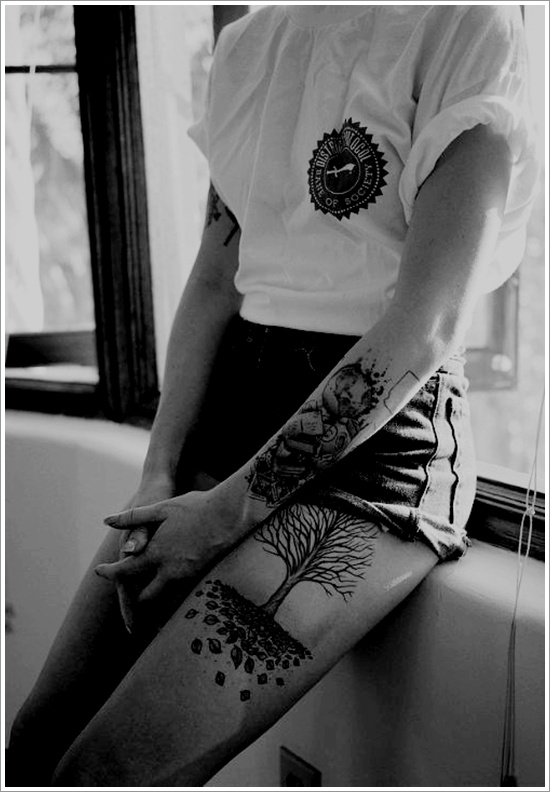
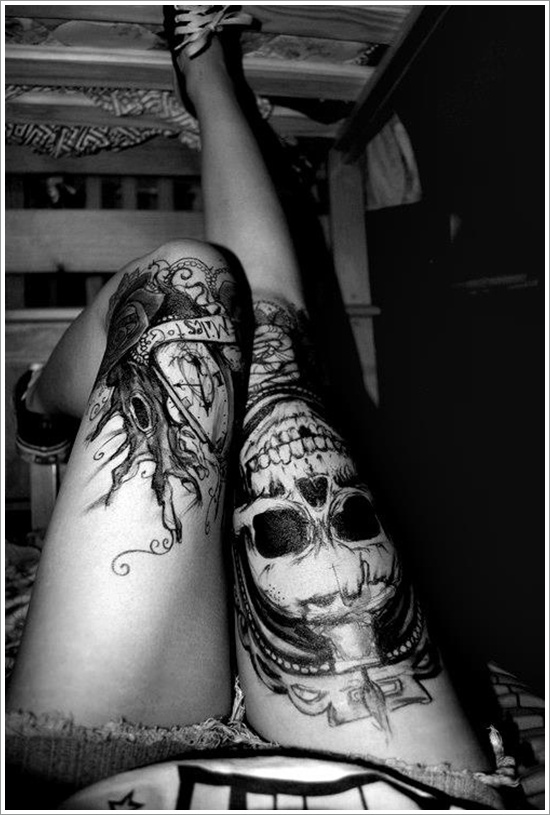
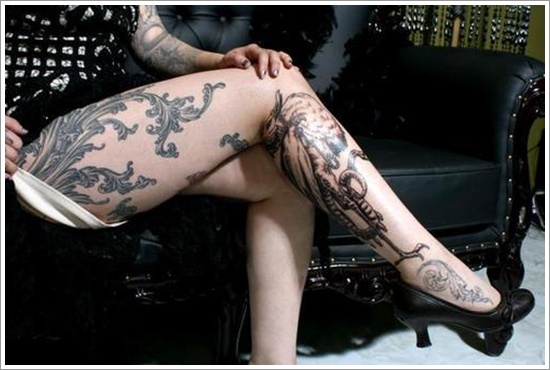
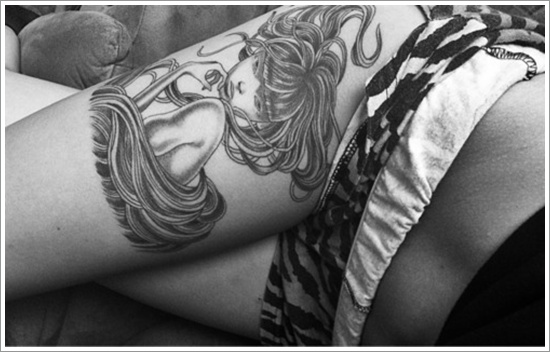
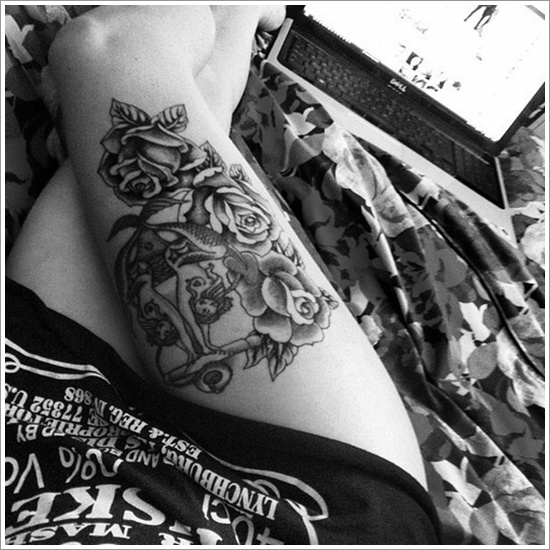
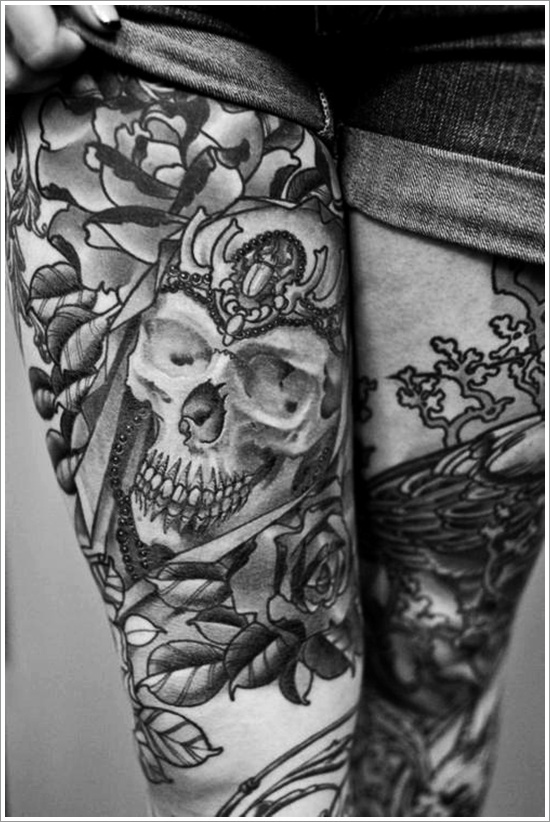
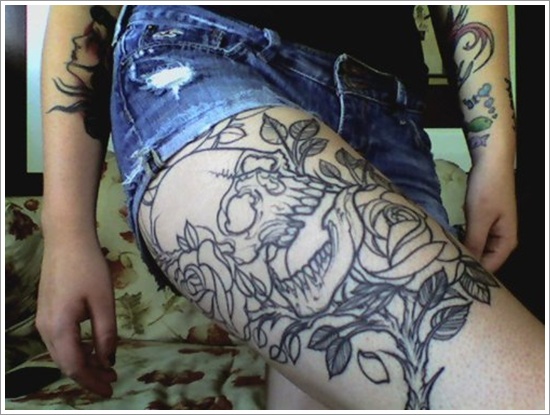
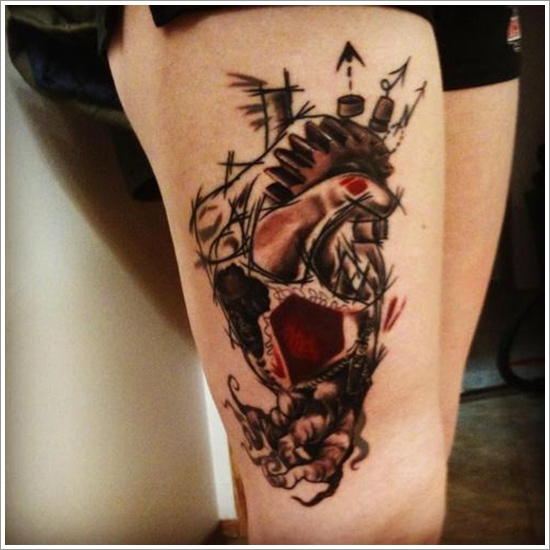
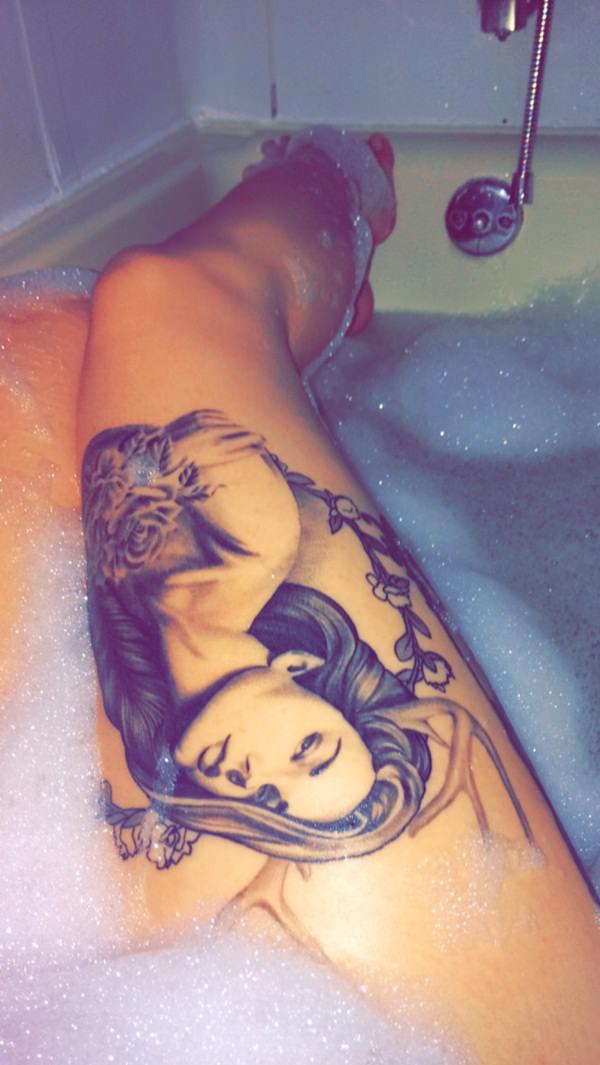
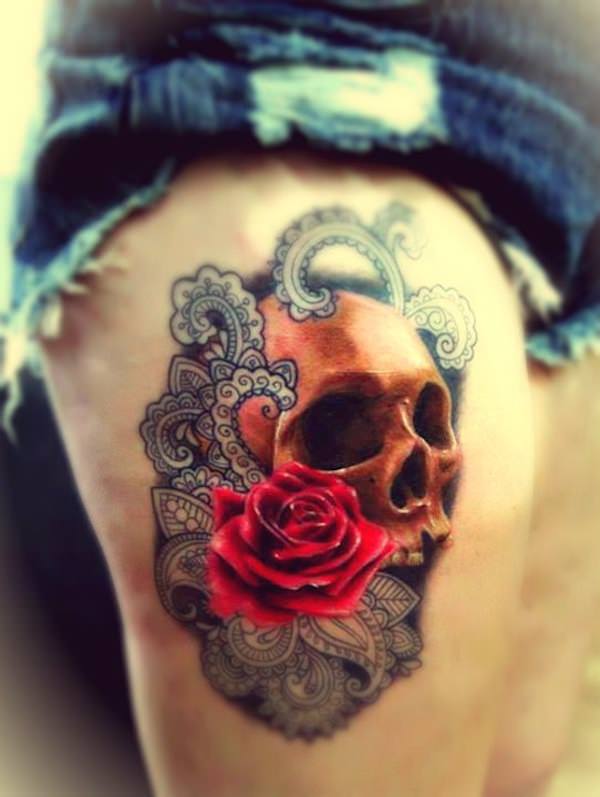
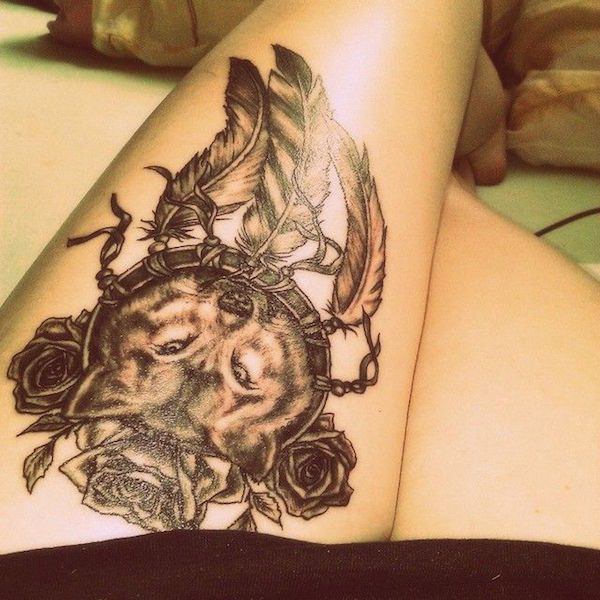
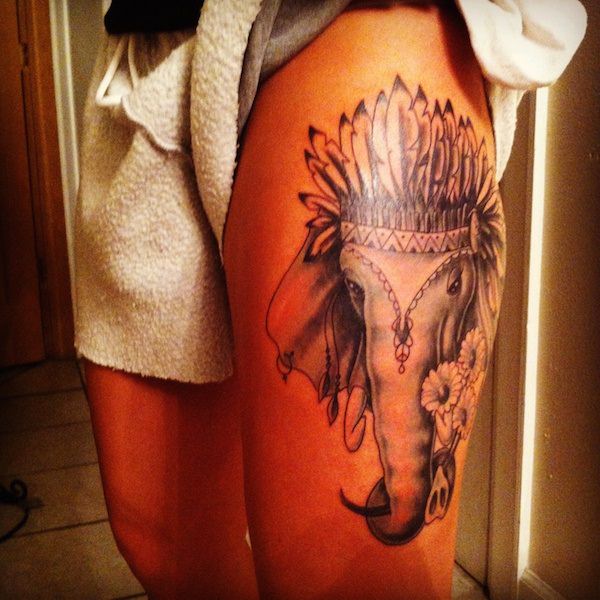
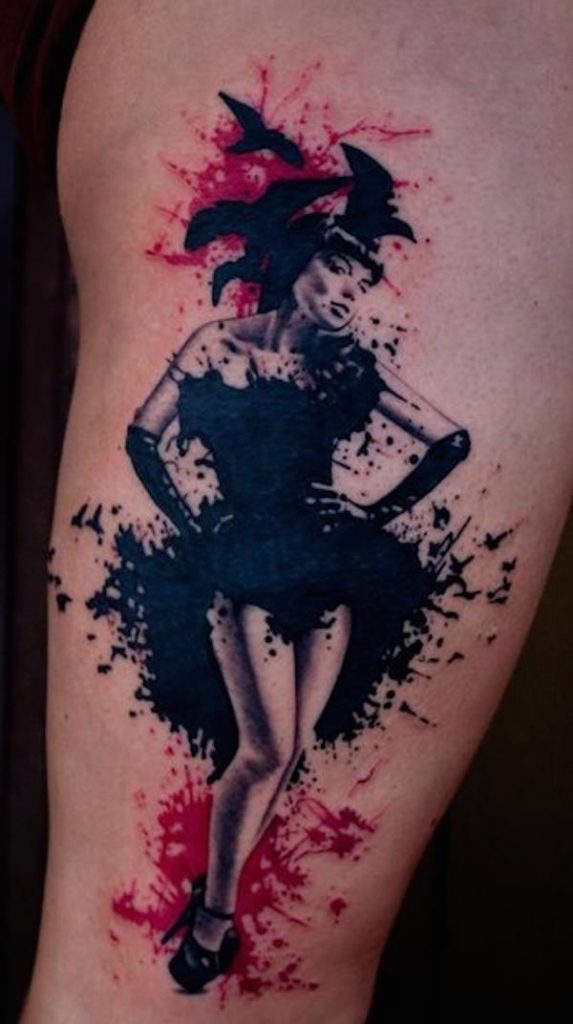
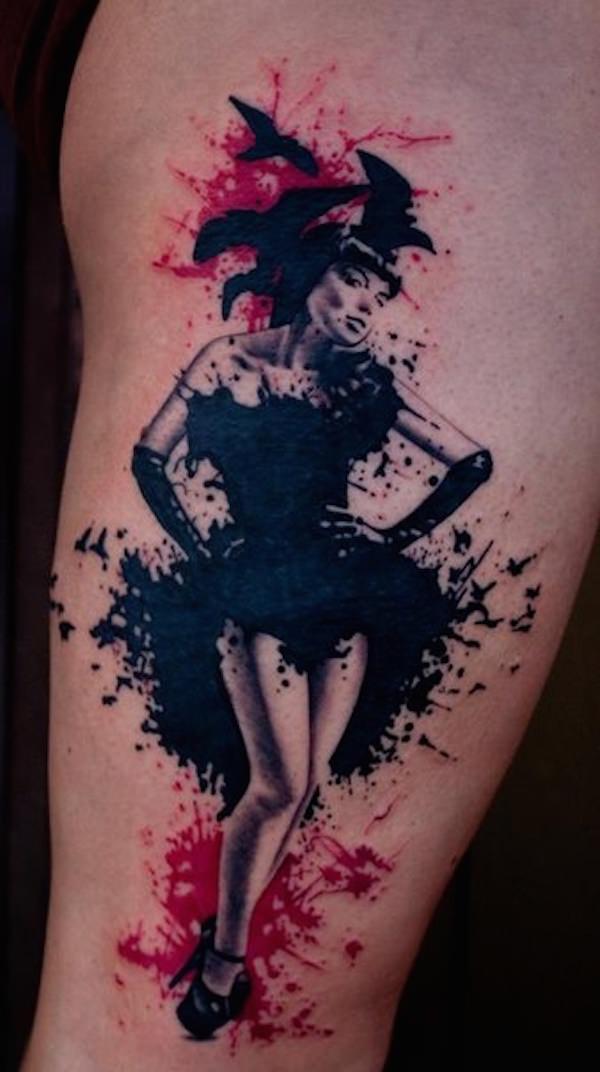
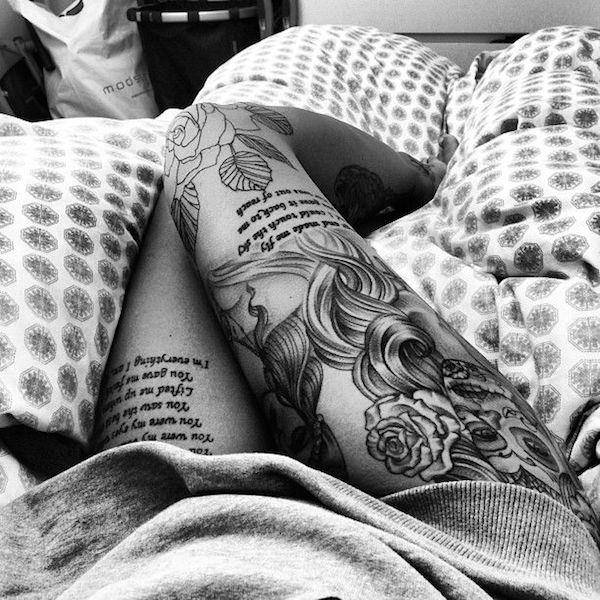
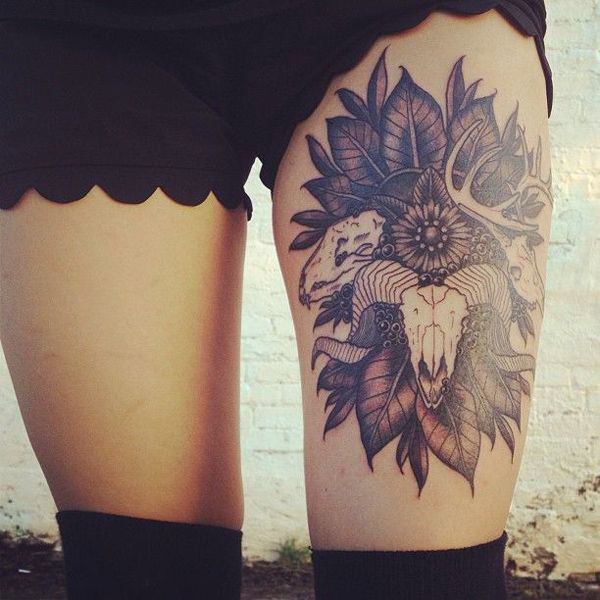
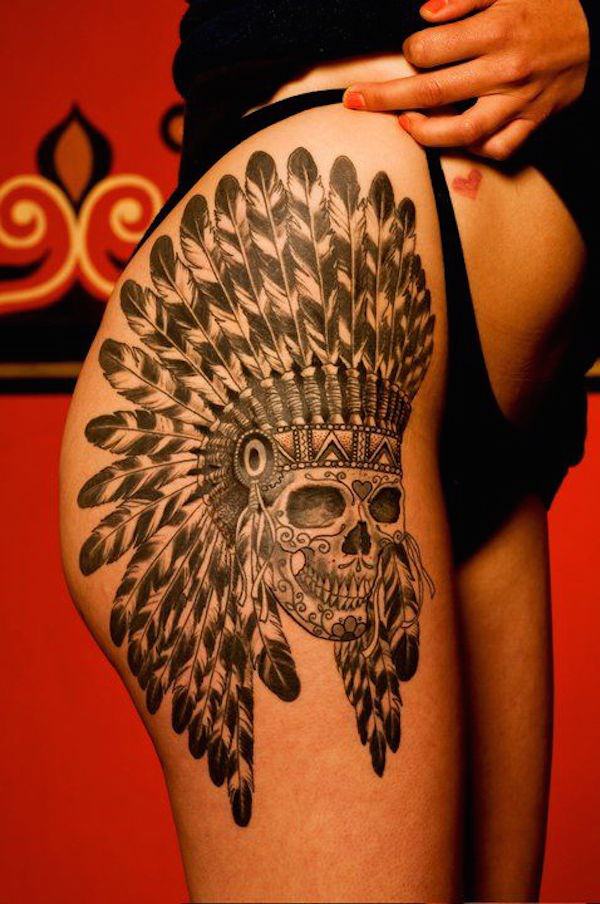
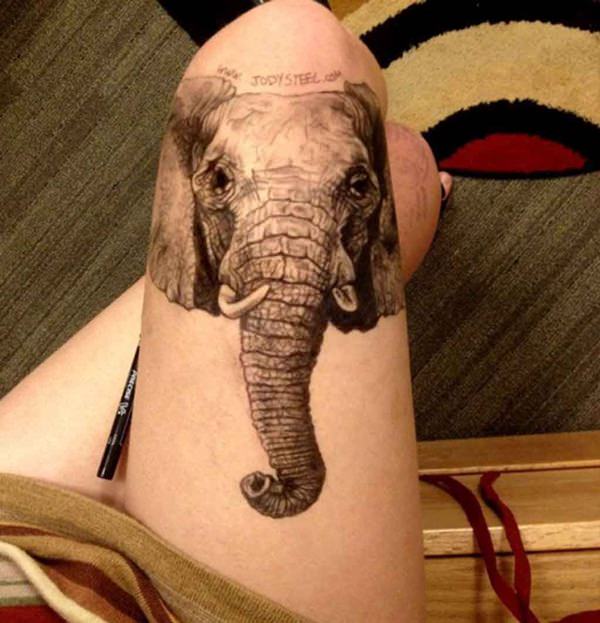
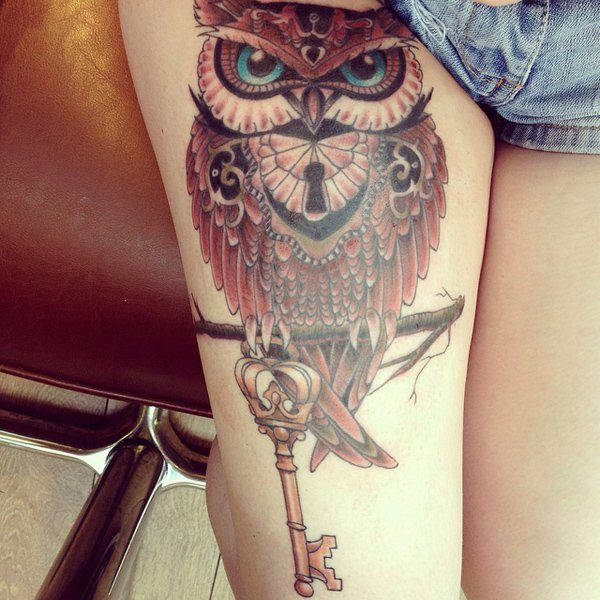
Black and grey realism. Portraits, animals, botanical studies. The space allows real tonal range.
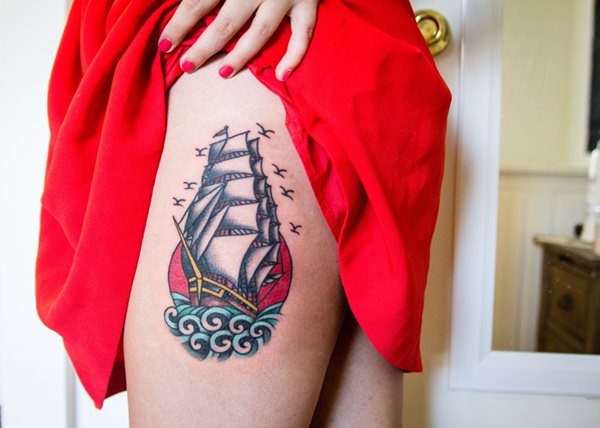
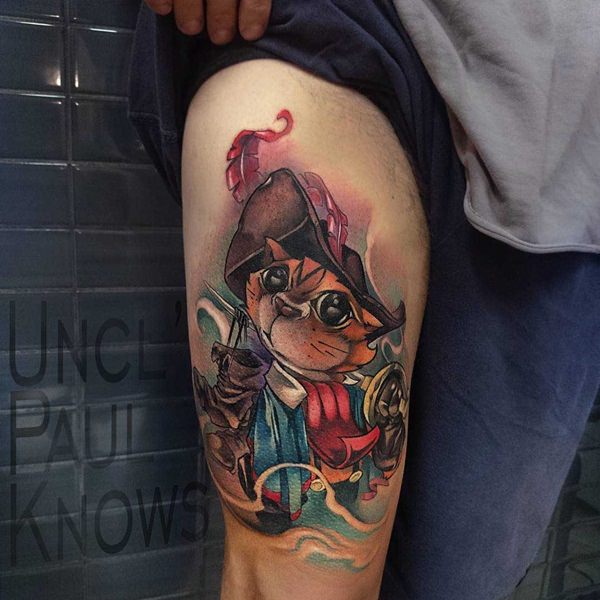
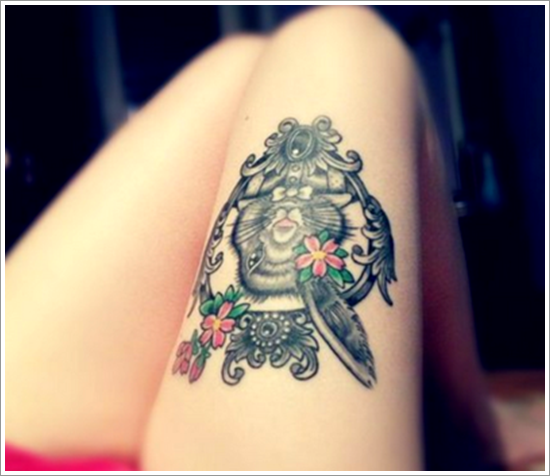
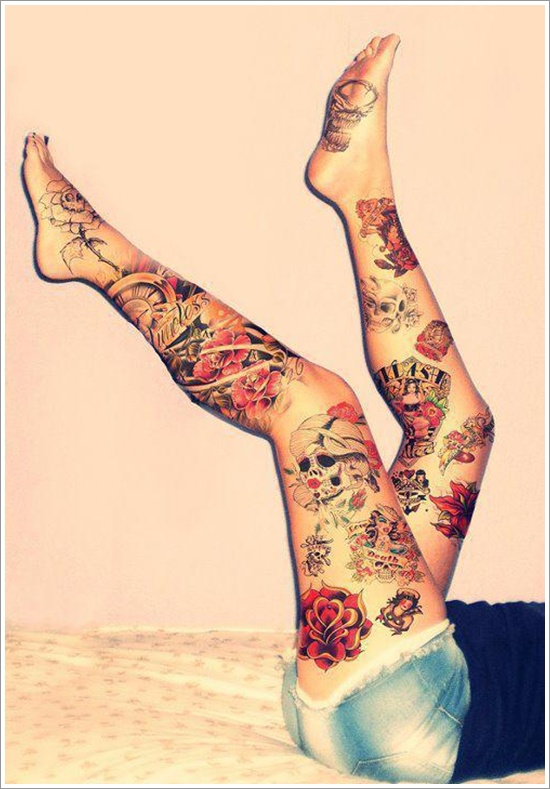
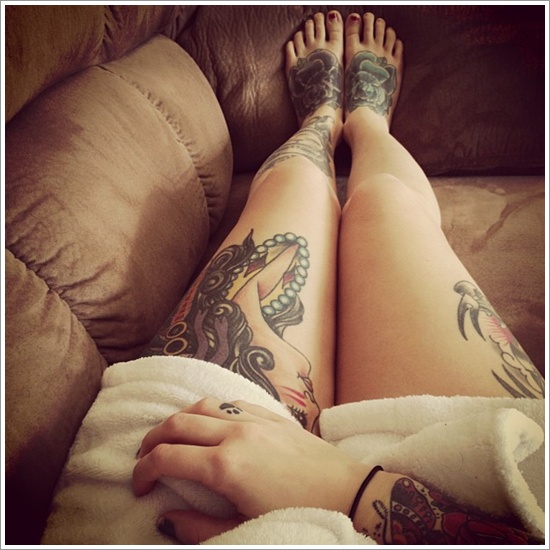
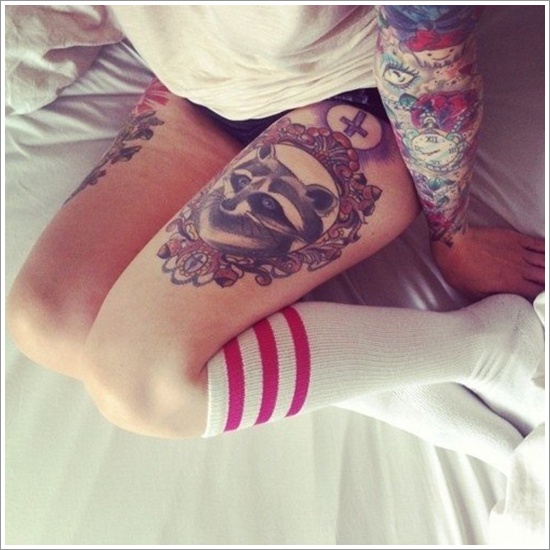
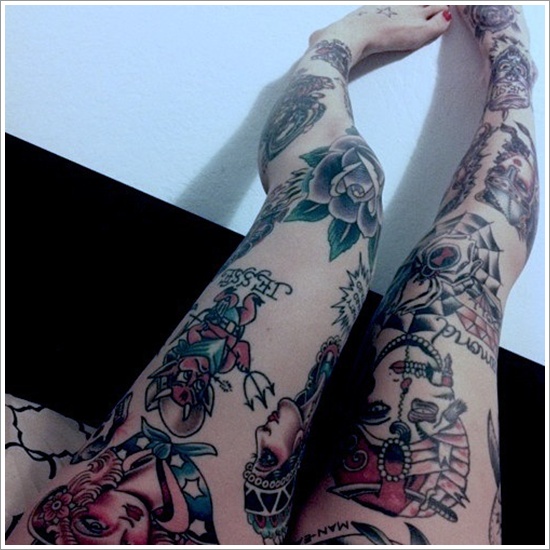
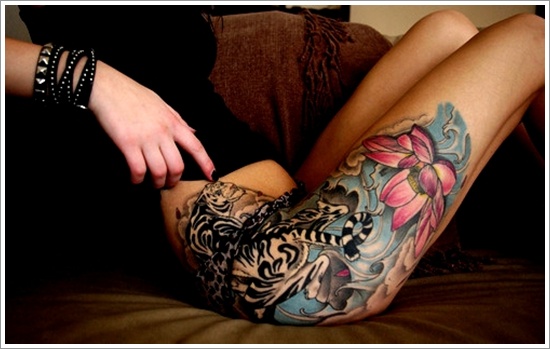
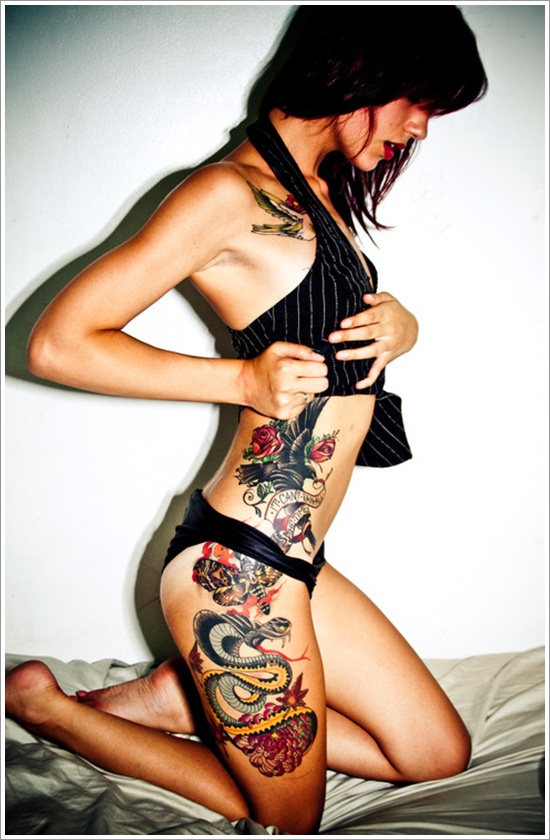
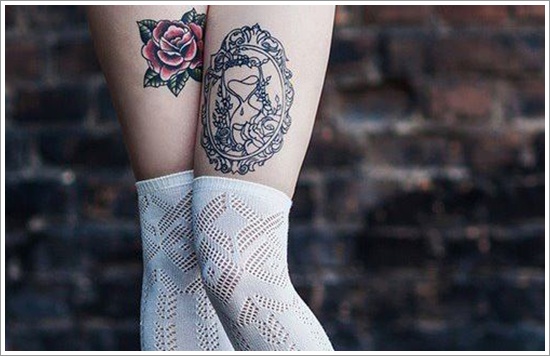
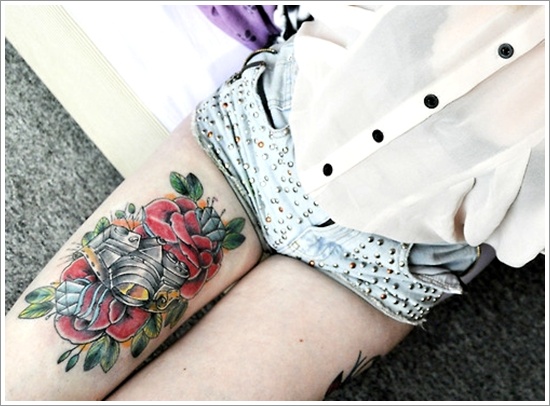
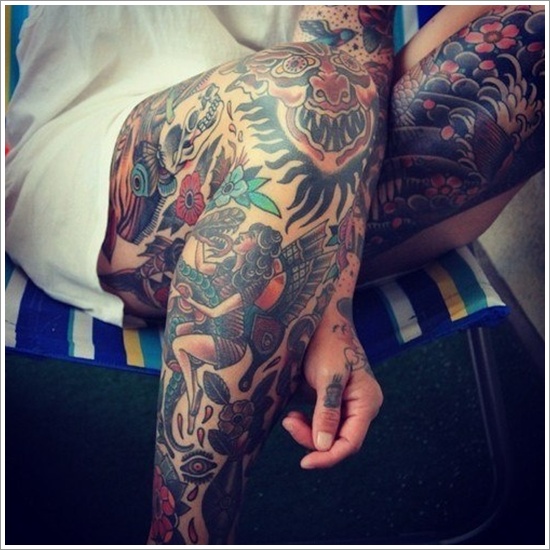
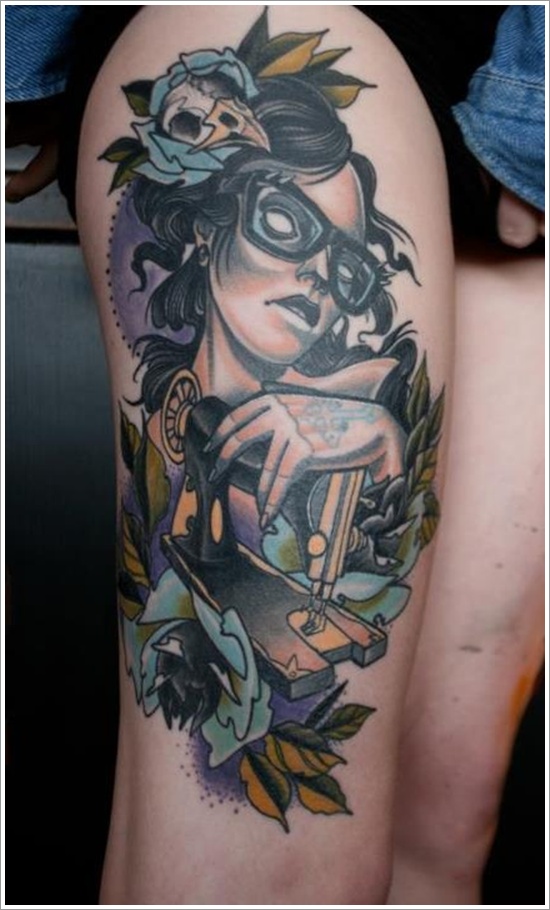
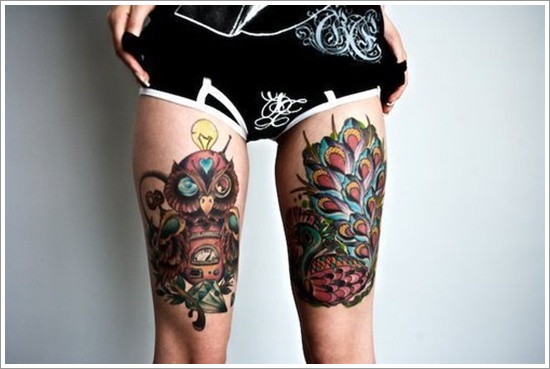
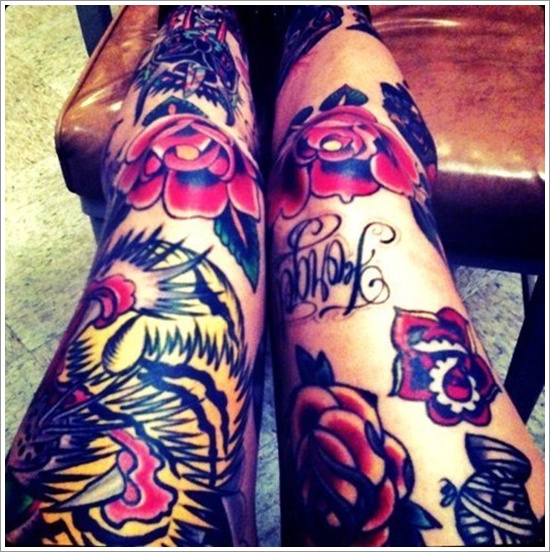
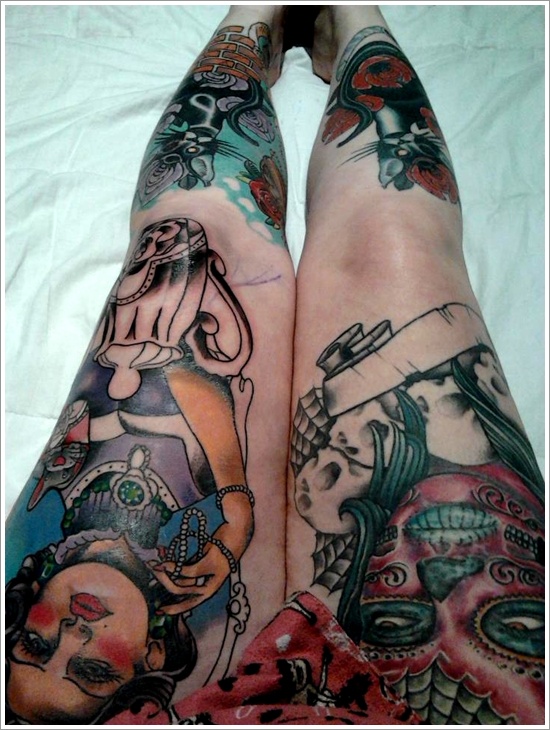
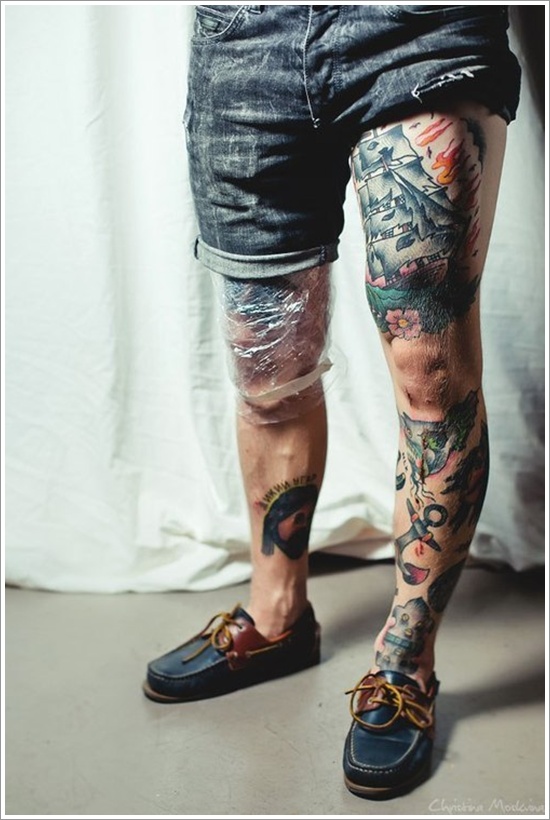
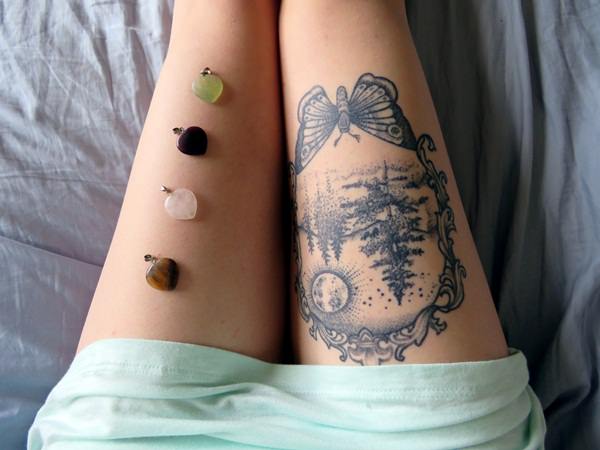
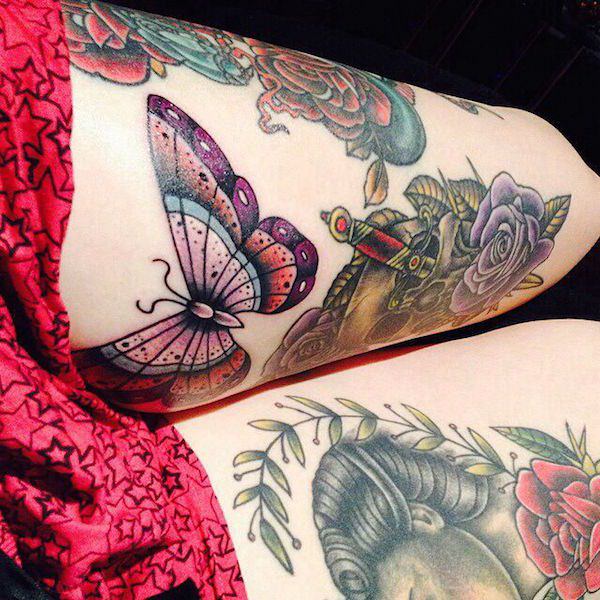
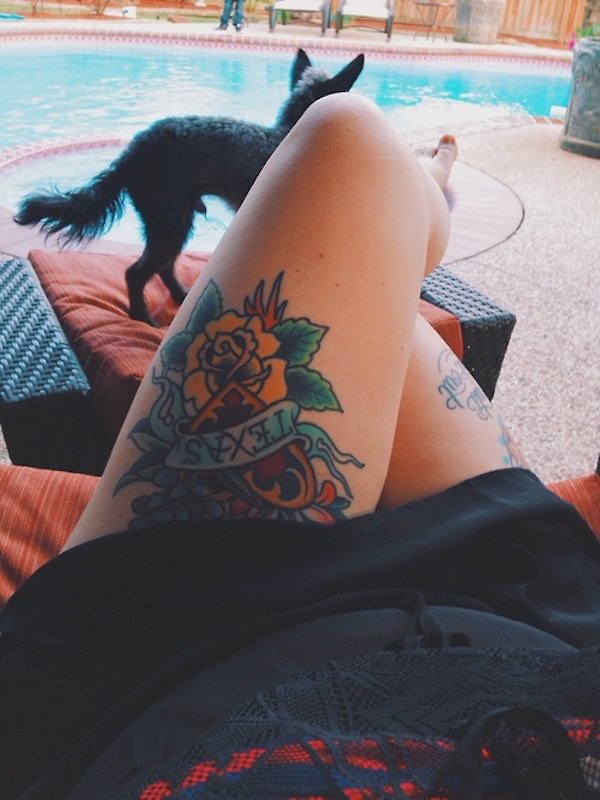
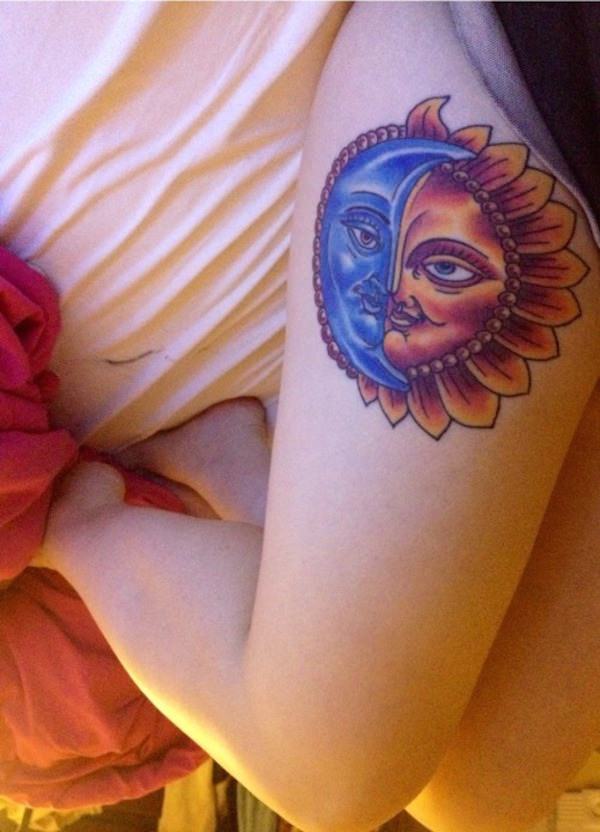
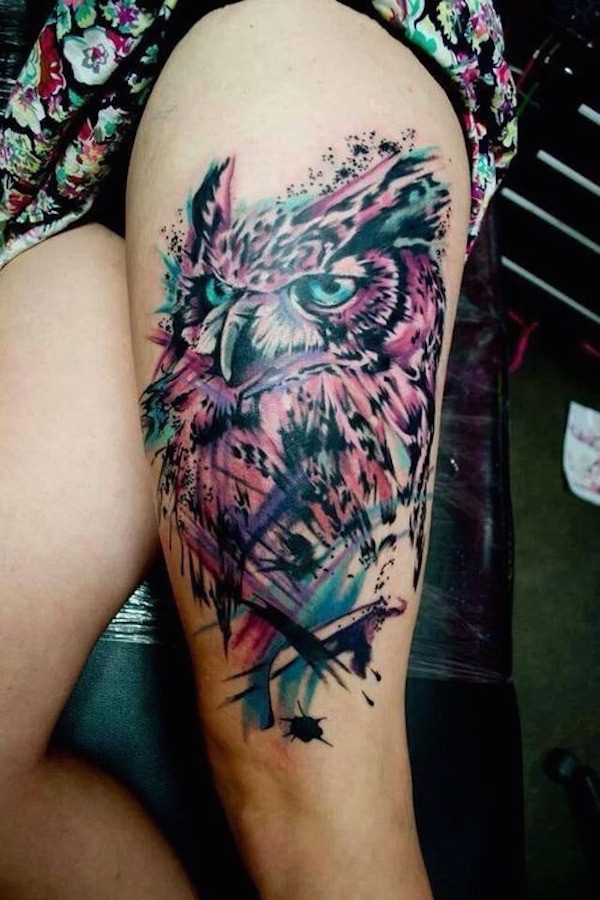
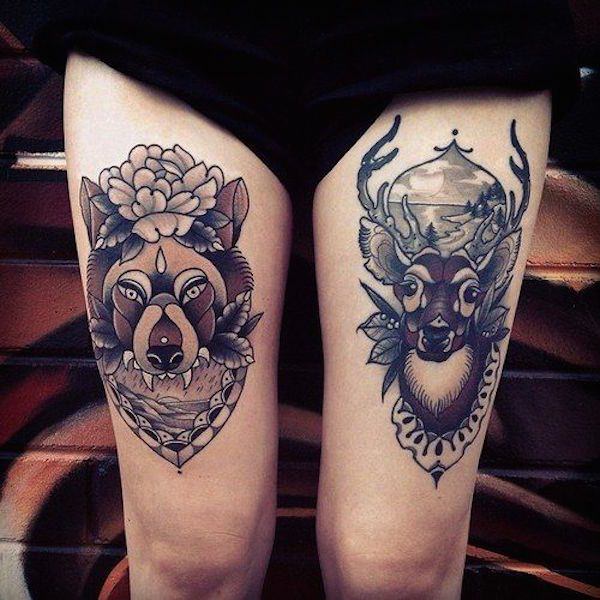
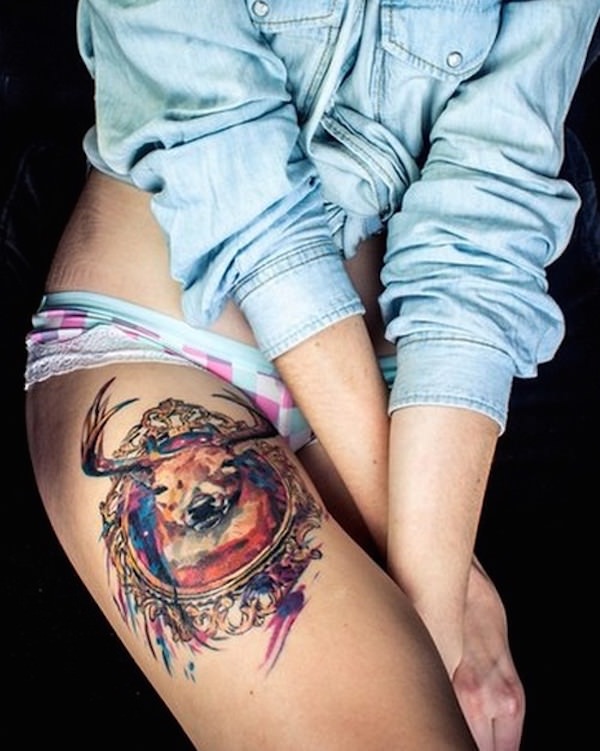
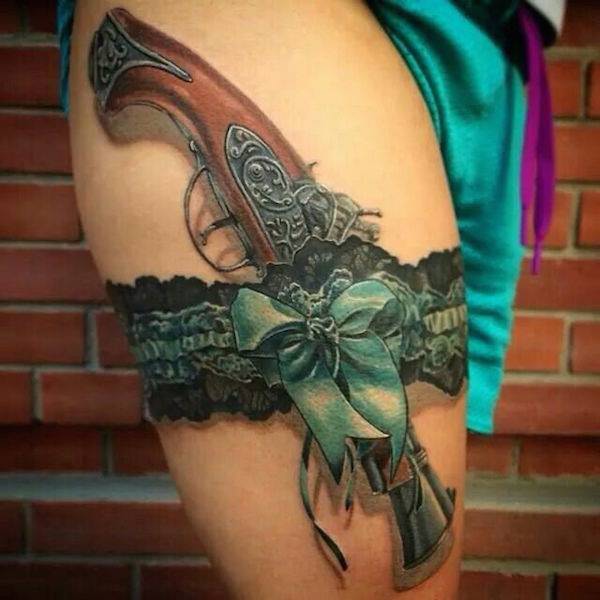
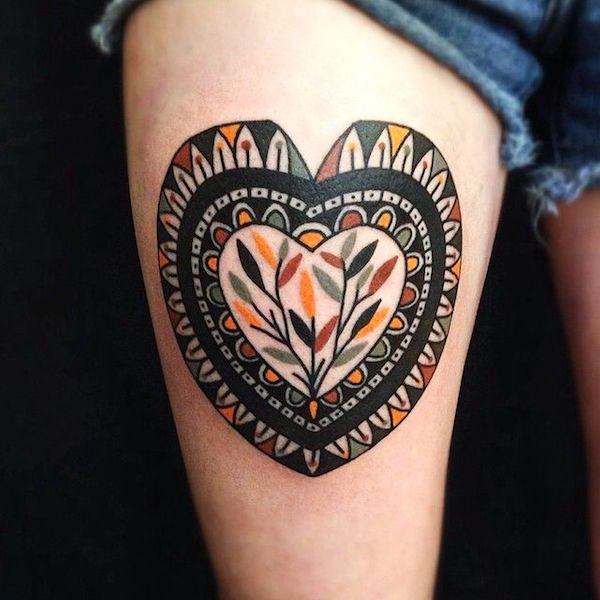
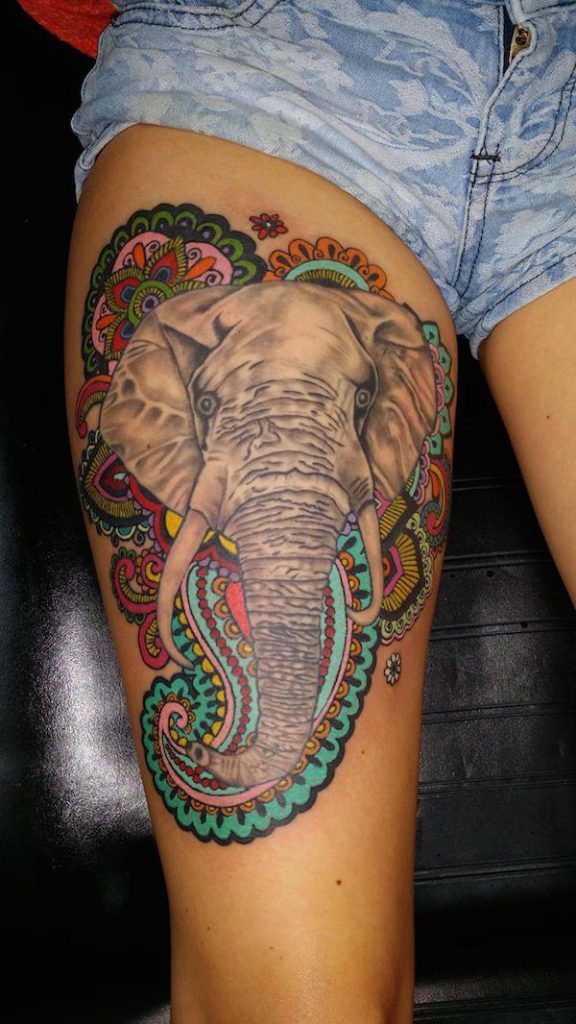
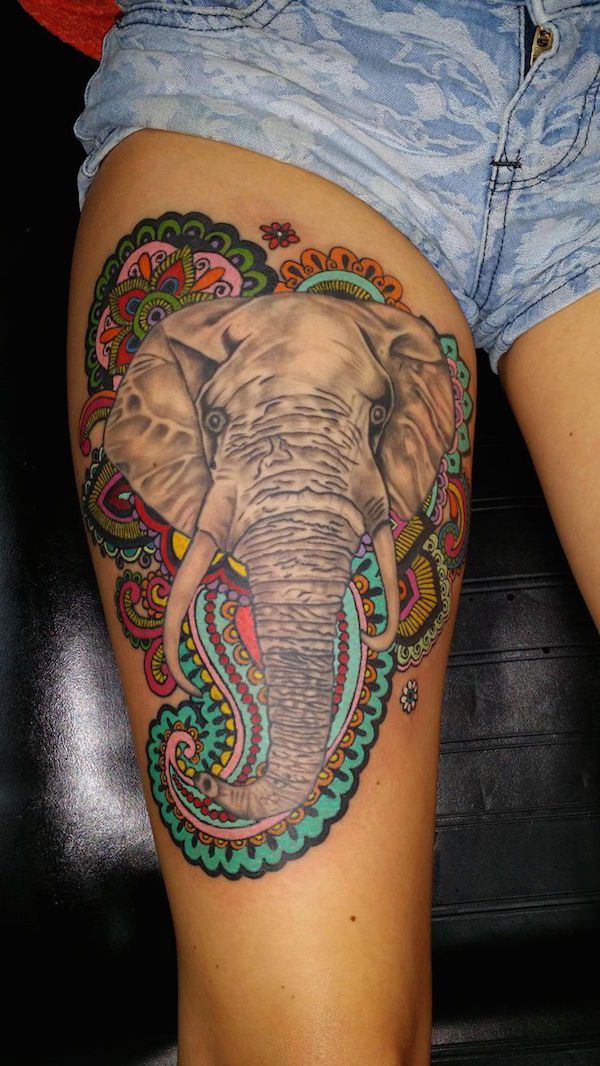
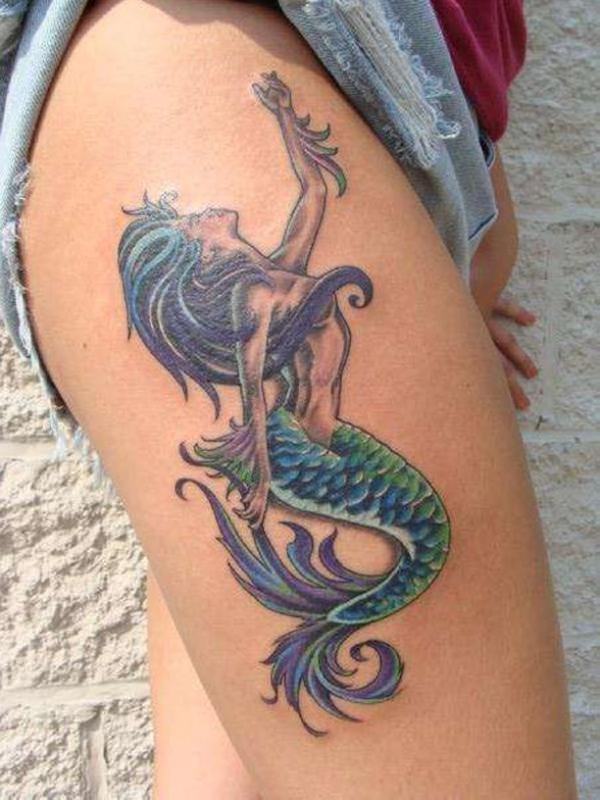
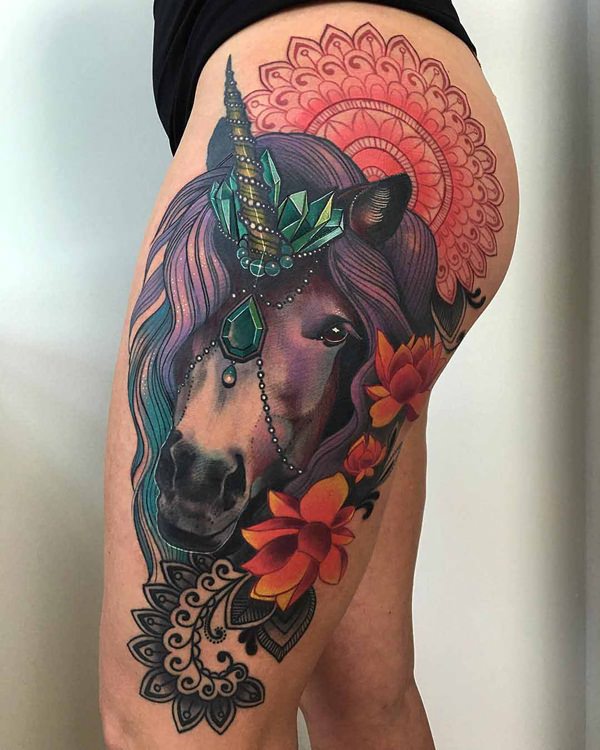
Neo-traditional. Bold outline, rich colour, decorative framing. Suits the shape of the thigh particularly well.
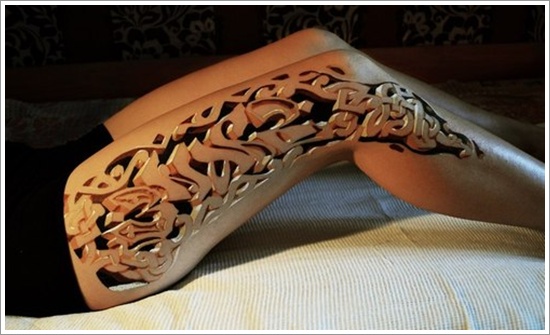
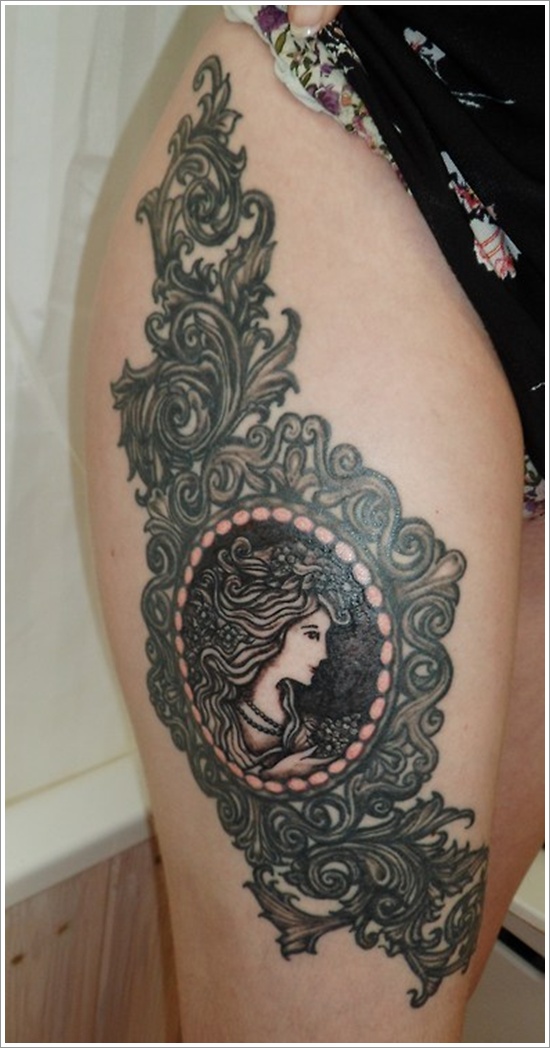
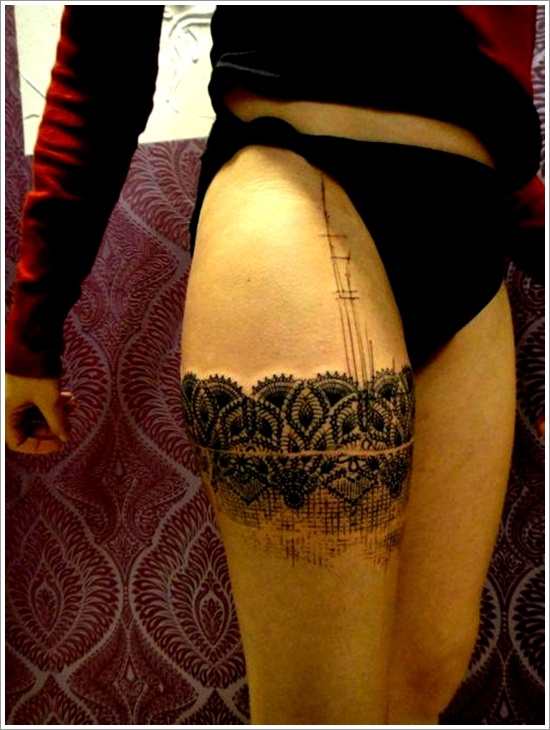
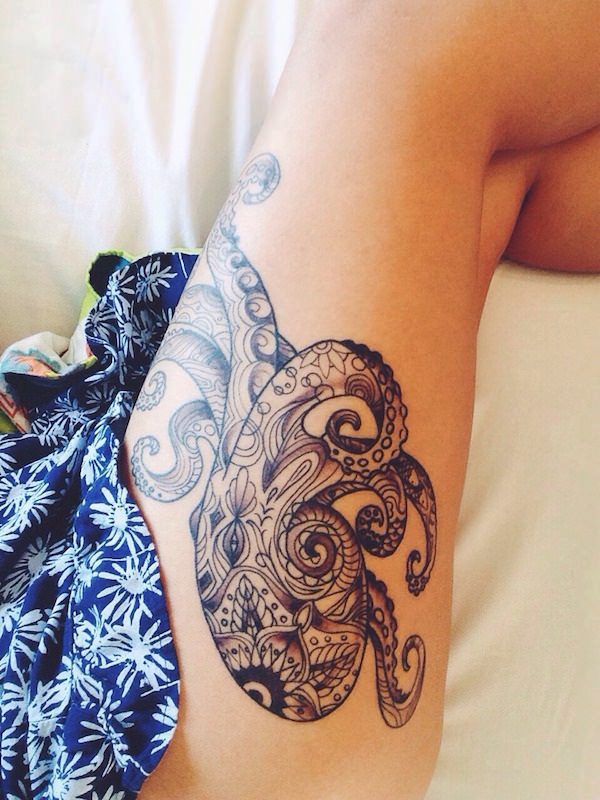
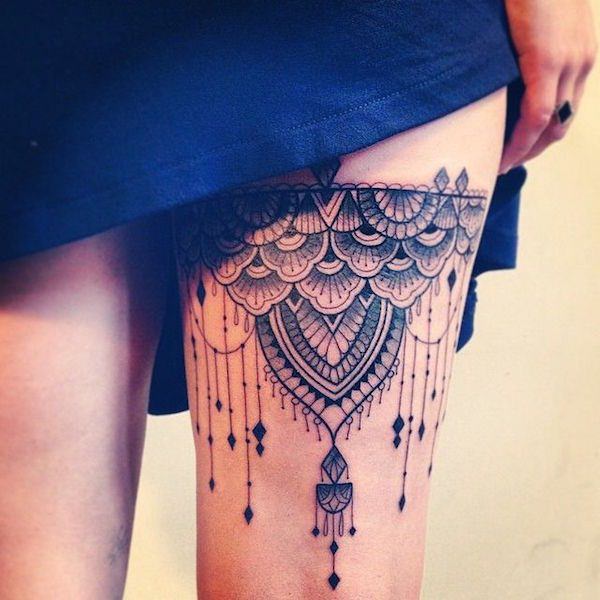
Ornamental and mandala. Symmetrical work that follows the curve. A thigh mandala is one of the better uses of the placement.
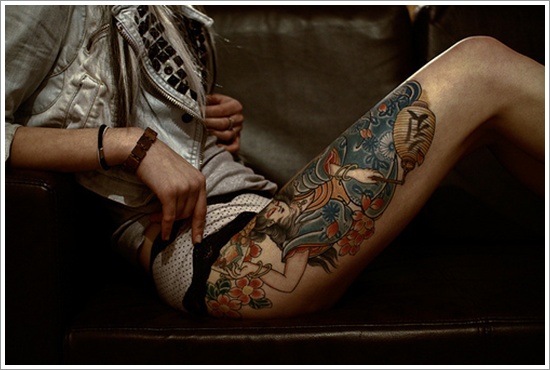
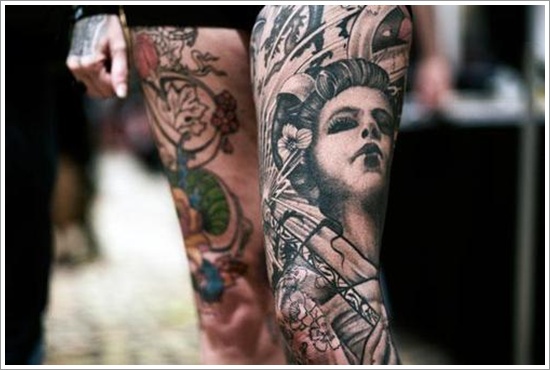
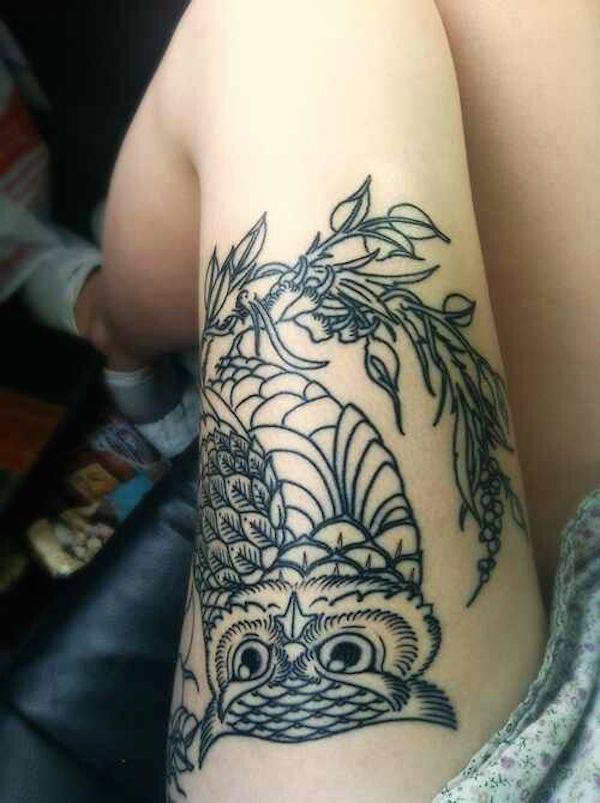
Japanese. Traditional Japanese composition rules are built around large body panels and the thigh is one of them.
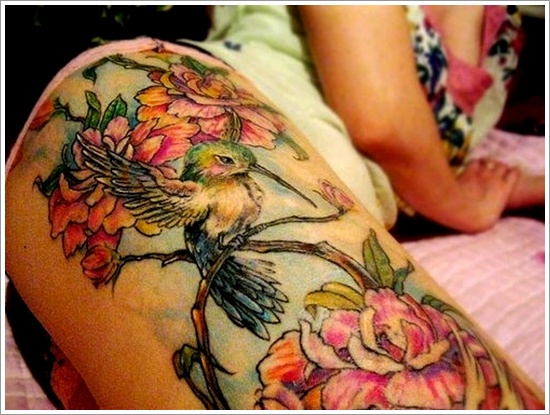
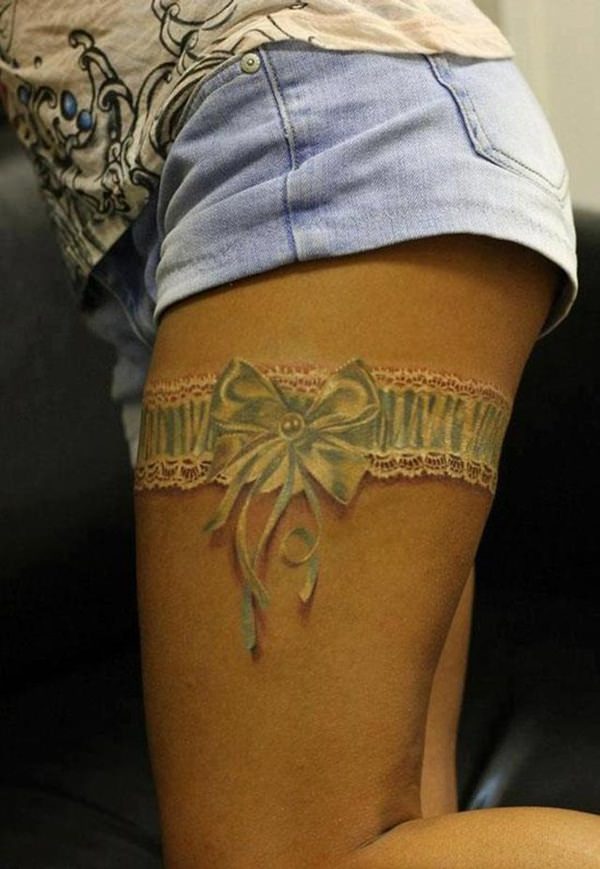
Fine-line botanical. Works better here than on a forearm, because there is less sun and less friction to wear it.
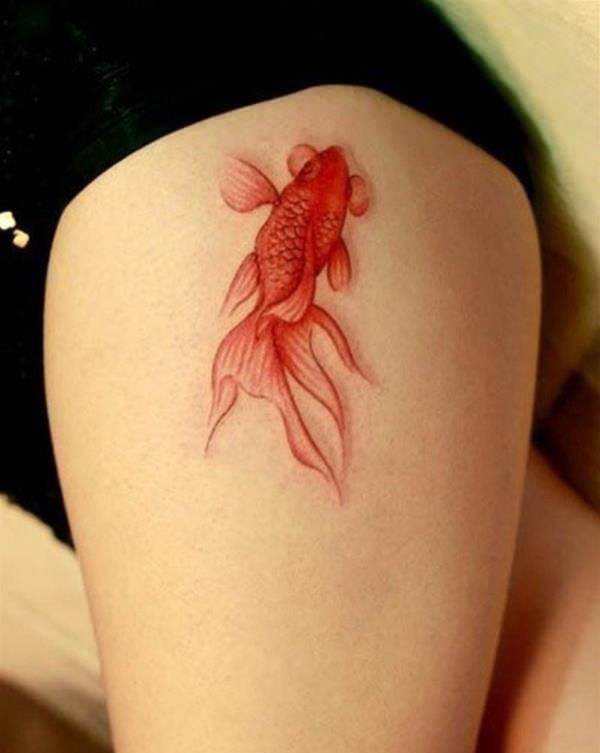
Colour realism. The thigh is one of the best places on the body to put colour, for the same reason.
How it will age, honestly
Two things affect a thigh tattoo more than most placements, and both are worth knowing before rather than after.
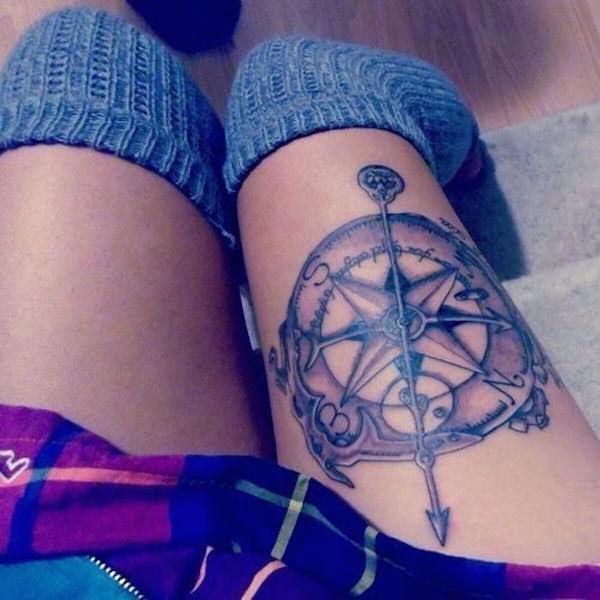
Weight change. The thigh is one of the areas where the body stores and loses weight most visibly. Significant change in either direction will alter the shape of a design there - not usually enough to ruin it, but enough to notice on a piece with strict geometry. Mandalas and symmetrical ornamental work show it most; organic subjects like florals, animals and landscapes absorb it almost invisibly. If your weight is likely to move substantially, that is an argument for an organic design rather than a geometric one.
Friction, in one specific spot. The inner thigh rubs when you walk, and on some people that area sees genuine wear over the years. It is the one part of the thigh where fading is faster than you would expect.
Otherwise, this is a placement that ages well. Low UV exposure is the main reason - keep it covered or use sunscreen and colour holds here longer than almost anywhere. Fine detail merges over ten to fifteen years as it does everywhere, so size accordingly. Expect a touch-up around year five on detailed work.
What to bring your artist
A sense of where exactly on the thigh, because outer, front and inner are different tattoos. Whether it should wrap or stay on one plane. And whether this might grow later, since planning for that at the start costs nothing and retrofitting it is awkward.
Wear or bring shorts you are comfortable in - a thigh appointment involves more exposure than a forearm, and every shop is used to this and will drape you appropriately. Say if you would rather have an artist of a particular gender, especially for inner thigh work. It is a normal request and nobody will find it odd.
A good artist will push back on strict geometry if you tell them your weight fluctuates, and on booking a long first session on the inner thigh.
Aftercare, briefly
Follow your artist's instructions. Generally: covering on as long as they said, then gentle washing twice a day with clean hands and fragrance-free soap, and a very thin layer of the recommended aftercare.
The thigh has one specific healing problem: everything rubs it. Trousers, seams, walking, sitting, and the other leg. Loose clothing for two weeks, and loose enough that nothing sits against it while you sleep. Chafing during healing is what lifts ink and leaves patches, and it is the most common reason a thigh piece needs touching up.
No soaking for two to three weeks, no sun while healing, and no picking.