45 Sexy Lower back Tattoos For Girls
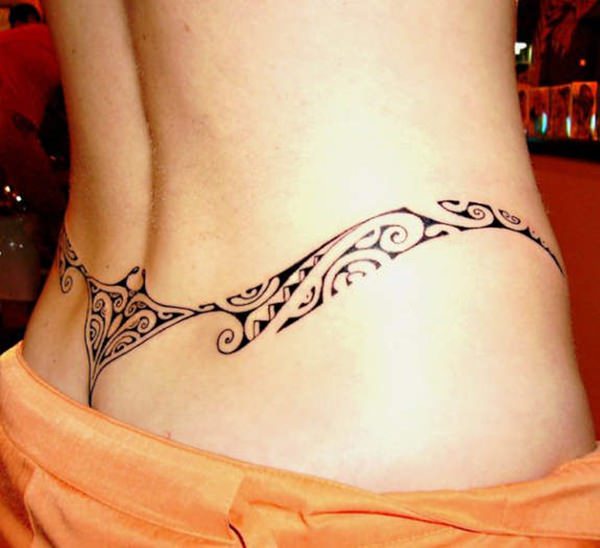
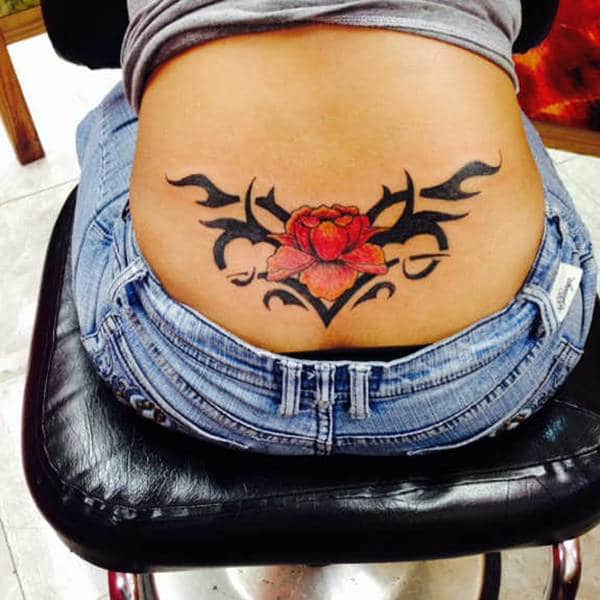
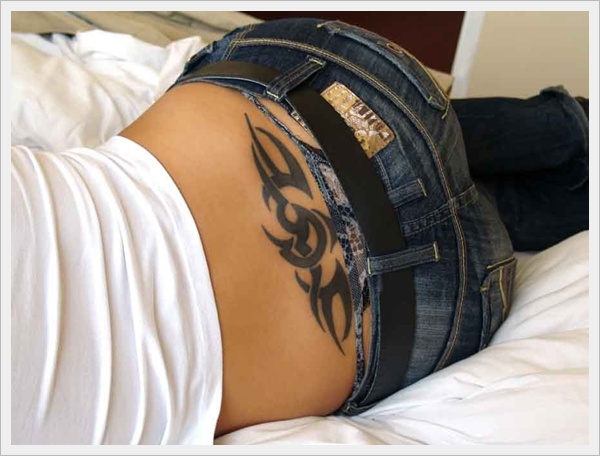
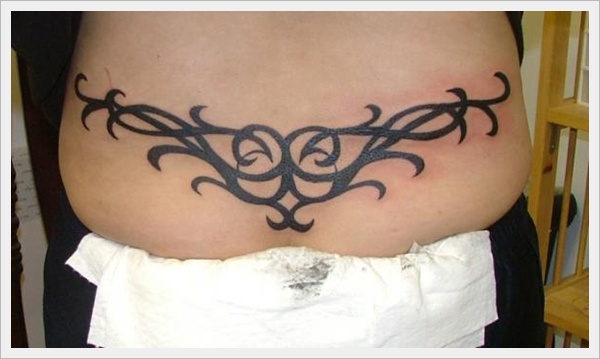
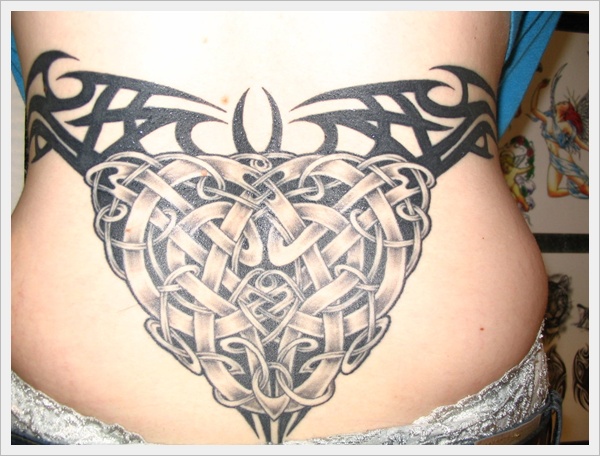
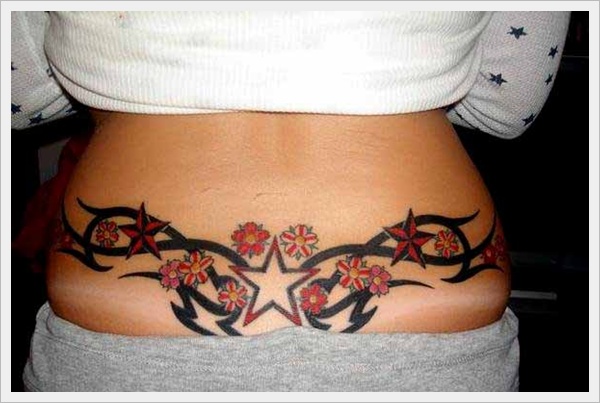
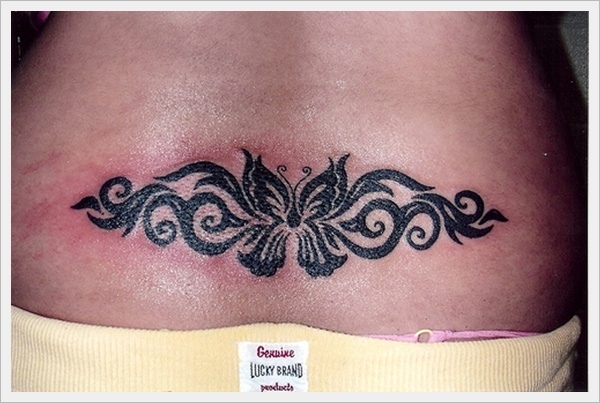
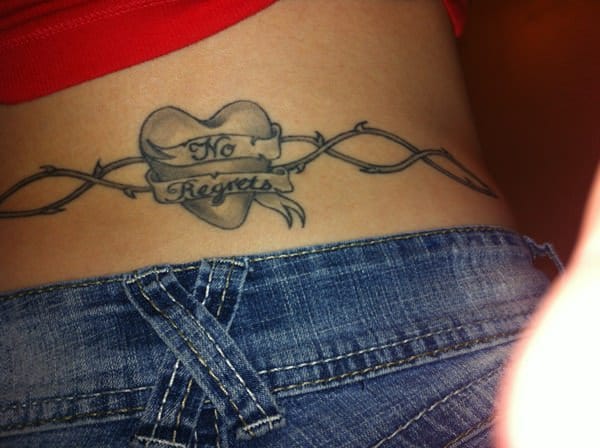
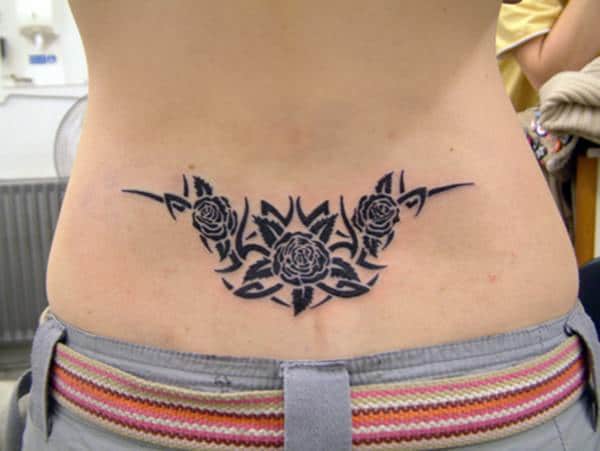
The lower back has a reputation problem, and it is worth dealing with before anything else. The wide, symmetrical tribal band of the early 2000s was done so often, and so identically, that it acquired a nickname nobody wanted. That is the design that dated, not the placement.
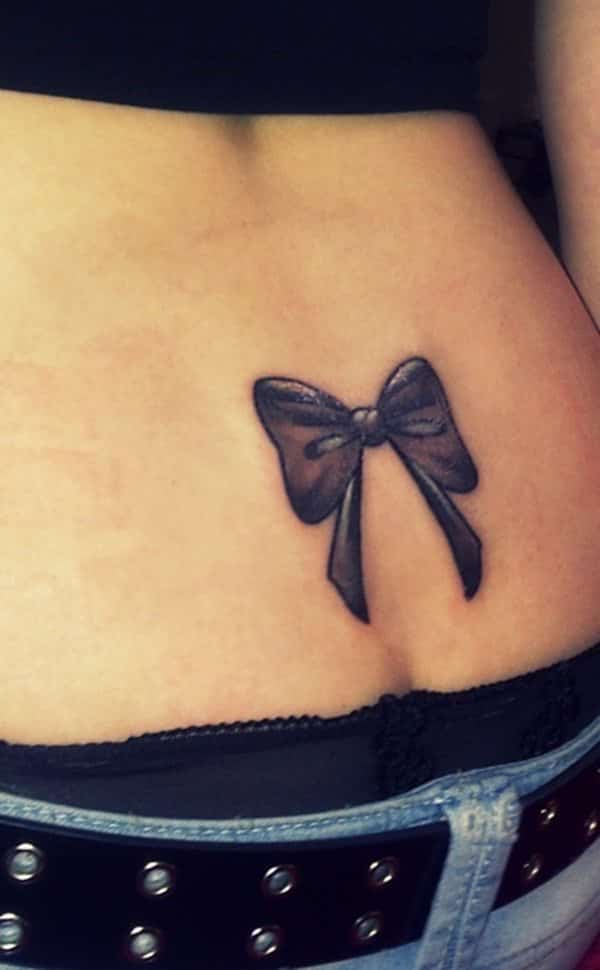
The placement itself is one of the best on the body. It is broad, flat, mostly free of bone, easy to hide under clothing and easy to show, and it ages better than almost anywhere else. Artists like working there. What matters is choosing a design that belongs to you rather than to 2003.
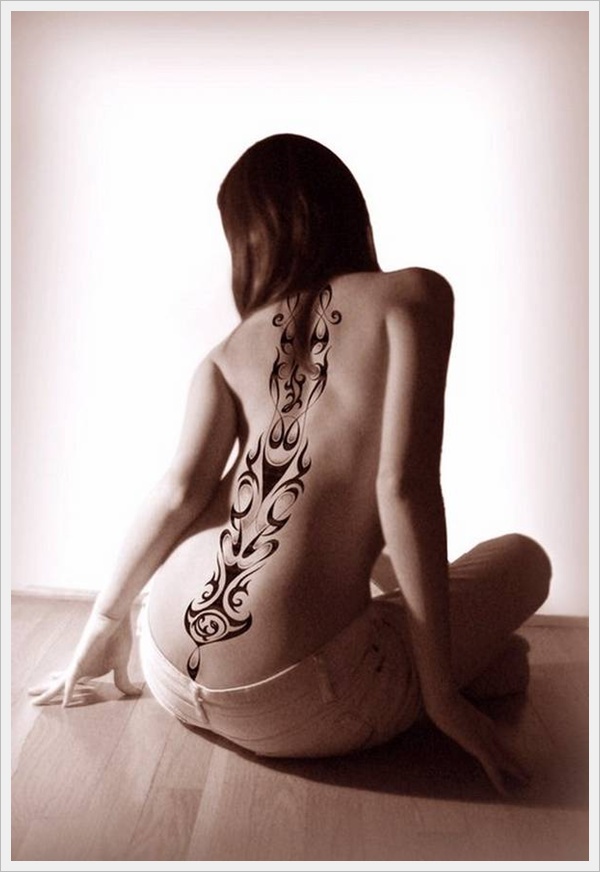
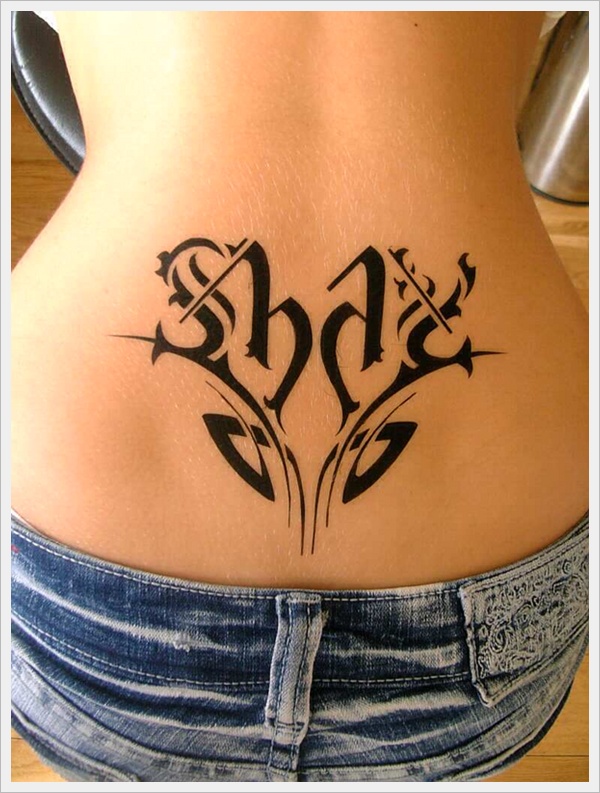
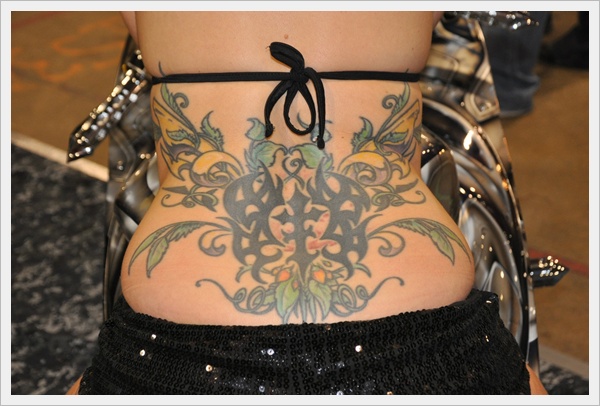
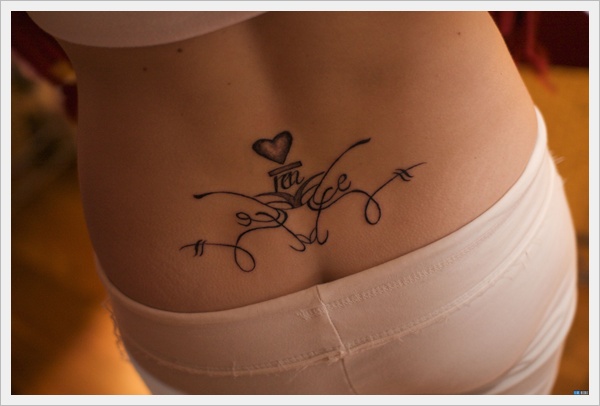
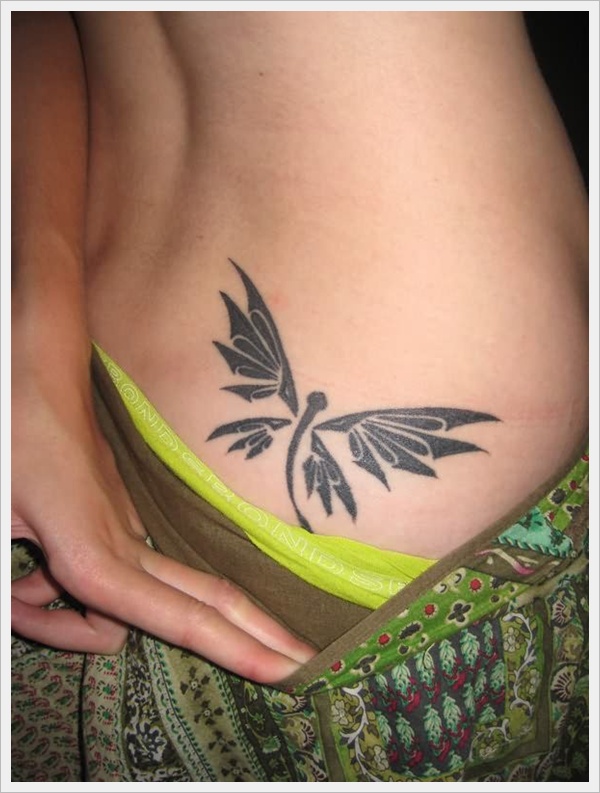
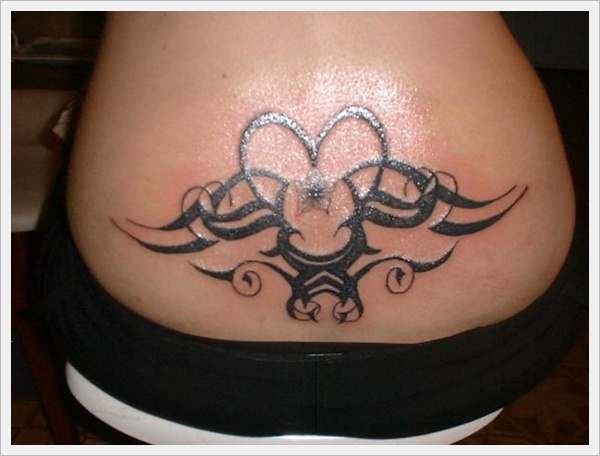
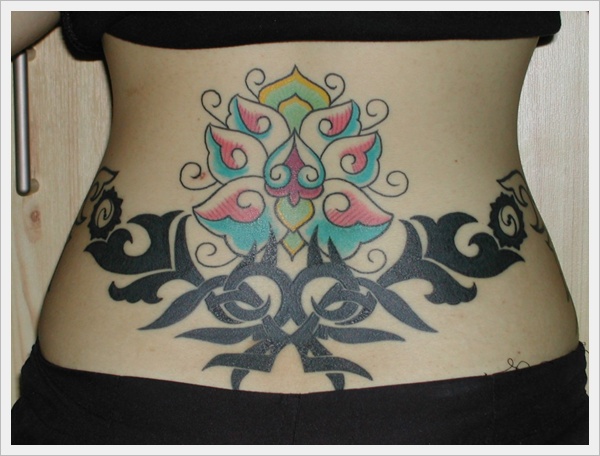
Why artists rate the placement
It is flat and forgiving. The lower back has no knuckles, ribs or shins under it. The skin sits over muscle and fat, which means the needle goes in evenly, the linework stays clean, and the session is far more comfortable than the same design would be on a foot or a sternum.
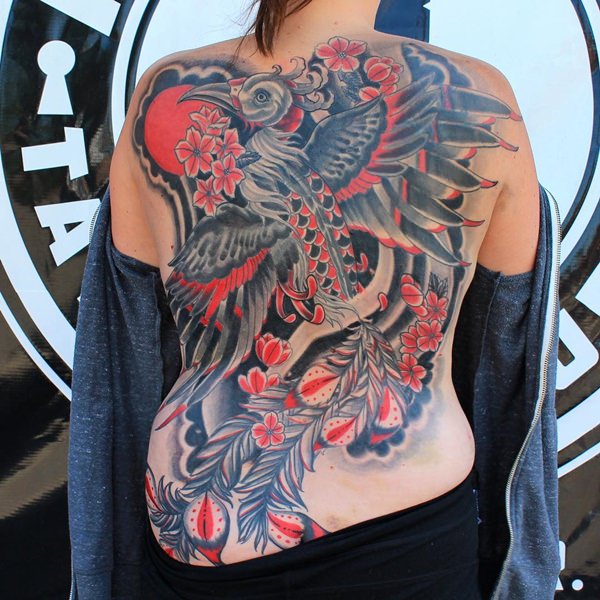
It holds a large design without crowding. You can fit real detail there without shrinking it to the point where the lines merge in five years. It also leaves room to extend later, up the spine or around the hip, which is how a lot of the best work on this placement ends up developing.
It ages unusually well. The skin there is not heavily sun-exposed, and it moves less than a stomach or an upper arm through weight changes and pregnancy. Ink laid well in the lower back tends to stay where it was put.
It is yours to reveal. Covered by almost everything, visible when you choose. For anyone whose work has an opinion about tattoos, that matters.
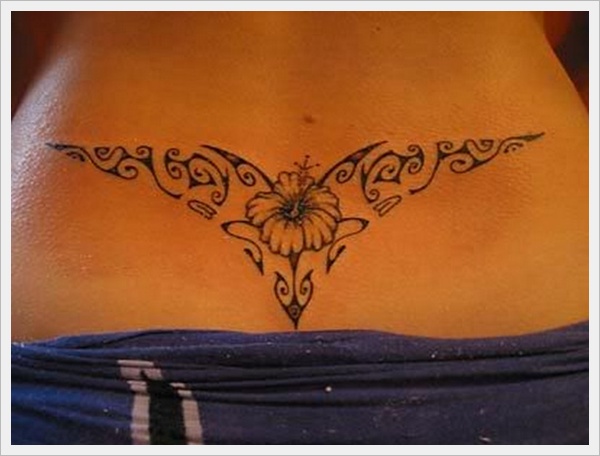
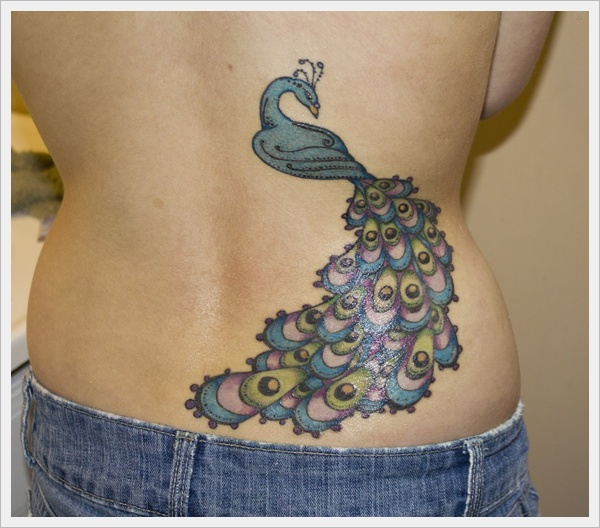
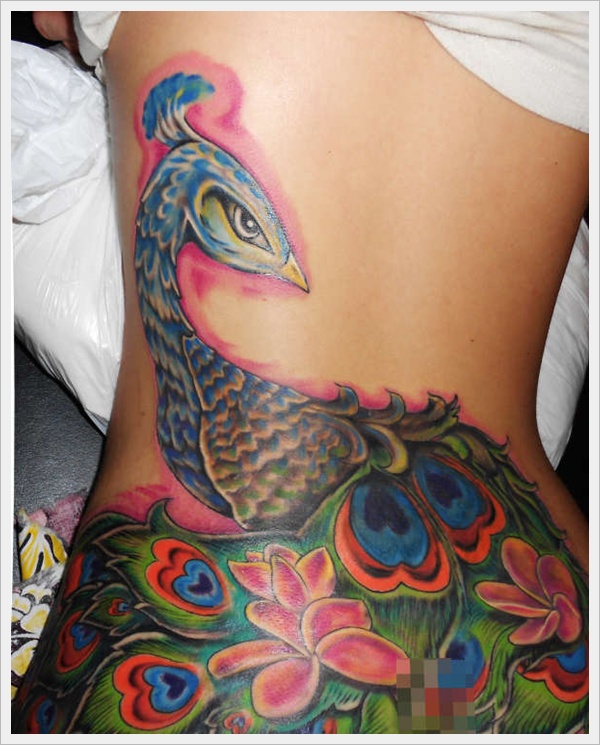
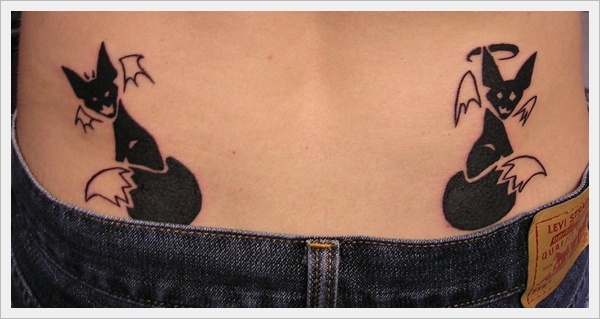
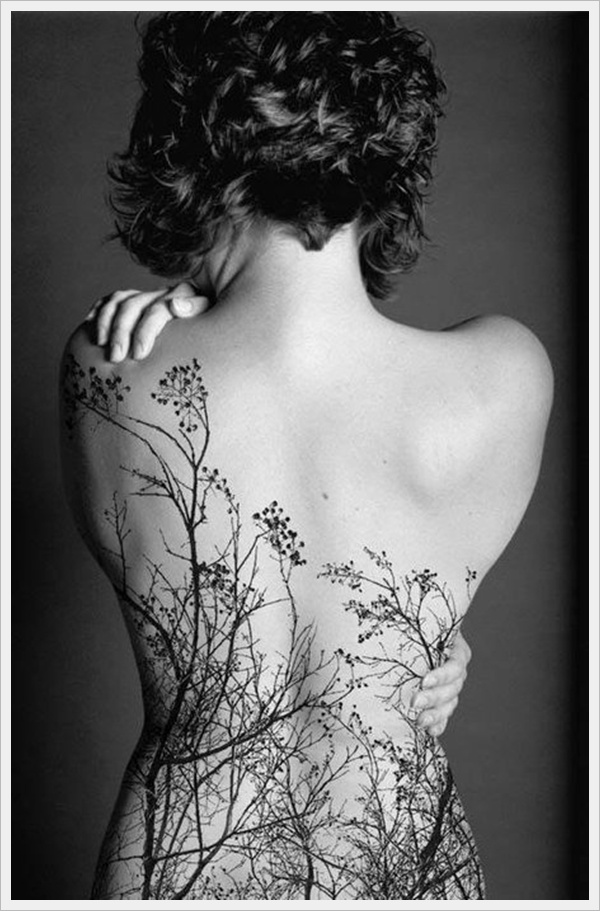
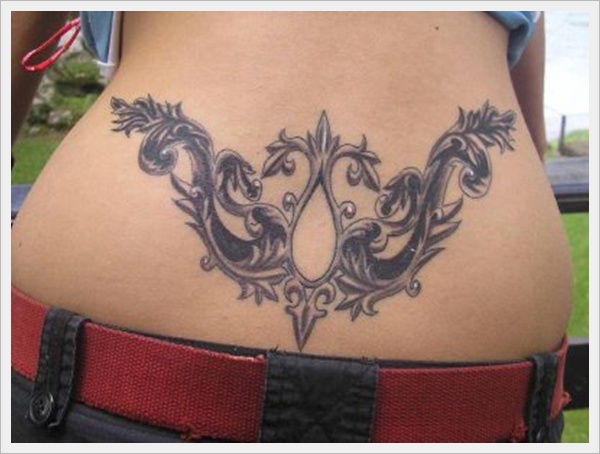
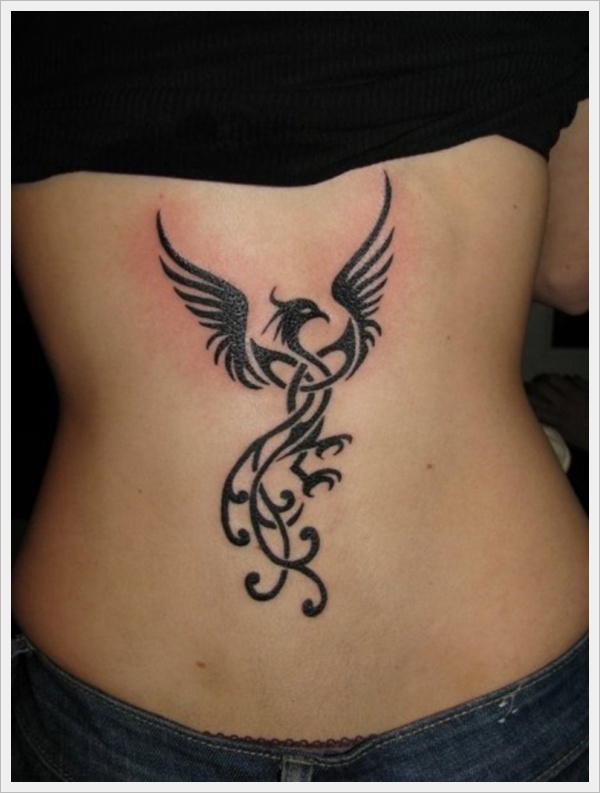
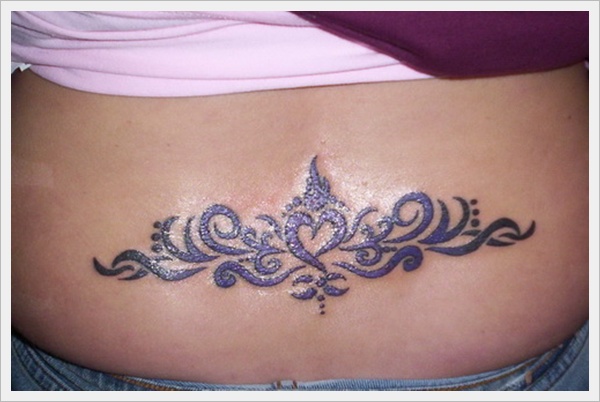
Designs that hold up, and designs that do not
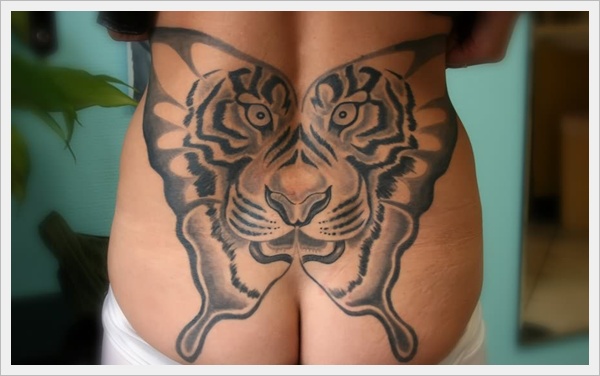
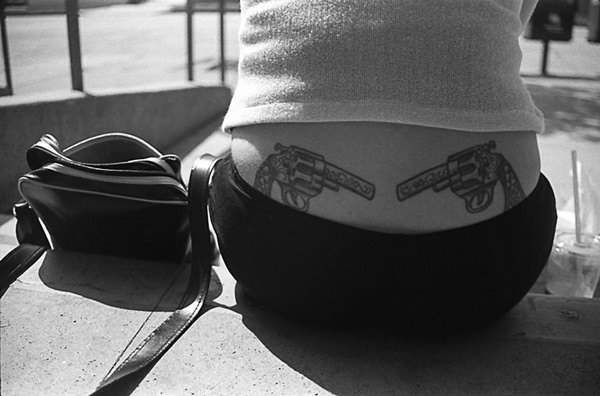
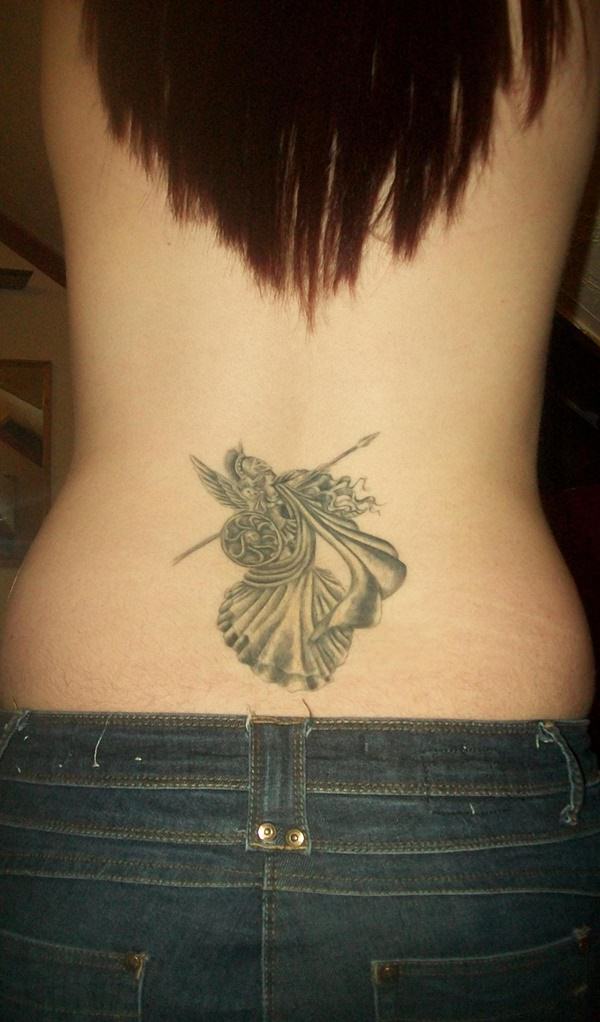
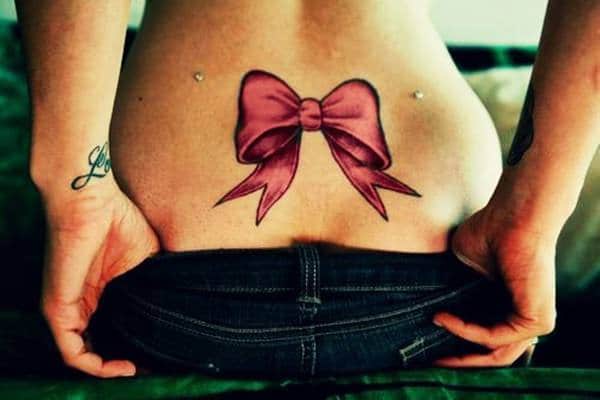
The failure mode is symmetry for its own sake: a horizontal design centred on the spine that mirrors itself perfectly, with tribal points on each end. It reads as a decoration applied to a body rather than a design made for one.
What ages better:
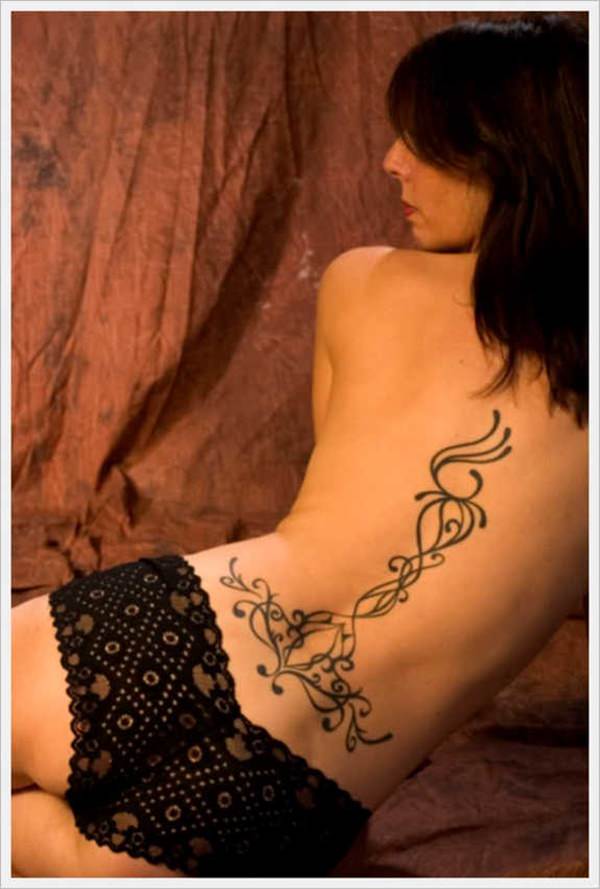
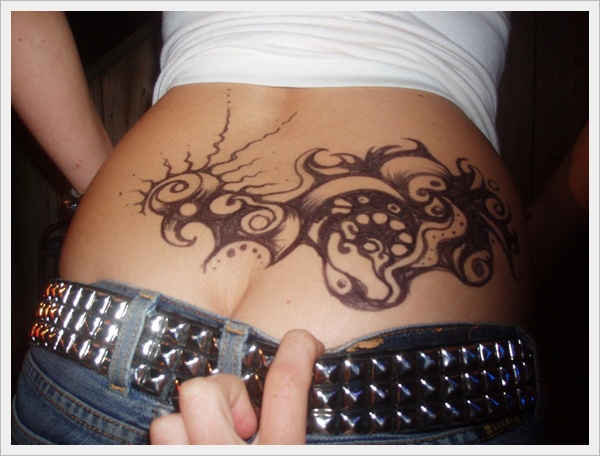
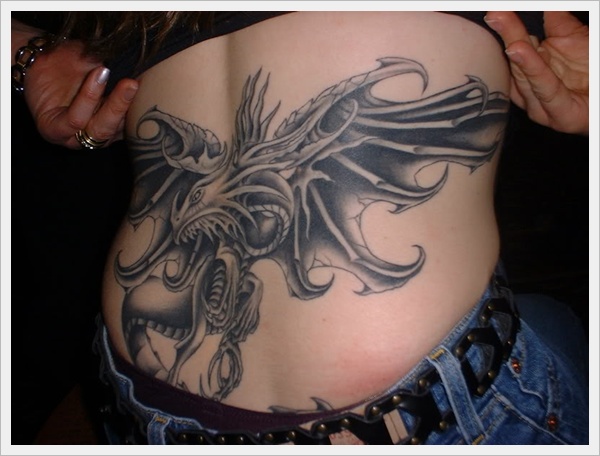
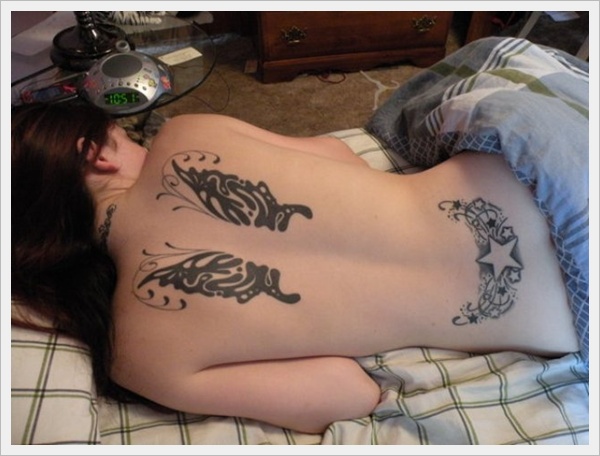
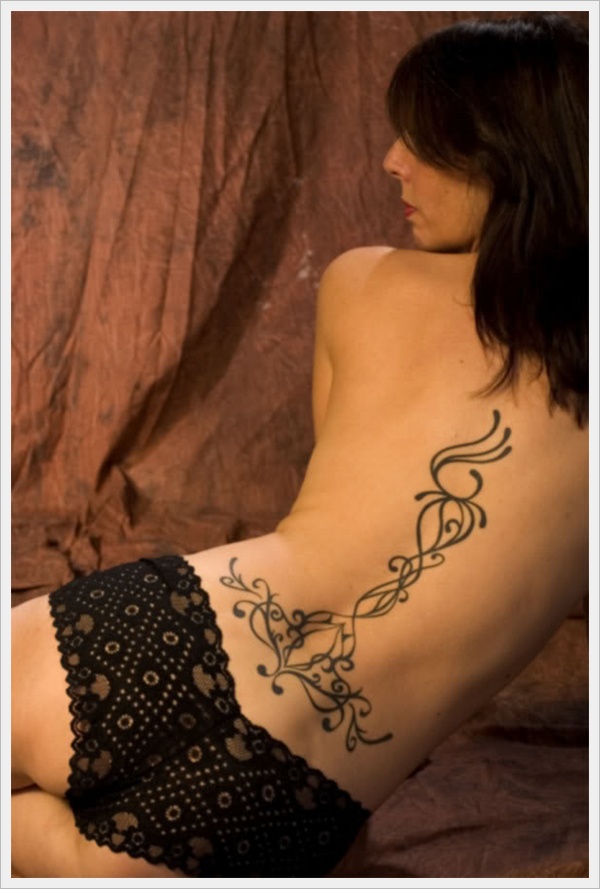
- Vertical or diagonal compositions that follow the spine instead of cutting across it. They look intentional and they suit the body's shape.
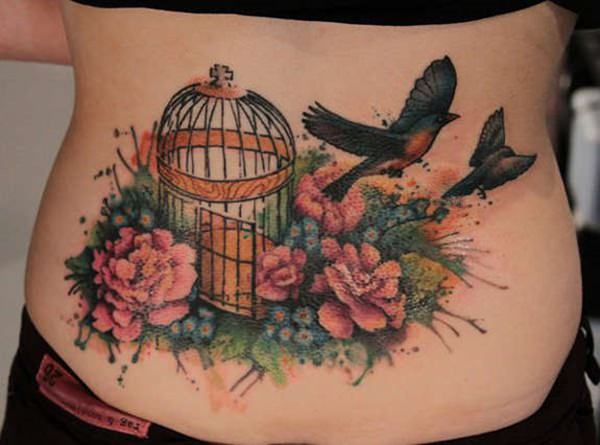
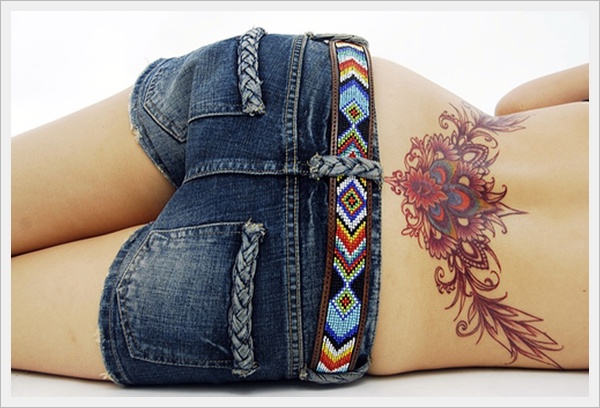
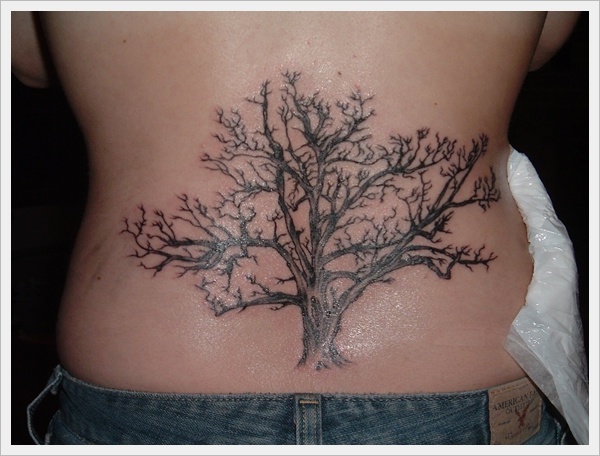
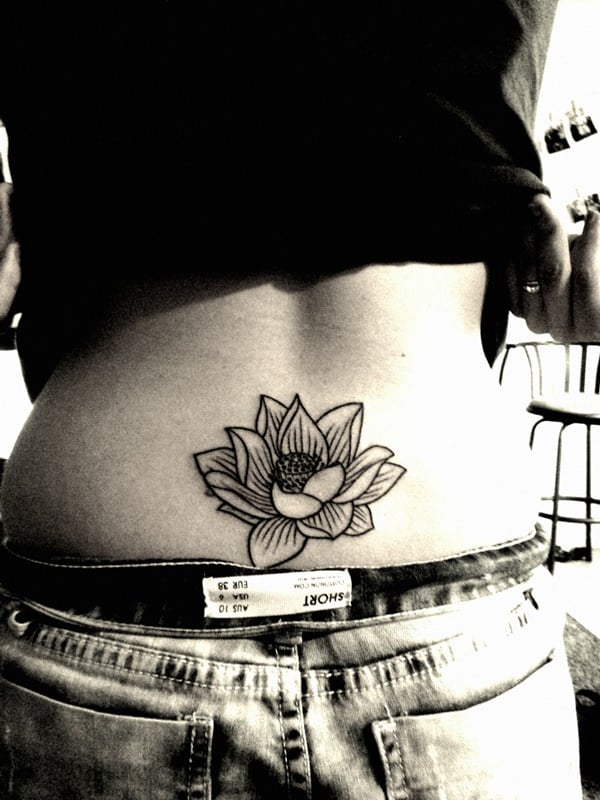
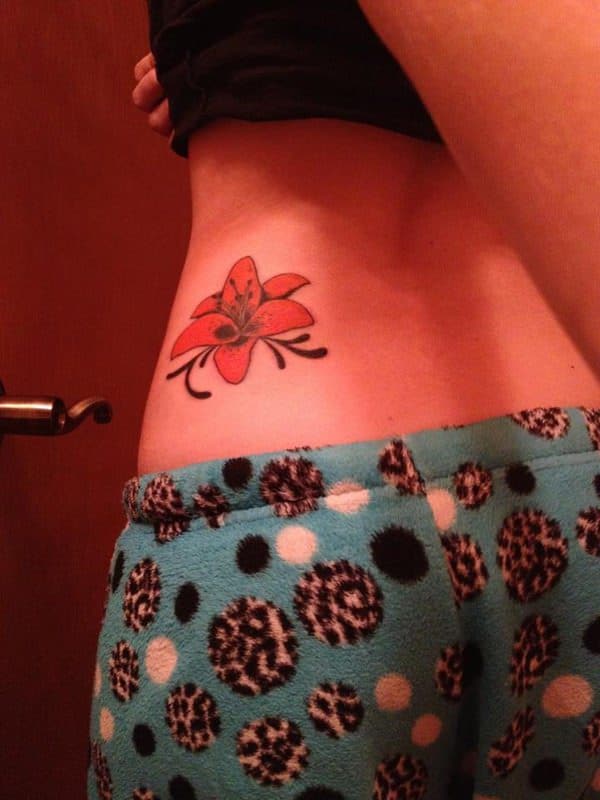
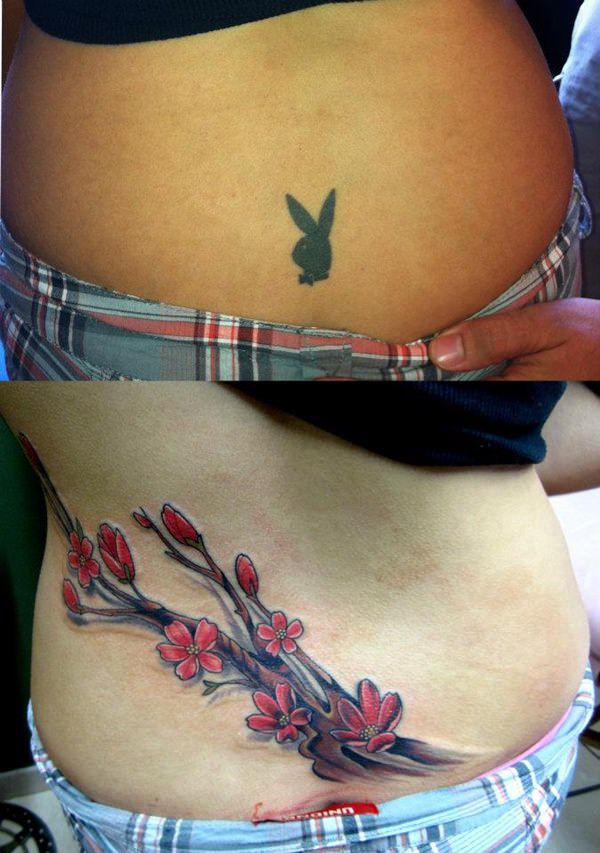
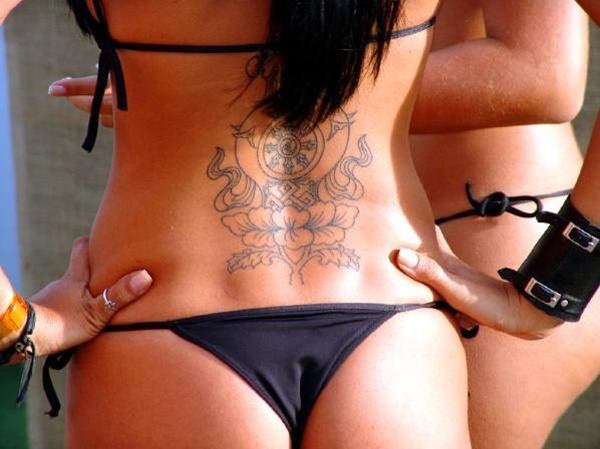
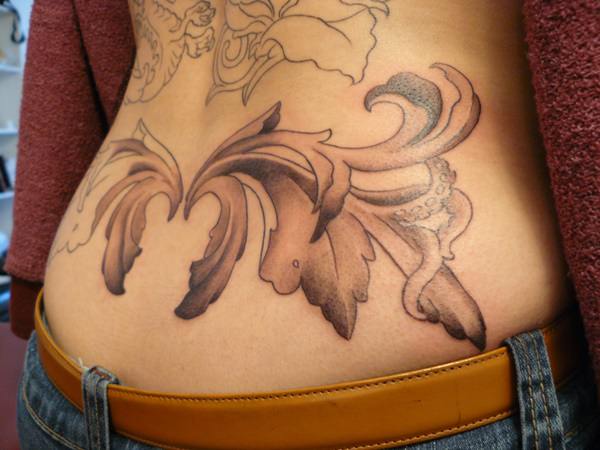
- Botanical work - branches, foliage, a single flower with real structure rather than a repeated motif.
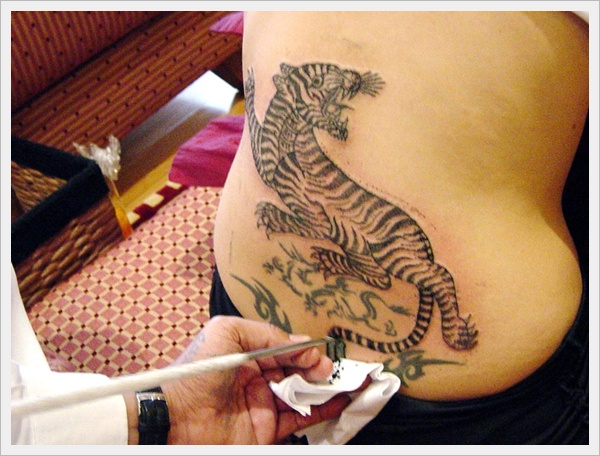
- Asymmetric designs that sit off-centre, or run from one hip toward the opposite shoulder blade.
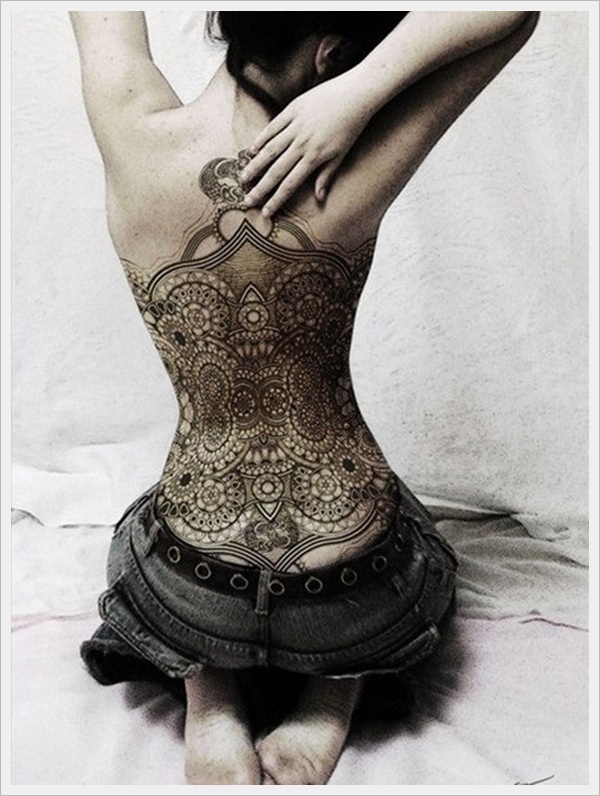
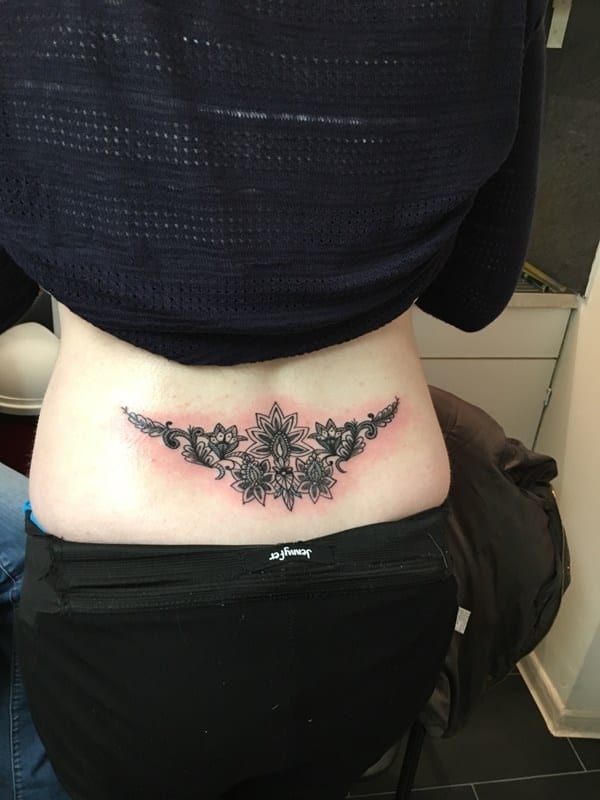
- Ornamental and mandala work, which uses symmetry deliberately and knows why it is doing it.
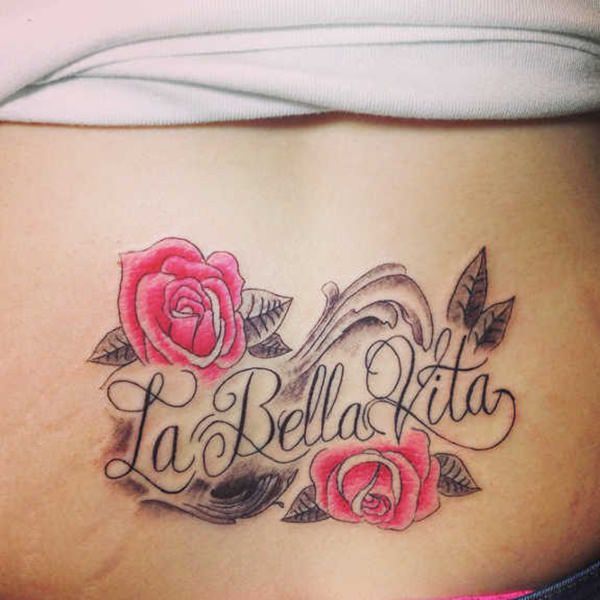
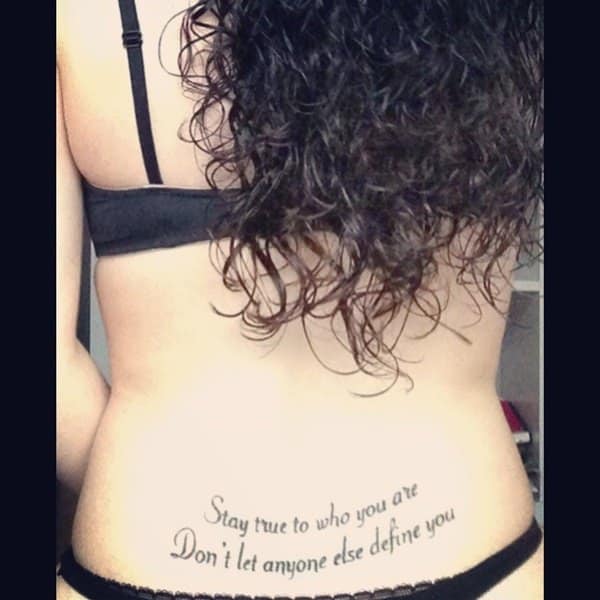
- Fine-line script, provided it is large enough. See the ageing note below before committing to small lettering.
What to think twice about: the wide horizontal tribal band, anything you have seen more than twice on Pinterest in the same composition, and a partner's name.
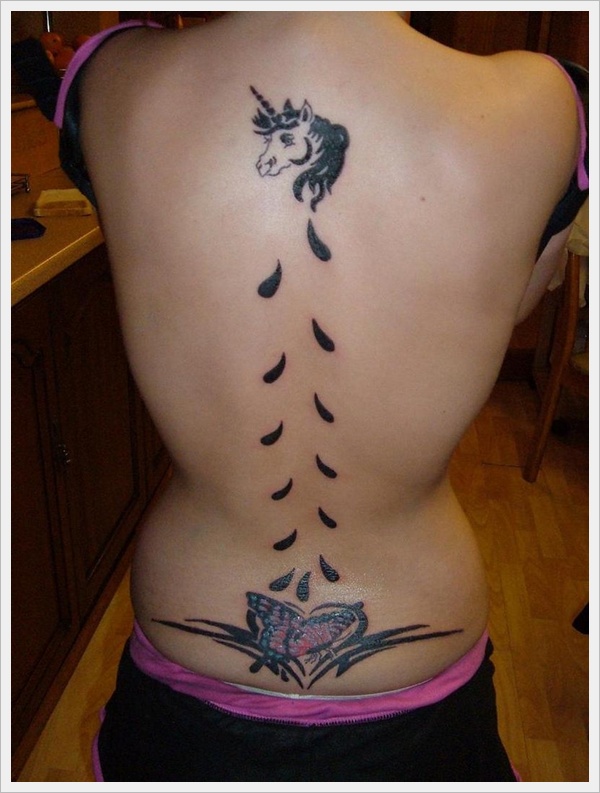
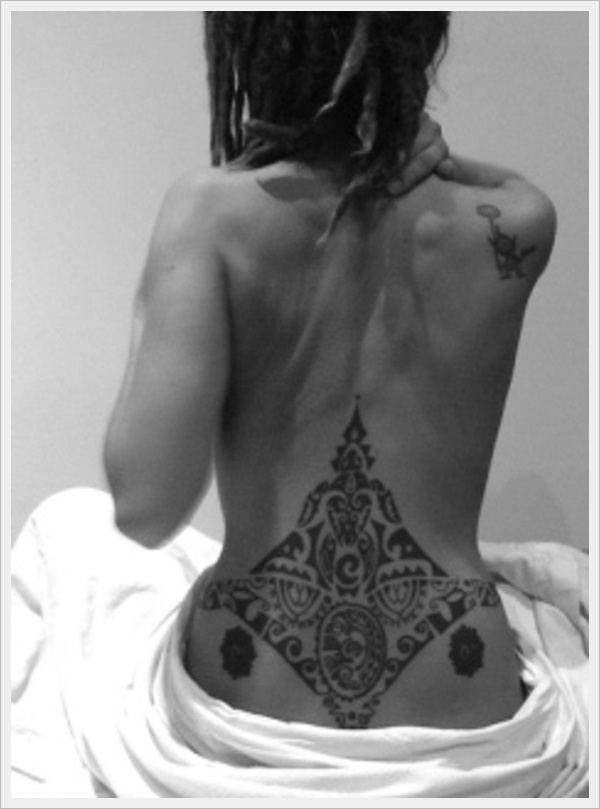
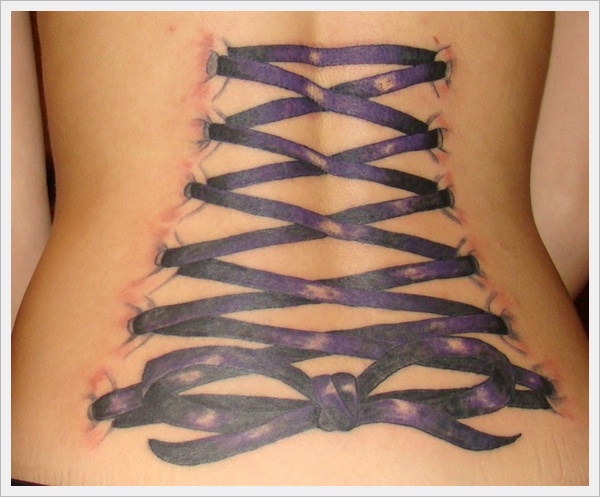
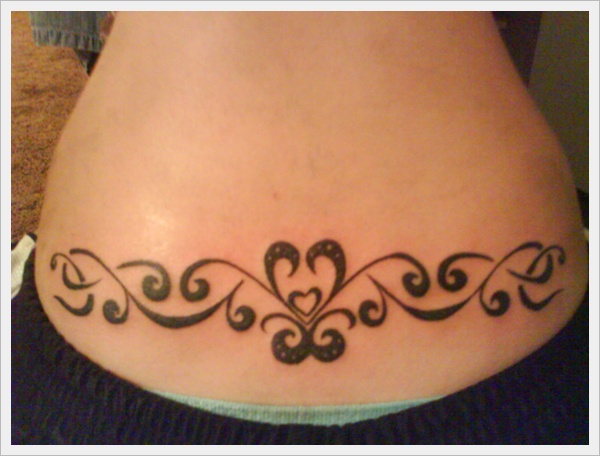
Size, sittings and what it costs
Rates vary a great deal by city, by artist demand and by how much colour is involved. Treat this as the shape of it, not a price list, and expect a sought-after artist to sit at the top of every row.
| Design | Typical size | Sittings | Pain, 1-10 | Rough cost |
|---|---|---|---|---|
| Small single motif | 2-4 in | 1 | 3-4 | Shop minimum to $250 |
| Script across the lower back | 5-8 in | 1 | 4-5 | $200-$500 |
| Ornamental band | 8-12 in | 1-2 | 4-5 | $500-$1,200 |
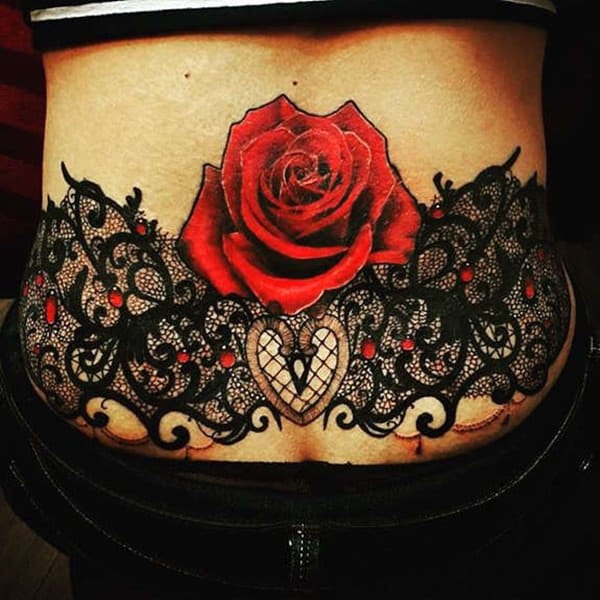
| Large centrepiece with shading | 10-14 in | 2-3 | 5-6 | $900-$2,500 |
| Lower back extending up the spine | - | 3-6 | 5-7 | $2,000-$5,000 |
The spine itself is the exception to the comfort rule. Directly over the vertebrae the needle is close to bone and the sensation changes sharply - most people rate the centre line two or three points above the surrounding area. Sitting either side of the spine is noticeably easier than sitting on it.
How it will age
Solid black holds. Bold lines hold. What softens over a decade is fine detail packed tightly together, and pale greys, which lift gradually.
Small script is the most common regret on this placement, because letterforms need space between the strokes to stay legible. If lettering is what you want, size it larger than feels necessary and choose a face with open counters.
Sun is the main cause of fading, and the lower back gets more of it than people expect in summer. Sunscreen once it is healed, for the life of the tattoo. Budget for a touch-up somewhere around year five - that is normal maintenance on any large piece, not a sign anything went wrong.
Weight change and pregnancy are the questions people ask most. The lower back handles both better than the stomach or the hips, because the skin there stretches less. Significant change can still soften a design, and no artist can promise otherwise.
What to bring your artist
Bring reference for the feeling you want rather than a finished tattoo to copy - a style, a mood, three images you like for different reasons. Any artist worth booking will design something for your back rather than reproducing someone else's.
Tell them where you want the edges to fall, what clothing you want it to disappear under, and whether you might extend it later. That last one changes the composition significantly, and it is much easier to plan for at the start than to bolt on afterwards.
Expect good pushback on: cramming too much detail into too small an area, strict left-right symmetry, and script below a size that will survive.
Aftercare, briefly
Your artist's instructions come first. In general: leave the covering on as long as they said, then wash gently twice a day with clean hands and a fragrance-free soap, and use a very thin layer of whatever they recommended.
The lower back has one specific problem - waistbands. Loose clothing for two weeks, and think about what you sleep in and what you sit against. Rubbing during healing is what lifts ink and leaves patches.
No baths, pools or sea for two to three weeks, and no picking, however much it itches while it peels.