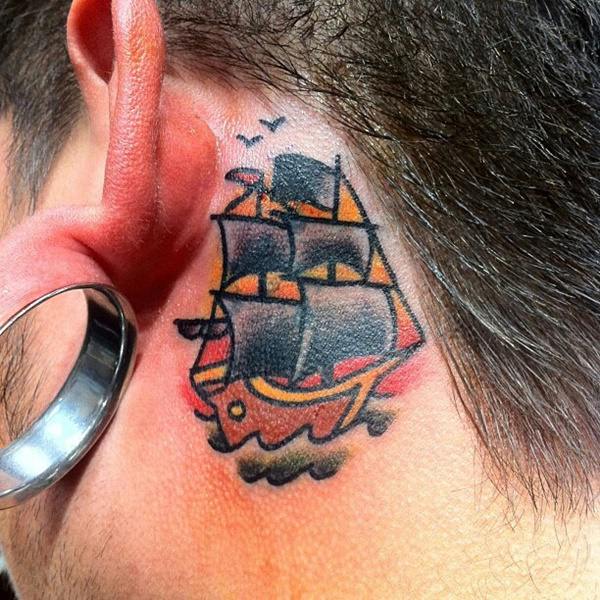
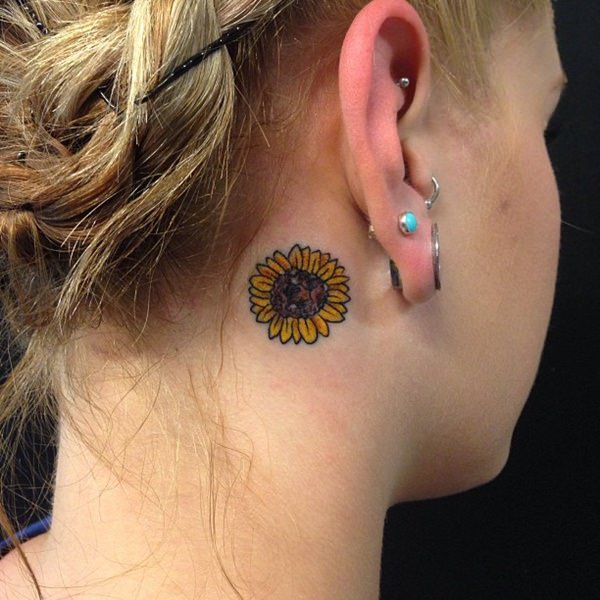
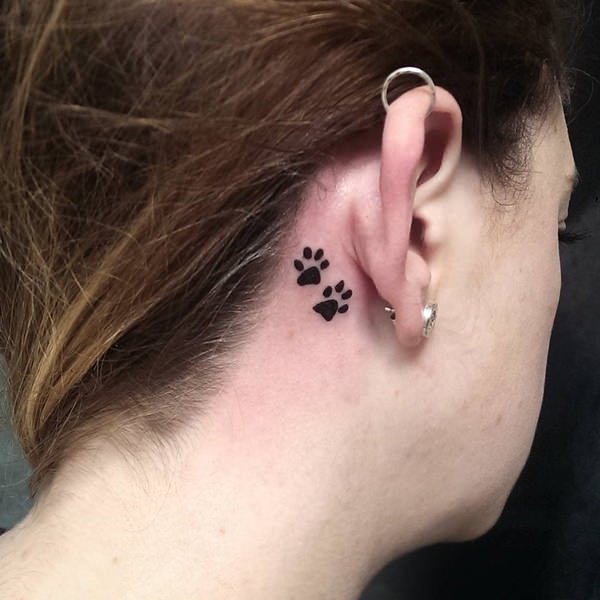
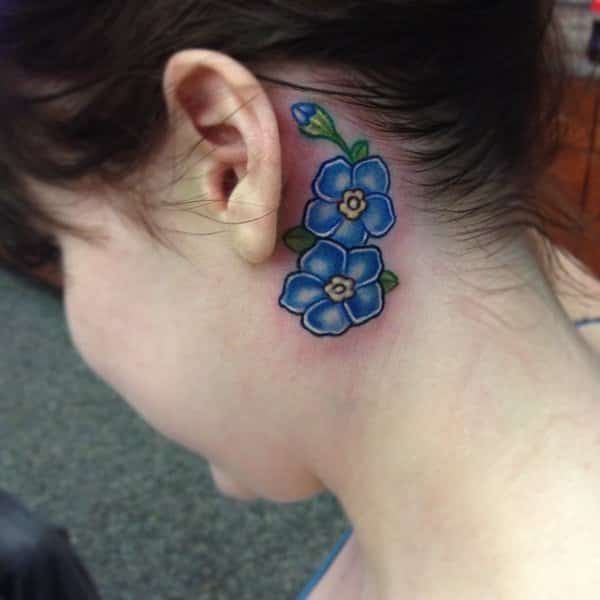
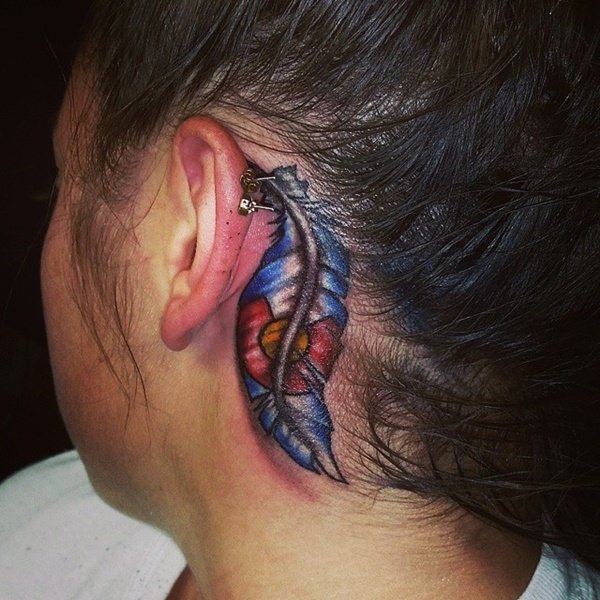
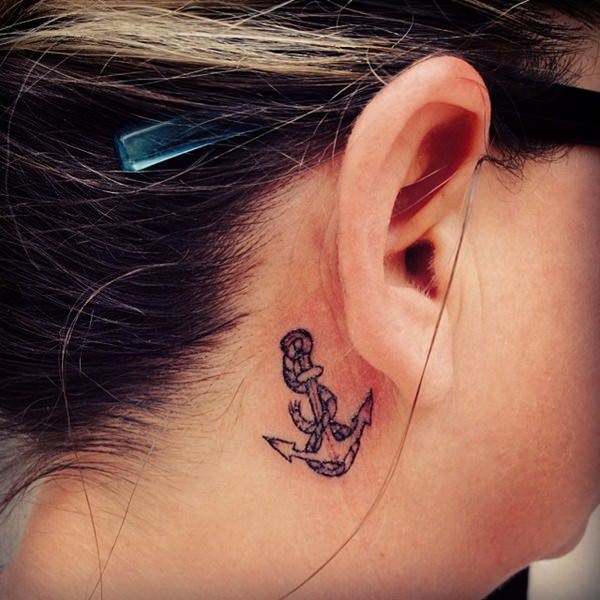
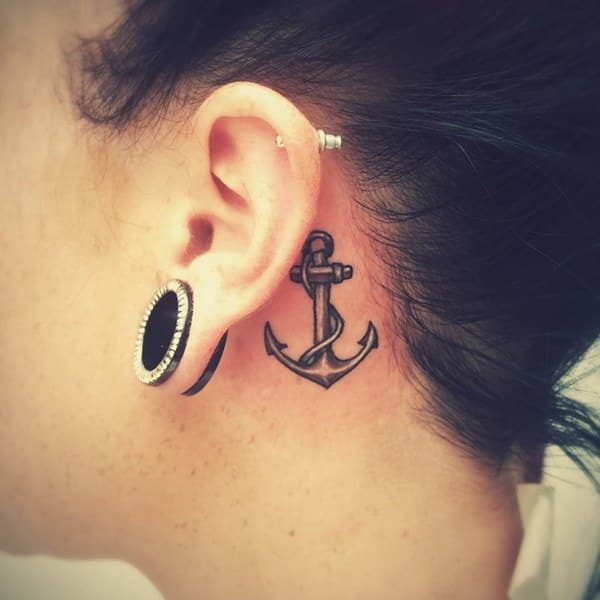
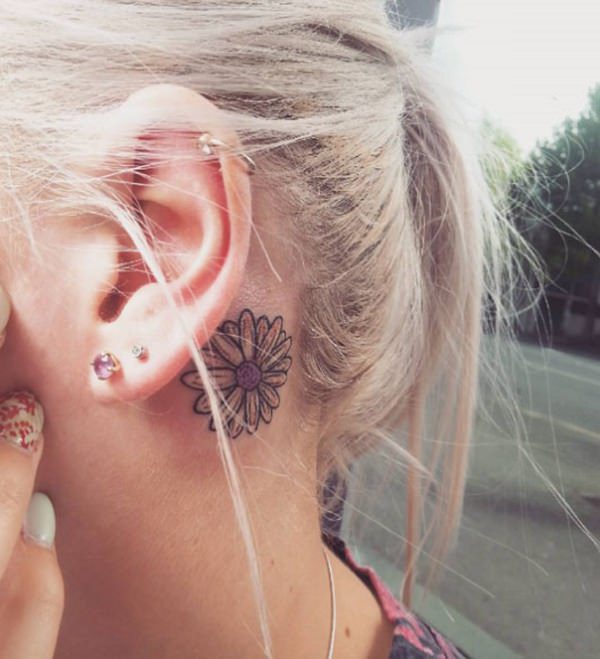
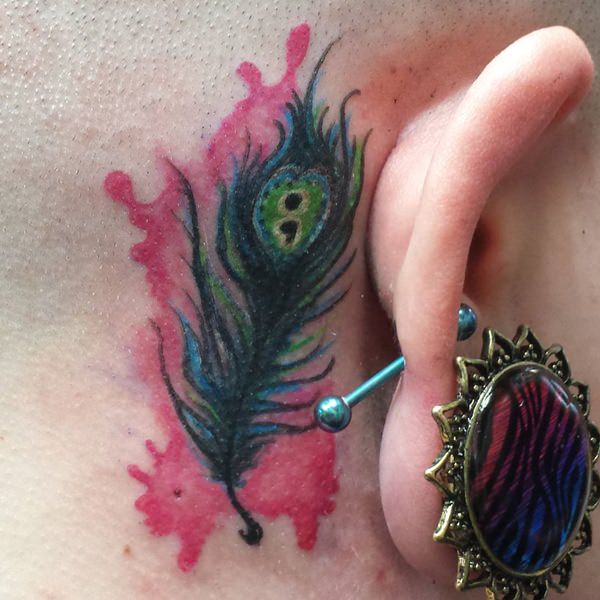
Behind the Ear Tattoo - 55 different suggestions!
Behind the ear is one of the smallest usable areas on the body, and almost every decision about a tattoo there follows from that. Roughly an inch and a half by two inches of usable skin, sitting directly over the mastoid bone, with the ear itself in the way of the needle.
It is a lovely placement when the design suits the constraint, and a disappointing one when a design meant for a forearm gets shrunk to fit.
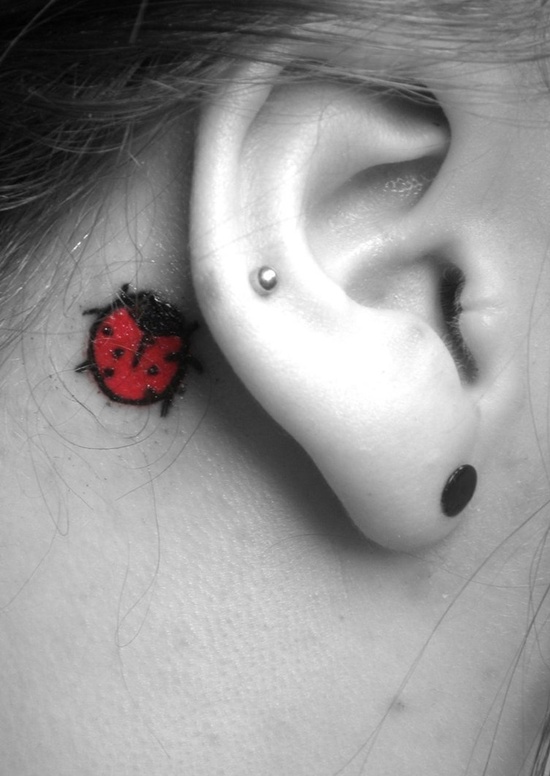
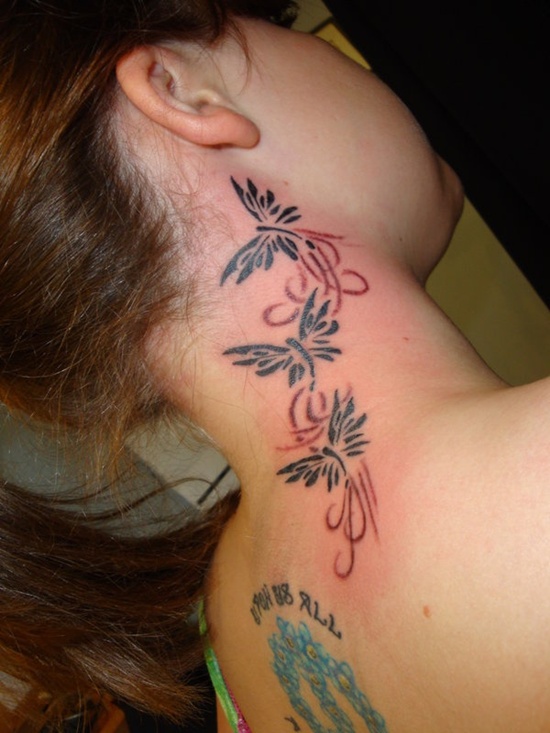
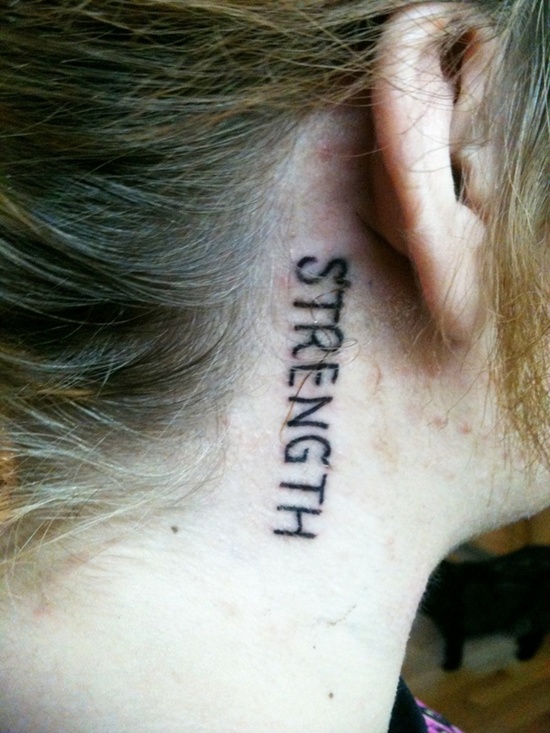
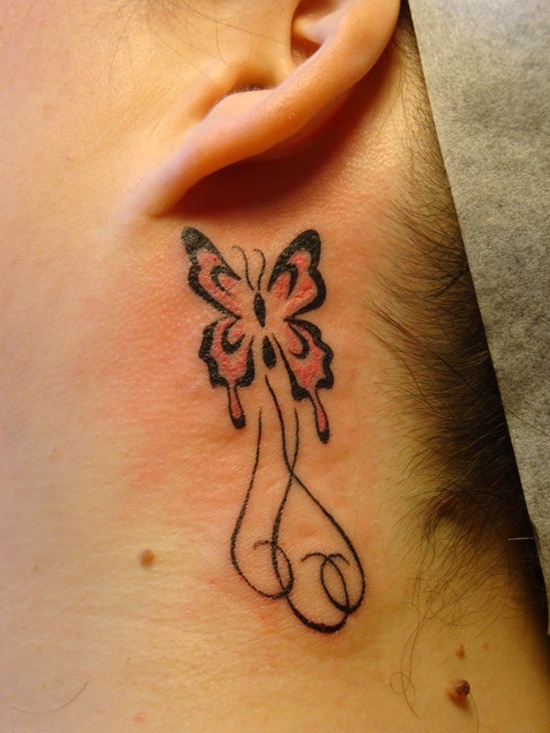
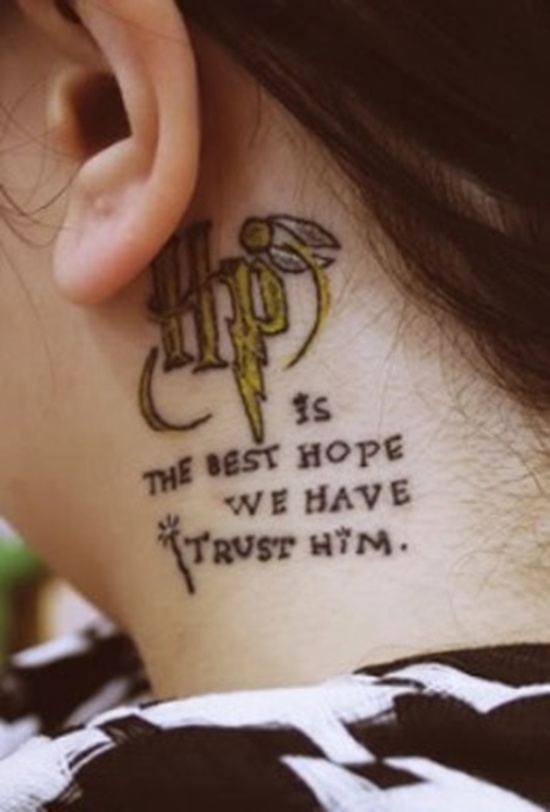
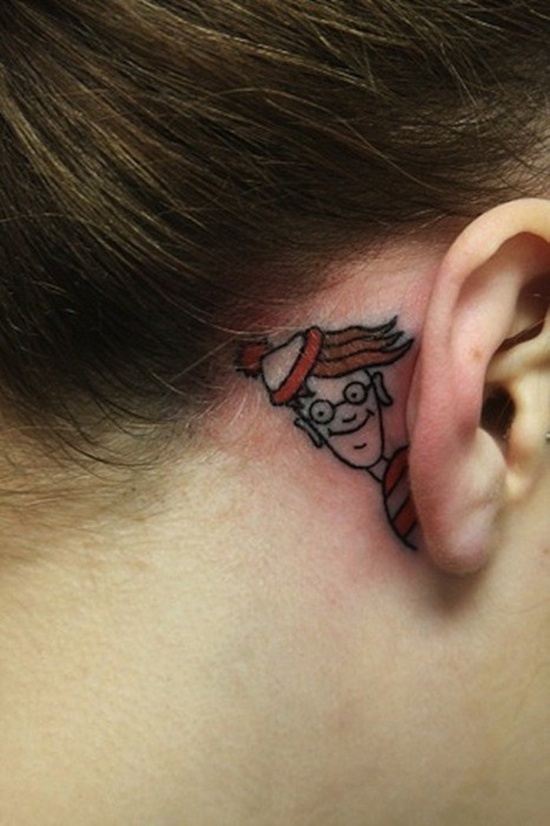
What it actually feels like
Higher than most people expect: a 6 or 7 out of 10, and a distinctive sensation rather than simply a sharp one.
The skin there is thin and sits directly on the mastoid, the bony ridge behind the ear, so the needle vibration transmits straight into bone - and because it is inches from your ear canal, you hear it as much as feel it. Several people find that the strangest part of any tattoo they have had. It is not unbearable, and sessions are short, but it is worth knowing rather than being surprised by.
Some people also report a temporary ringing or muffled hearing on that side during the session, from the vibration alone. It settles.
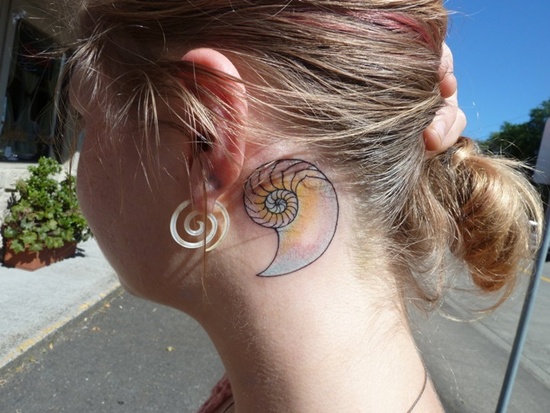
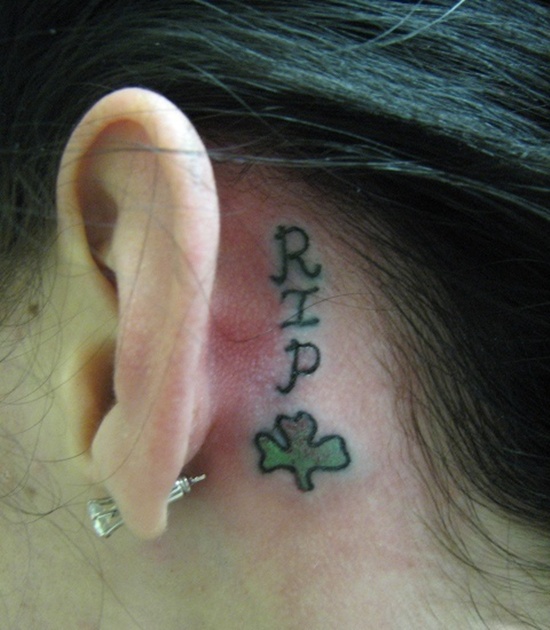
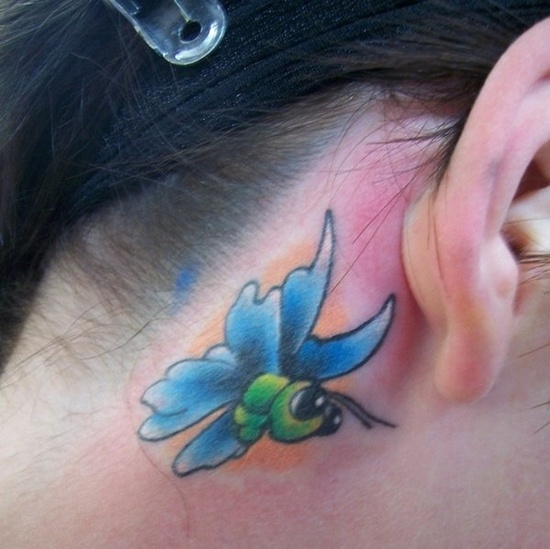
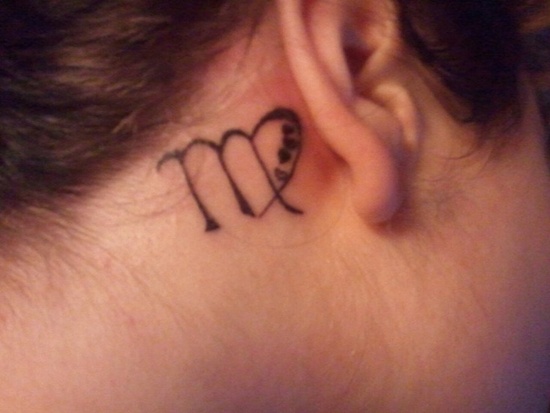
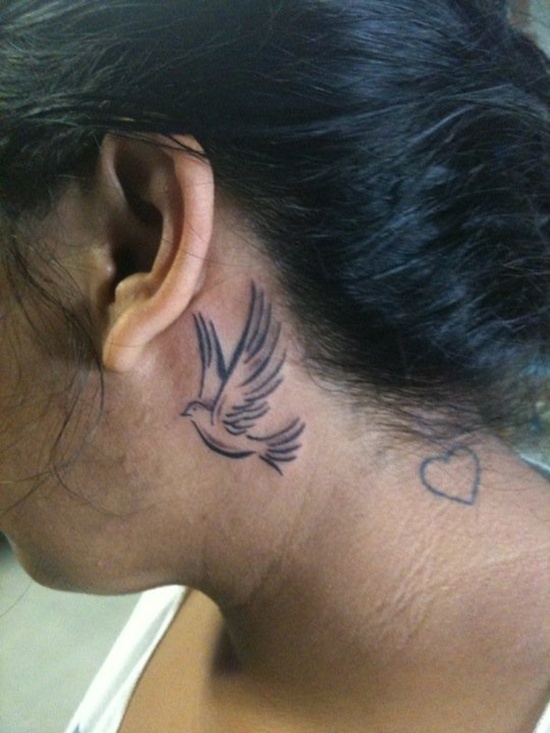
Size is the whole decision
The usable area is about 1.5 by 2 inches, and it is curved and slightly recessed, which further limits what sits flat.
Designs that work at that size:
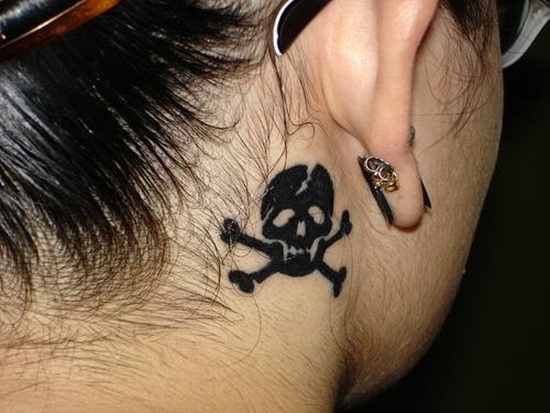
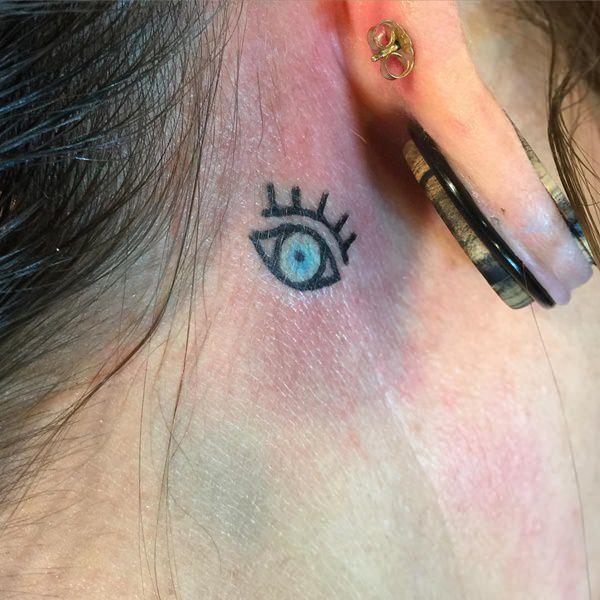
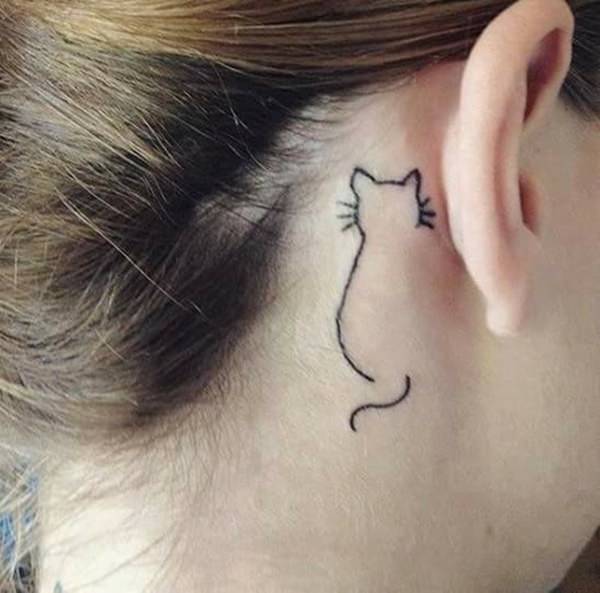
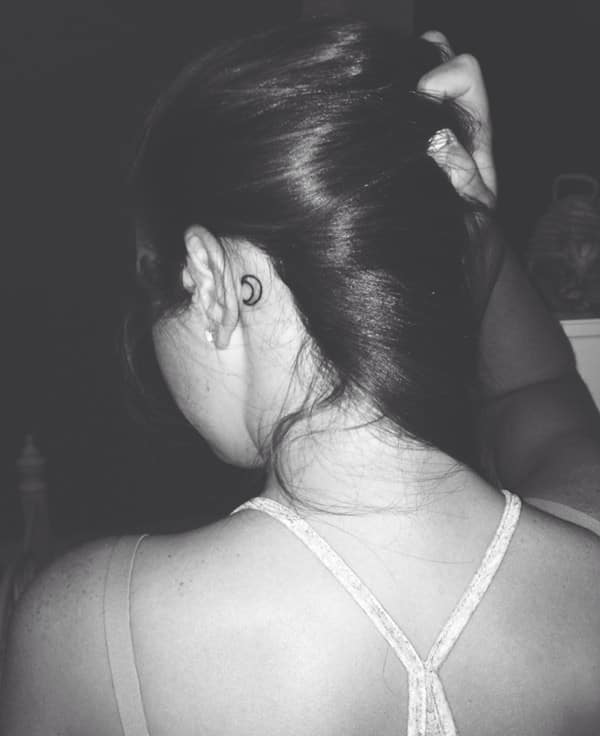
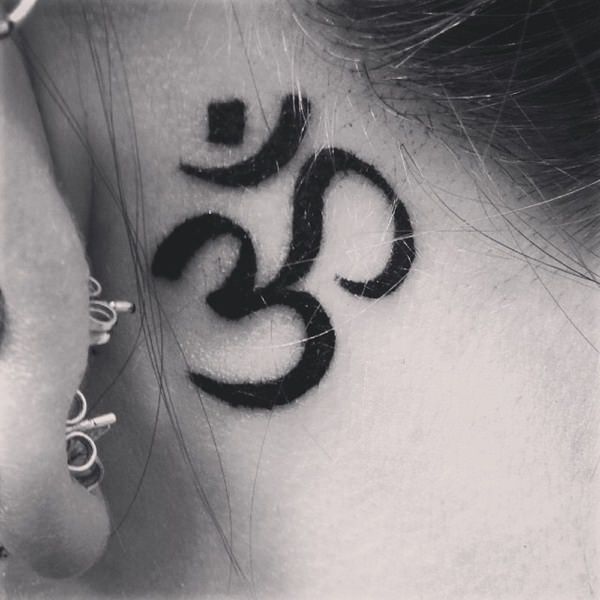
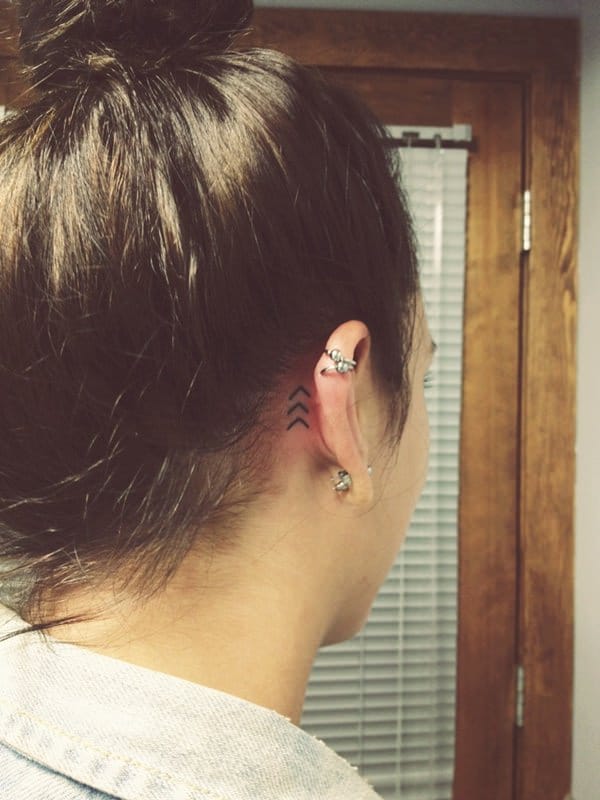
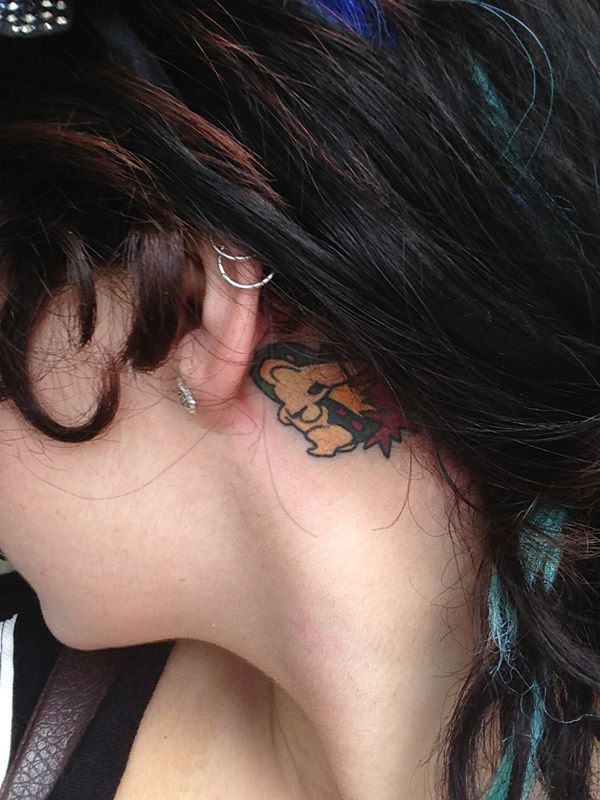
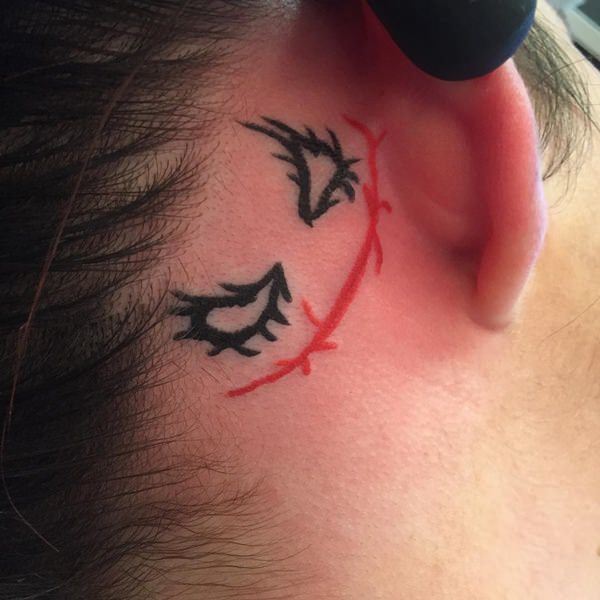
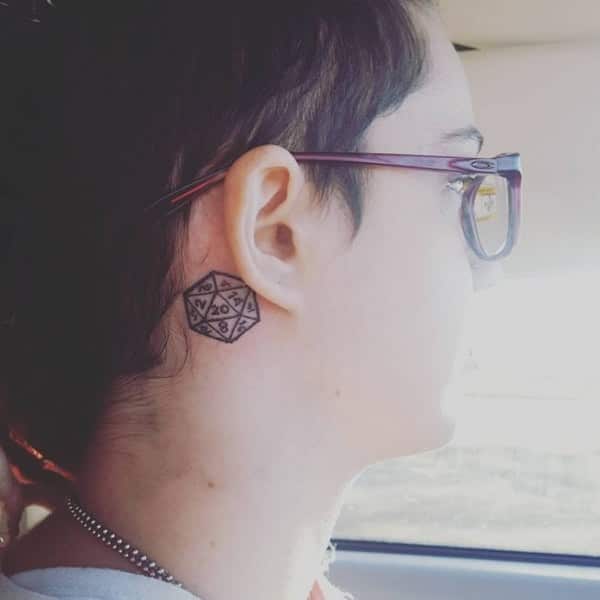
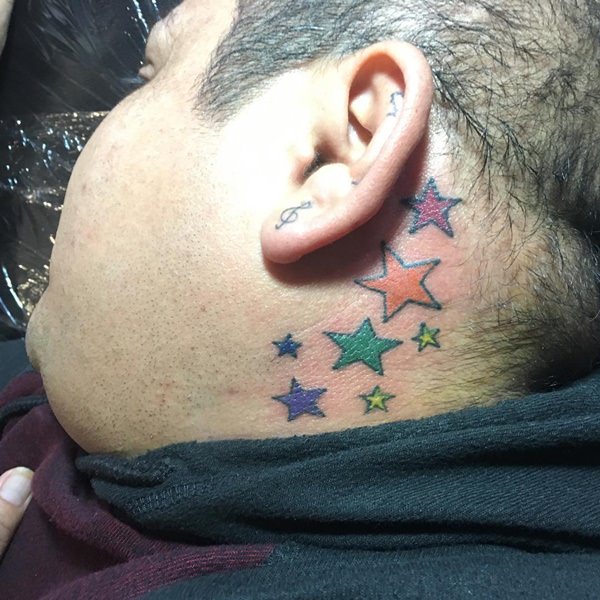
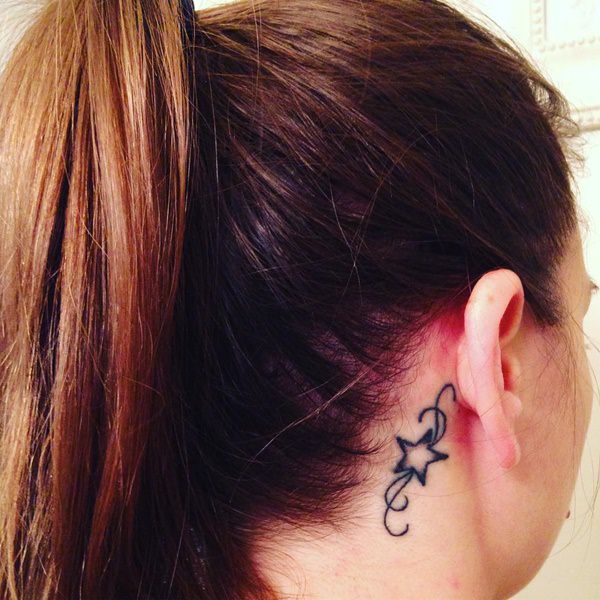
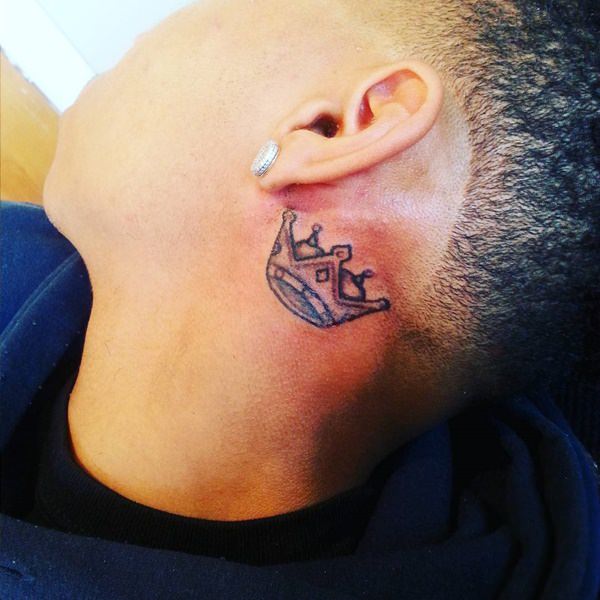
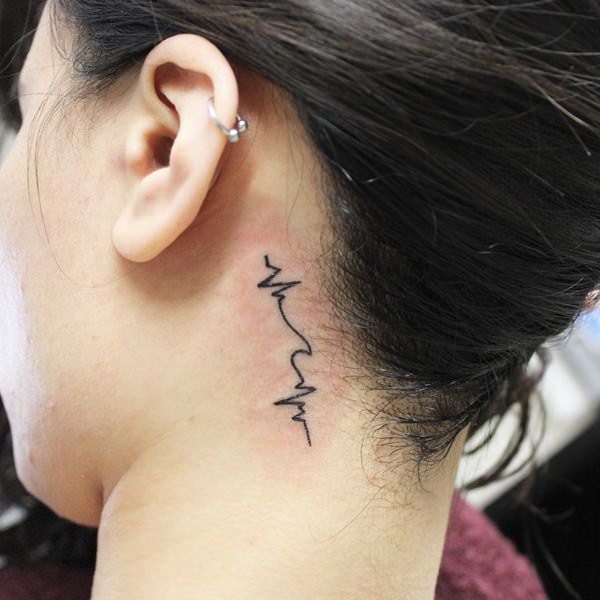
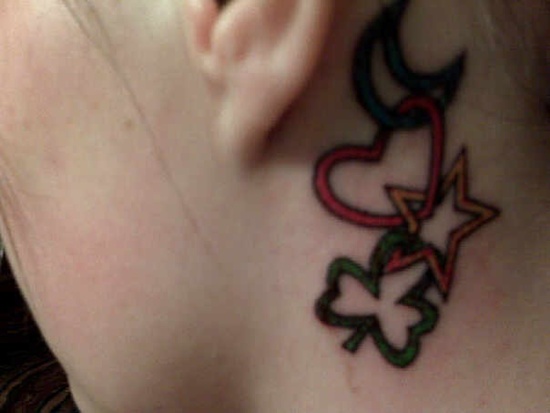
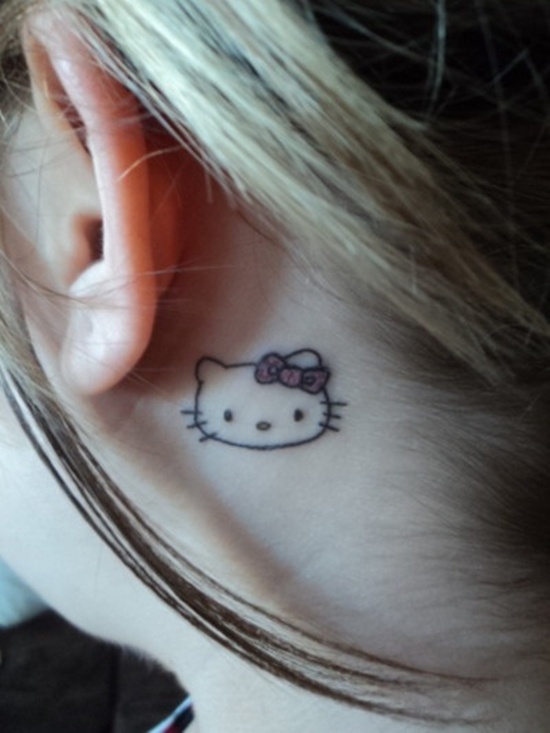
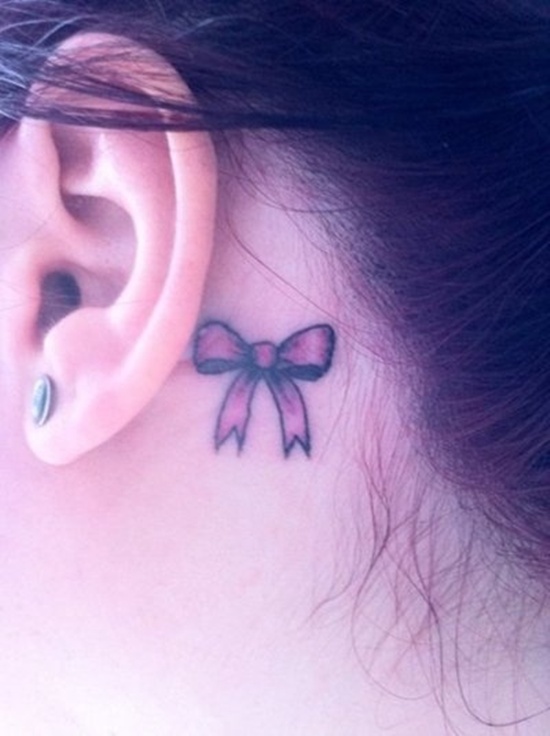
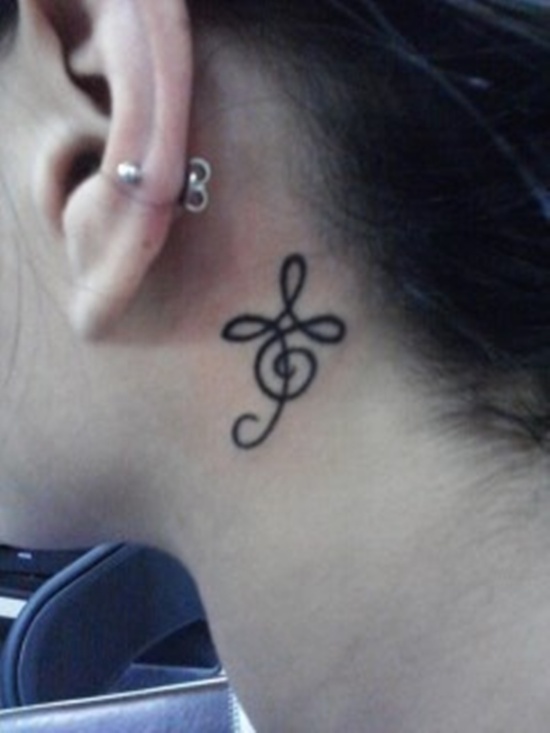
- Simple symbols - a moon, a star, a small heart, a cross, a lightning bolt, a semicolon.
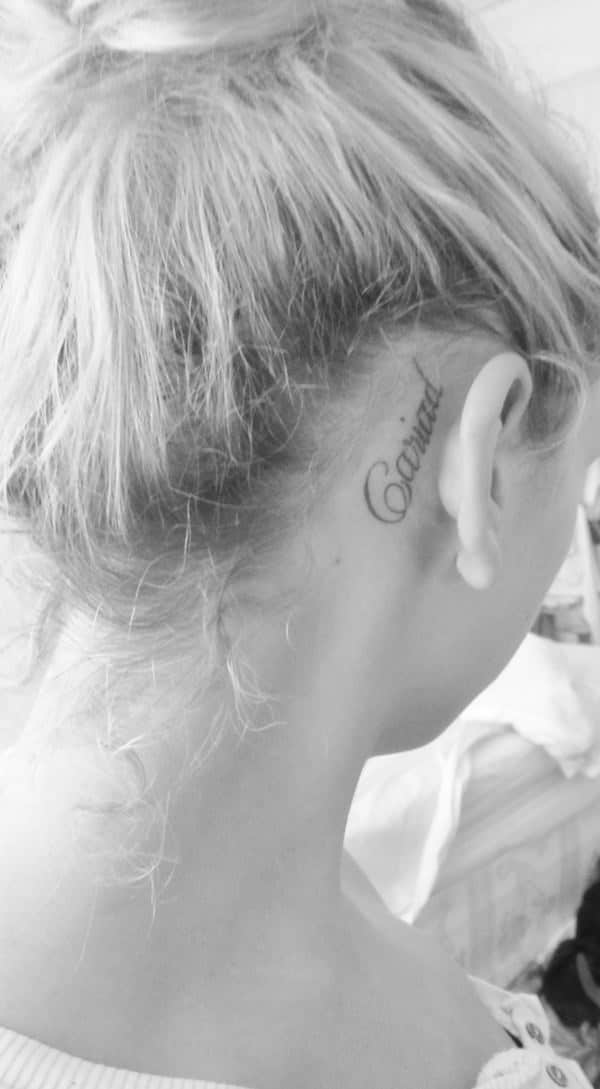
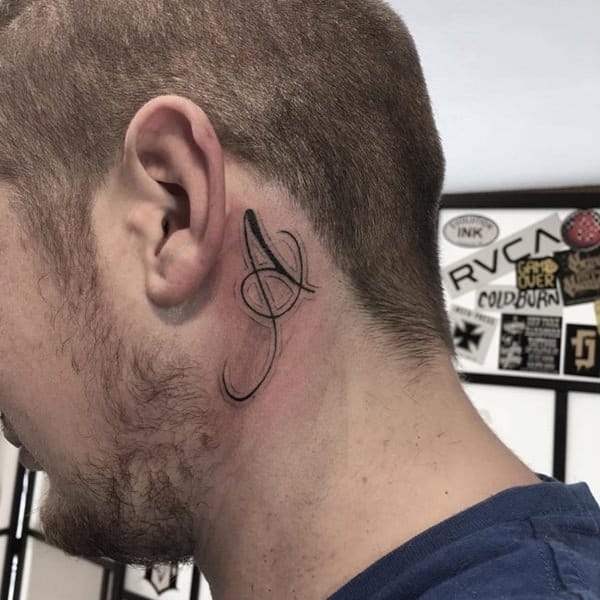
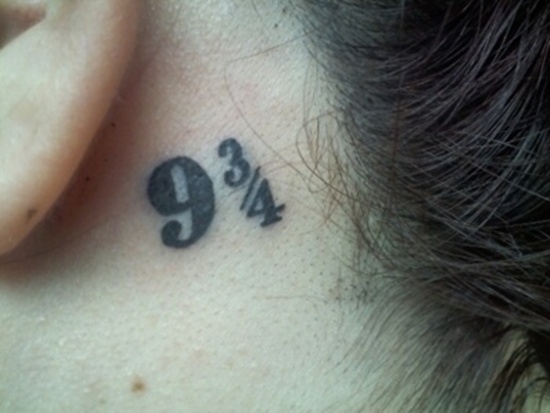
- Small script, three or four characters at most, in a face with open counters.
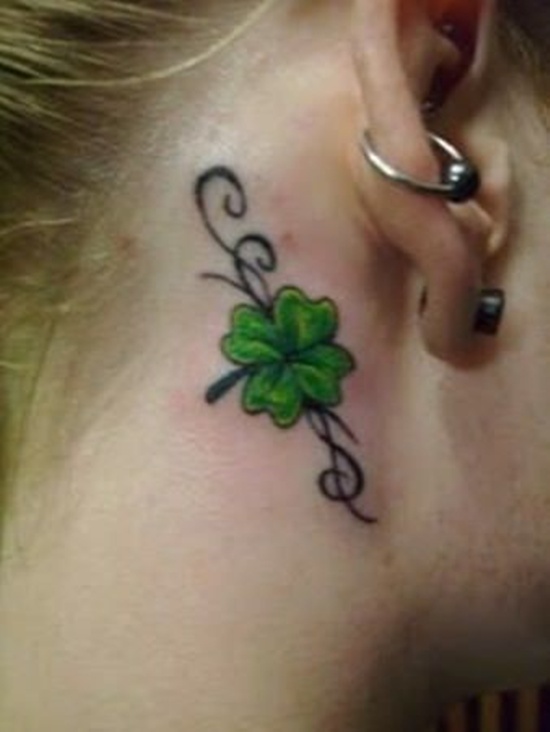
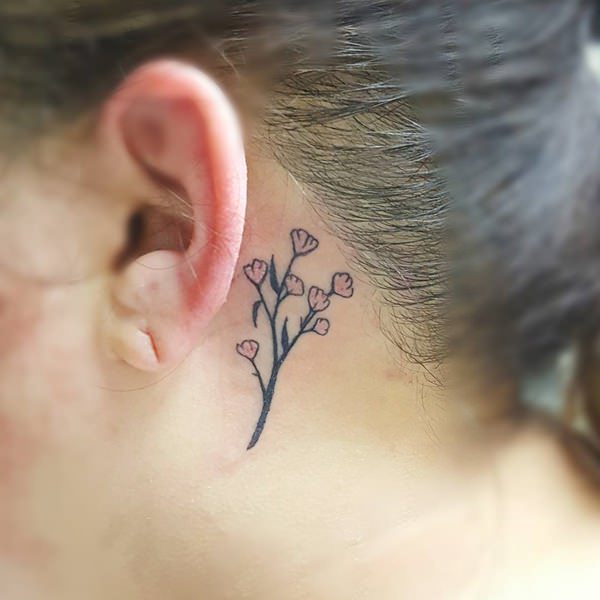
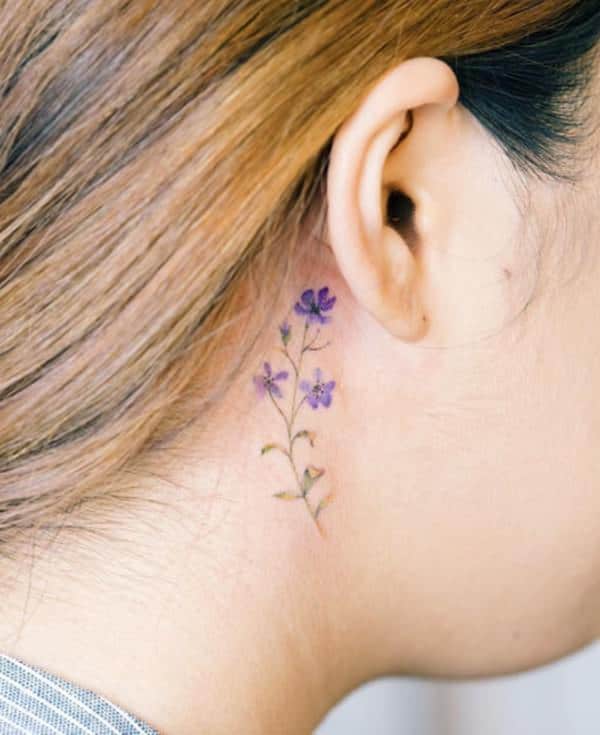
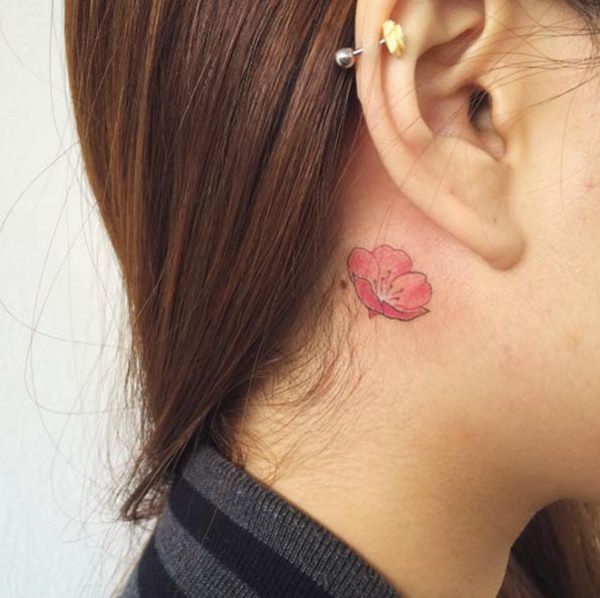
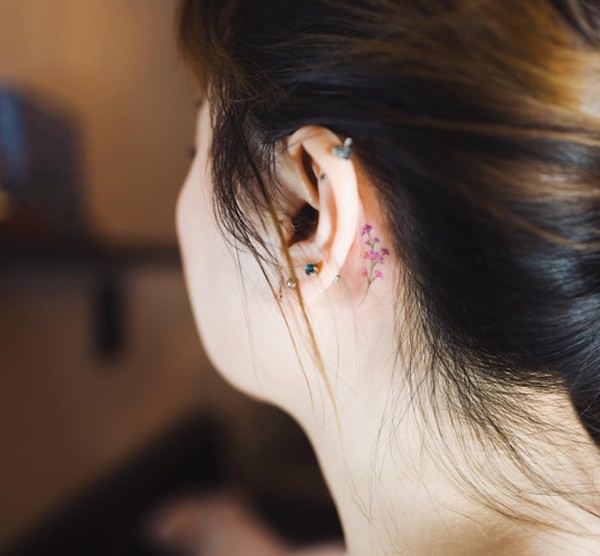
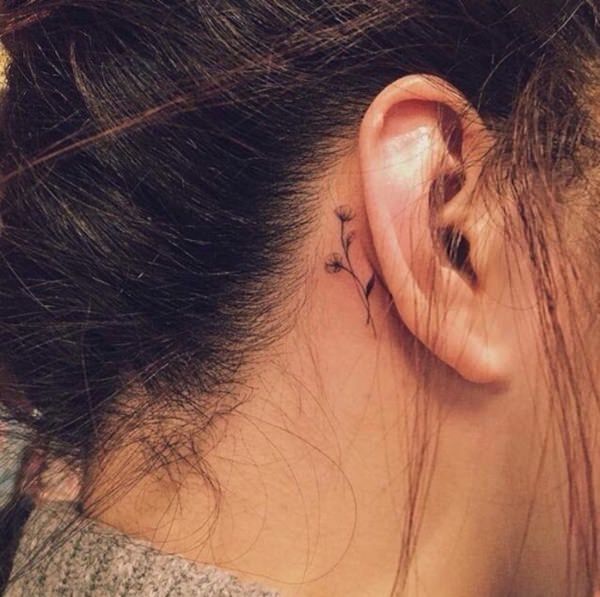
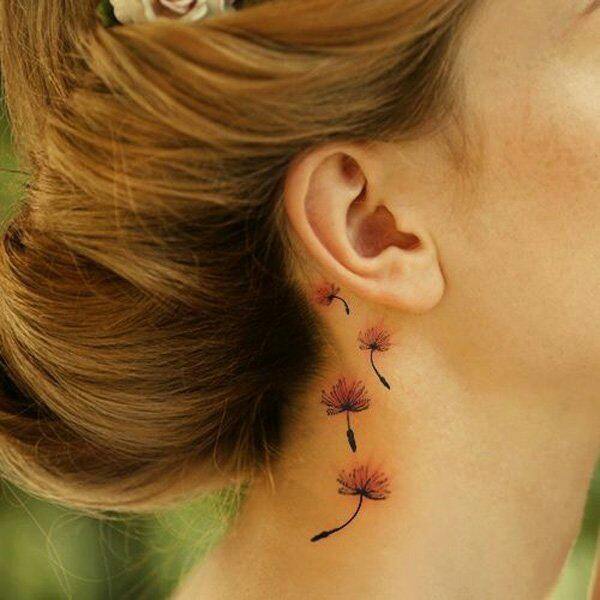
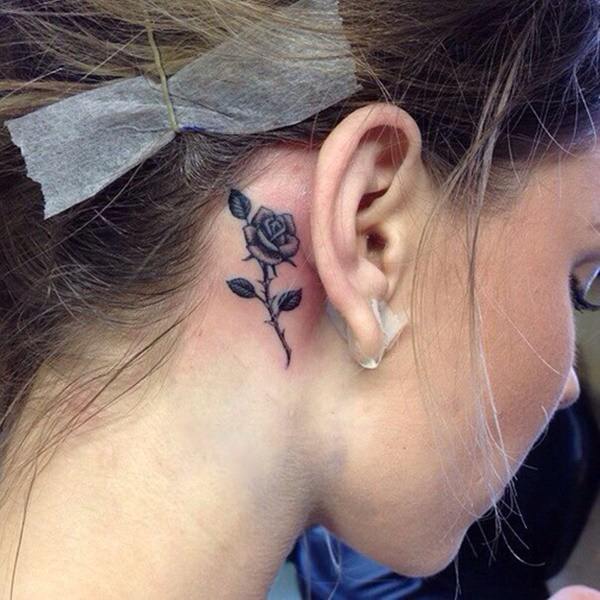
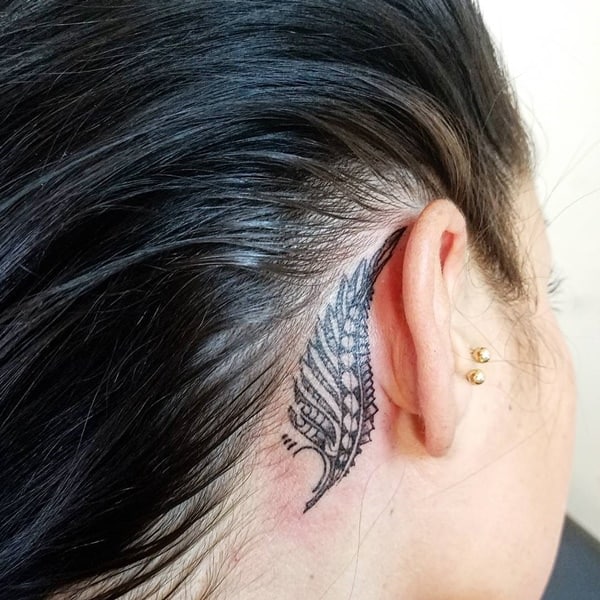
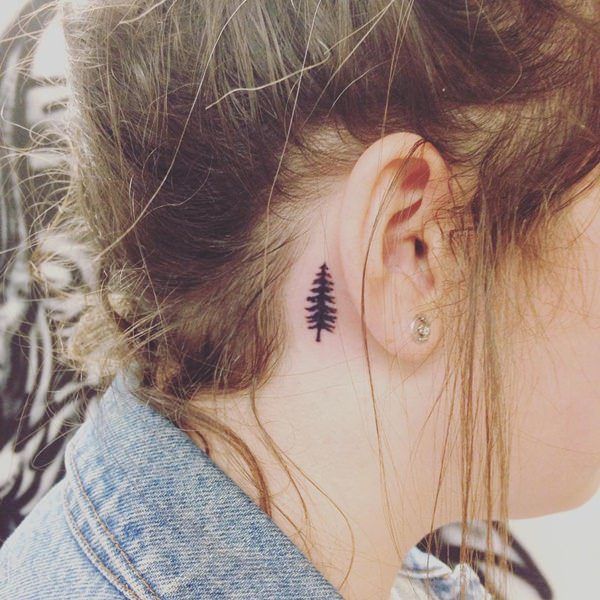
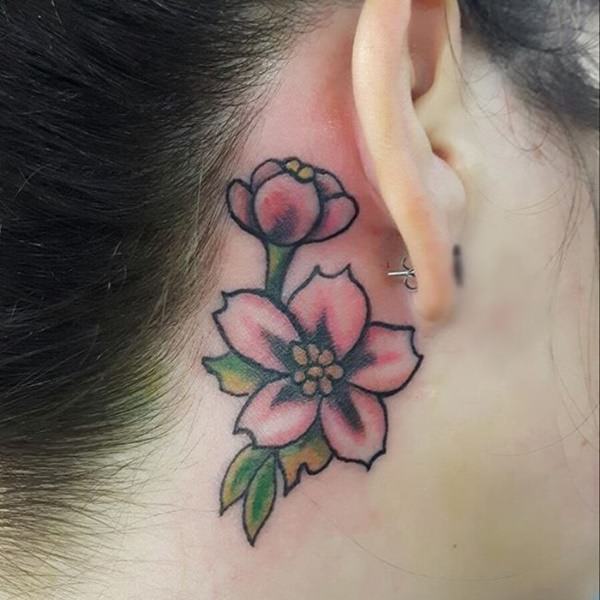
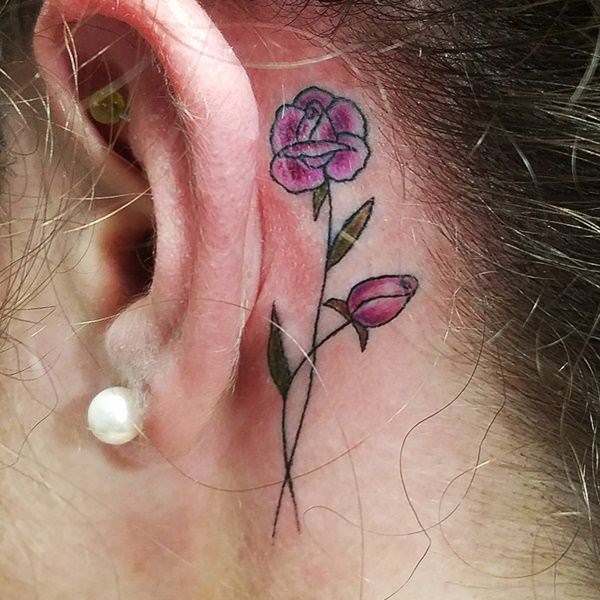
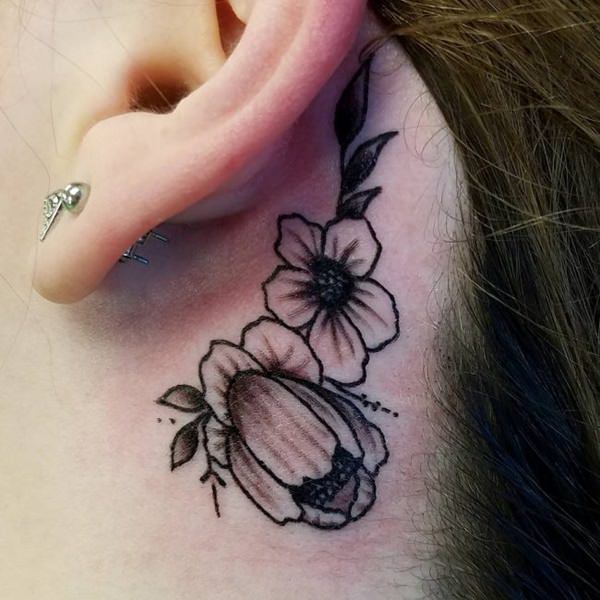
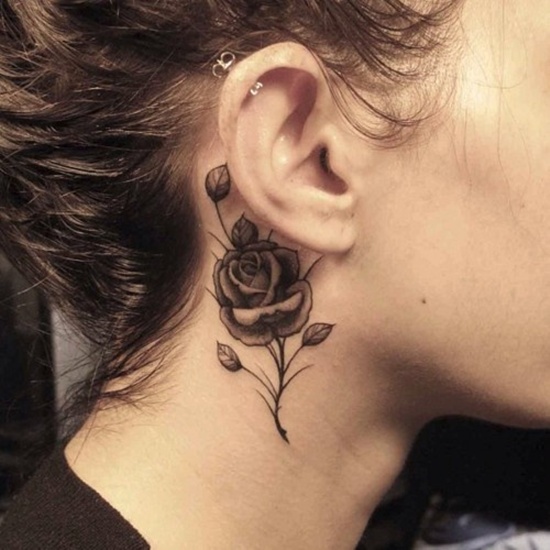
- Minimal botanical - a single sprig, a small leaf, a simple flower.
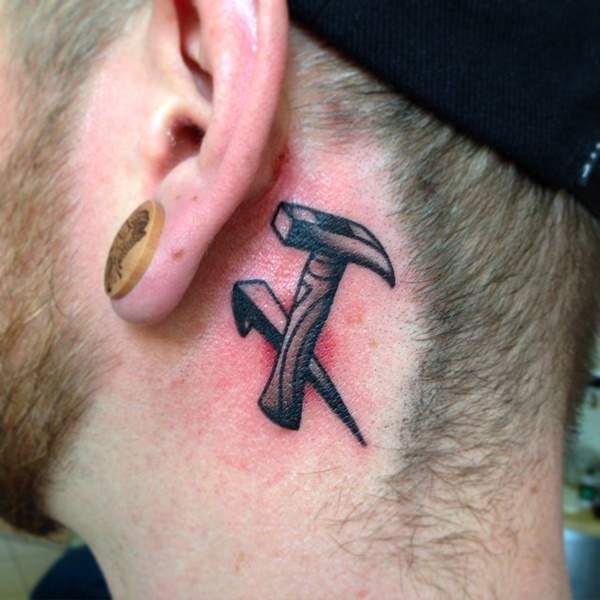
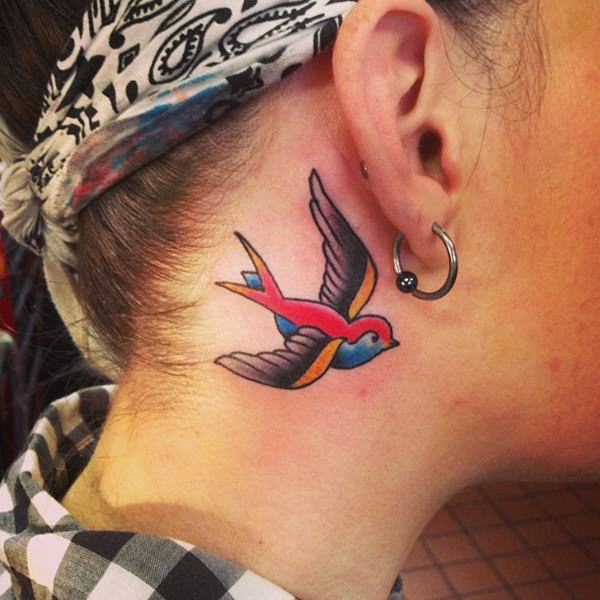
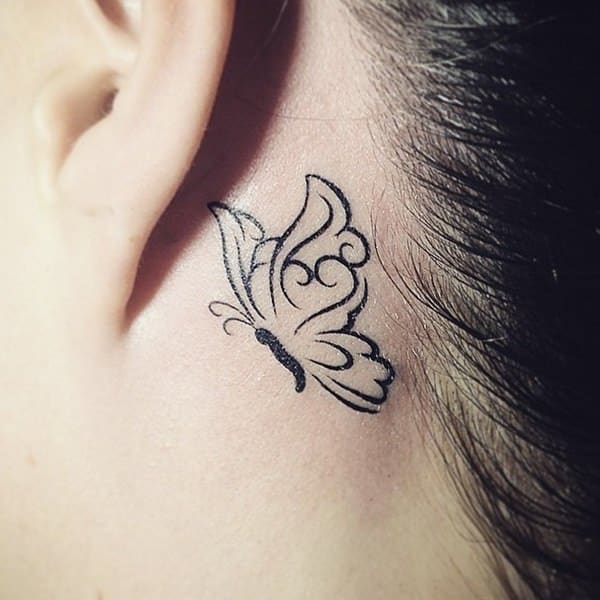
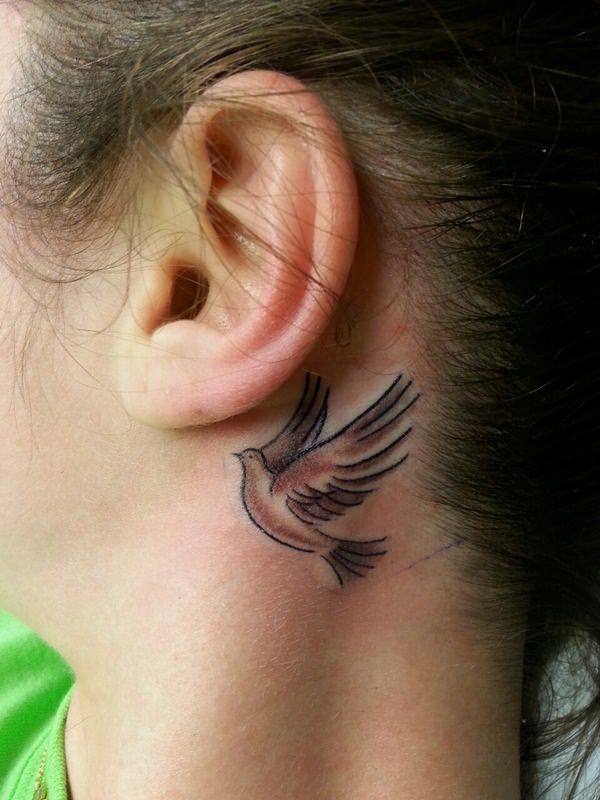
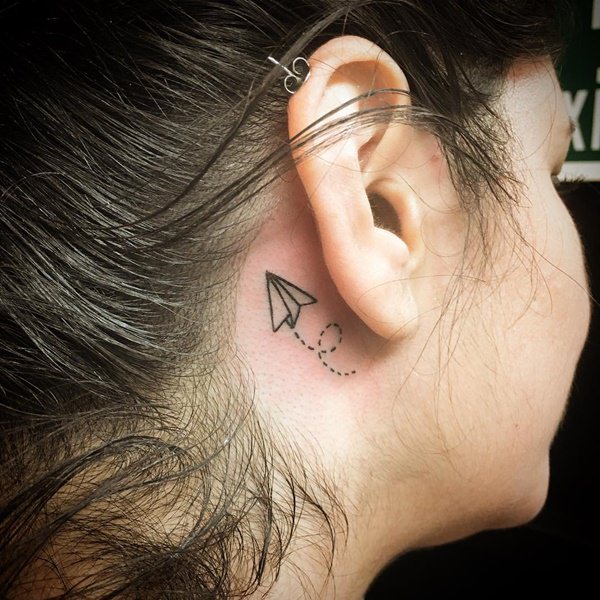
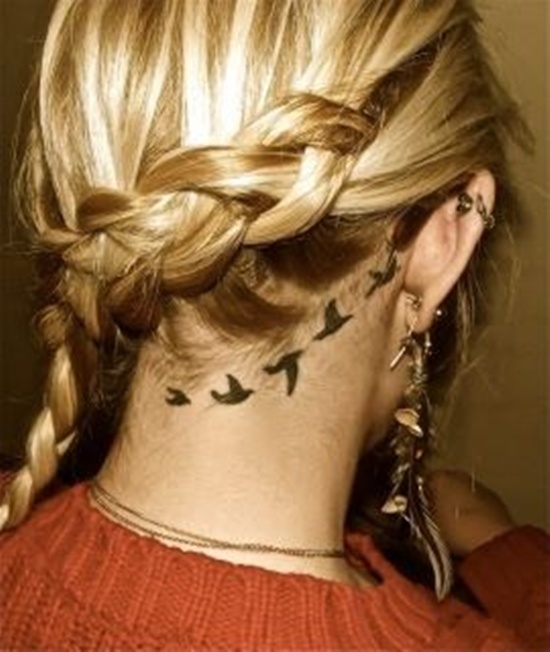
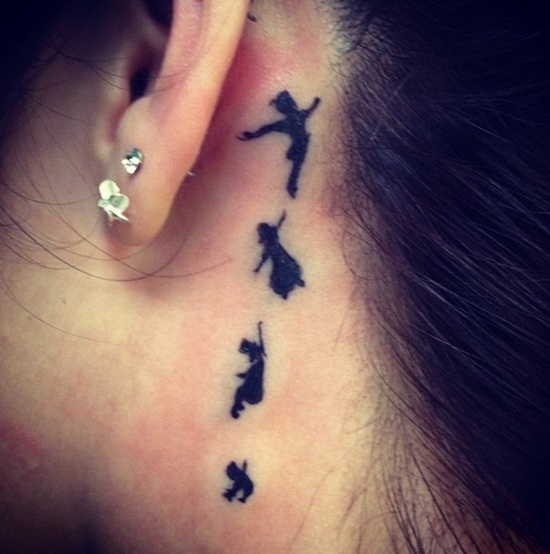
- Small silhouettes - a bird, a butterfly, a tiny wave.
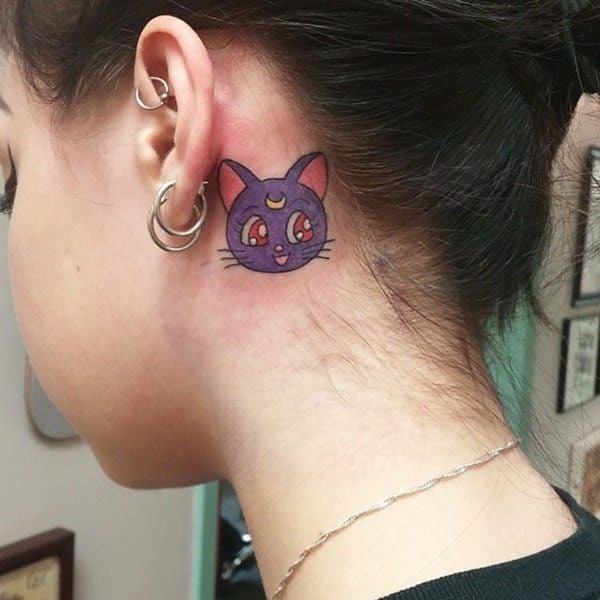
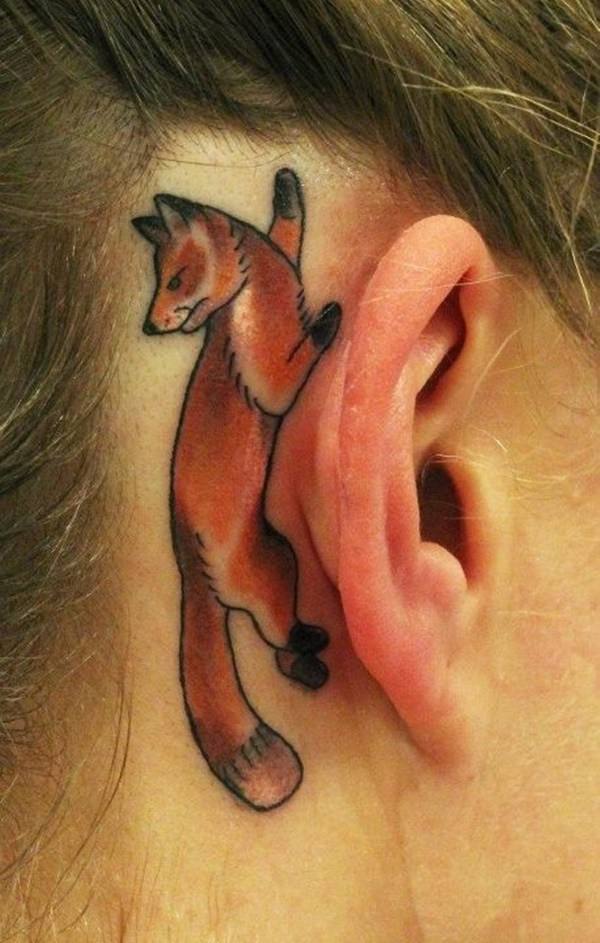
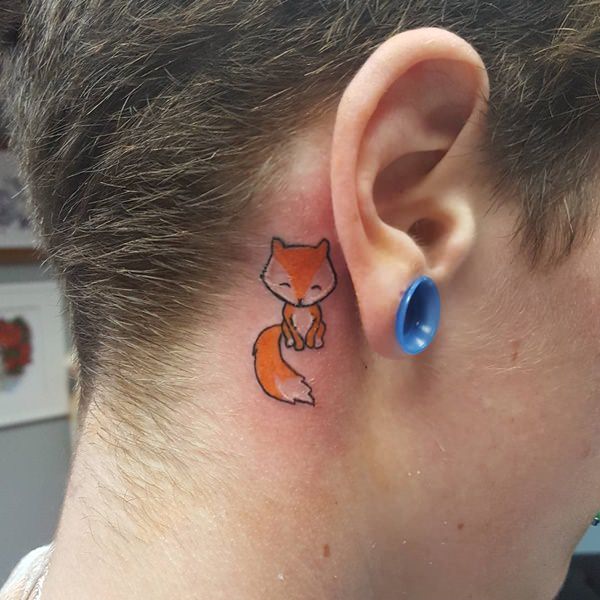
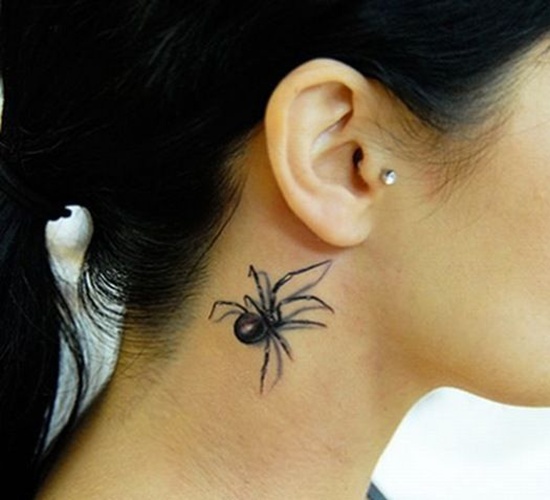
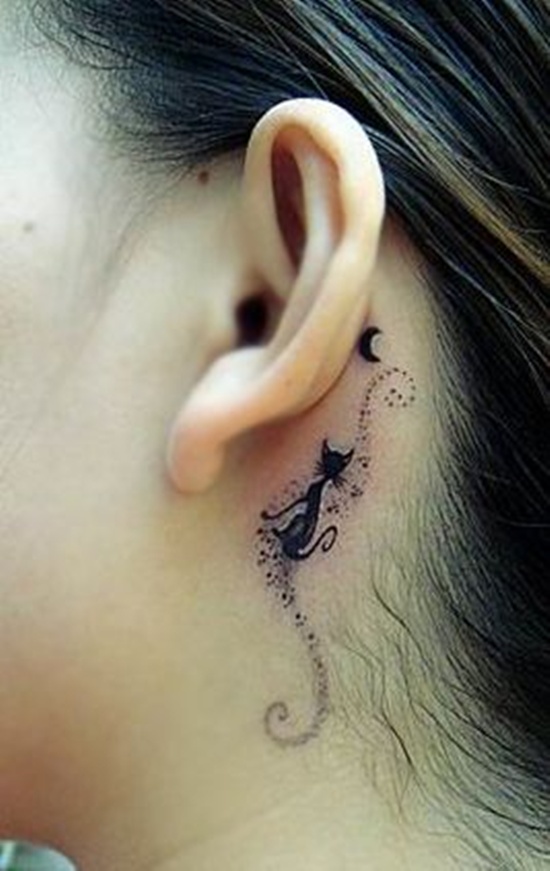
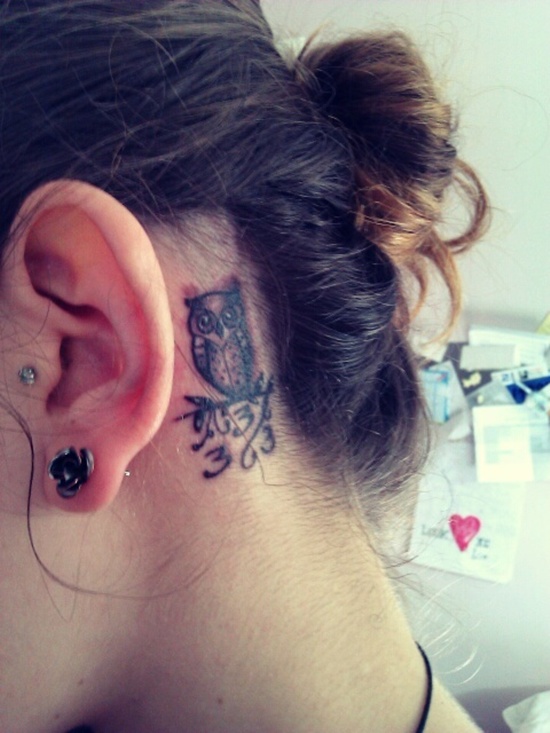
- A single tiny animal, simplified.
- Constellations and small dot arrangements, which suit the space and age reasonably.
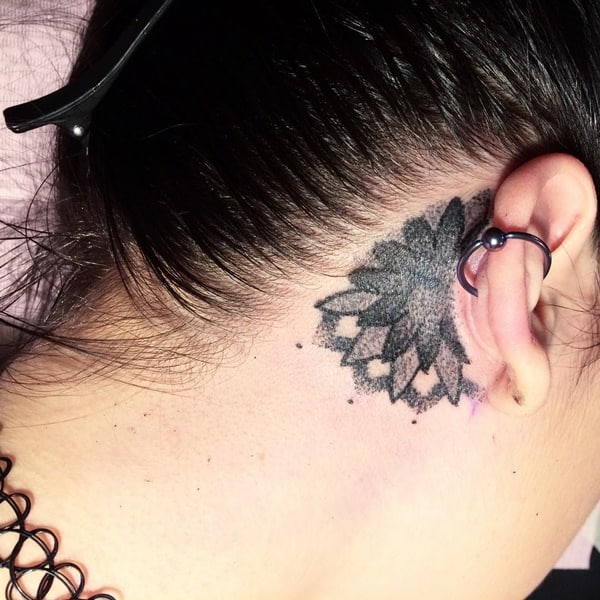
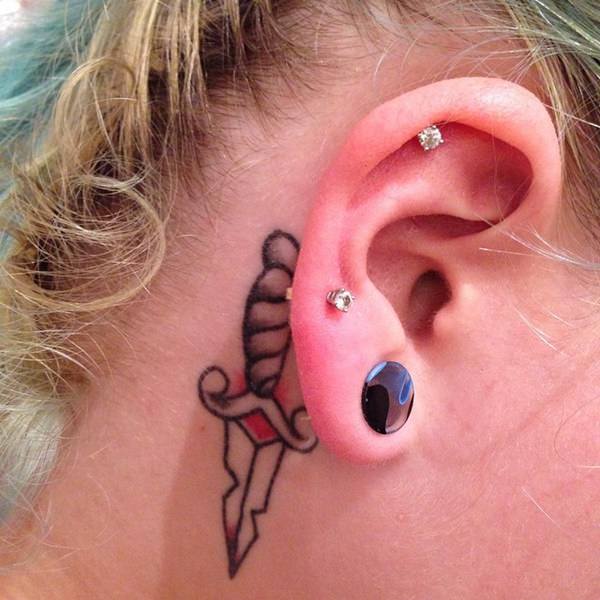
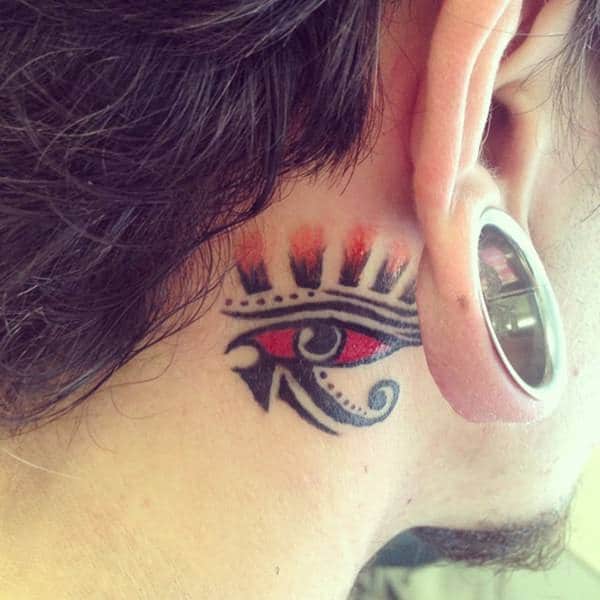
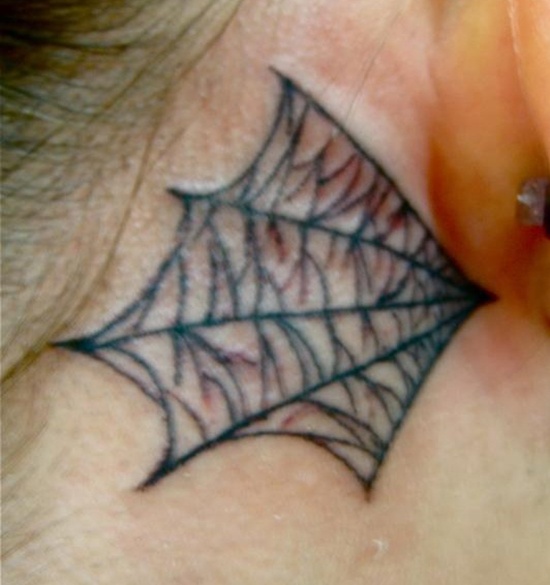
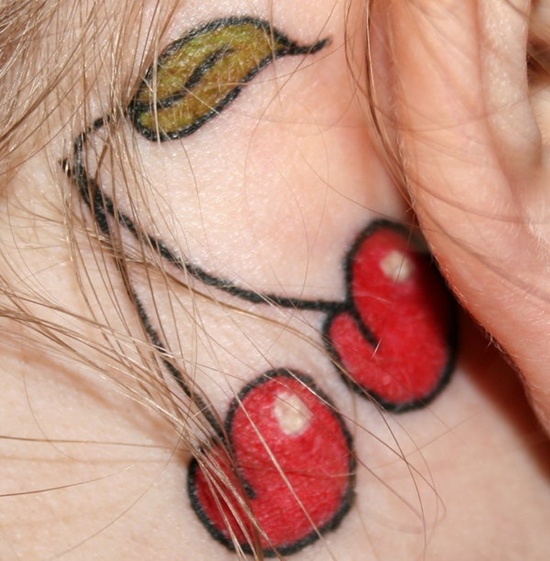
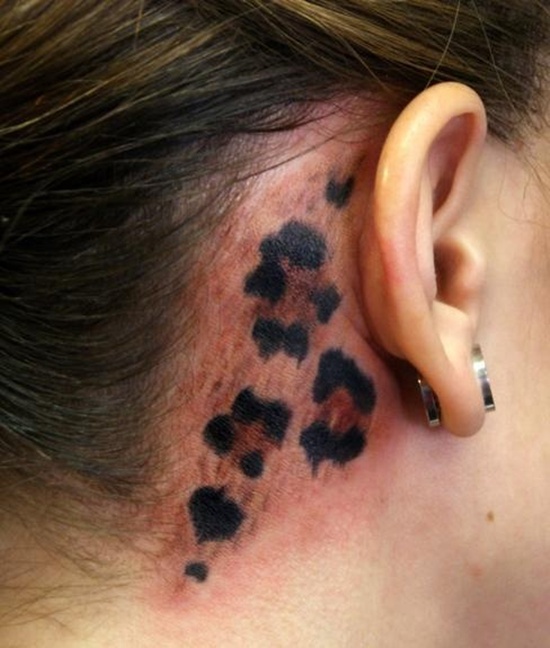
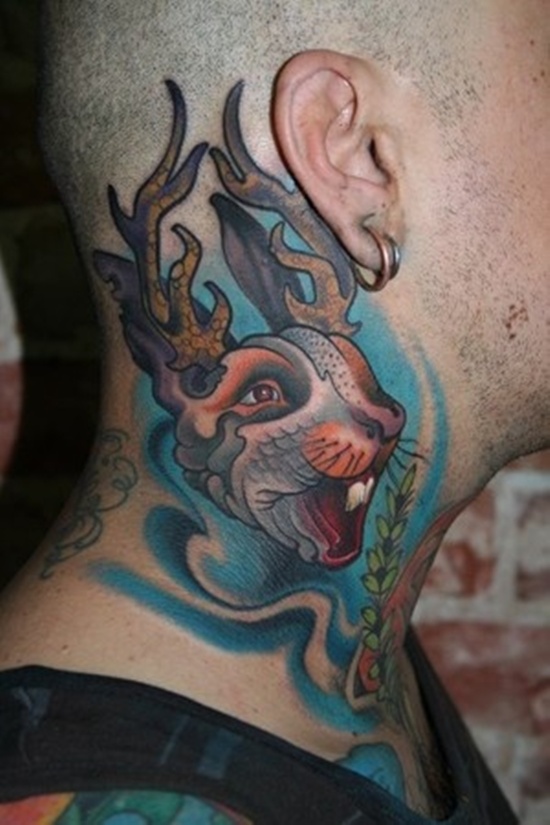
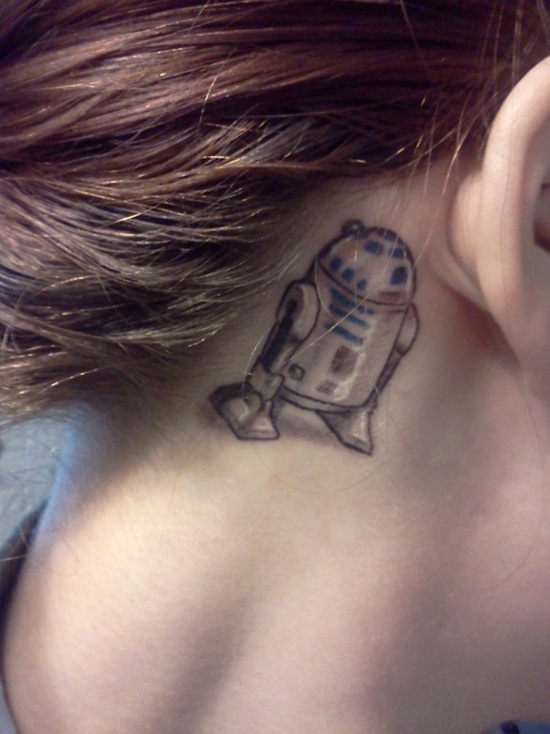
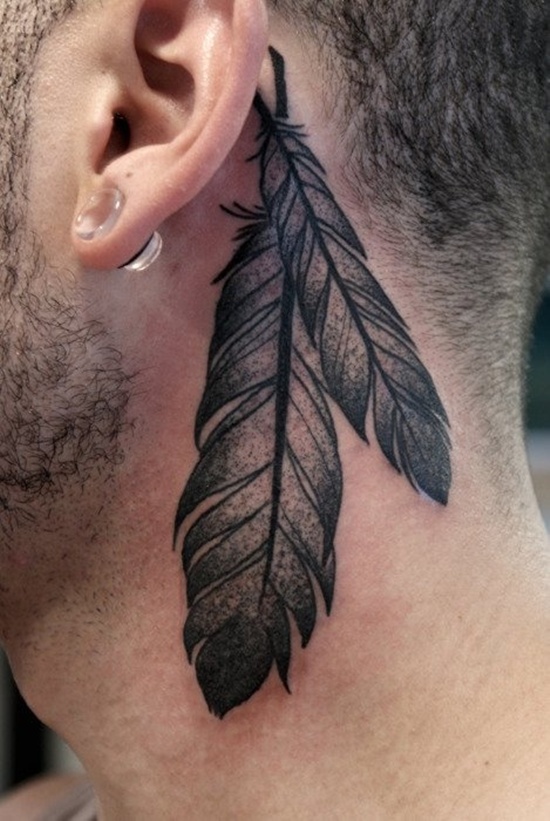
Designs that do not work: anything with internal detail, portraits, realistic rendering, mandalas, and lettering longer than a few characters. The most common mistake is a design that would be lovely at four inches, squeezed to one and a half.
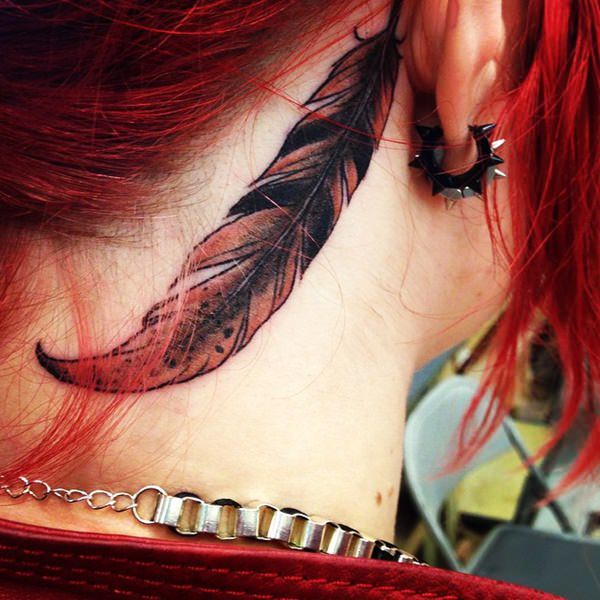
One more consideration: hair. Most of the time this tattoo is hidden by it, which is either the point or a disappointment. If you want it visible, that is an argument for it sitting slightly lower, toward the top of the neck, and for wearing your hair up. Shaving a small patch may be needed and it grows back.
Cost and sittings
| Design | Typical size | Sittings | Pain, 1-10 | Rough cost |
|---|---|---|---|---|
| Tiny symbol | Under 1 in | 1 | 6-7 | Shop minimum |
| Small script or botanical | 1-1.5 in | 1 | 6-7 | Shop minimum to $250 |
| Slightly larger, spilling onto the neck | 2-3 in | 1 | 6-8 | $200-$450 |
| Matching pair, both sides | - | 1 | 6-7 | $250-$500 |
Nearly all of these are shop minimum work, for the same reason as fingers: a fifteen-minute tattoo still needs a full sterile station.
How it will age
Better than fingers, worse than a thigh, and there are two specific pressures.
Sun. This area gets more UV than people expect, particularly on anyone who wears their hair up or short. It is exposed all year and rarely gets sunscreen, because nobody thinks to put it there. That is the main cause of fading here, and it is entirely within your control.
Friction, in specific circumstances. Glasses arms, headphones, hats, collars and helmets all pass over this area. Anyone wearing over-ear headphones daily will see faster wear than someone who does not.
The design consequence is the familiar one, made sharper by the size limit: fine detail at this scale will not last. A 1.5-inch design with hairline work has almost nothing between the lines to begin with, so as ink spreads it closes up quickly. Bold and simple is not just an aesthetic preference here, it is the only version that still reads at ten years.
Expect a touch-up around year five, and sunscreen once healed.
Practical points before you book
Look at the artist's small work. Tiny tattoos are a specific skill - the line has to be confident first time, because there is no room to correct.
Placement matters within the small area. Higher and it disappears into hair entirely; lower and it becomes a neck tattoo, more visible and with different professional implications. Look at the stencil in a mirror, from the angle other people see you, before agreeing.
One side or both. Matching designs on each side work well and cost little more, since the shop minimum covers the session.
Tell your artist about glasses or headphones. It may move the placement an inch, which is the difference between constant rubbing and none.
Aftercare, briefly
Your artist's instructions come first. Generally: covering on as long as they said, then gentle washing twice a day with clean hands and fragrance-free soap, and a very thin layer of the recommended aftercare.
The specific problem here is hair and hair products. Shampoo, conditioner and dry shampoo running over a healing tattoo will irritate it, so wash your hair carefully and rinse forward for a fortnight. Keep hair tied back off it. No headphones over it, no hats, and no sleeping on that side if you can manage it.
No soaking for two to three weeks, no sun, and no picking.