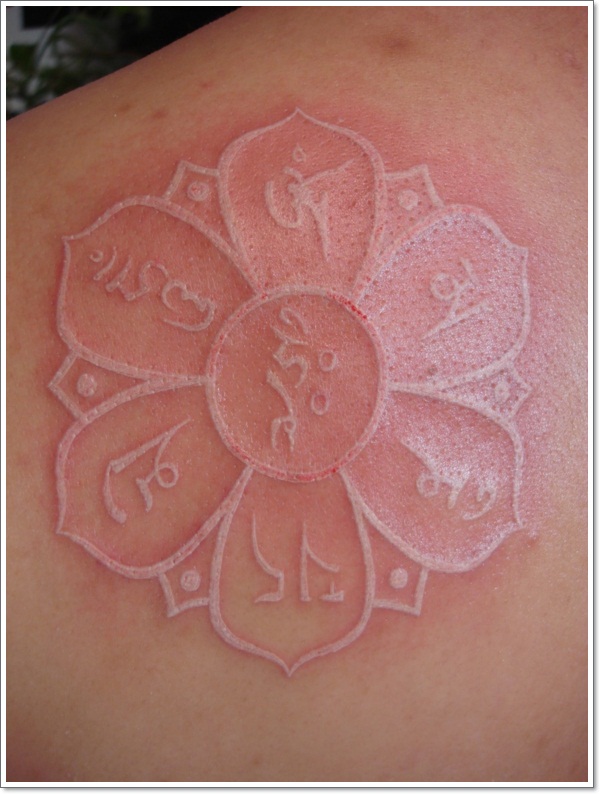
41 Enticing Lotus Flower Tattoos
The lotus is the rare tattoo whose meaning is genuinely specific rather than vague. It is not a general symbol of beauty. In Buddhism and Hinduism it carries a precise idea: the flower roots in mud, grows up through opaque water, and opens clean at the surface. Nothing about the bloom shows where it came from.
That is why it recurs so often in recovery, in memorial work, and after a bad few years. It is a specific claim about coming through something, which is more than most flowers offer.
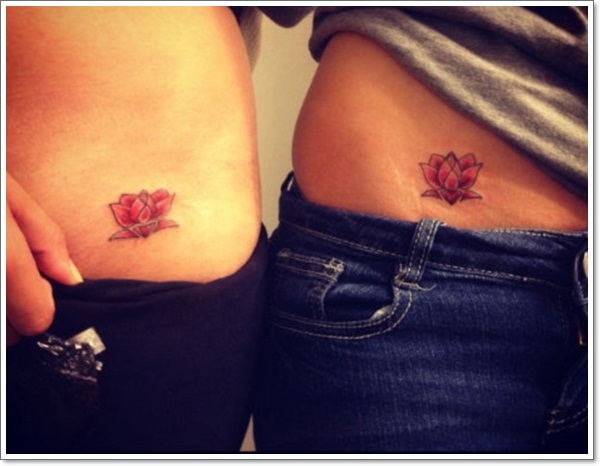
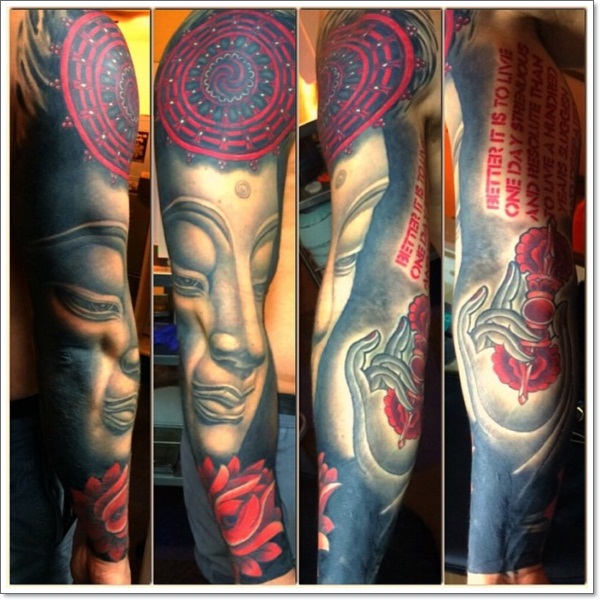
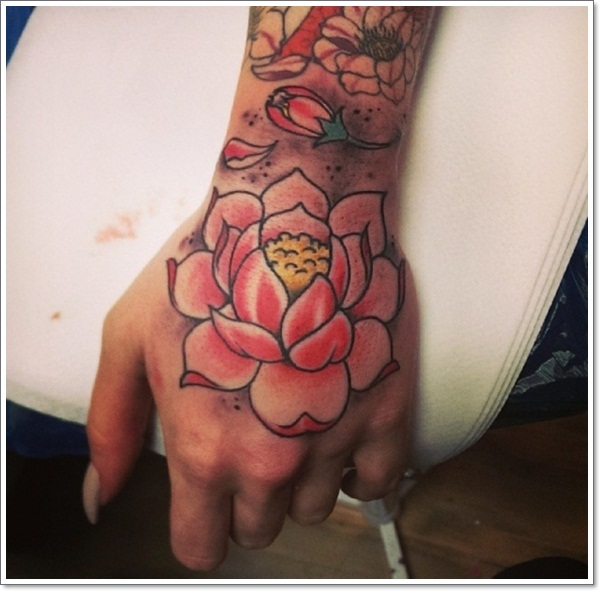
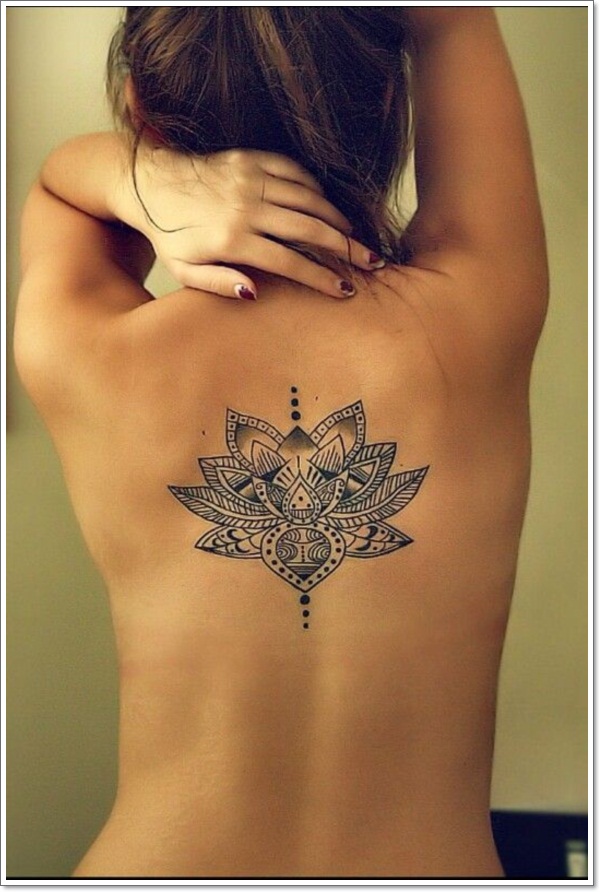
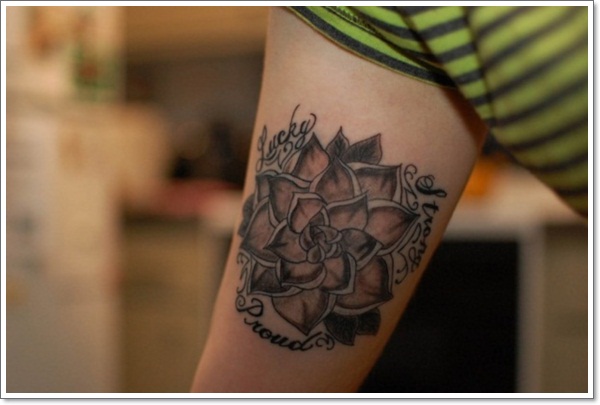
What it means, in detail
Worth knowing the distinctions, because they are real and a good design uses them.
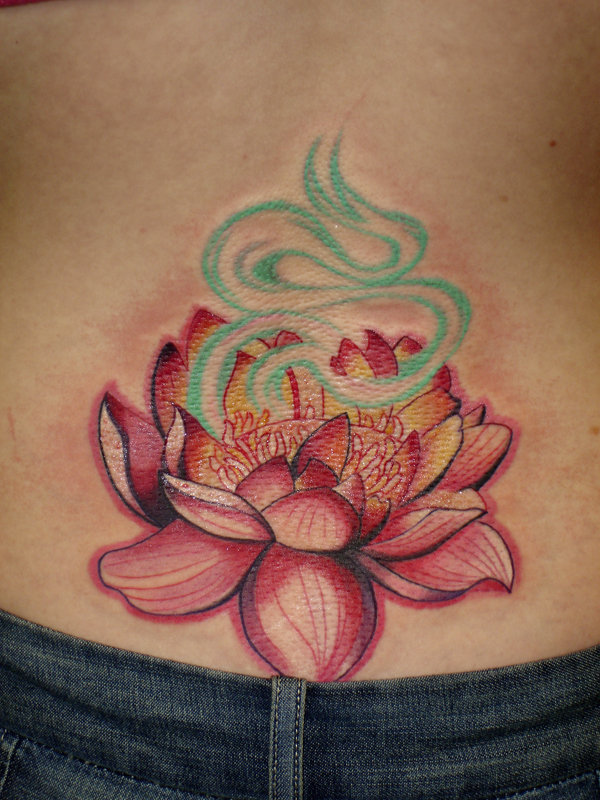
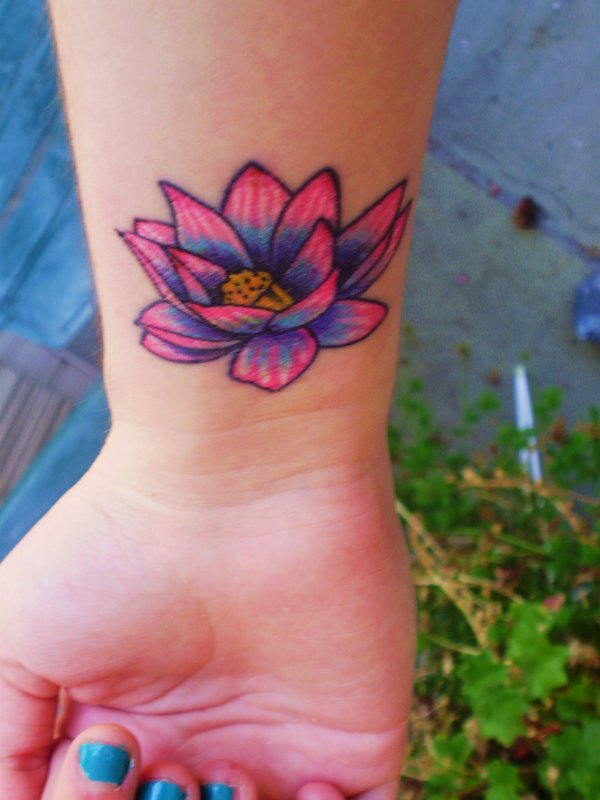
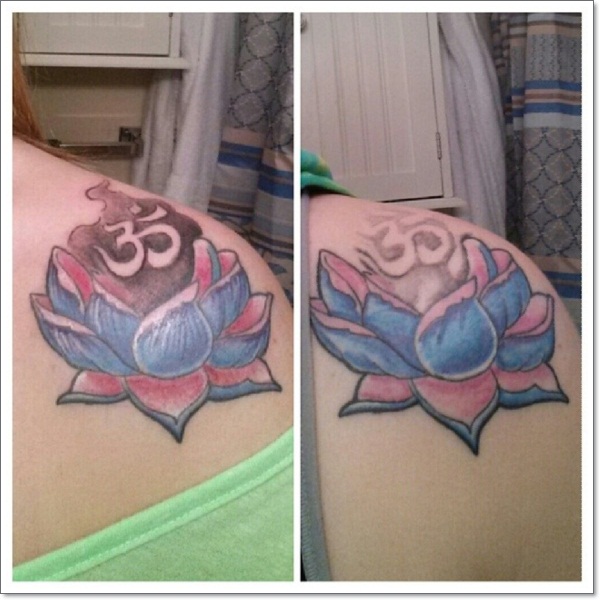
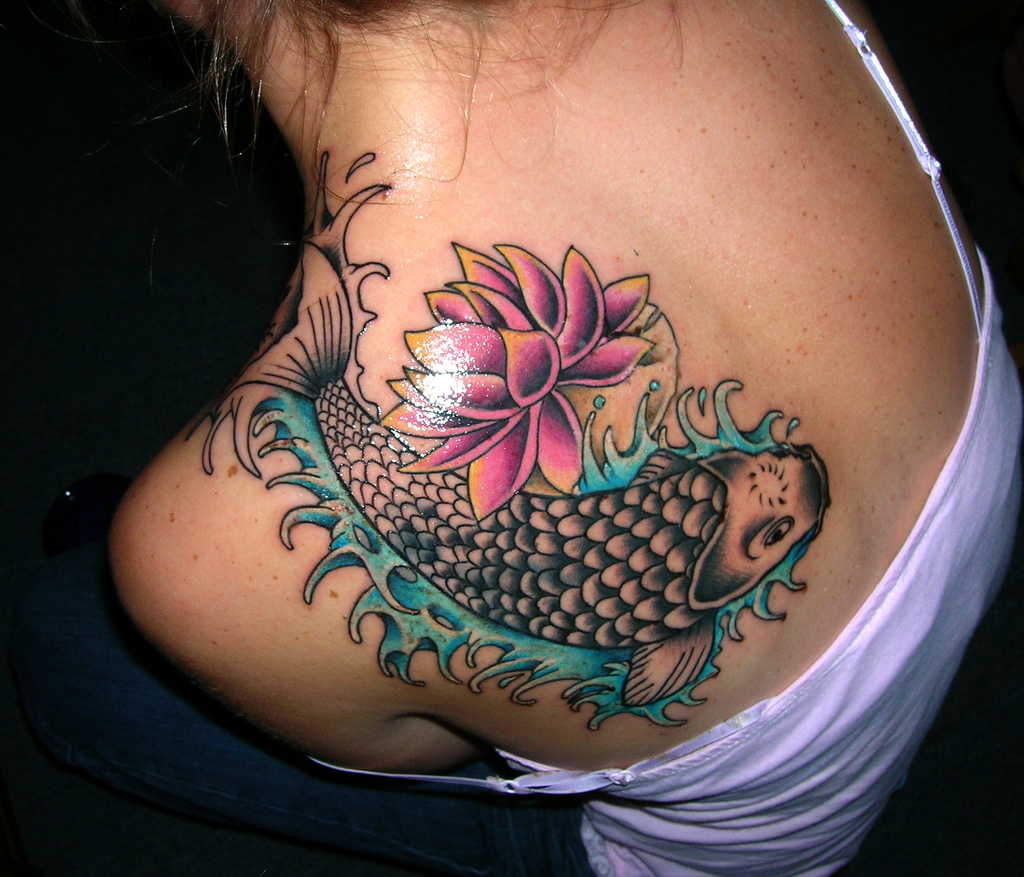
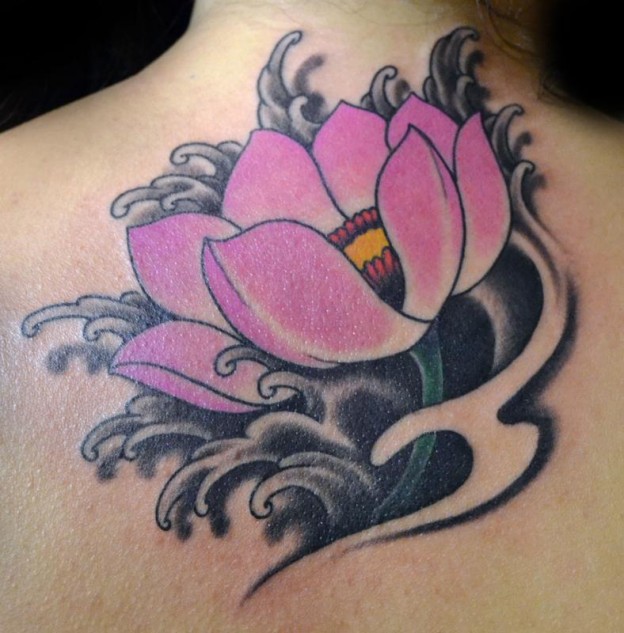
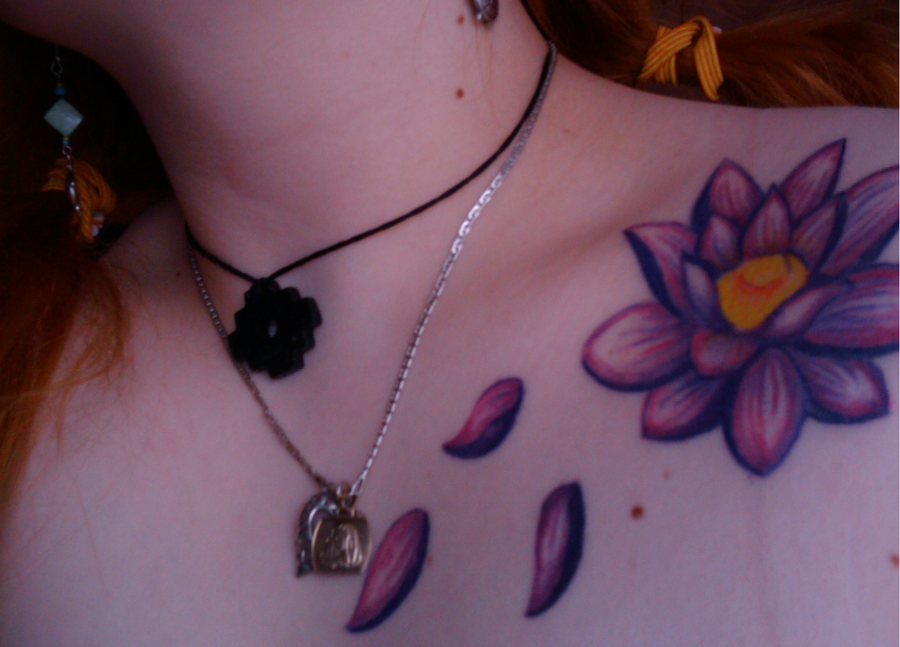
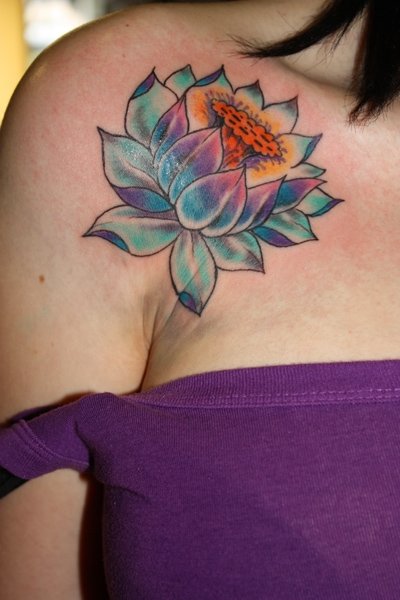
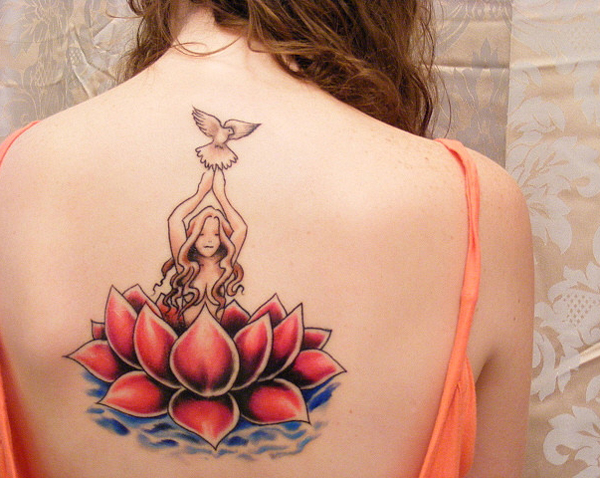
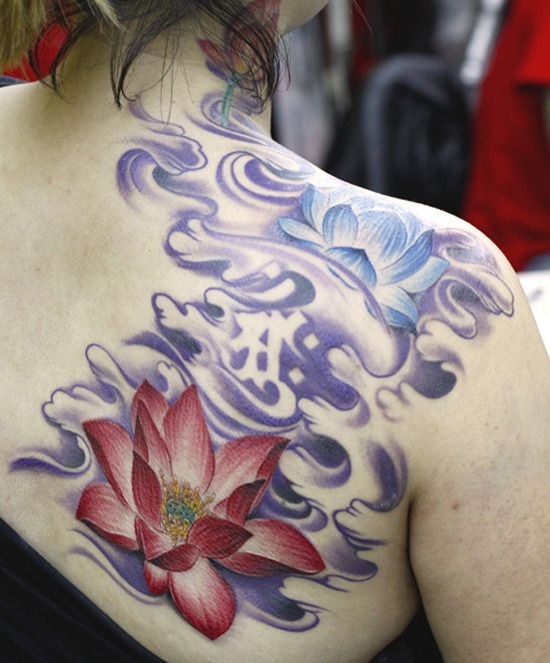
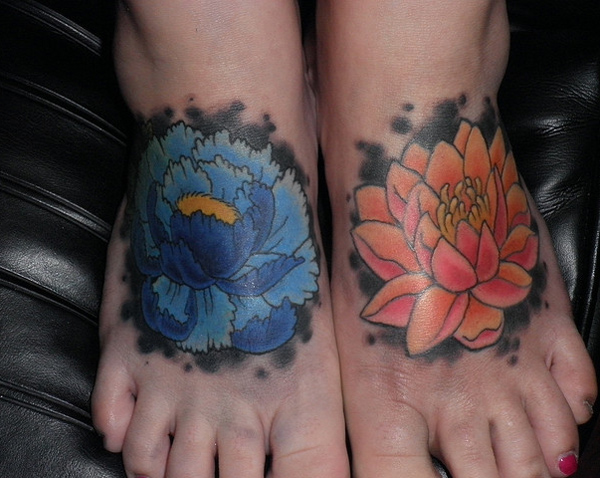
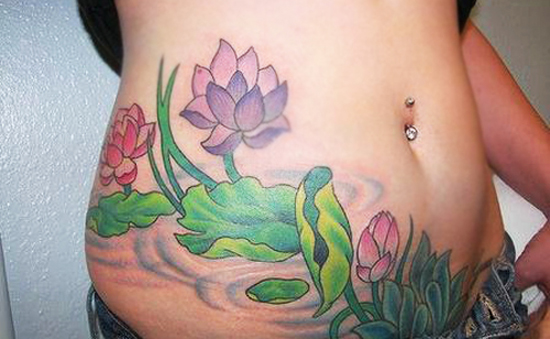
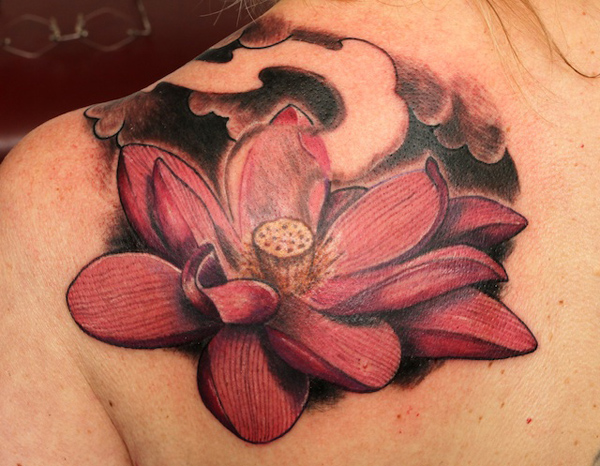
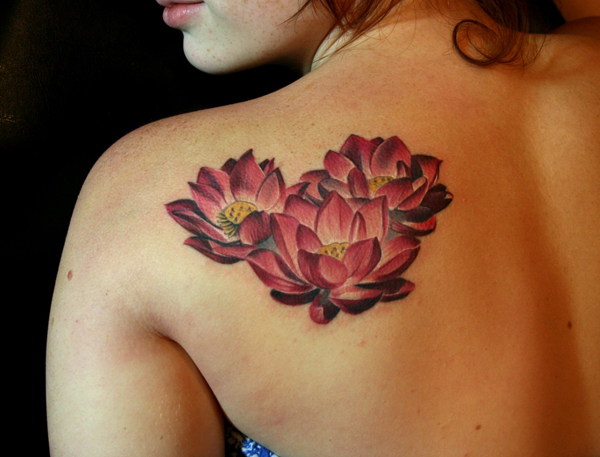
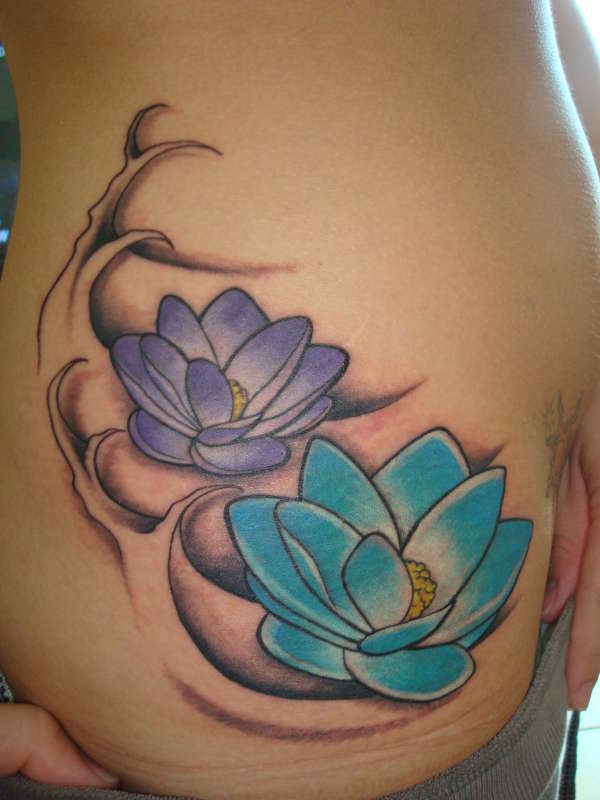
Colour carries meaning in the Buddhist tradition. White is purity of mind and spirit. Pink is the highest, associated with the Buddha himself. Red is the heart, love and compassion. Blue is wisdom and the victory of spirit over sense. Purple is mystical and associated with esoteric schools. Gold is full enlightenment.
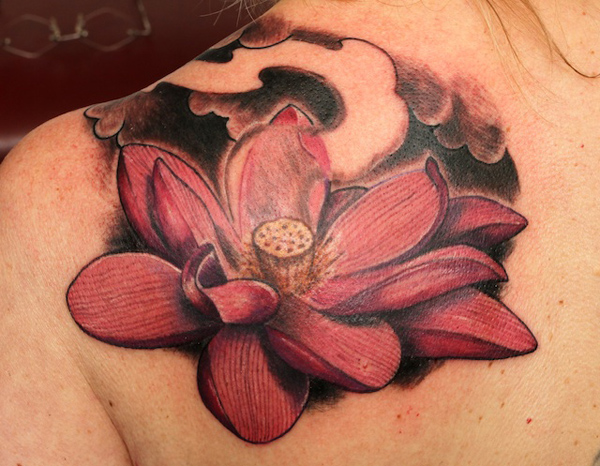
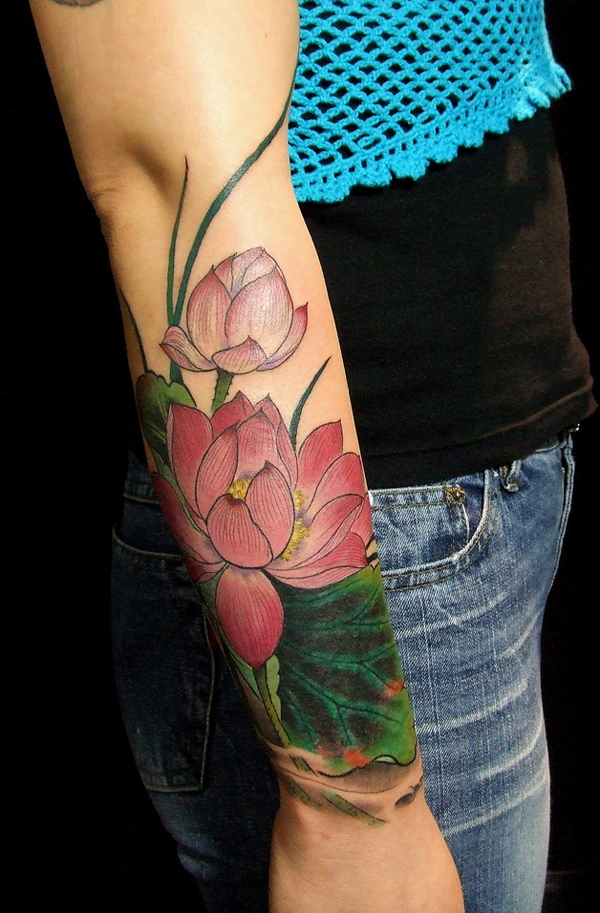
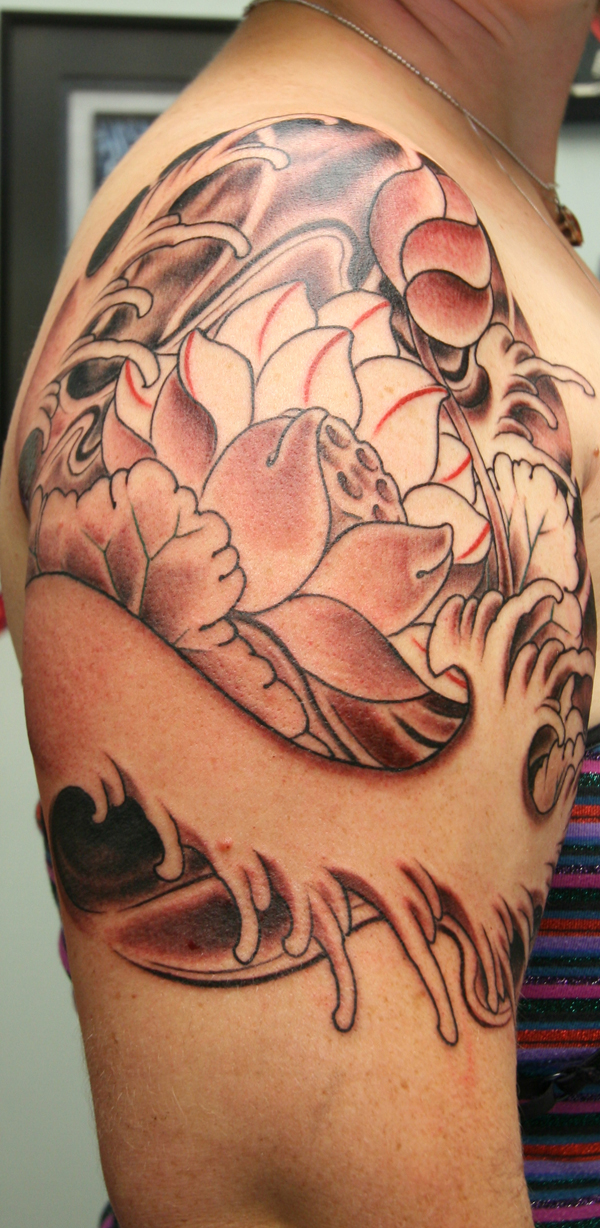
Openness carries meaning too. A closed bud is potential, a journey not yet made. A partly open flower is the middle of it. A fully open bloom is attainment. Choosing deliberately gives your tattoo something to say.
The padmasana - the lotus position - takes its name from the flower, and the association with meditation is direct rather than decorative.
In Hinduism the lotus is linked to Lakshmi and to Brahma, and it appears throughout Egyptian art as well, where the blue lotus closes at night and reopens at dawn and became a symbol of rebirth.
This is living religious iconography for a great many people. That does not put it off limits, but it does mean it is worth knowing what you are wearing and being able to say why.
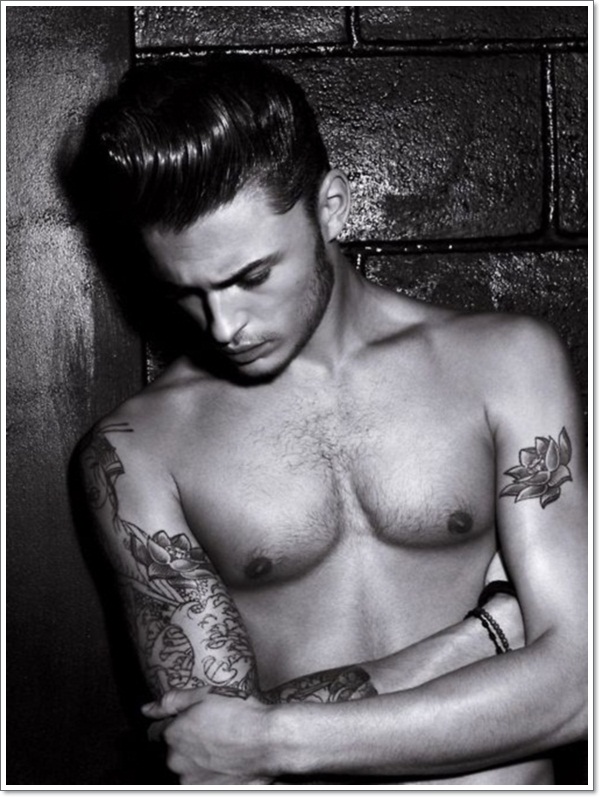
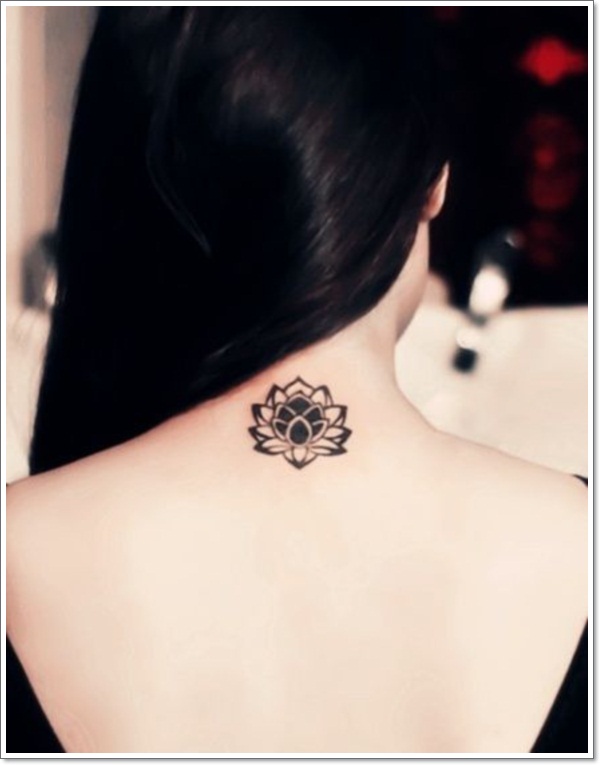
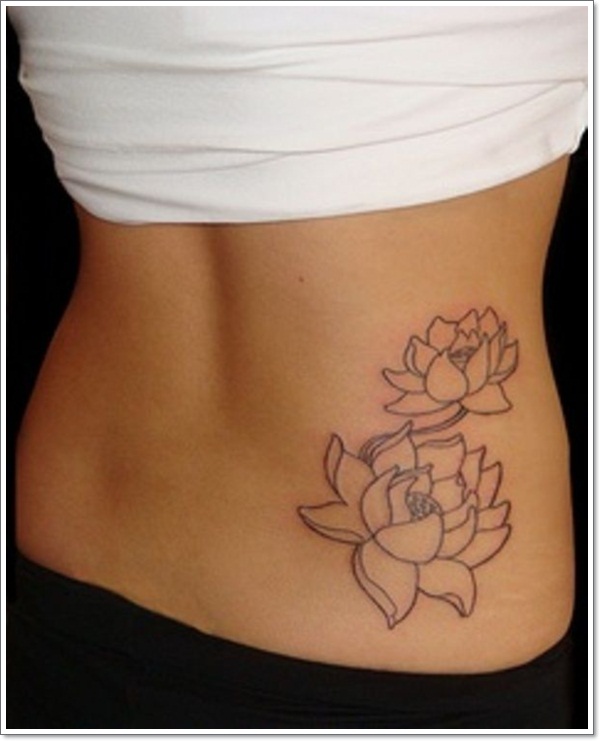
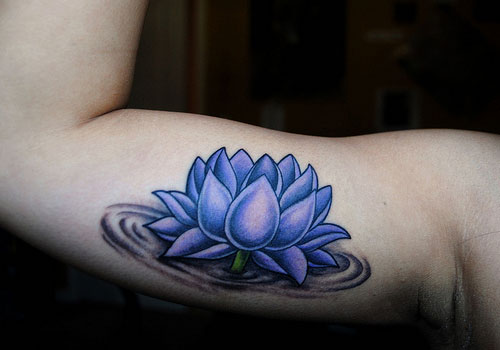
Placement, size and cost
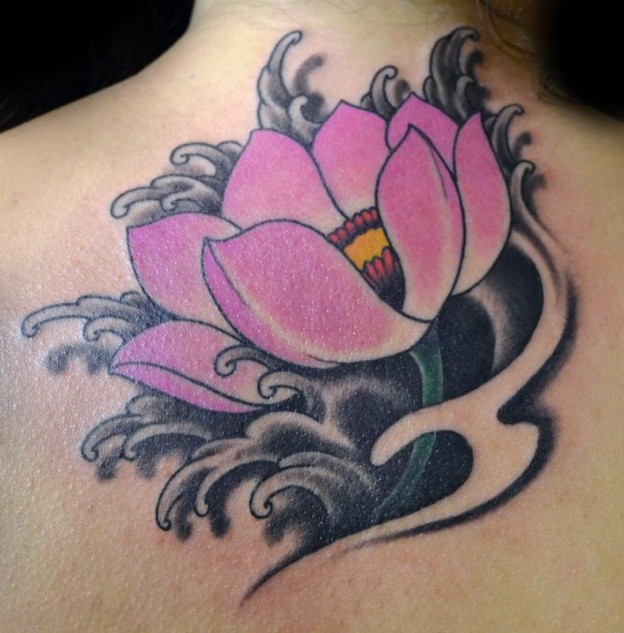
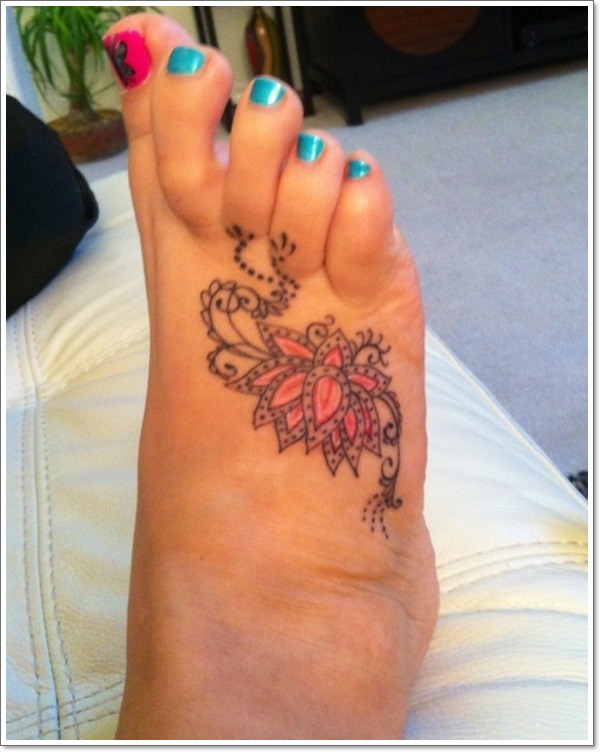
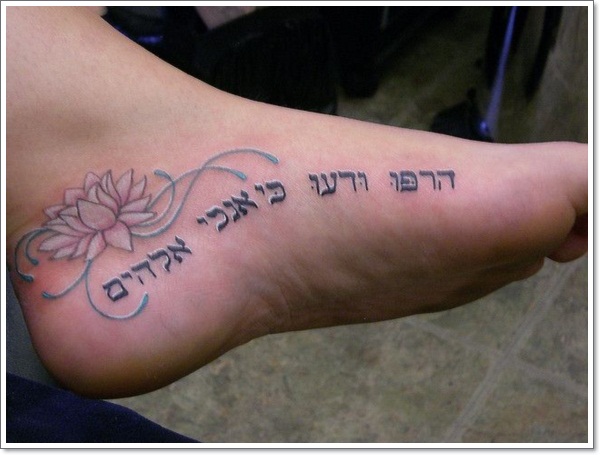
The lotus is radially symmetric, which makes it one of the most placement flexible motifs there is. It sits well anywhere a circle sits well: the sternum, the back of the neck, the spine, the inner forearm, the top of the foot.
| Design | Typical size | Sittings | Pain, 1-10 | Rough cost |
|---|---|---|---|---|
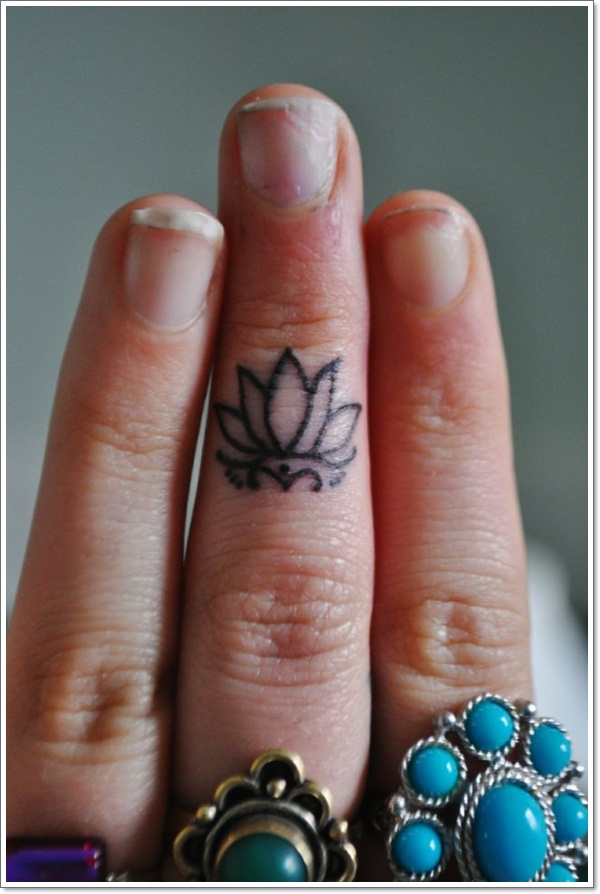
| Small outline, wrist or finger | 1-2 in | 1 | 6-8 | Shop minimum |
| Back of the neck | 2-4 in | 1 | 7-8 | $150-$350 |
| Inner forearm | 3-5 in | 1 | 5-6 | $200-$500 |
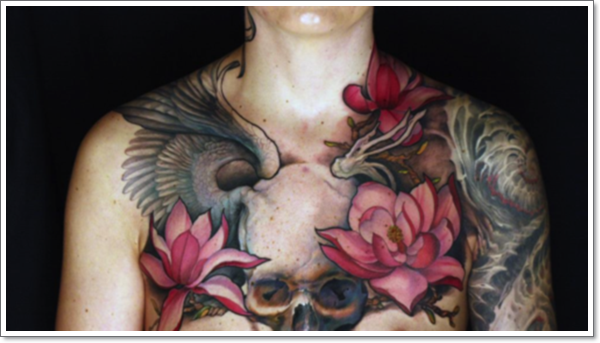
| Sternum, symmetrical | 5-8 in | 1-2 | 8-9 | $400-$1,200 |
| Spine, with mandala work | 6-12 in | 2-3 | 7-8 | $800-$2,500 |
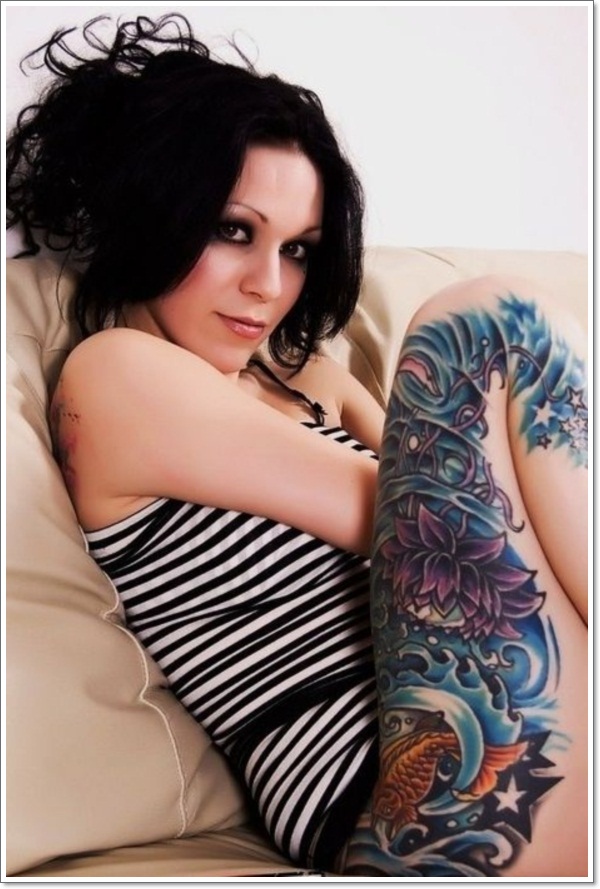
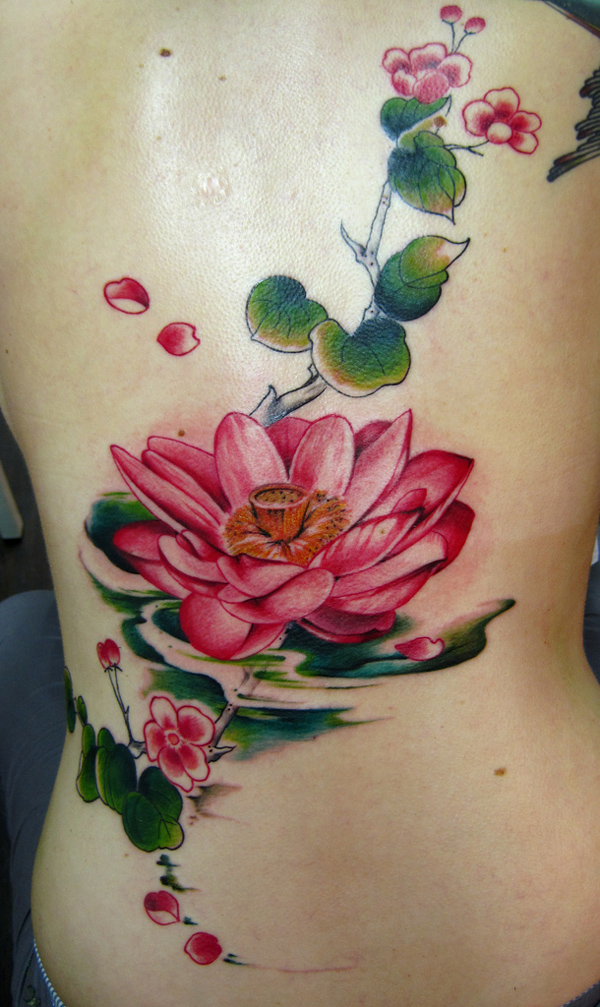
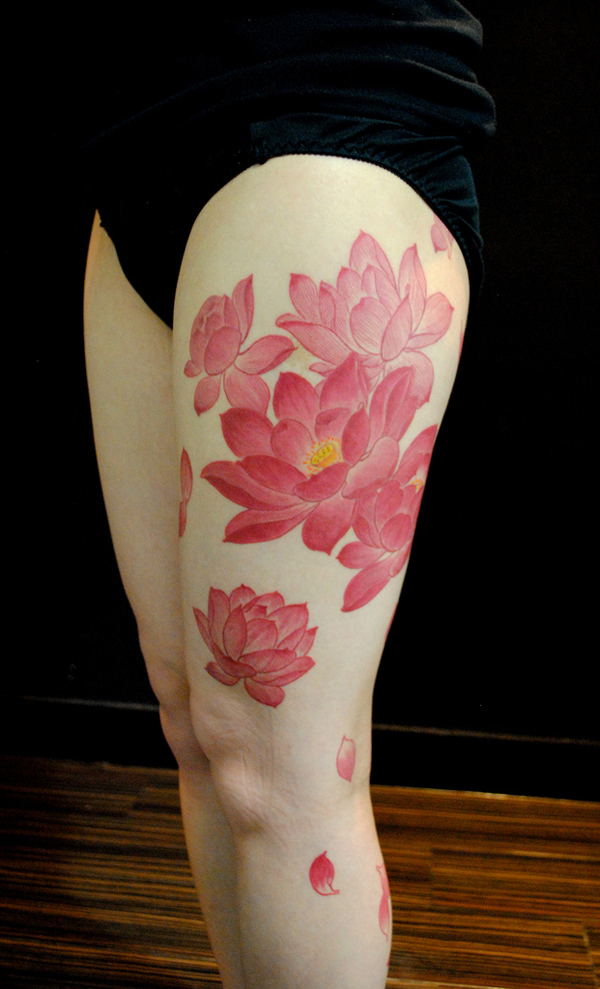
| Thigh, colour with water | 8-12 in | 2-3 | 3-5 | $900-$2,500 |
Rates vary by city and artist. Ornamental and mandala work is slow, precise and priced accordingly.
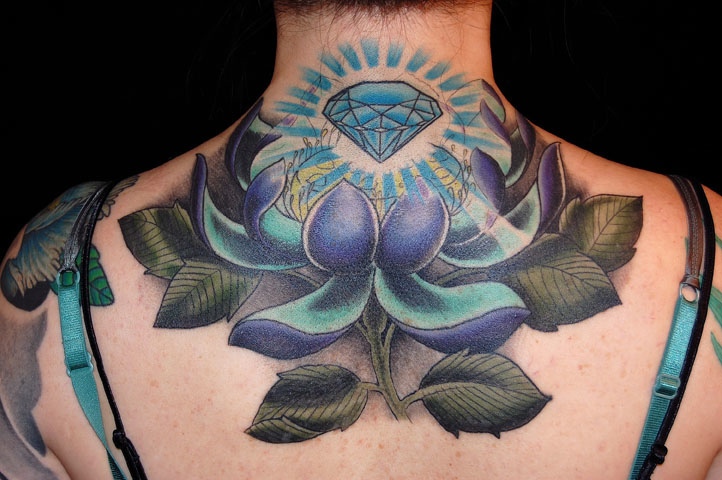
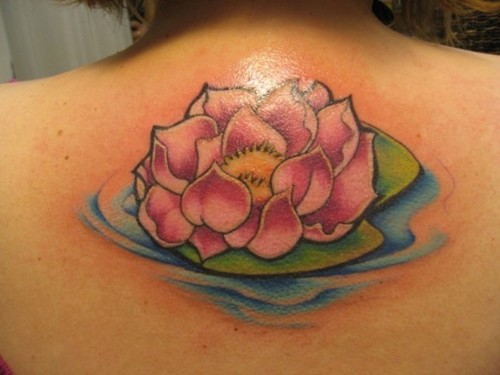
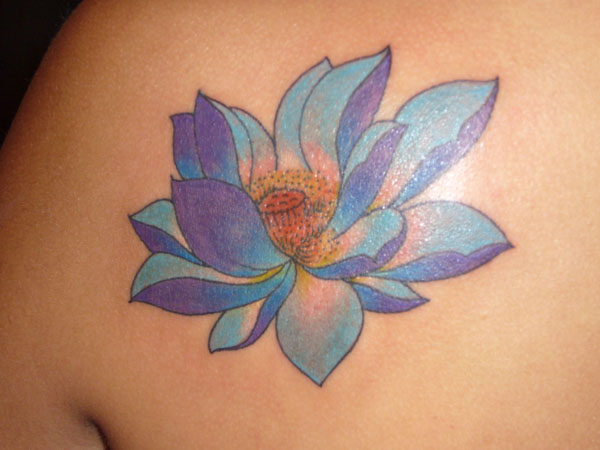
Styles that hold up
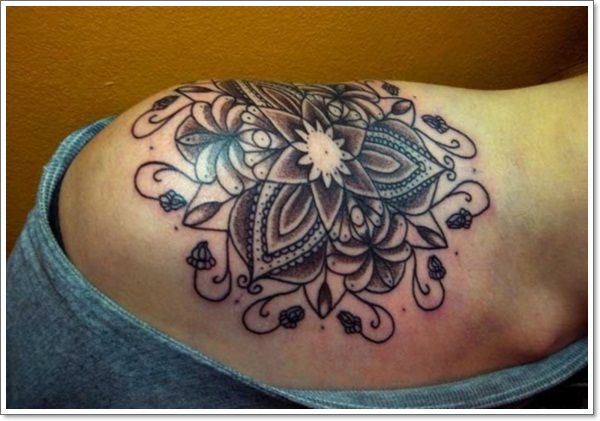
Ornamental and mandala. The natural partner - both are radially symmetric, both are built from repeated geometry. Ages well provided the linework is not hairline.
Dotwork. Stippled shading rather than solid tone. It holds its shape better than fine lines and suits the subject.
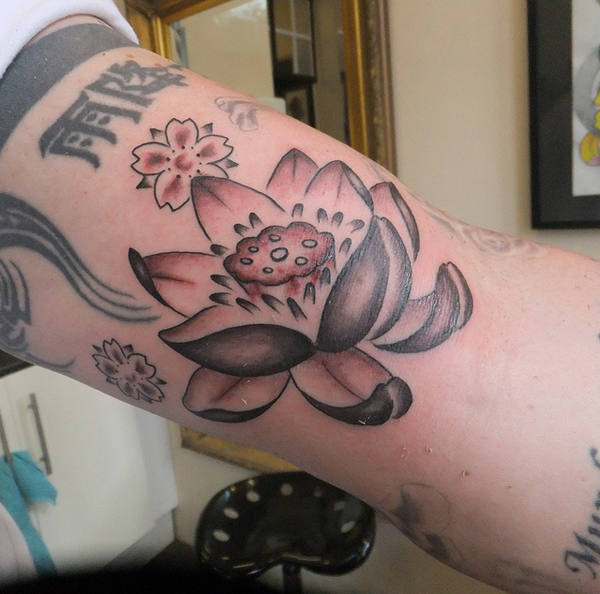
Black and grey realism. Actual petals with actual translucency. Demanding to draw and superb when done well.
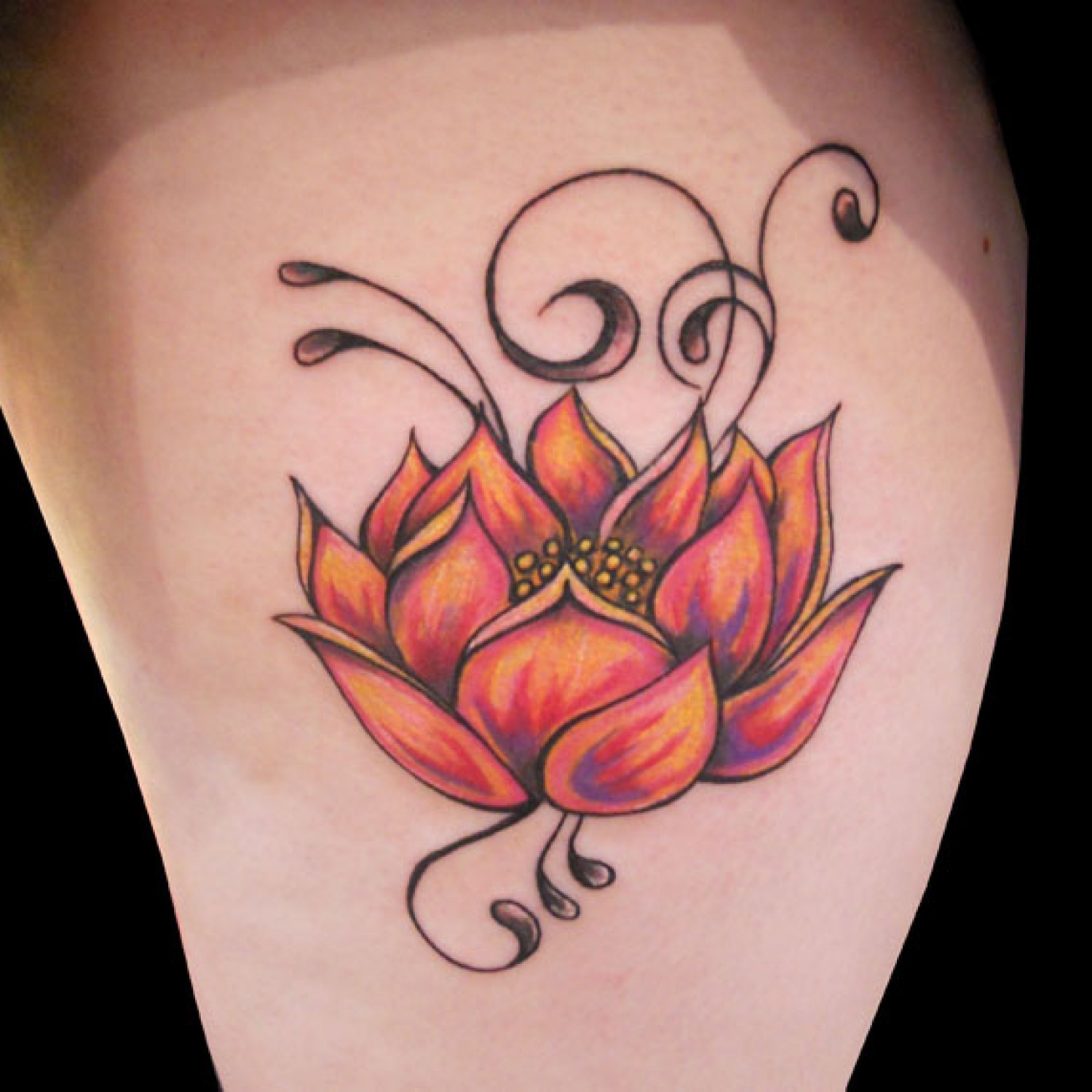
Neo-traditional. Bold outline, controlled colour, decorative treatment. The most durable coloured version.
Fine-line single needle. Extremely popular for this motif and the version most likely to disappoint at ten years. See below.
Watercolour. Beautiful fresh, weak over time without a black structure underneath.
How it will age
The lotus fails in a specific and avoidable way: the petal tips. A lotus is a stack of narrow petals converging at a point, and those convergences are where lines run closest together. As ink spreads over the decades, the tips merge and the flower loses its shape from the outside in.
Three things prevent it. Size, so there is skin between the lines. Wider petal spacing than the reference drawing - it looks better fresh too, and every experienced artist will already prefer it. And weight in the linework: a hairline lotus at two inches has nothing to lose.
Symmetry is the other consideration. The eye is very good at spotting a lopsided symmetrical design, so placement on the body needs care - a sternum piece must be centred on the sternum, not on where you think the middle is. Insist on seeing the stencil in a mirror before starting.
Colour fades first in yellows, pale pinks and light blues, which is much of the traditional palette. Sunscreen once healed, and expect a touch-up around year five on anything fine or heavily coloured.
What to bring your artist
Bring a colour and an openness, because those two choices carry the meaning. Bring a reference for the style of petal - realistic, ornamental, geometric - and say whether you want it read as religious, as recovery, or as decoration.
Ask for slightly wider petal spacing and slightly heavier line weight than the picture you liked. That single request is the difference between a lotus that is crisp at twenty years and one that is a dark disc.
A good artist will push back on hairline detail at small sizes and on placing a symmetrical design somewhere the body is not symmetric.
Aftercare, briefly
Your artist's instructions come first. Generally: leave the covering on as long as they said, wash gently twice a day with clean hands and fragrance-free soap, then a very thin layer of the recommended aftercare.
Sternum and spine work rubs against clothing and moves when you breathe, so loose fabric for a fortnight. No soaking for two to three weeks, keep it out of the sun while it heals, and do not pick the flakes.