95 Gorgeous Butterfly Tattoos: The Beauty and the Significance
The butterfly is the most tattooed motif in the world, which means two things. Every artist can draw one, and almost every version has been done. The difference between a butterfly tattoo that looks like yours and one that looks like a sticker comes down to a handful of decisions, and none of them is difficult.
This is the long version: what to choose, where to put it, what it costs, and how it behaves over twenty years.
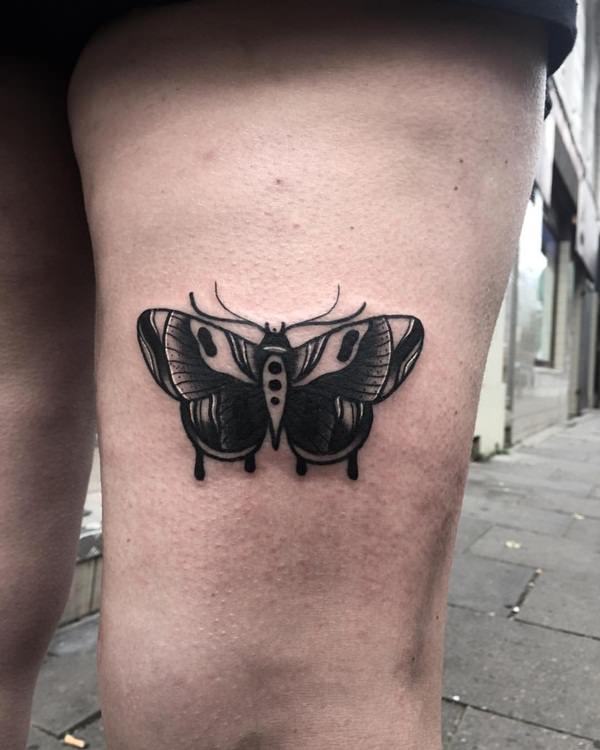
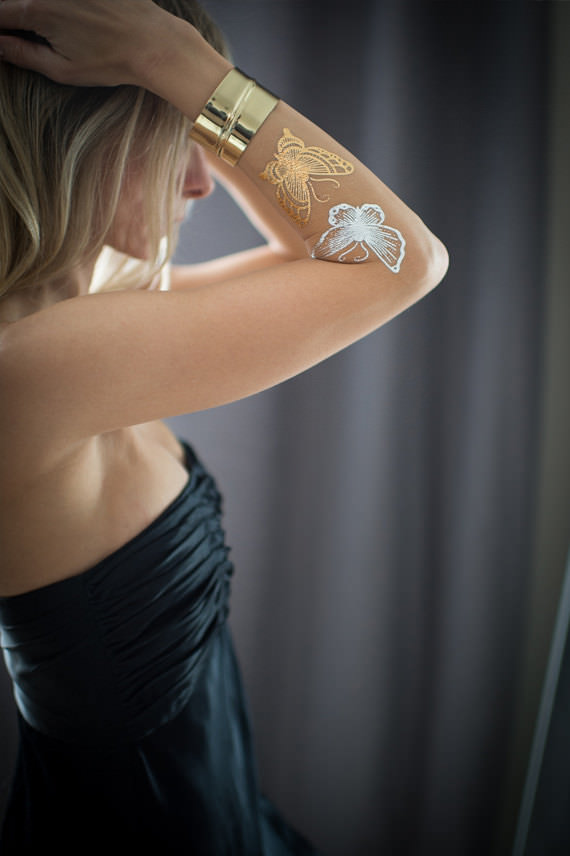
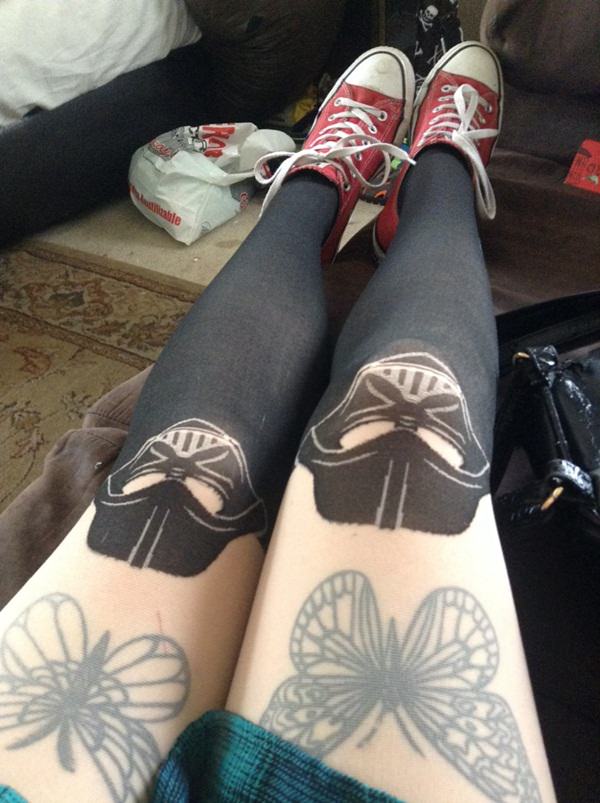
Start with a species
The single biggest improvement available, and almost nobody makes it. "A butterfly" gives an artist nothing to work with. A named species gives them a real animal with real structure.
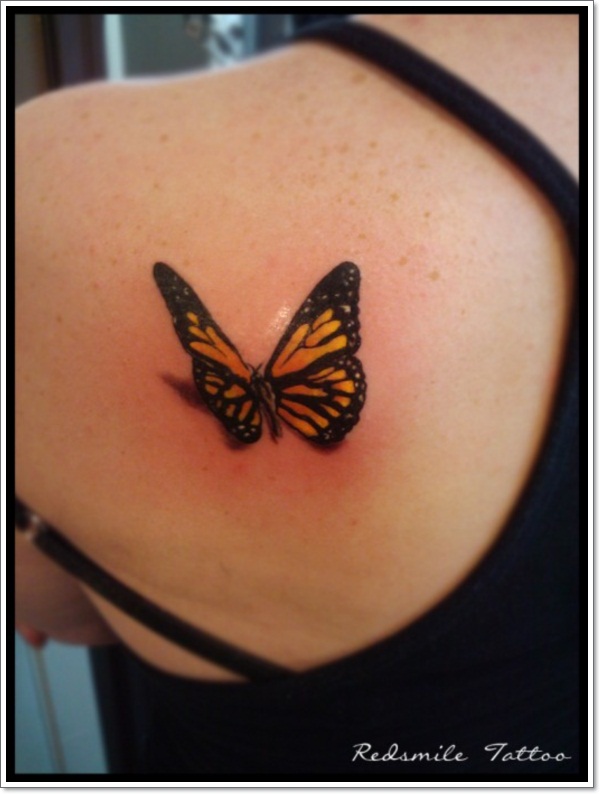
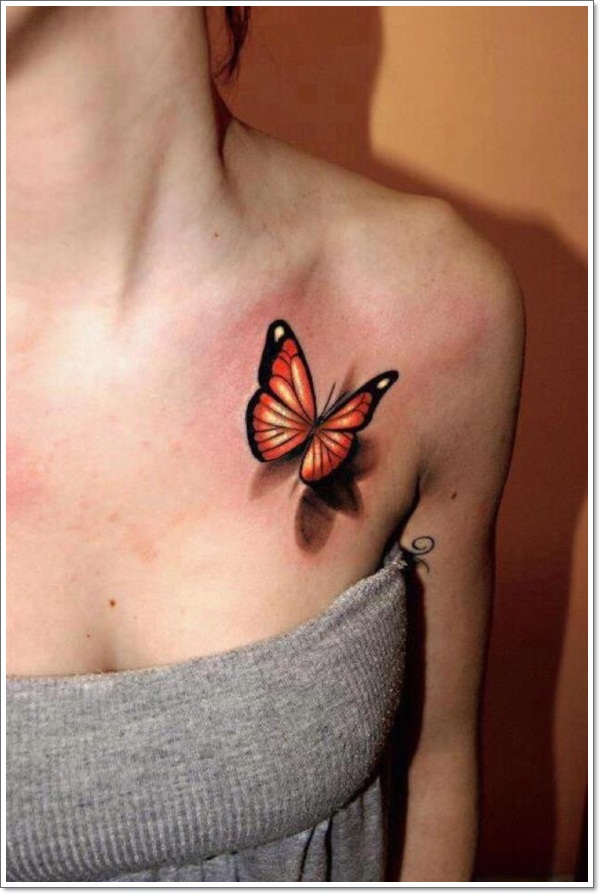
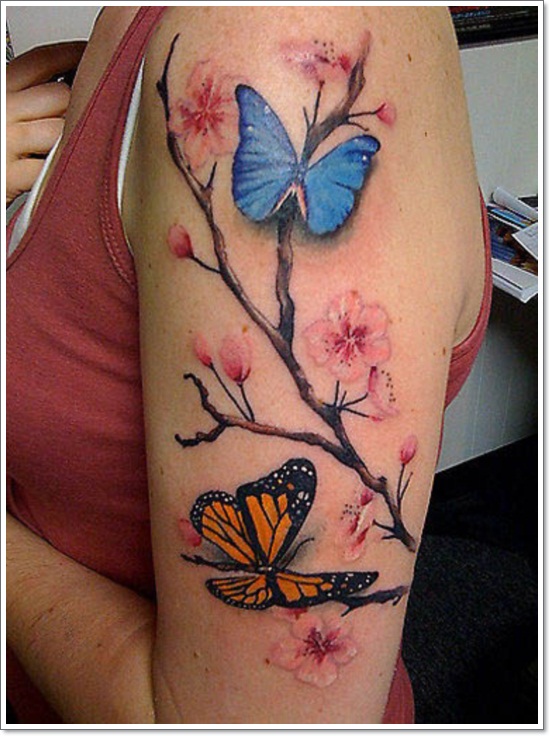
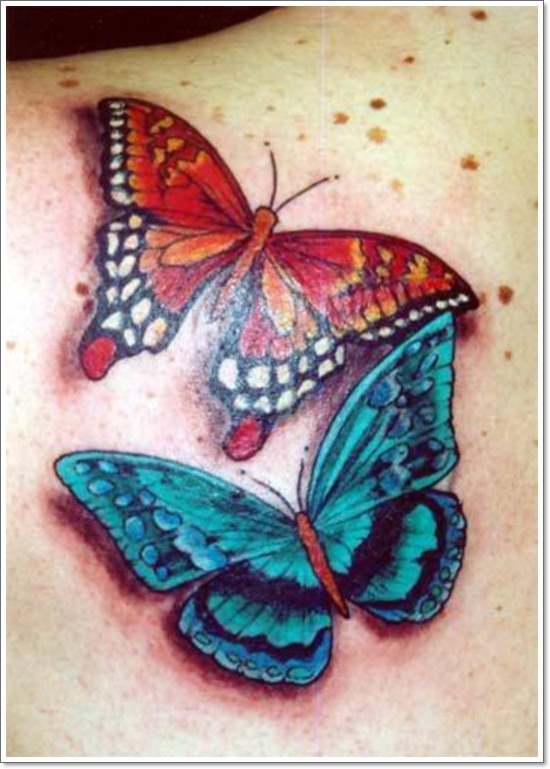
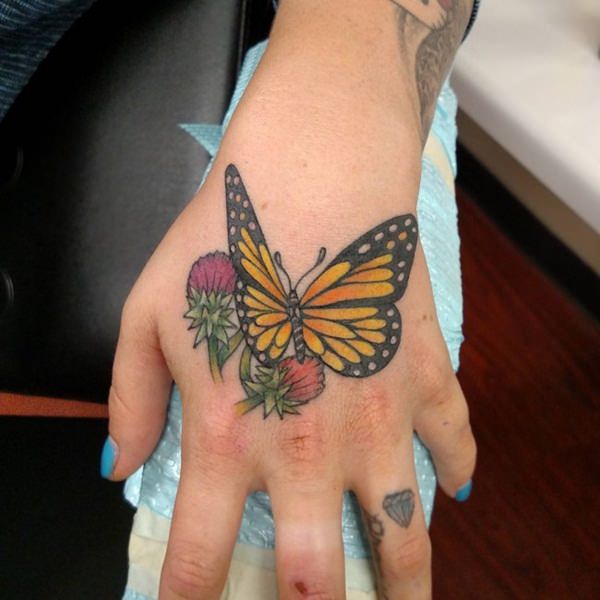
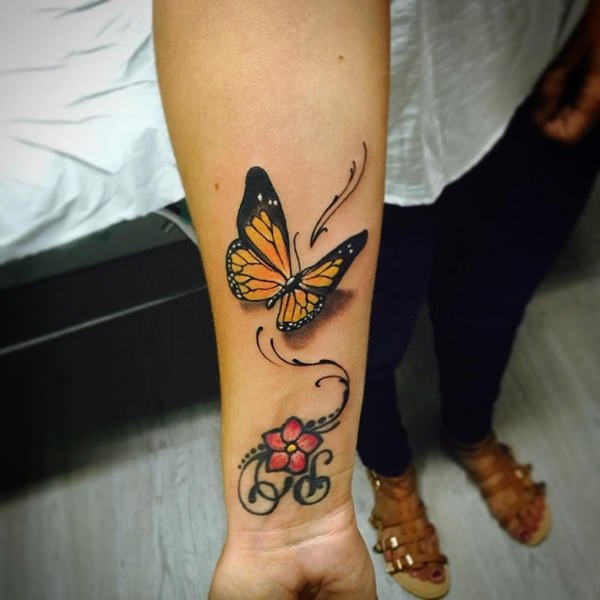
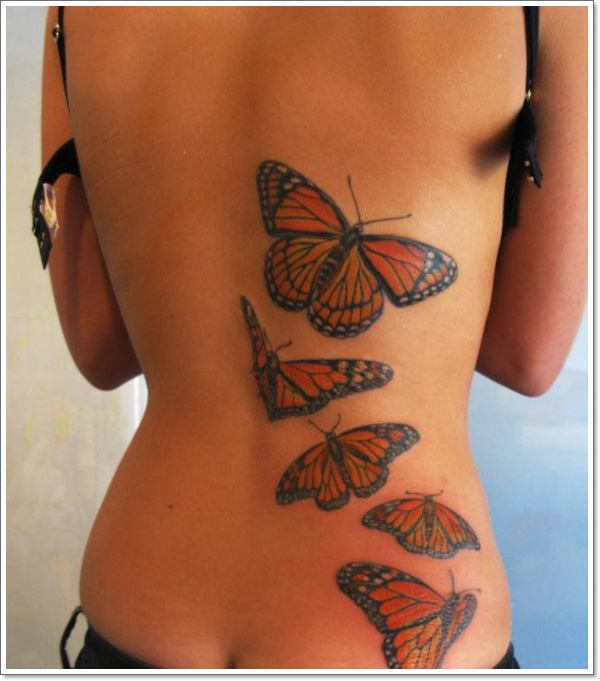
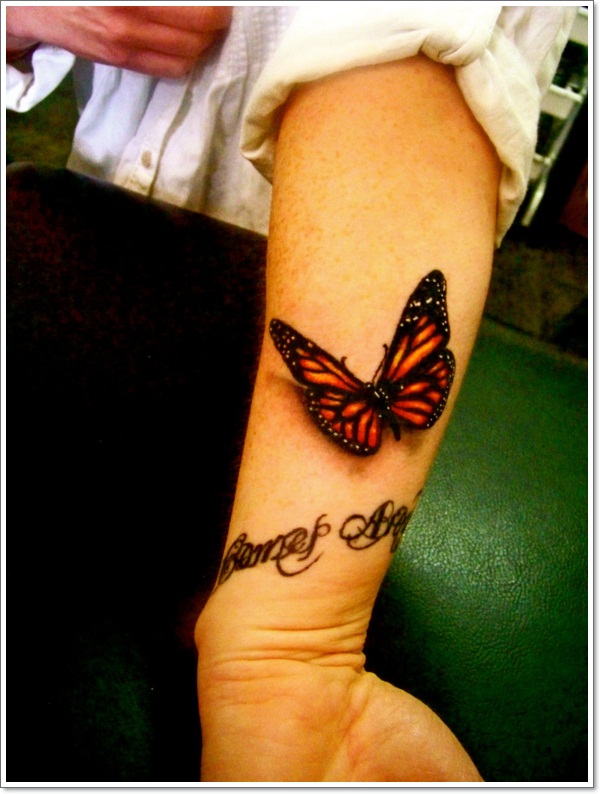
- Monarch. Orange, heavy black veining, white spots. Bold and durable, because the black carries the design as the colour softens.
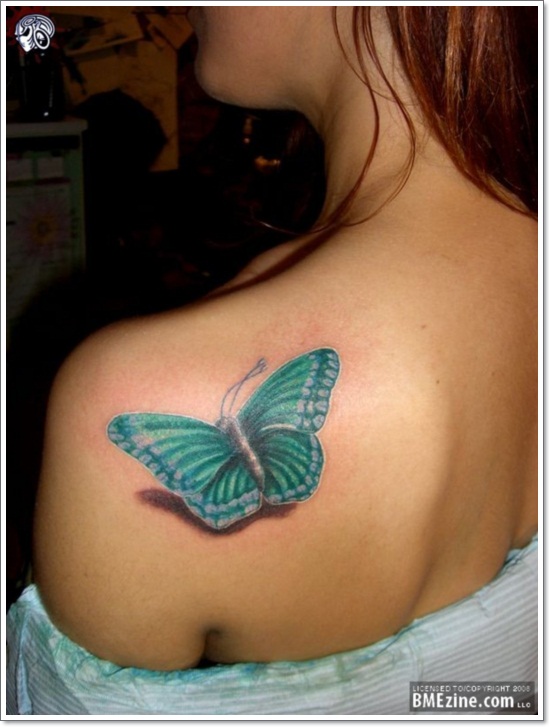
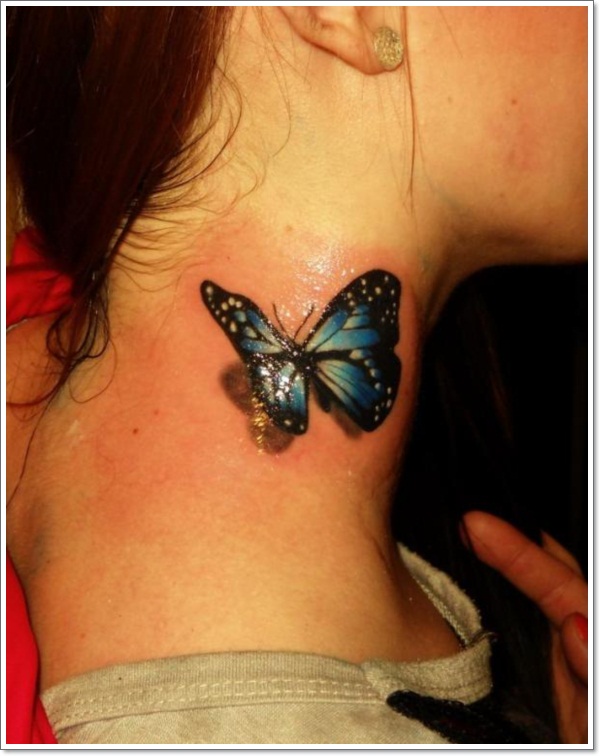
- Blue morpho. Iridescent blue, spectacular, and the hardest to keep - see the ageing section.
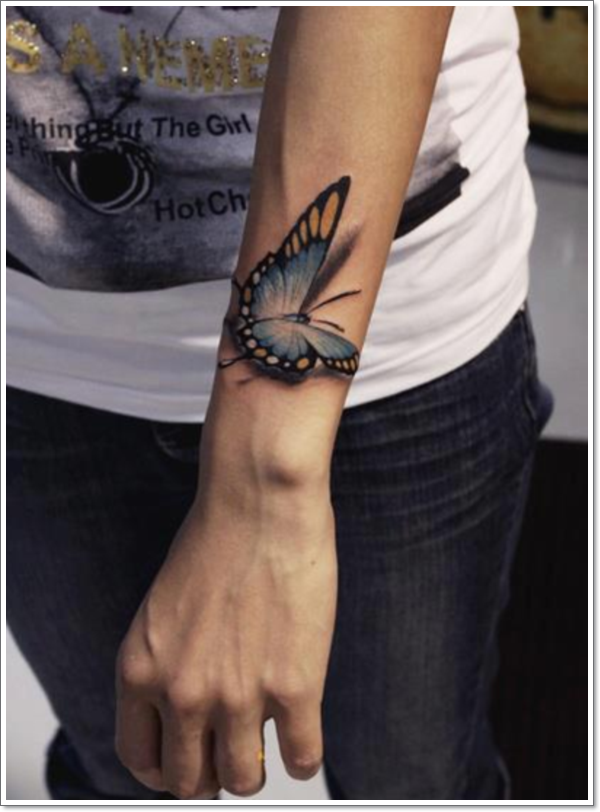
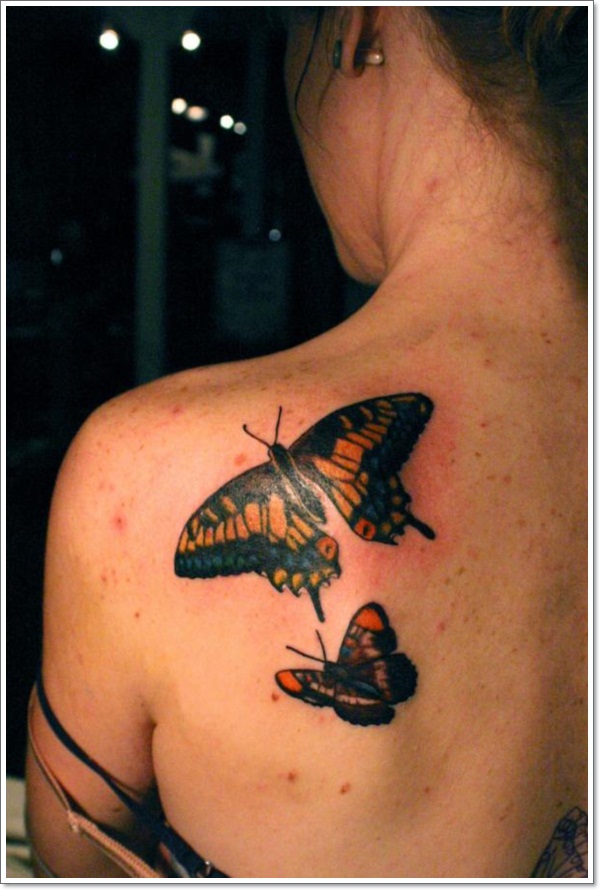
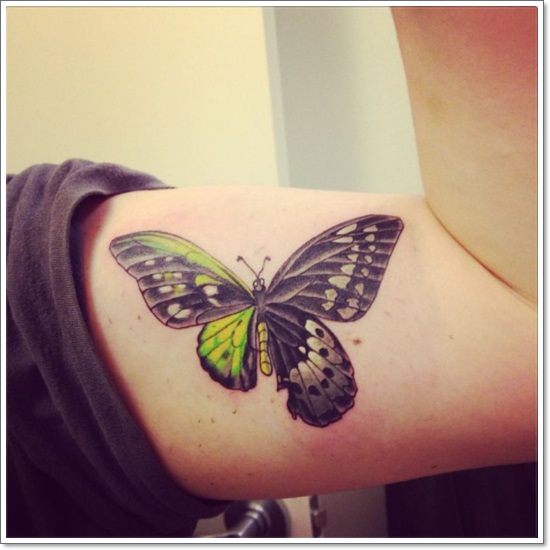
- Swallowtail. Tails on the hindwing give a strong silhouette, which suits long placements like the spine or forearm.
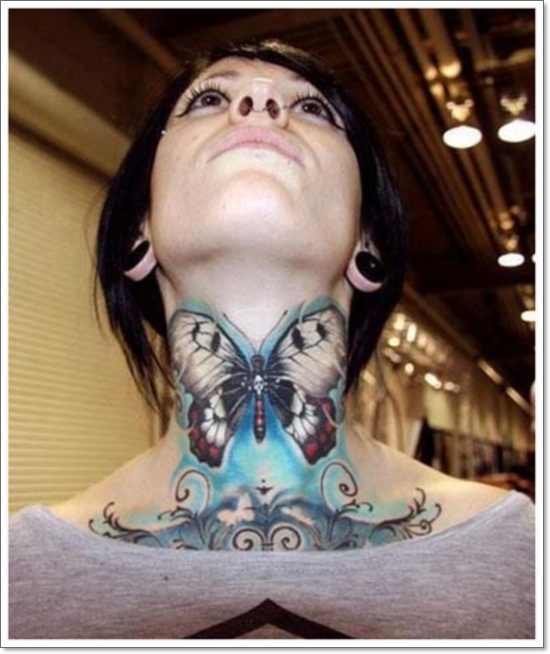
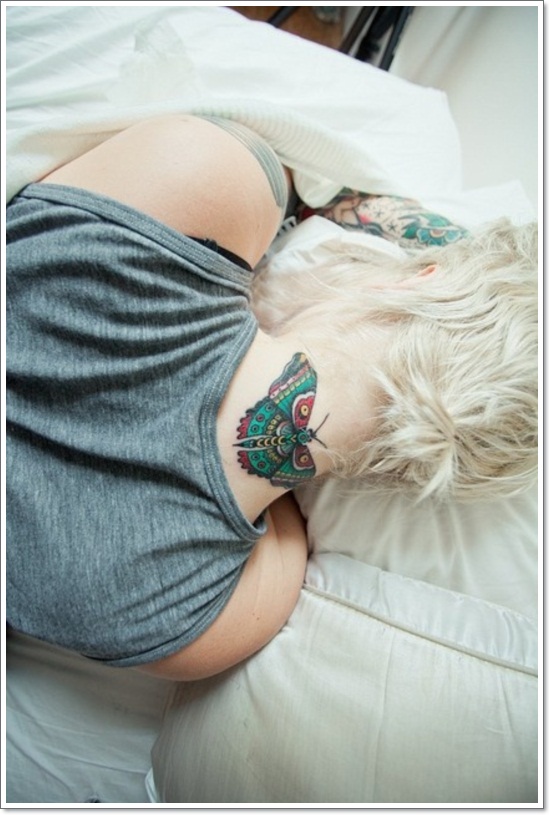
- Luna moth. Pale green, long trailing tails, deeply symmetric. Superb on a sternum or the back of the neck, and less common than a butterfly.
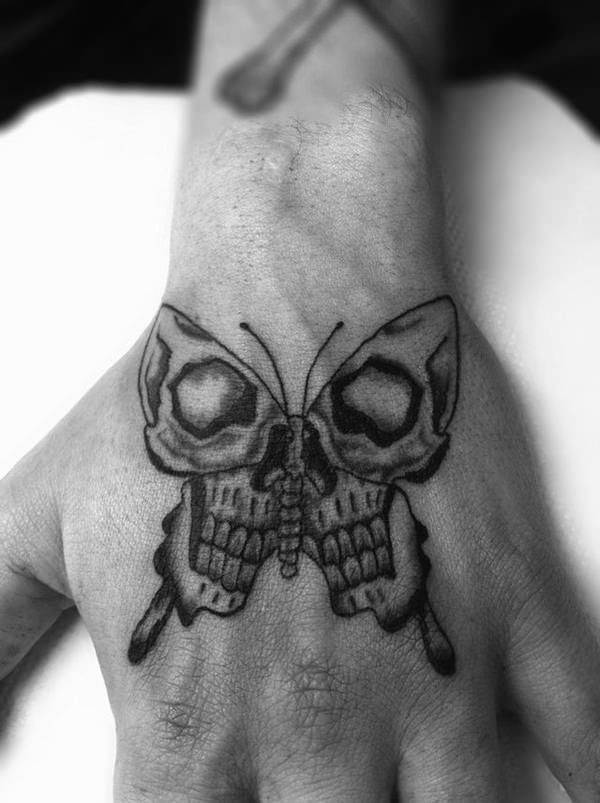
- Death's-head hawkmoth. The skull marking on the thorax. A completely different statement.
- Painted lady, red admiral, peacock butterfly. Common European species, and a butterfly from where you grew up is more personal than any exotic one.
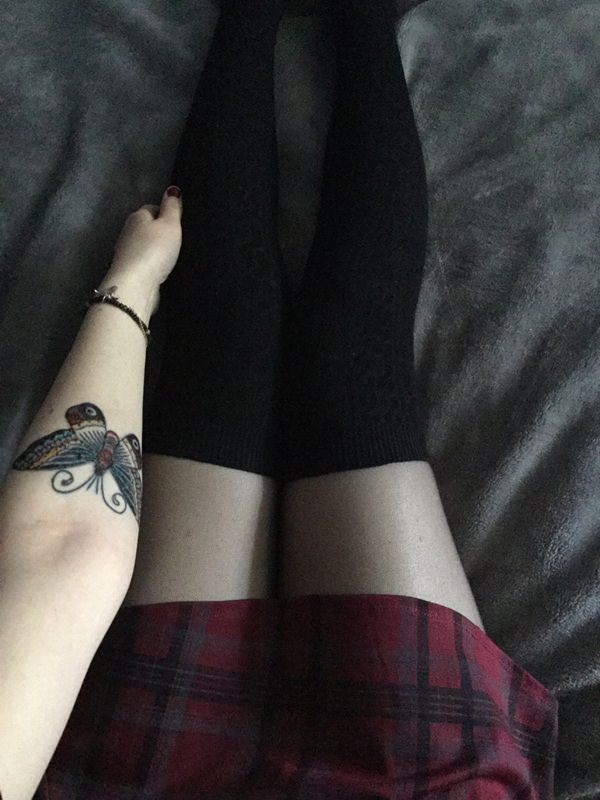
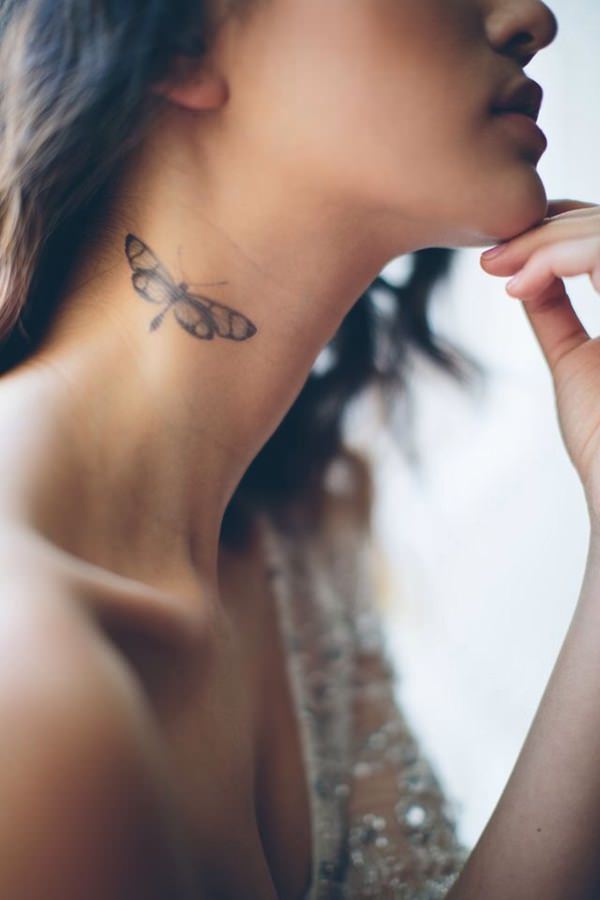
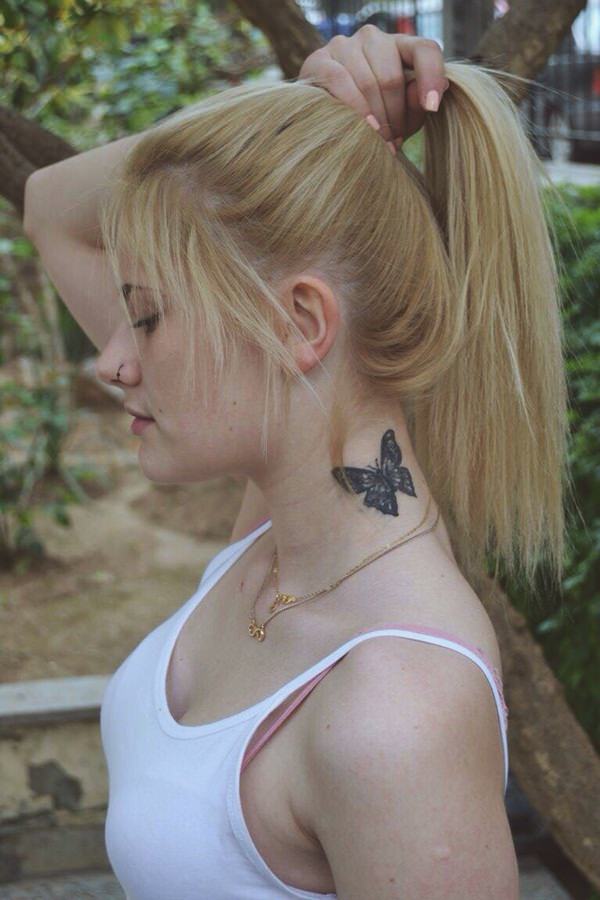
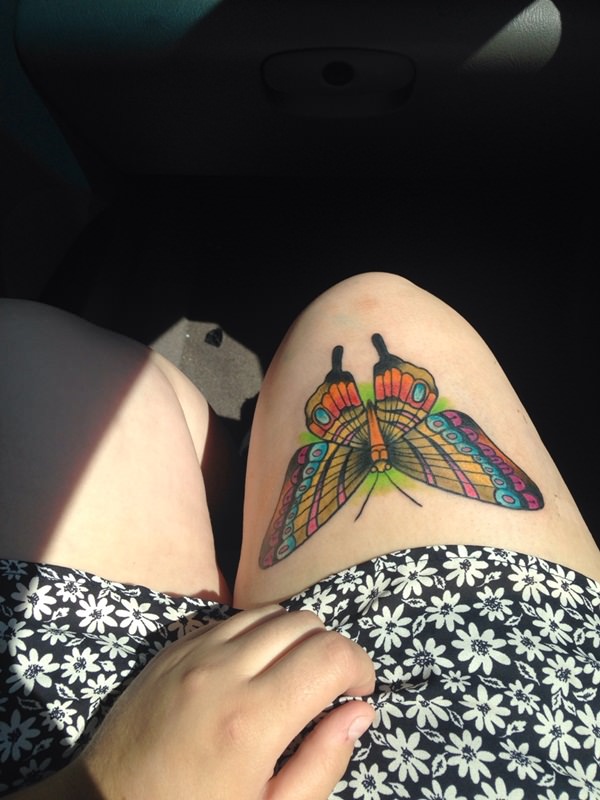
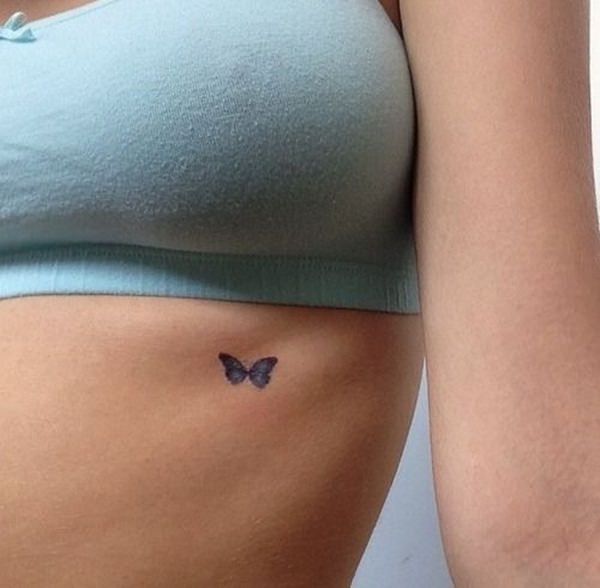
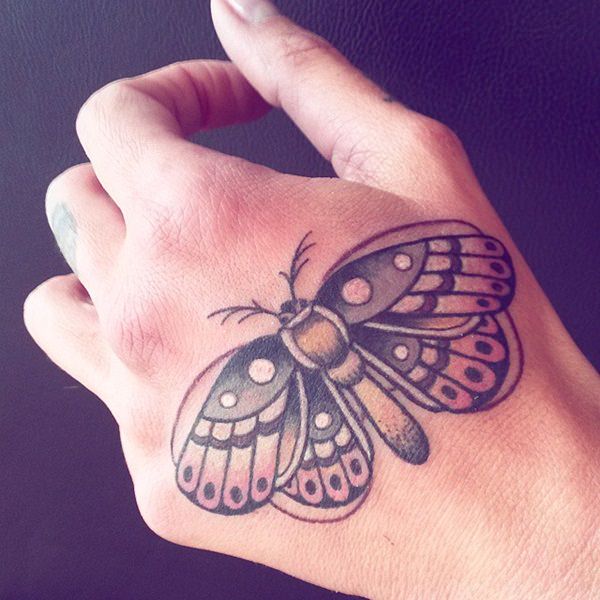
What it means
Transformation, first and most honestly: the insect that dismantles itself completely and comes out as something else. That reading is why the motif recurs so often in recovery, after illness, and after a period someone has come through.
Beyond that: the soul, in Greek - psyche means both butterfly and soul - and in several East Asian traditions. A departed person visiting, in a great deal of folk belief across the world, which is why butterflies are so common in memorial work. And simply lightness and beauty, which needs no justification.
The Japanese tradition treats a single butterfly as a young woman and two as marital happiness. In Mexican tradition the monarch's arrival coincides with Día de Muertos and the butterflies are understood as returning souls.
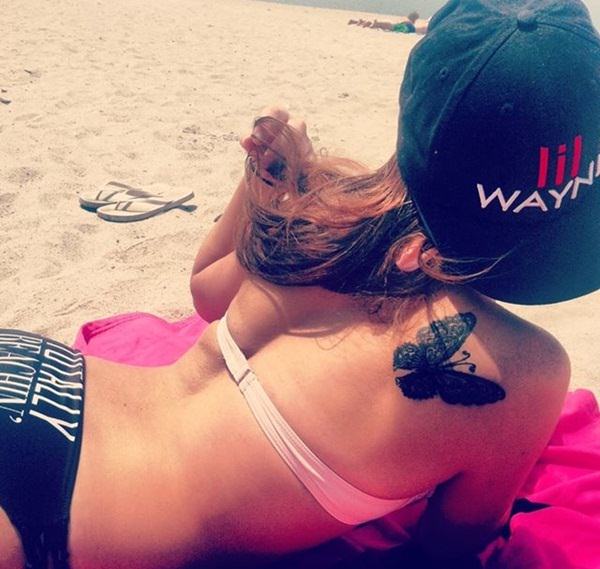
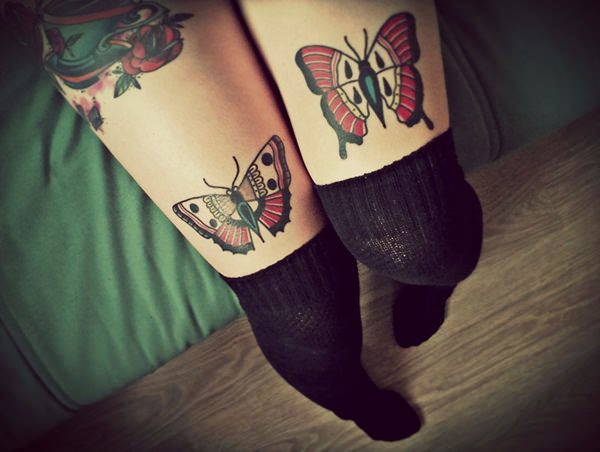
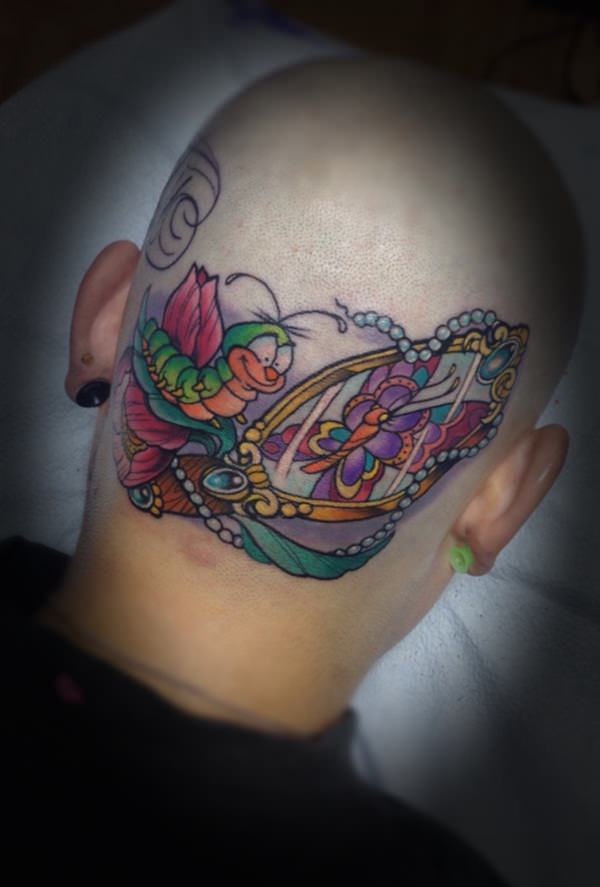
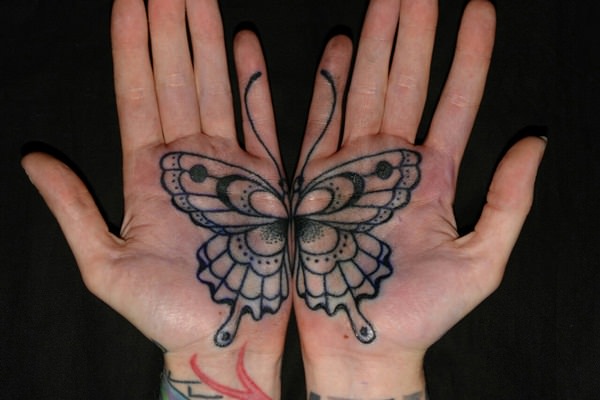
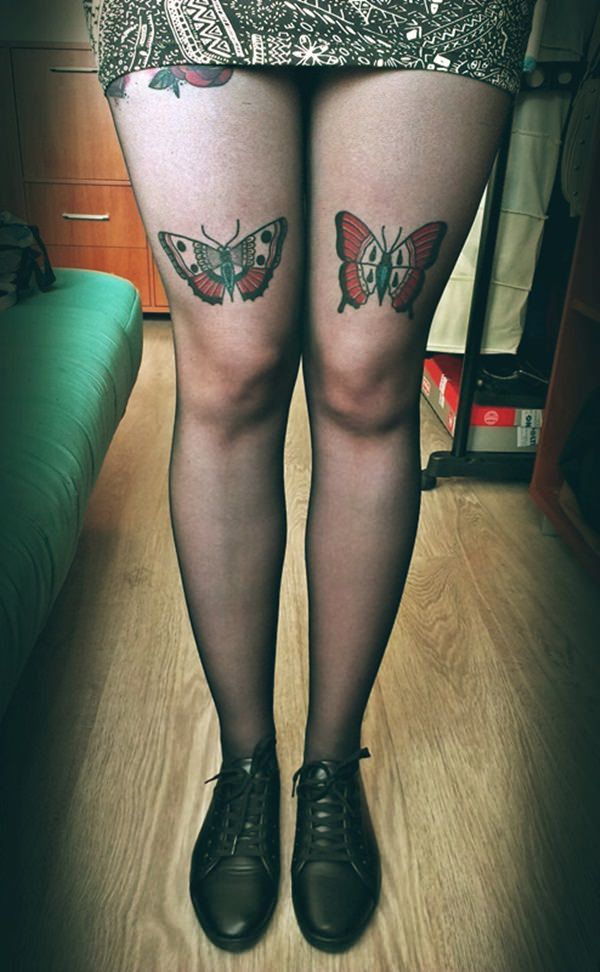
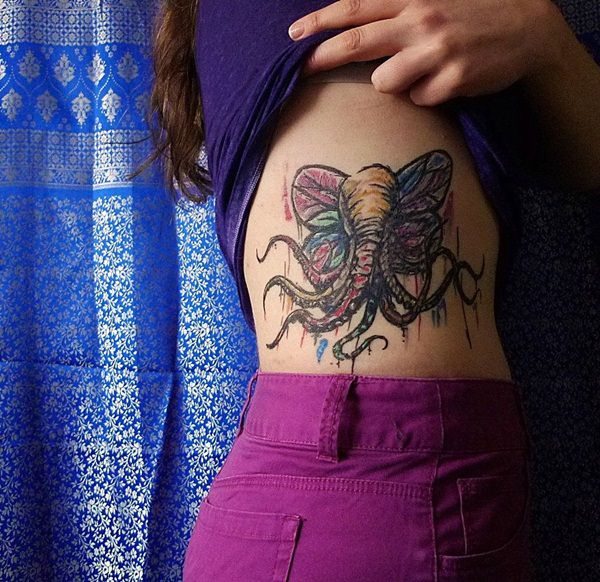
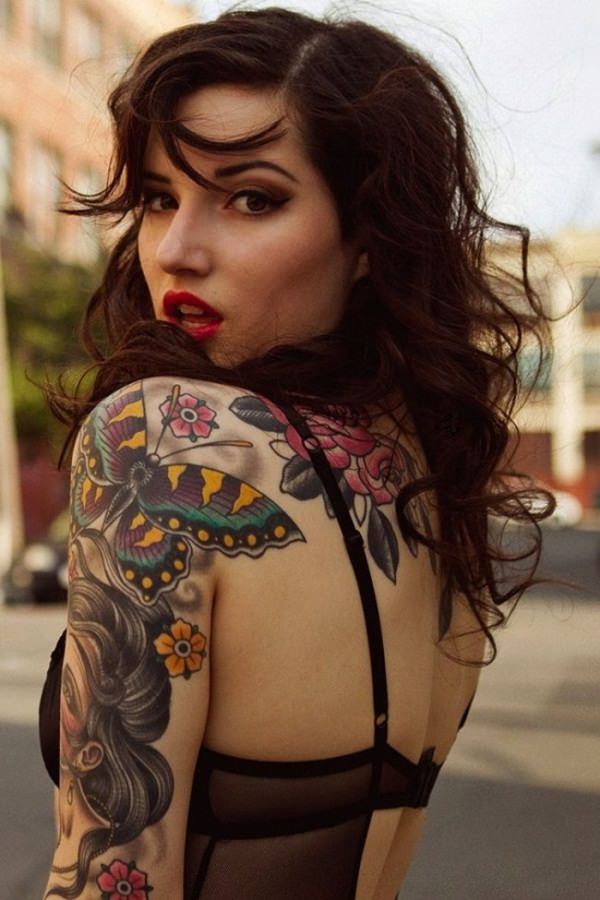
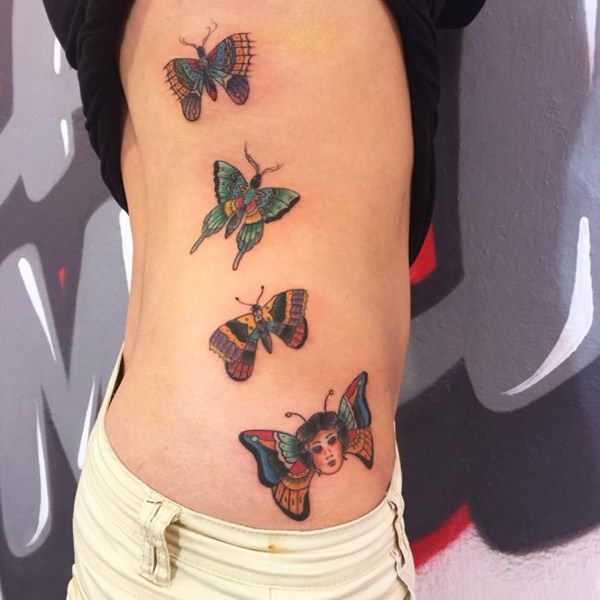
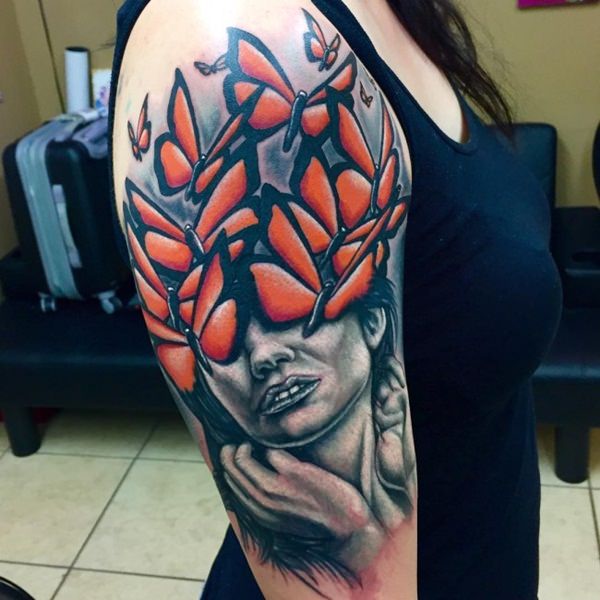
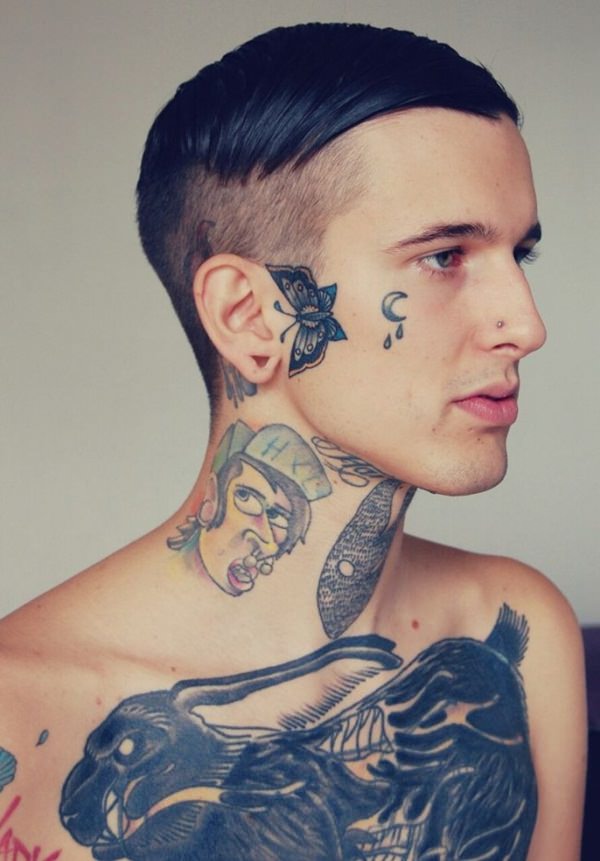
Placement, size and cost
| Design | Typical size | Sittings | Pain, 1-10 | Rough cost |
|---|---|---|---|---|
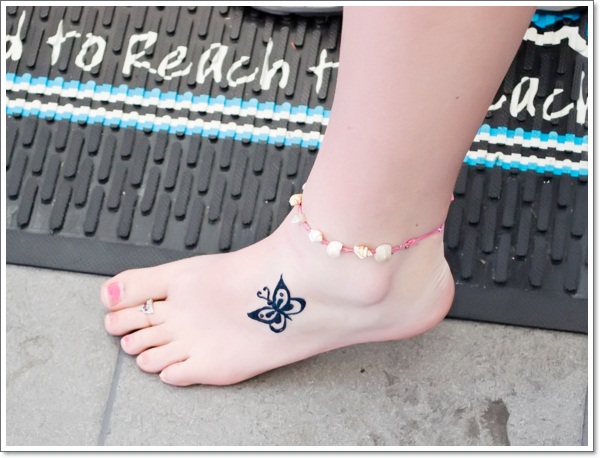
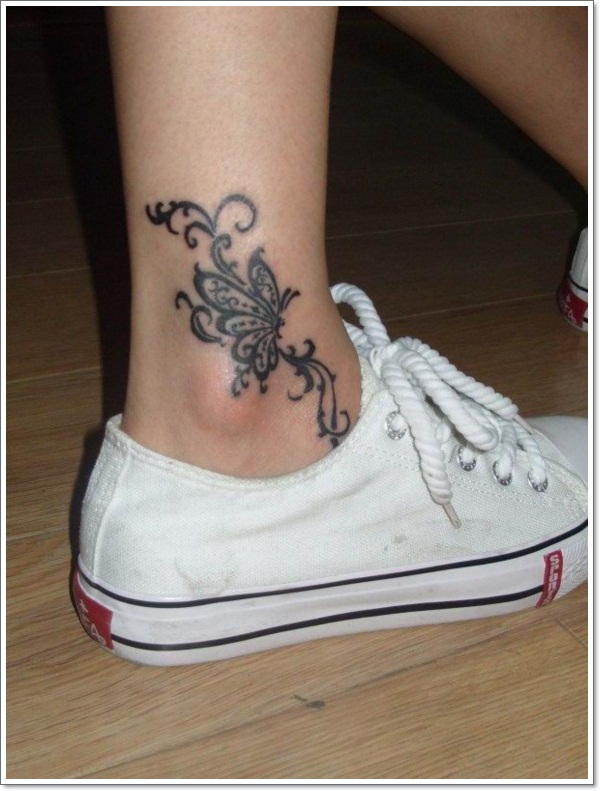
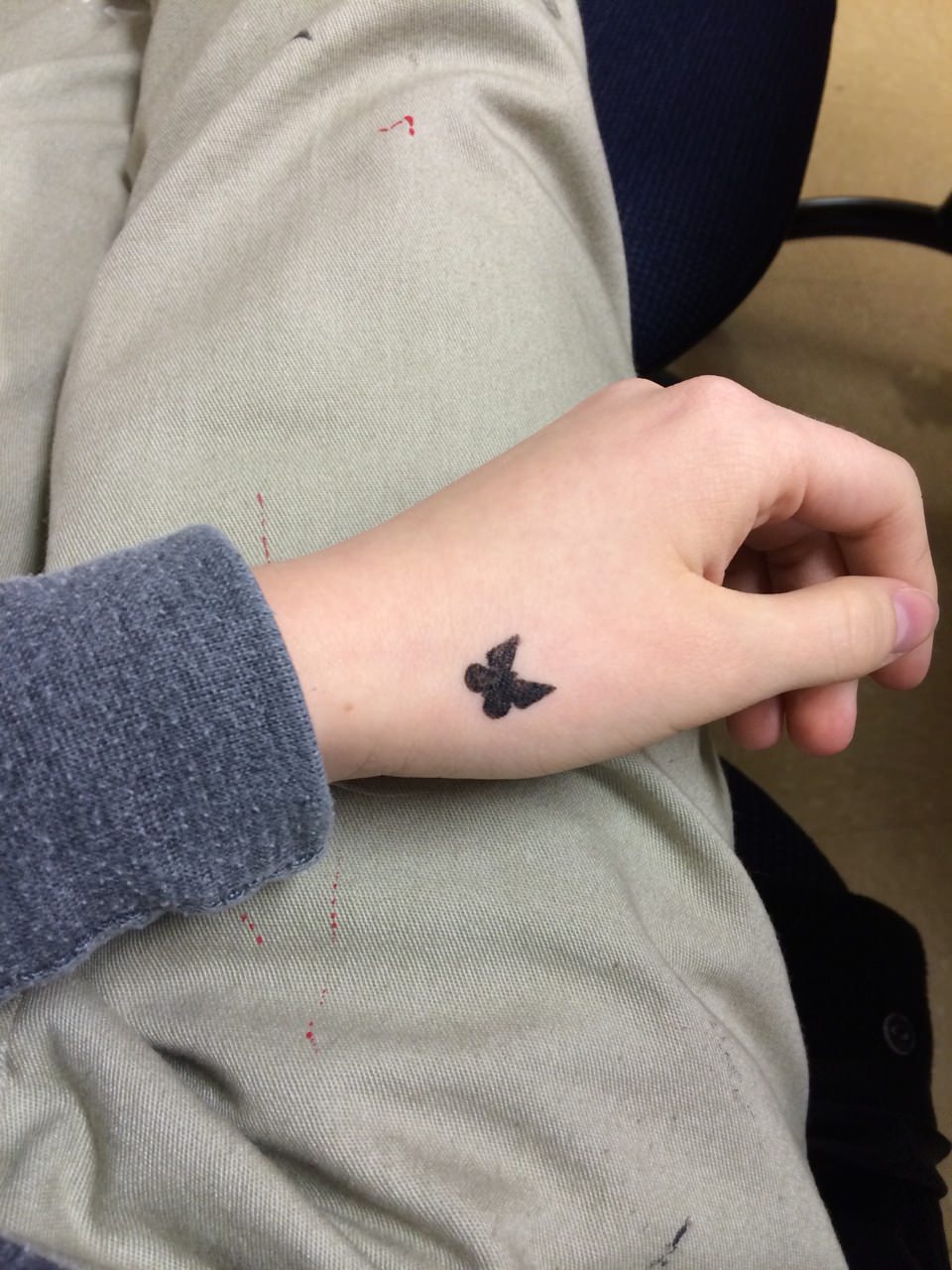
| Small fine-line, wrist or ankle | 1-2 in | 1 | 6-7 | Shop minimum |
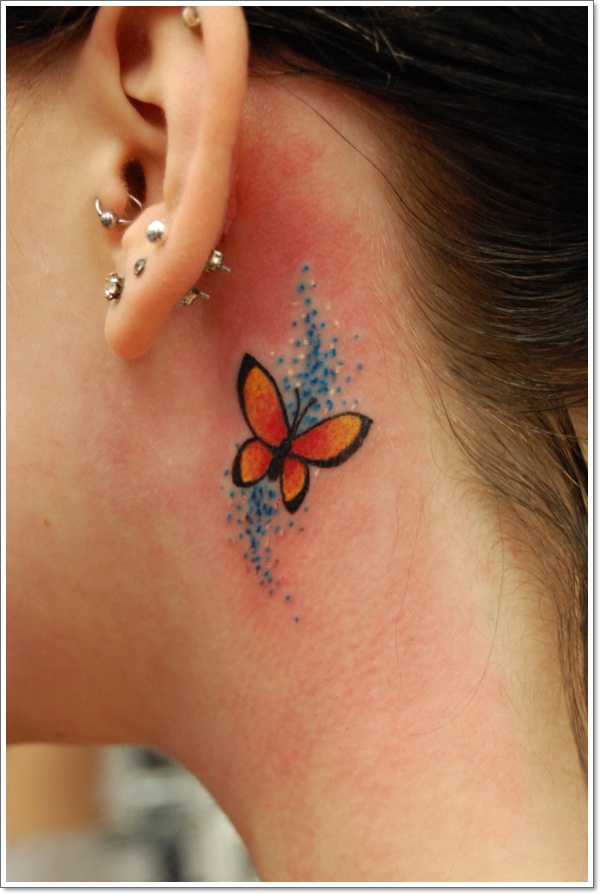
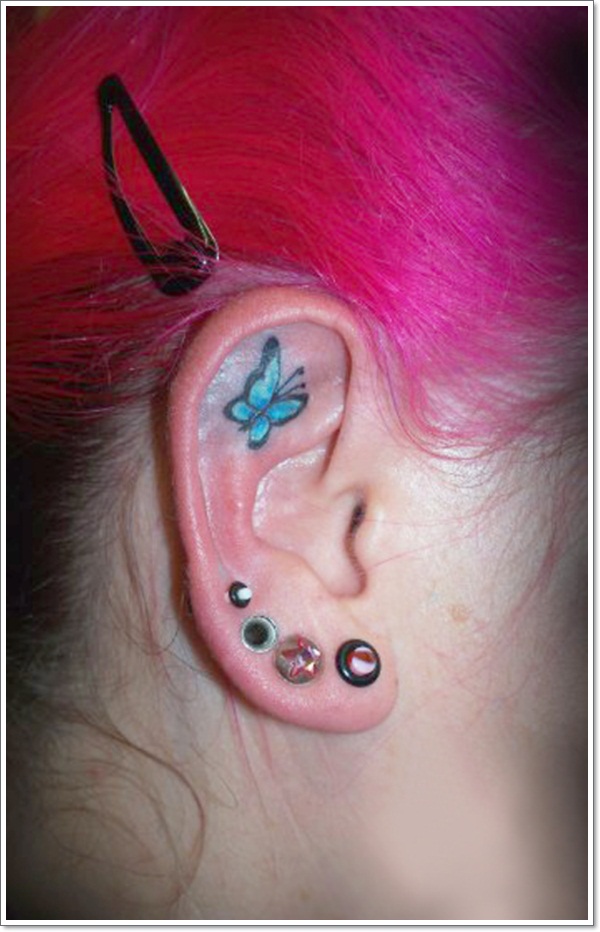
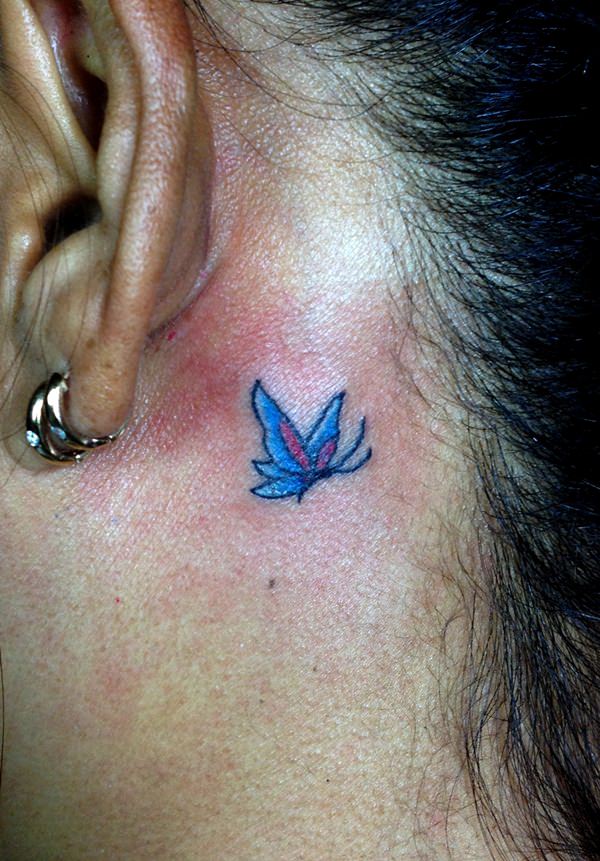
| Behind the ear | 1-1.5 in | 1 | 6-7 | Shop minimum |
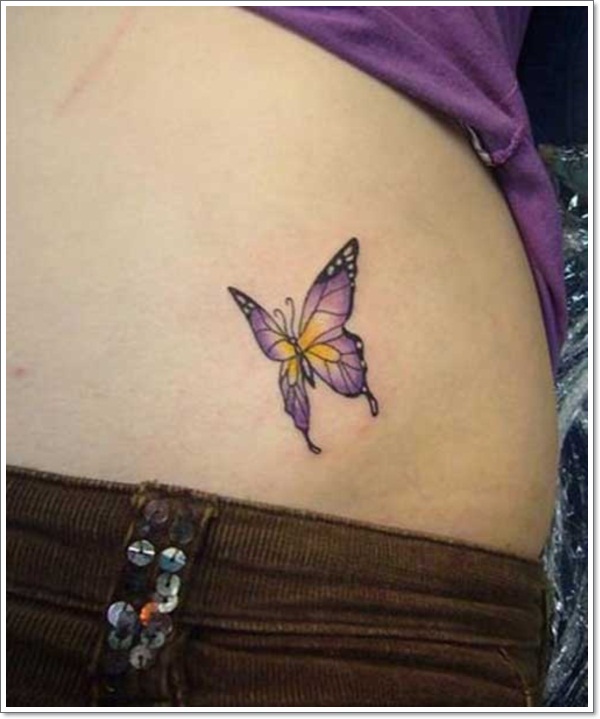
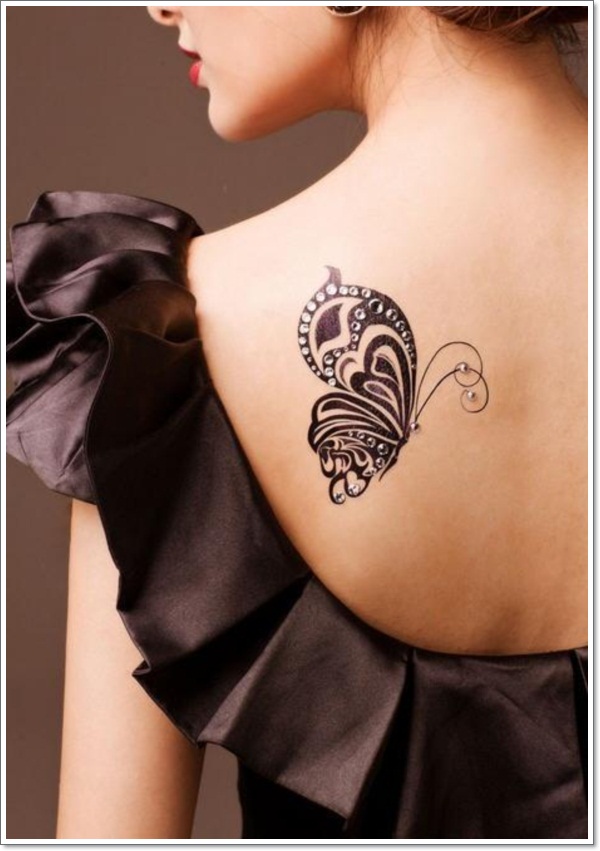
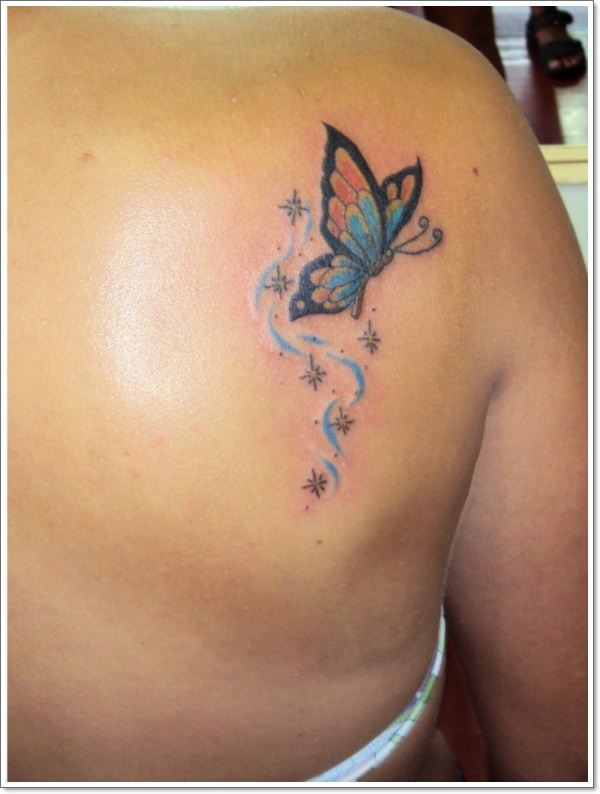
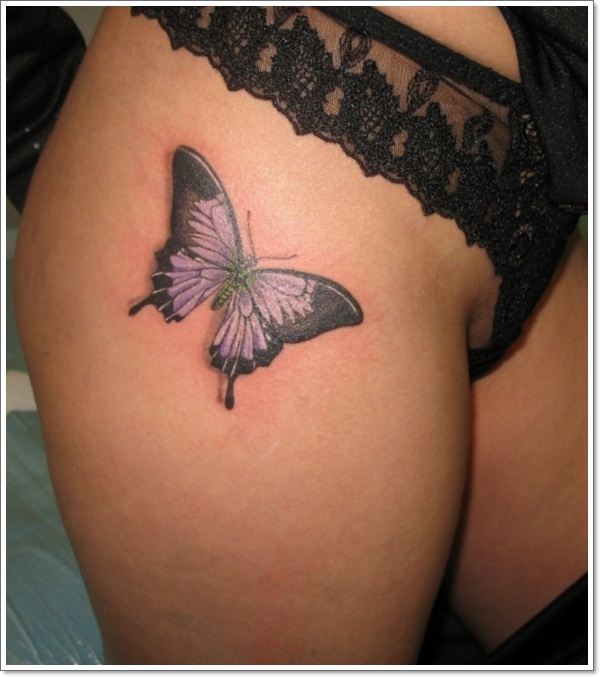
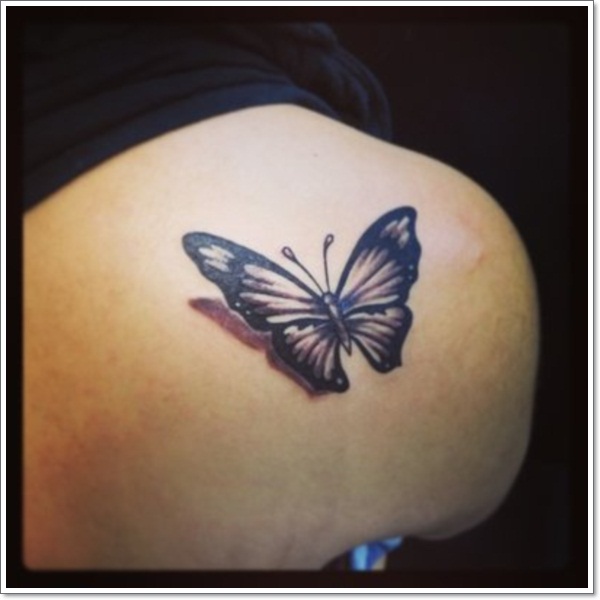
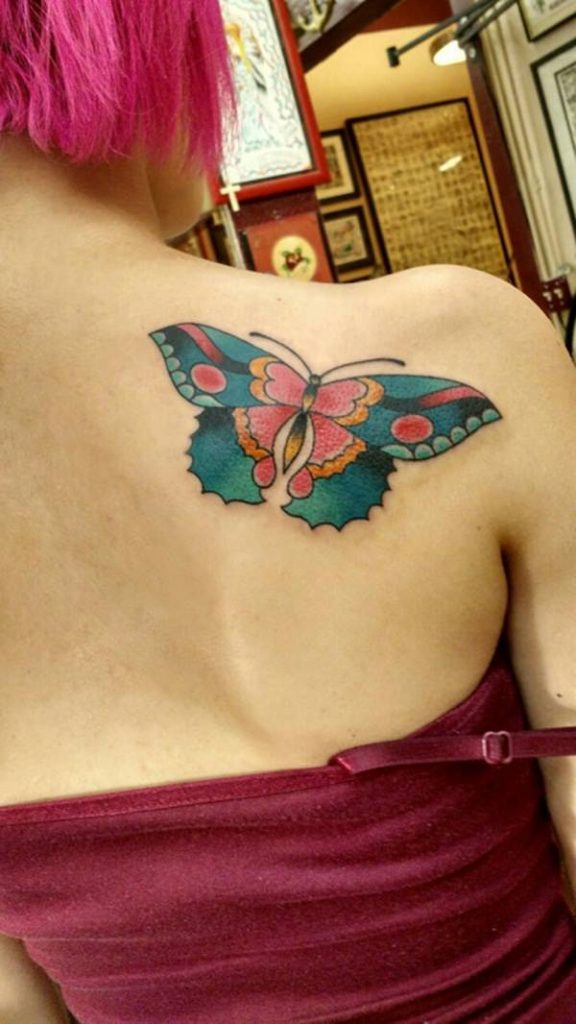
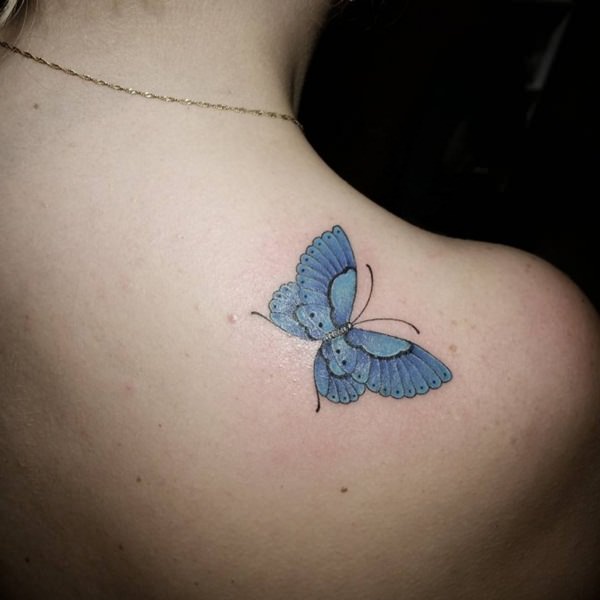
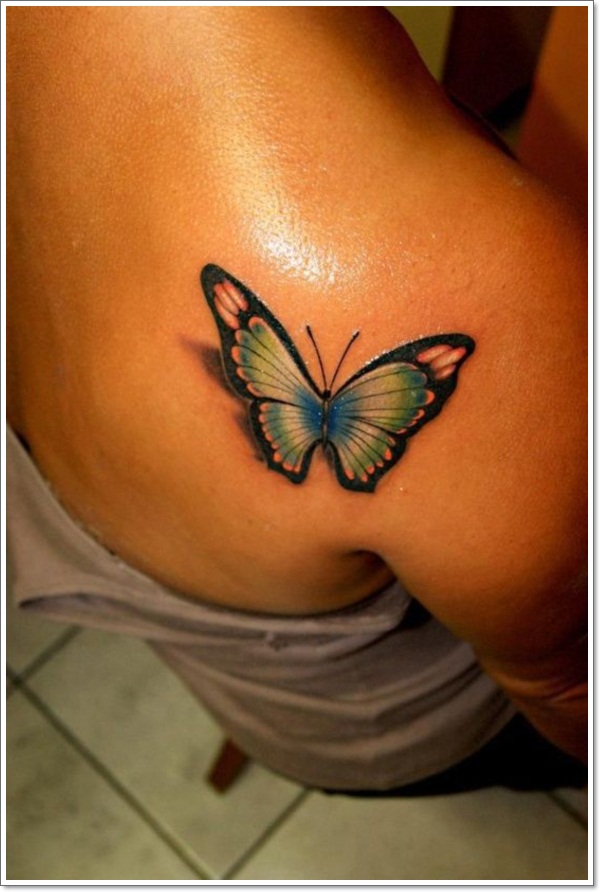
| Shoulder blade or hip | 3-5 in | 1 | 4-5 | $150-$400 |
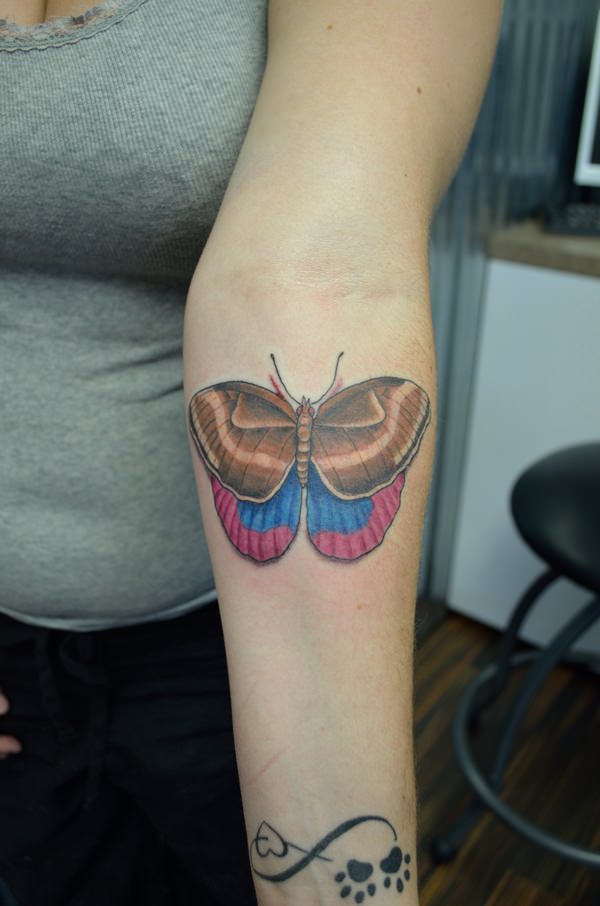
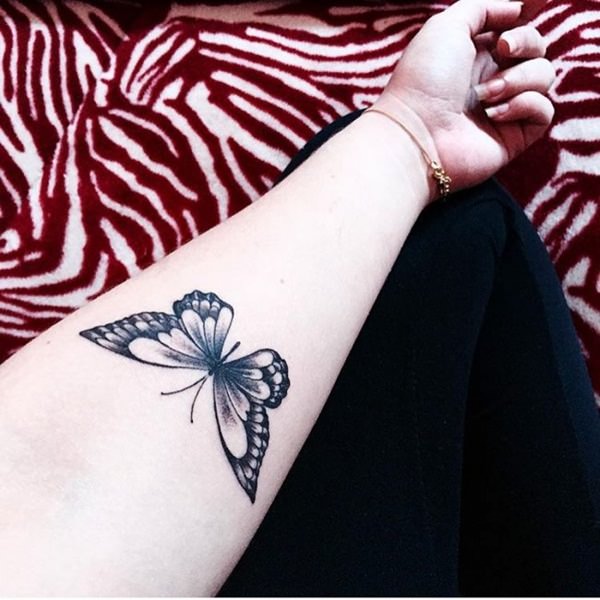
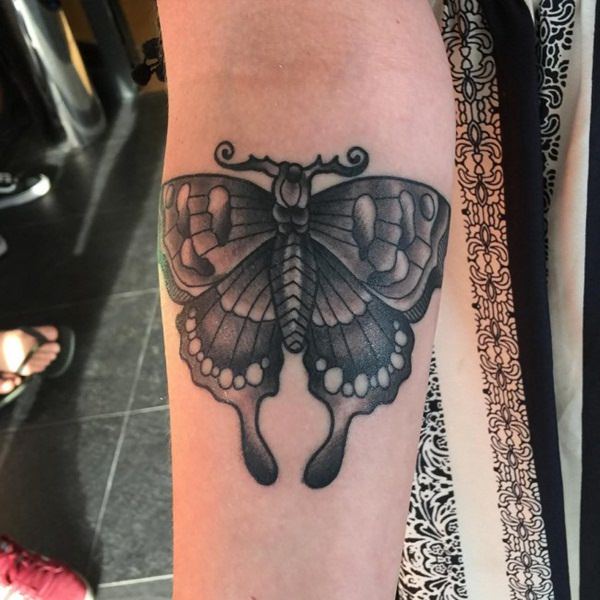
| Forearm, black and grey | 4-6 in | 1-2 | 5-6 | $300-$700 |
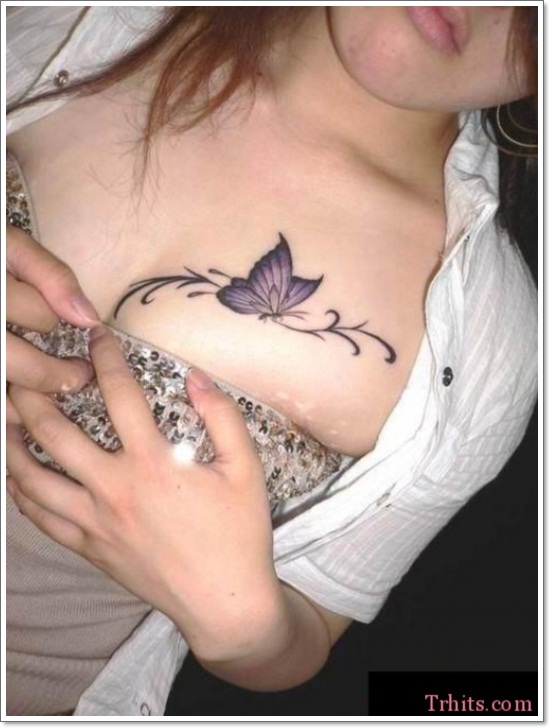
| Sternum, wings spread | 5-8 in | 2 | 8-9 | $600-$1,500 |
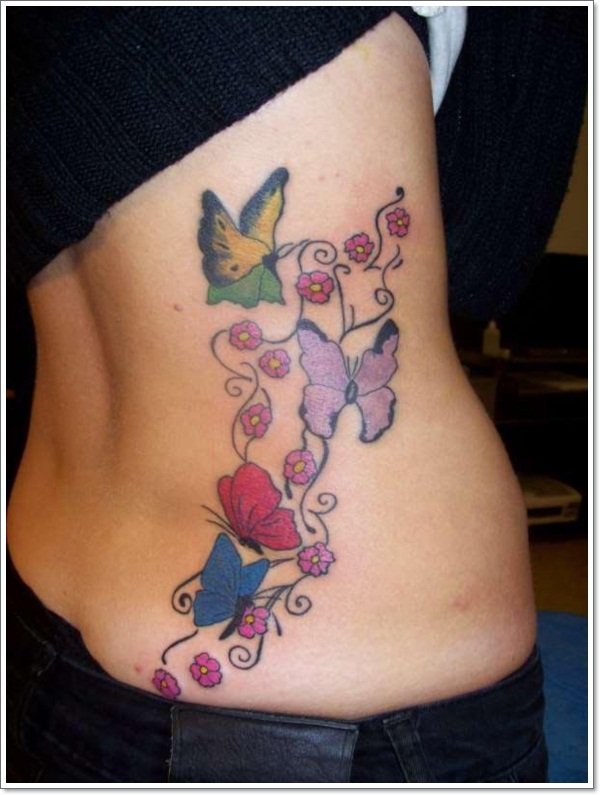
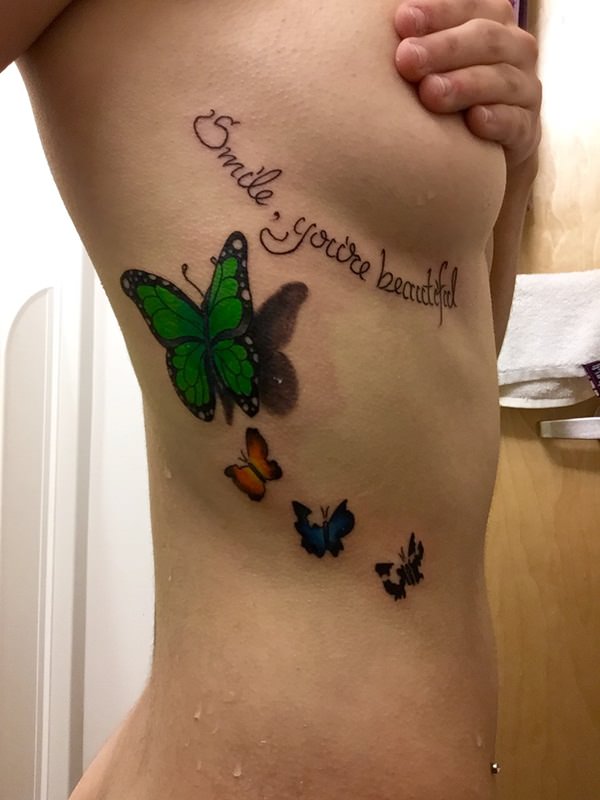
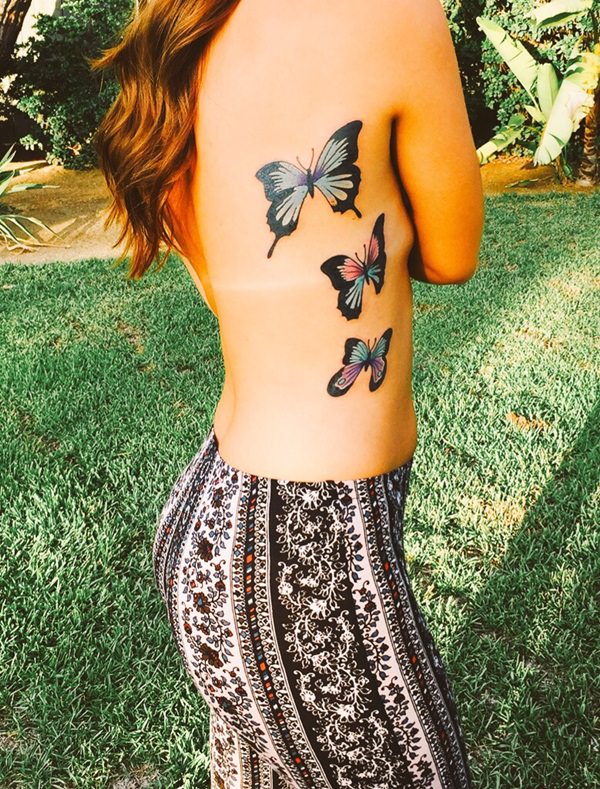
| Ribs | 4-7 in | 1-2 | 8-9 | $400-$1,200 |
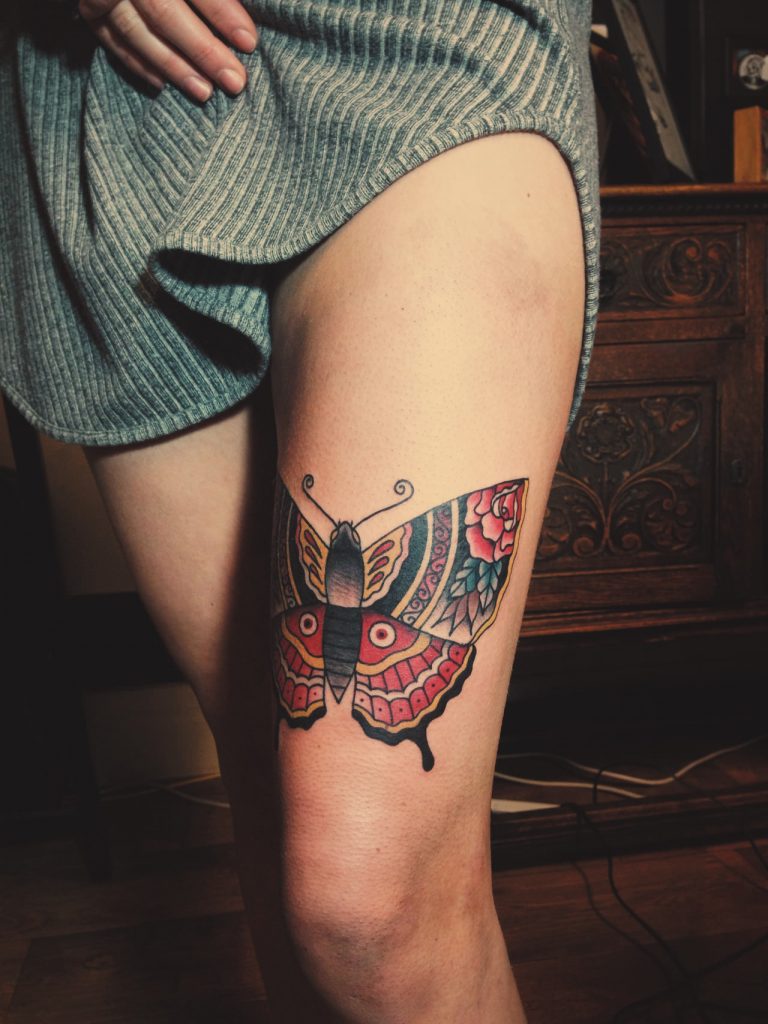
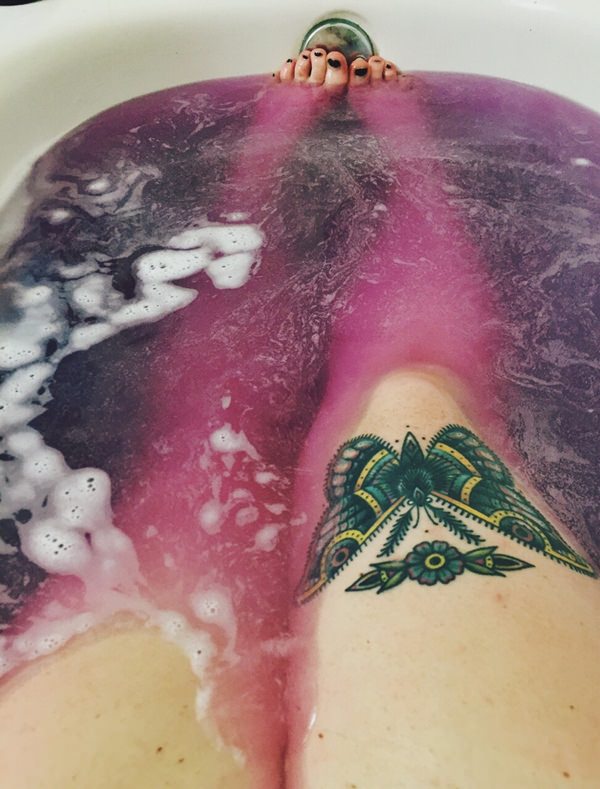
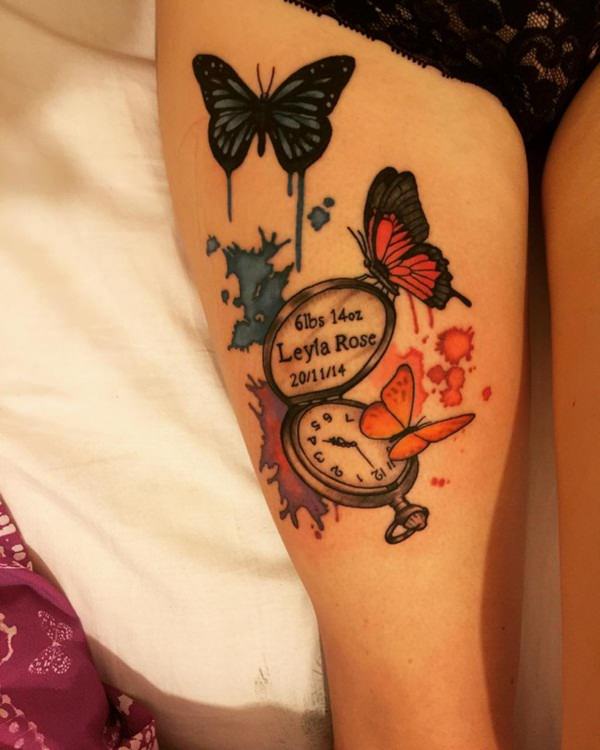
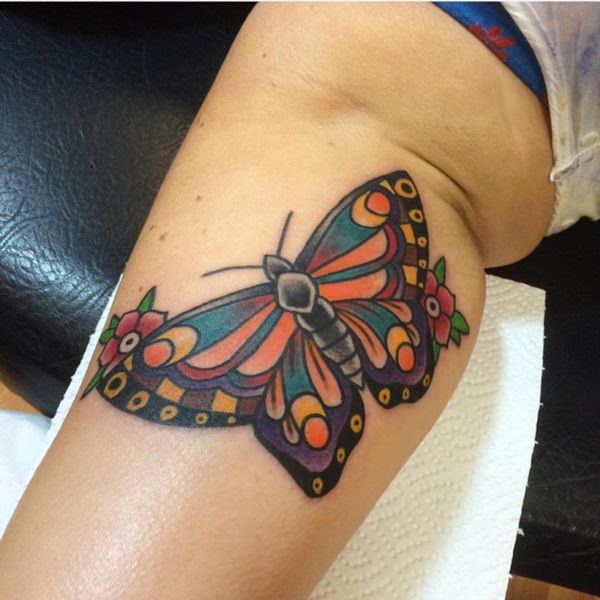
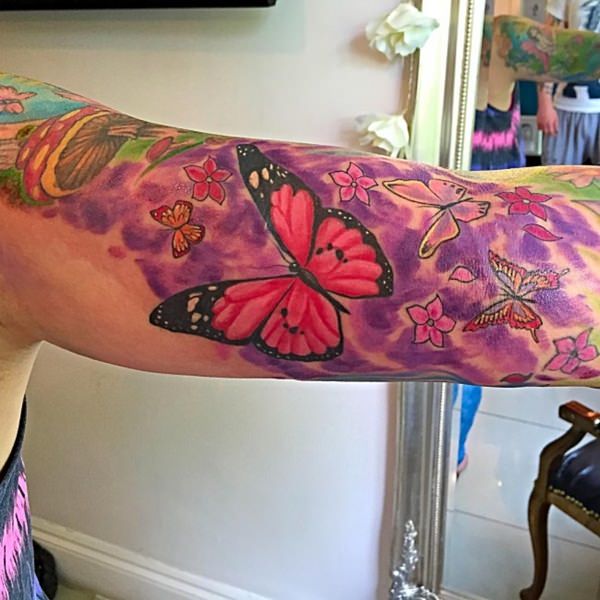
| Thigh, colour with florals | 8-12 in | 2-3 | 3-5 | $900-$2,500 |
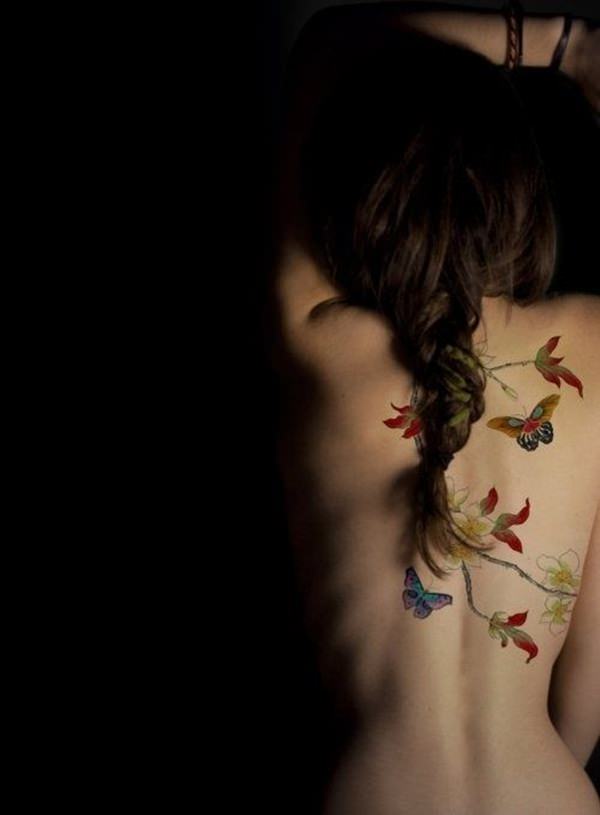
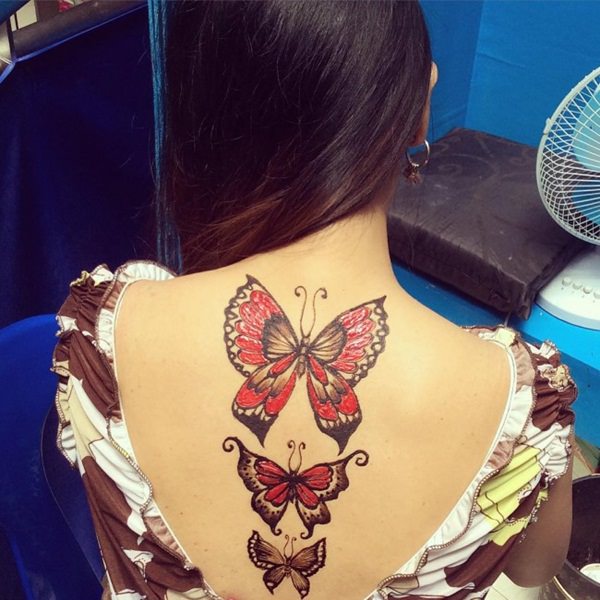
| Back piece, several butterflies | - | 4-8 | 4-6 | $2,000-$6,000 |
Rates vary widely by city and artist. Colour packing drives the sittings; the same design in black and grey is usually shorter and cheaper.
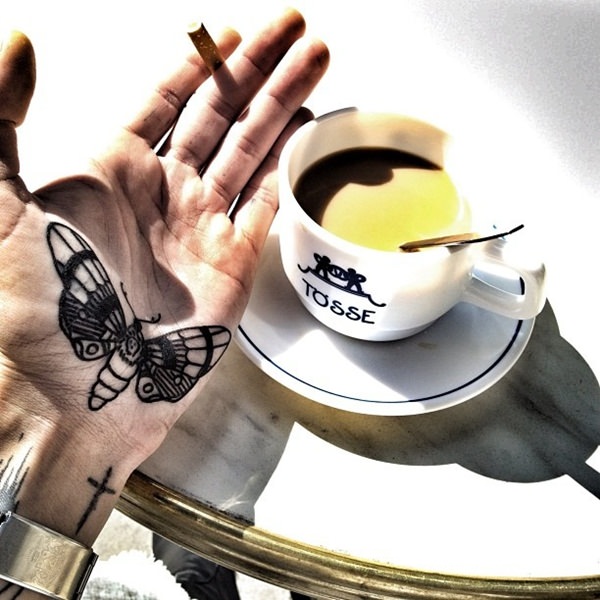
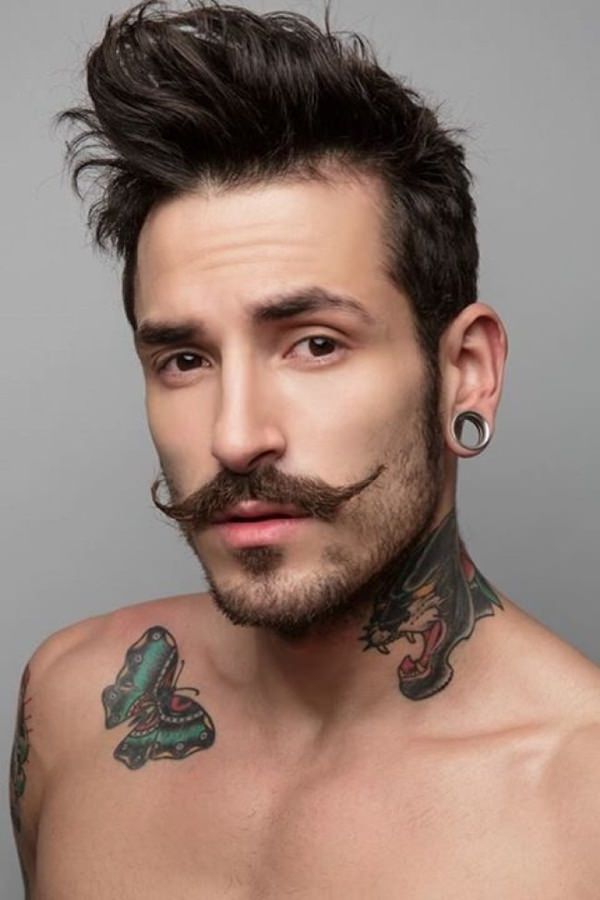
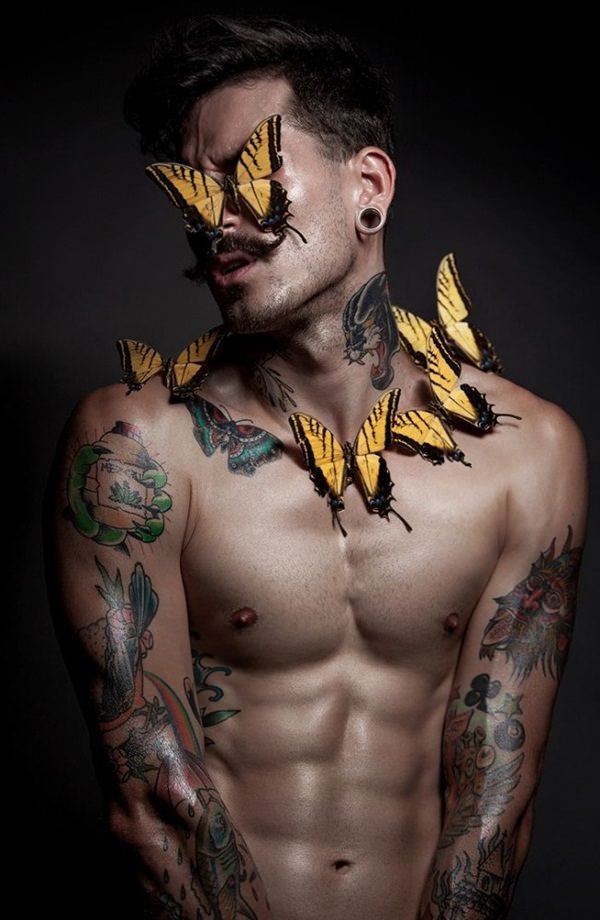
Composition, which is what separates good from generic
Do not make it perfectly symmetric. A butterfly at rest is symmetric; a butterfly in life almost never presents that way. A slight three-quarter angle, one wing further forward, immediately reads as an animal rather than a badge.
Give it a body. The most common failure in butterfly tattoos is wings that do not connect to a thorax. Real butterflies have a substantial furred body, antennae with clubbed tips, and legs. Include them and the tattoo stops looking like a decal.
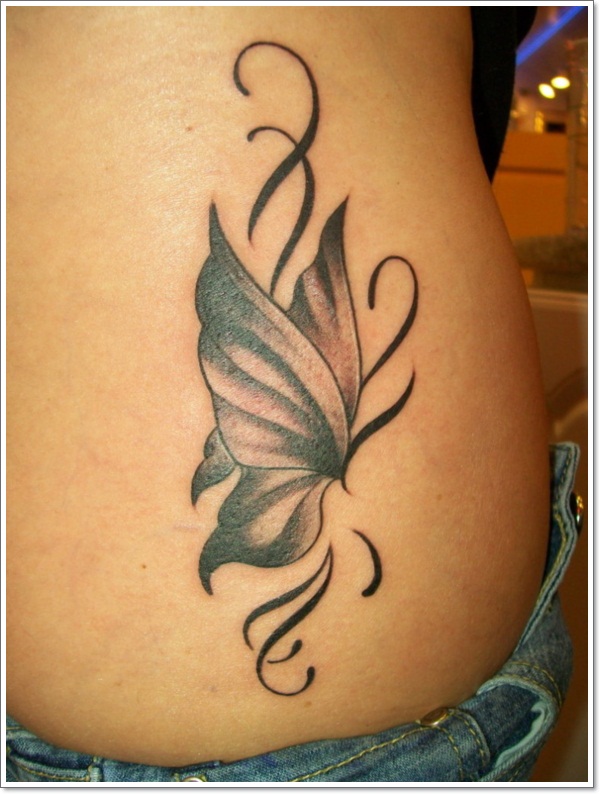
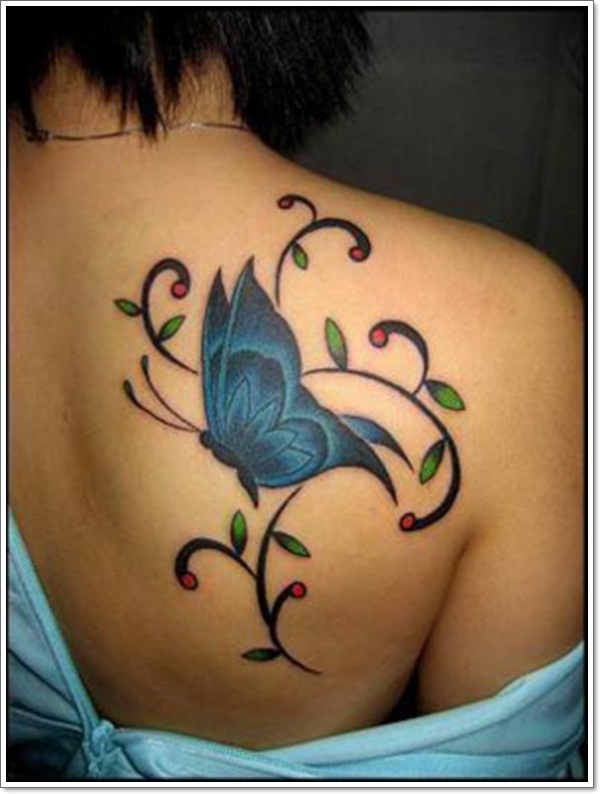
Let it wrap. Butterflies suit curved placements - over a shoulder, around a ribcage, across a sternum. Drawn for the curve rather than flat, they look made for you.
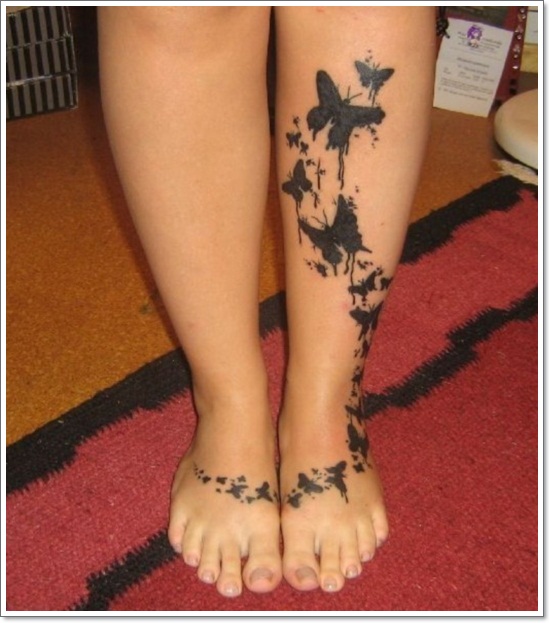
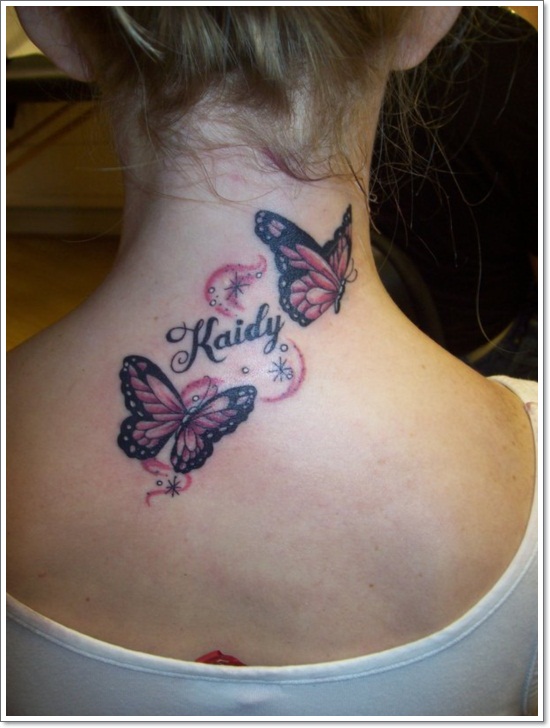
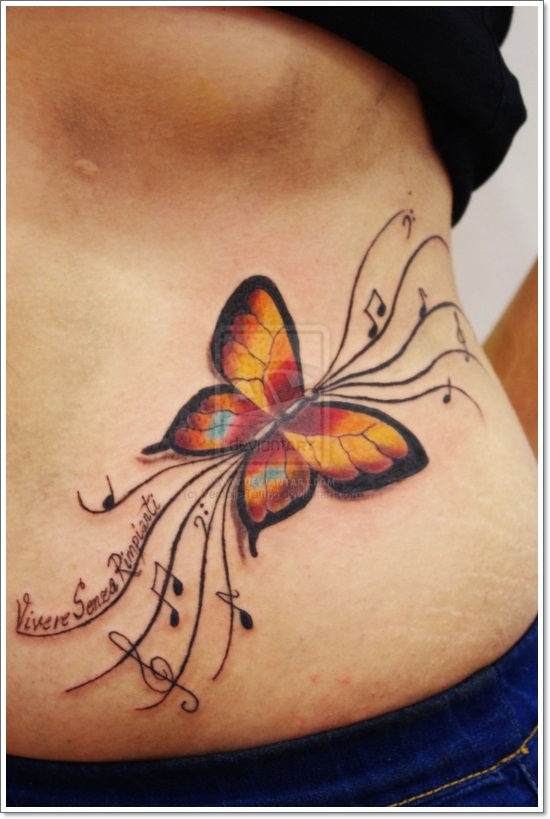
Resist the dot trail. The stream of small dots behind a butterfly is the single most generic element available, and the dots blur into a haze within a decade.
Styles that hold up
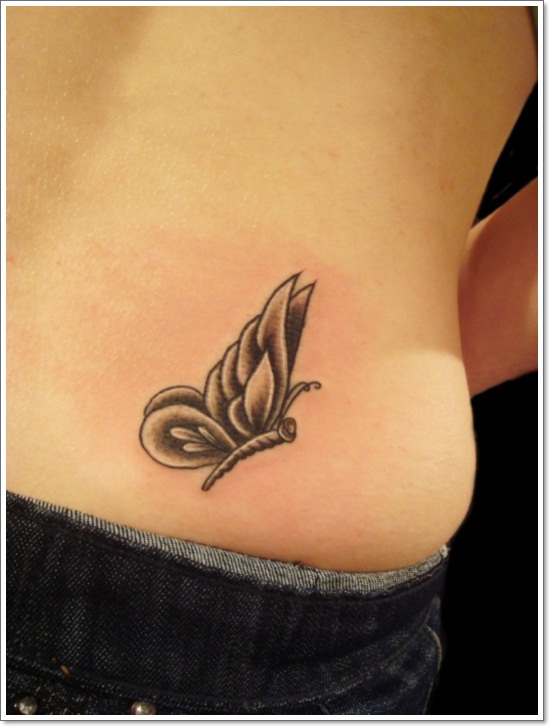
Black and grey realism. Wing structure rendered in tone, no colour to fade. The most durable version by a distance.
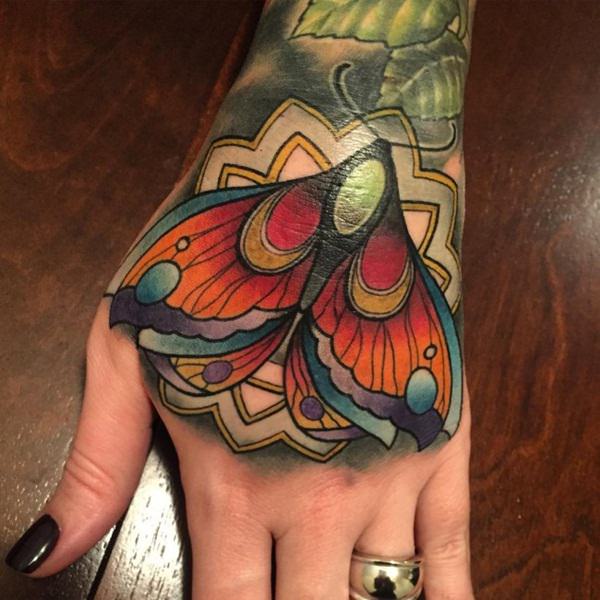
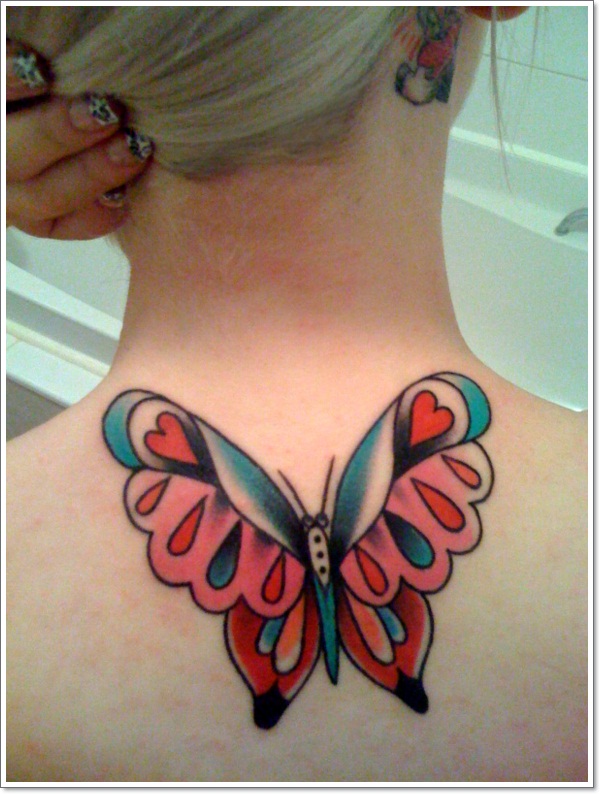
Neo-traditional. Bold outline, controlled palette, decorative wings. Built for longevity and it suits the subject.
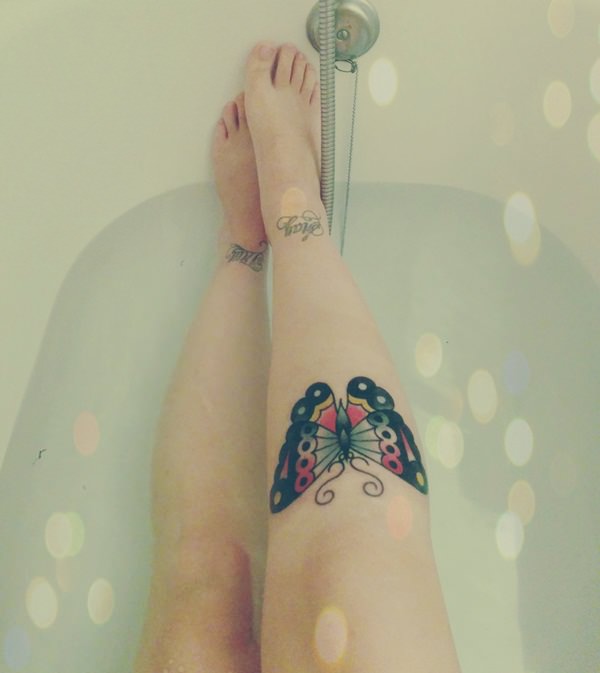
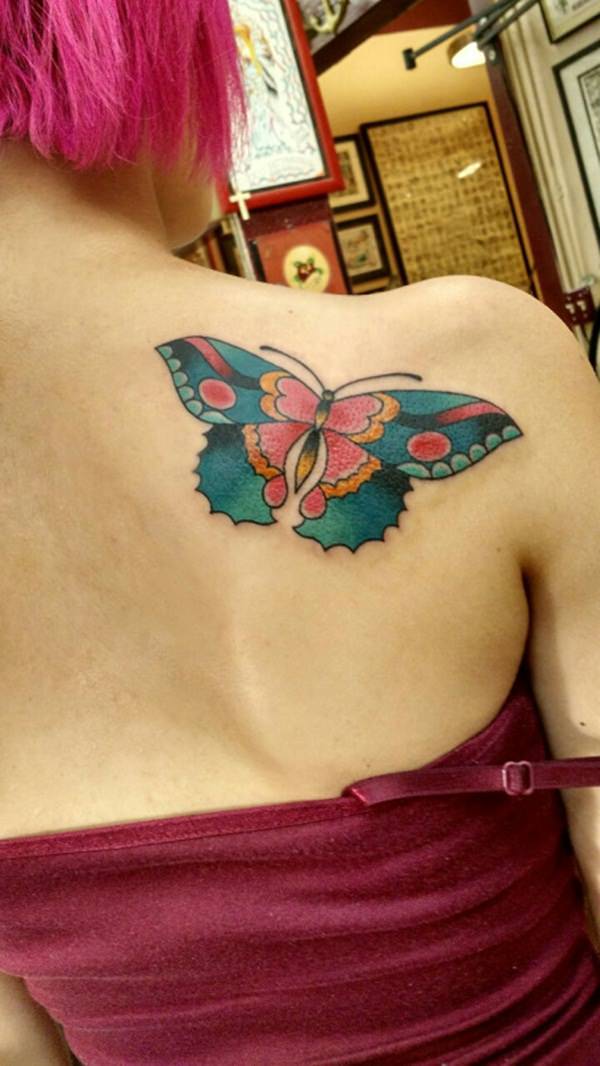
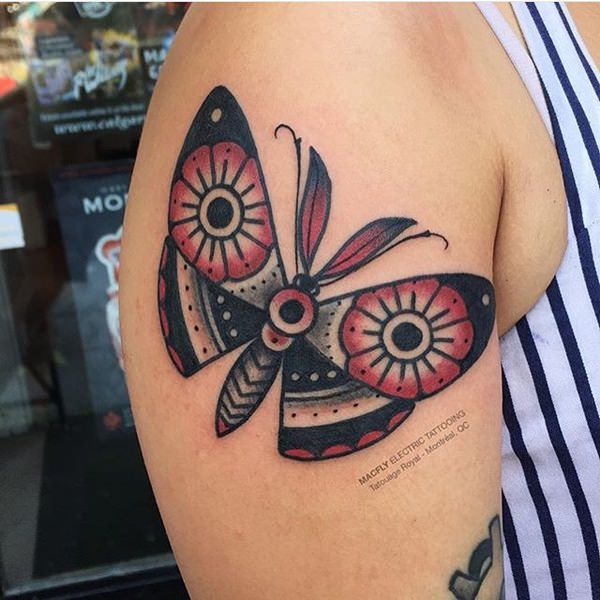
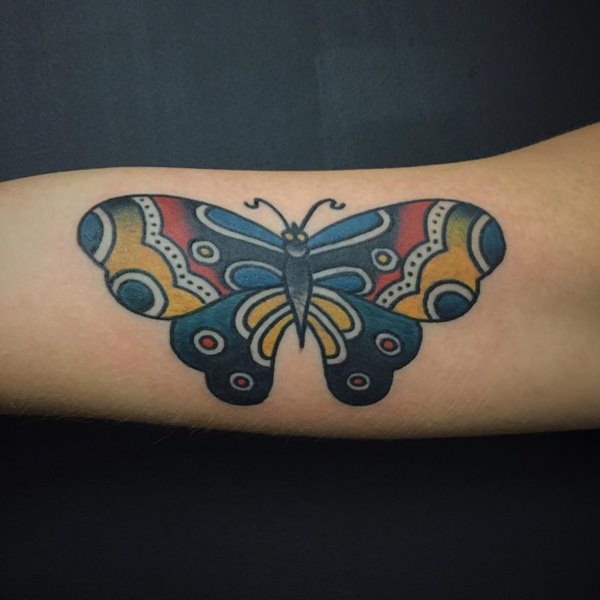
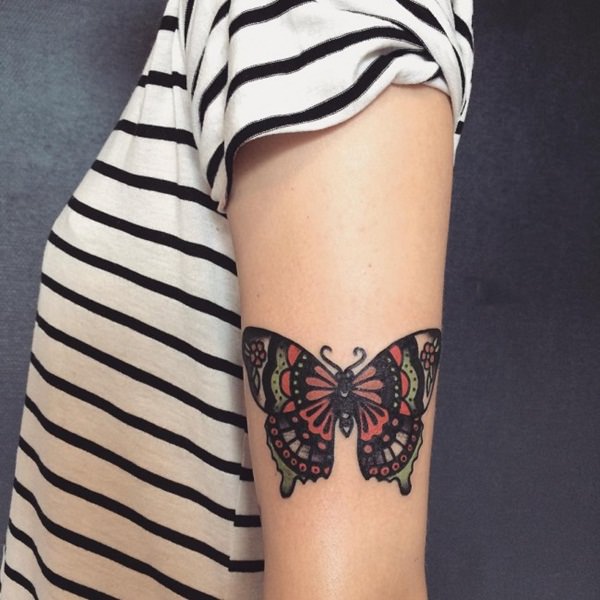
Traditional. Heavy black, simple shapes, classic colour. Nothing ages better and a traditional butterfly is a genuinely handsome tattoo.
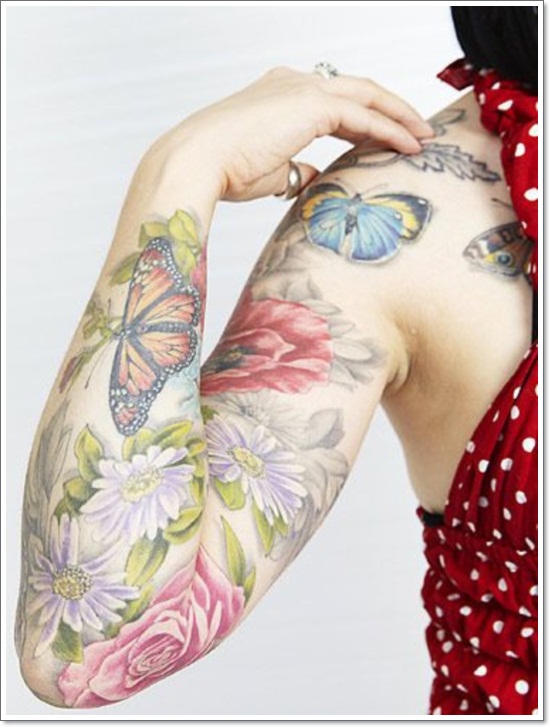
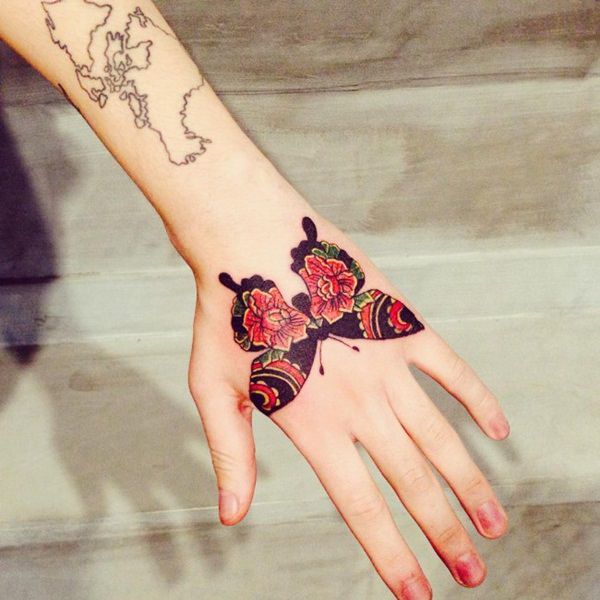
Illustrative with botanicals. Butterfly with peonies, poppies or foliage. The plant work gives the composition weight and covers later fading.
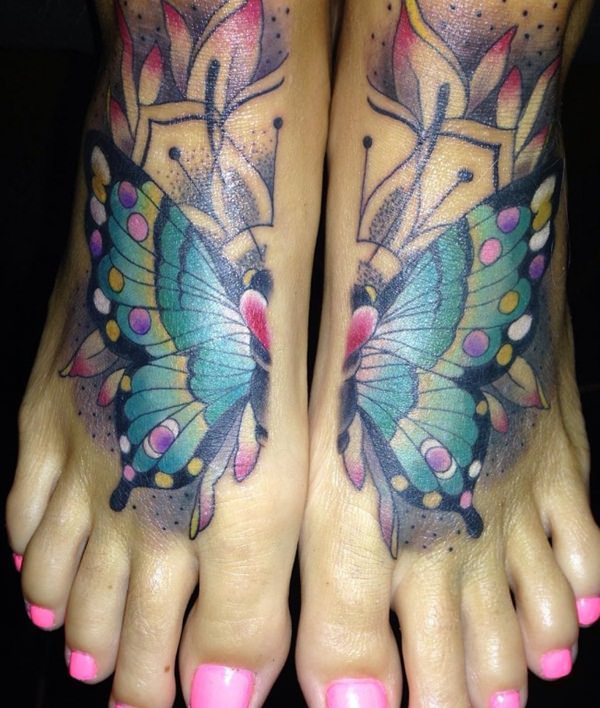
Ornamental. Wings filled with mandala or filigree work rather than naturalistic pattern.
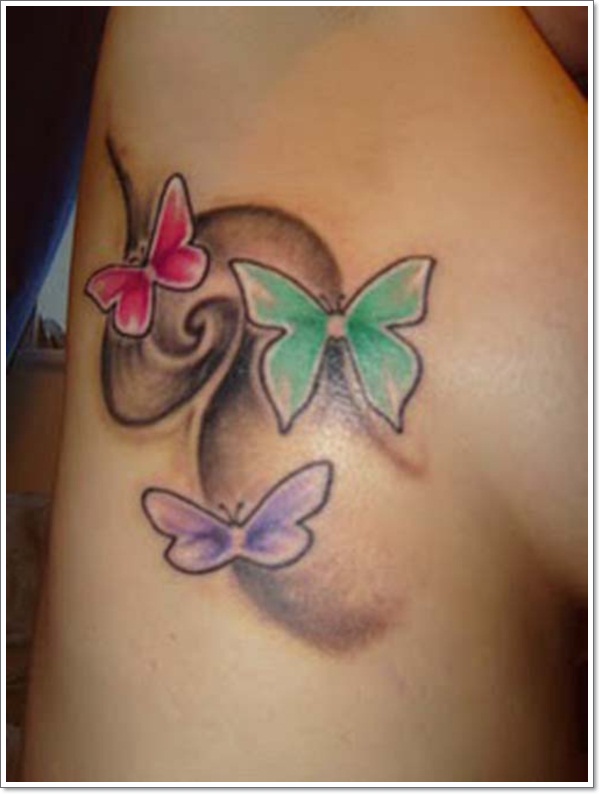
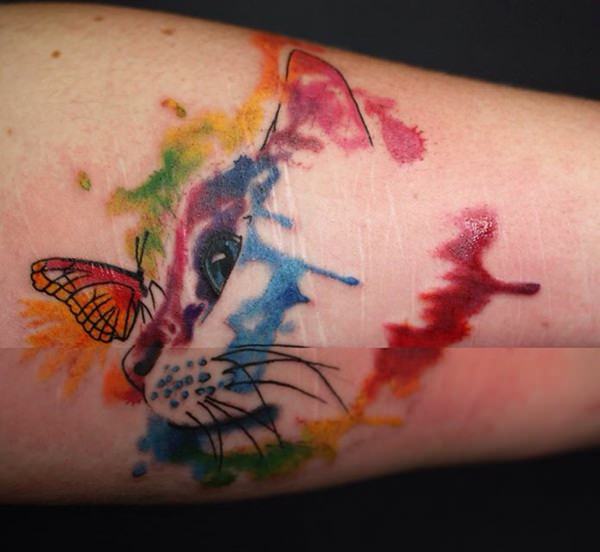
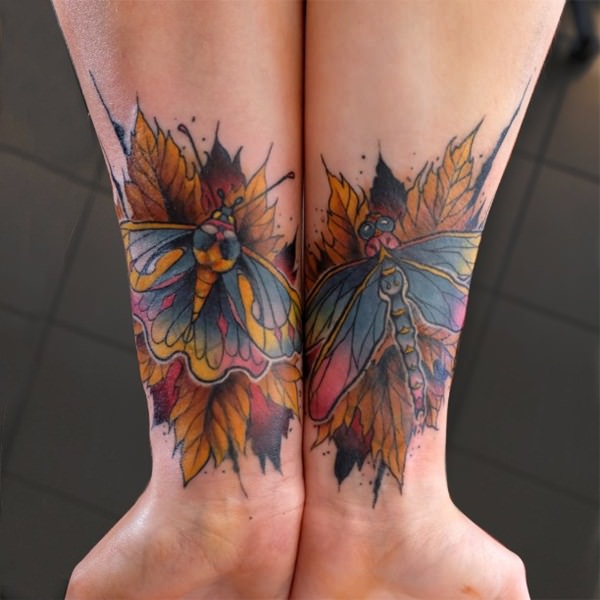
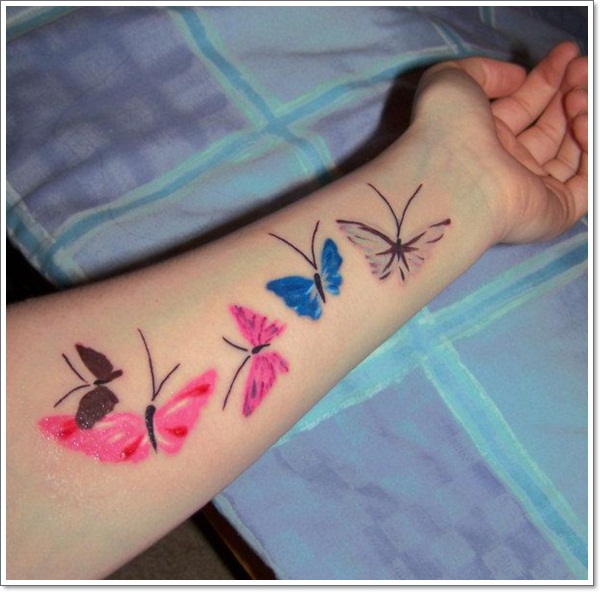
Watercolour. Beautiful for about five years. Splashes with no black line structure fade to vague colour and there is nothing to touch up. If you love the look, ask for black-and-grey bones underneath - it keeps the effect and gives the tattoo something to hold on to.
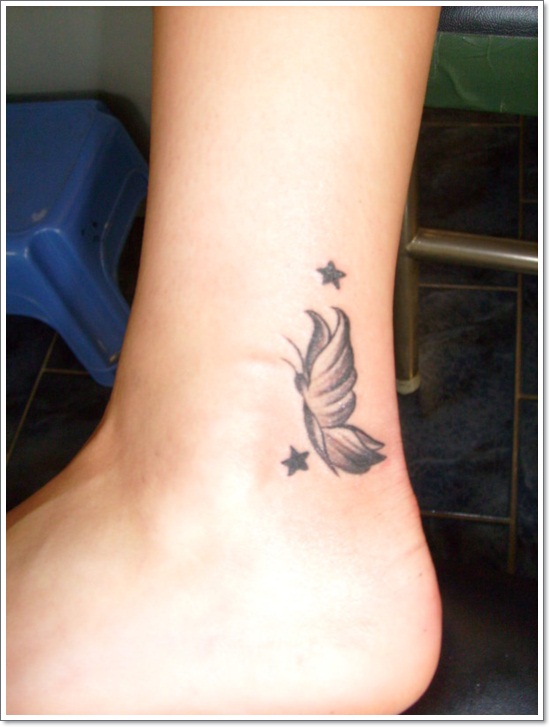
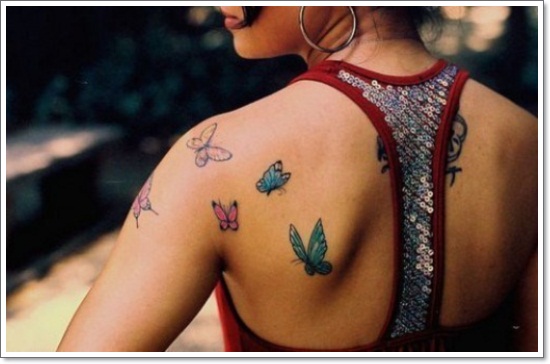
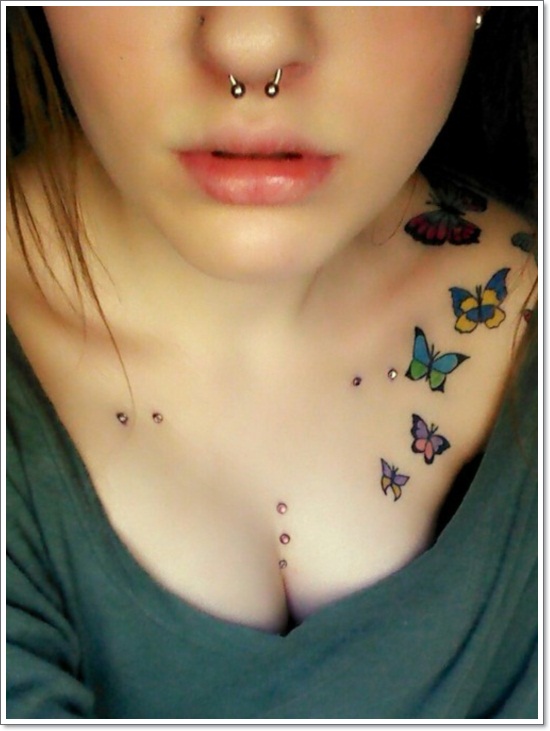
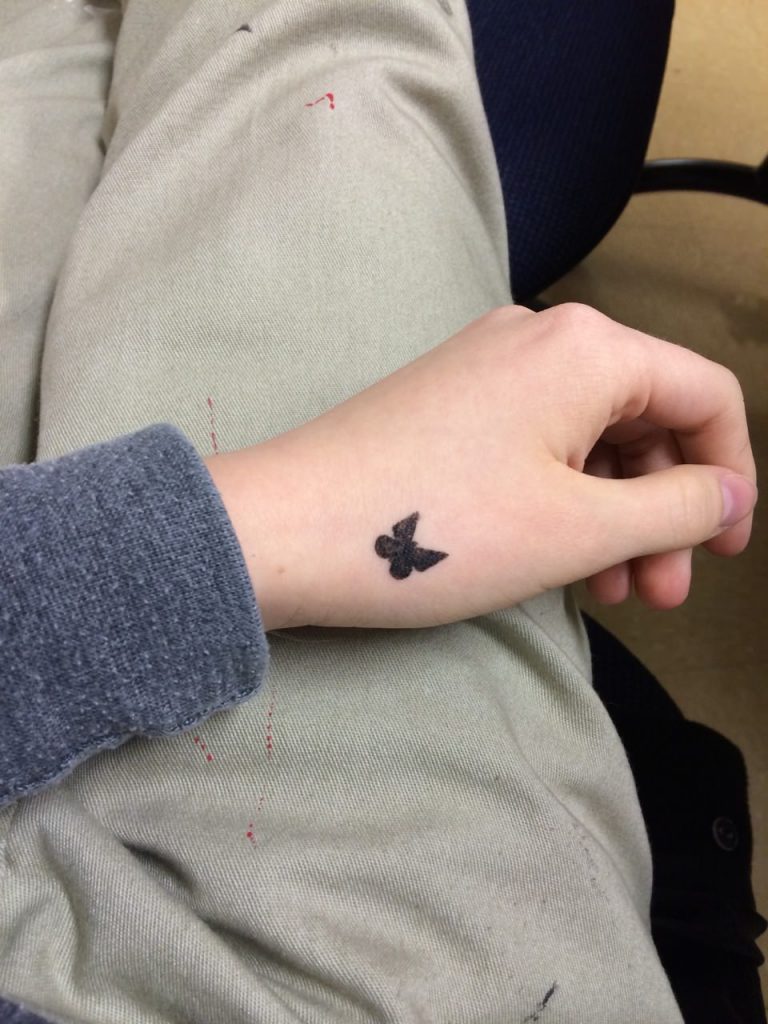
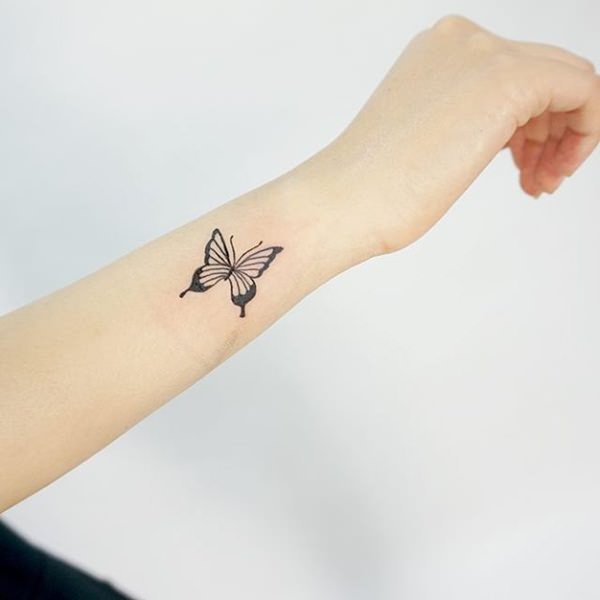
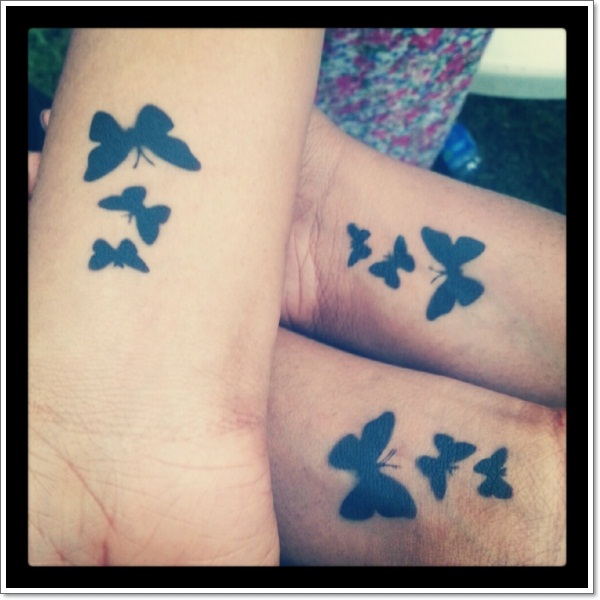
Fine-line and micro. Delicate and extremely popular. Very small butterflies with hairline wing detail lose that detail early.
How it will age
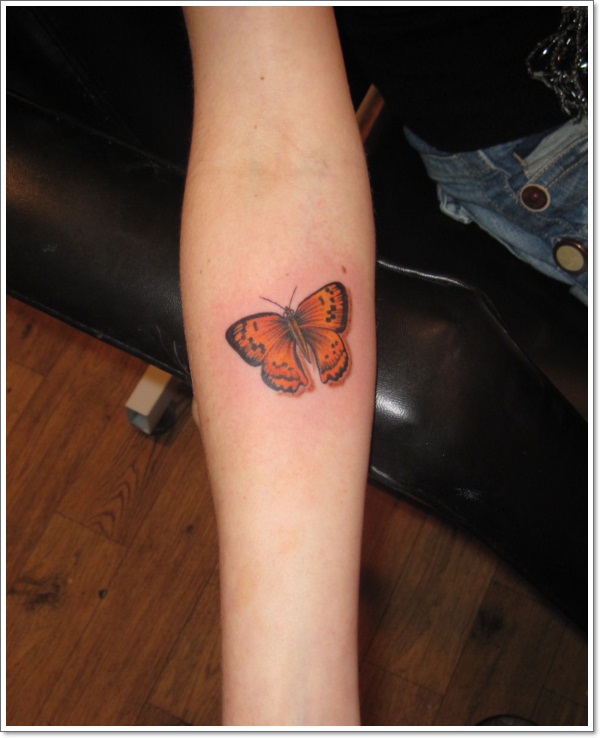
The wings decide it. Fine veining packed close together merges over ten to fifteen years into a solid shape, and the difference between a butterfly and a dark blob is the space between the lines. Ask your artist for wider veining than the reference photograph, or size it up. Every experienced artist will already prefer this.
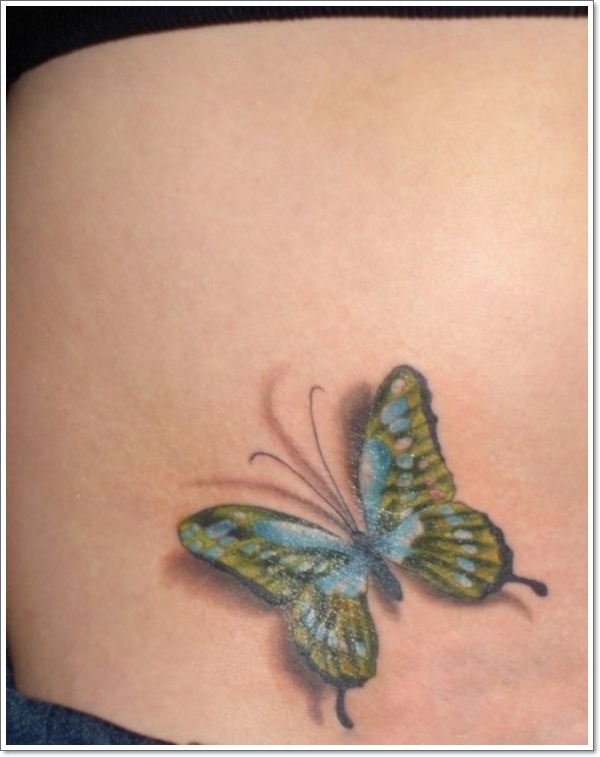
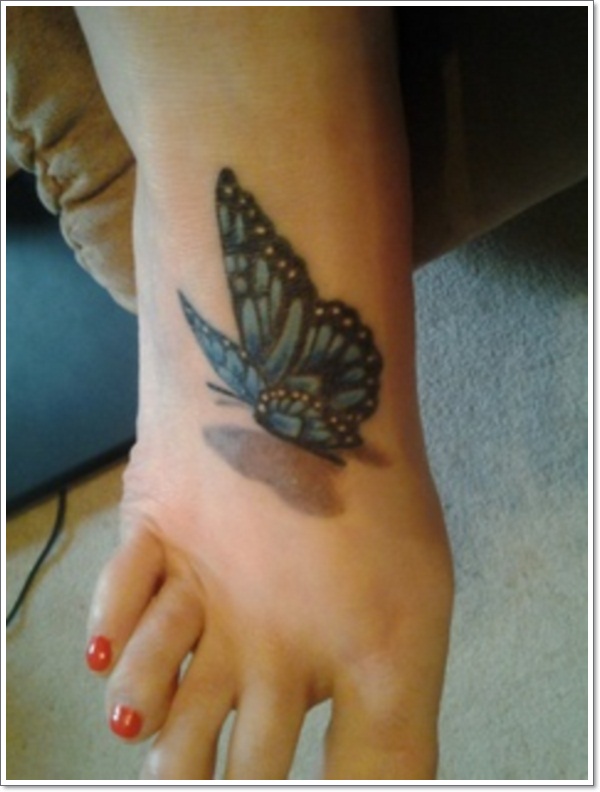
Iridescent blues are the fastest to lose their punch, because the colour on the real insect is structural rather than pigment and the tattoo can only approximate it with light blues, which lift. A morpho is a maintenance commitment.
Yellows and pale oranges fade next. Deeper, saturated colour holds better than pastel.
Solid black holds indefinitely, which is the whole argument for a strong outline whatever style you choose.
Sunscreen once healed. Plan a touch-up around year five on anything with fine wing work or heavy colour, and treat it as normal maintenance.
What to bring your artist
A species, a posture, and a placement. Reference from photographs of the real insect rather than from other tattoos. And a decision on colour versus black and grey, knowing that the second will still look sharp when the first needs work.
A good artist will push back on hairline veining at small sizes, on pure watercolour with no structure, on the dot trail, and on perfect symmetry if you want it to look alive.
Aftercare, briefly
Your artist's instructions come first. Generally: leave the covering on as long as they said, wash gently twice a day with clean hands and fragrance-free soap, then a very thin layer of the recommended aftercare.
Colour work weeps a little more on the first day and peels more dramatically - both normal. Sternum and rib work rubs against clothing and moves when you breathe, so loose fabric for a fortnight. No soaking for two to three weeks, no sun while healing, and no picking.