40 Native American Tattoo Designs that make you proud!
This is the guide on this site where the cultural question comes first, because for these designs it genuinely is the first question.
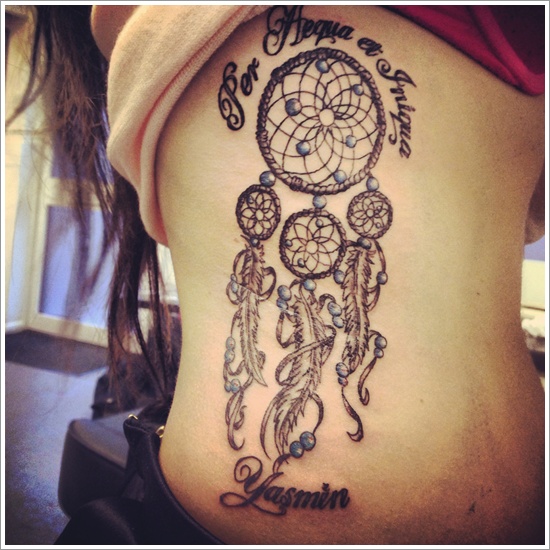
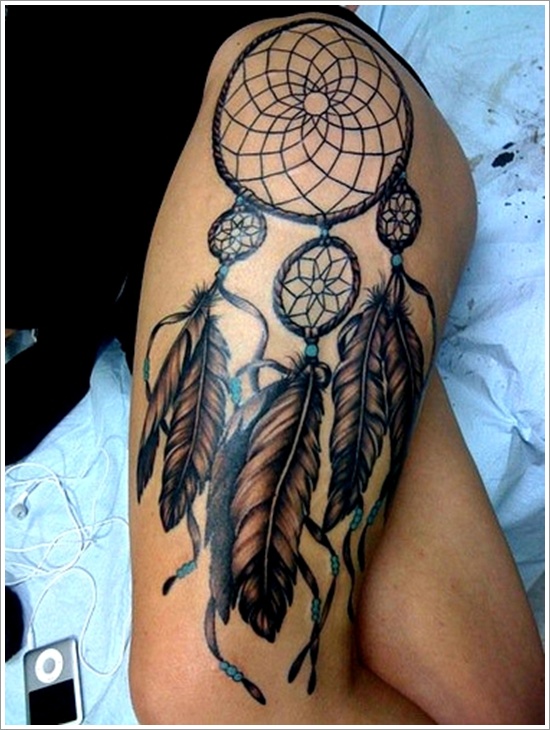
"Native American" is not a style. It covers hundreds of distinct nations with distinct languages, art traditions and beliefs. A Haida formline design, a Navajo weaving pattern and a Plains war bonnet come from peoples as different from each other as Ireland is from Greece, and treating them as one visual category is where most of the problems start.
What is genuinely restricted, and why
Some of the most-tattooed imagery here is not decorative in its own culture.
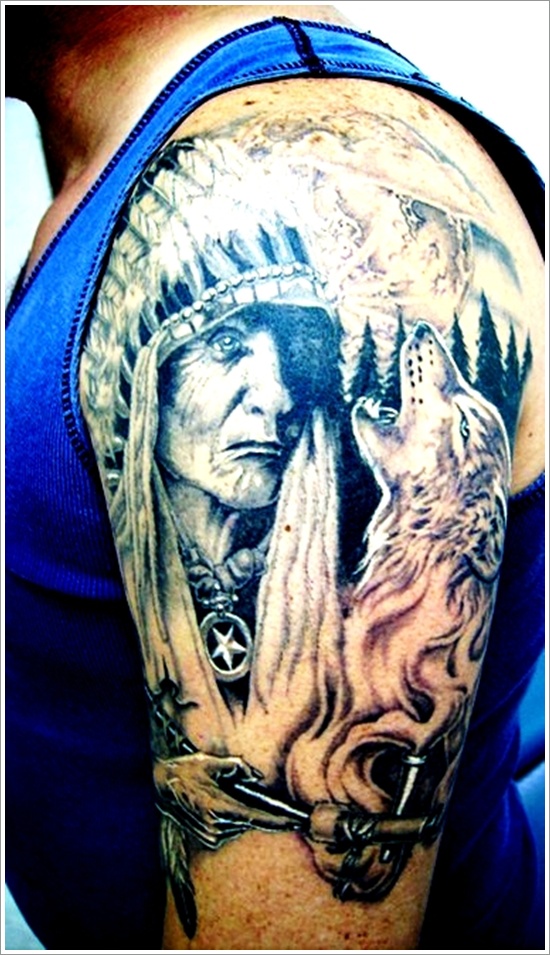
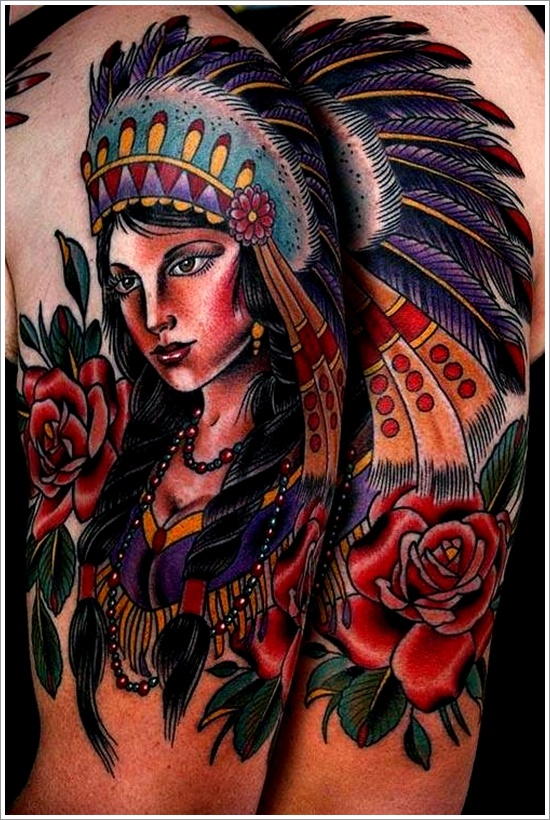
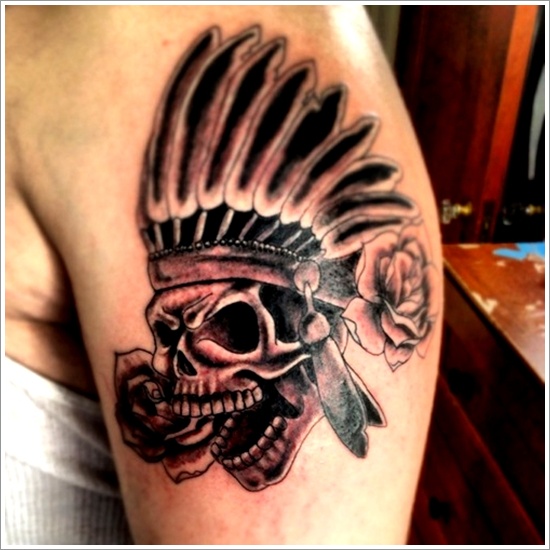
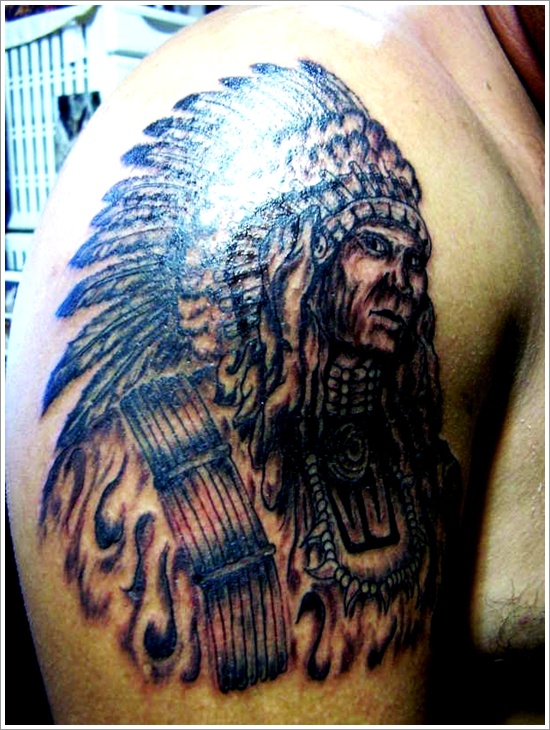
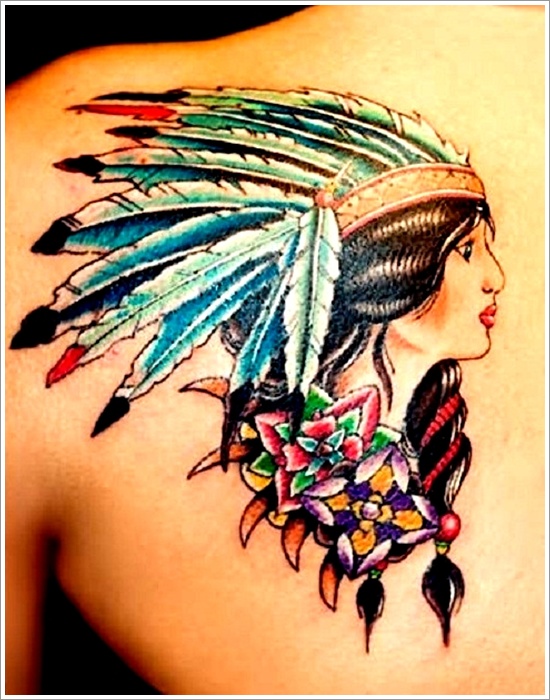
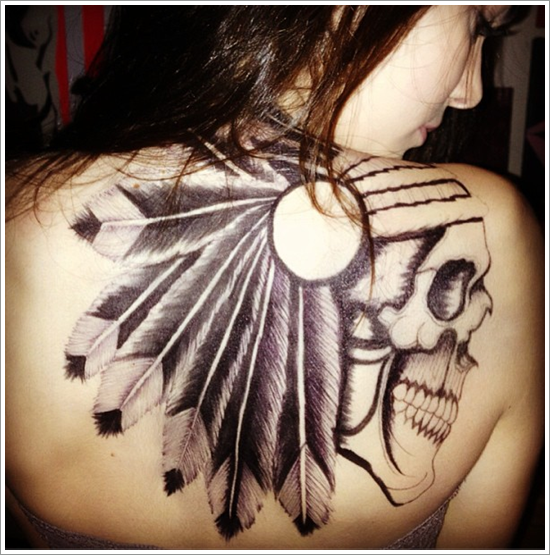
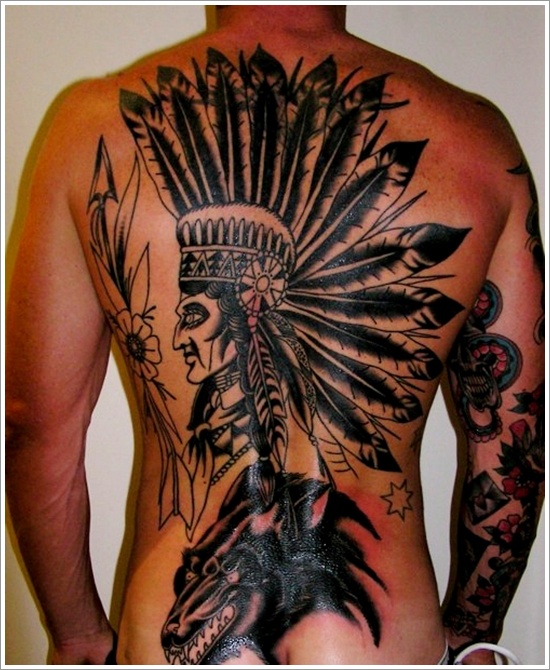
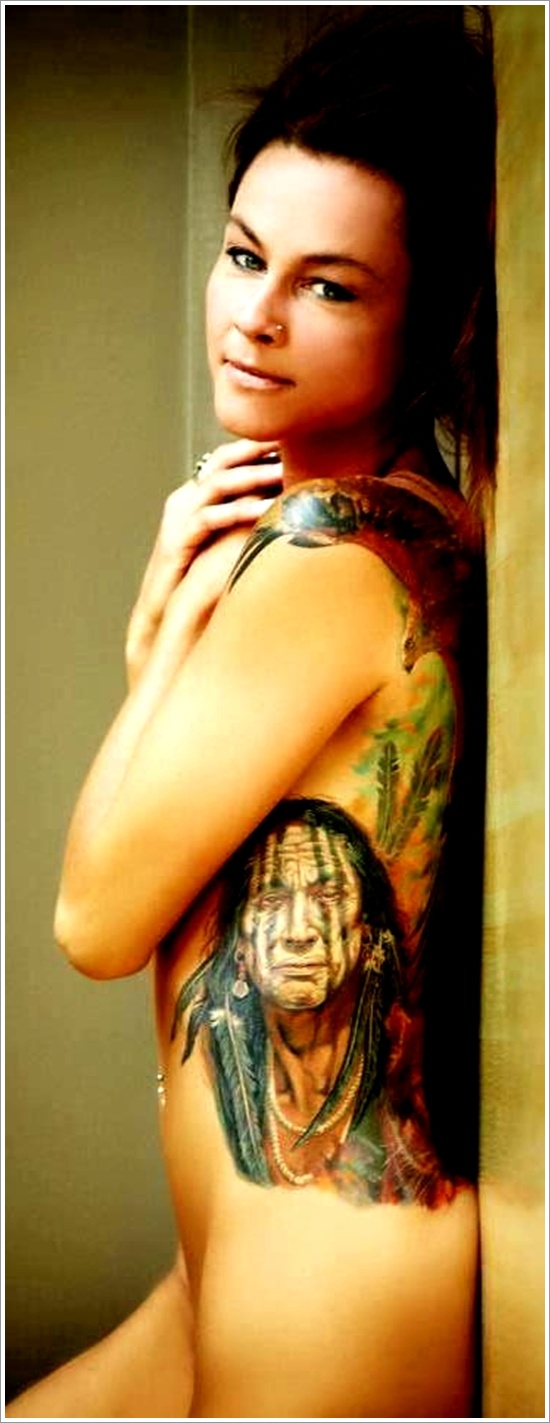
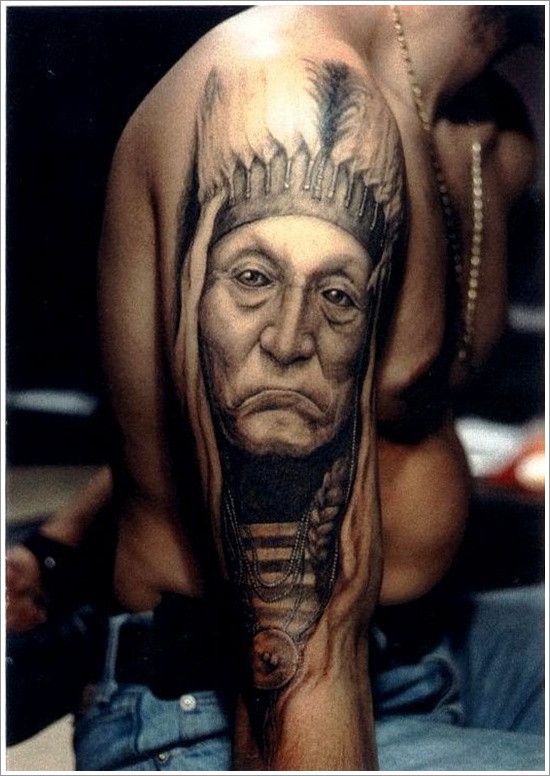
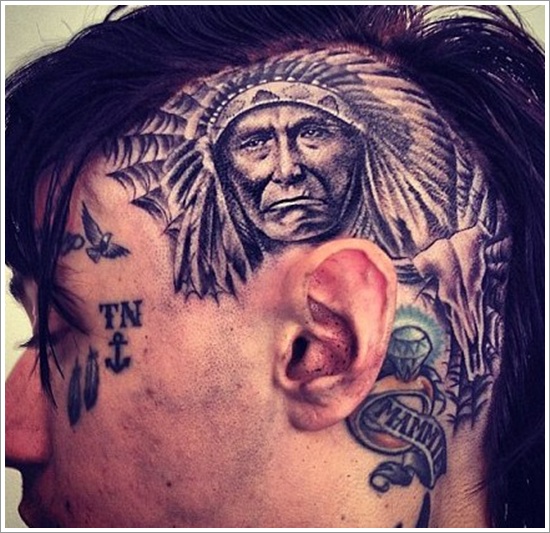
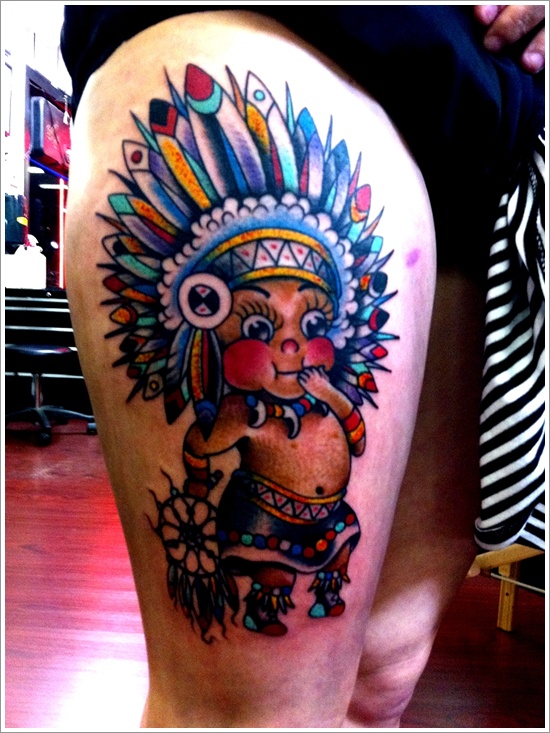
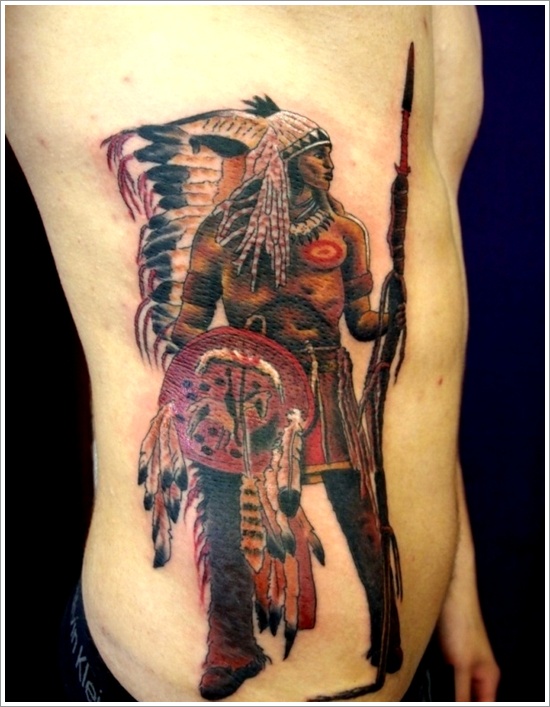
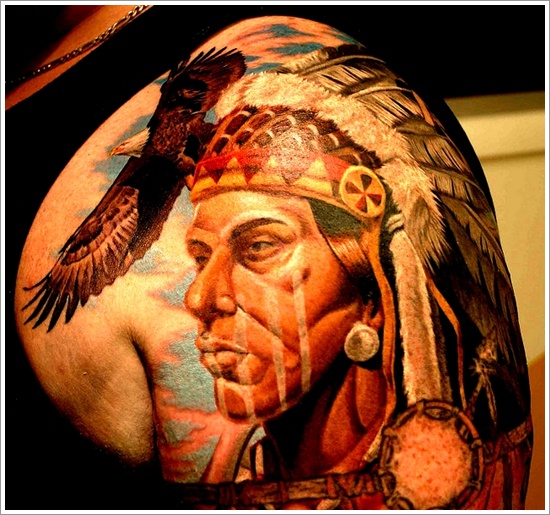
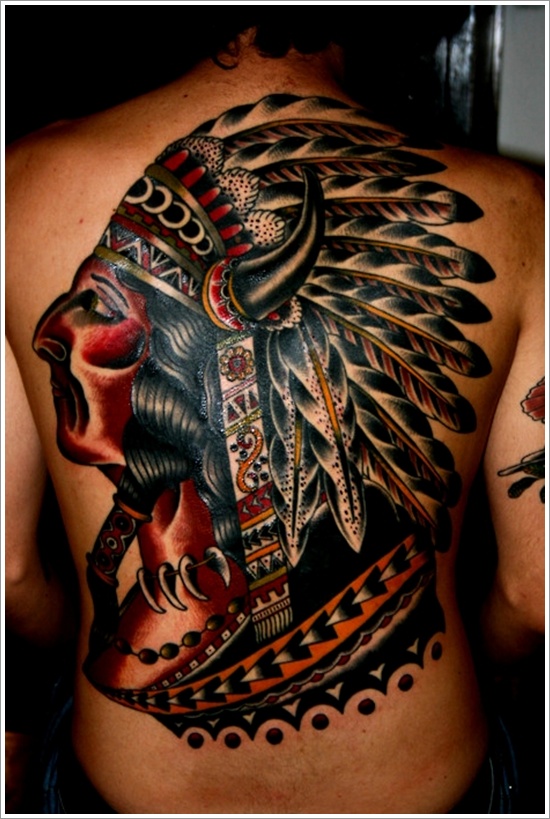
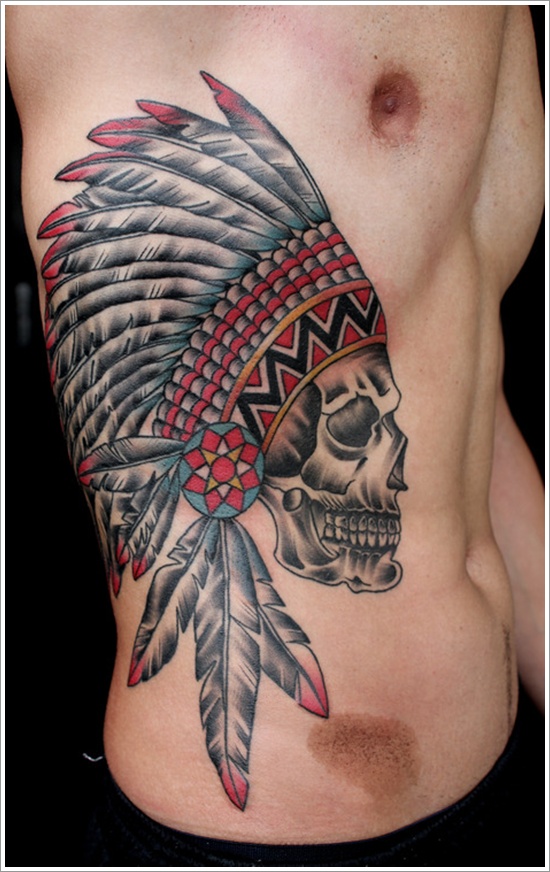
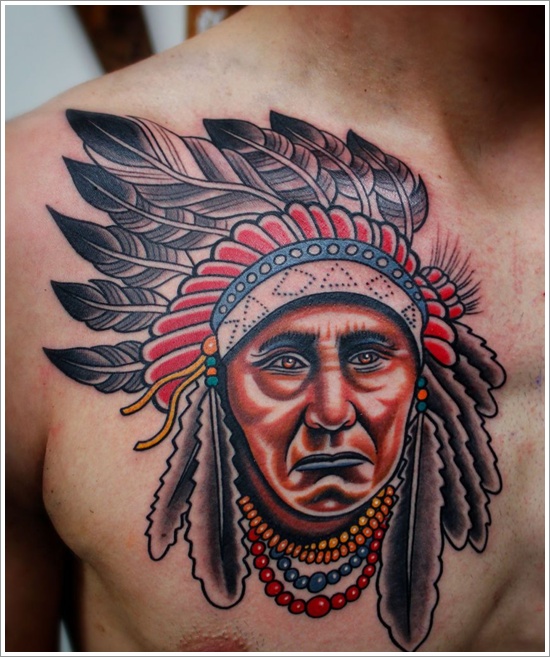
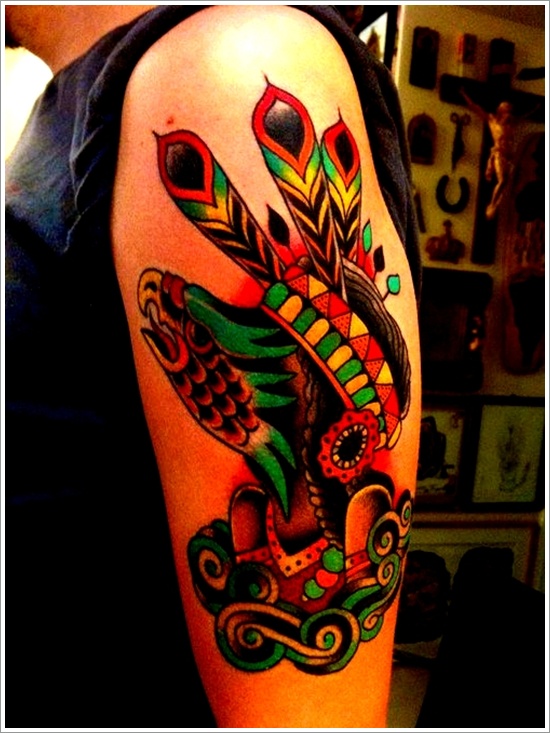
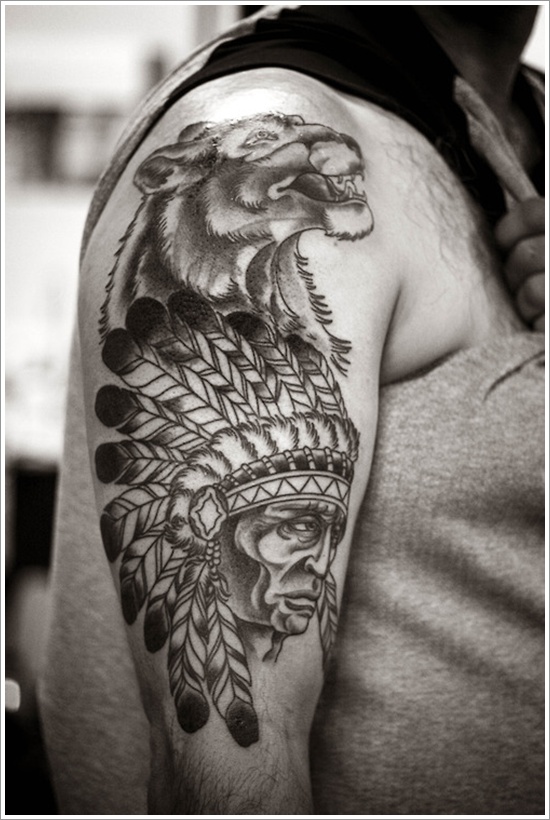
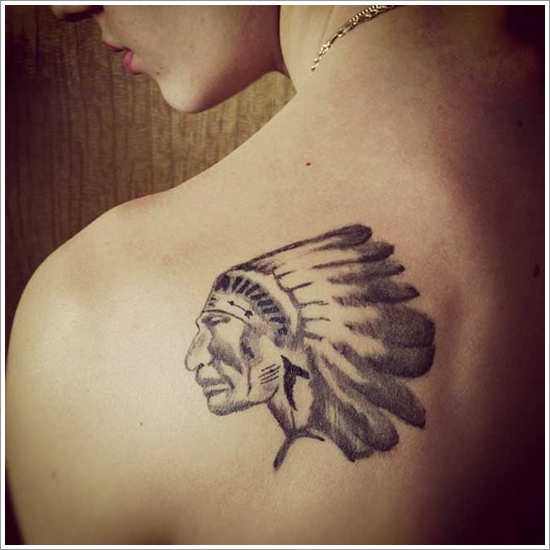
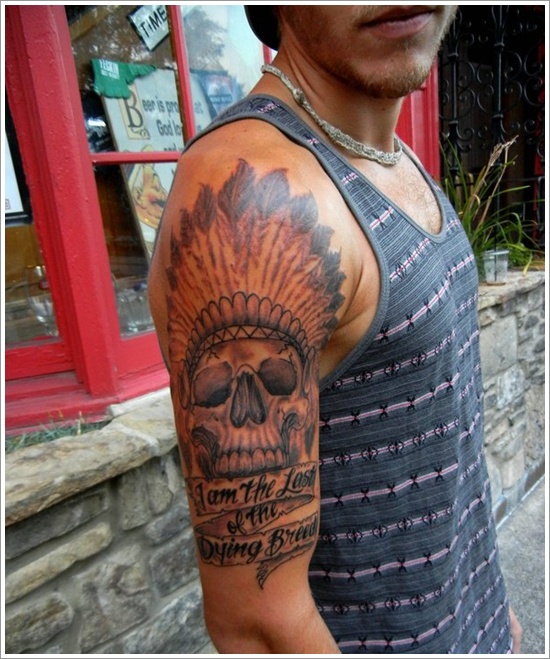
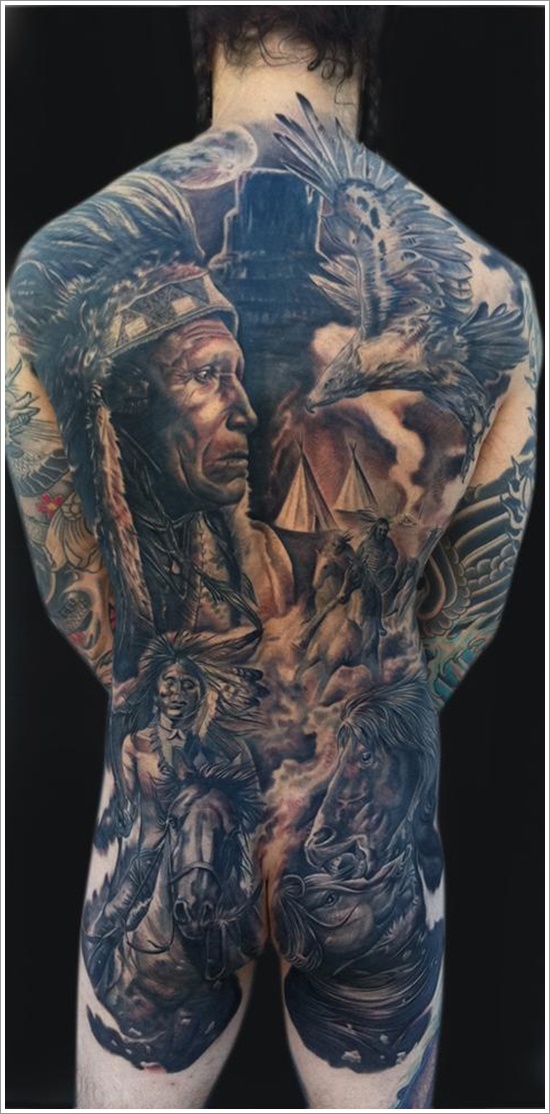
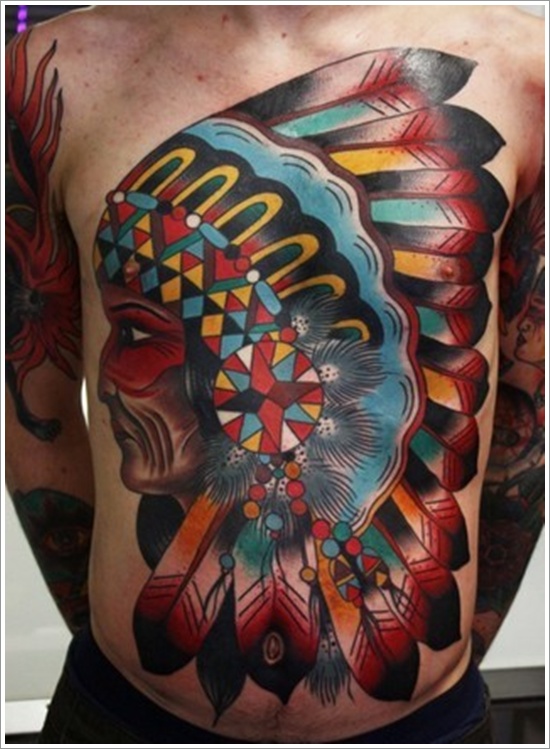
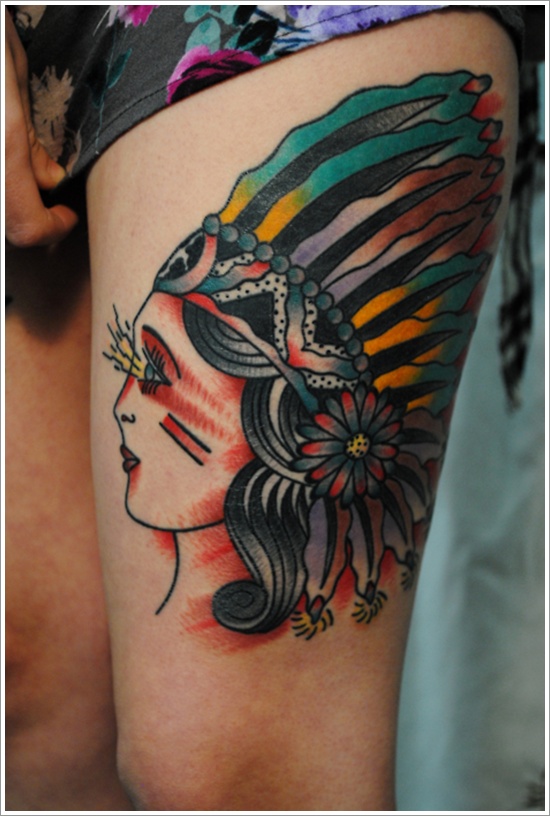
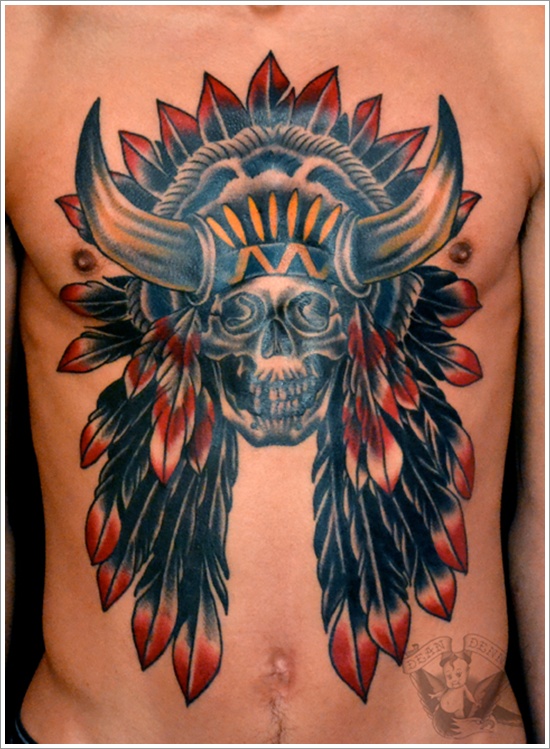
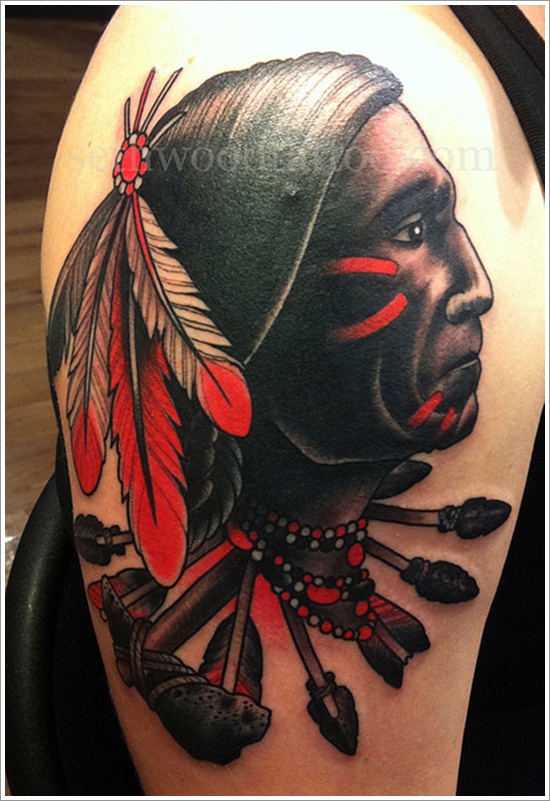
The war bonnet. The feathered headdress is Plains nations regalia, and each feather is traditionally earned through a specific act. It is not ceremonial dress in general and it is not a costume. It is the single most objected-to element in this category.
Eagle feathers. Sacred in many nations, and their possession is legally restricted in the United States to enrolled members of federally recognised tribes, precisely because of that significance.
Ta moko, which is Maori rather than Native American, gets confused into the same bucket and carries its own strong prohibitions.
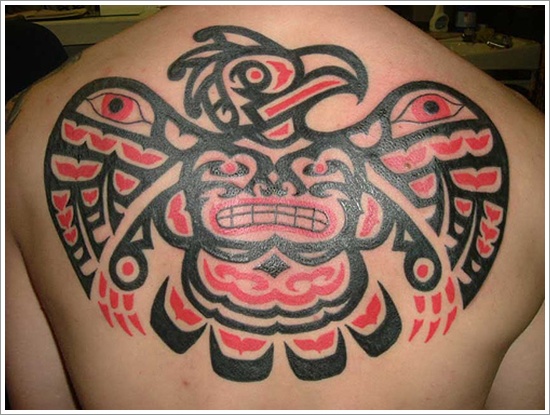
Specific clan and family designs, particularly in Northwest Coast art, where crest figures belong to particular families and using one is a claim about lineage.
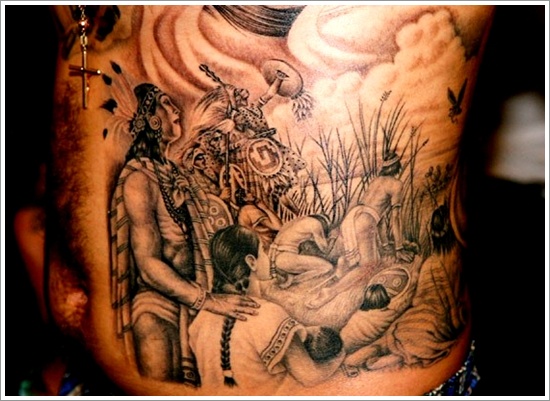
Ceremonial imagery - kachina figures, sacred pipes, certain ceremonial regalia - which are religious objects rather than motifs.
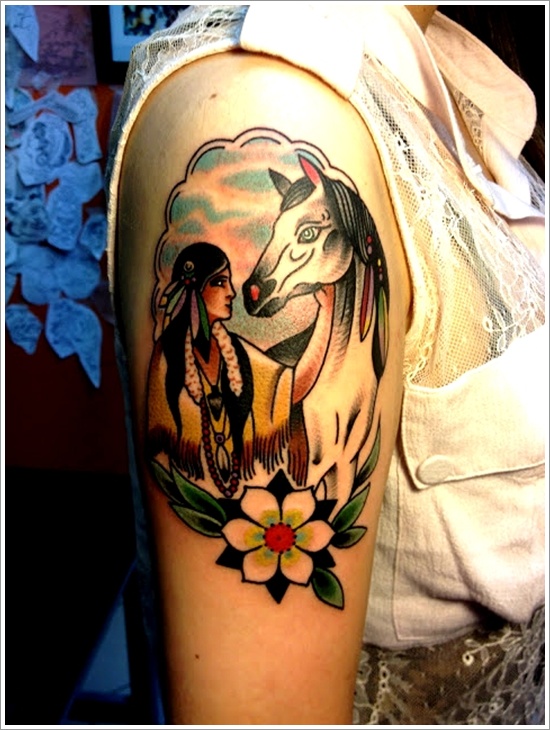
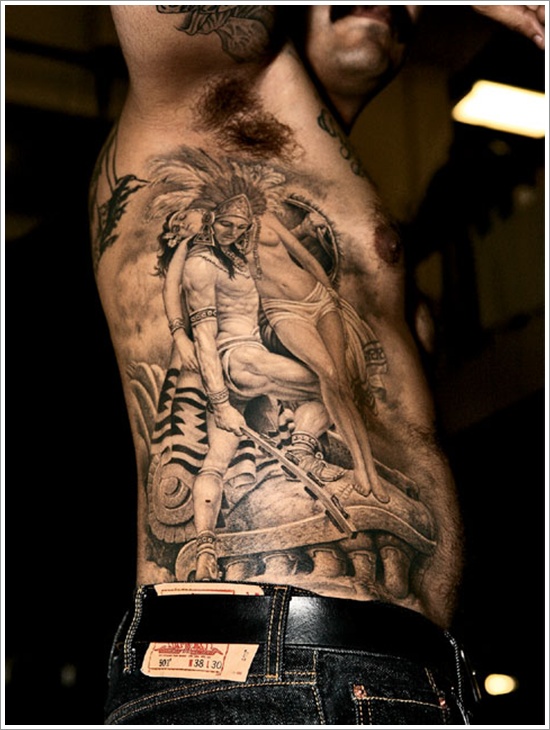
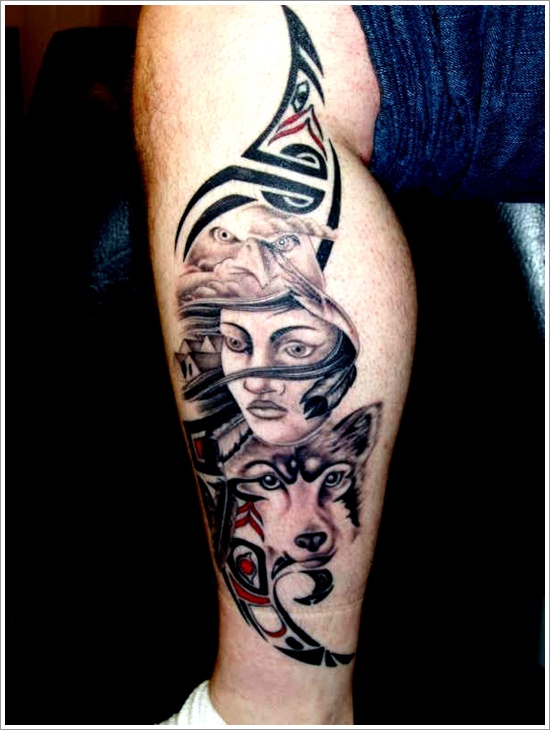
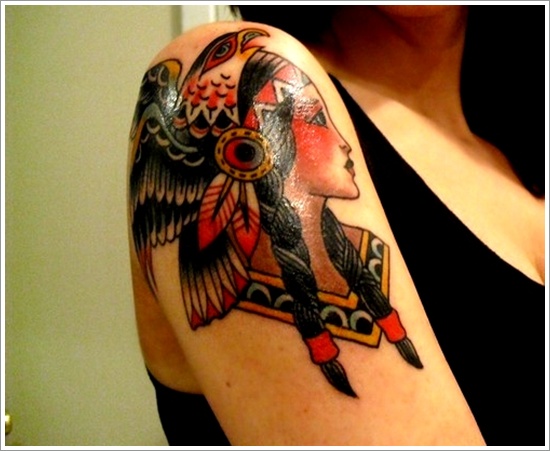
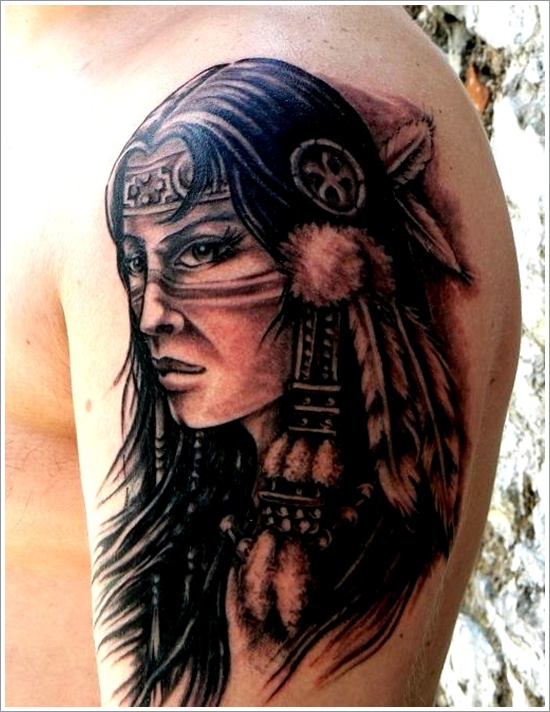
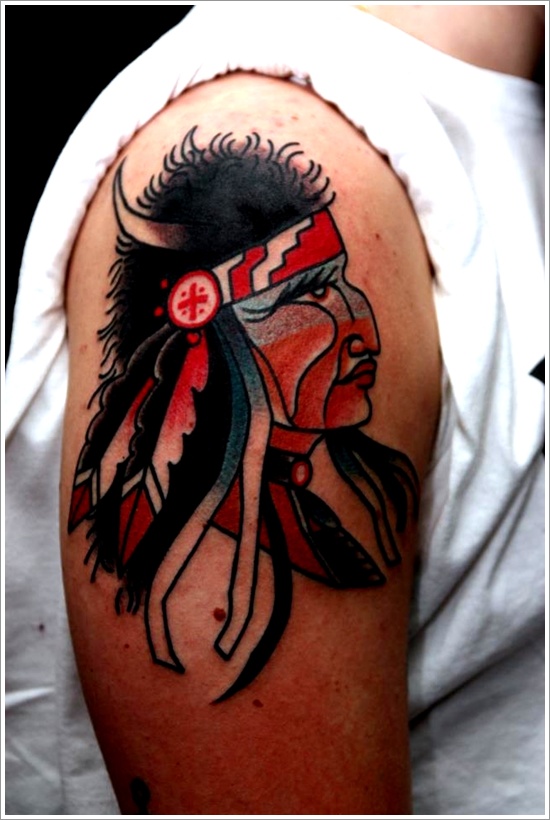
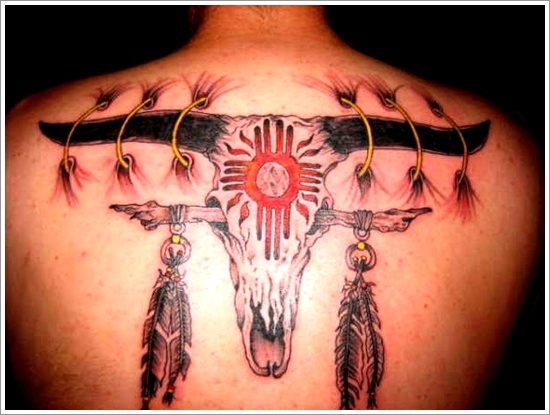
The "Native American princess" and generic "Indian chief" portraits that fill tattoo flash are the other common issue: they are Hollywood inventions rather than anything from the cultures they claim to depict.
How to approach it well
If you are Native, this is your heritage and the question is which nation and which design, not whether. Talk to your family, and consider a Native artist - there are many working now and their work is generally the best in this space.
If you are not, there is a straightforward and respectful path:
- Be specific about the nation, and be able to say why it means something to you. "I love Native American art" is where bad tattoos come from.
- Avoid the restricted list above. Nobody objects to a well-drawn animal.
- Commission a Native artist if the imagery matters to you. It supports the people whose culture it is and you will be told what you are wearing.
- Consider whether an animal on its own carries the meaning. A wolf, a bear or a raven drawn beautifully says most of what people want here without claiming anything.
- Do not put a war bonnet on it. This one is not a grey area.
The reaction you will get varies. Some Native people are relaxed about respectful use, others are firmly not, and it would be dishonest to imply consensus. What is consistent is that specific, informed and unrestricted is welcomed far more often than generic, and generic is what most of these tattoos are.
Designs that work without claiming anything
Animals, drawn as animals rather than as symbols: wolf, bear, raven, bison, horse, eagle in a naturalistic style. Universally fine and often better tattoos.
Northwest Coast formline, if commissioned from an artist of those nations. It is one of the most sophisticated design systems in the world and it suits skin exceptionally well.
Your own heritage, whatever it is. Almost every culture has a visual tradition, and most people have never looked at their own.
Landscape. A specific place - mountains, mesa, plains - carries the feeling a lot of people are actually after.
Placement, size and cost
| Design | Typical size | Sittings | Pain, 1-10 | Rough cost |
|---|---|---|---|---|
| Small animal, forearm | 3-5 in | 1 | 5-6 | $200-$500 |
| Animal portrait, black and grey, outer arm | 6-9 in | 1-2 | 2-3 | $500-$1,300 |
| Formline panel, shoulder | 6-10 in | 2 | 4-5 | $700-$1,800 |
| Landscape, forearm or calf | 6-10 in | 2 | 3-6 | $700-$1,800 |
| Large chest or back piece | 12-16 in | 3-8 | 4-8 | $2,000-$6,000 |
Rates vary widely by city and artist. Commissioned design work from a specialist artist may carry a separate fee, and it is worth it.
Styles and how they age
Formline and blackwork age superbly - bold shapes, solid black, generous negative space, and no fine detail to merge.
Black and grey realism for animal portraits. Durable, provided the fur is built as tonal masses rather than as thousands of individual hairs, which merge over ten to fifteen years.
Traditional and neo-traditional. Bold outline, limited palette, built to last.
Colour realism fades fastest, particularly in the warm earth tones common to this imagery.
Solid black is permanent, pale greys lift, and UV drives all of it. Sunscreen once healed, and expect a touch-up around year five on detailed or coloured work.
What to bring your artist
A specific nation or a specific animal, and a reason. Reference from the culture itself - museum collections, contemporary Native artists - rather than from other tattoos, which is how errors get copied forward.
A good artist will ask about your connection to the imagery. That is not gatekeeping, it is the conversation that produces a tattoo you can explain comfortably for the next forty years. Some artists decline certain designs outright, and that is a considered position.
Aftercare, briefly
Follow your artist's instructions. Generally: covering on as long as they said, then gentle washing twice a day with clean hands and fragrance-free soap, and a very thin layer of the recommended aftercare.
No soaking for two to three weeks, no sun while healing, loose clothing over it, and no picking while it peels.