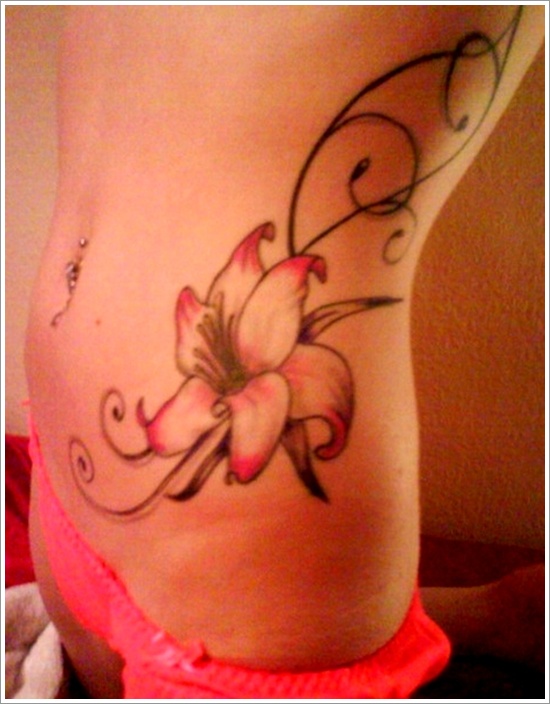
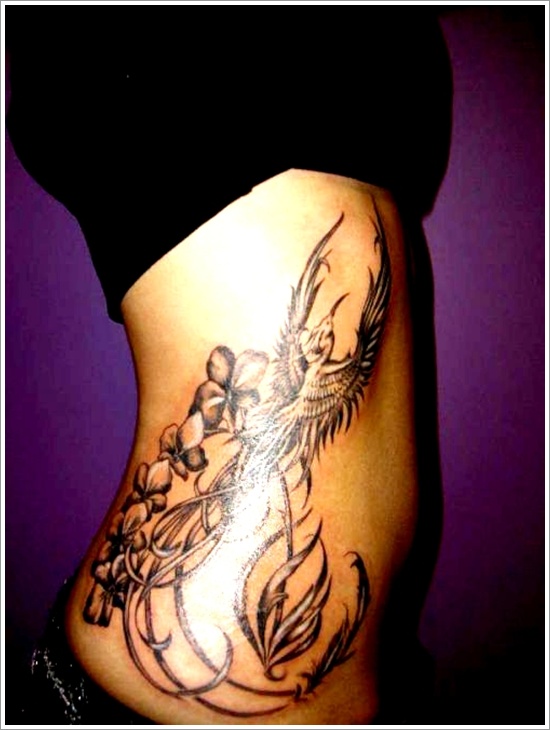
30 Sexy and Beautiful Orchid Tattoo Designs
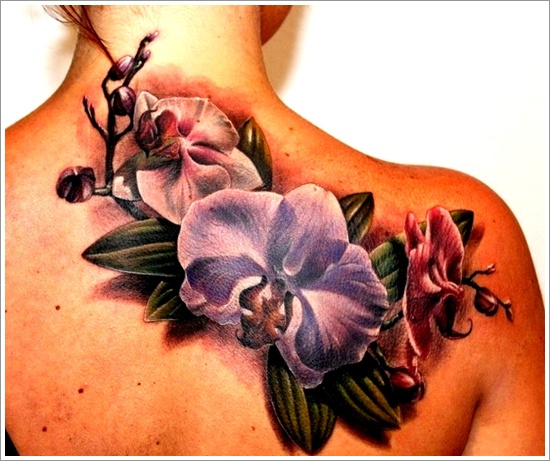
Orchids are a harder tattoo than they look, and the reason is structural. A rose is a spiral of similar petals - you can see how it is built. An orchid is asymmetric, with a lip that is a completely different shape from the other petals, a column at the centre, and a curve that reads as a face if you get it right and as a mess if you do not.
Which means the choice of artist matters more here than for most flowers. Ask to see orchids specifically, not just florals.
What it means
Rarity and refinement. Orchids were the great obsession of Victorian collectors, who bankrupted themselves and occasionally died pursuing them. That history is why the flower still reads as luxury and as something worth going to lengths for.
Fertility and strength. In ancient Greece the orchid was associated with virility, and in Chinese tradition it stands for refinement, integrity and friendship - Confucius compared the company of good people to a room full of orchids.
Beauty that takes effort. Orchids are famously demanding to keep alive. For a lot of people that is exactly the point.
A place. The orchid is a national flower for several countries, including Singapore, Colombia, Belize, Guatemala and Venezuela, and it carries a specific connection for people from those places.
Choosing a species is the single change that makes an orchid tattoo personal: a phalaenopsis, a cattleya, a lady's slipper and a vanda are utterly different flowers, and any good botanical artist will be pleased to be asked.
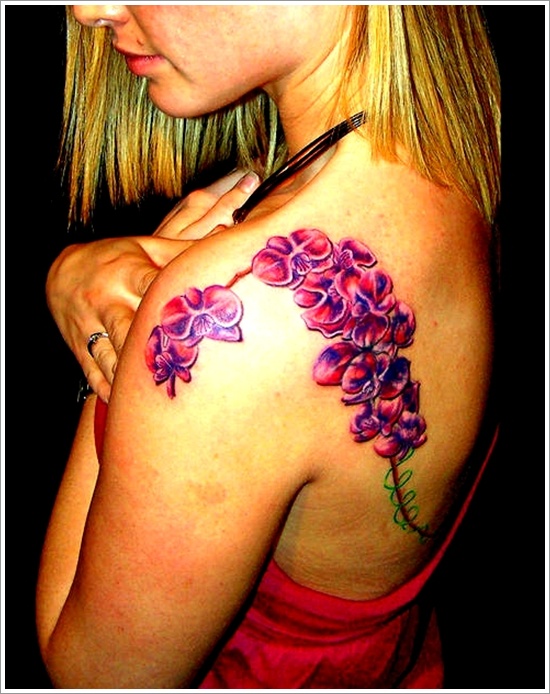
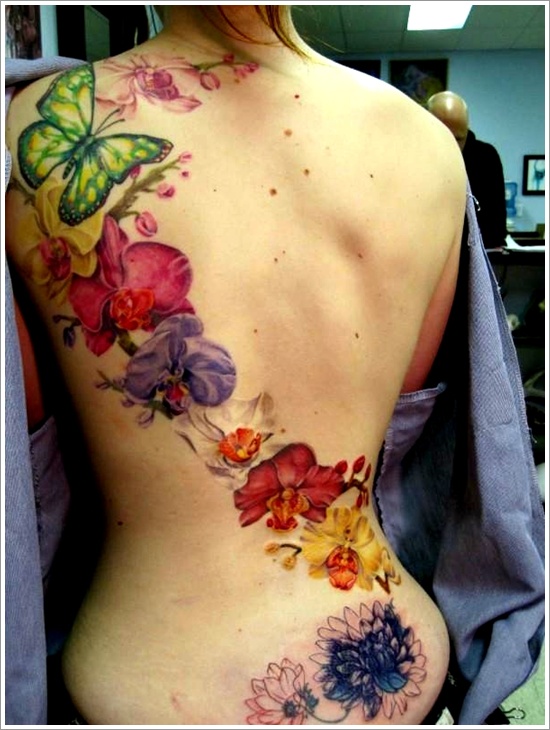
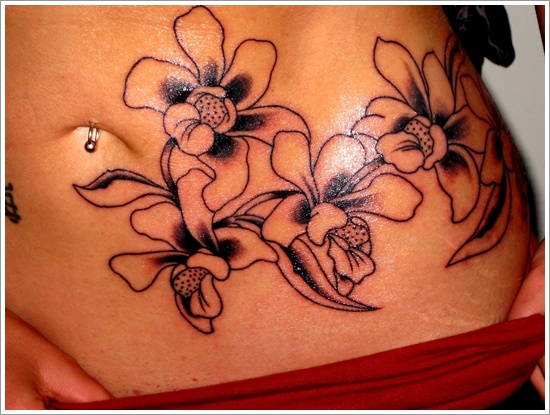
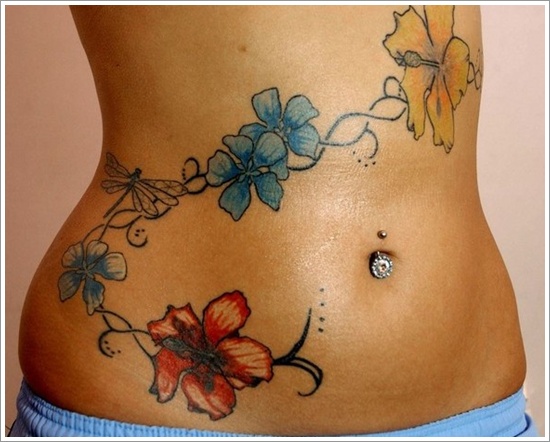
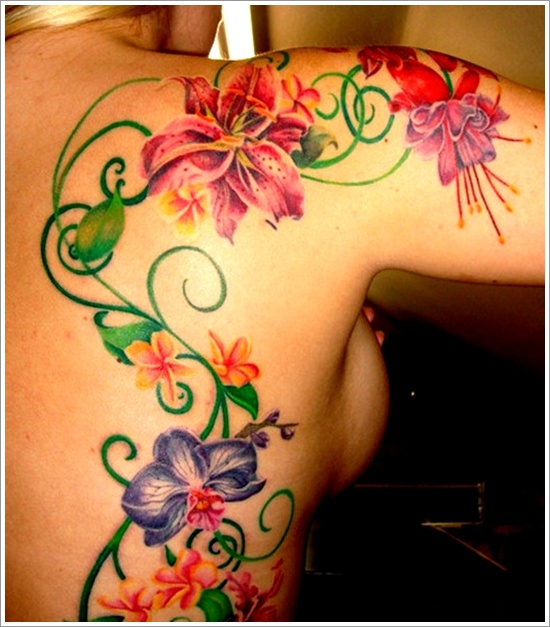
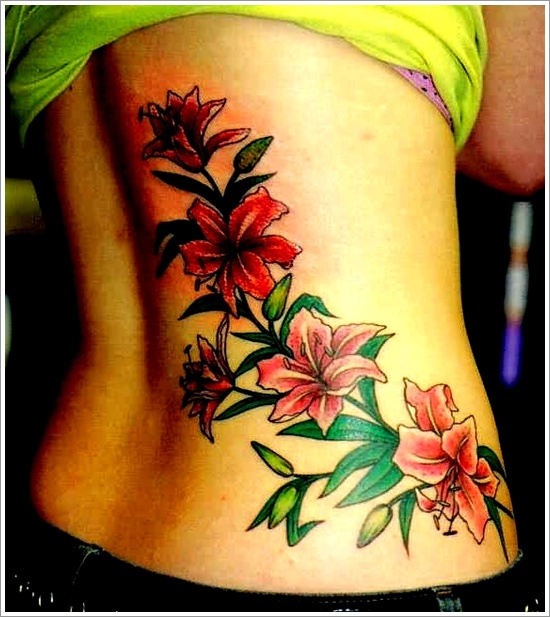
Placement, size and cost
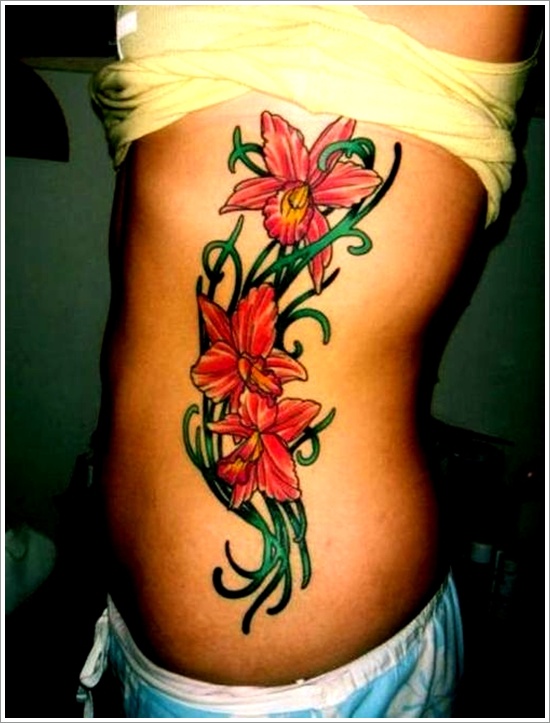
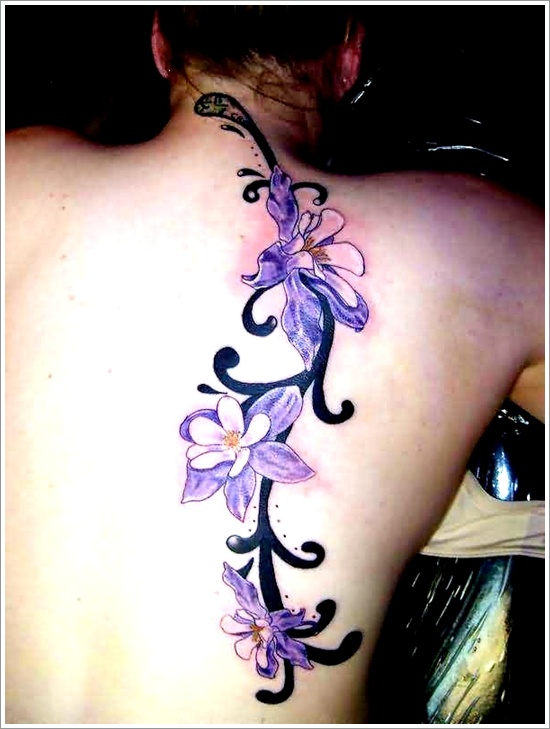
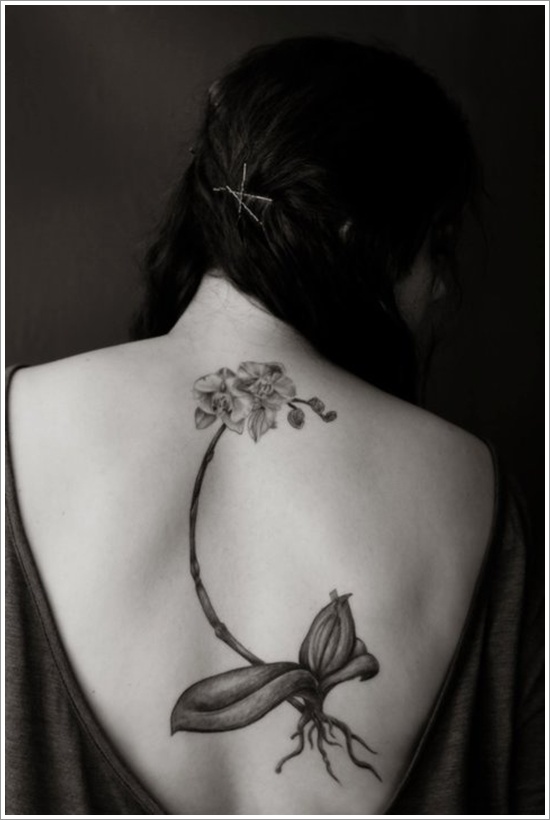
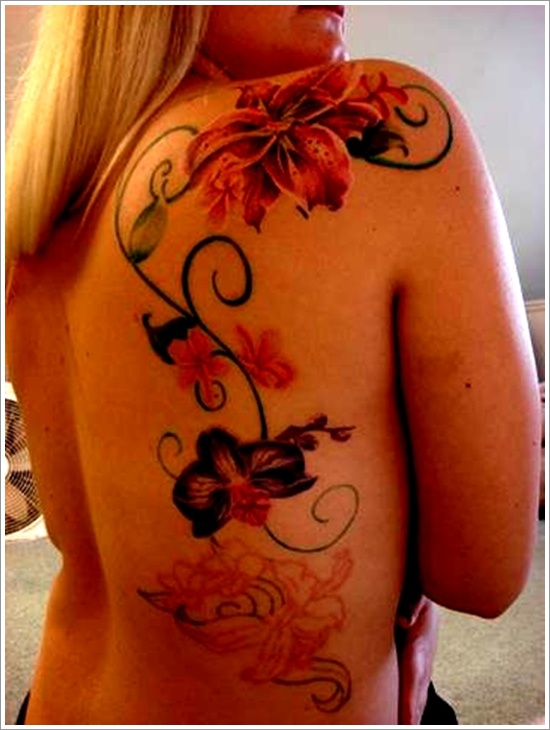
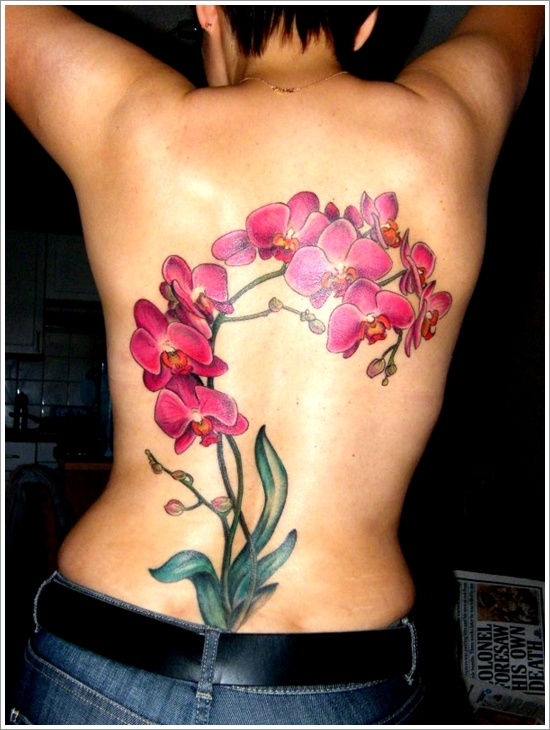
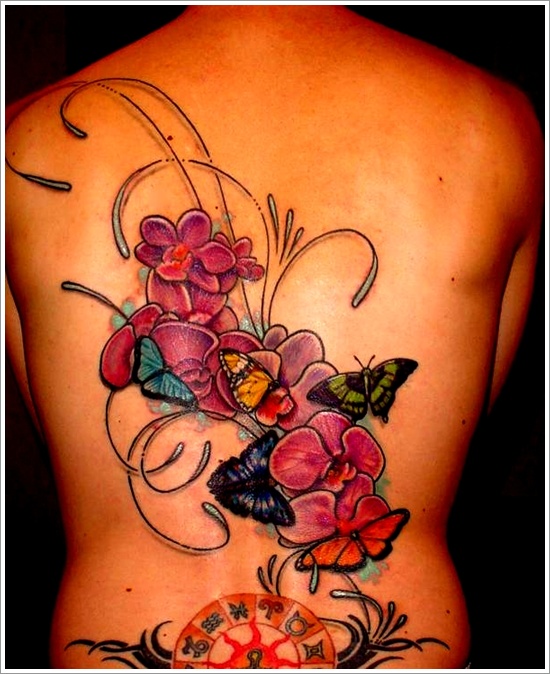
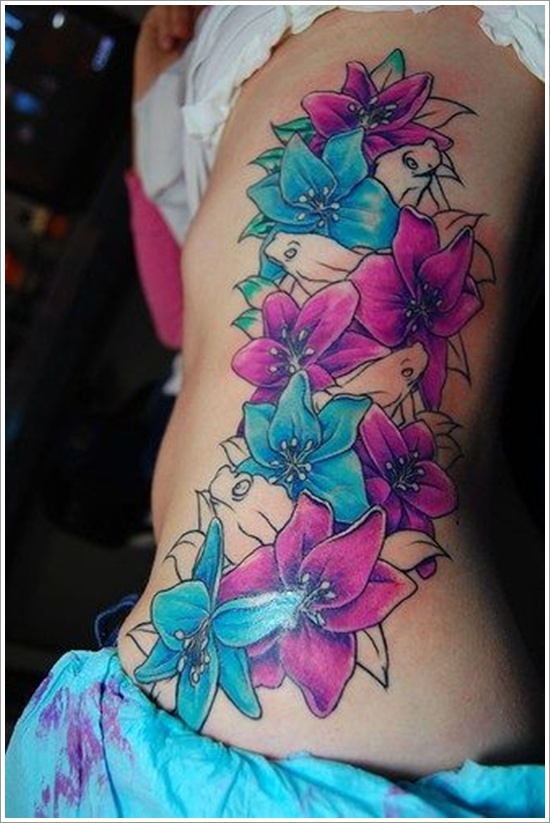
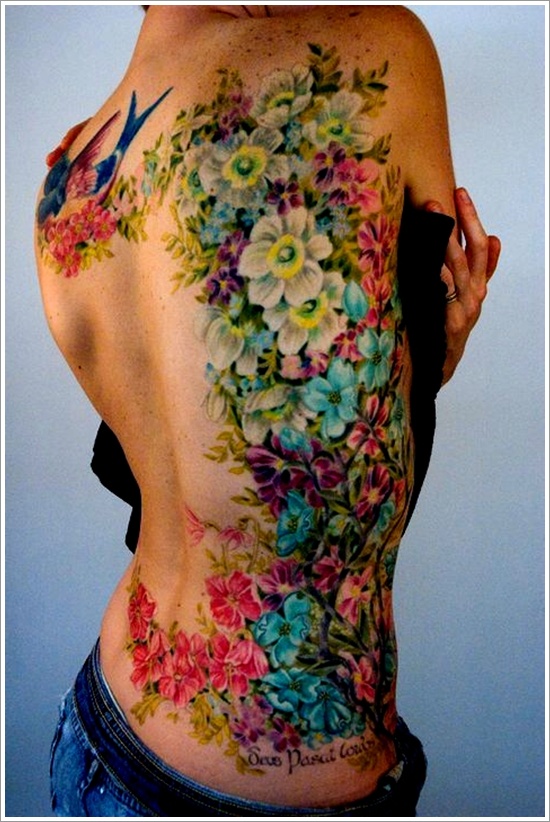
The orchid grows on a stem with several blooms, which makes it one of the best flowers for long placements - the spine, a forearm, the outside of a calf, the side of a ribcage.
| Design | Typical size | Sittings | Pain, 1-10 | Rough cost |
|---|---|---|---|---|
| Single bloom, wrist or ankle | 2-3 in | 1 | 6-7 | $120-$300 |
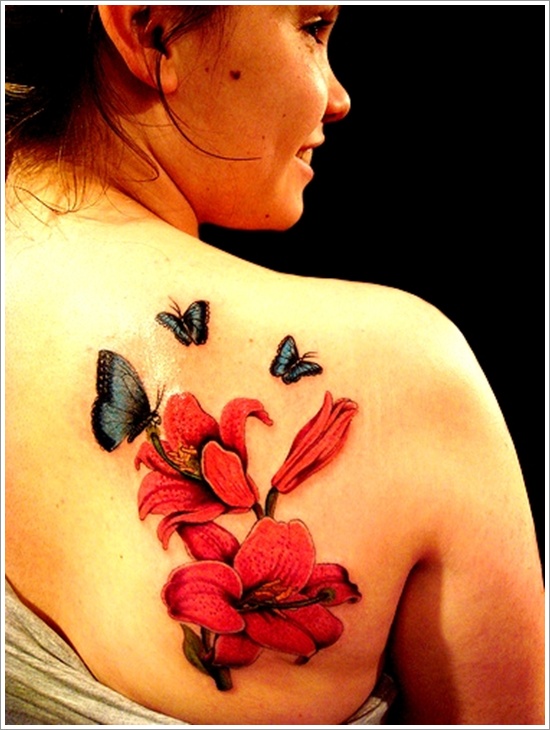
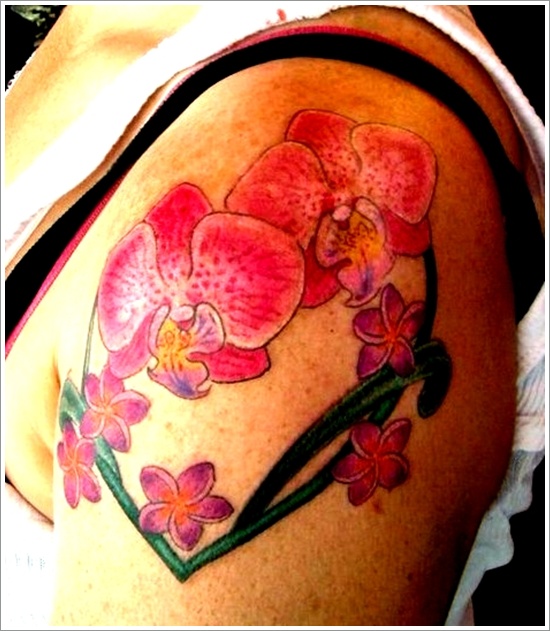
| Shoulder blade | 4-6 in | 1 | 4-5 | $250-$600 |
| Inner forearm, stem with blooms | 5-8 in | 1-2 | 5-6 | $350-$900 |
| Ribs, trailing stem | 8-12 in | 2 | 8-9 | $700-$1,800 |
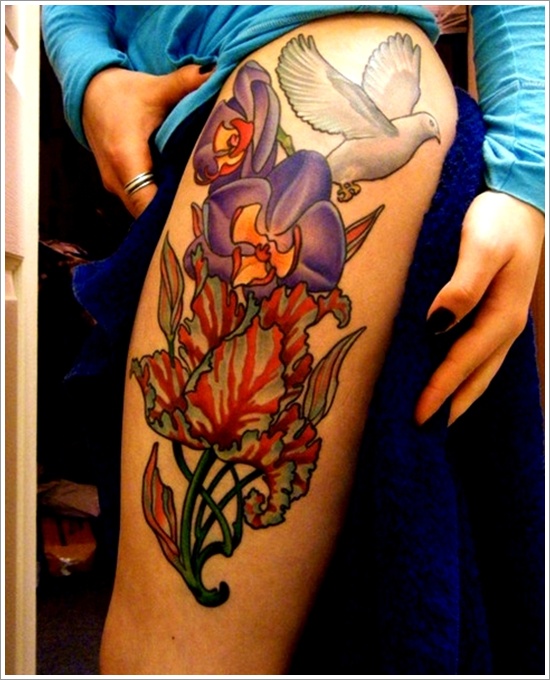
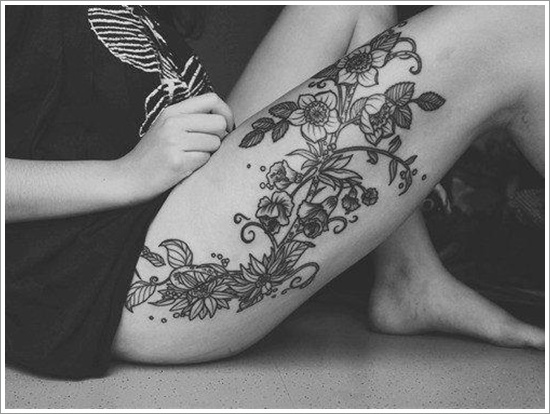
| Thigh, full colour | 8-12 in | 2-3 | 3-5 | $900-$2,500 |
| Spine, vertical stem | 10-16 in | 2-3 | 7-8 | $1,000-$2,800 |
Rates vary by city and artist. Colour is what drives the sittings; a black and grey orchid is usually one sitting shorter.
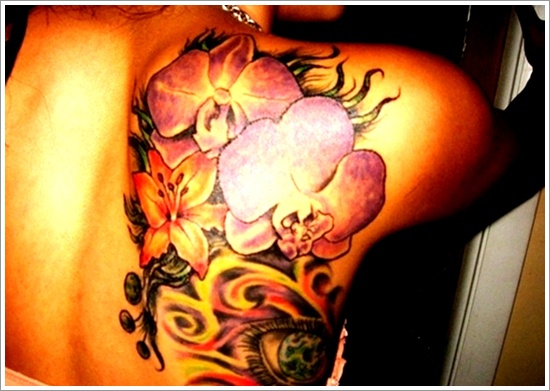
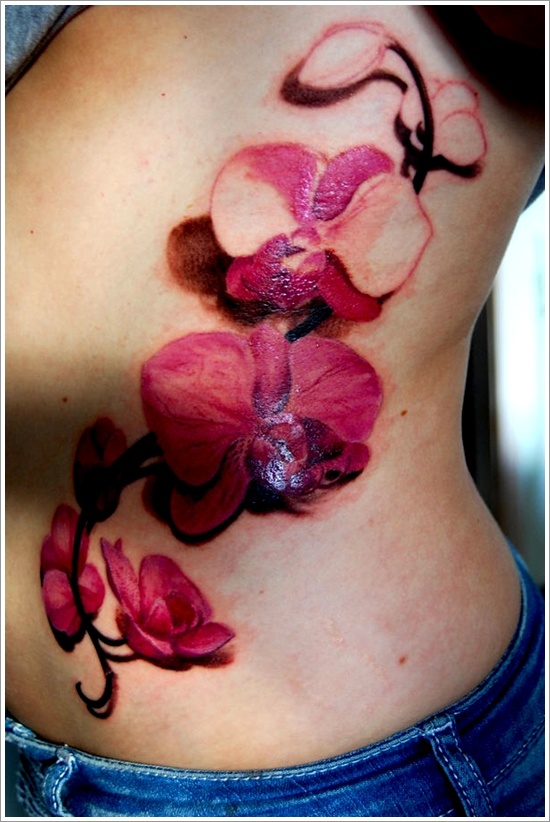
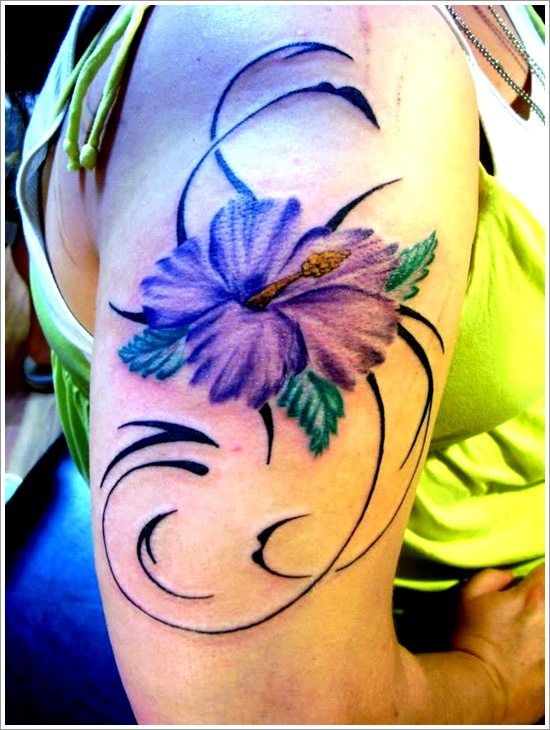
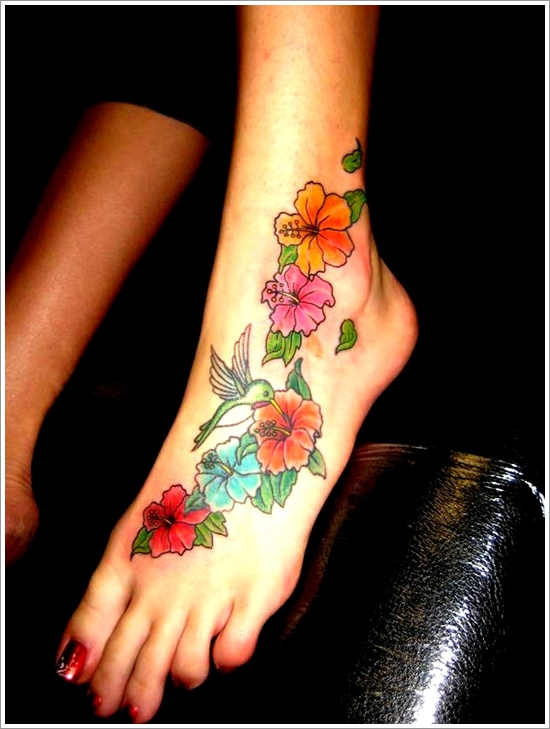
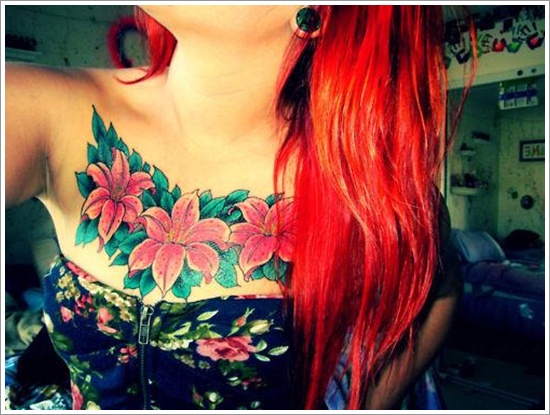
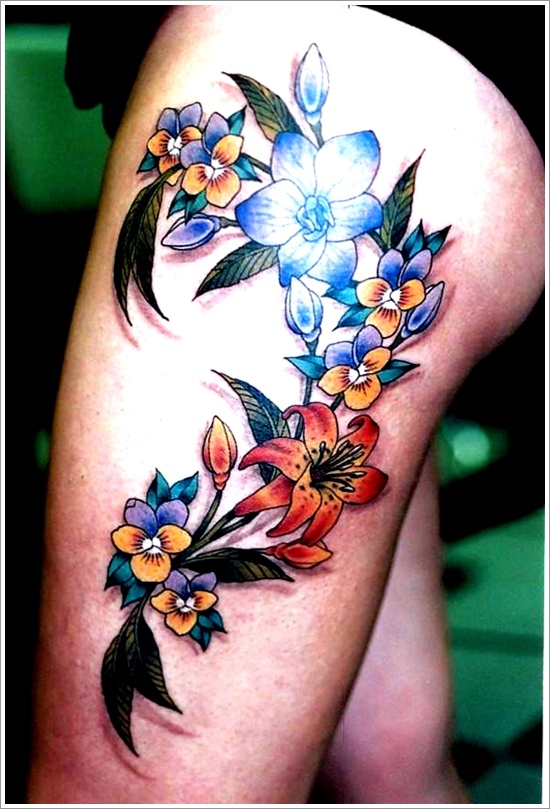
Styles that hold up
Black and grey realism. Petal translucency rendered in tone. The most durable version, and it suits the flower's structure beautifully.
Neo-traditional. Bold outline, controlled palette, decorative petals. The best coloured option for longevity.
Fine-line botanical. Delicate stem-and-bloom studies in the manner of a botanical illustration. Genuinely lovely, and see the ageing note.
Illustrative with dotwork shading. Dots hold their shape better than hairlines, and the texture suits the petals.
Watercolour. Extremely common for orchids because the real flower has watercolour-like gradients. It is also the weakest over time - without a black structure it becomes a pale smudge in a few years. Ask for line work underneath.
Traditional. Less common for orchids, and worth considering: heavy black, flat colour, and it will outlast everything else here.
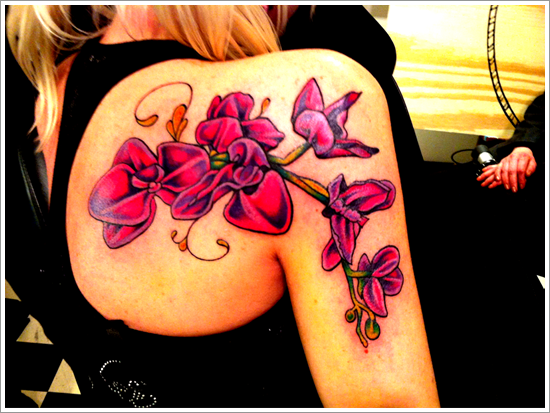
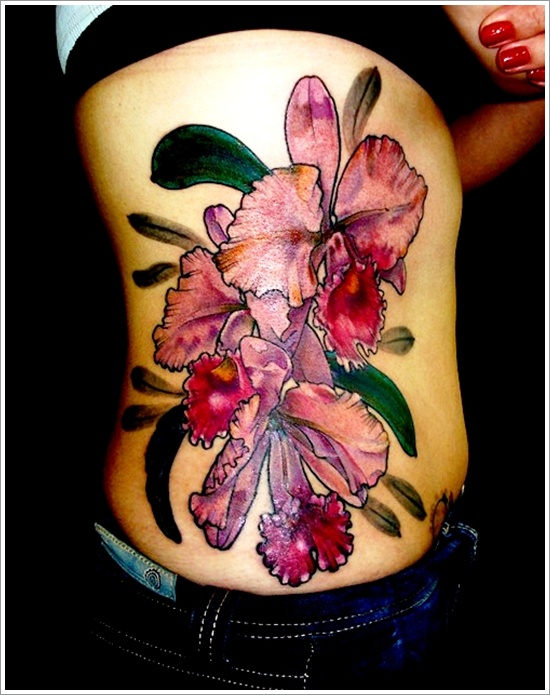
How it will age
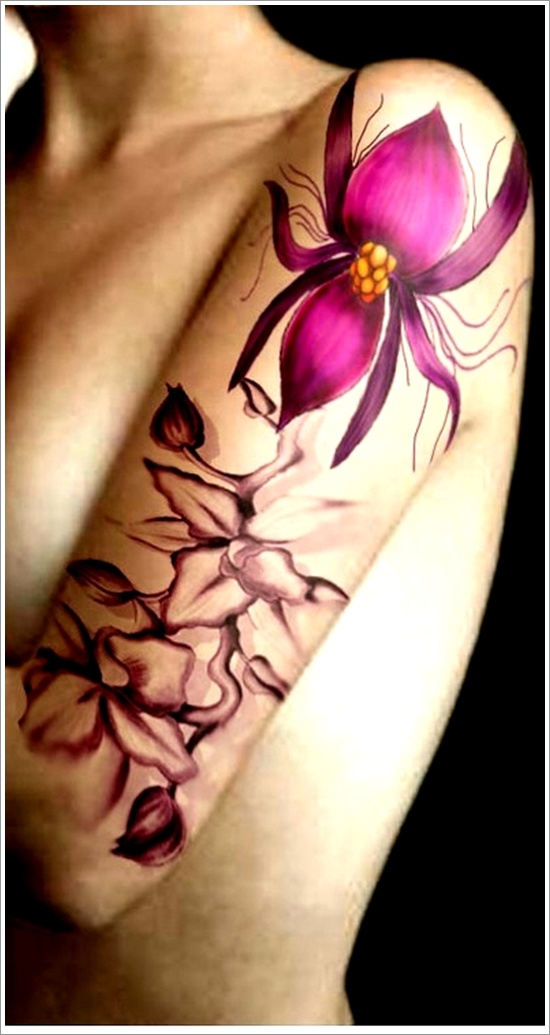
The orchid's ageing problem is its subtlety. Much of what makes a real orchid beautiful is soft gradient and very pale tone, and pale greys and light colours are the first things to lift out of a tattoo.
Two consequences. Ask for a wider tonal range than the reference - real darks in the throat of the flower and in the shadow between petals, so the structure survives when the pale areas soften. And avoid relying on hairline veining in the petals; it will merge.
Purples and pinks, which is most of the orchid palette, are middling for durability - better than yellow, worse than black. Deeper, more saturated versions hold better than pastels.
Sunscreen once healed. Expect a touch-up around year five to bring the pale work back, and treat that as normal maintenance on a soft-toned floral.
What to bring your artist
A species, ideally with a photograph of the actual flower rather than another tattoo. A sense of whether you want one bloom or a stem with several, which decides the placement. And whether the tattoo should read as delicate or as bold, because those are different drawings.
Ask for darker darks than the reference. A good artist will already want that, and will also push back on pure watercolour, on pastel palettes, and on packing a multi-bloom stem into a small space.
Aftercare, briefly
Your artist's instructions come first. Generally: leave the covering on as long as they said, wash gently twice a day with clean hands and fragrance-free soap, then a very thin layer of the recommended aftercare.
Rib and spine work rubs against clothing and moves when you breathe, so loose fabric for a fortnight. No soaking for two to three weeks, no sun while healing, and no picking - ink lifted from a pale petal during peeling is exactly the softness you were trying to avoid.