50 Name Tattoos for Women
A name is the most personal tattoo you can get and the one most often regretted, and those two facts are not a contradiction. It depends almost entirely on whose name it is.
There is also a craft problem specific to lettering that nothing else has: text is the only tattoo that fails completely rather than gradually. A blurred rose is still a rose. A blurred name is unreadable, and an unreadable name is the whole tattoo gone.
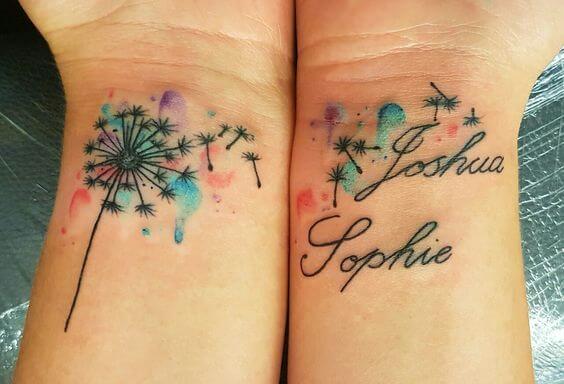
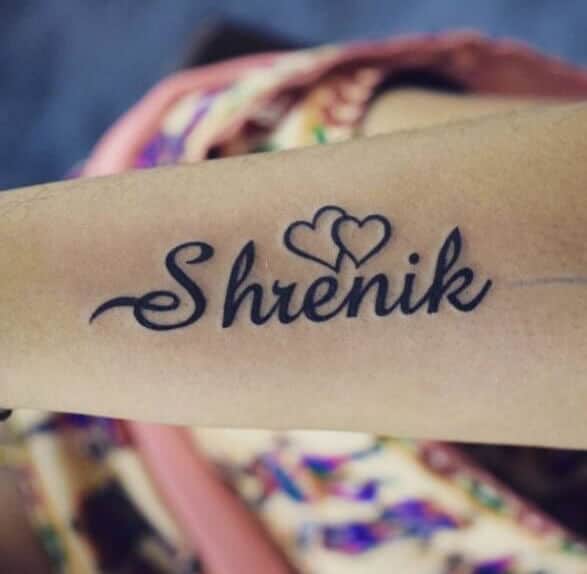
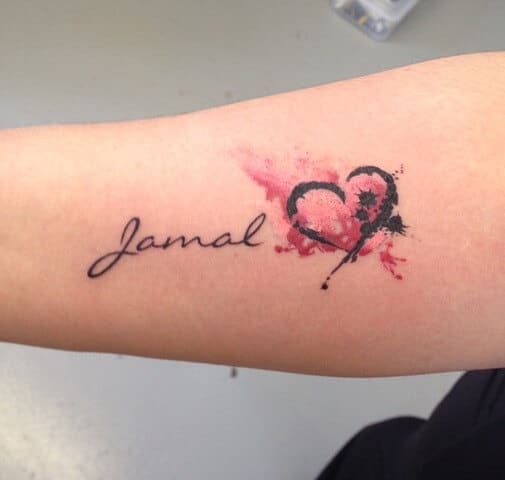
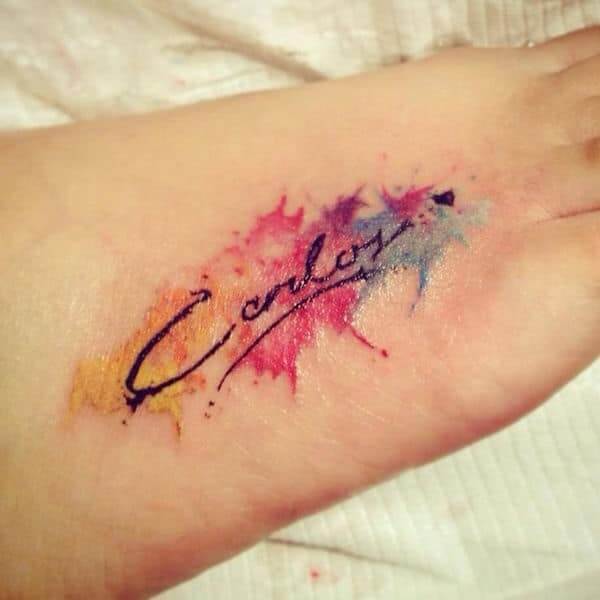
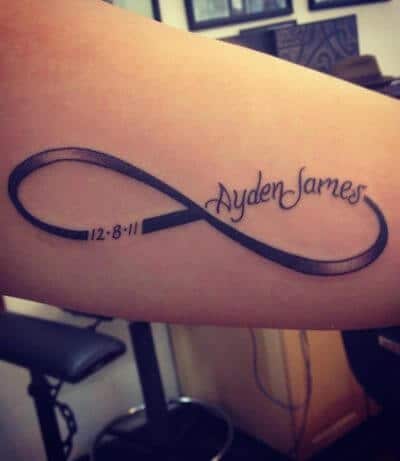
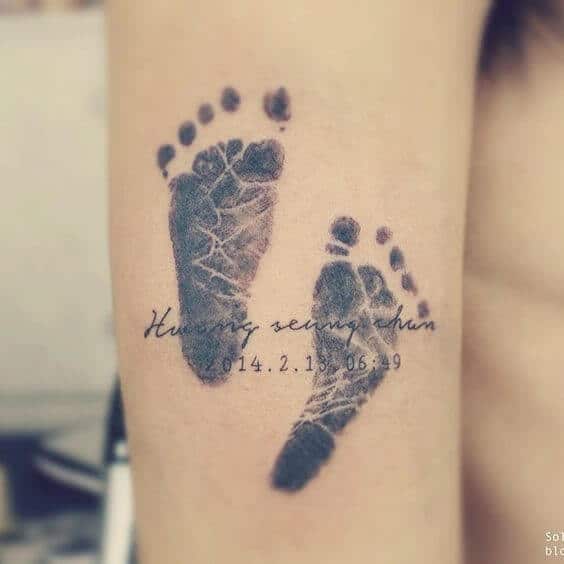
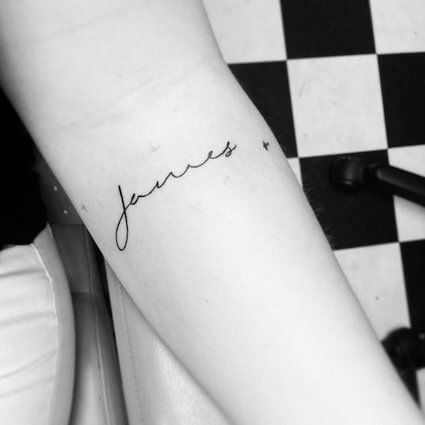
Whose name, honestly
Artists have watched this play out for decades, and the pattern is consistent.
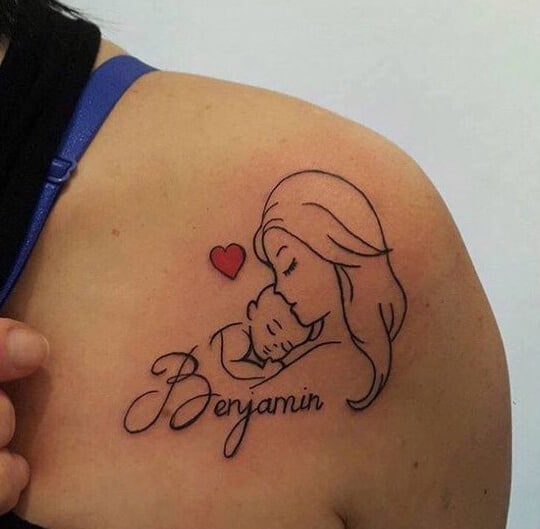
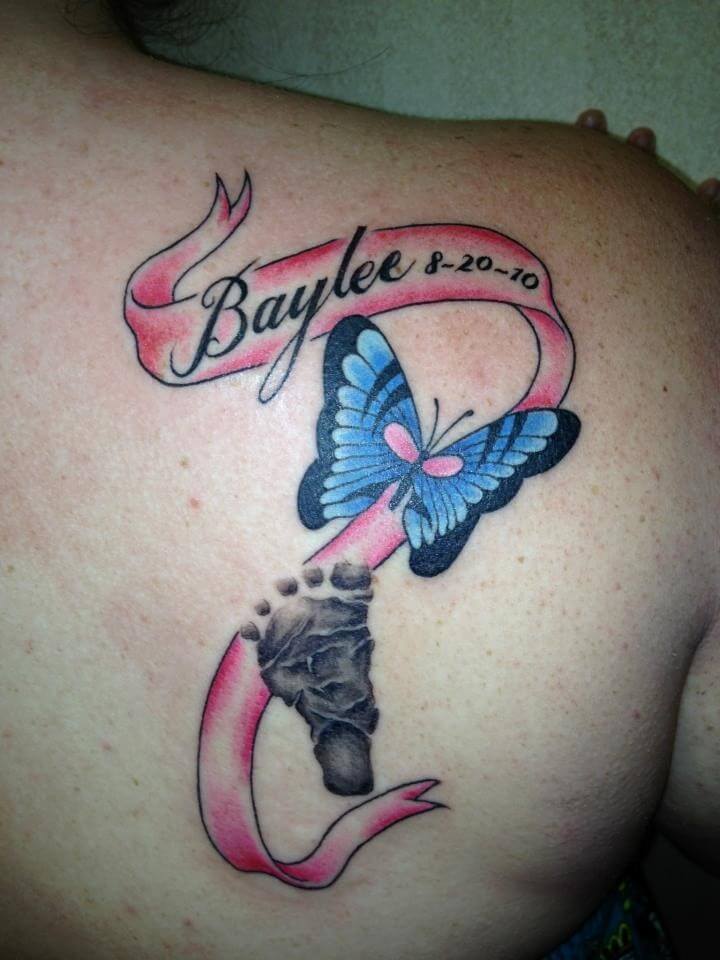
Children's names are the safest, and by a wide margin. The relationship does not end, and parents rarely regret it.
Parents and grandparents, particularly as a memorial. Also safe, and often the most meaningful tattoo someone owns.
Siblings and lifelong friends. Generally fine.
A partner's name is the one every artist has a story about. It is not a prohibition and plenty of people wear one happily for forty years. But be honest with yourself about how long you have been together, and know that a cover-up on lettering means something considerably bigger and darker than the original, because straight dark lines are hard to hide.
A middle path worth knowing about: rather than the name itself, tattoo something that means them - their handwriting on a note, a date, coordinates, a flower for their birth month, a line they always said. It carries the same weight and it does not read as a label if things change.
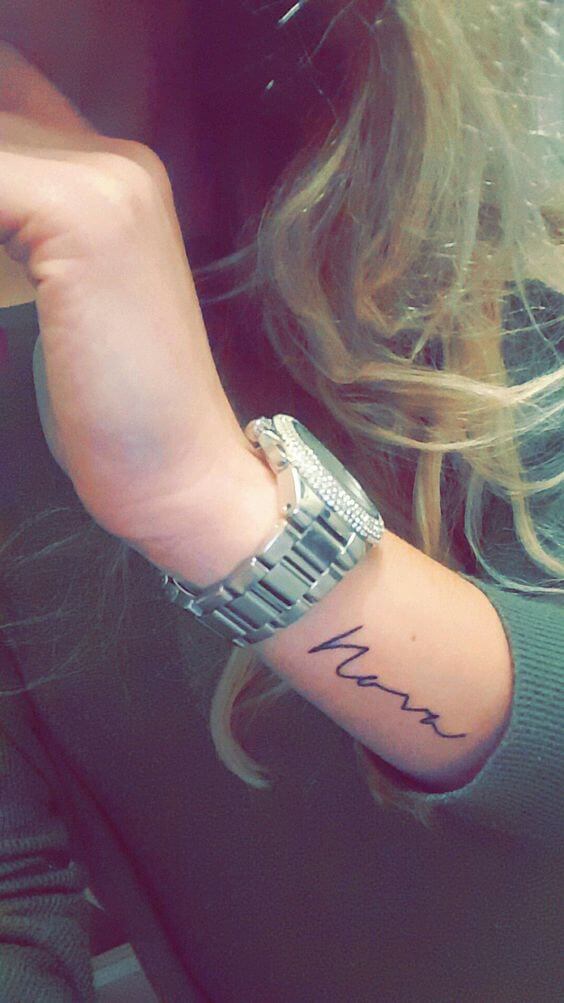
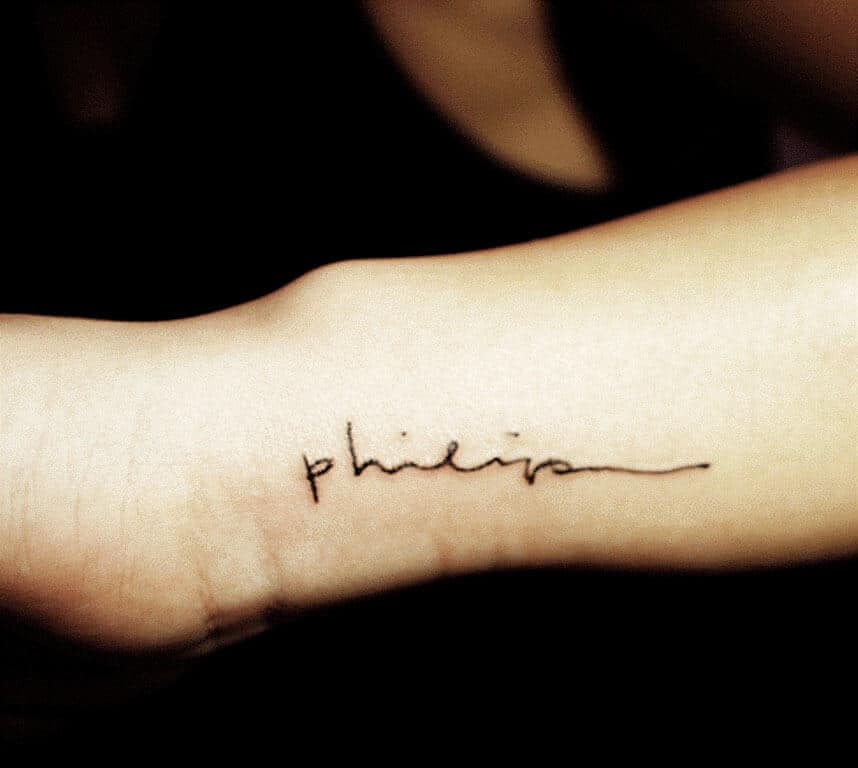
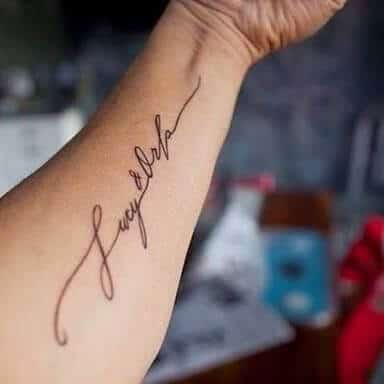
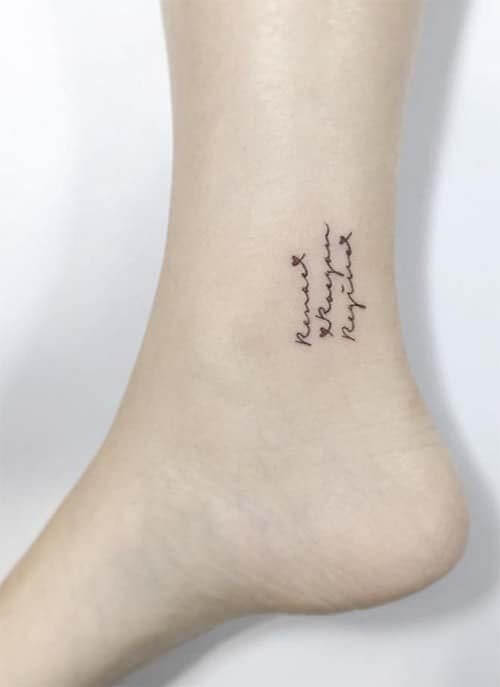
Handwriting deserves its own mention. A signature or a few words in the real handwriting of someone who has died is one of the most affecting tattoos there is, and it is impossible to get from a font. Scan the original at high resolution and give your artist the file rather than a phone photo.
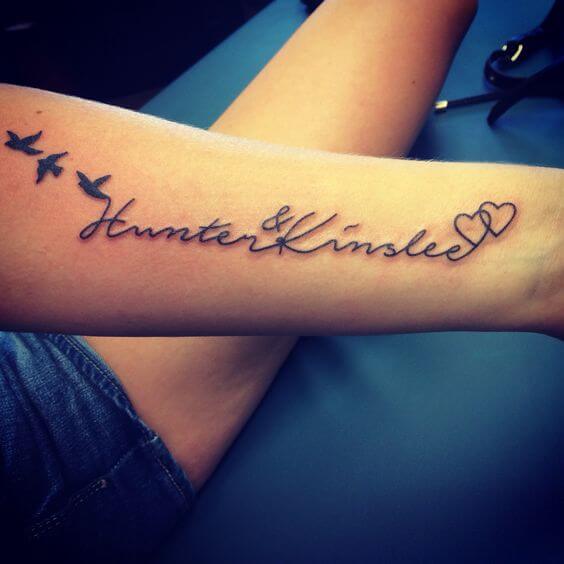
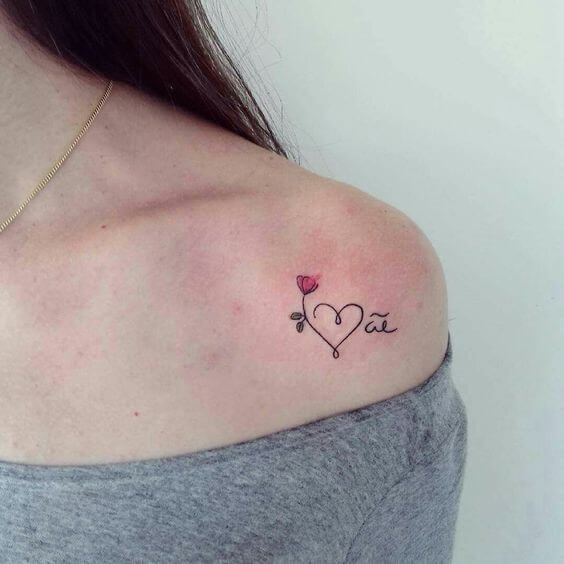
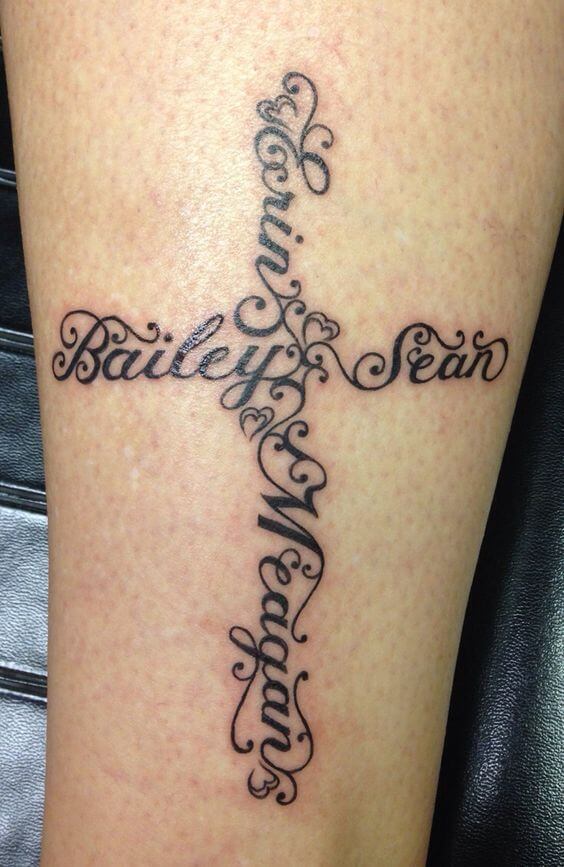
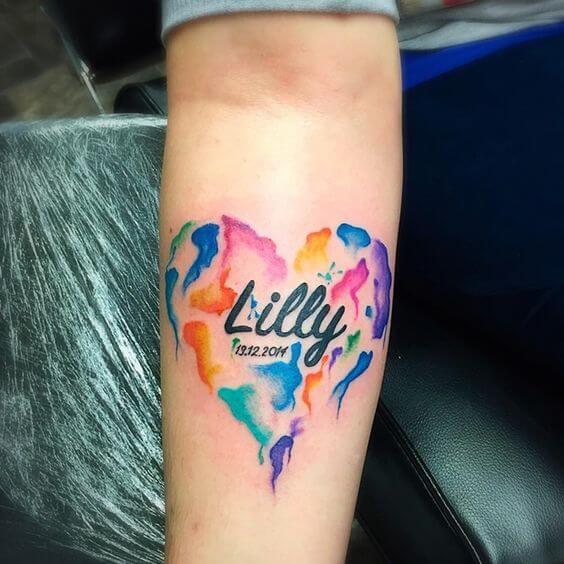
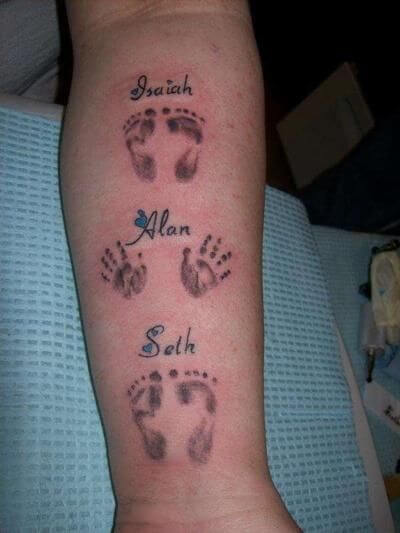
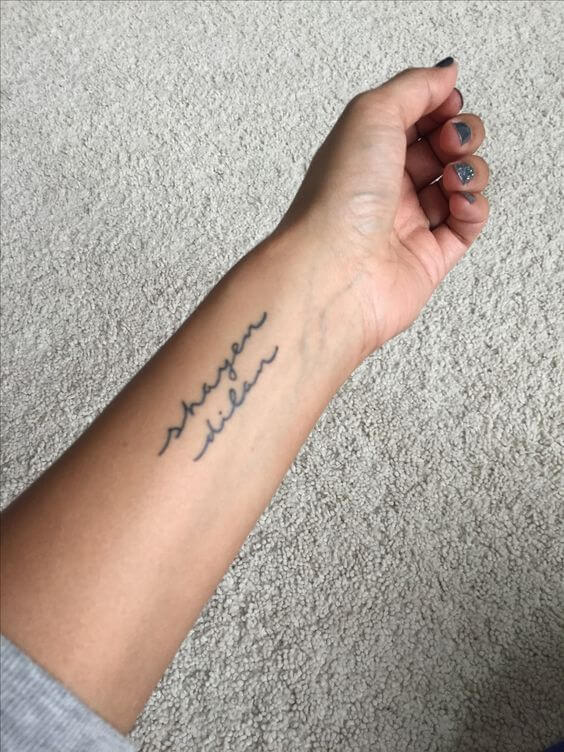
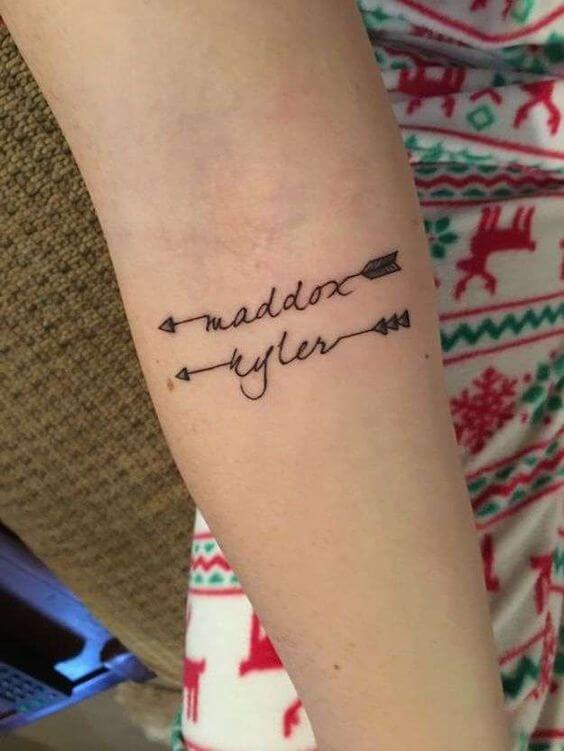
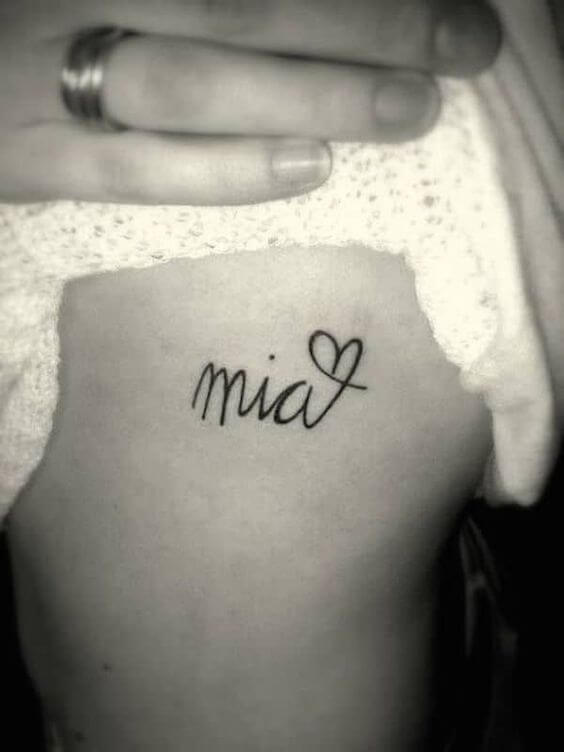
Lettering that stays readable
This is the part that decides whether the tattoo works in twenty years.
Size it above the minimum. Ink spreads slightly in the skin over decades. Letters need clear space between the strokes to survive that. As a rule of thumb, avoid anything under about a quarter of an inch in cap height, and go larger for a script with thin hairlines.
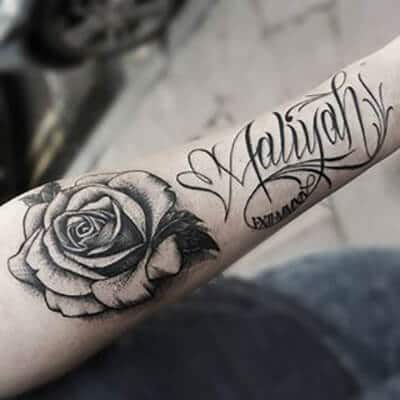
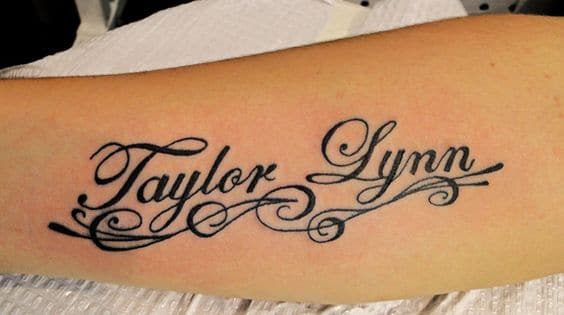
Choose an open face. Scripts with lots of contrast between thick and thin strokes look beautiful fresh and are the first to close up. Faces with more even weight and open counters - the enclosed spaces inside letters like a, e and o - hold far better.
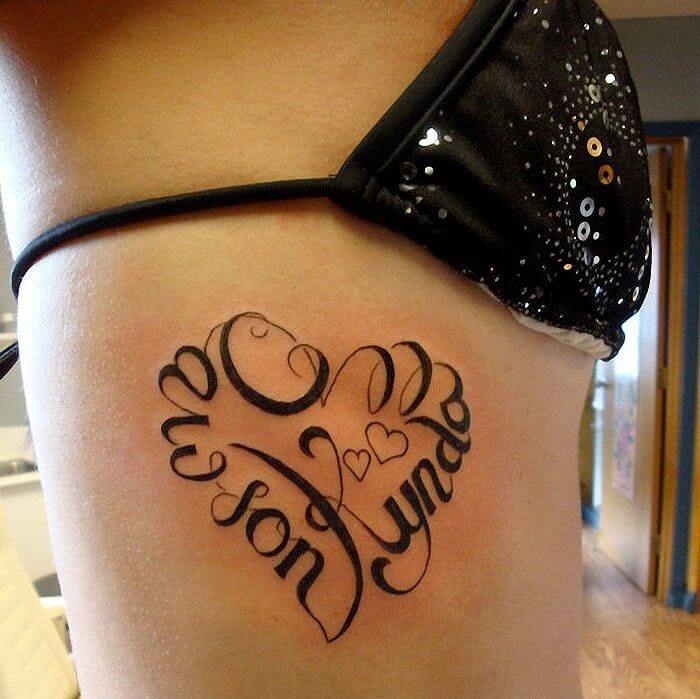
Mind the placement. Fingers, the side of the hand and the inner wrist see constant friction and sun, and lettering there fades and blurs faster than anywhere else on the body. Ribs and forearms are far kinder.
Check every character before the needle starts. Proof the stencil. Then proof it again. Photograph it and read it on your phone. Misspelled name tattoos are common enough to be a genre, and they are always avoidable.
Ask about the artist's lettering work specifically. Script is a specialism. An artist with a superb portfolio of animals may not be the right hand for fine lettering, and a good one will say so.
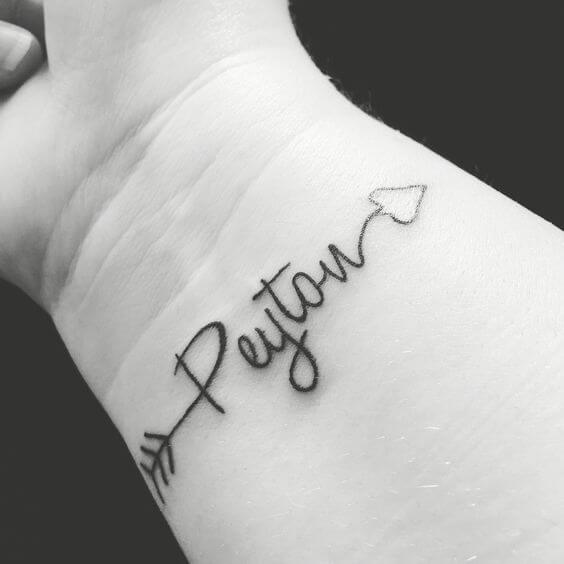
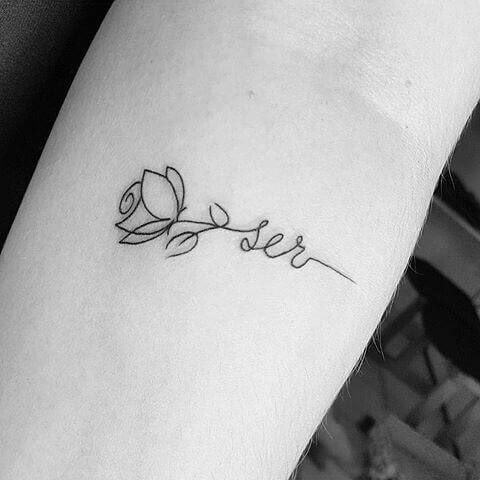
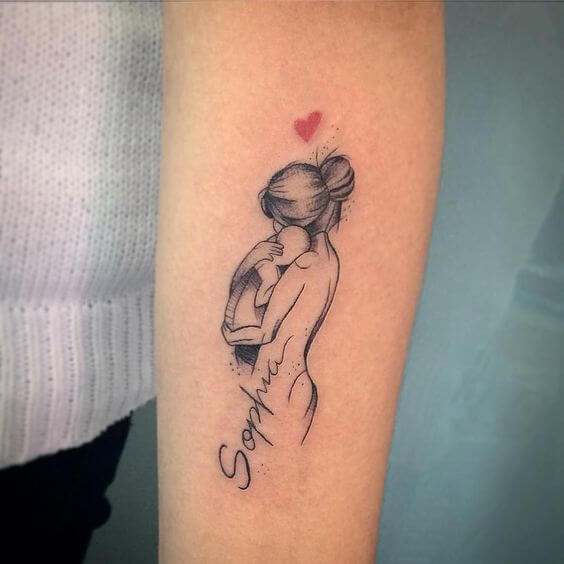
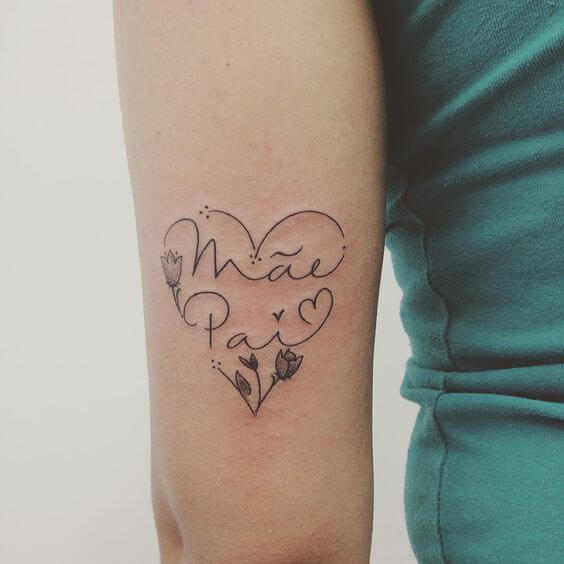
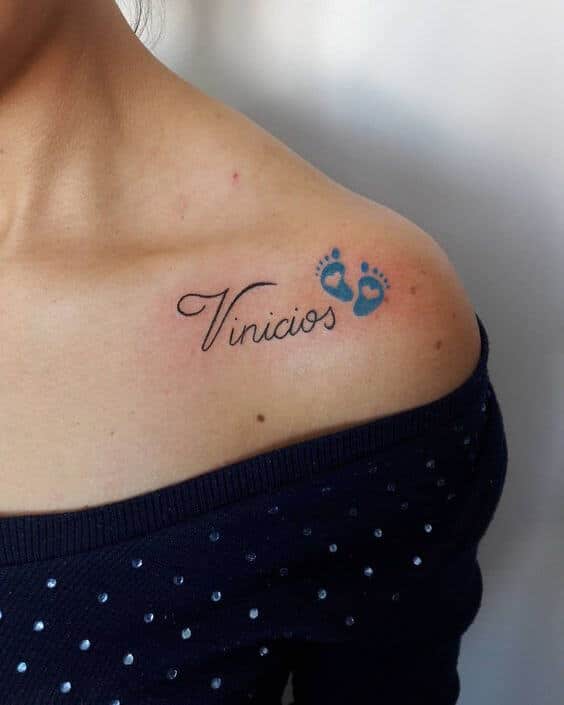
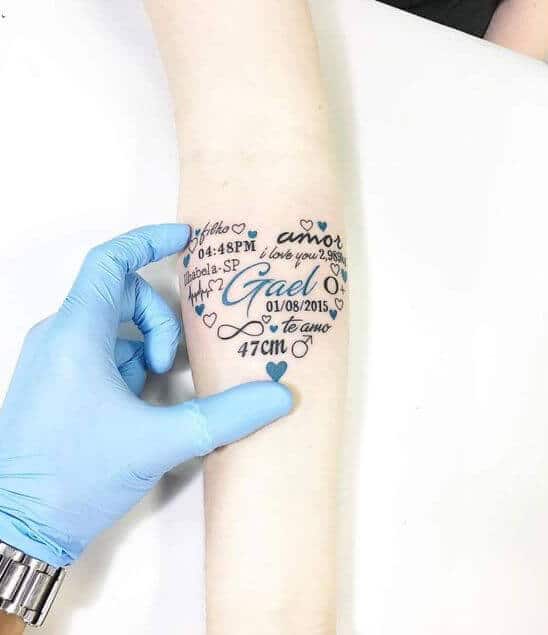
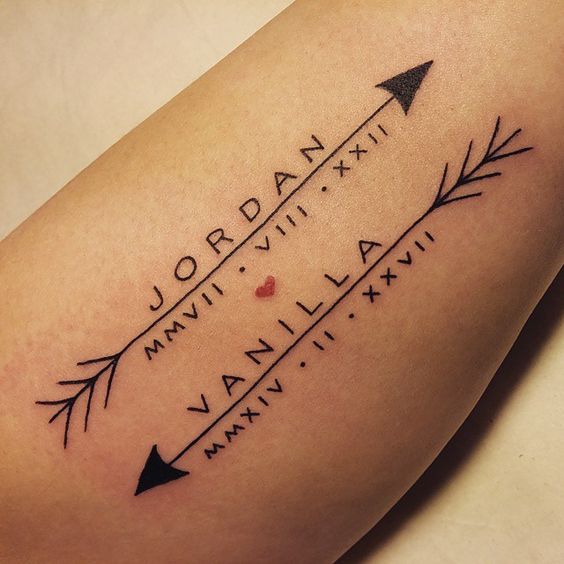
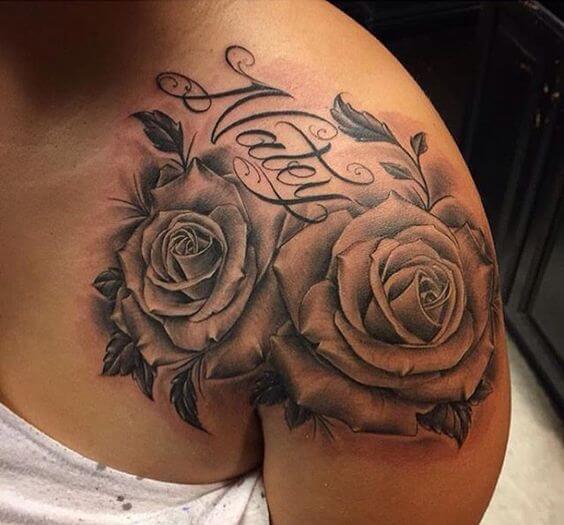
Placement, size and cost
| Design | Typical size | Sittings | Pain, 1-10 | Rough cost |
|---|---|---|---|---|
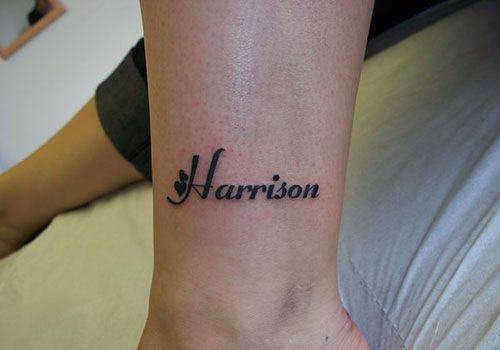
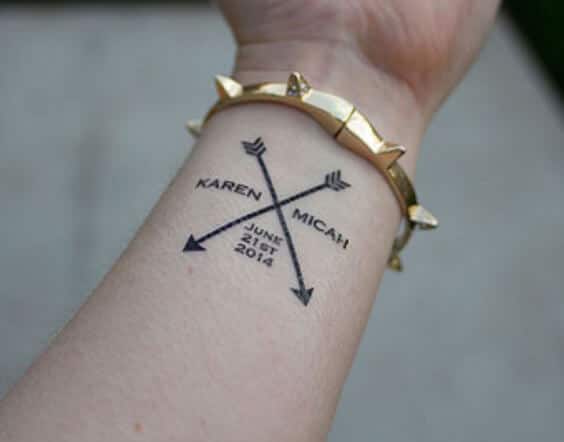
| Single short name, wrist or ankle | 1-2 in | 1 | 6-7 | Shop minimum |
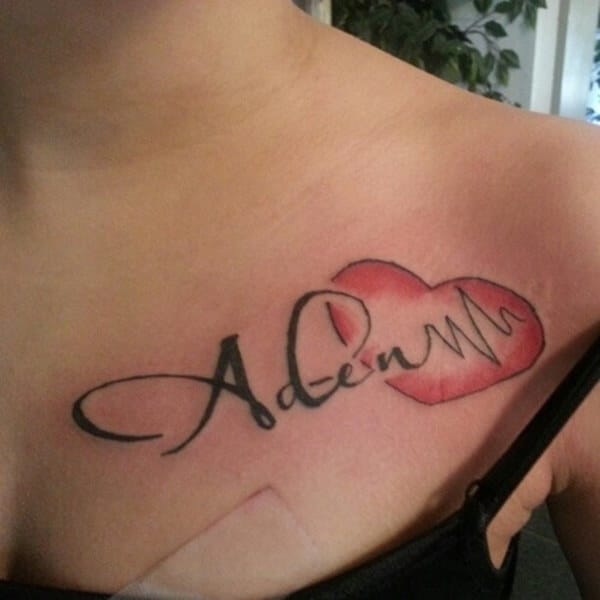
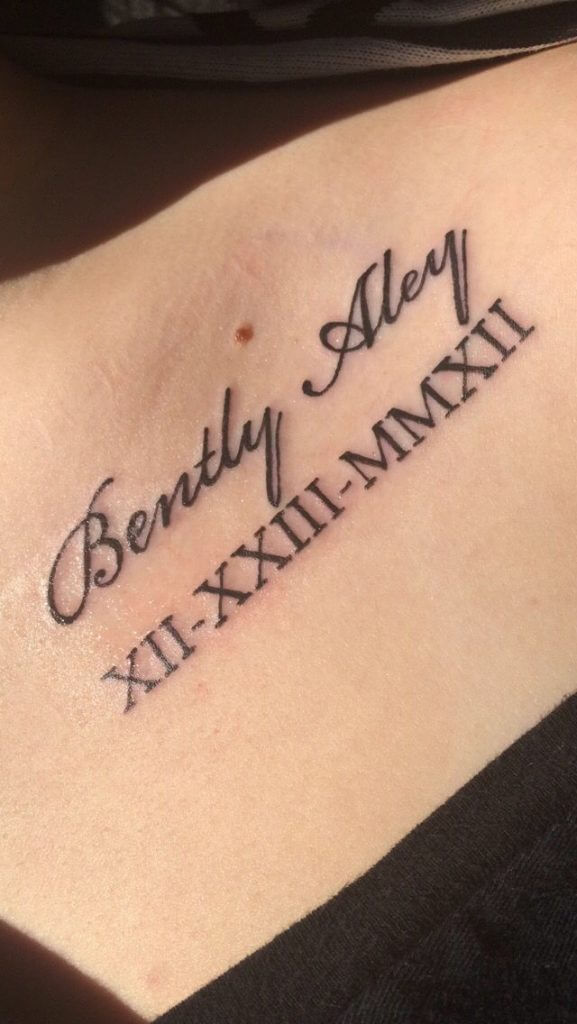
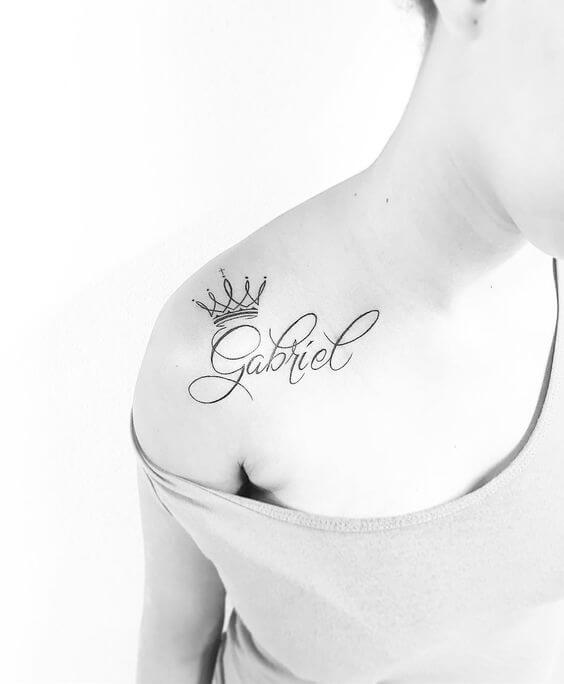
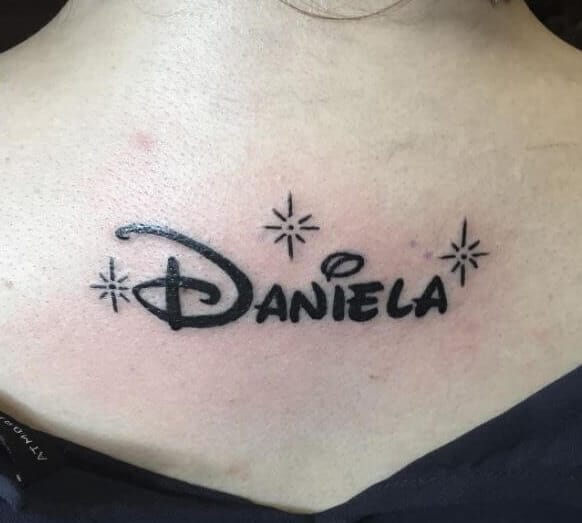
| Name on the collarbone | 3-5 in | 1 | 6-7 | $120-$300 |
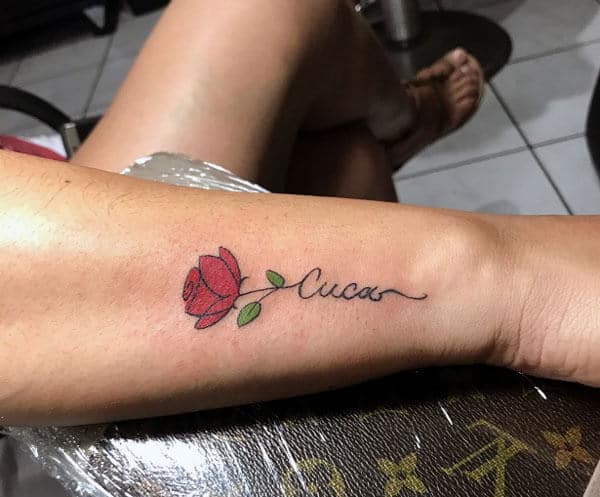
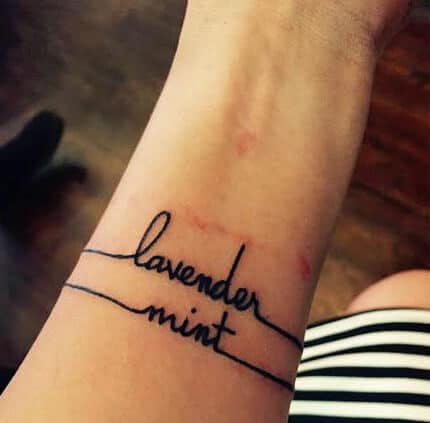
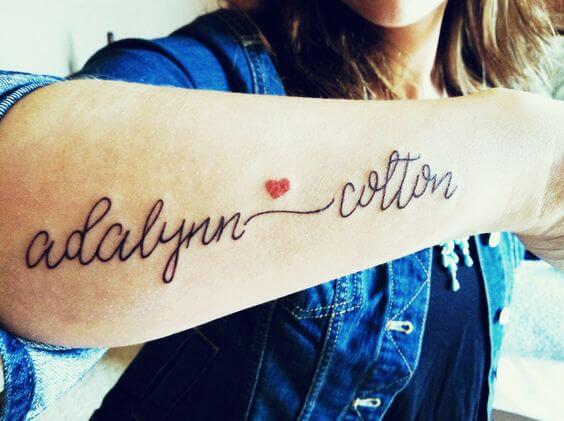
| Name on the inner forearm | 3-6 in | 1 | 5-6 | $150-$350 |
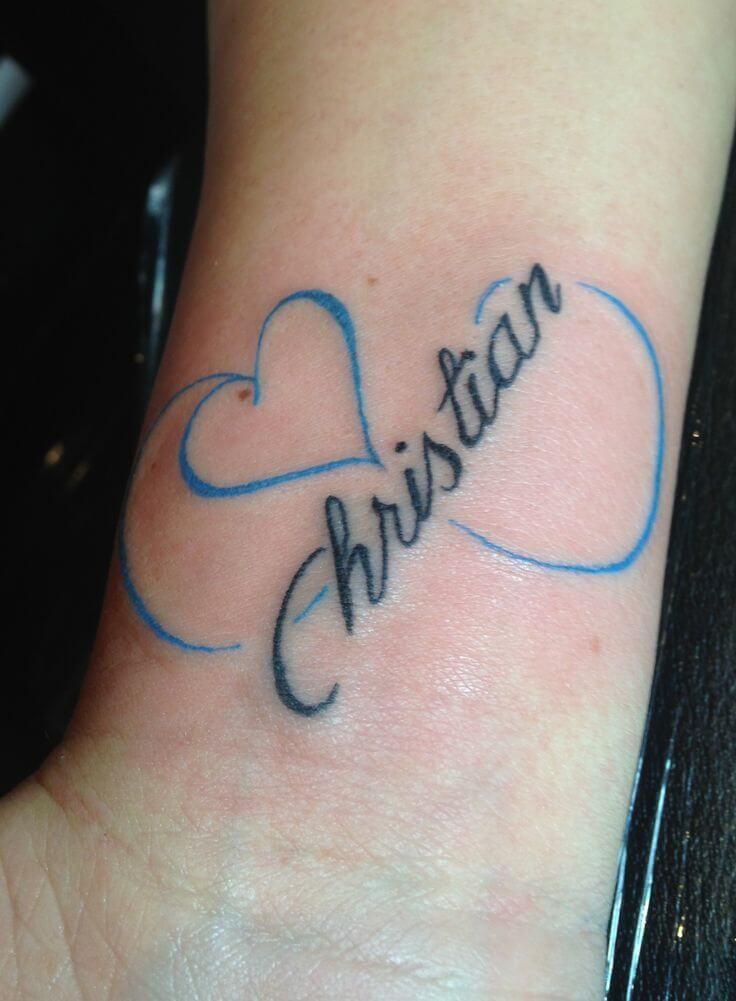
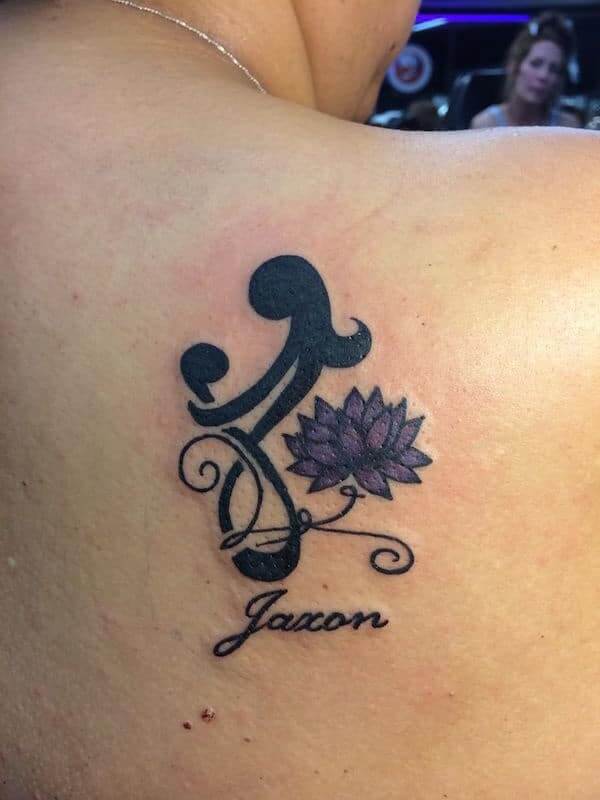
| Name with a small motif | 4-6 in | 1 | 4-6 | $250-$500 |
| Several names, ribs or spine | 6-10 in | 1-2 | 8-9 | $400-$1,000 |
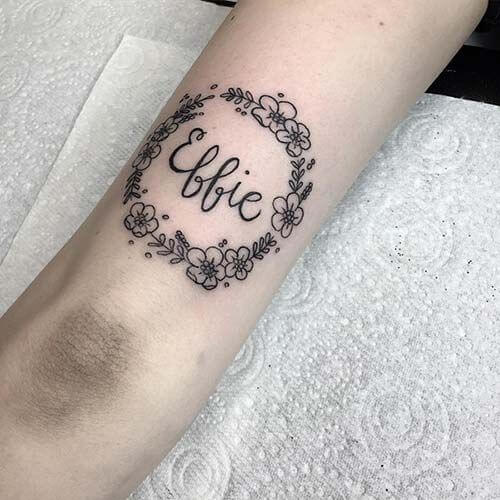
| Handwriting reproduced, with florals | 5-8 in | 1-2 | varies | $400-$1,200 |
Rates vary by city and artist. Lettering is quick to apply and slow to get right, so some of what you pay is drawing time before the appointment.
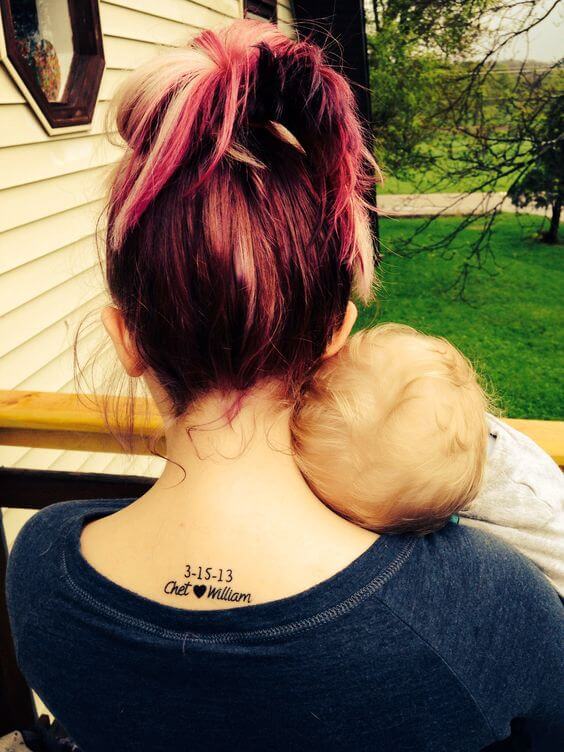
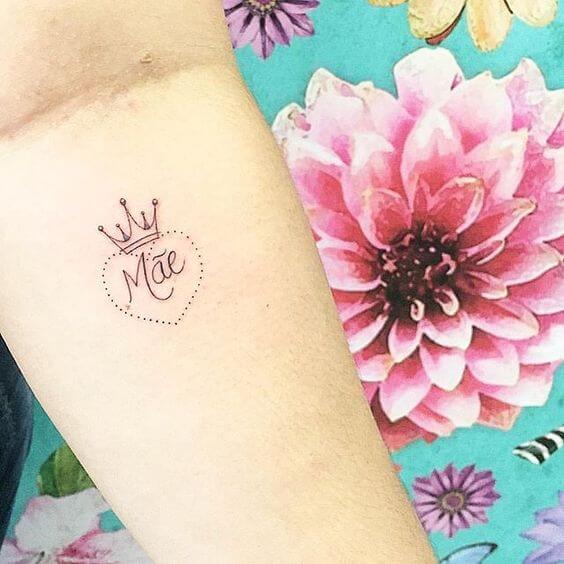
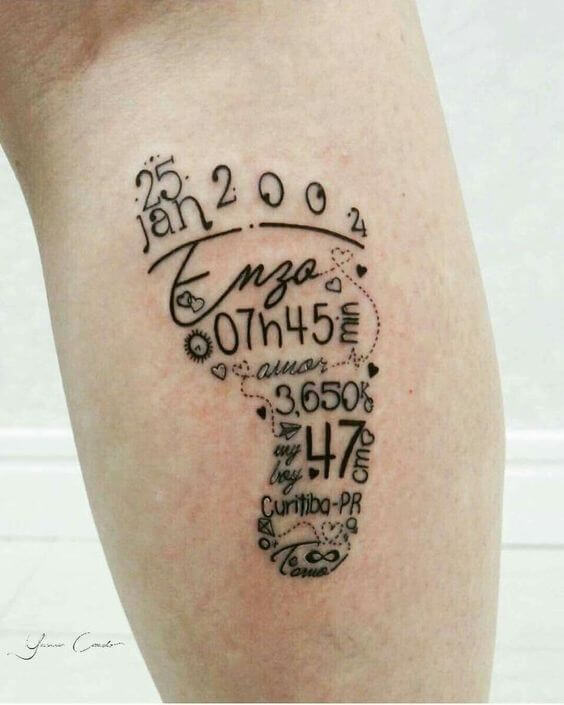
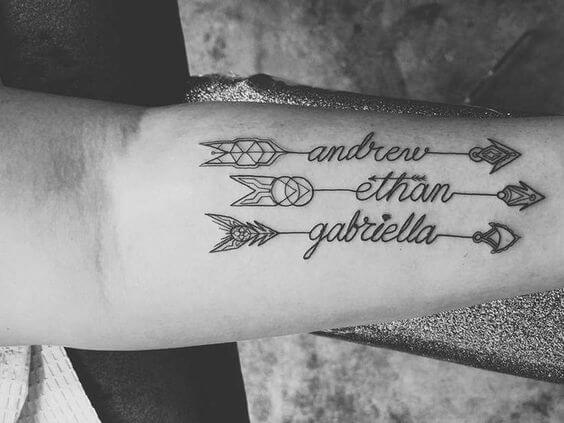
Styles that hold up
Clean script with moderate stroke contrast. The classic, and it ages well at a sensible size.
Traditional and neo-traditional lettering. Built to last, and it suits a name paired with a banner or a rose.
Blackletter. Heavy, dramatic, extremely durable. Hard to read at small sizes, so give it room.
Typewriter and simple sans faces. Understated and legible, and they age better than delicate scripts.
Handwriting. Ages according to how thin the original strokes are. Ask your artist to thicken hairlines very slightly; done well it is invisible and it doubles the life of the piece.
Worth thinking twice about: hyper-fine single-needle script at small sizes, and anything set in a font you have not seen tattooed and healed.
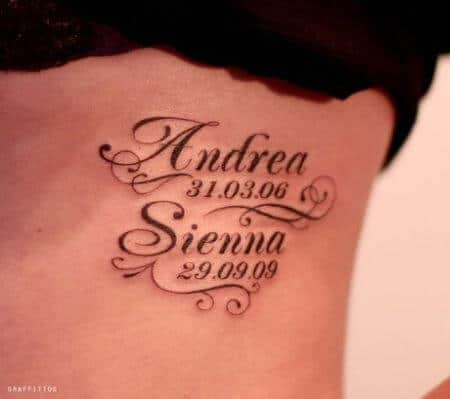
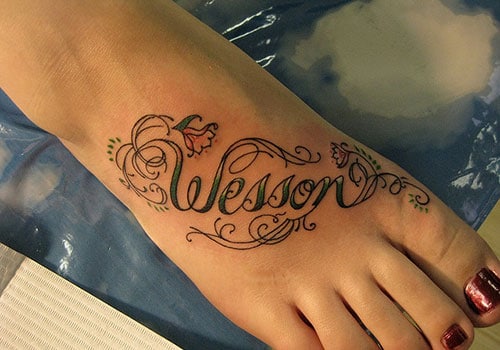
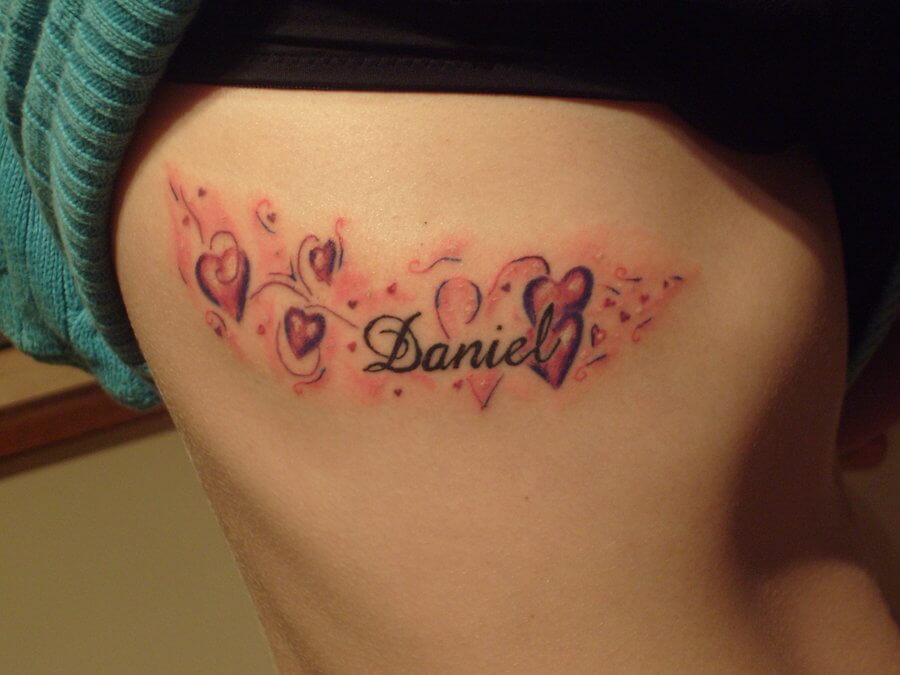
How it will age
Lettering blurs from the inside out. The gaps close first, then the counters fill, then the word becomes a shape. Well-sized script with open letterforms can look sharp at twenty years. Tiny fine-line script can be struggling at five.
Sun accelerates all of it, and hands, wrists and forearms get the most of it. Sunscreen once healed. Expect a touch-up somewhere around year five on fine lettering, and treat it as maintenance rather than a fault.
What to bring your artist
Bring the exact spelling in writing, including any accents. Bring the scanned handwriting file if that is the plan. Bring two or three lettering styles you like, and say whether legibility or beauty matters more to you when they conflict - because they do.
Say where you want it and how visible you want it to be day to day. A good artist will push back on a size that will not survive, on a placement that will fade fast, and gently on a partner's name if you have been together six months.
Aftercare, briefly
Your artist's instructions come first. Generally: covering on as long as they said, then gentle washing twice a day with clean hands and fragrance-free soap, and a very thin layer of the recommended aftercare.
Lettering on a wrist or hand gets knocked and washed more than most tattoos. Keep it out of the sun entirely while healing, and resist picking the flakes
- lifted ink in the middle of a letter is exactly the damage that shows.