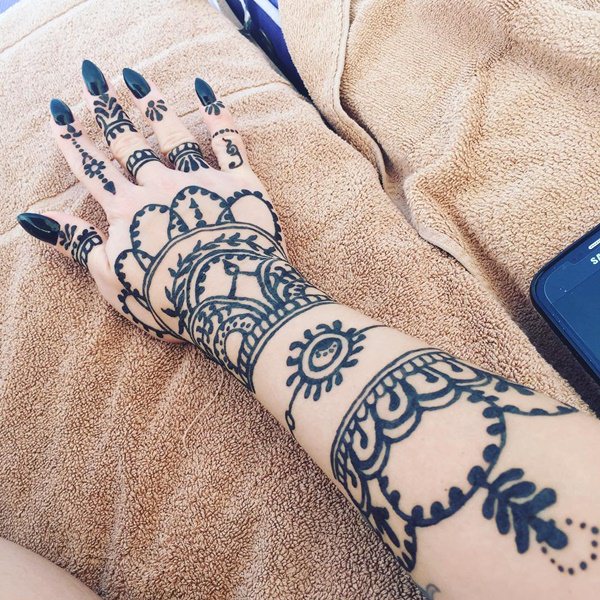
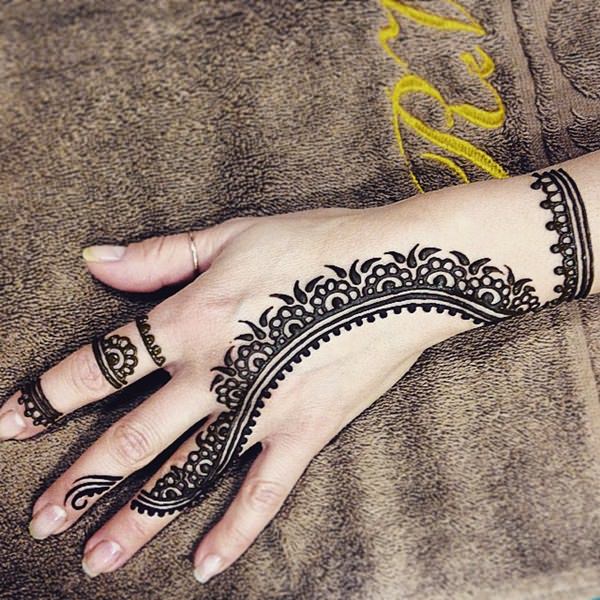
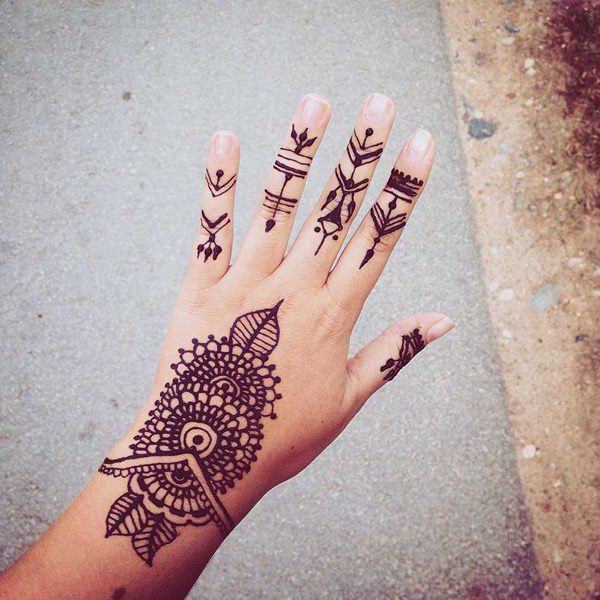
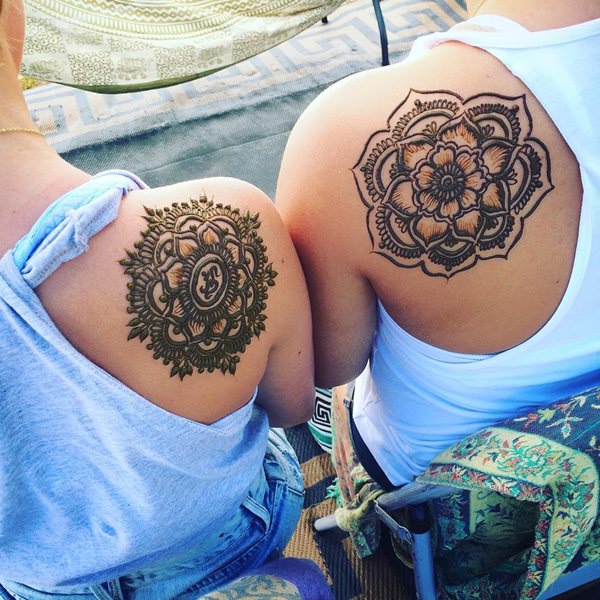
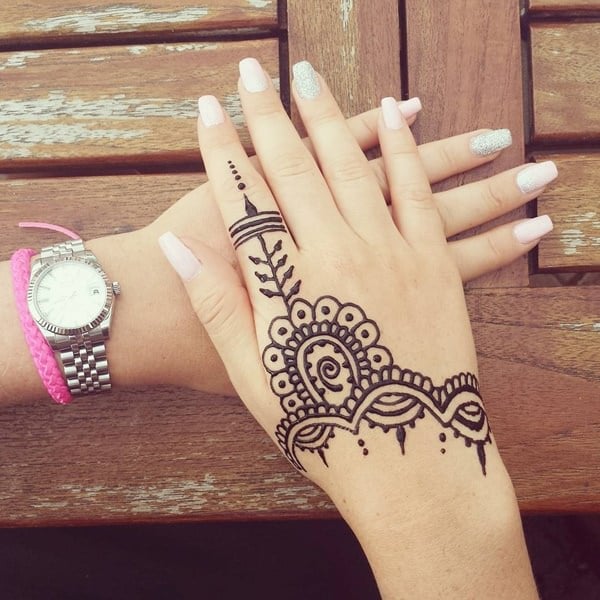
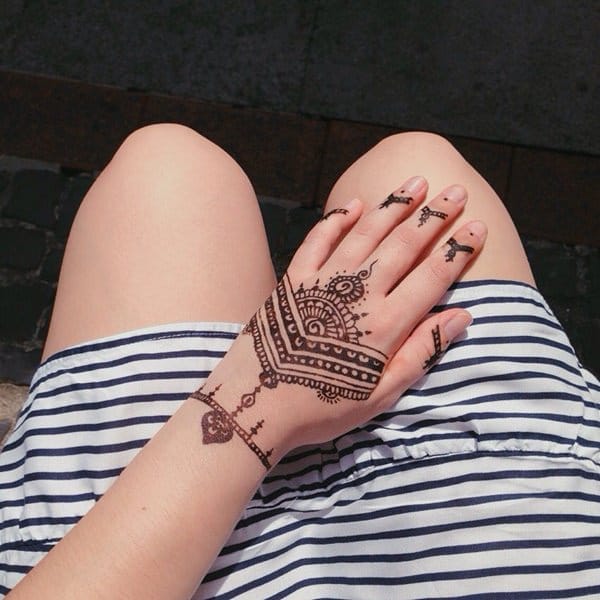
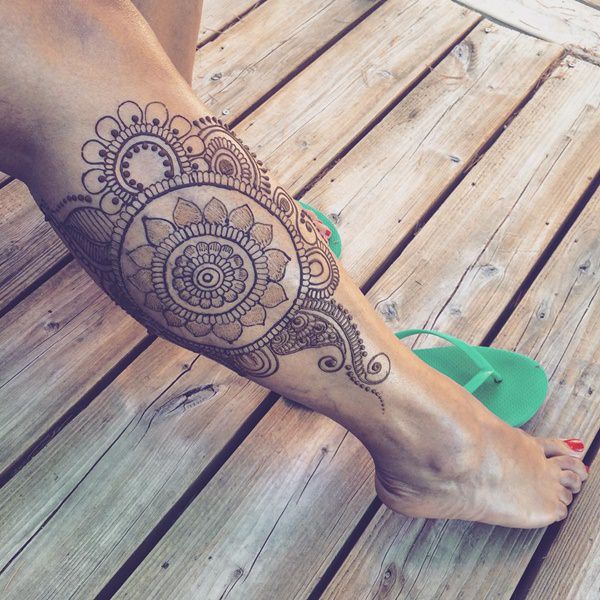
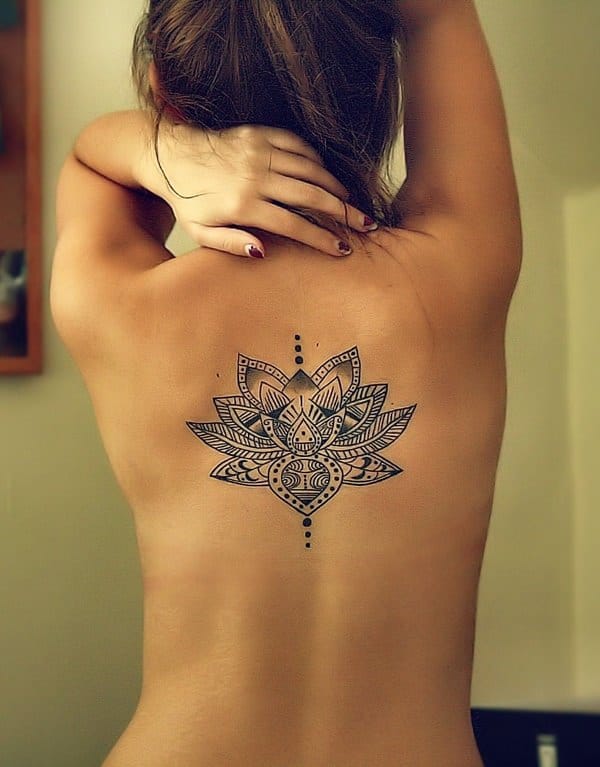
75+ Henna Tattoos That Will Get Your Creative Juices Flowing
Henna is not a tattoo. Nothing enters the skin: the paste stains the outermost layer, and it leaves as that layer sheds, usually within one to three weeks. That is the appeal for a lot of people, and it makes henna the only genuinely risk-free way to find out how a design looks on your body.
There is one serious safety point on this page, and it is the reason to read the next section before booking anything at a market stall or on holiday.
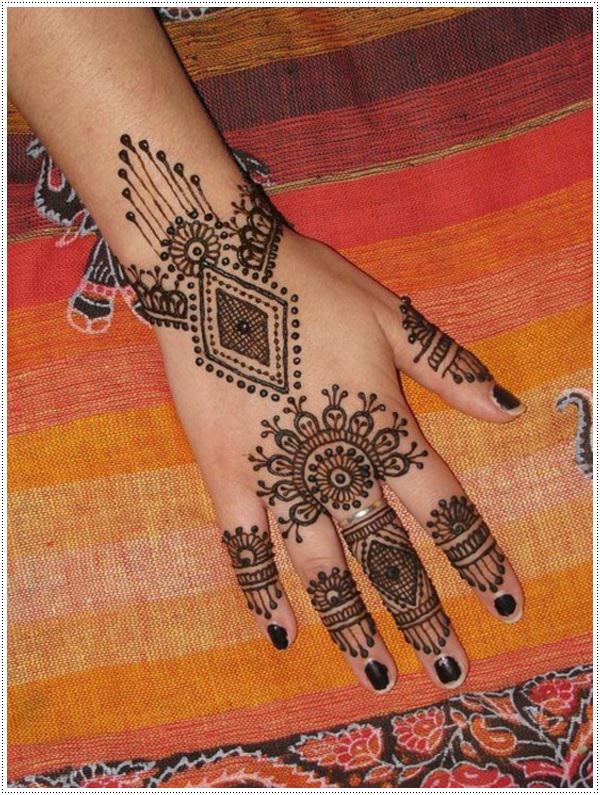
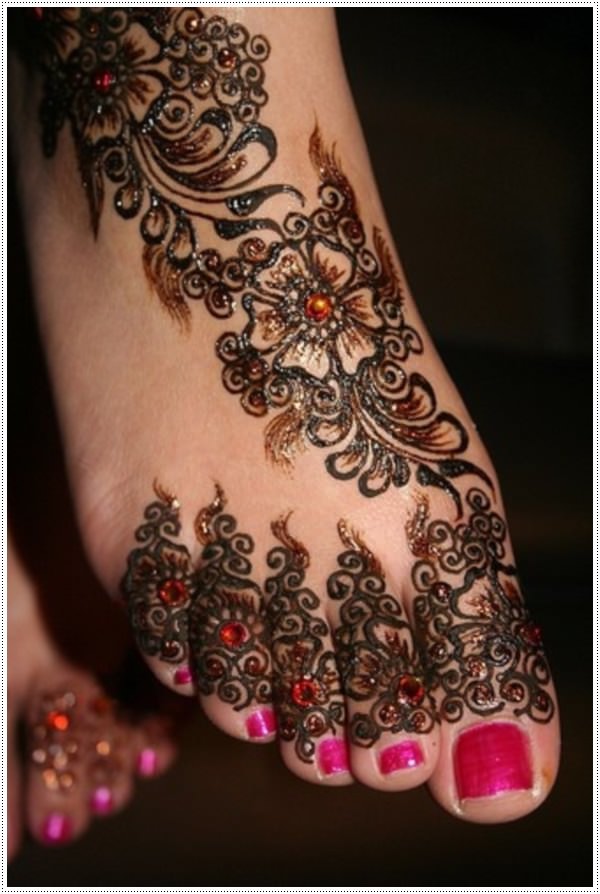
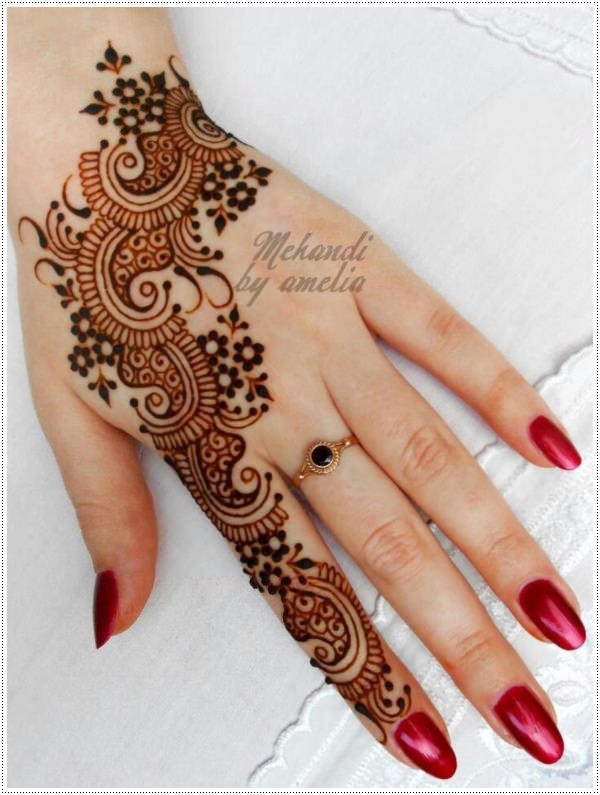
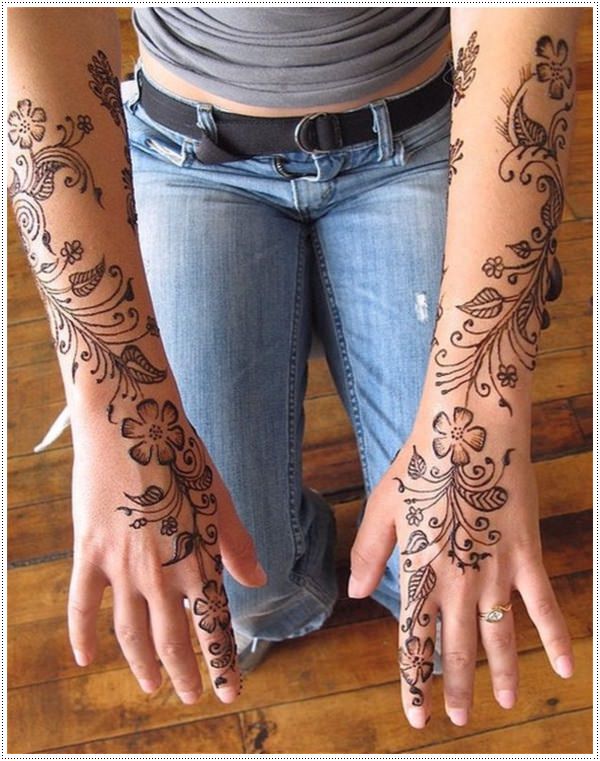
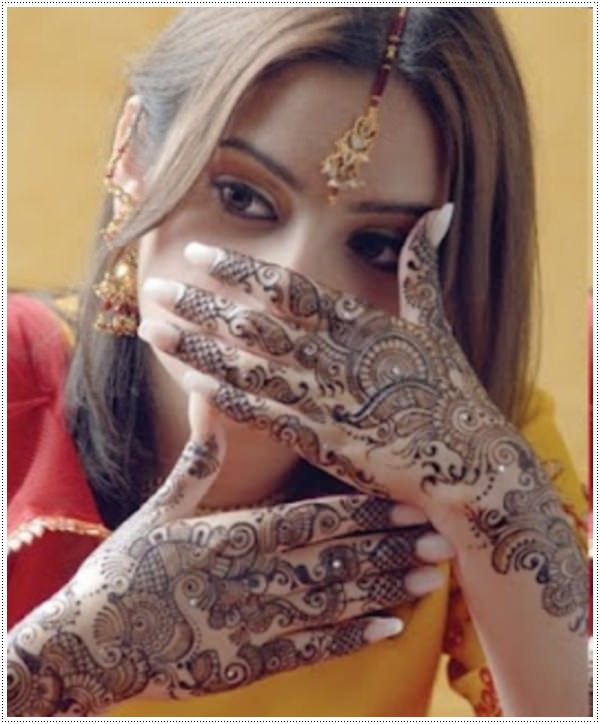
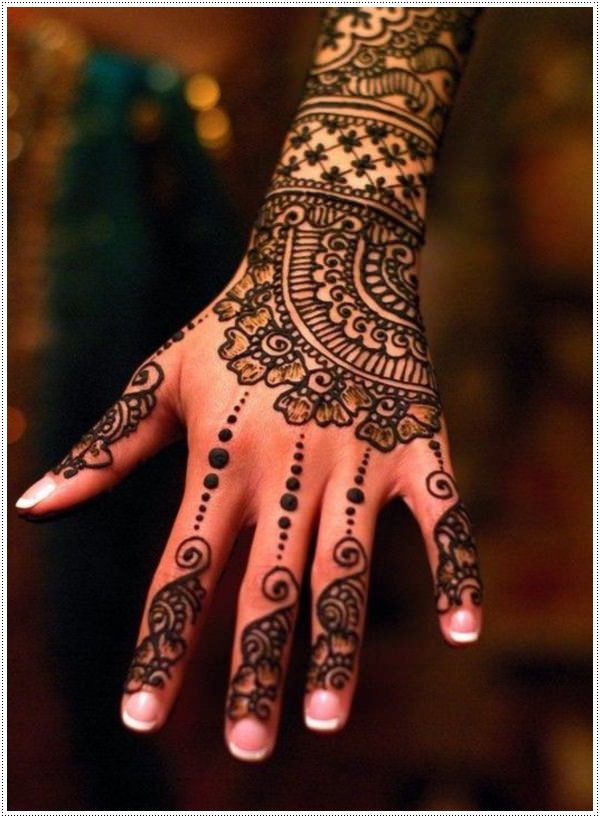
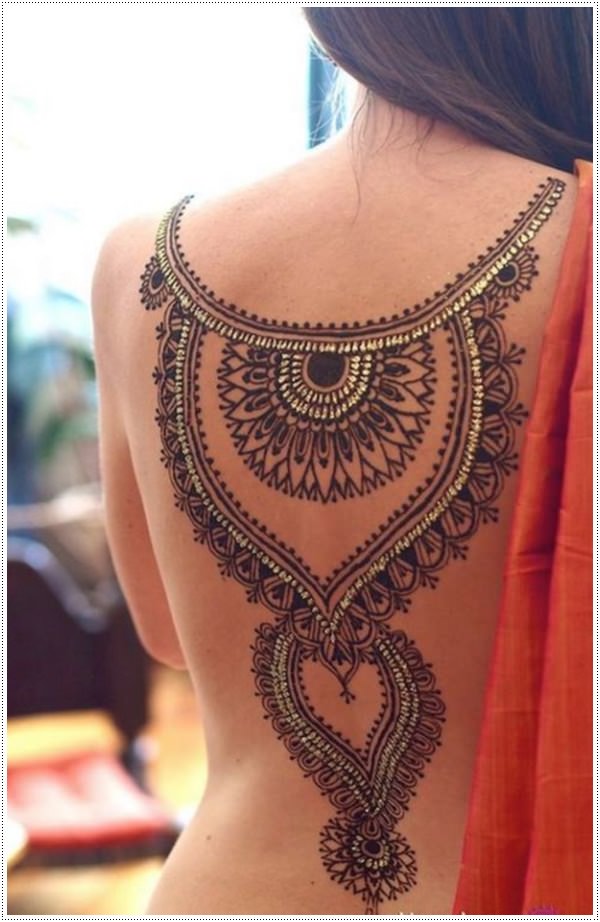
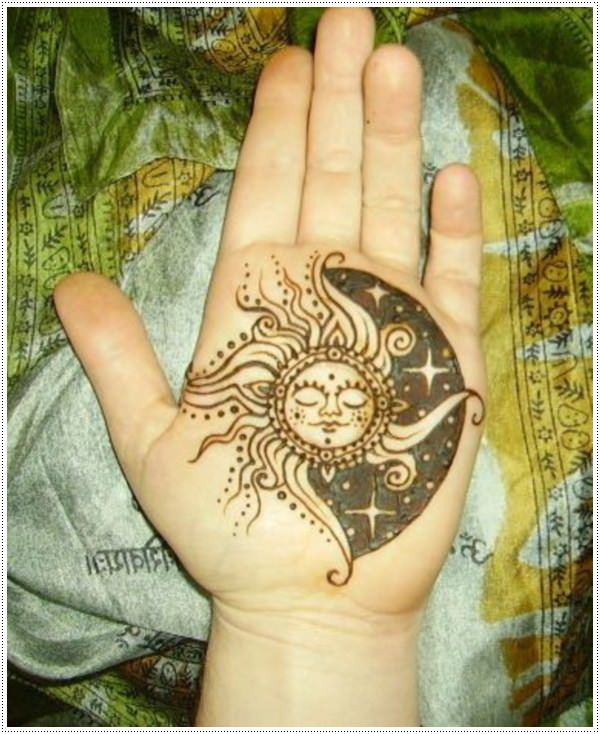
Black henna, and why it matters
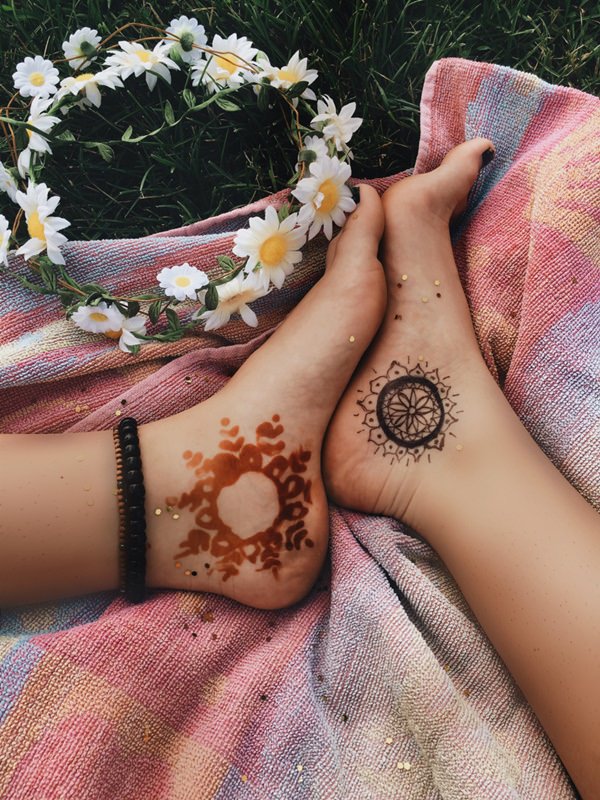
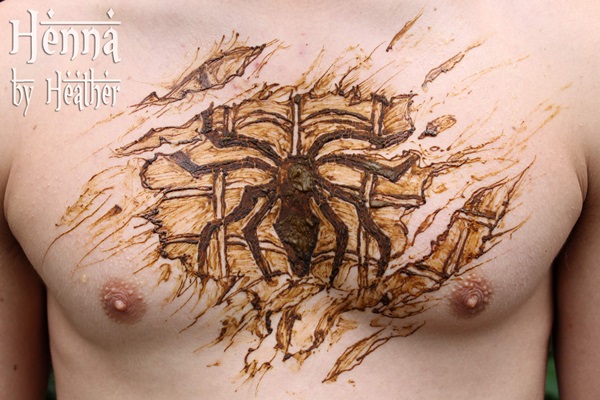
Real henna, from the leaves of Lawsonia inermis, stains orange to deep reddish-brown. It is never black. The paste is green-brown and smells strongly of the plant.
So-called "black henna" is henna adulterated with para-phenylenediamine, a hair-dye chemical, added to produce a black stain quickly. PPD on skin at those concentrations causes chemical burns and severe allergic reactions in a significant number of people: blistering, permanent scarring in the shape of the design, and lasting sensitisation that can make later exposure to hair dye dangerous.
Children are affected more often and more severely. It is banned for direct skin application in many countries and is still widely sold at tourist markets.
How to stay safe:
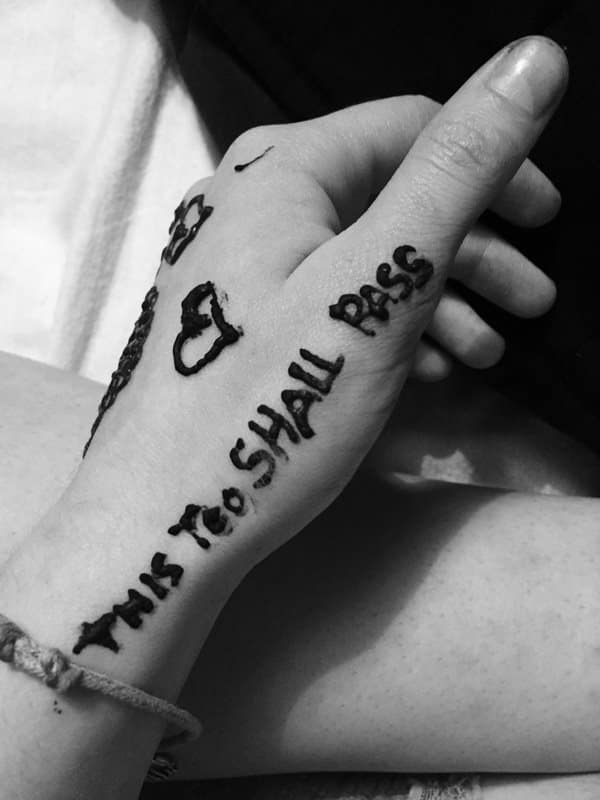
- If it stains black, do not have it. Natural henna simply cannot.
- Expect the paste to be green-brown, to smell of the plant, and to stain orange first, darkening to brown over a day or two.
- Ask what is in it. A good artist mixes their own and will tell you happily.
- Be wary of anything promising a black result, an instant result, or one lasting longer than about three weeks.
- "Jagua", from a fruit, does stain blue-black and is a genuine alternative - though it too can cause reactions in some people.
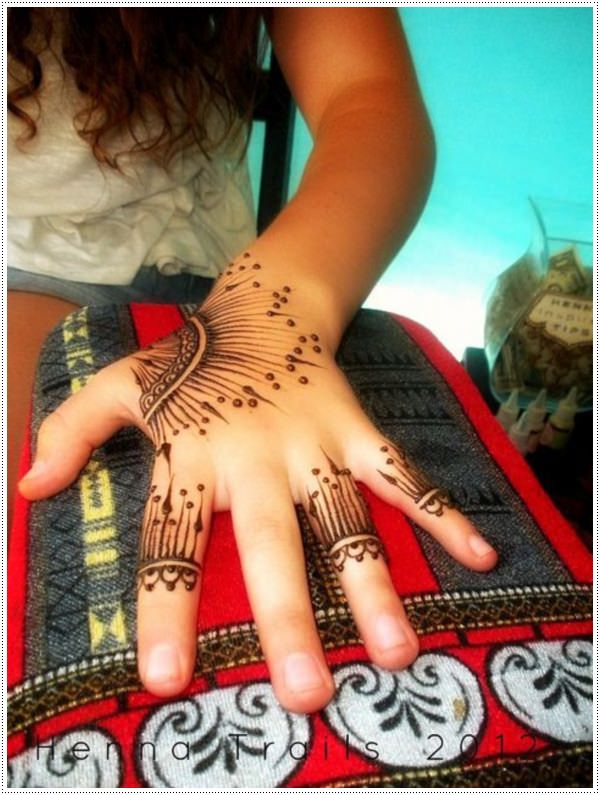
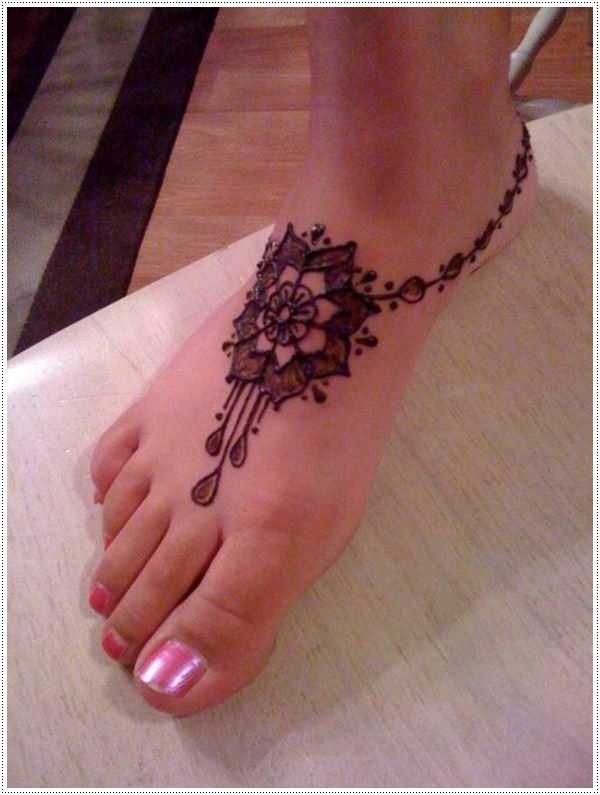
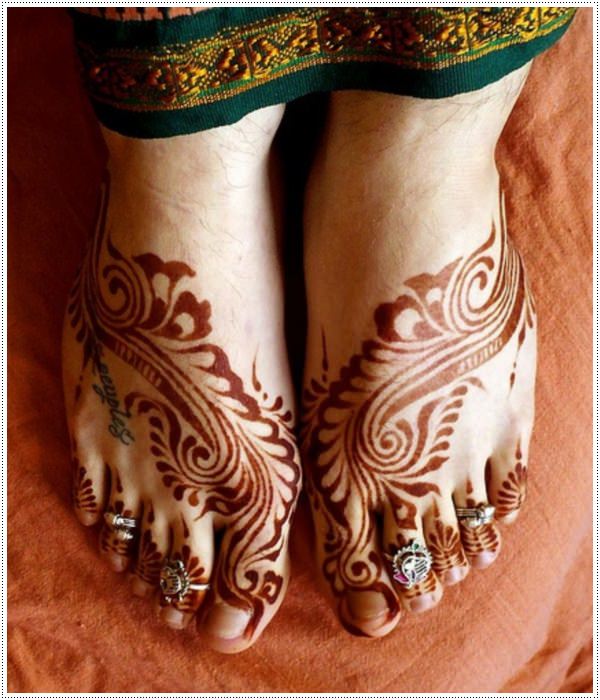
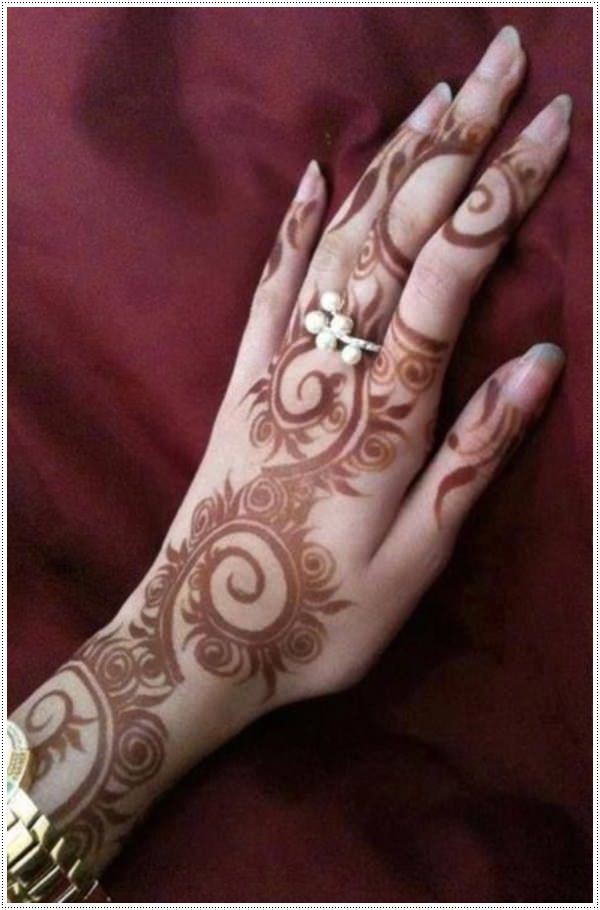
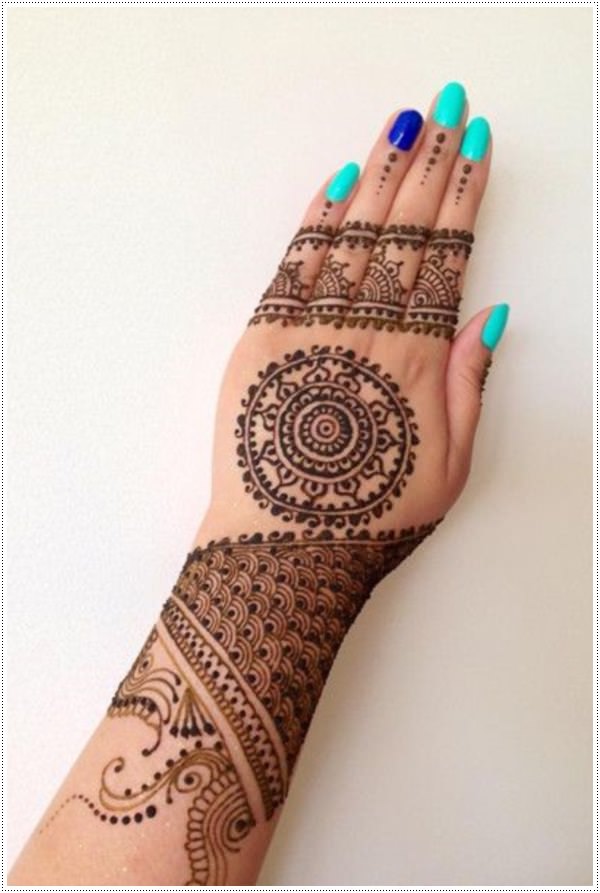
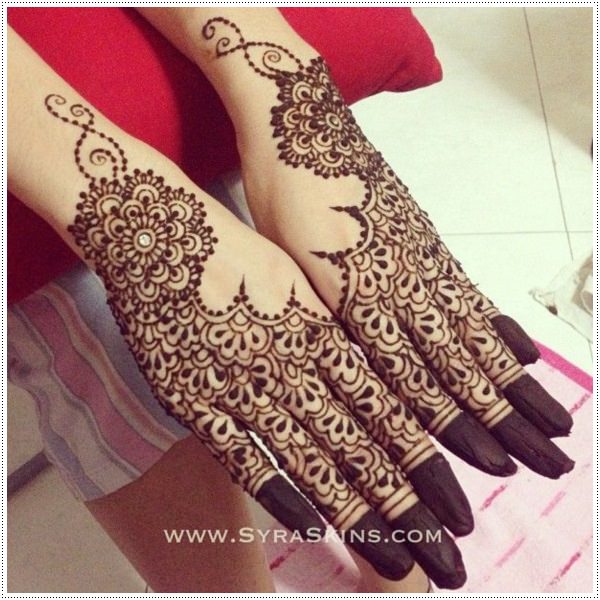
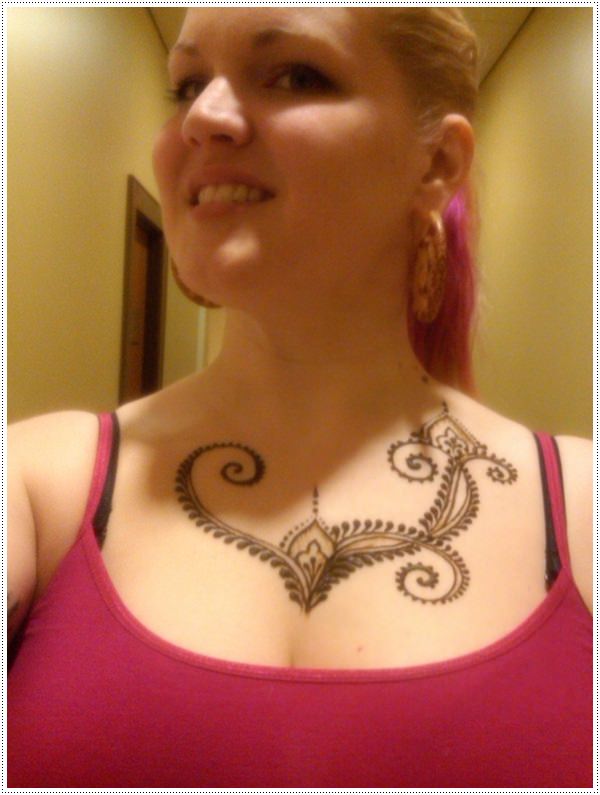
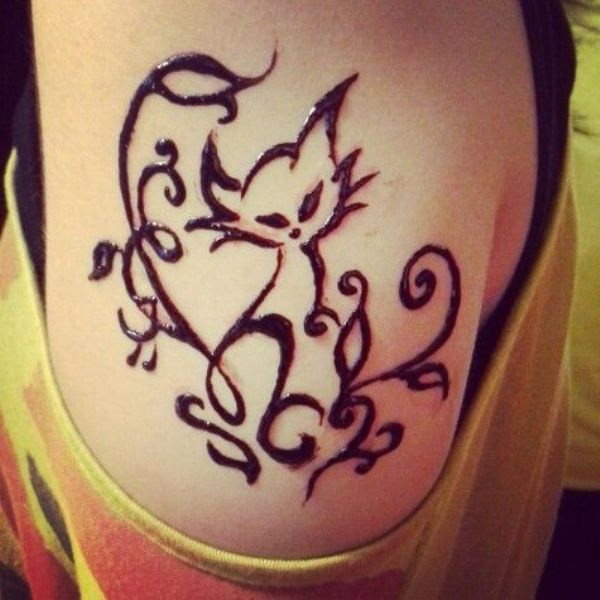
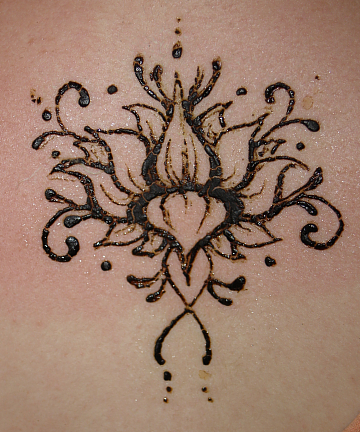
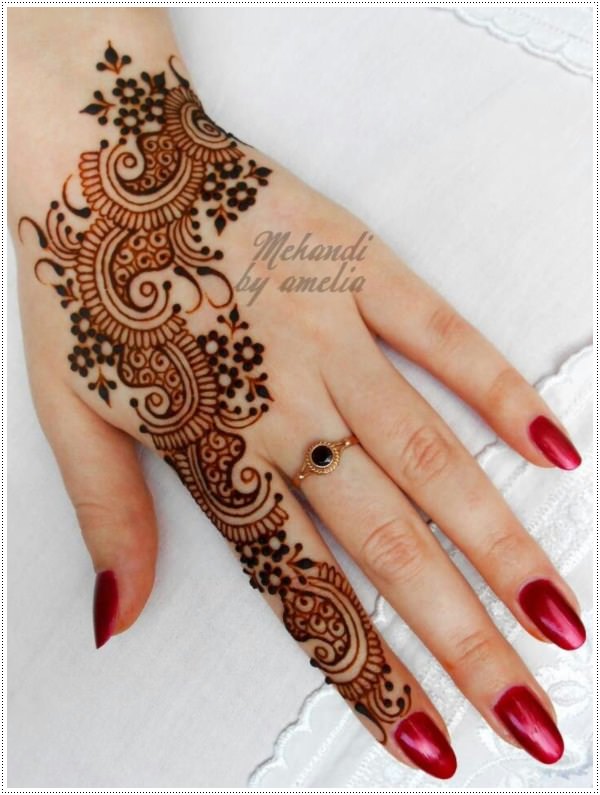
What henna actually is
Henna is thousands of years old across North Africa, the Middle East, South Asia and parts of the Horn of Africa, and it is not primarily decorative.
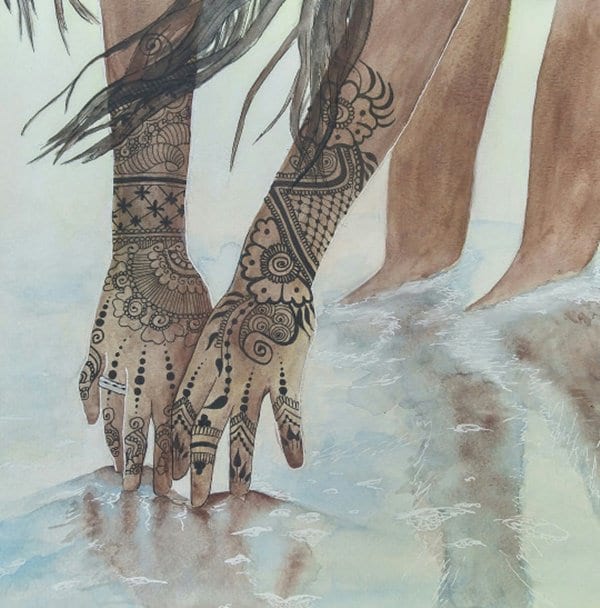
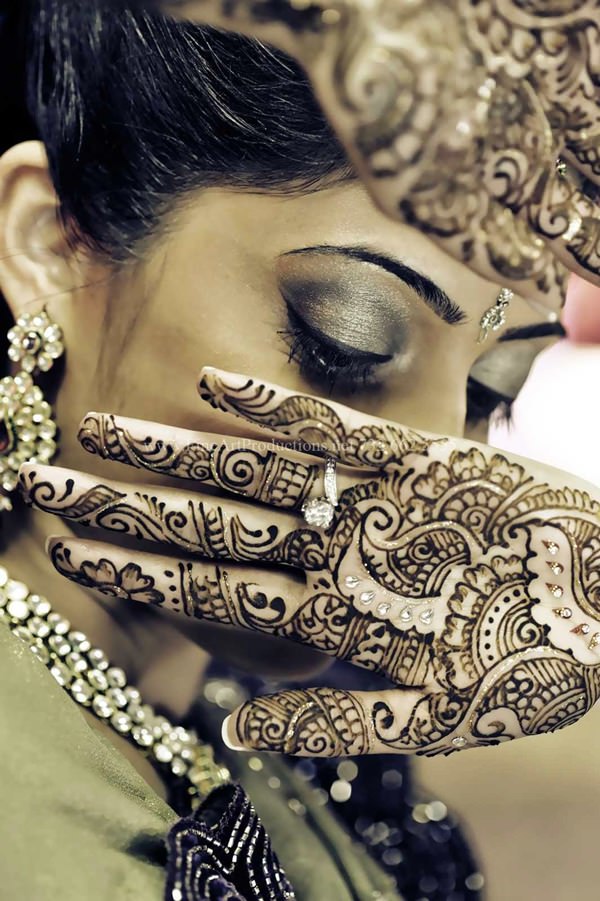
Mehndi at a South Asian wedding is applied to the bride's hands and feet over hours, often with the groom's initials hidden in the pattern. Tradition holds that the darker the stain, the stronger the marriage or the more the mother-in-law will favour her - and that the bride does no housework until it fades.
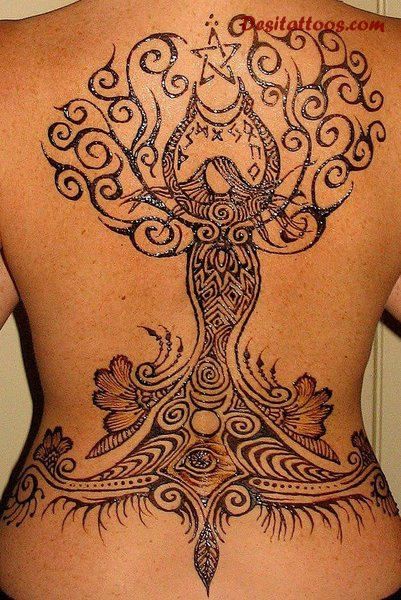
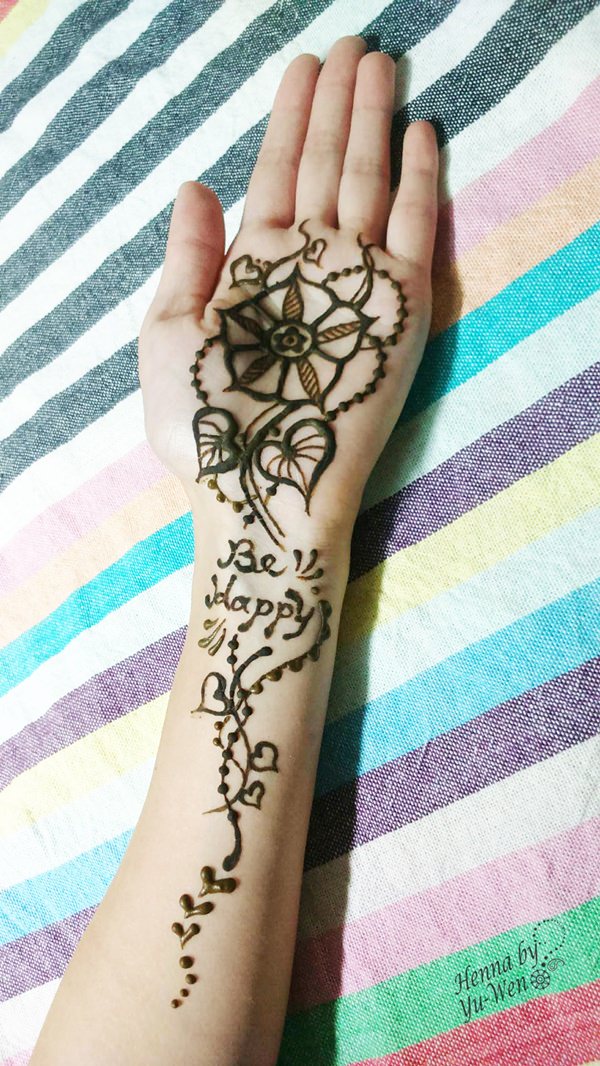
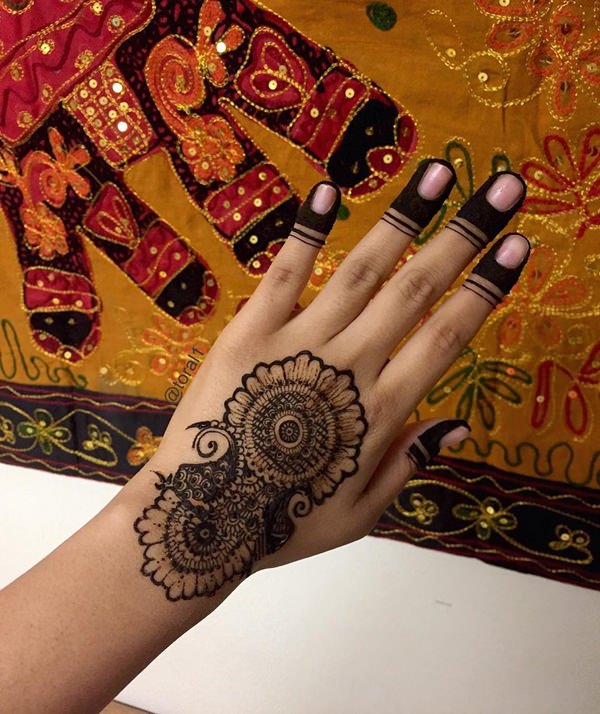
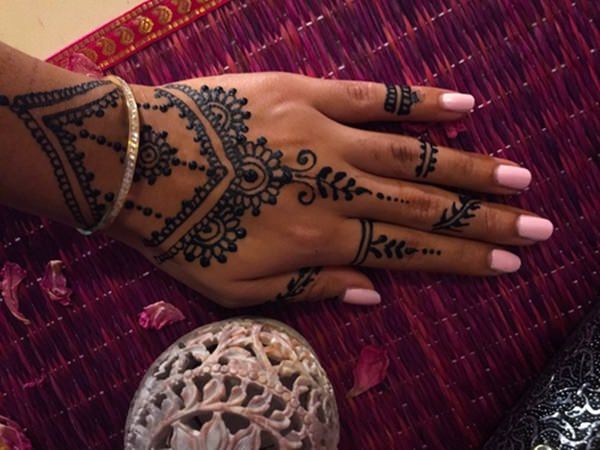
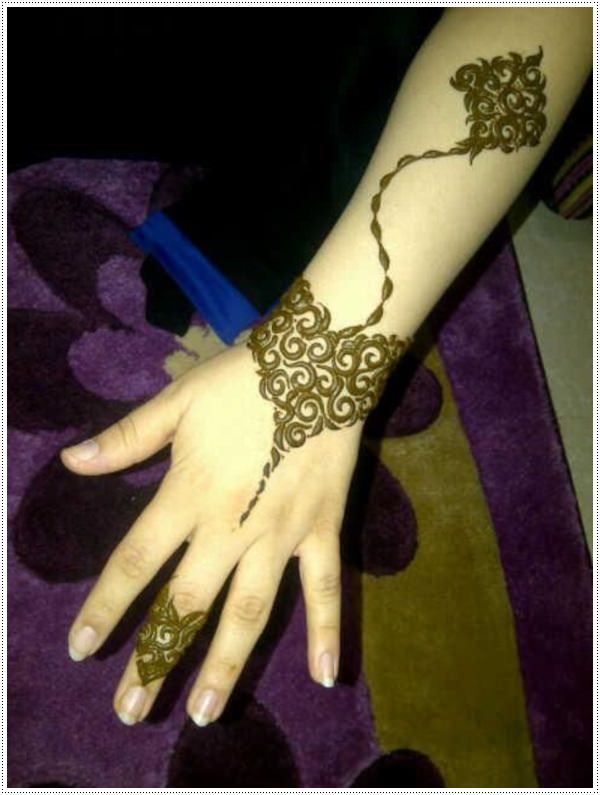
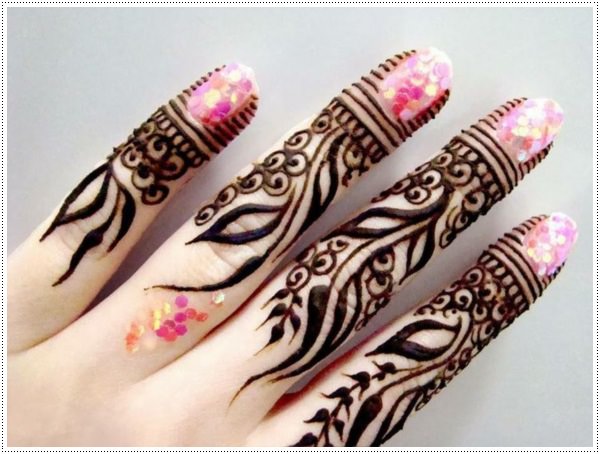
It appears at Eid, at Karva Chauth, at Moroccan and Sudanese weddings, and in North African traditions around childbirth. The regional styles are genuinely distinct: Indian mehndi is fine and dense with paisleys and figures; Arabic work is bolder with more open space and floral vines; Moroccan is geometric; Sudanese is bold and often uses larger solid areas.
This is living culture rather than a pattern library. Wearing it is widely welcomed, particularly when you have been invited to something - what tends to be objected to is treating it as generic decoration while knowing nothing about where it comes from.
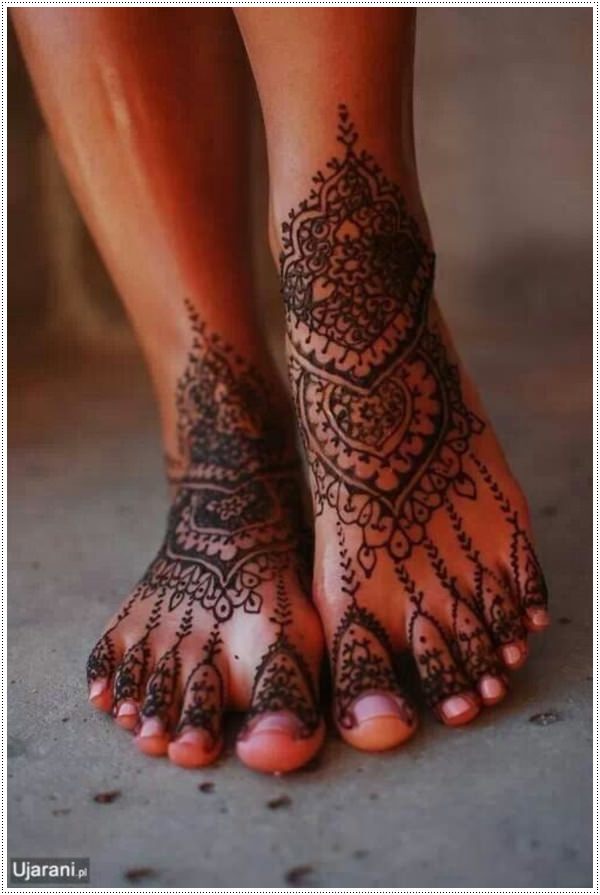
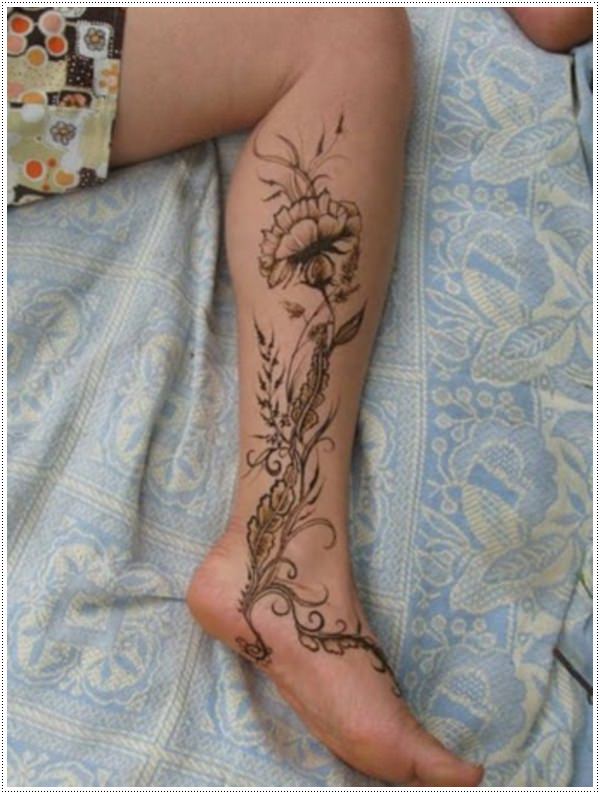
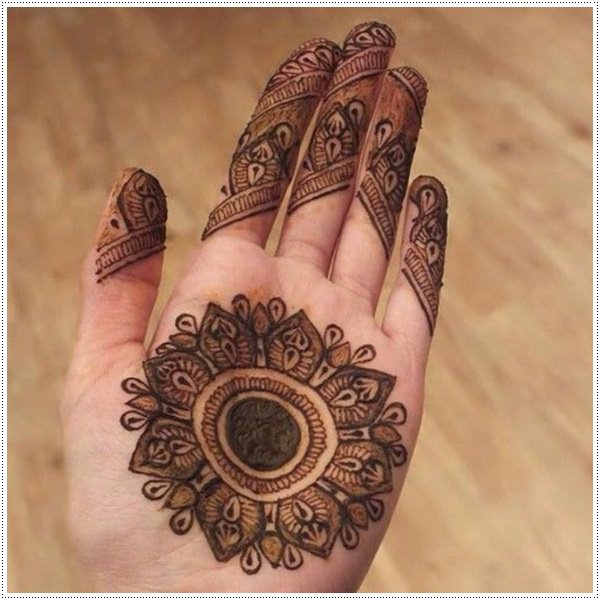
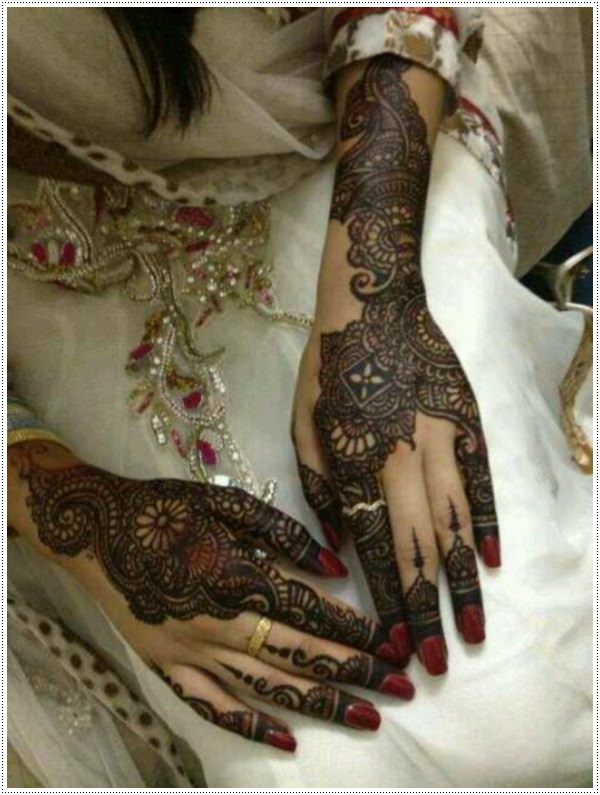
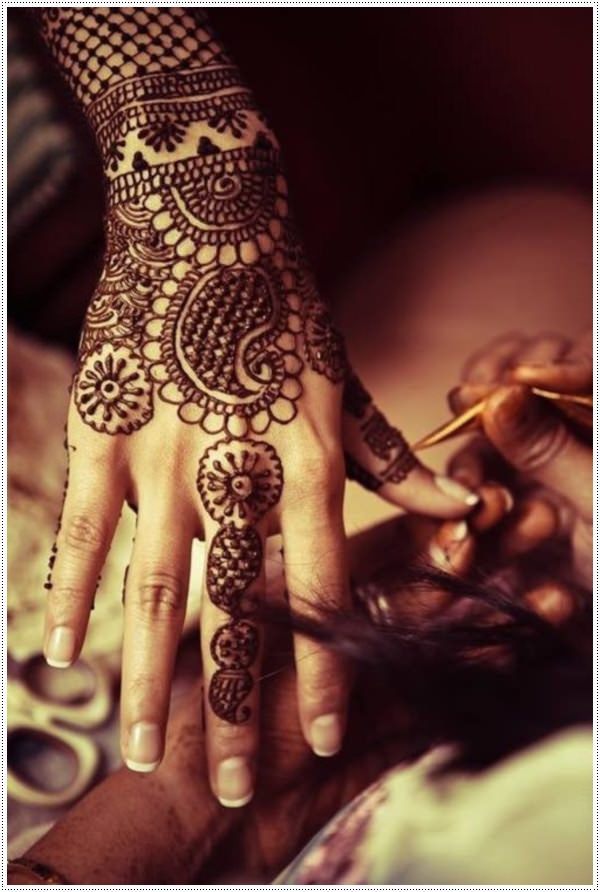
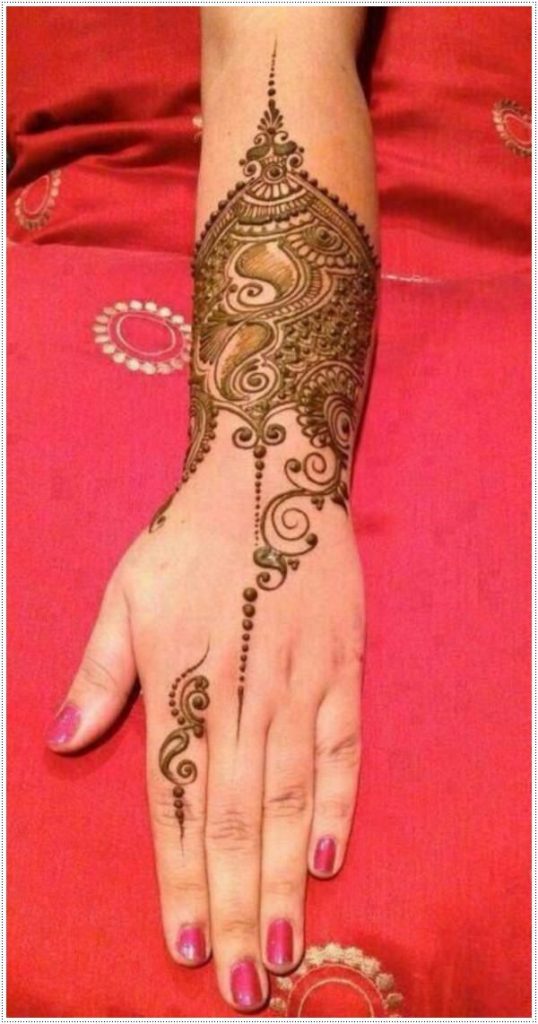
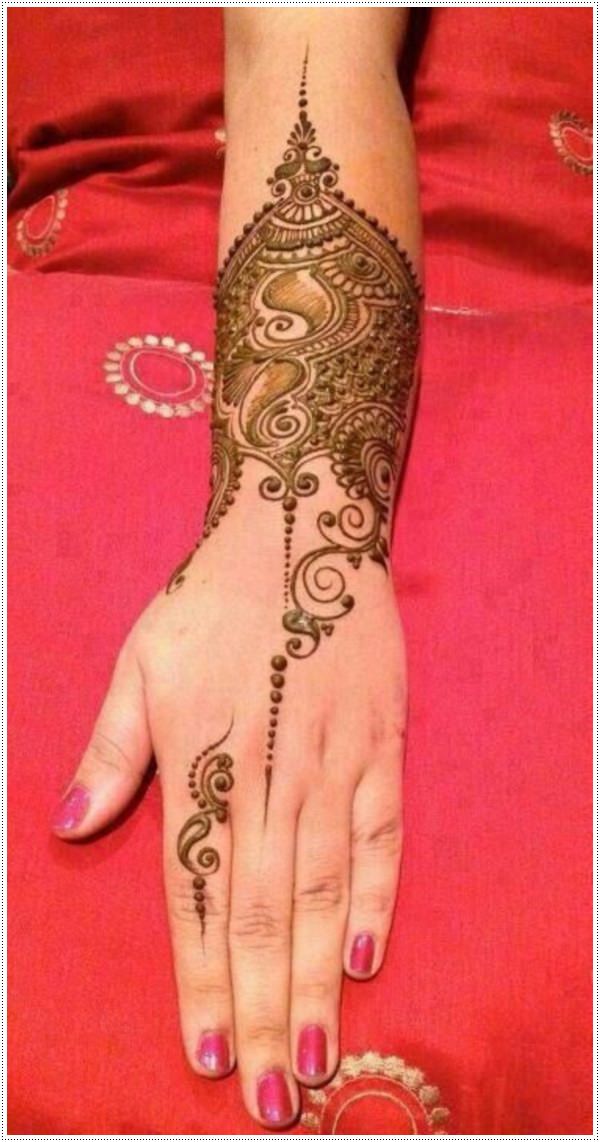
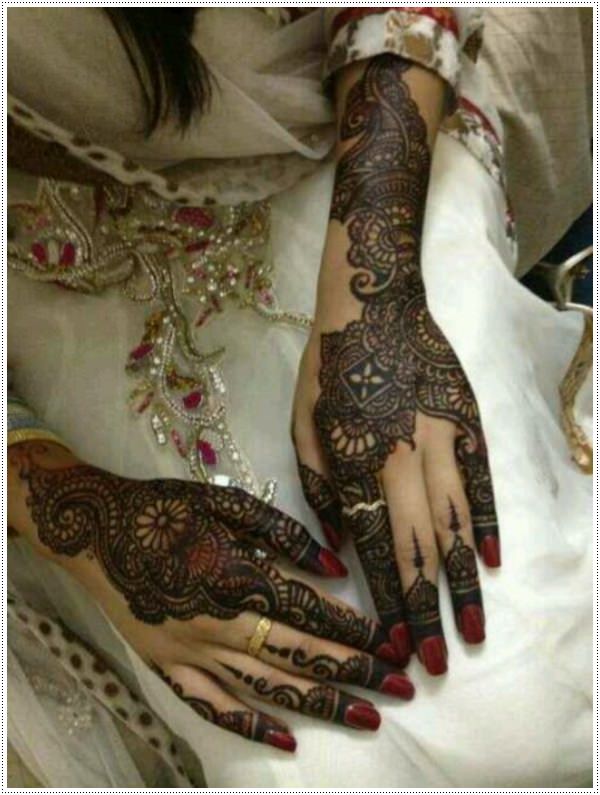
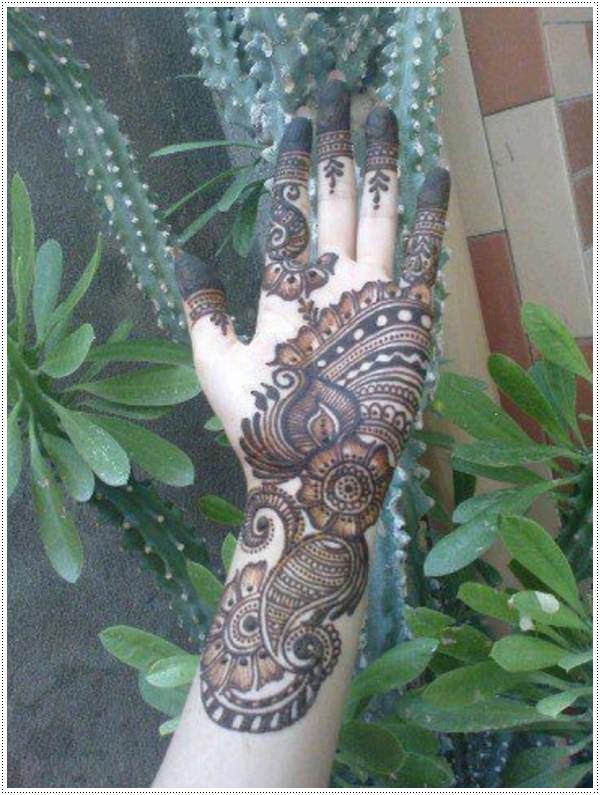
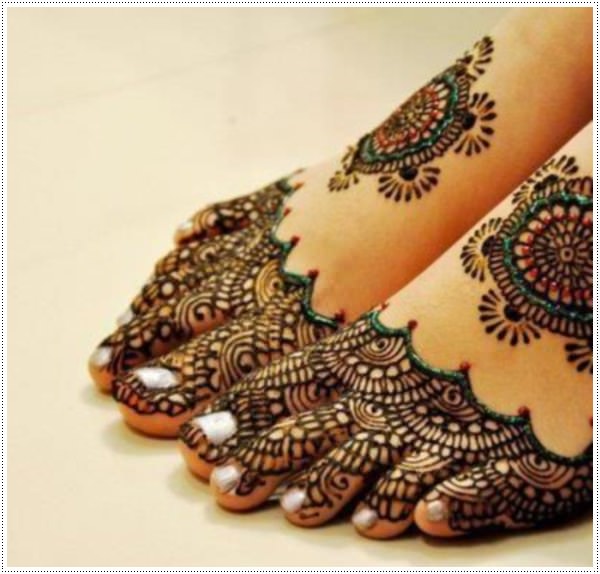
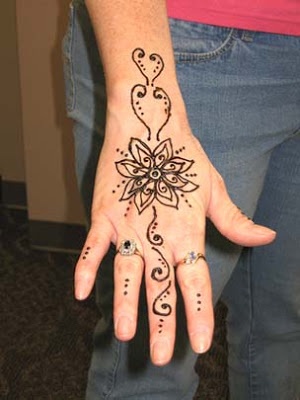
How to get a good stain
The stain darkens for 48 hours after the paste comes off, so judge nothing on the first day.
- Leave the paste on as long as you can - four to six hours minimum, overnight is better.
- Keep it warm, and keep it from cracking off. A little lemon and sugar sealant helps it stay put.
- Scrape the paste off, do not wash it off. Water in the first hours cuts the stain badly.
- Avoid water for 12 to 24 hours afterwards.
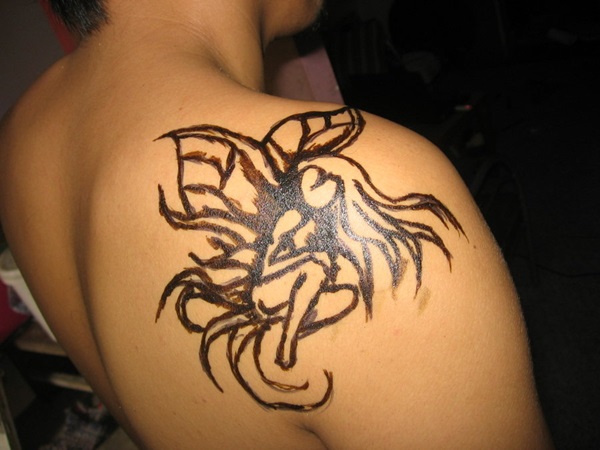
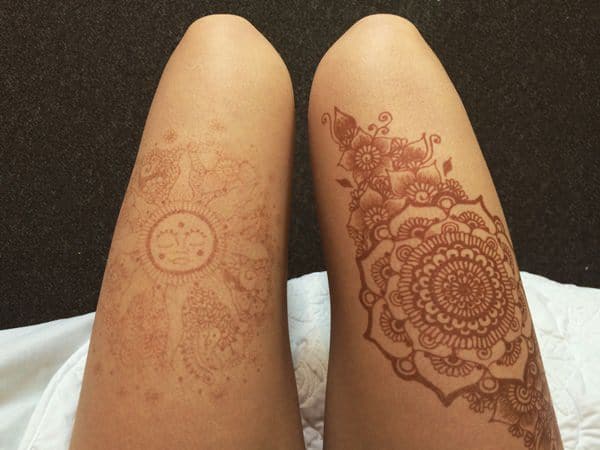
- Hands and feet stain darkest, because the skin is thickest there. The same paste on a shoulder gives a much lighter result.
- Expect one to three weeks, fading as your skin renews.
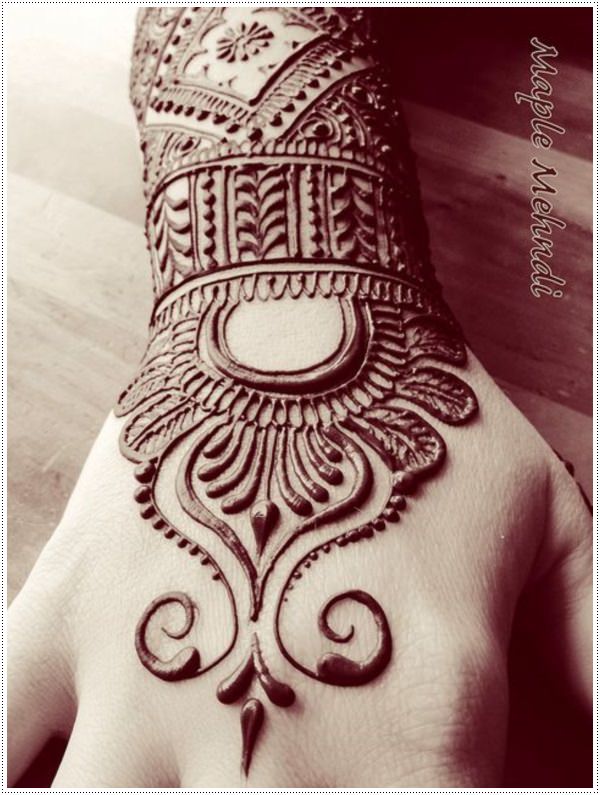
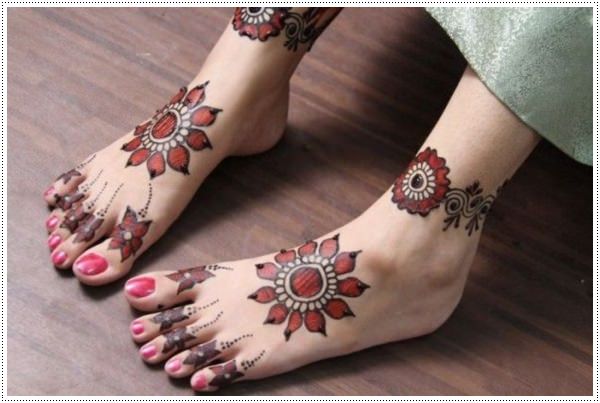
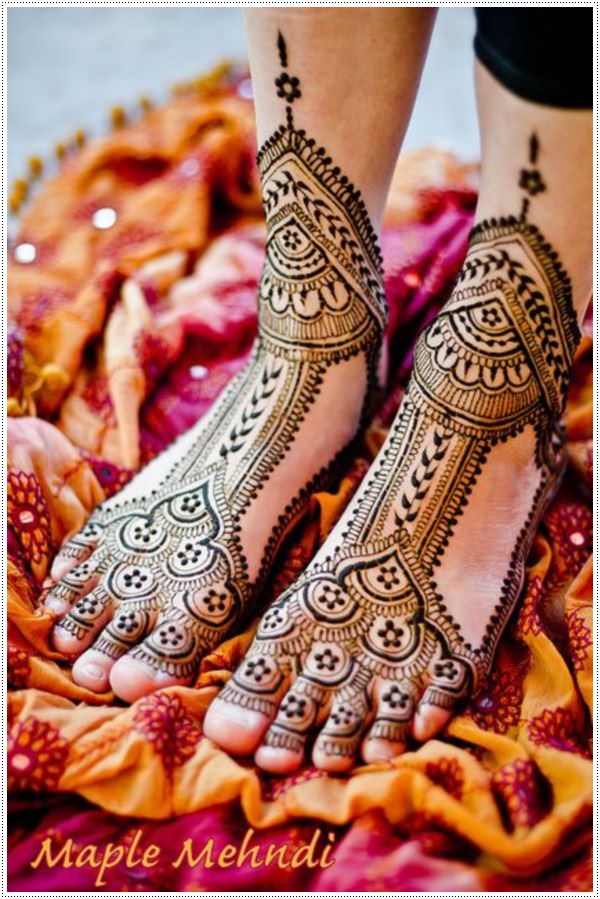
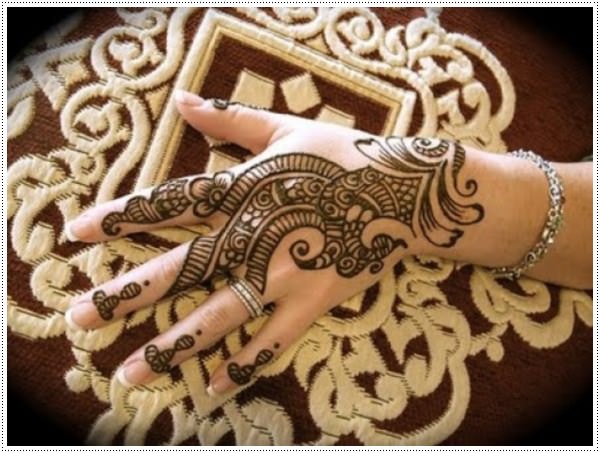
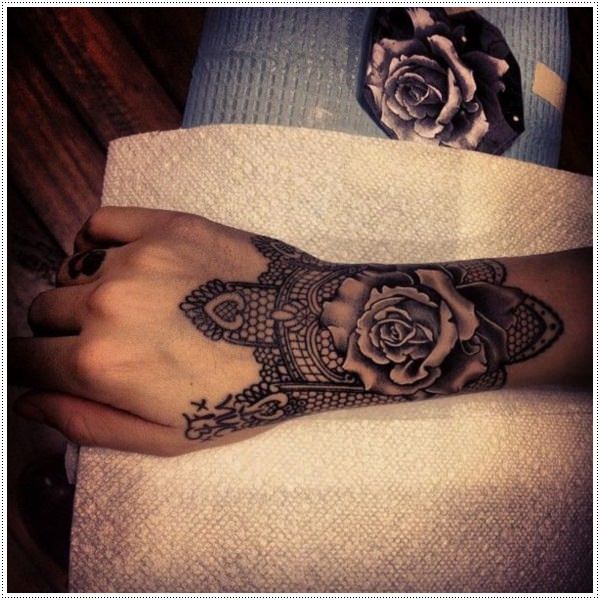
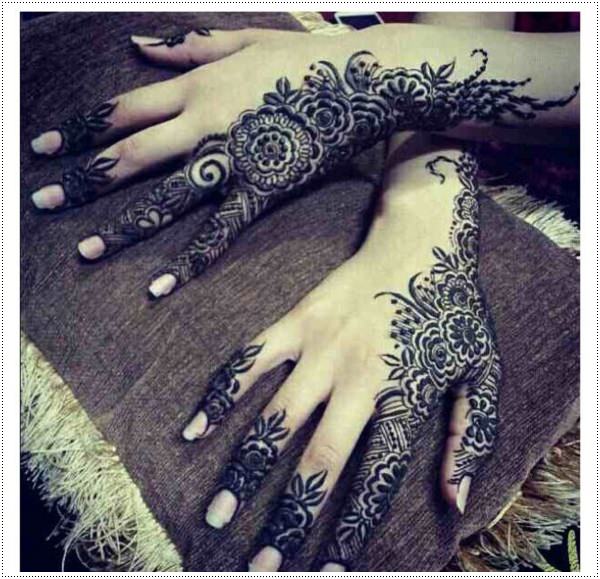

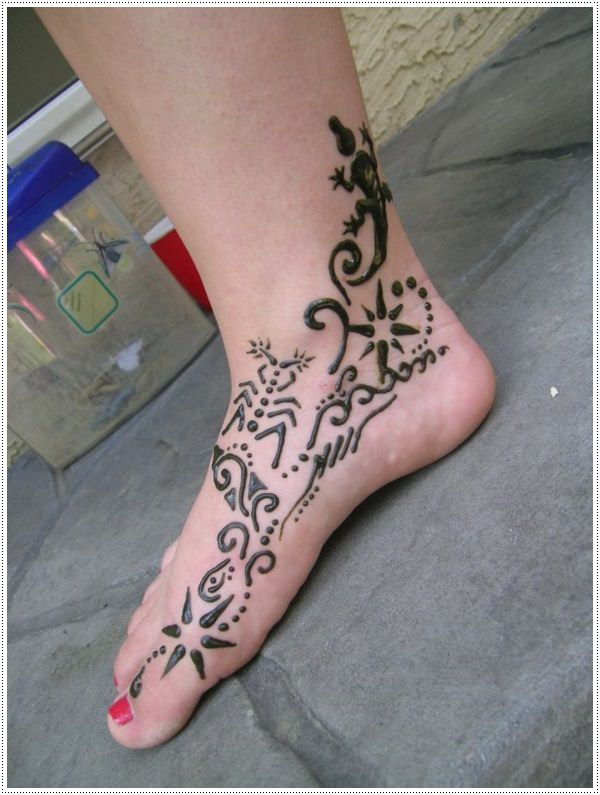
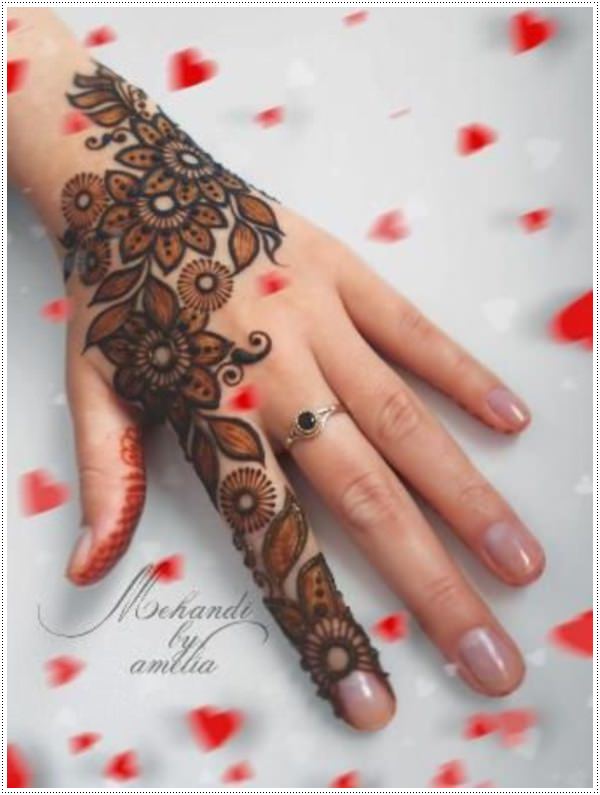
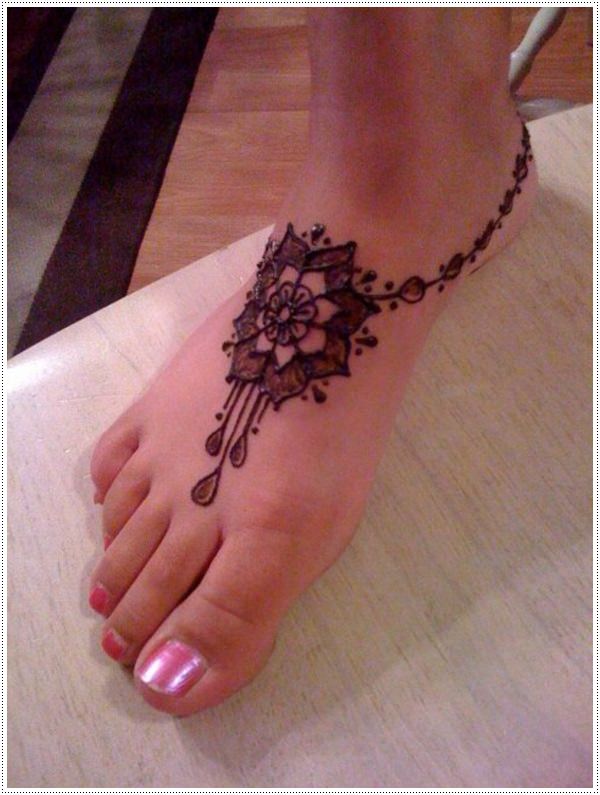
Henna-style designs as permanent tattoos
Plenty of people want the look permanently, and it works well - with two adjustments.
Density has to come down. Real mehndi is extraordinarily fine and dense because it sits on the surface and will be gone in a fortnight. Tattooed at that density, the lines merge into a solid dark mass within ten to fifteen years. Any good artist will open the pattern out, and the result usually looks better on skin anyway.
Colour changes. A henna stain is reddish-brown; permanent versions are almost always black or black and grey, because brown ink is one of the least durable pigments and tends to fade to a grey-green.
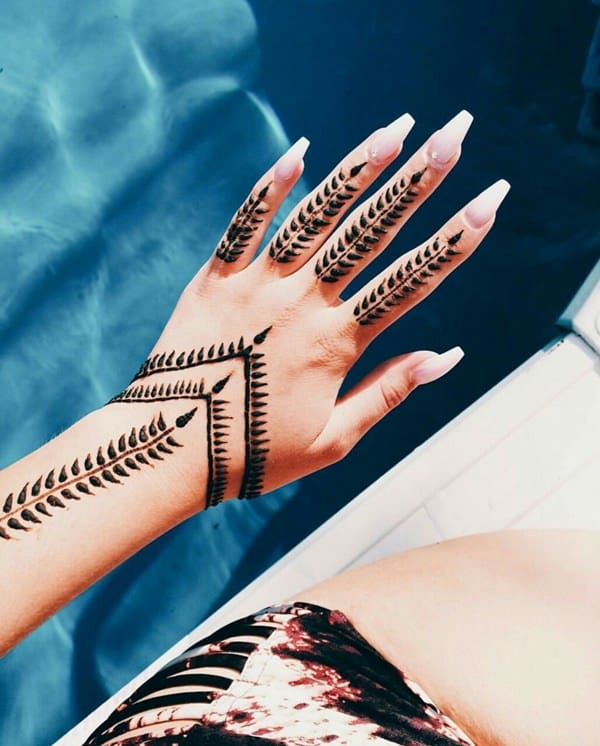
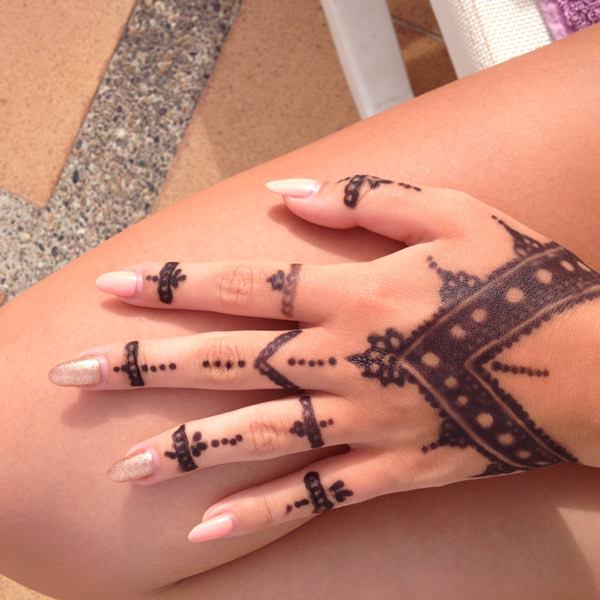
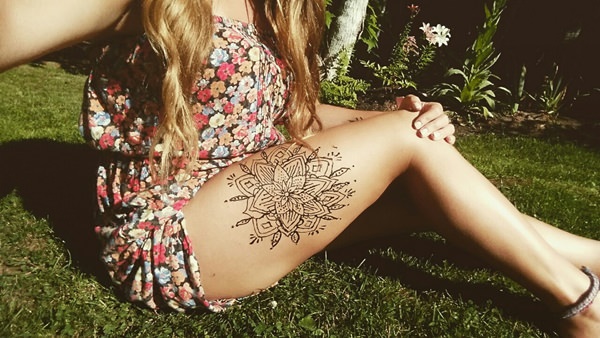
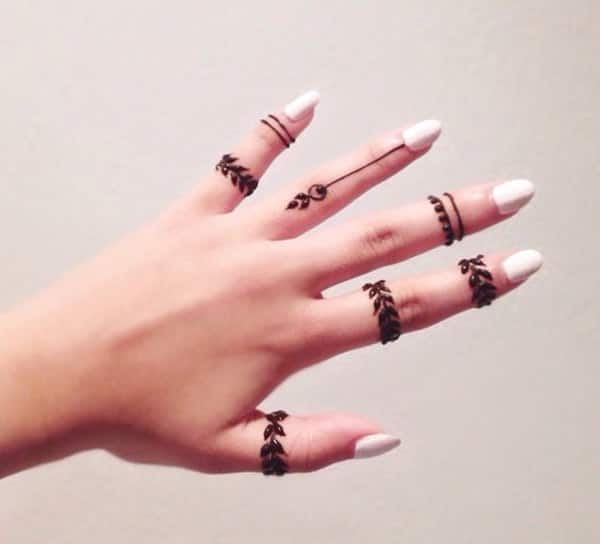
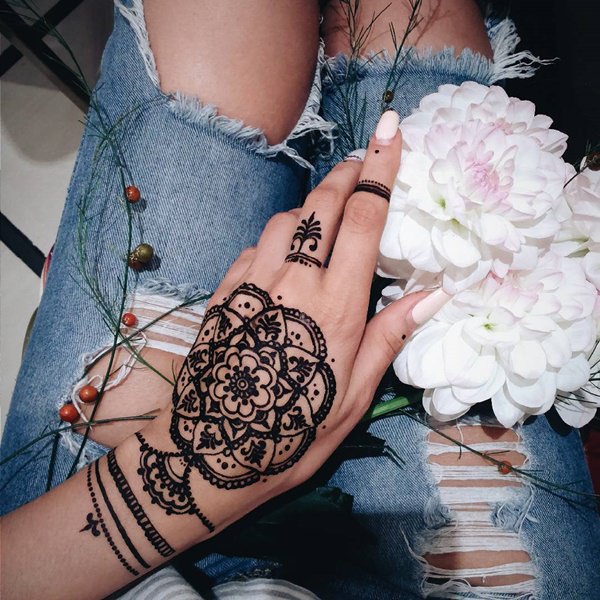
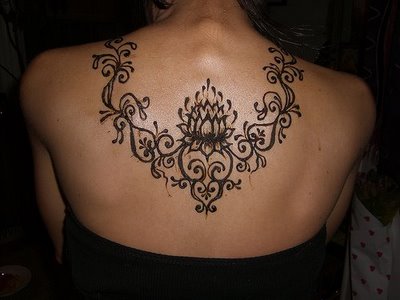
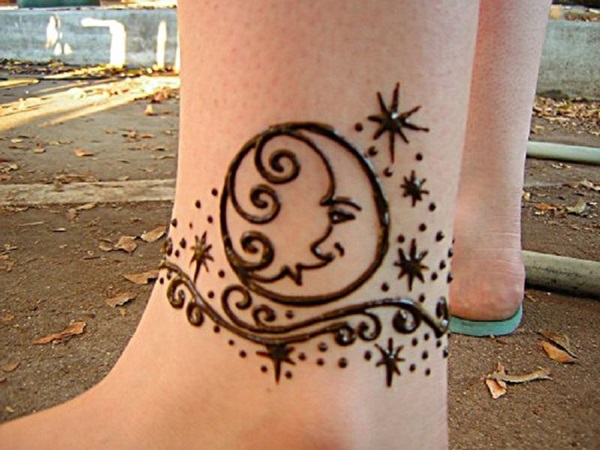
Styles that suit it: ornamental and mandala work, dotwork, fine-line geometric. Placements that suit it: the back of the hand, the forearm, the spine, the sternum, the top of the foot - the same places henna traditionally goes.
| Design | Typical size | Sittings | Pain, 1-10 | Rough cost |
|---|---|---|---|---|
| Small ornamental, wrist | 2-3 in | 1 | 6-7 | Shop minimum |
| Back of hand | 3-5 in | 1-2 | 7-8 | $300-$800 |
| Forearm panel | 5-8 in | 1-2 | 5-6 | $400-$1,000 |
| Sternum or spine | 6-12 in | 2-3 | 7-9 | $700-$2,000 |
| Thigh or shoulder panel | 8-12 in | 2-3 | 3-5 | $900-$2,500 |
Ornamental work is slow and precise, and priced accordingly. Note that hands and fingers fade faster than anywhere else on the body and many artists will tell you so before agreeing to tattoo them.
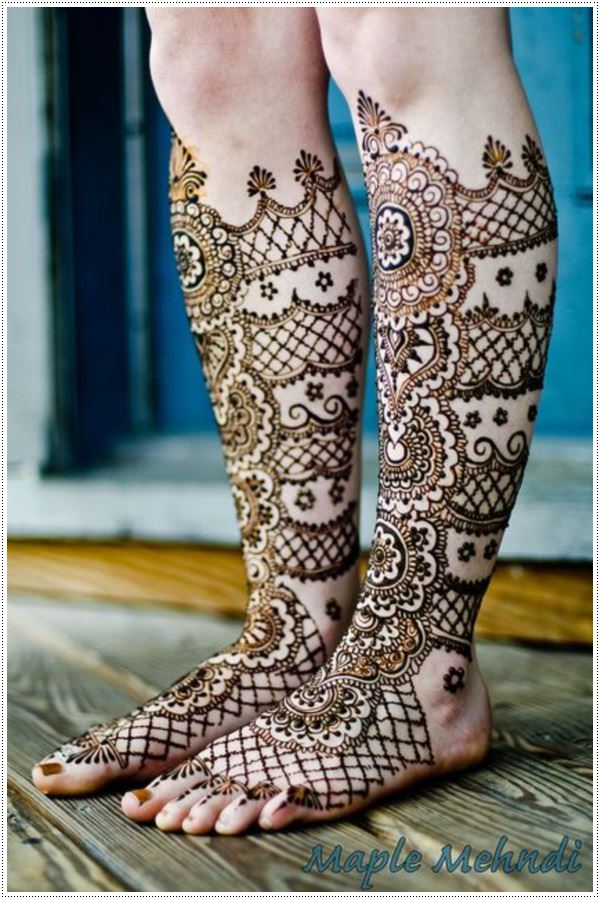
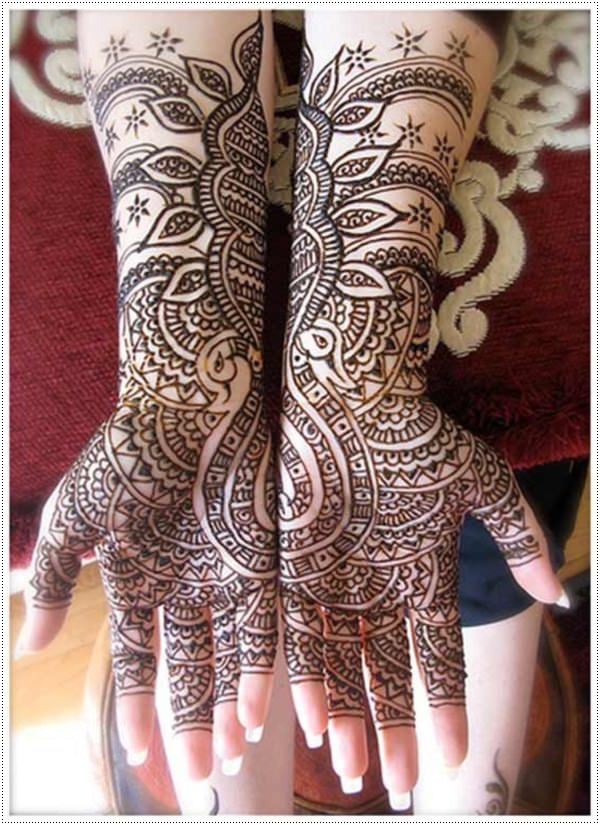
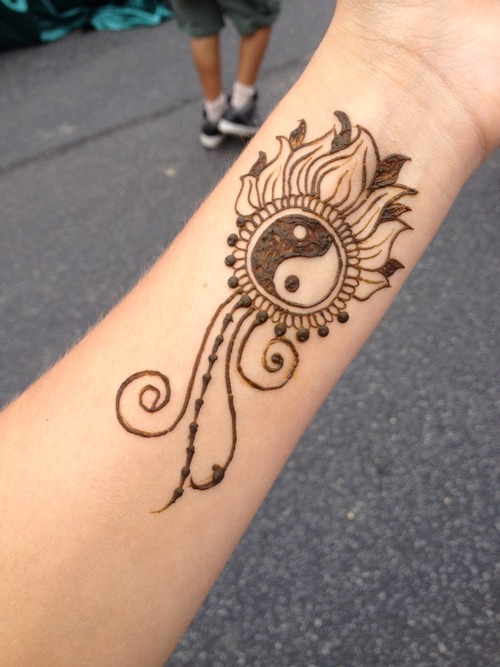
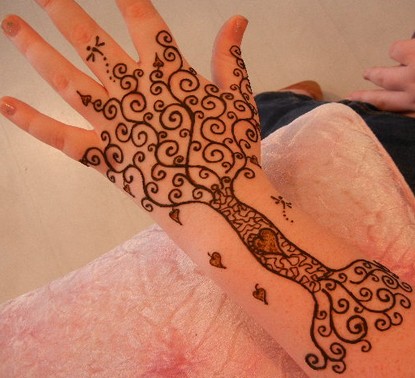
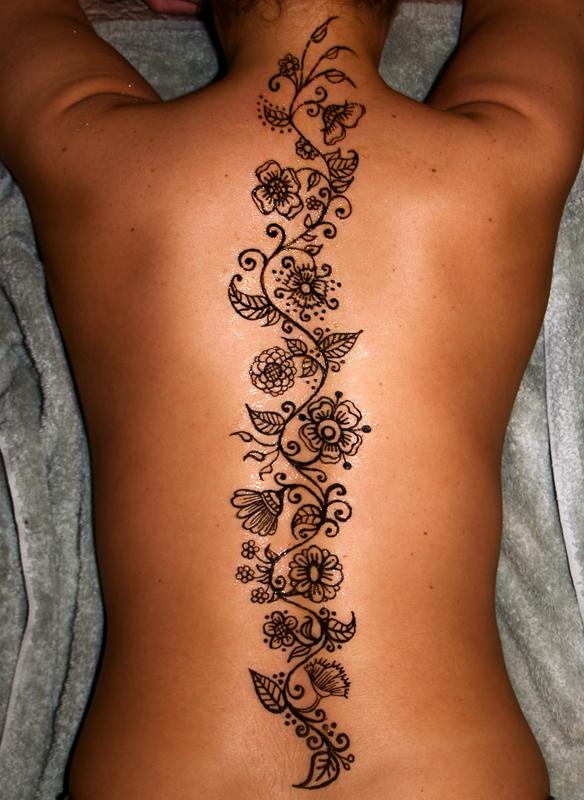
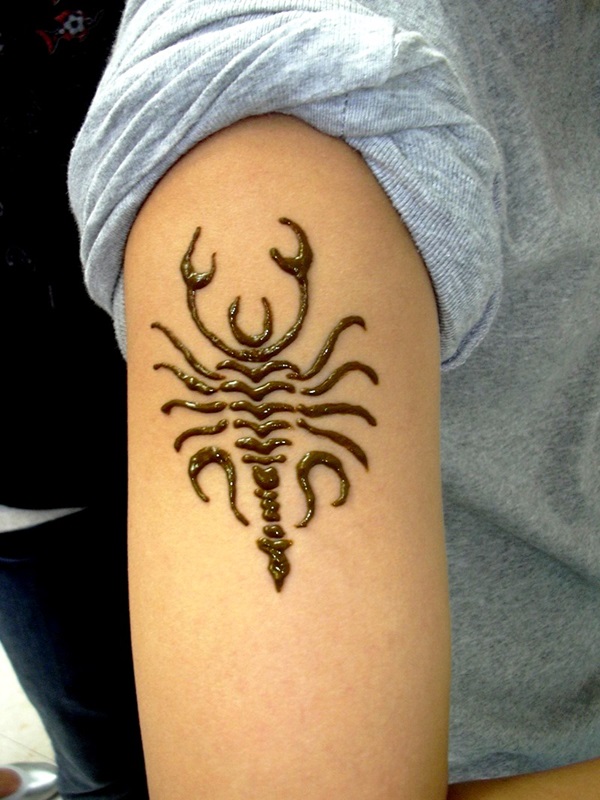
Using henna to test a permanent design
This is the most practical thing on this page. If you are considering a large tattoo and are unsure about the placement, have a henna version done first and live with it for two weeks.
You will learn things no amount of looking at photographs teaches: whether you like seeing it in the mirror every morning, whether it sits right when you move, whether the size is what you imagined, and how you feel about other people noticing it. Two weeks of that is worth more than any amount of deliberation, and it costs almost nothing.