33 Exotic Lizard Tattoo Designs For Men and Women
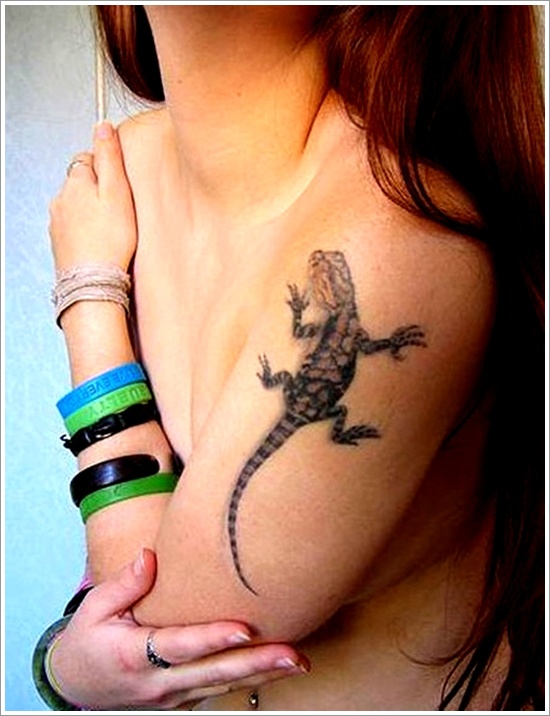
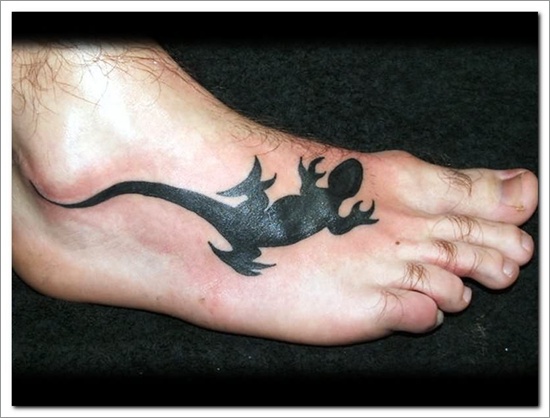
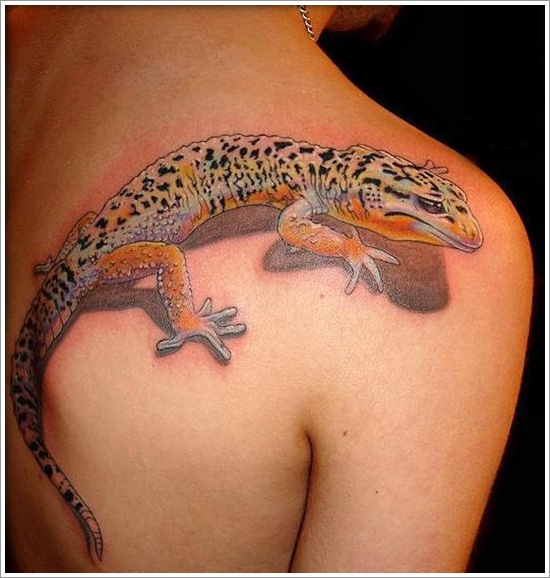
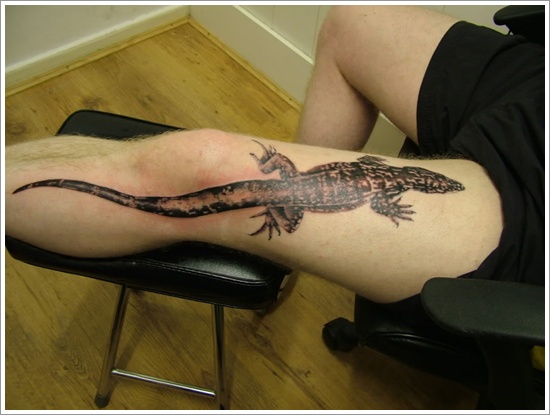
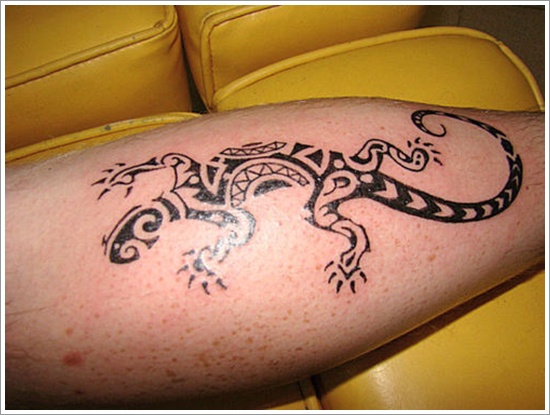
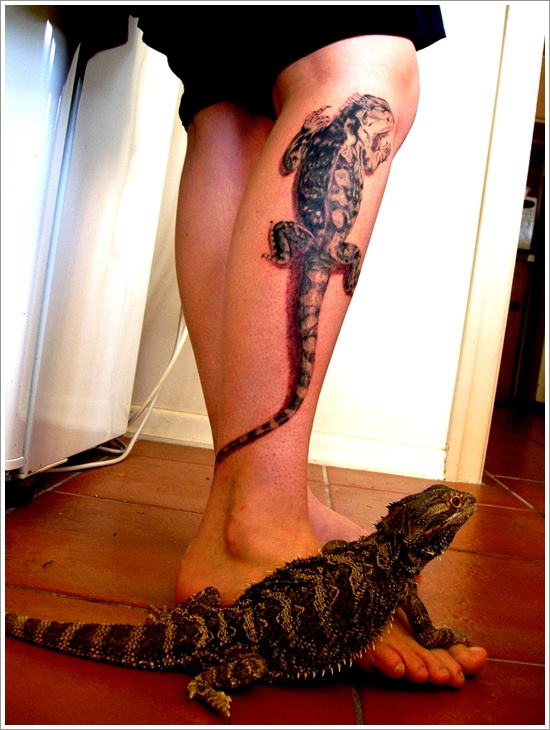
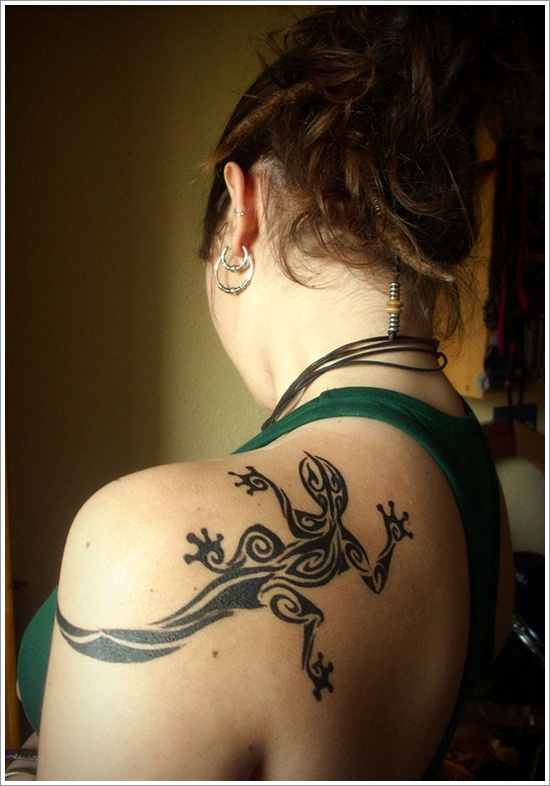
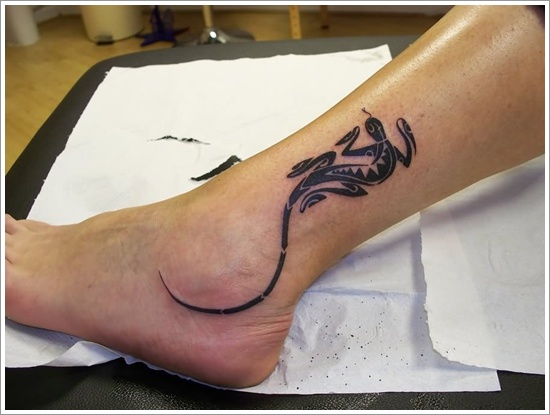
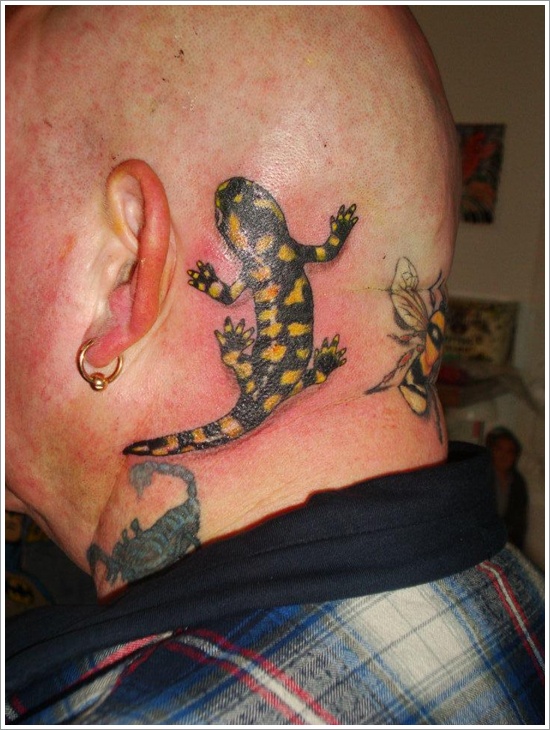
A lizard is the rare tattoo subject that is better wrapped than flat. The shape is long, low and articulated, with a tail that can follow a forearm, an ankle or the line of a shoulder blade. Drawn as a flat picture on a flat patch of skin, it loses most of what makes it good.
The other thing worth deciding early is which lizard. Gecko, chameleon, iguana, monitor and salamander are wildly different animals carrying different meanings, and "a lizard" is a much weaker starting point than any one of them.
What it means, by tradition and species
Regeneration. Many lizards shed a tail to escape a predator and grow it back. That is the core meaning, and like the starfish it recurs in recovery work.
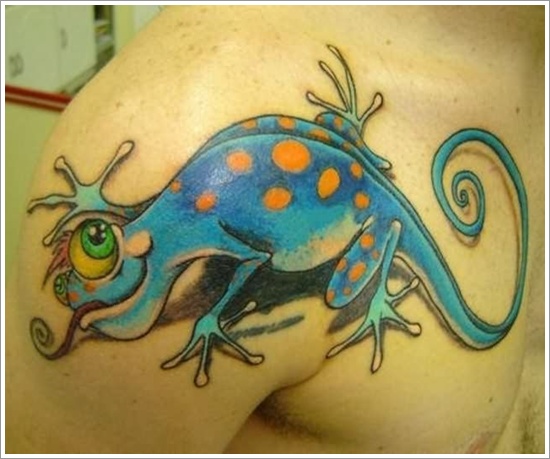
Adaptation. The chameleon reading, and a fair one - though real chameleons change colour mainly to signal mood and temperature rather than to hide, which is arguably a better metaphor.
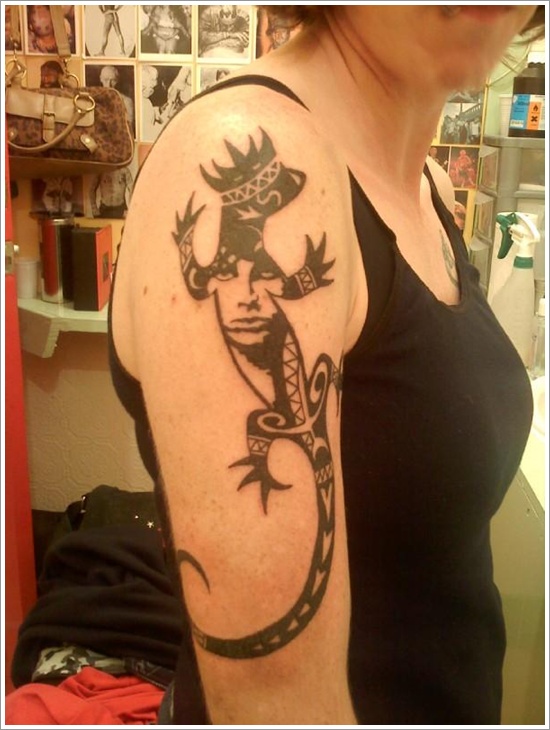
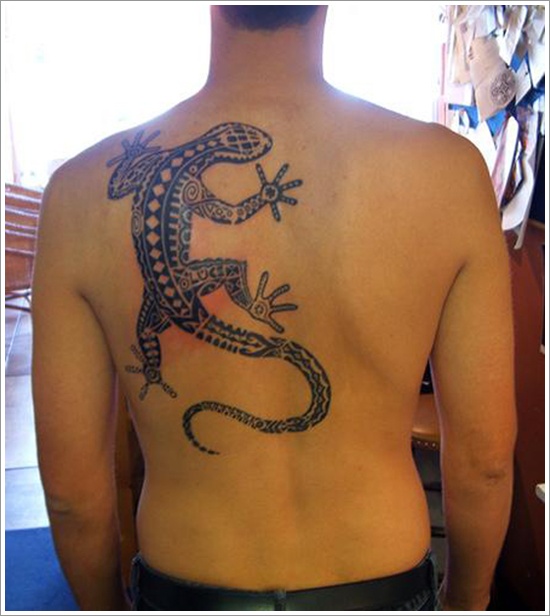
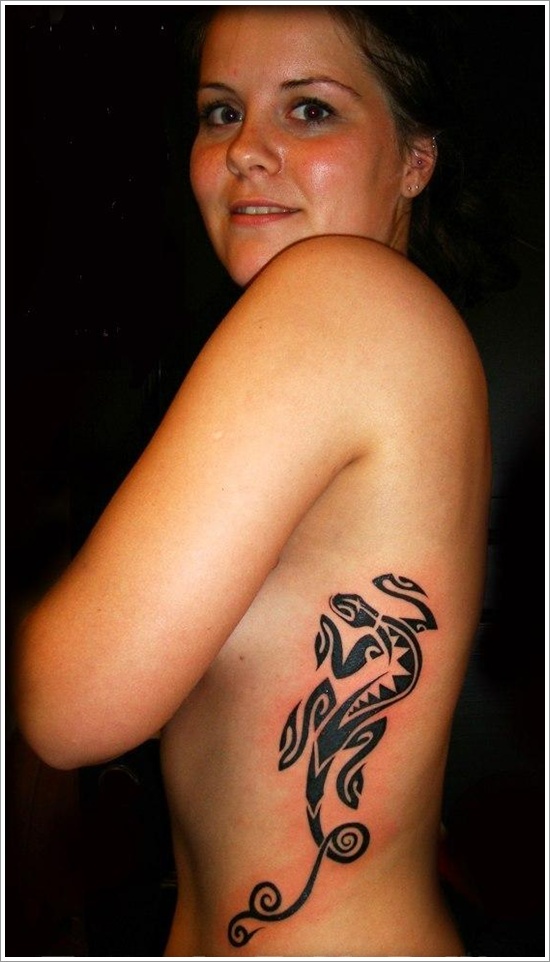
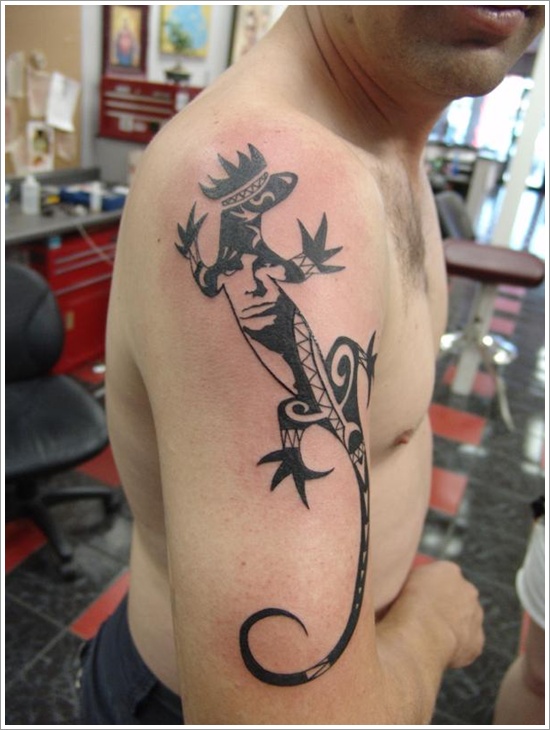
Polynesian and Hawaiian. The mo'o is a lizard spirit in Hawaiian tradition, a guardian of fresh water and, for many families, an aumakua. This is living belief, not decoration. As with any Polynesian design, the patterns are a language - find an artist who works in the tradition and can tell you what the elements say.
Aboriginal Australian. The goanna is significant in many communities and appears throughout Aboriginal art. That art is protected culturally and increasingly legally, and copying it is not a neutral act.
Egyptian and Greek. The lizard appeared in both as a symbol of divine wisdom and good fortune, associated with the sun because of basking.
The salamander, in medieval European alchemy, was believed to live in fire
- which is why it turns up as a symbol of endurance through it.
Placement, size and cost
| Design | Typical size | Sittings | Pain, 1-10 | Rough cost |
|---|---|---|---|---|
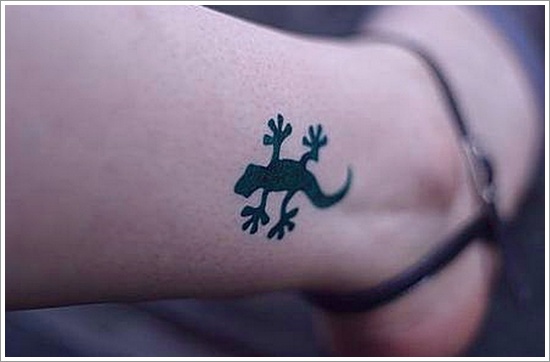
| Small gecko, wrist or ankle | 2-3 in | 1 | 6-7 | Shop minimum |
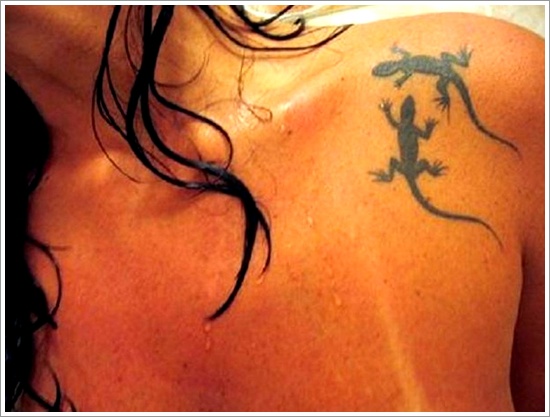
| Shoulder blade | 4-6 in | 1 | 4-5 | $250-$600 |
| Forearm, wrapping | 5-8 in | 1-2 | 5-6 | $350-$900 |
| Calf, wrapping | 6-9 in | 2 | 3-4 | $500-$1,200 |
| Chameleon in colour, thigh | 8-12 in | 2-3 | 3-5 | $900-$2,500 |
| Polynesian mo'o, upper arm | - | 2-4 | 3-5 | $1,000-$3,000 |
Rates vary by city and artist. Scale texture is where the hours go in any realistic version.
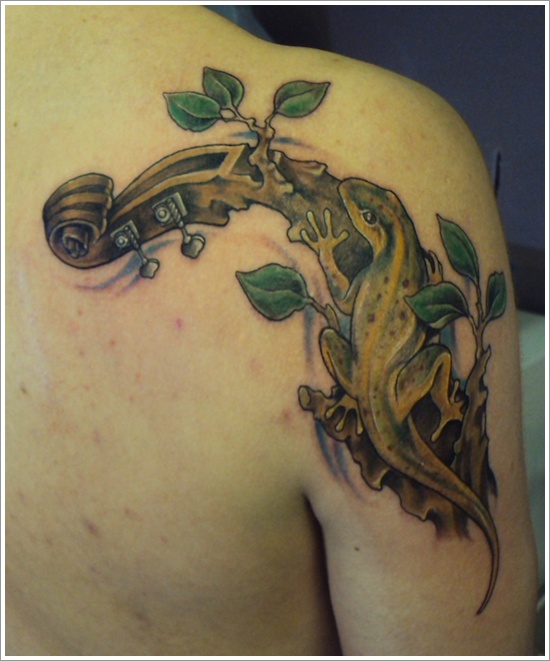
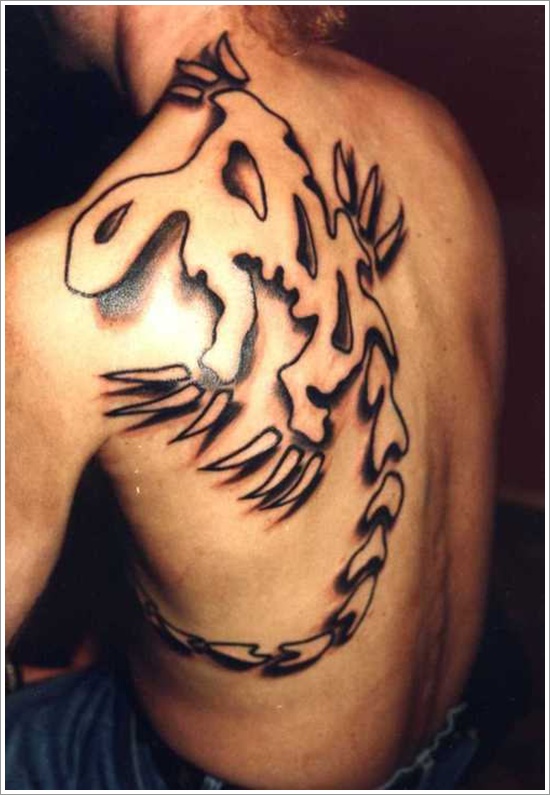
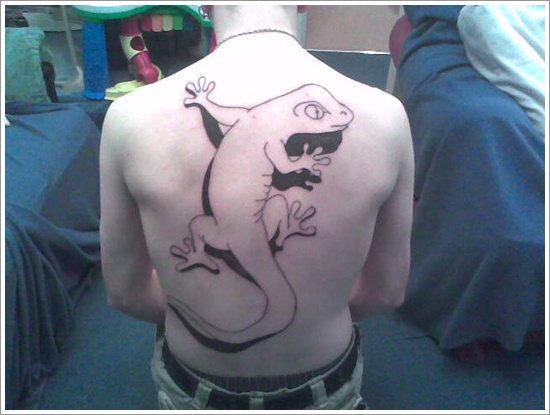
Styles that hold up
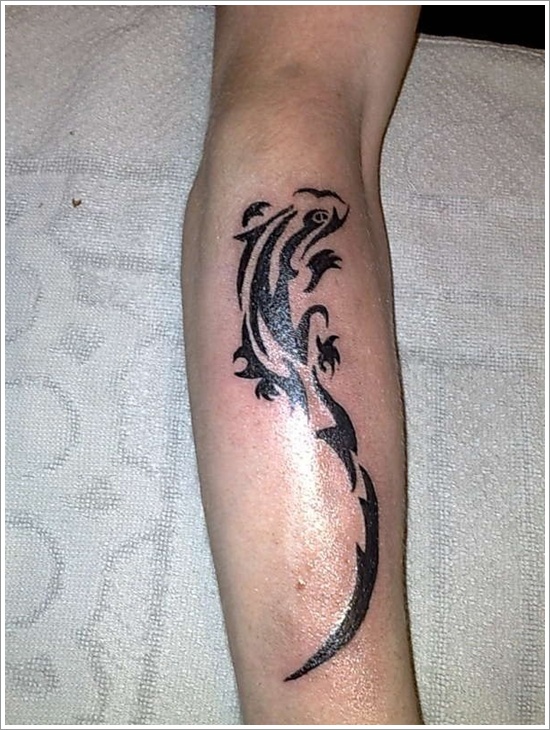
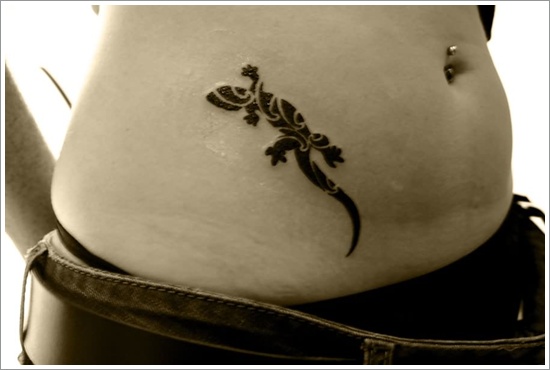
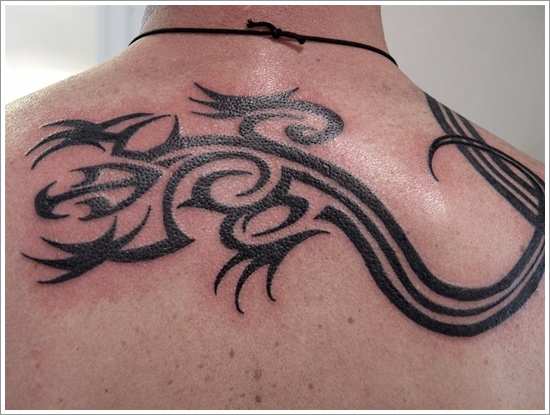
Polynesian and tribal. Solid black, bold shapes, built to wrap a limb and built to last. The most durable option, and the right one if the mo'o is your reason.
Blackwork and geometric. The body divided into pattern rather than rendered as texture. Ages extremely well.
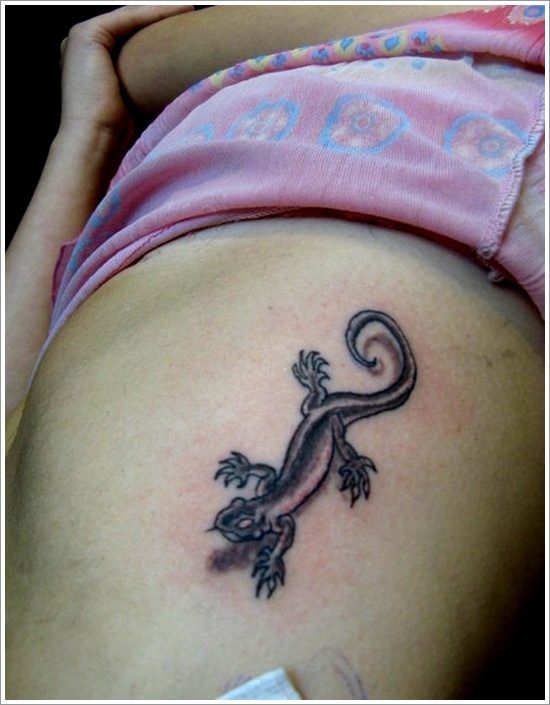
Traditional. Heavy outline, flat colour, the lizard as an emblem. A century of evidence that it survives.
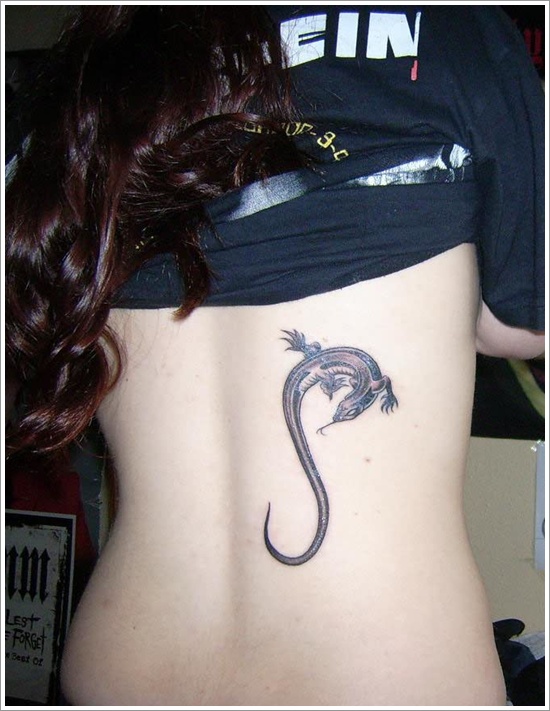
Black and grey realism. Real scales, real eye, real weight on the skin. Demanding and superb at size.
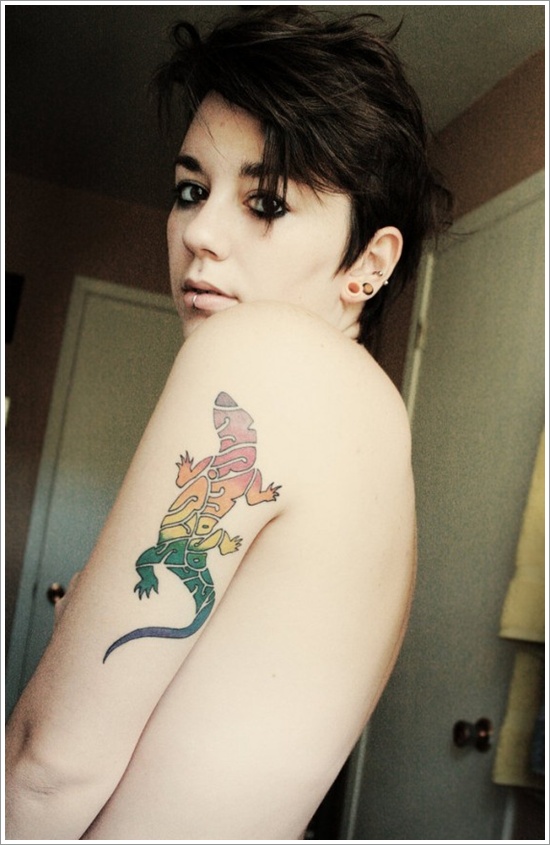
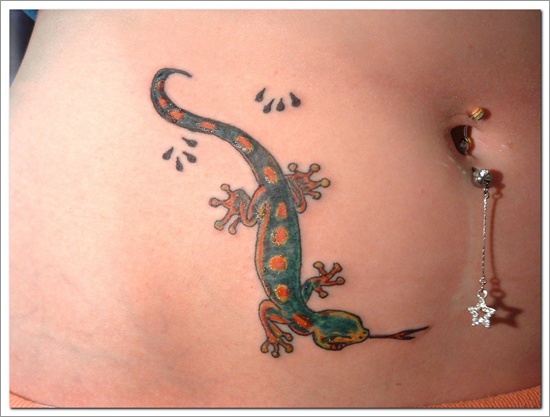
Neo-traditional. Bold structure with richer colour. The best coloured route, and the sensible one for a chameleon.
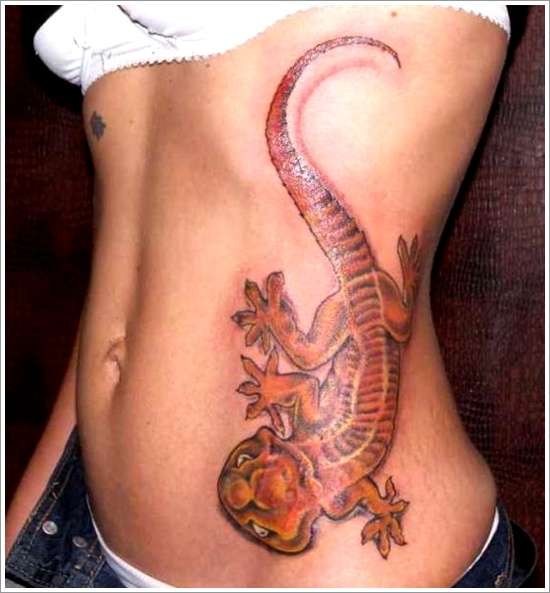
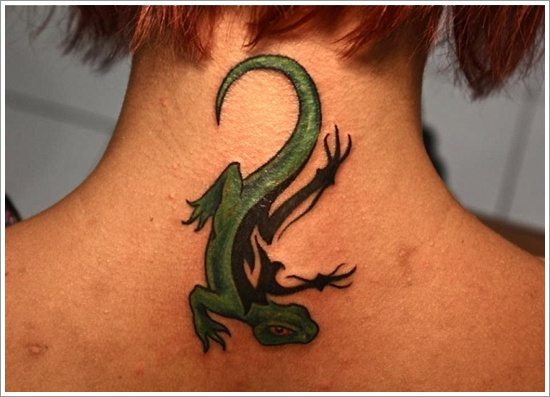
Full colour realism. A chameleon is the one lizard where colour is the whole point. Accept that it will need maintenance, and see below.
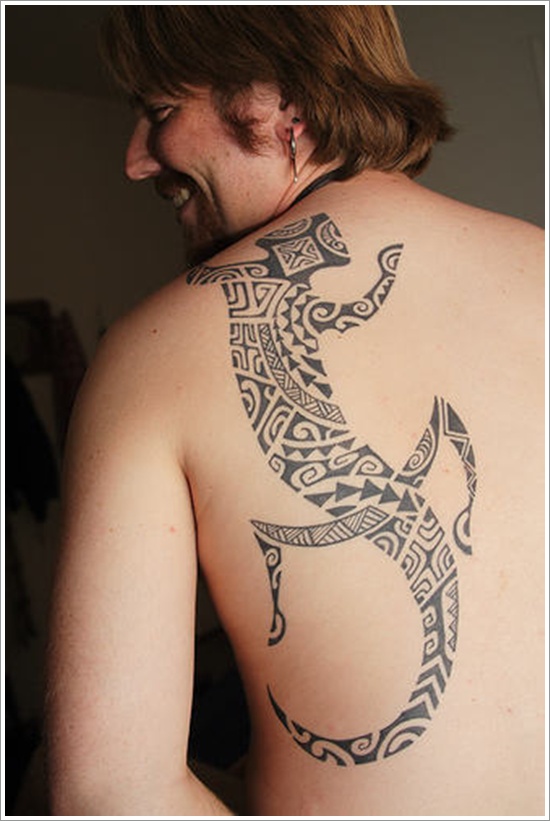
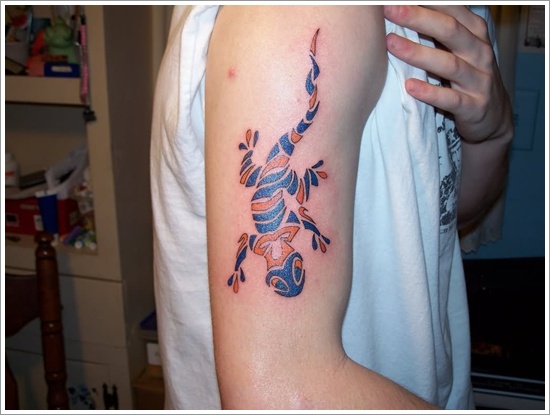
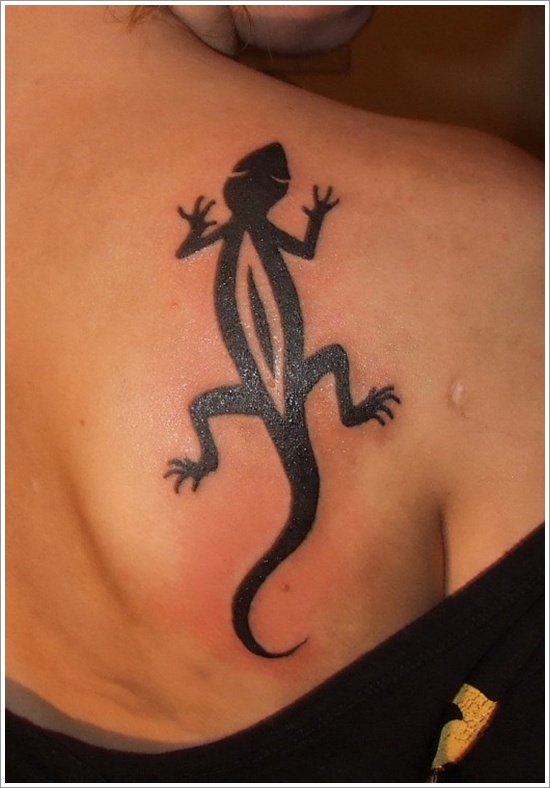
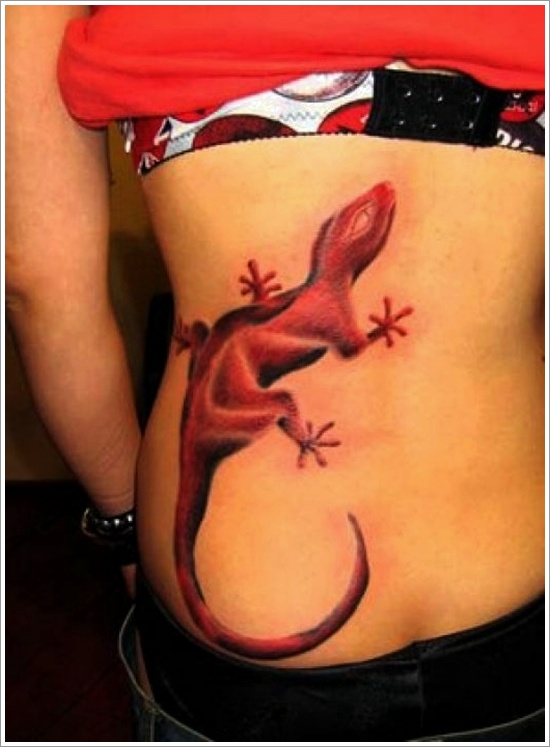
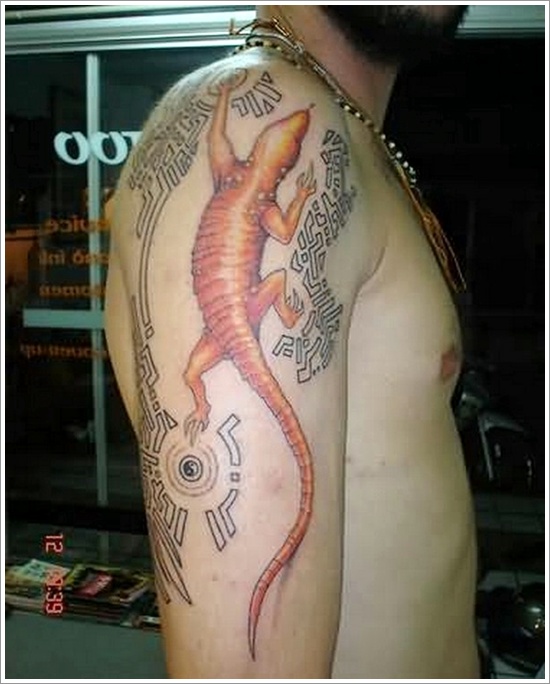
How it will age
Scales are the risk. Individually drawn scales are small, repeated and closely spaced - the exact profile of detail that merges as ink spreads. A realistic lizard at three inches will have a smooth grey back within ten to fifteen years.
The fix is the usual one and it is worth insisting on: ask for scales rendered as texture in tone, with real separation and real black between groups, rather than as hundreds of individual outlines. It looks better fresh too.
Chameleon colour is the other consideration. The greens, yellows and oranges that make a chameleon worth tattooing in colour are among the faster-fading pigments. Deeper saturation holds better than bright pastel, and a strong black structure underneath means the animal survives even as the colour softens.
Wrapping designs sit partly on the underside of a limb, which is good news - less sun, slower fading. The exposed top surface will age faster than the hidden part, which is normal and usually unnoticeable.
Sunscreen once healed. Touch-up around year five on anything colour-heavy or finely textured.
What to bring your artist
A species. A photograph of the real animal, not another tattoo. A decision about whether it wraps, and which way it faces - a lizard heading up a forearm reads very differently from one heading down.
If Polynesian is the style you want, come prepared to talk about why, and expect a good artist in that tradition to ask.
Expect pushback on: individually outlined scales at small sizes, a flat pose on a curved limb, and pastel colour on a chameleon.
Aftercare, briefly
Your artist's instructions come first. In general: covering on as long as they said, then gentle washing twice a day with clean hands and fragrance-free soap, and a very thin layer of the recommended aftercare.
Wrapping designs on forearms and calves get knocked more than most and rub against sleeves. Loose clothing for a fortnight. No soaking for two to three weeks, no sun while healing, and no picking while it peels.