50 Tribal Tattoos for Women
Tribal is having a second life, and the version coming back is not the one from 1998. Contemporary blackwork - bold shapes, heavy black, deliberate negative space - draws on the same visual instincts, and it ages better than almost anything else you can have tattooed.
What is worth knowing is where the shapes come from, because "tribal" is a Western retail category rather than a real style, and the traditions underneath it are specific, living and in some cases restricted.
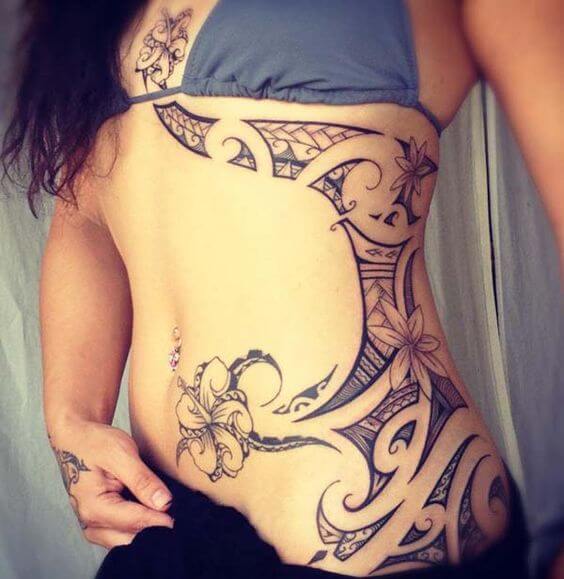
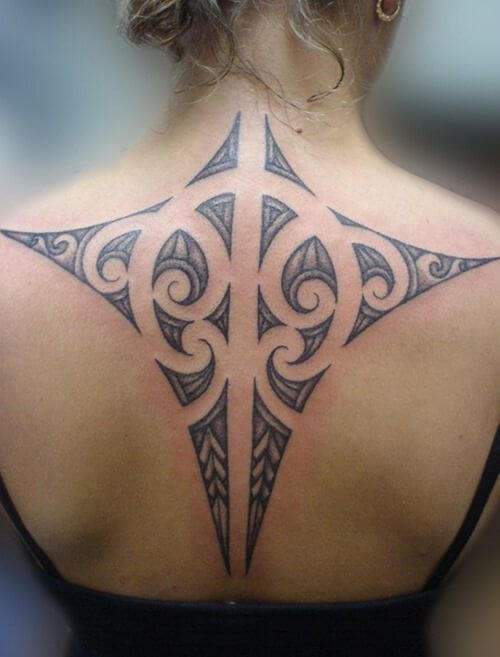
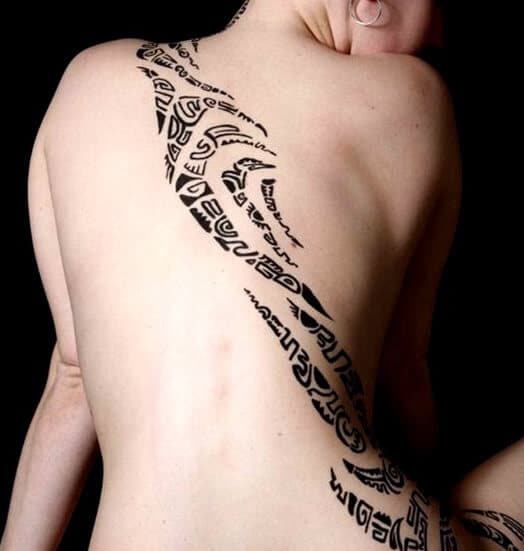
The traditions behind the word
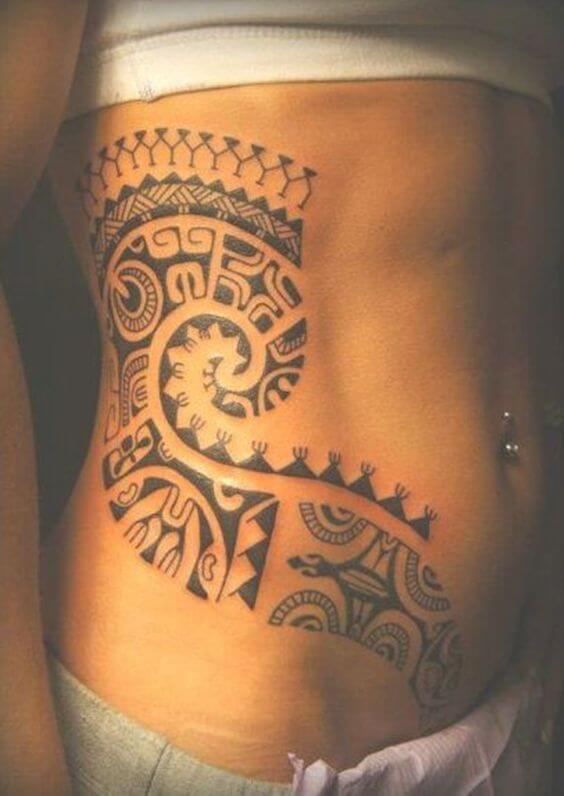
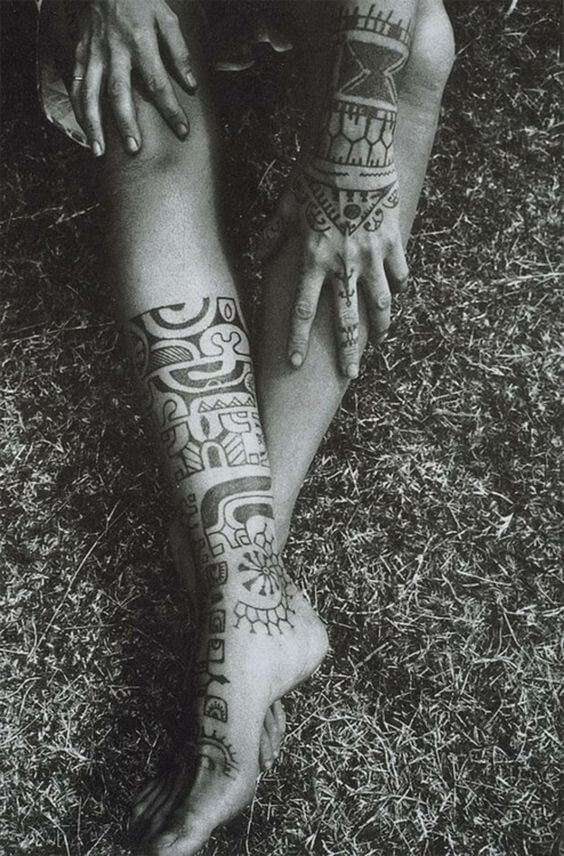
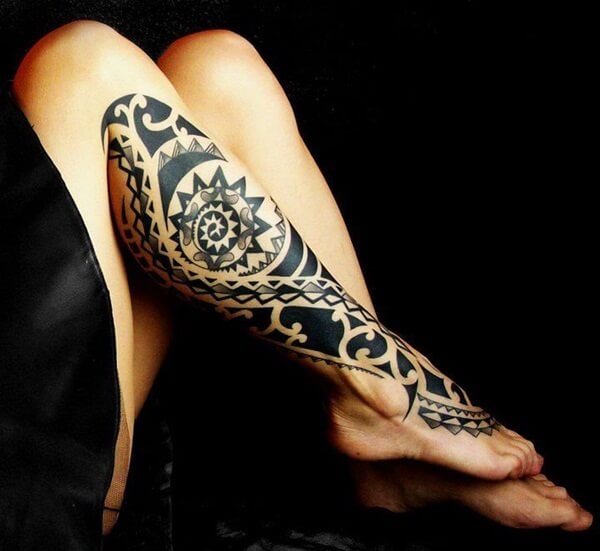
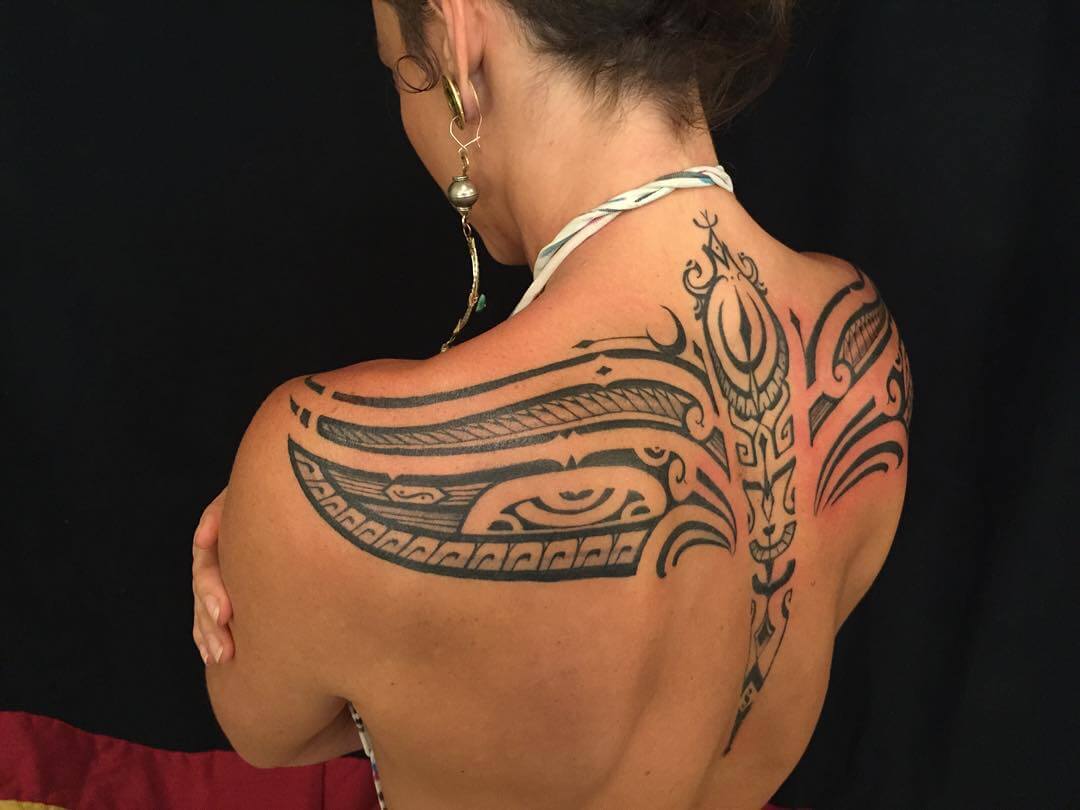
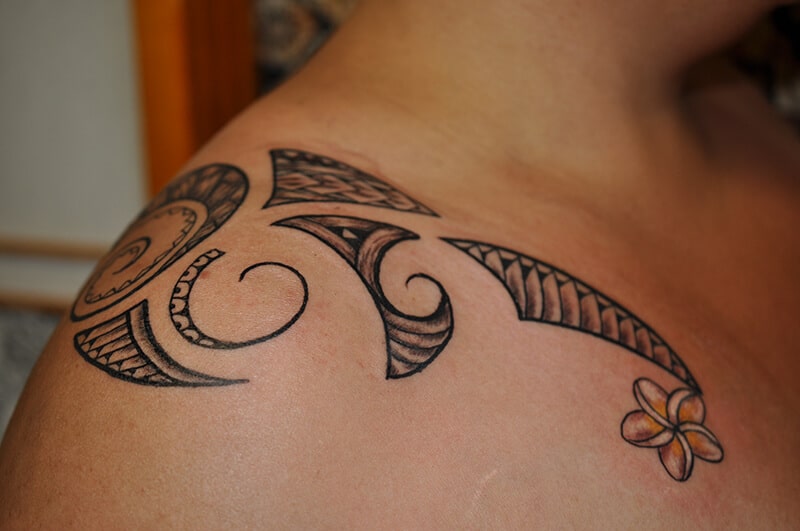
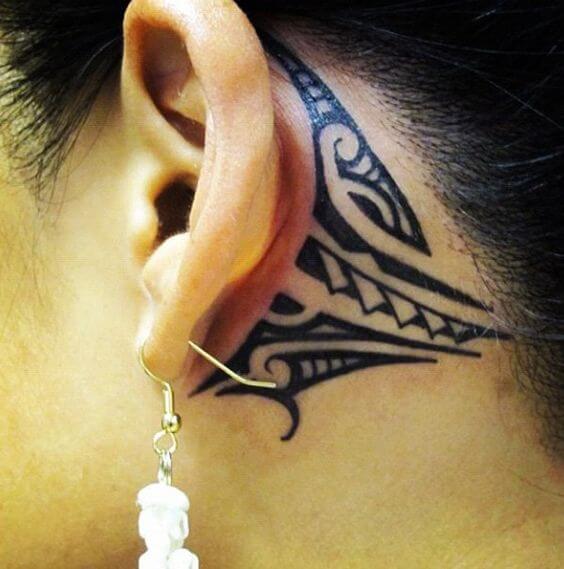
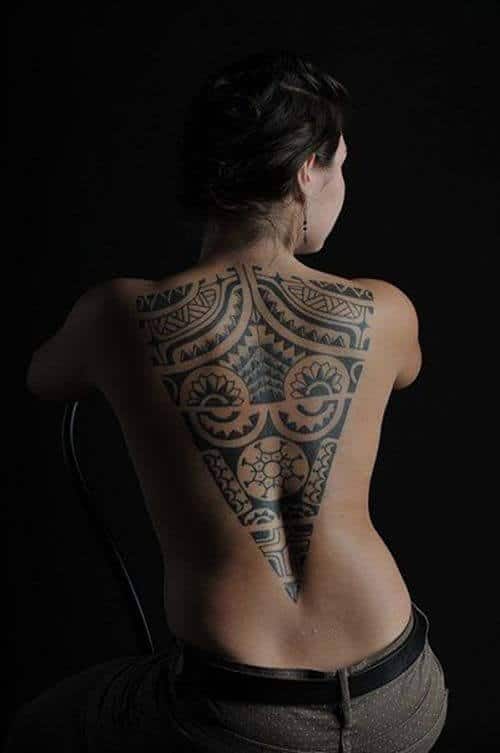
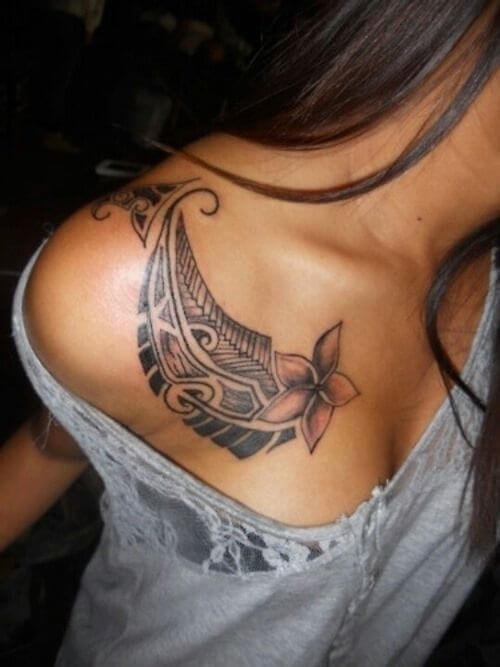
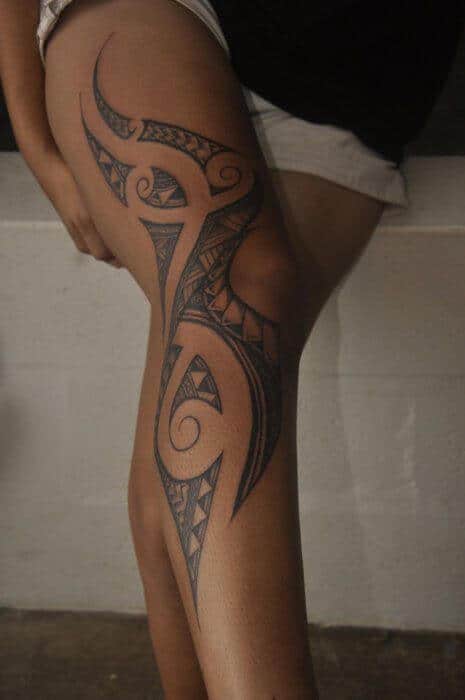
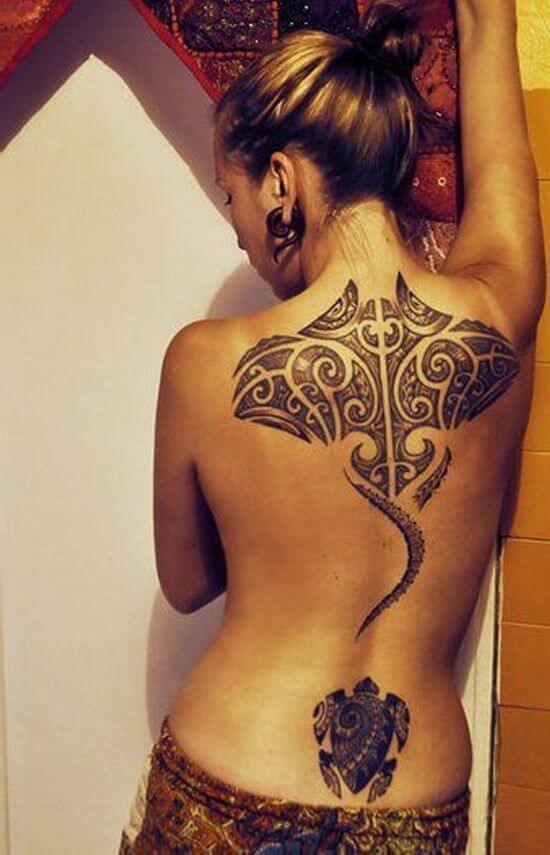
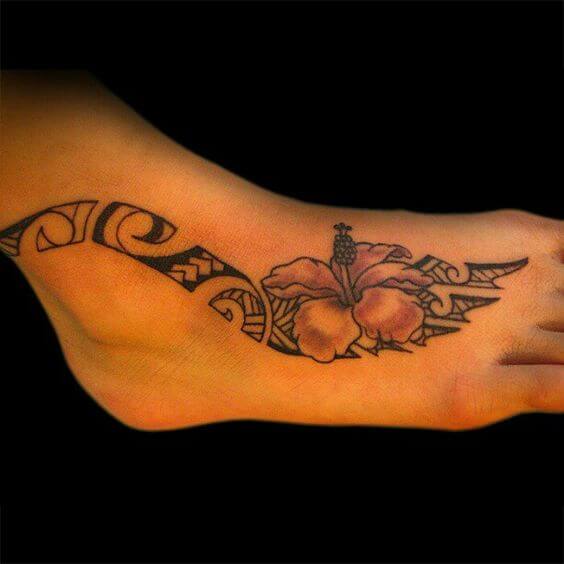
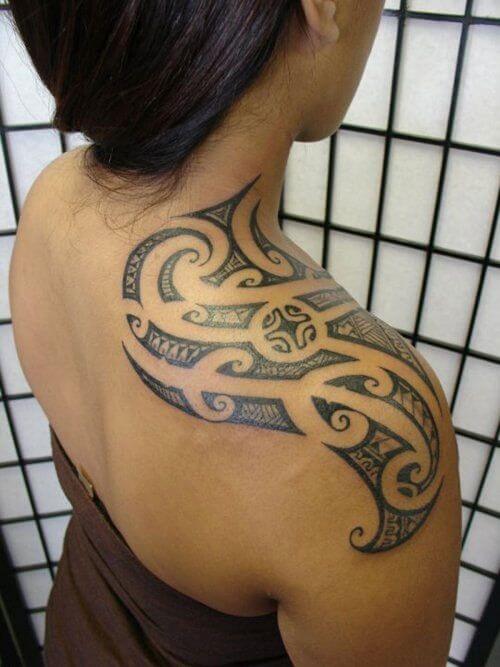
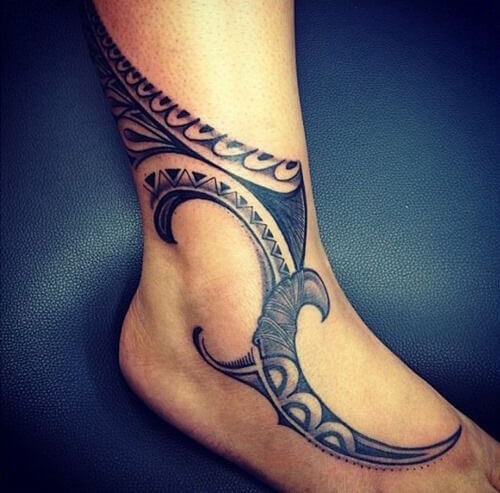
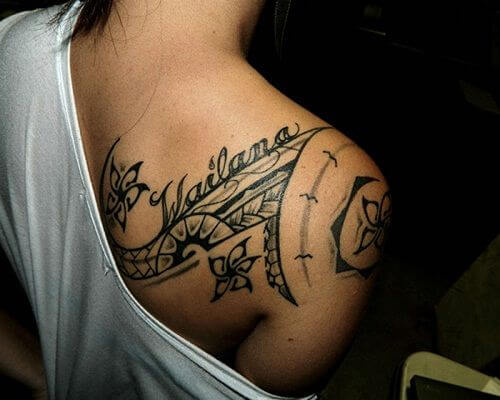
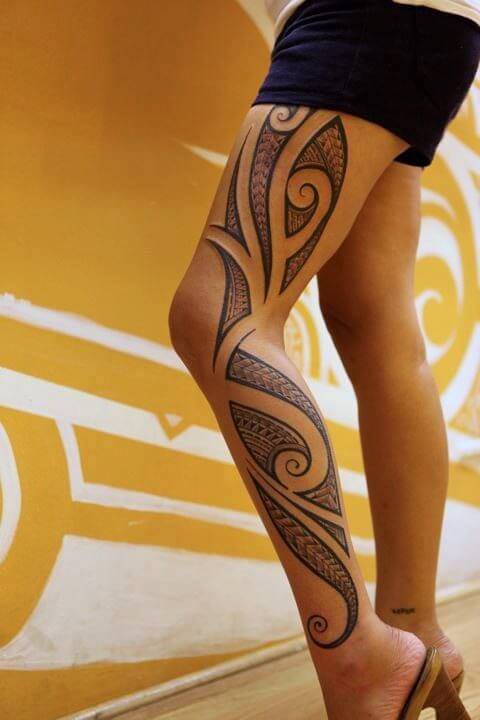
Polynesian, which is a family rather than a single style. Samoan, Tahitian, Marquesan and Hawaiian work each have their own motif vocabularies where individual elements mean specific things - lineage, ocean, protection, status. Traditional Samoan tattooing is applied by hand over days and carries real social weight.
Maori ta moko encodes a person's genealogy and standing. It is bestowed rather than chosen, and wearing it as decoration - particularly facial moko - is widely and strongly objected to. Maori-influenced work made for non-Maori has its own name, kirituhi, and that is the respectful route if the aesthetic is what draws you.
Berber and Amazigh tattooing, traditionally worn by women across North Africa, with its own geometric language tied to protection and fertility. It is a tradition that nearly died out and is being deliberately revived.
Borneo, Iban and Dayak work, with motifs tied to journeys, protection and status.
Celtic knotwork, which is European, and which sits differently for most Western wearers because it is likely to be their own heritage.
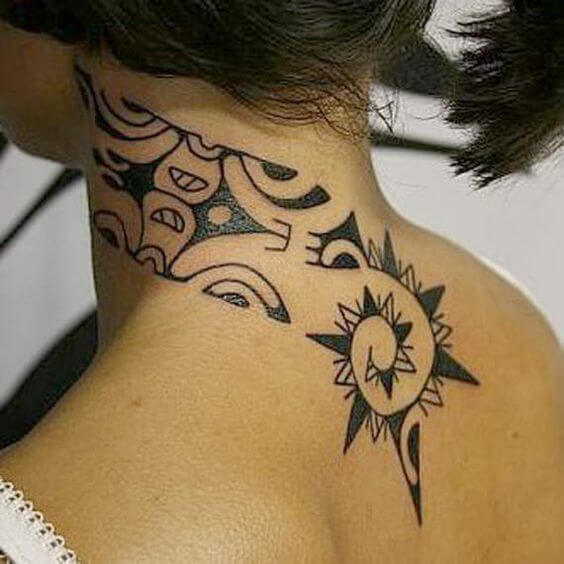
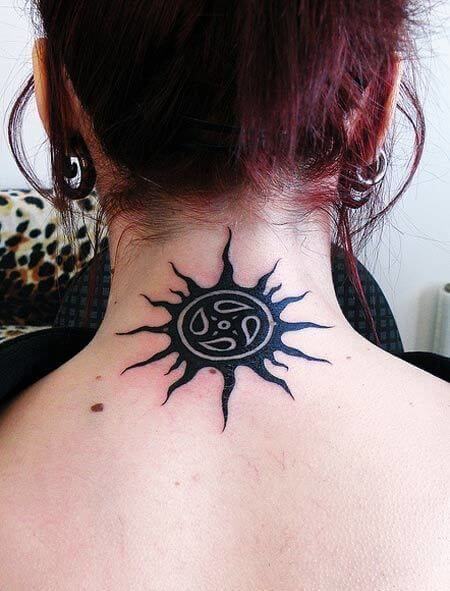
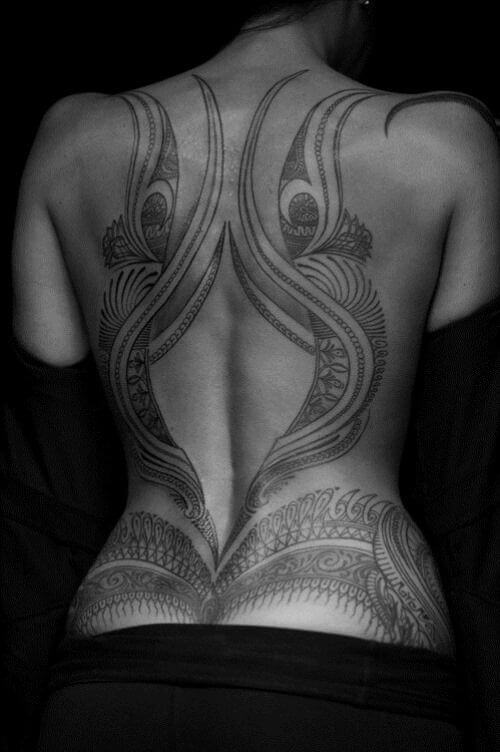
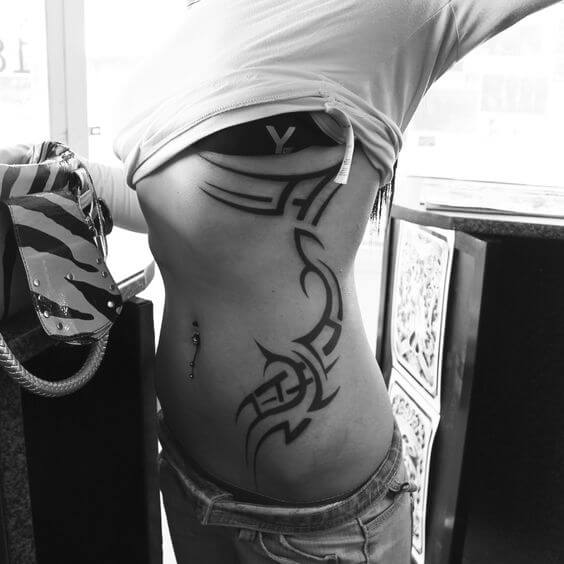
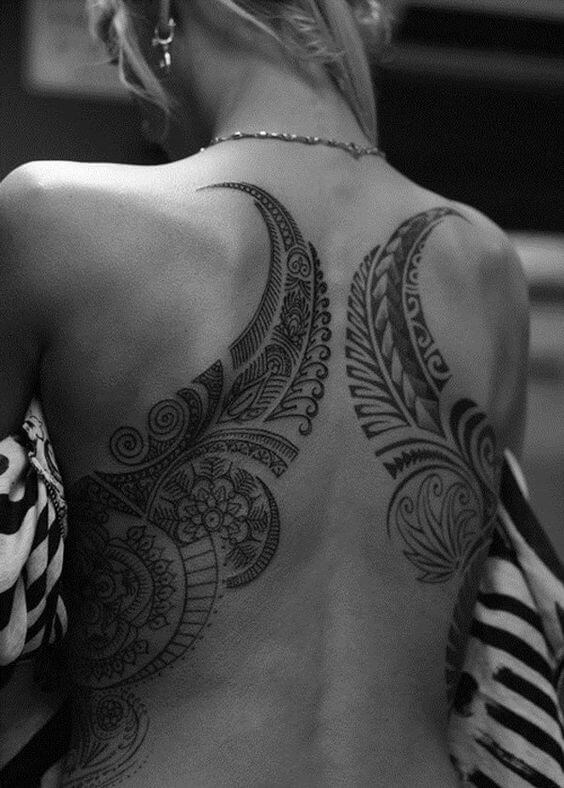
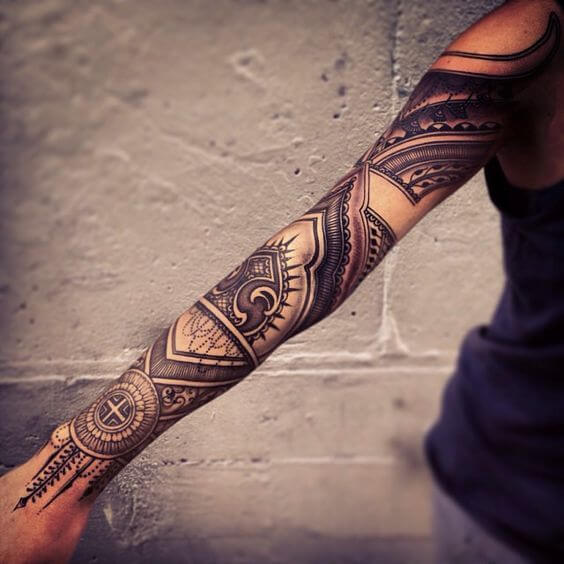
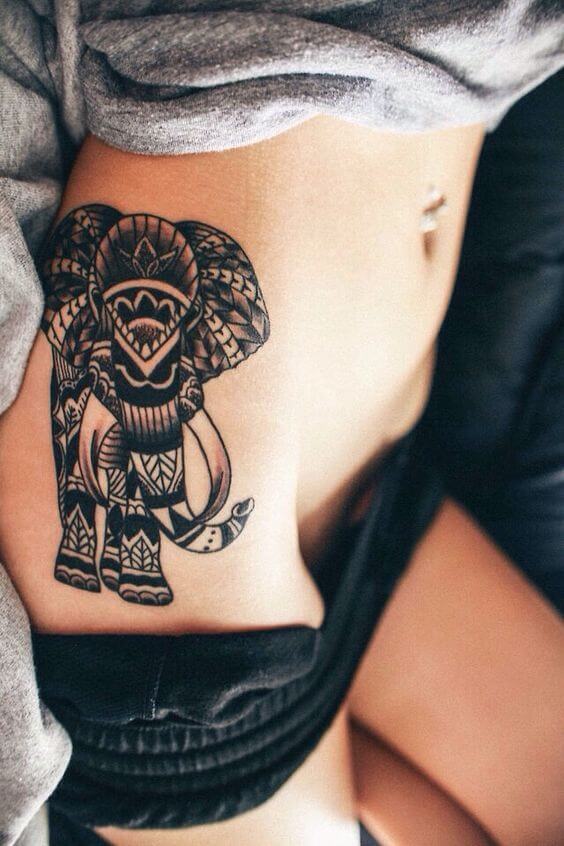
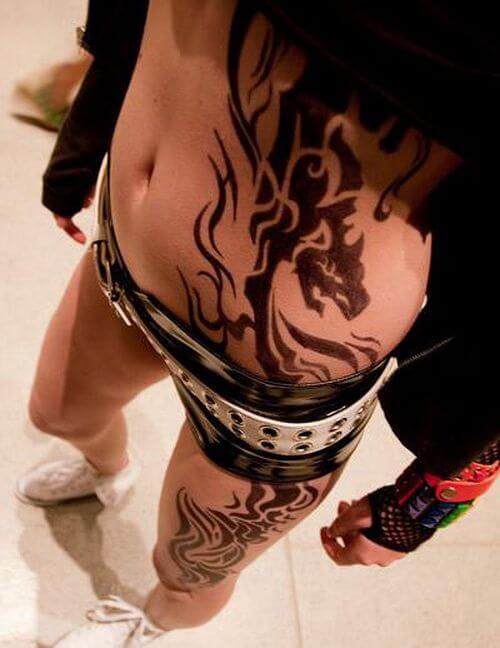
Neo-tribal and modern blackwork, which is honest about being contemporary design rather than borrowed tradition. This is where most of the best current work sits, and it needs no cultural claim at all.
Two practical suggestions. If a tradition draws you, find an artist who works in it and can explain each element - many will design something that reflects your actual life, which makes a far better tattoo than a copied pattern. And if it is the look rather than the lineage, ask for neo-tribal or blackwork by name; you will get something original instead of a pattern lifted from a culture you have no tie to.
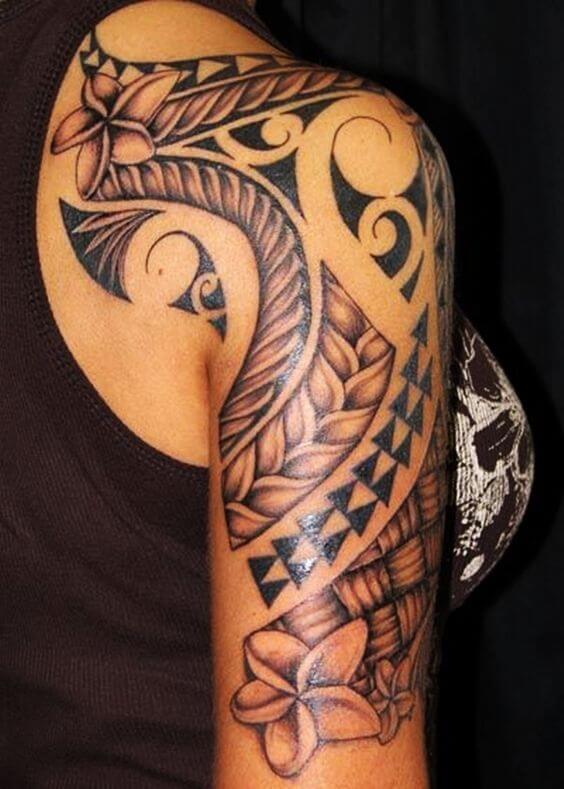
What suits the body
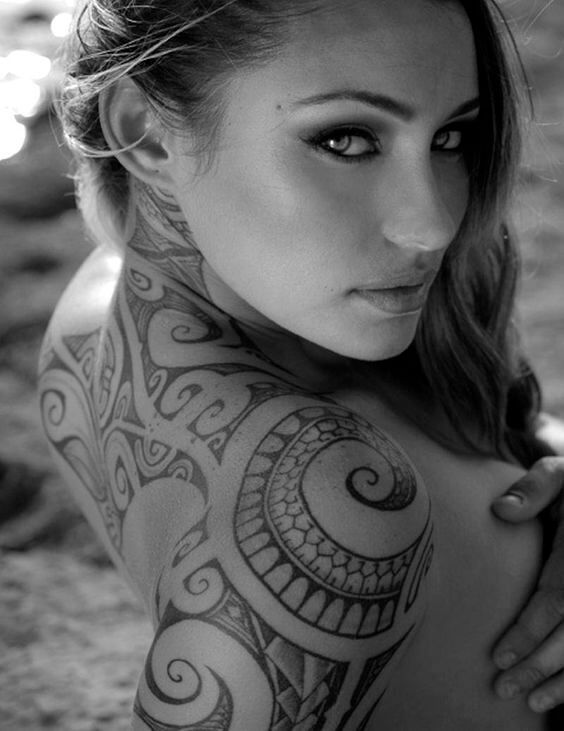
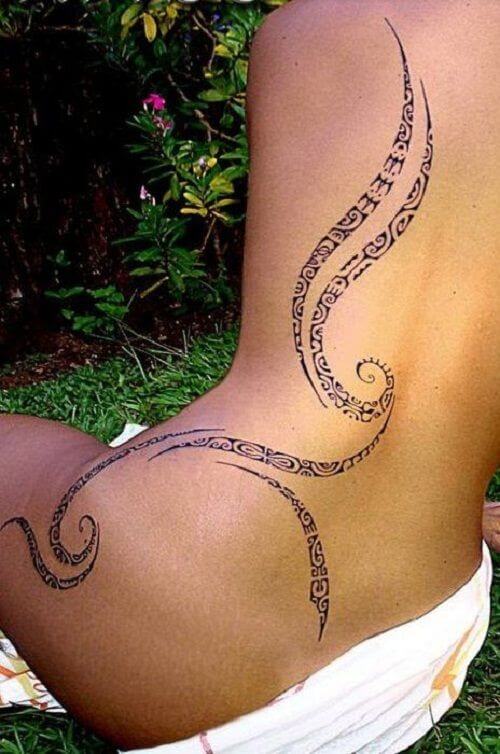
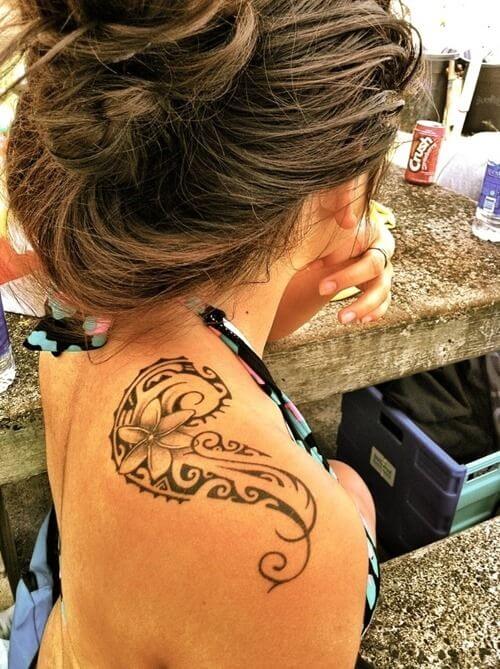
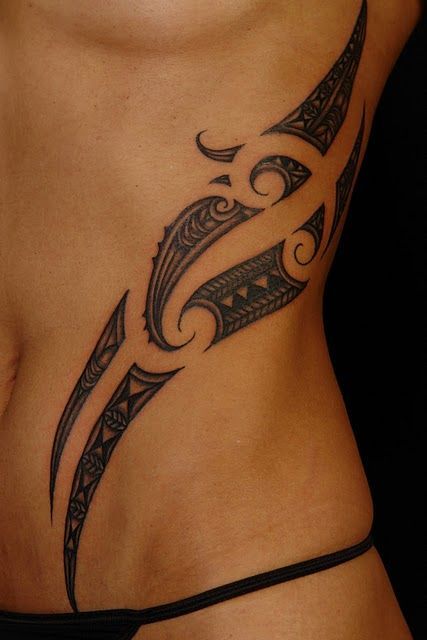
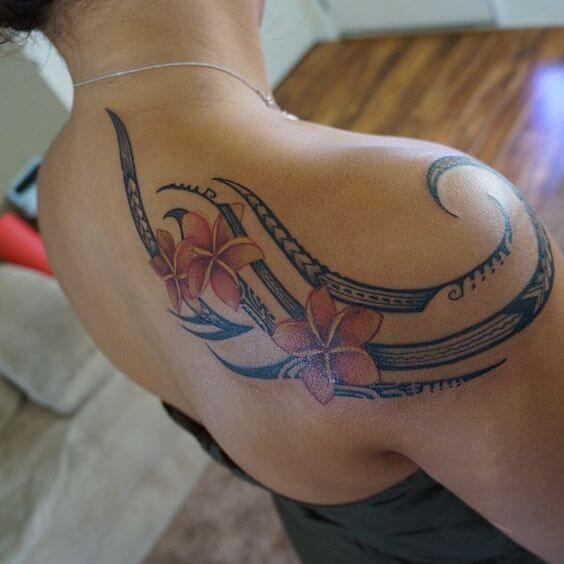
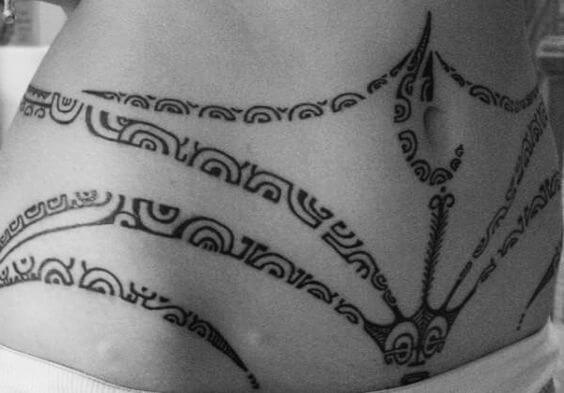
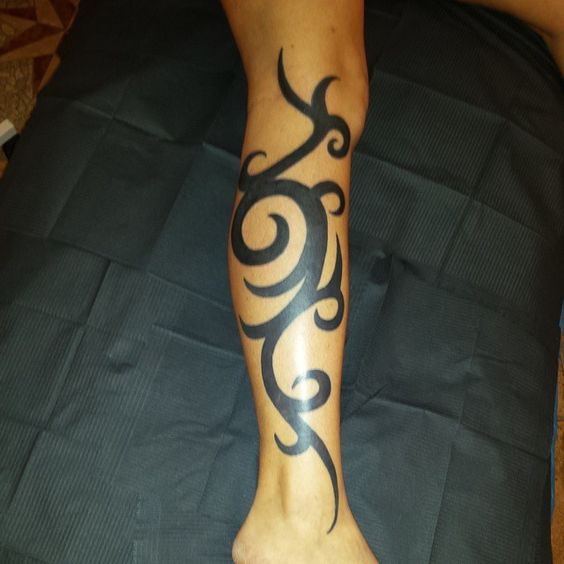
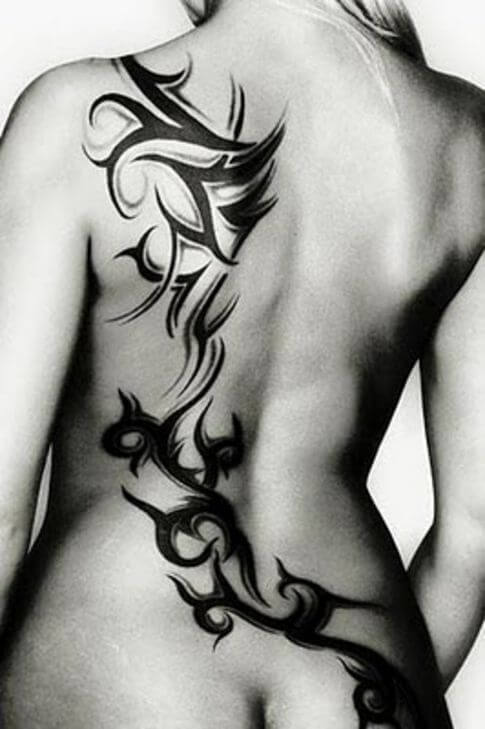
Tribal is about flow, which makes placement more important than for most styles. Designs that follow the body's lines look intentional; designs applied flat to a curve look stuck on.
Placements that suit it particularly well:
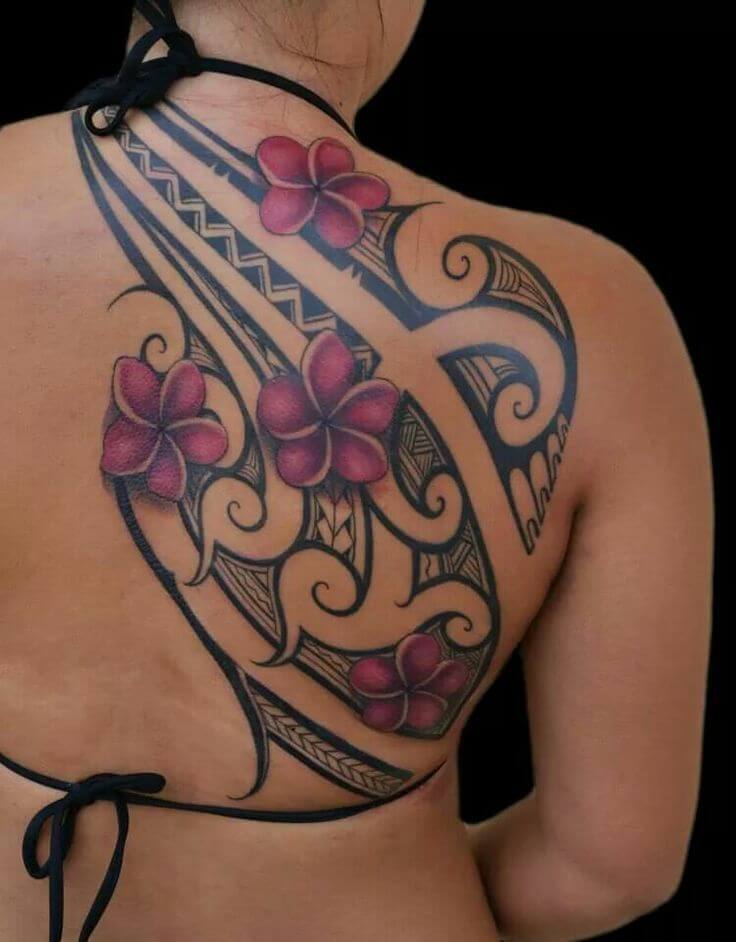
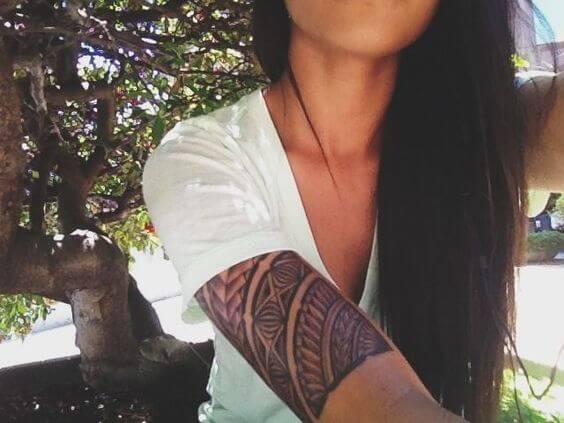
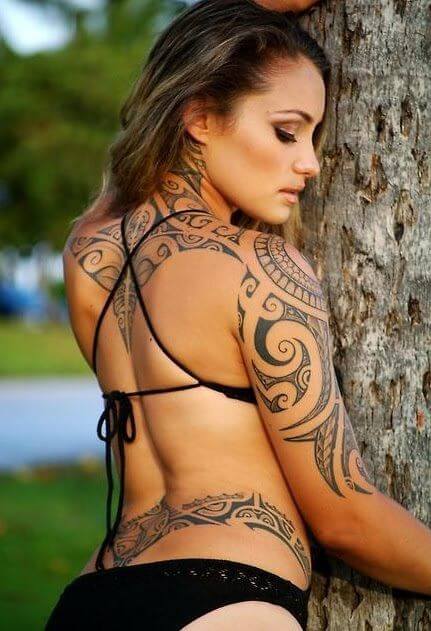
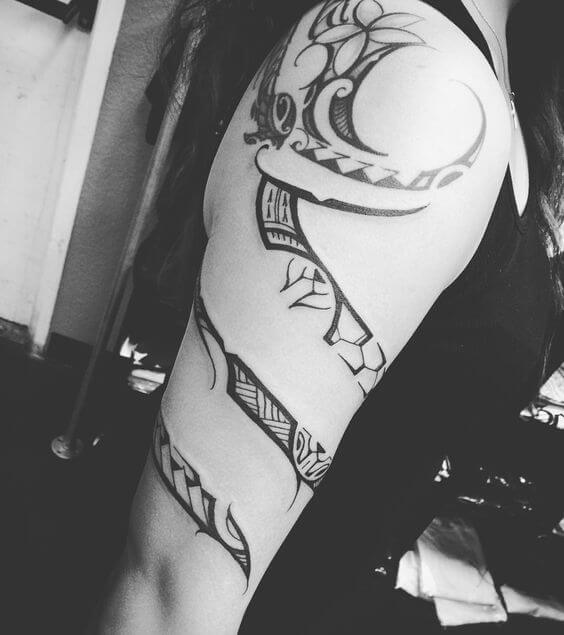
- Shoulder and upper arm, wrapping rather than sitting on one face.
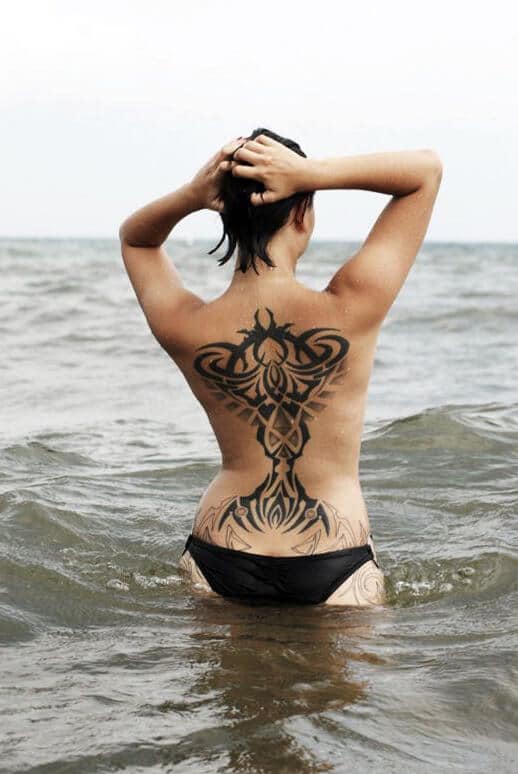
- Spine, vertical, following the line.
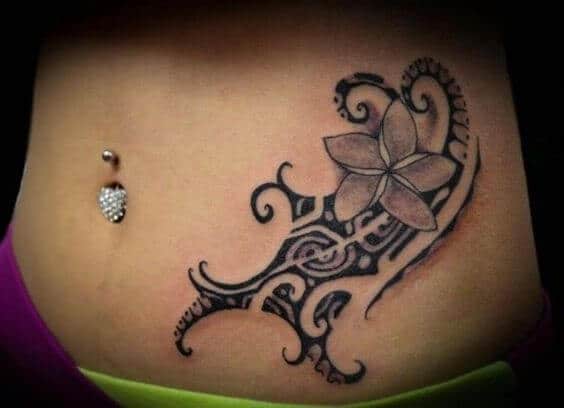
- Ribs and side, following the curve of the torso.
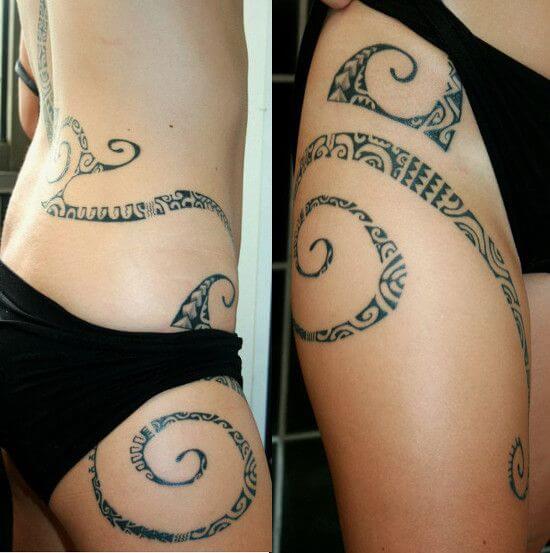
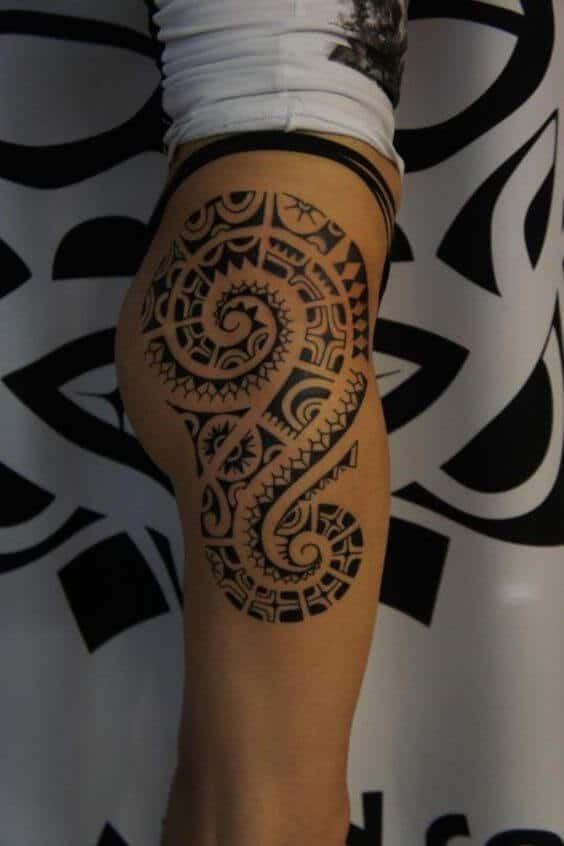
- Thigh, wrapping, tapering toward the knee.
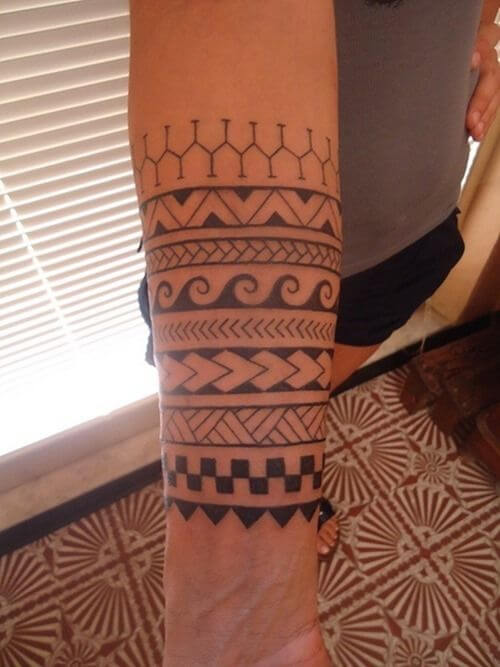
- Forearm, running with the limb.
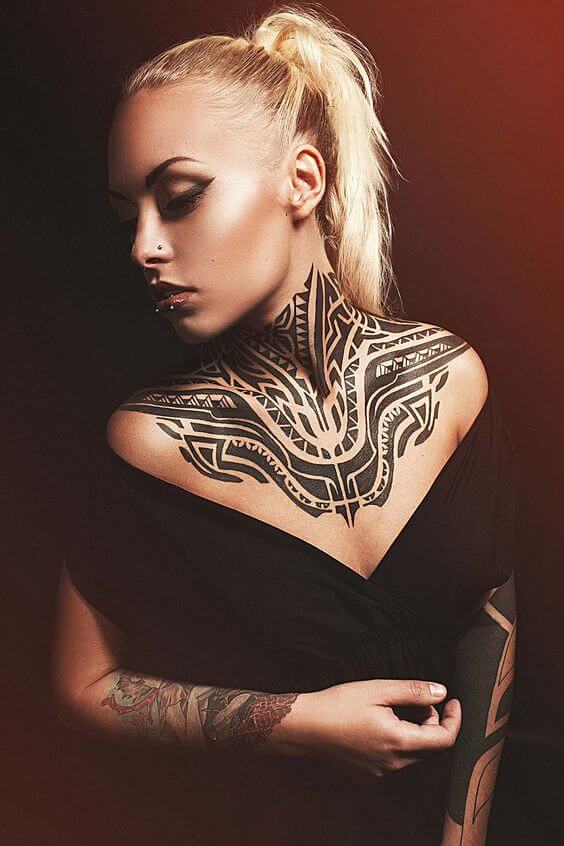
- Sternum and underbust, where symmetry has something to be symmetric about.
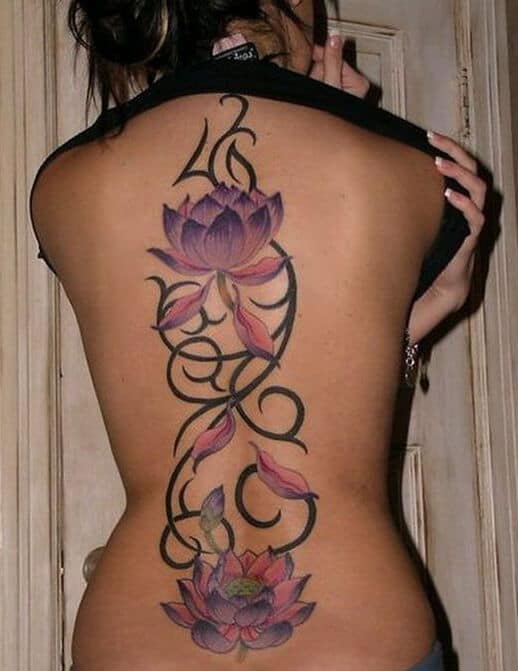
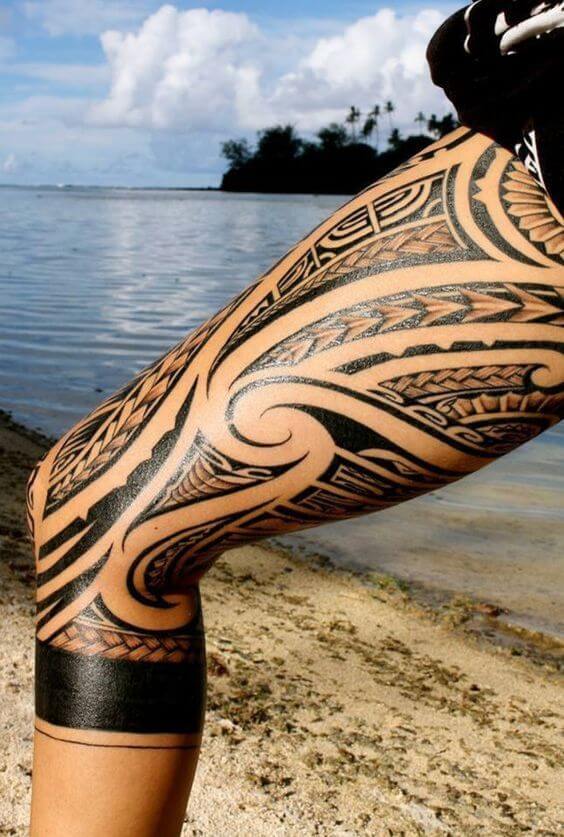
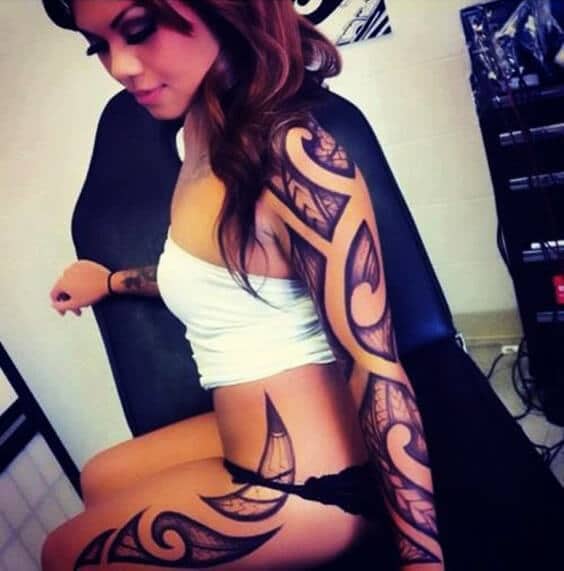
Sittings, pain and cost
| Design | Typical size | Sittings | Pain, 1-10 | Rough cost |
|---|---|---|---|---|
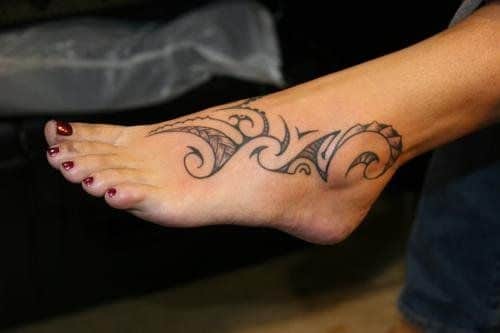
| Small ornamental band, wrist or ankle | 2-4 in | 1 | 5-7 | Shop minimum to $300 |
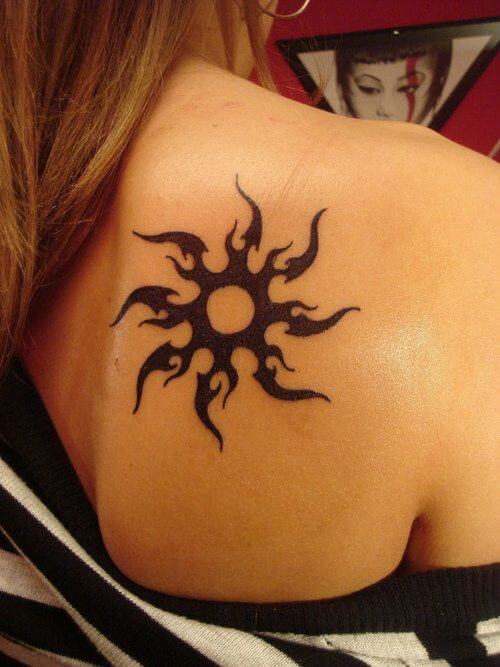
| Shoulder blade | 5-8 in | 1-2 | 4-5 | $400-$1,000 |
| Spine | 8-14 in | 2-3 | 7-8 | $800-$2,000 |
| Underbust or sternum | 8-12 in | 2-3 | 8-9 | $900-$2,500 |
| Thigh, wrapping | 10-14 in | 2-4 | 3-5 | $1,200-$3,000 |
| Half sleeve | - | 3-6 | 3-6 | $1,500-$4,500 |
Rates vary widely by city and artist. Solid black is slower than it looks - packing an area evenly takes multiple passes and is tiring to sit through.
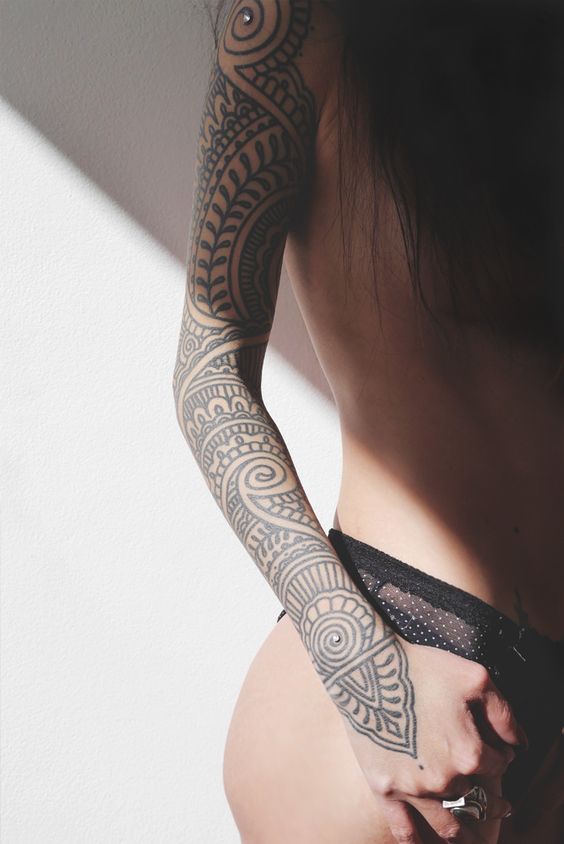
How it will age, which is the real argument for it
Solid black is the most permanent thing in tattooing. No fine detail to merge, no colour to lift. A well-made blackwork piece looks essentially the same at thirty years as at three, which cannot be said of much else.
Two things decide whether that promise holds.
Negative space. The bare skin is half the design. Black spreads very slightly at its edges over the decades, so a design with generous gaps stays crisp while one with narrow slivers between shapes slowly closes into a mass. Ask for more space than looks necessary - it is why old Polynesian work still reads perfectly.
Even packing. Patchy black is the one genuine failure mode: lighter and darker areas within what should be flat. Look at healed photographs in an artist's portfolio rather than fresh ones, because fresh black always looks solid.
Expect a black touch-up around year eight to ten on a large piece. That is maintenance, not a fault. Sunscreen once healed; even black fades under UV.
What to bring your artist
A decision about tradition versus contemporary blackwork, and honesty about which. A placement, and a willingness to let the design wrap rather than sit flat. And reference for the weight you want - delicate ornamental linework and heavy solid black are both called tribal and look nothing alike.
Ask to see healed blackwork. It is the most useful question you can ask for this style.
A good artist will push back on narrow gaps between shapes, on flat placement on a curved limb, and on a Polynesian pattern they cannot explain.
Aftercare, briefly
Your artist's instructions come first. Generally: covering on as long as they said, then gentle washing twice a day with clean hands and fragrance-free soap, and a very thin layer of the recommended aftercare.
Packed black swells more, weeps more on the first day and peels harder than linework does. All normal. Loose clothing so nothing rubs, no soaking for two to three weeks, no sun while healing, and no picking - a pale patch lifted out of solid black is the most visible damage there is.