30+ Dazzling and Eye-Catching Swan Tattoo Designs
A swan is one long curve and a decision about the neck. Get that line right and almost nothing else matters; get it wrong and no amount of feather detail rescues it. It is one of the purest silhouette subjects in tattooing.
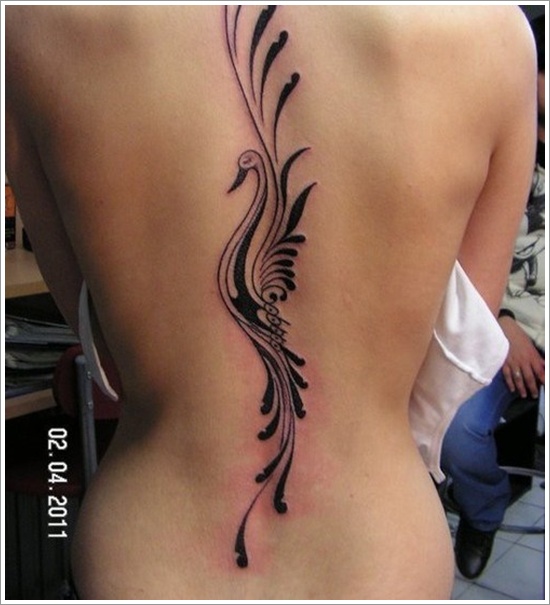
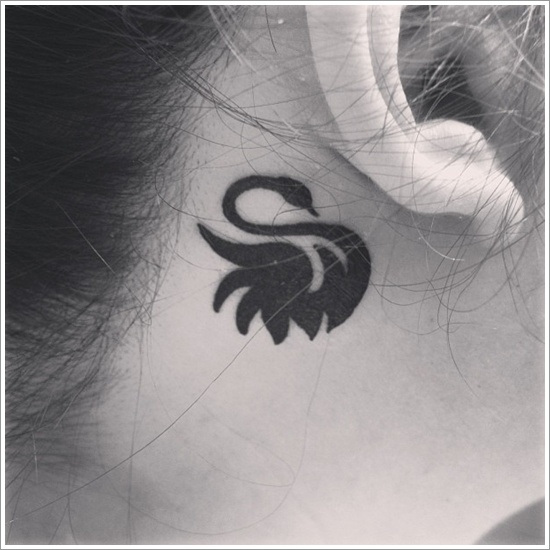
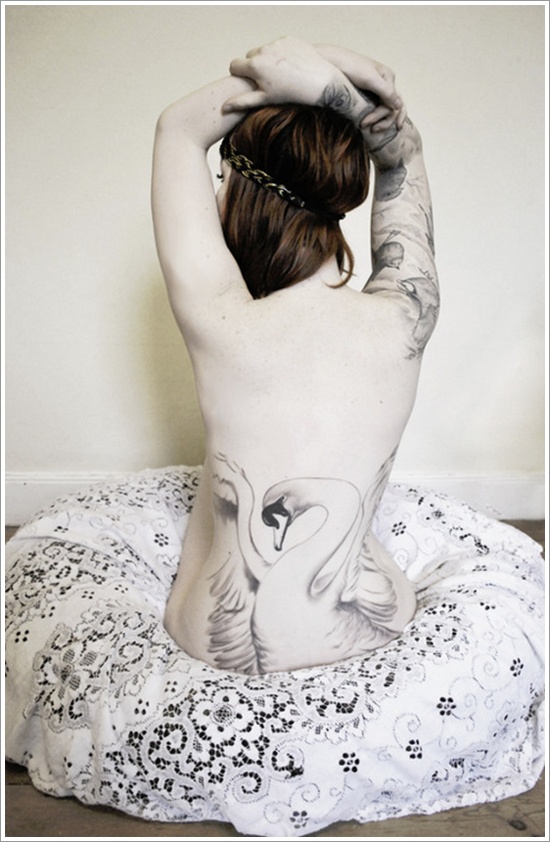
That makes it a good choice for placements where a long curve fits naturally - the spine, a forearm, the side of the ribs, behind the ear - and a poor choice squeezed into a square.
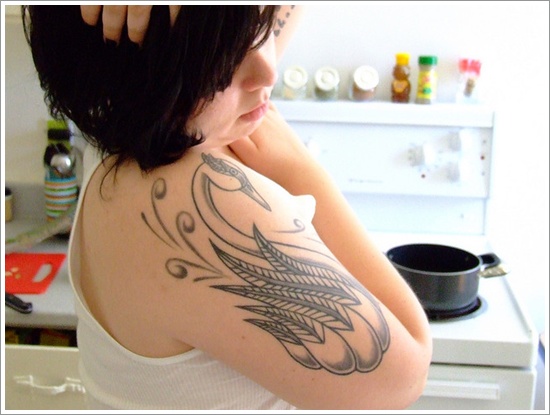
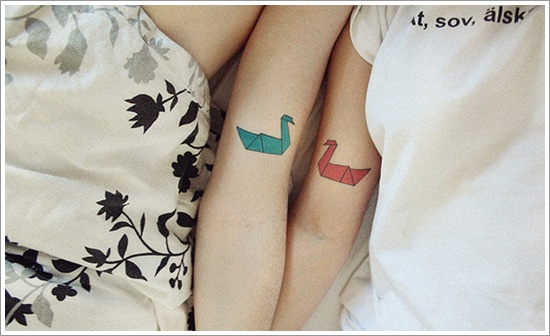
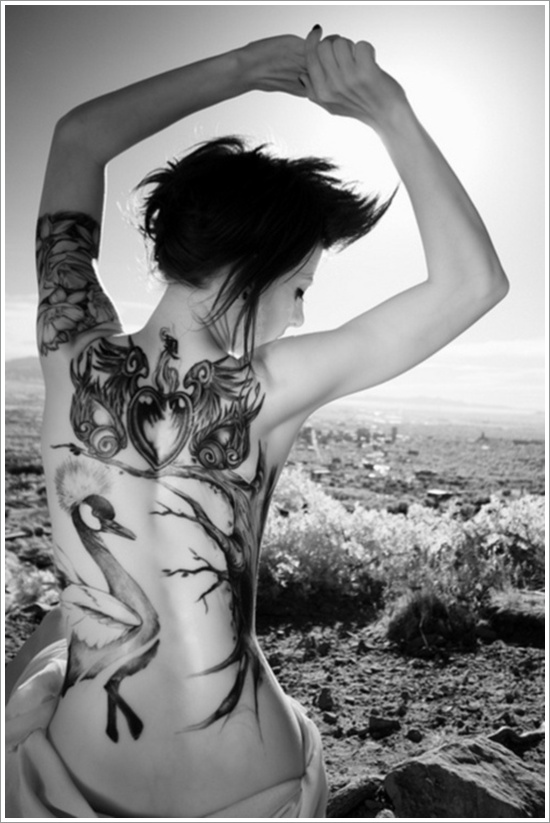
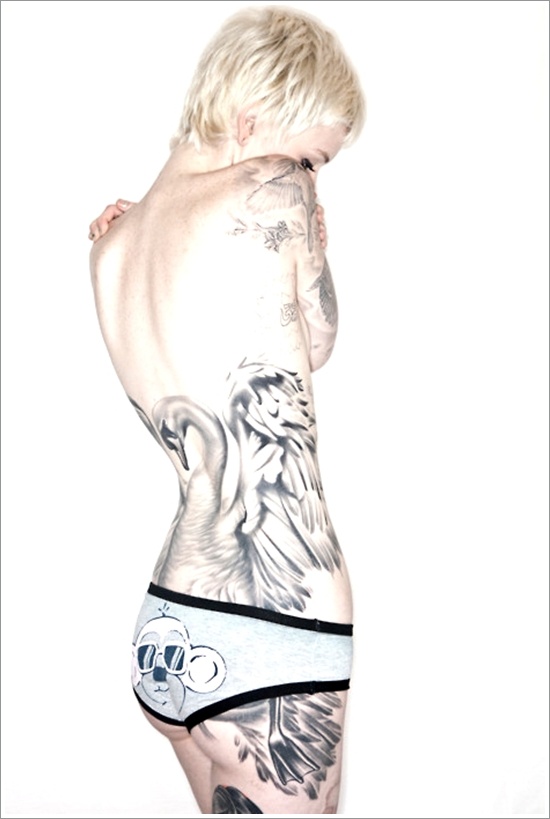
What it carries
Grace, and the effort under it. The swan glides while working hard below the surface. It is the most common reason people choose one, and it is a better idea than the word "elegant" suggests.
Fidelity. Swans pair for long periods, often for life, and two swans facing each other form a heart with their necks. That composition is a genuinely old motif rather than a modern invention.
Transformation. The ugly duckling, and Odette in Swan Lake. This is where a lot of the emotional weight sits for people getting one - the version of yourself that others could not see.
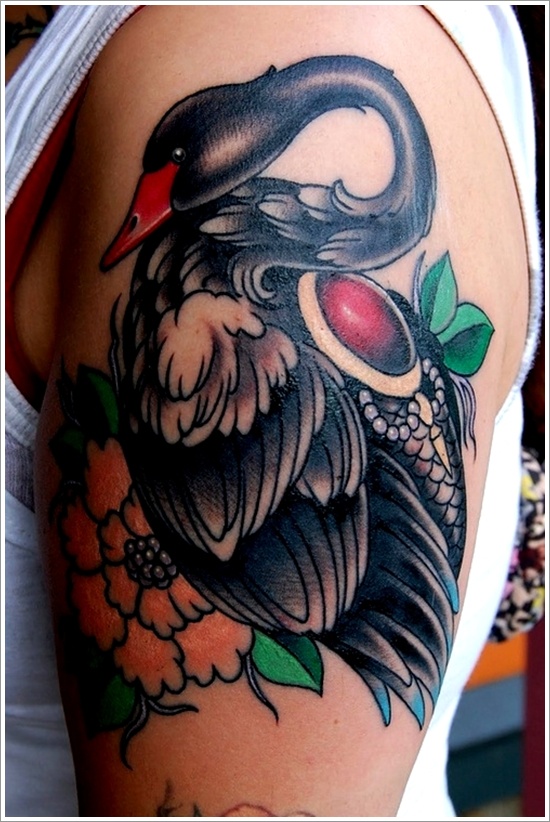
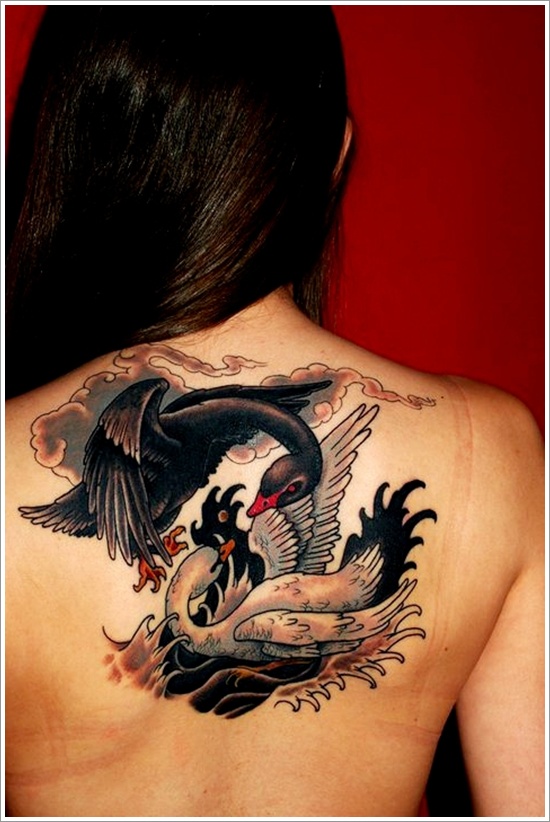
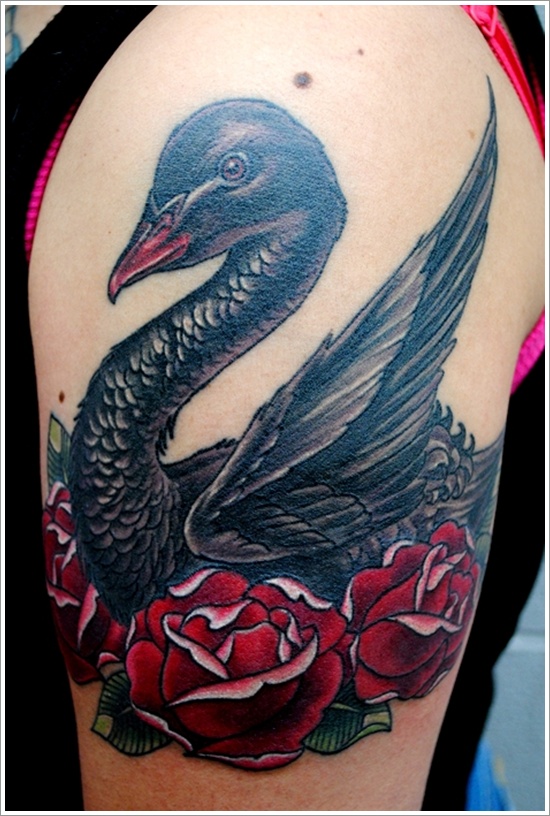
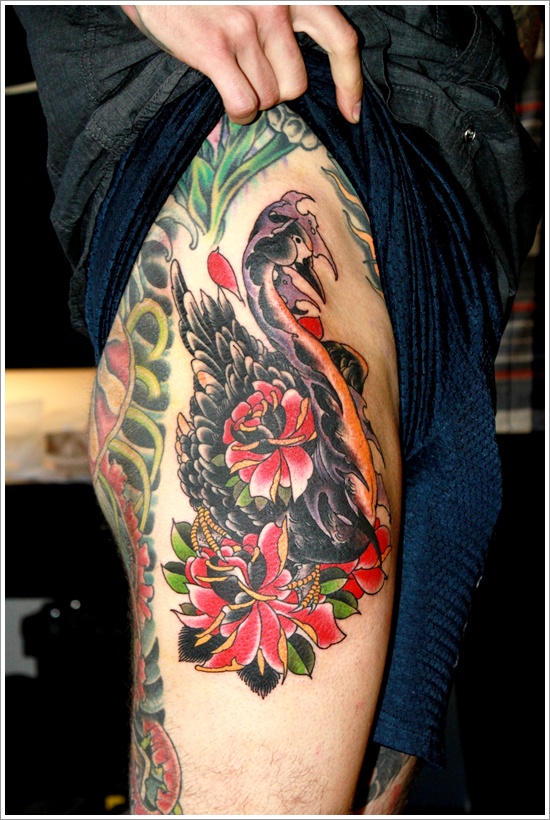
The black swan. Two distinct readings. In Swan Lake, Odile is the dark double, the seductive and dangerous counterpart. Separately, a black swan is the term for an event nobody thought possible until it happened - Europeans assumed all swans were white until they reached Australia. Both are strong ideas and they are not the same one.
A warning, honestly. Swans are large, territorial and genuinely aggressive in defence of a nest. A swan tattoo can absolutely mean beauty that will not be trifled with, and that reading suits a bolder design.
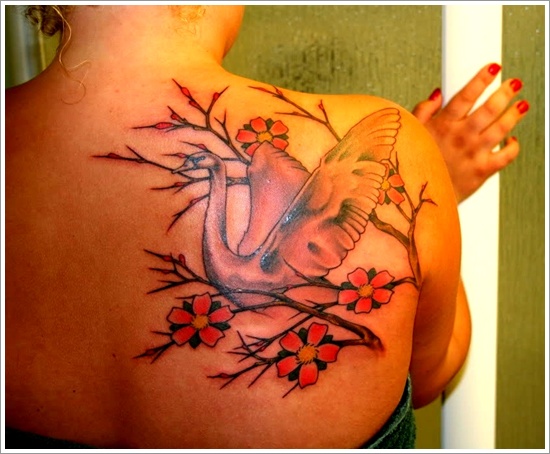
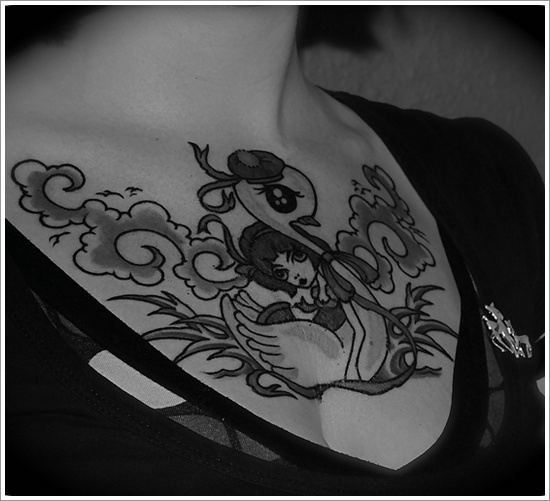
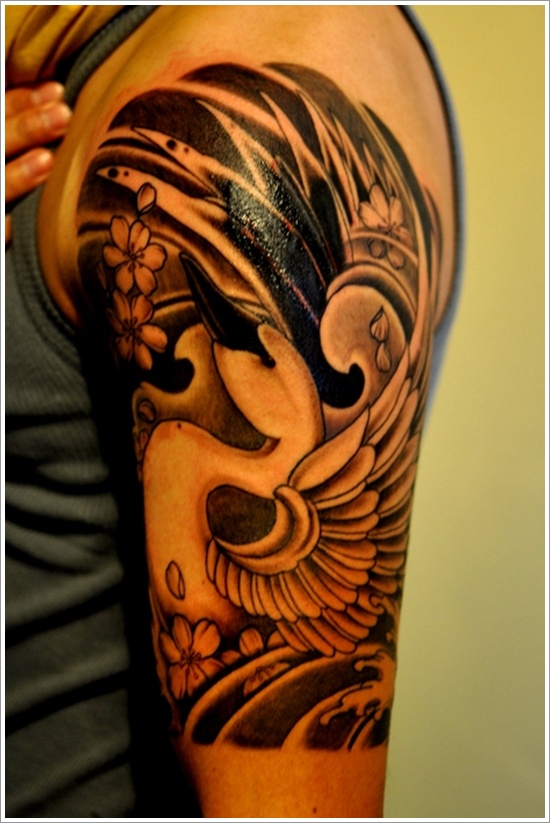
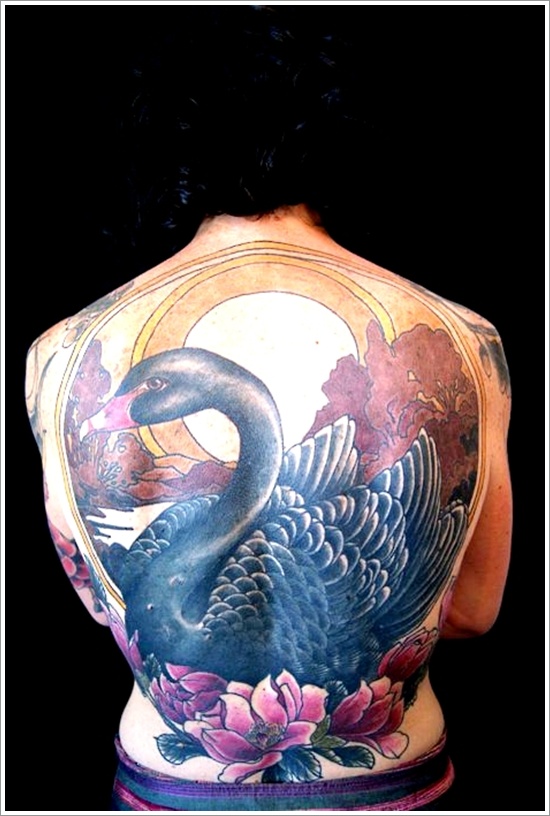
Placement, size and cost
| Design | Typical size | Sittings | Pain, 1-10 | Rough cost |
|---|---|---|---|---|
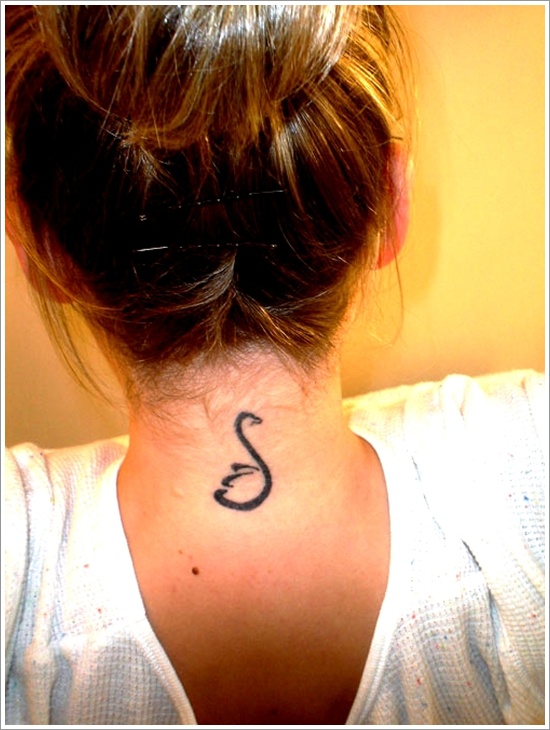
| Small silhouette, wrist or behind the ear | 1-2 in | 1 | 6-8 | Shop minimum |
| Inner forearm | 4-6 in | 1 | 5-6 | $250-$600 |
| Shoulder blade | 4-6 in | 1 | 4-5 | $250-$600 |
| Spine, vertical | 6-10 in | 1-2 | 7-8 | $500-$1,200 |
| Ribs | 5-8 in | 1-2 | 8-9 | $500-$1,200 |
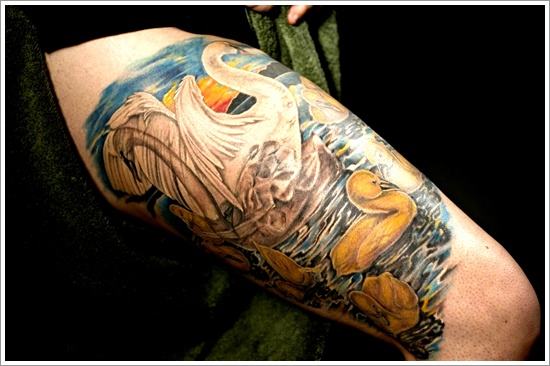
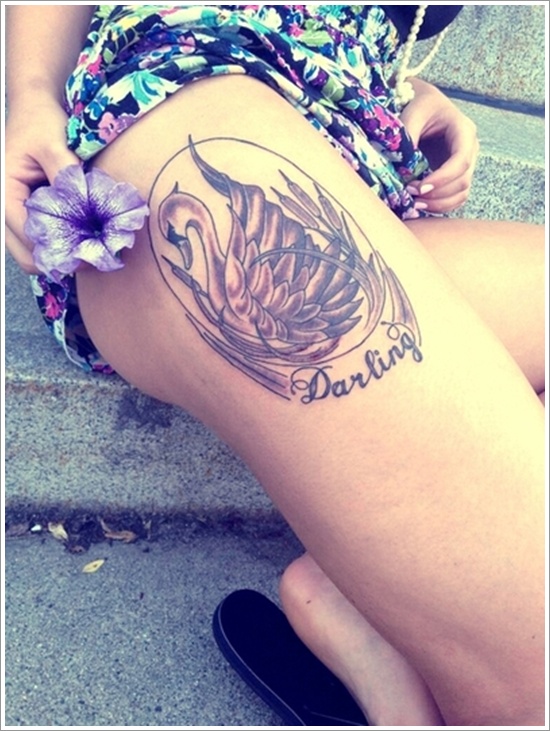
| Thigh, with water and reeds | 8-12 in | 2-3 | 3-5 | $900-$2,200 |
Rates vary by city and artist. A minimal single-line swan is one of the quicker meaningful tattoos; a realistic one with feather work is not.

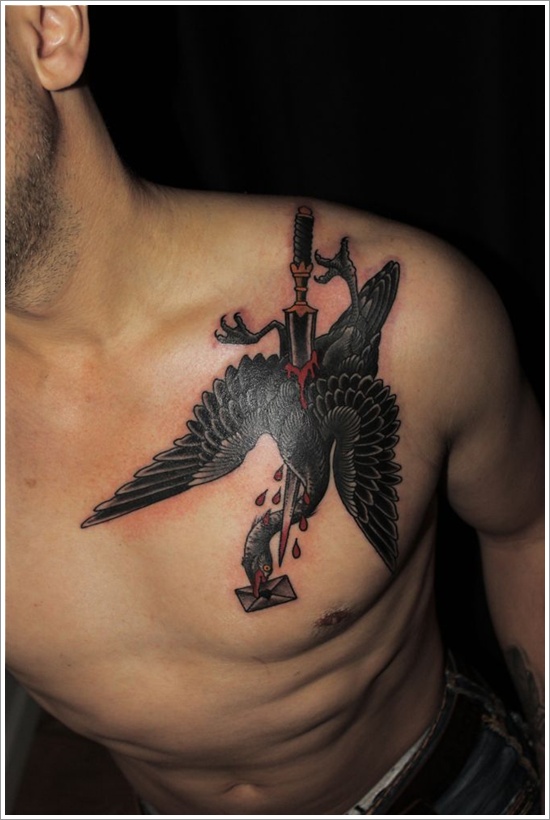
Styles that hold up
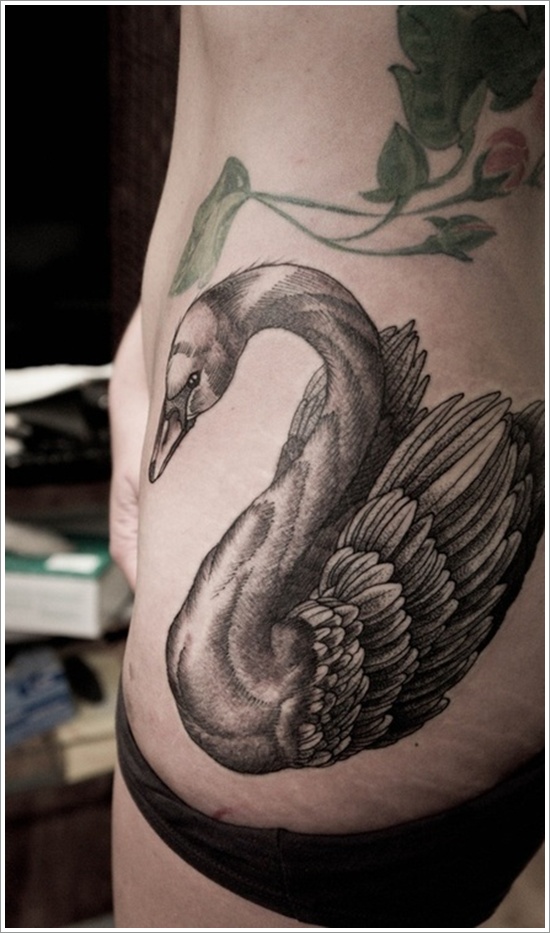
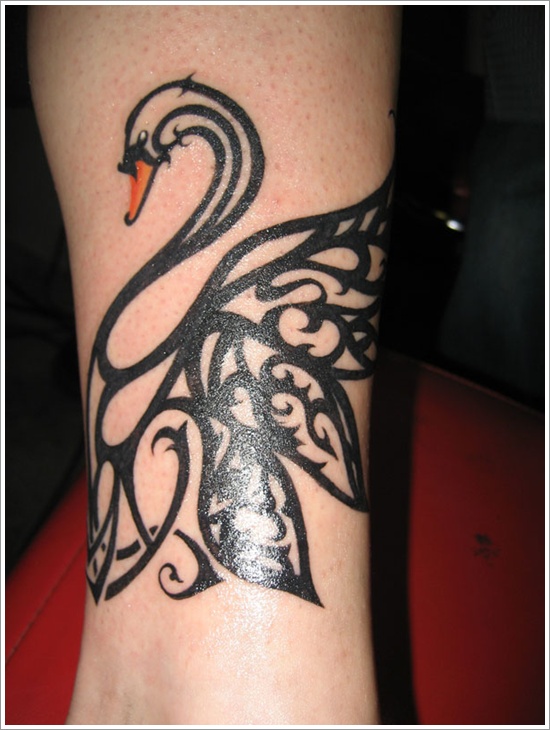
Fine-line and single-line. The swan is the subject this style was made for: one continuous curve, almost no internal detail. Provided the line has enough weight, it ages well because there is nothing to merge.
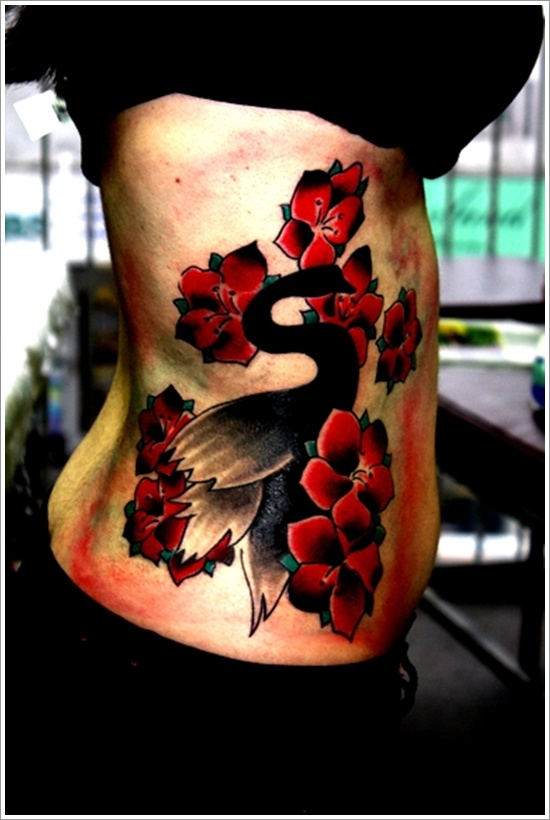
Blackwork silhouette. Solid black, no interior. Extremely durable and often the most striking version, particularly for a black swan.
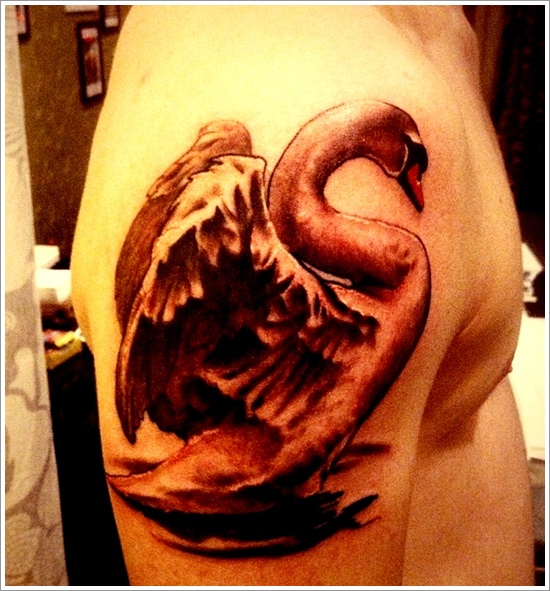
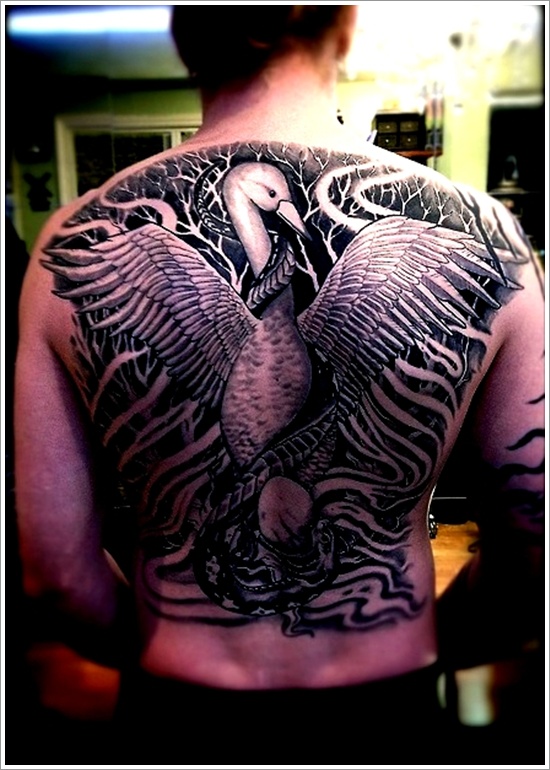
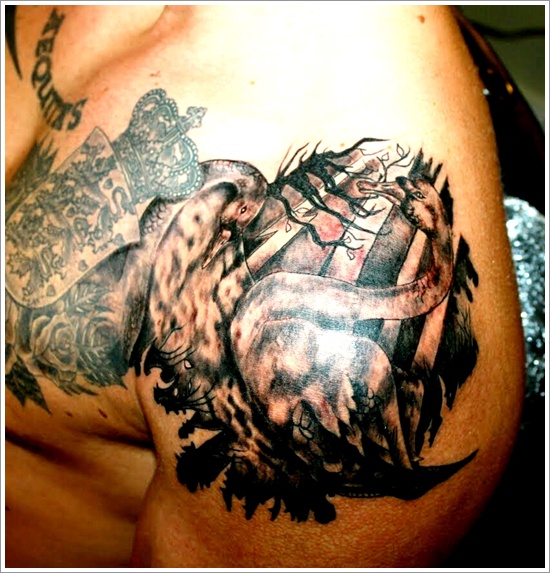
Black and grey realism. Real feather structure, real water. Demanding, and needs size.
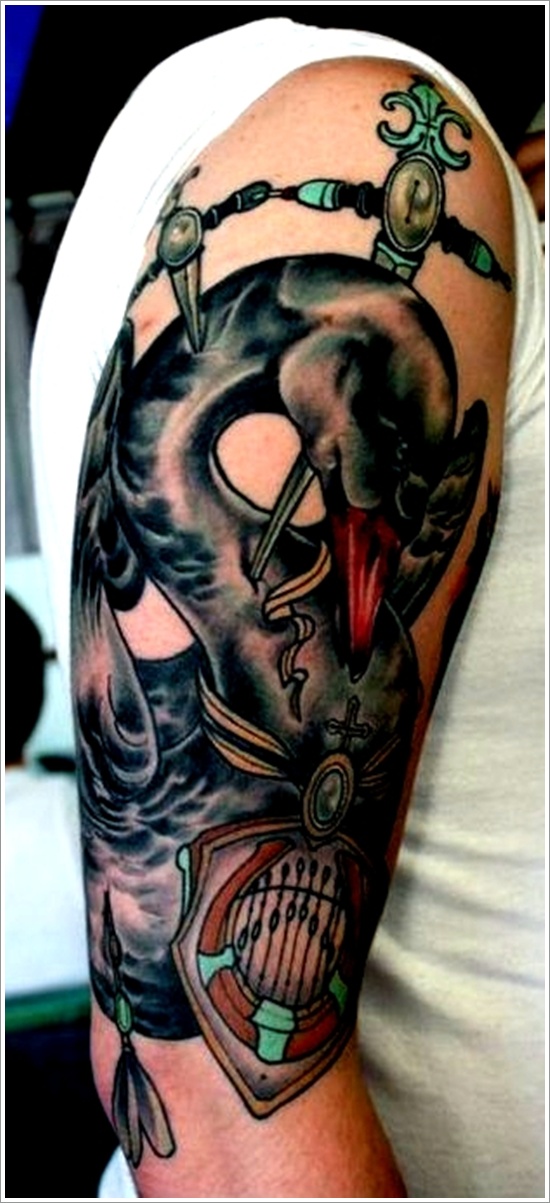
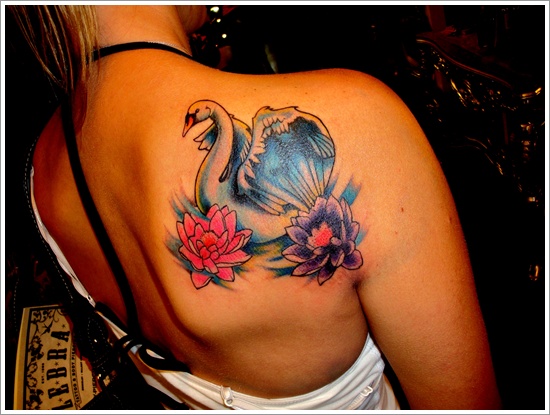
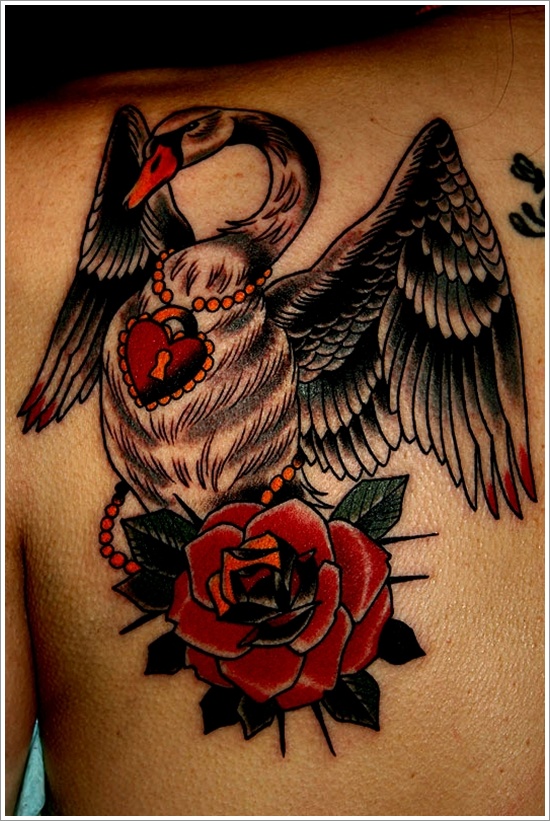
Neo-traditional. Bold outline with decorative rendering. The best coloured route and it suits a Swan Lake treatment well.
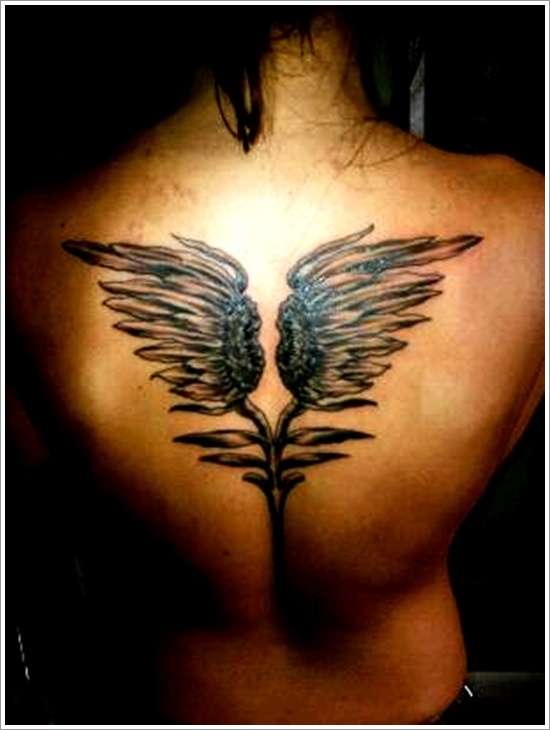
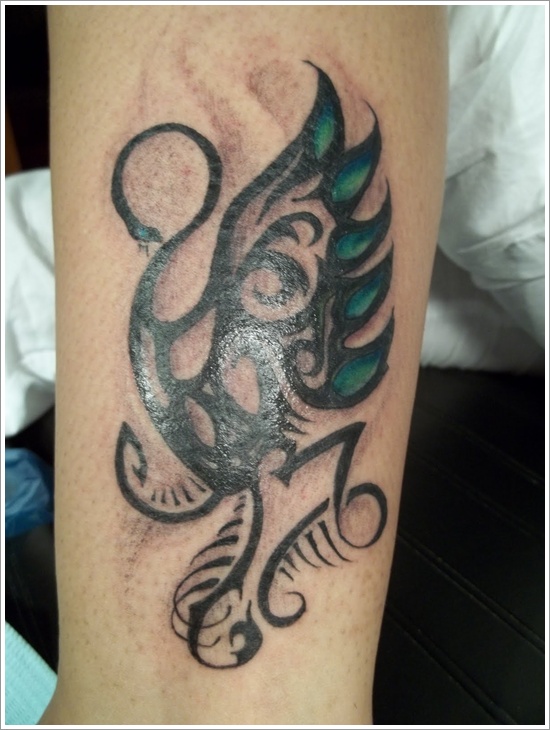
Ornamental. The swan combined with mandala or filigree work, common on the spine and back of the neck.
Watercolour. Popular for this subject. Without a black structure it fades to a pale wash within a few years - ask for line work underneath if you want the effect.
How it will age
This is a motif with a genuinely good ageing profile, if you choose the right version.
Minimal and silhouette designs hold almost indefinitely. The shape is the tattoo, solid black is permanent, and there is no fine detail to lose.
Realistic feather work faces the usual problem: individually rendered barbs packed tightly together merge into tone over ten to fifteen years. The defence is the same as for any bird - ask for feathers built as tonal groups with real separation between them, rather than as hundreds of individual lines.
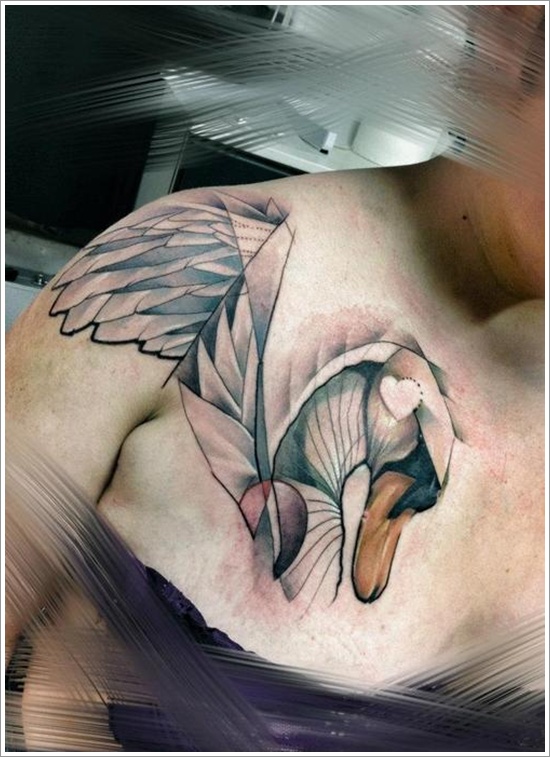
The one detail worth protecting is the beak. A swan's beak has a specific shape and a black knob at the base, and it is what distinguishes a swan from a goose at a glance. Keep it bold.
Fine-line work on ribs and spine is subject to more stretching than most placements, so give the line a little more weight there than you would on a forearm. Sunscreen once healed. Touch-up around year five on anything fine.
What to bring your artist
A posture, because it is everything: neck arched down, head raised, wings lifted, swimming or landing. Bring a photograph of the exact attitude you want.
A decision on white or black, and if black, which reading you mean. And a placement that suits a long curve.
A good artist will push back on hairline work at very small sizes, on a watercolour swan with no bones, and on cramming a long-necked bird into a square space.
Aftercare, briefly
Follow your artist's instructions. In general: leave the covering on as long as they said, wash gently twice a day with clean hands and fragrance-free soap, then a very thin layer of the recommended aftercare.
Spine and rib work moves whenever you do and rubs against clothing, so loose fabric for a fortnight. No soaking for two to three weeks, no sun while healing, and no picking - a gap lifted out of a single clean line is very hard to hide.