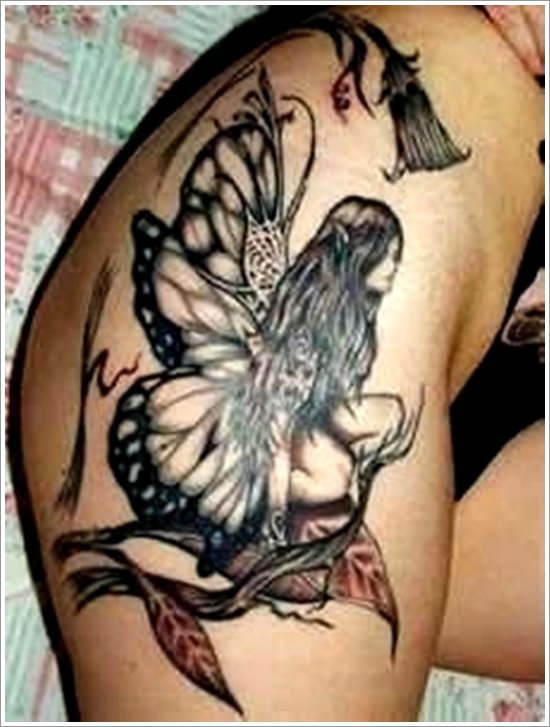
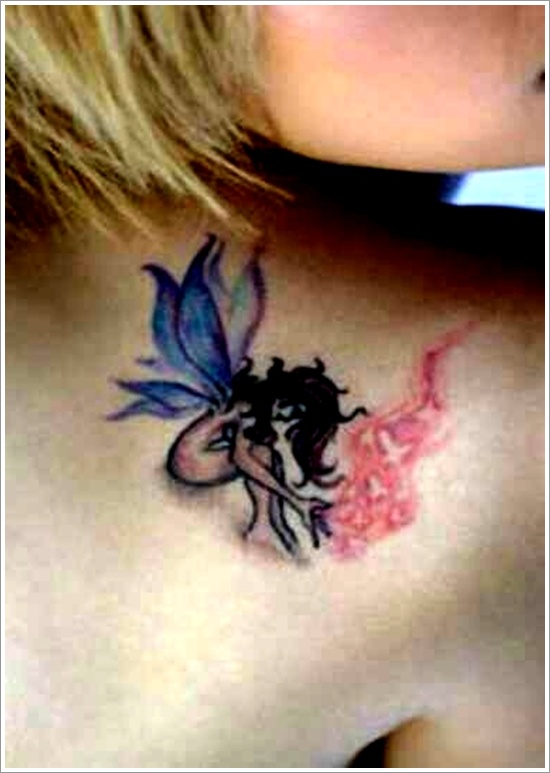
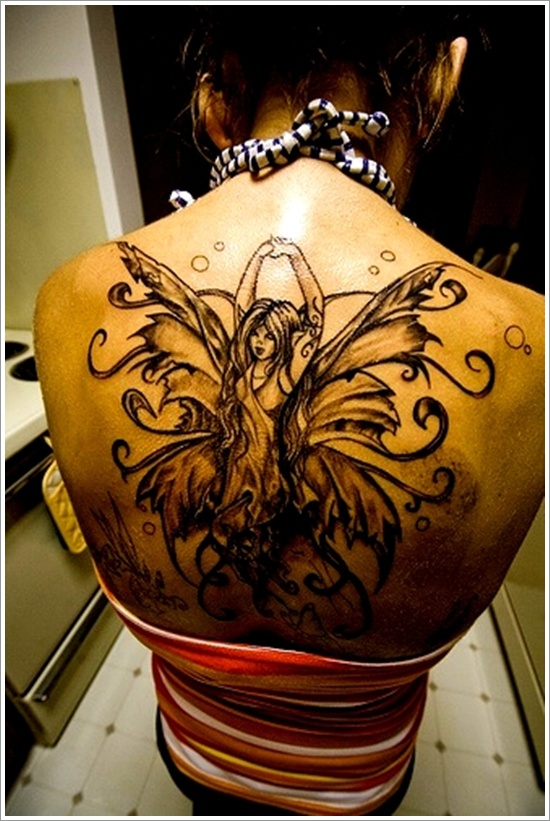
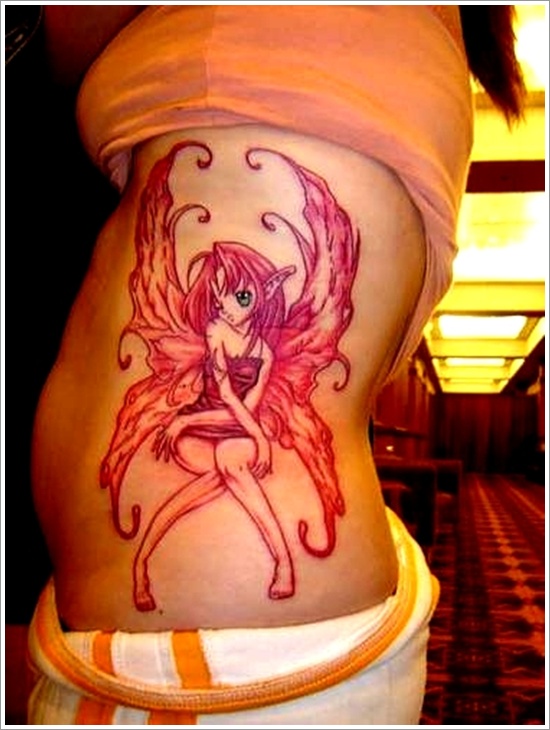
40+ Hot and Sexy Fairy Tattoo Designs for Women and Men
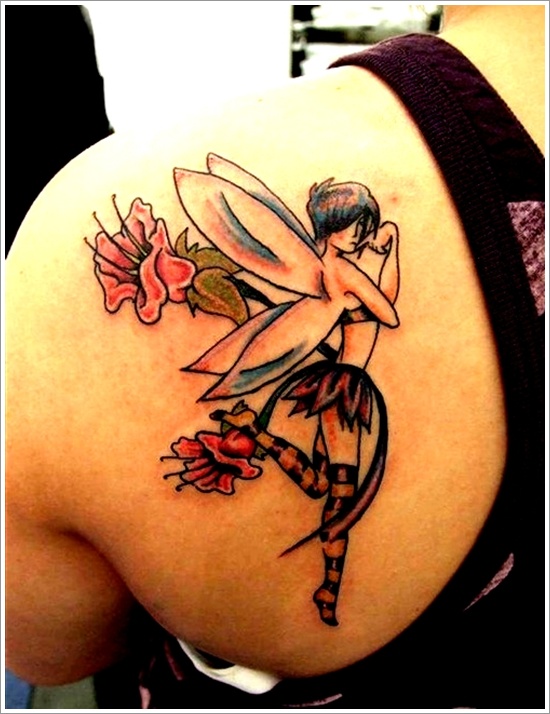
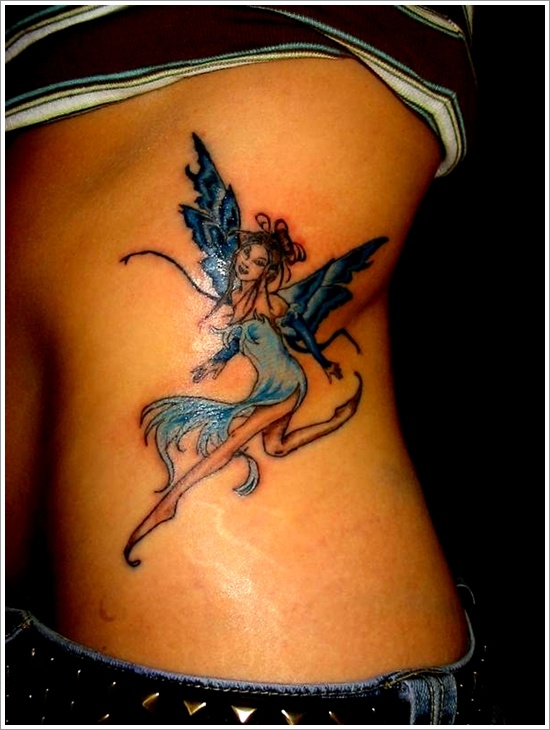
A fairy is a small human figure, and small human figures are one of the hardest things to tattoo well. The face is the problem: at three inches, an eye is a couple of millimetres across, and a fraction of a millimetre out turns a delicate expression into a grimace that no amount of surrounding detail will distract from.
That single fact should drive the whole decision - the size you choose, and much more importantly, the artist.
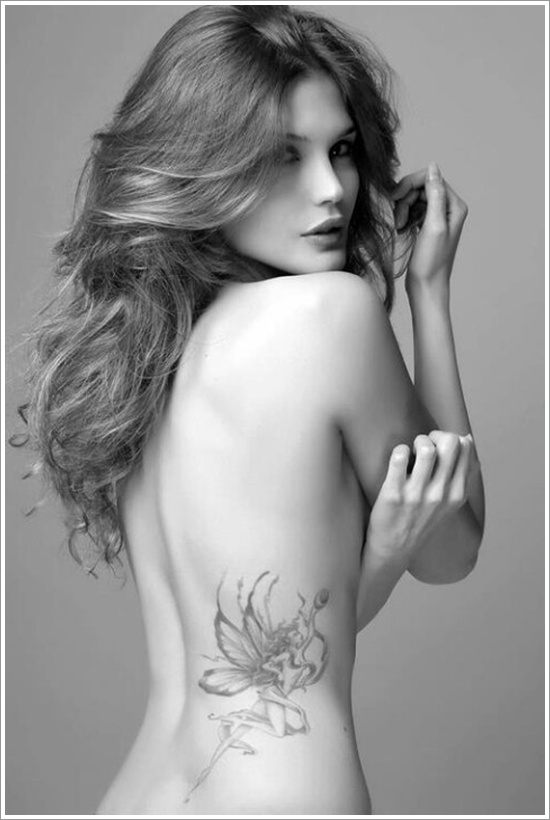
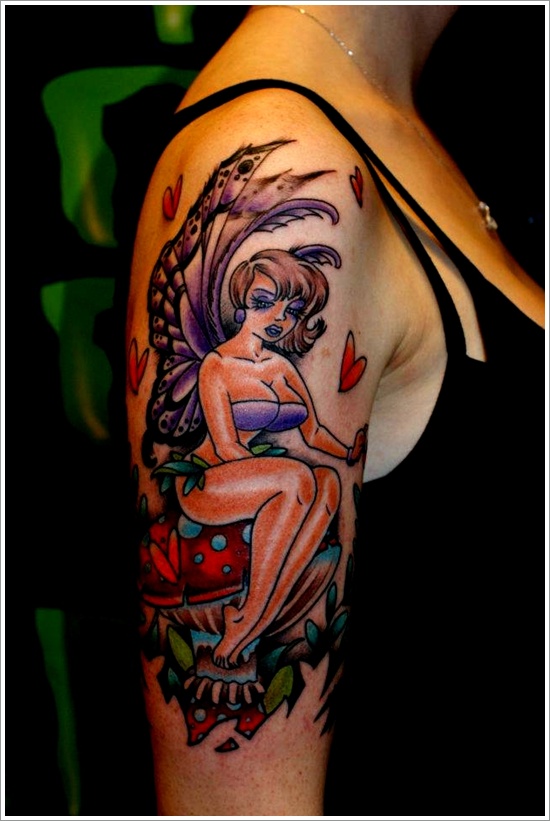
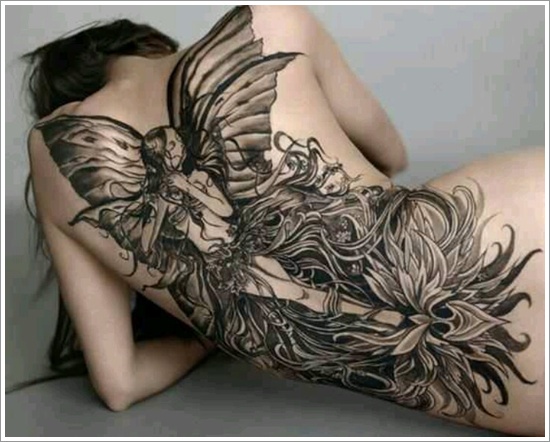
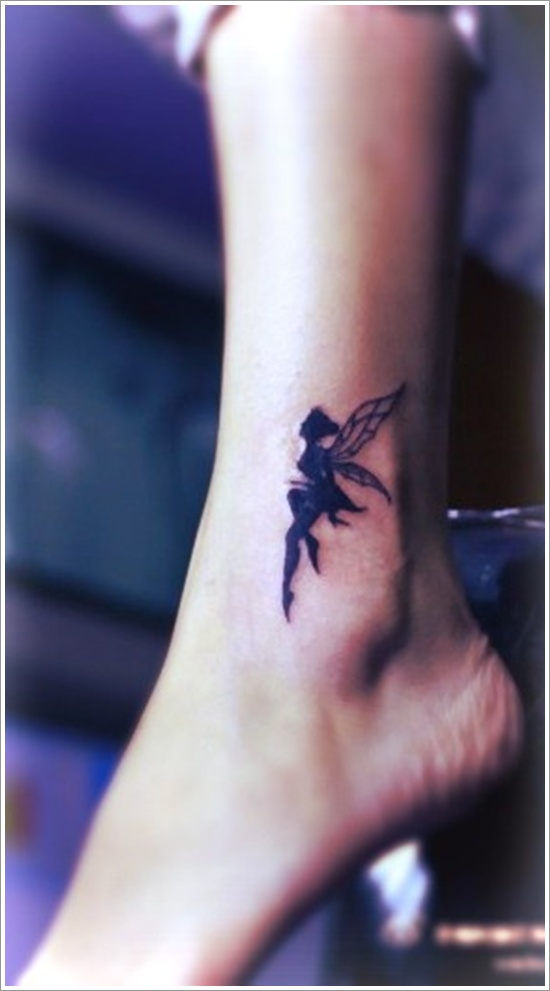
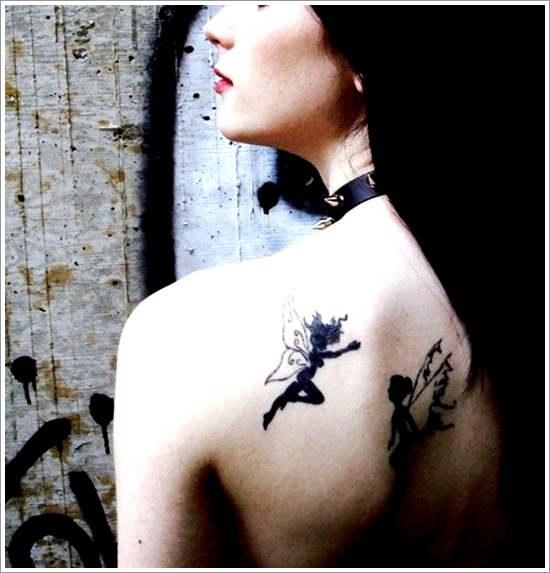
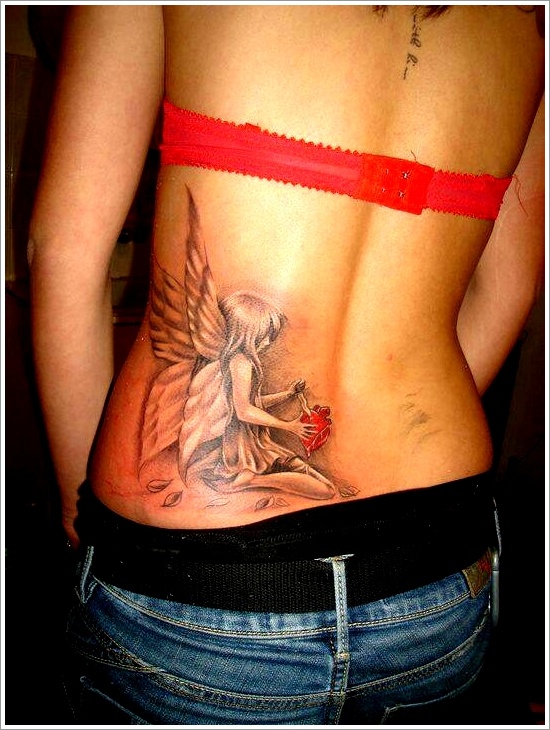
Two very different fairies
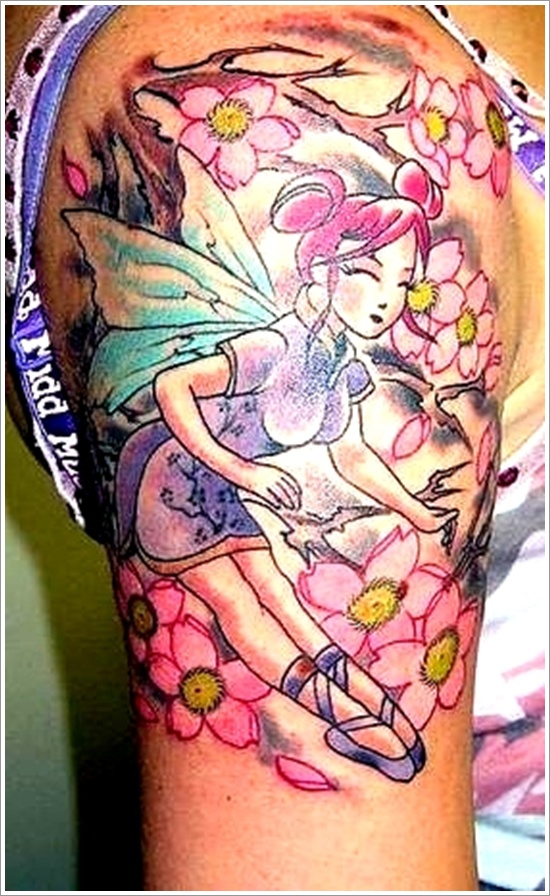
The Victorian and modern fairy. Small, winged, benign, often on a flower. This is the fairy of children's illustration, the Cottingley photographs and Disney, and it is what most people mean. Sweetness, imagination, childhood, a lightness of spirit.
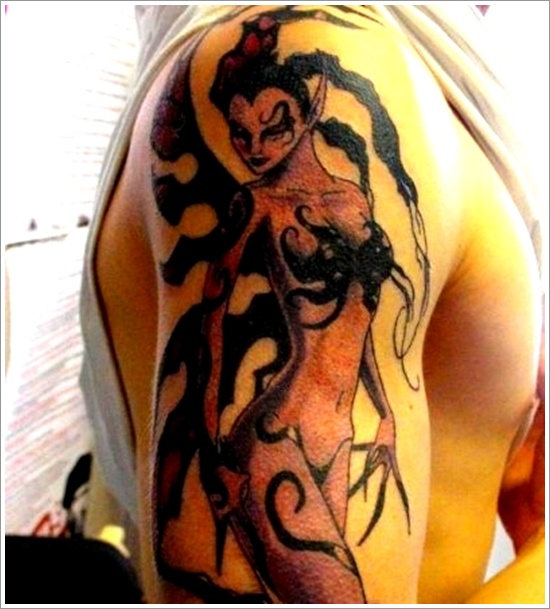
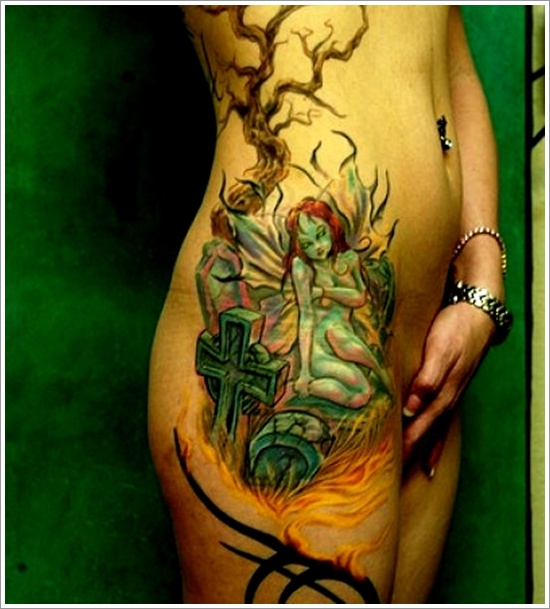
The older folklore. The fae of British and Irish tradition were not cute and not safe. They were tall as often as small, they took children, they held grudges over slights, and they were referred to as the Good Neighbours precisely because naming them plainly was unwise. Iron kept them off. A changeling was what you were left with.
Both are legitimate, and the second makes a far more interesting tattoo if it suits you: something with genuine menace under the beauty, closer to Arthur Rackham than to a greetings card.
There is a third strand worth mentioning, because it is often the real reason someone is here: a fairy as a memorial for a child, or for a childhood. That one deserves an artist who can draw faces.
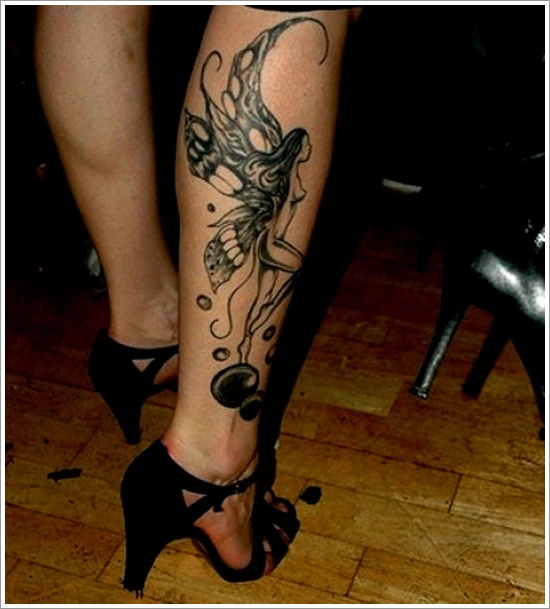
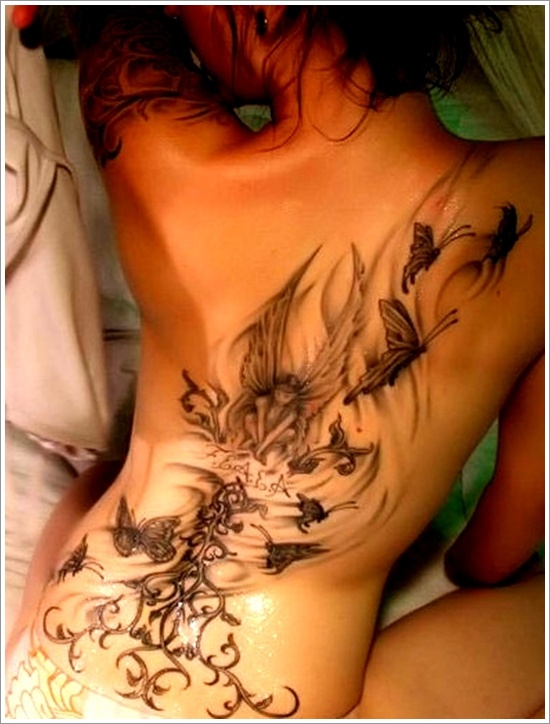
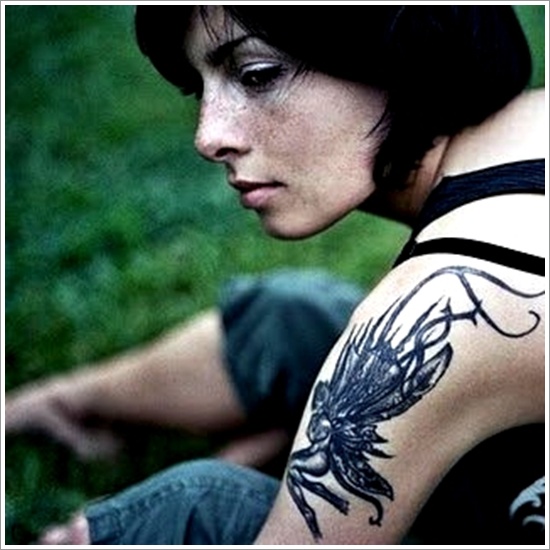
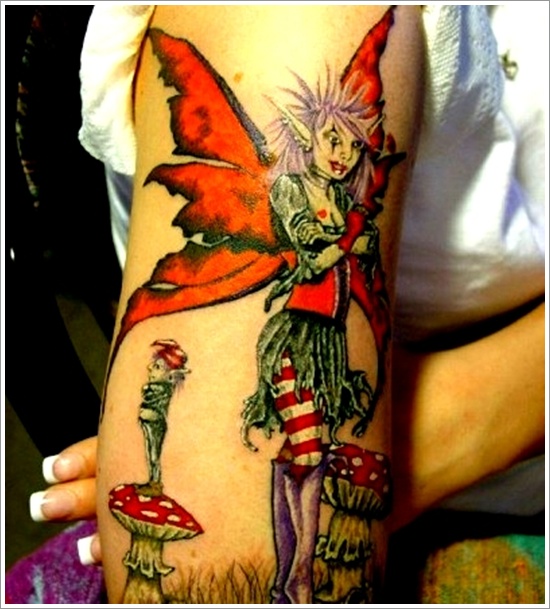
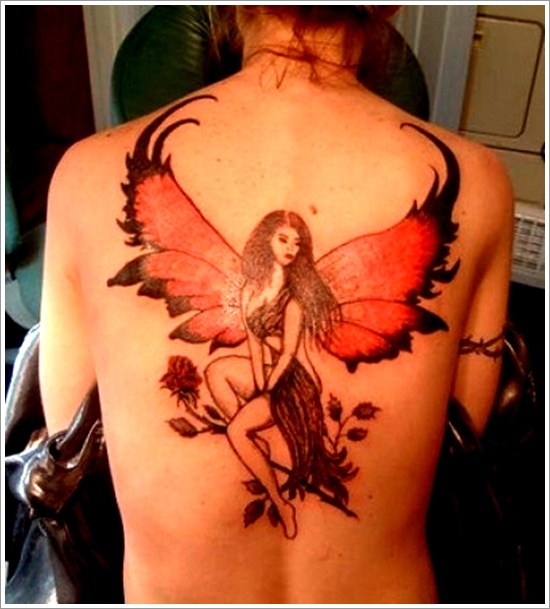
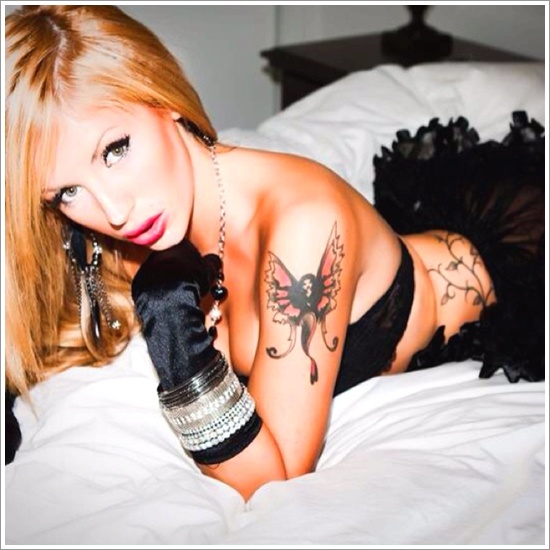
Placement, size and cost
The rule that matters: if there is a face, go bigger than you planned.
| Design | Typical size | Sittings | Pain, 1-10 | Rough cost |
|---|---|---|---|---|
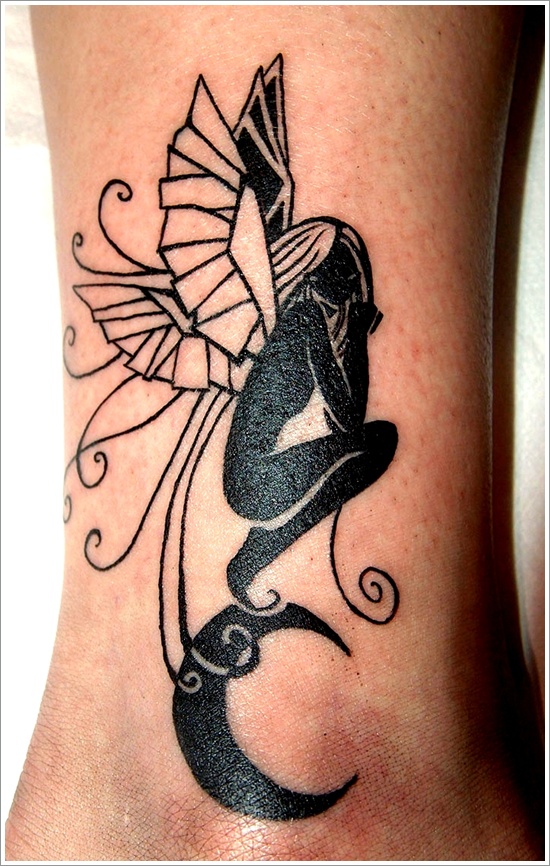
| Silhouette, no face, wrist or ankle | 2-3 in | 1 | 6-7 | Shop minimum |
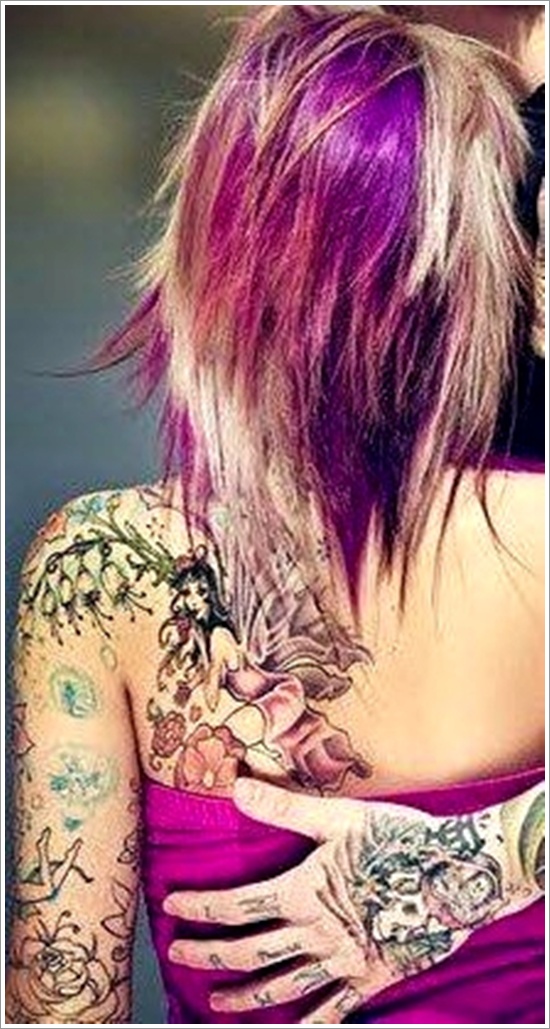
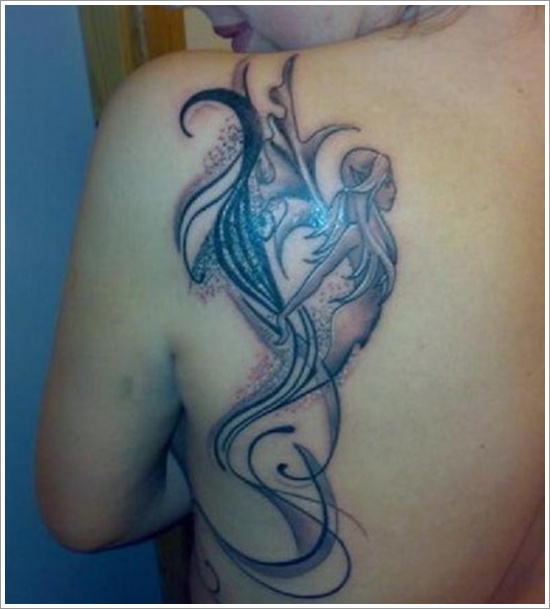
| Small figure, shoulder blade | 4-5 in | 1 | 4-5 | $250-$600 |
| Detailed figure, forearm | 5-7 in | 1-2 | 5-6 | $400-$1,000 |
| Fairy with florals, thigh | 8-12 in | 2-3 | 3-5 | $900-$2,500 |
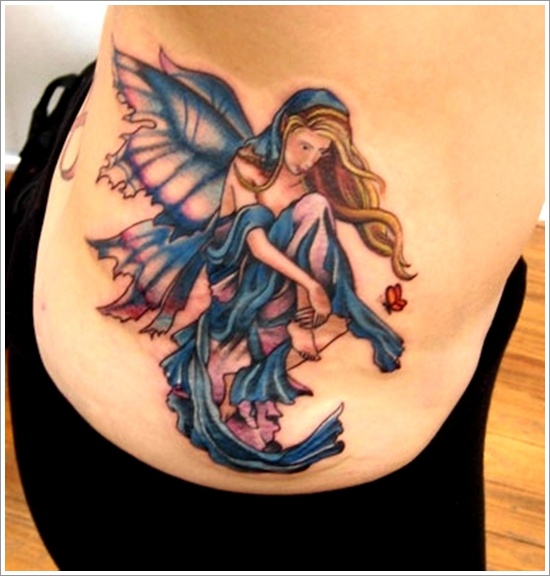
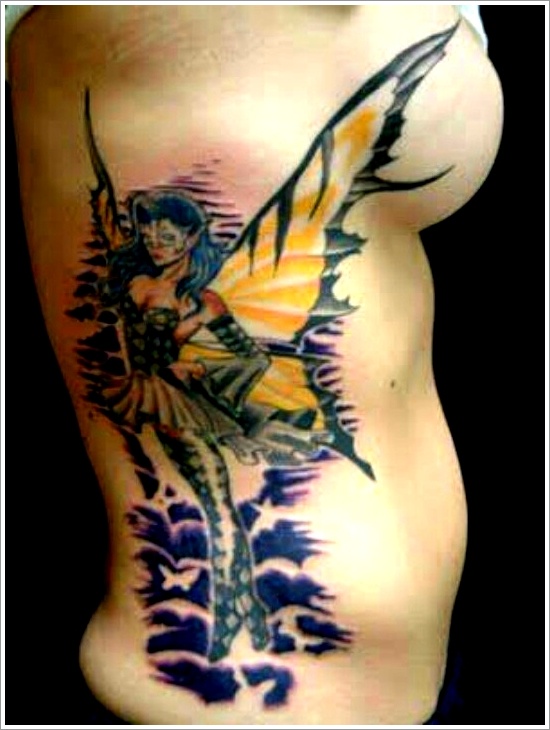
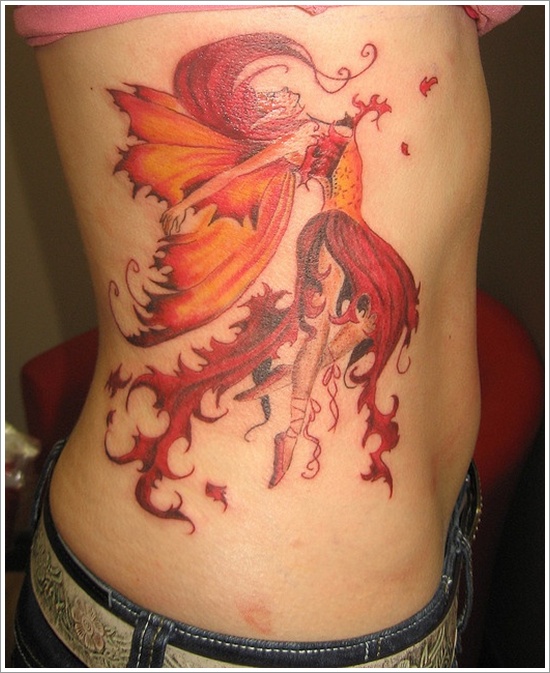
| Ribs or hip | 6-9 in | 2 | 8-9 | $700-$1,800 |
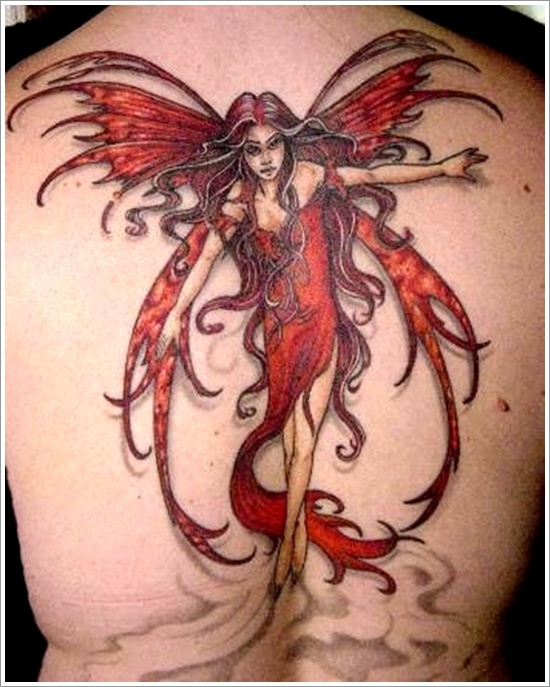
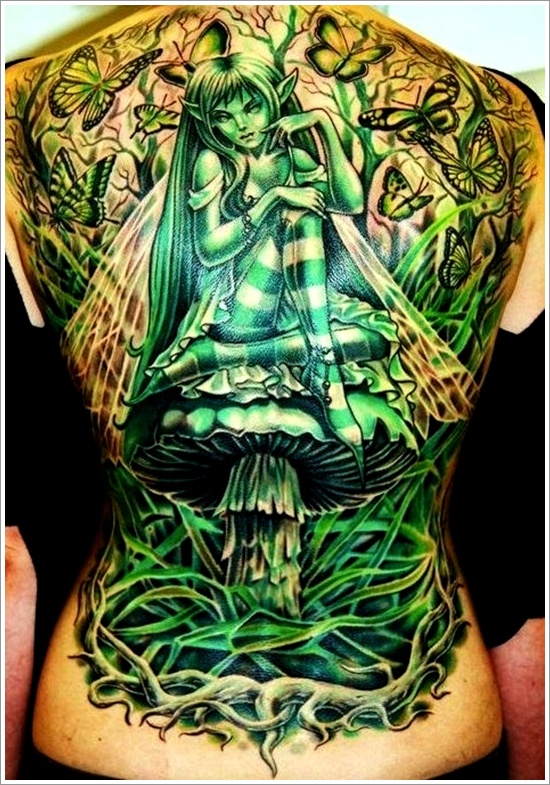
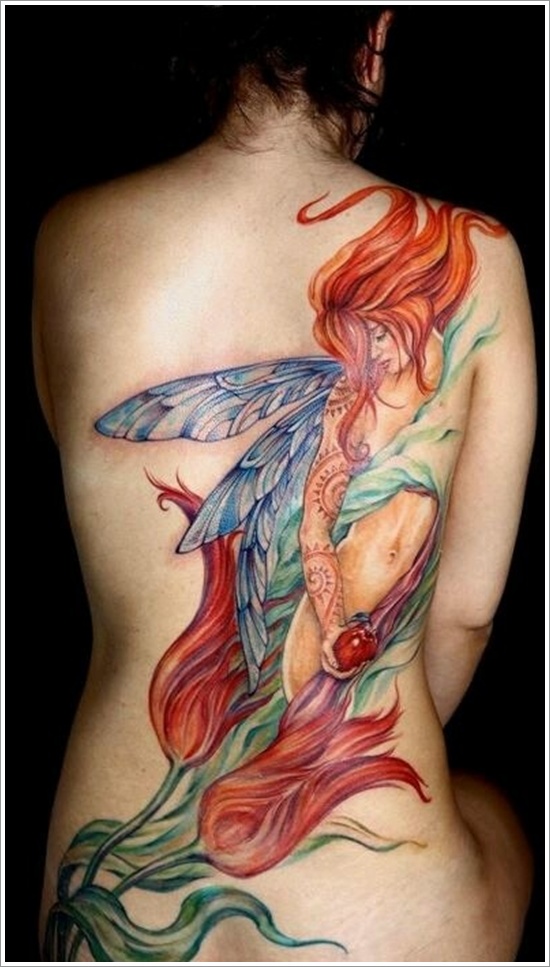
| Scene, back or half sleeve | - | 3-6 | 4-6 | $1,500-$4,500 |
Rates vary by city and artist. A face adds drawing time before the appointment as well as time in the chair, and it is worth every minute of it.
Styles that hold up
Neo-traditional. Bold outline, controlled palette, stylised features. The best answer to the face problem, because stylised faces age far better than attempted realism - and it is a style with real affinity for the subject.
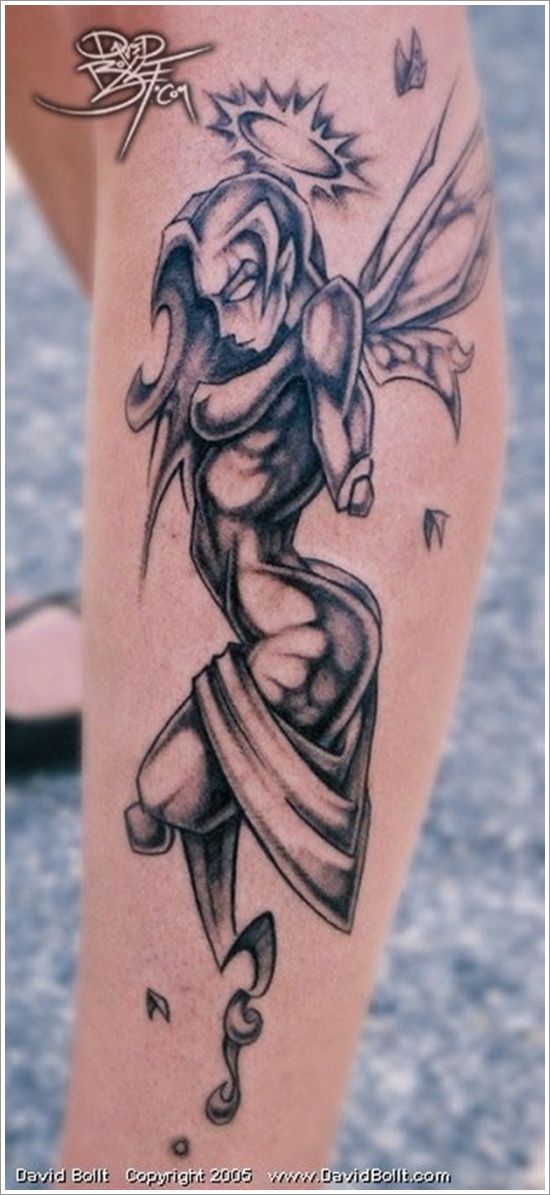
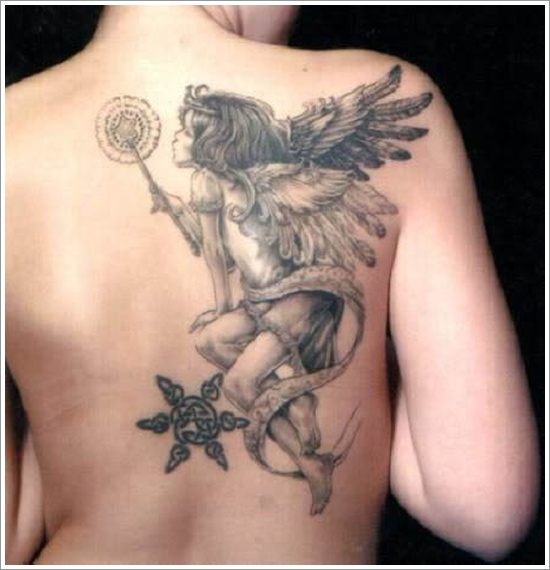
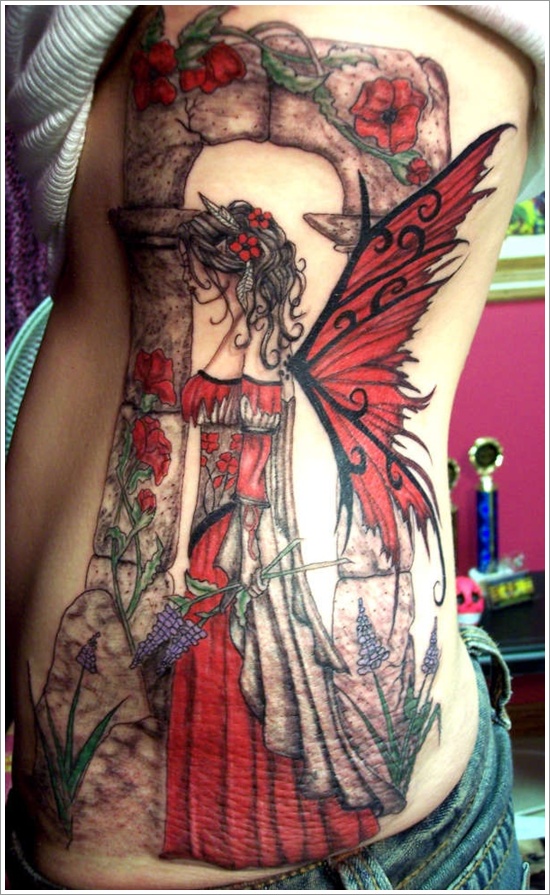
Black and grey realism. For a genuinely rendered figure. Needs size and needs the right hand.
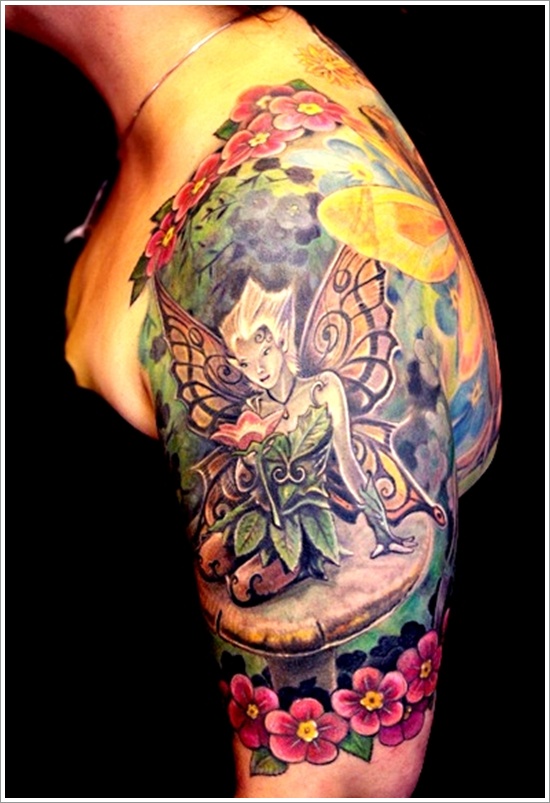
Illustrative and storybook. Drawing in the manner of Rackham or Dulac, which is where the imagery comes from anyway. Beautiful, and it suits the darker folklore reading.
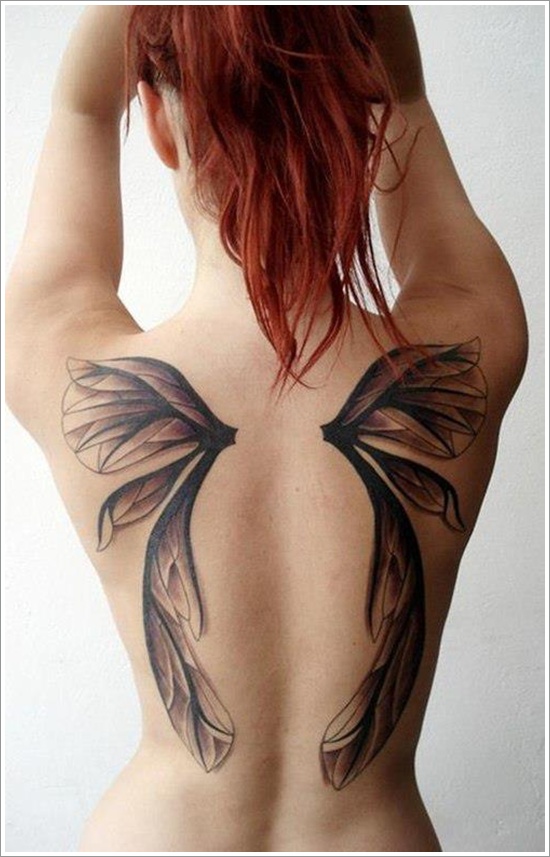
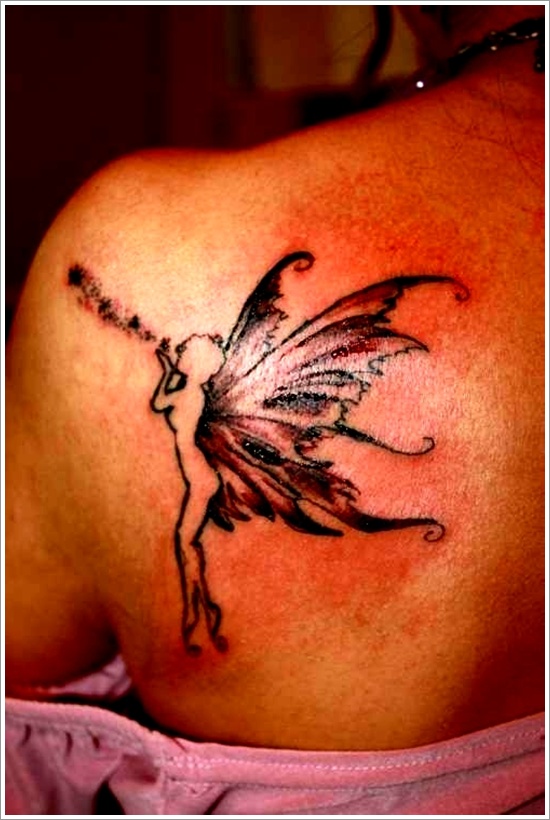
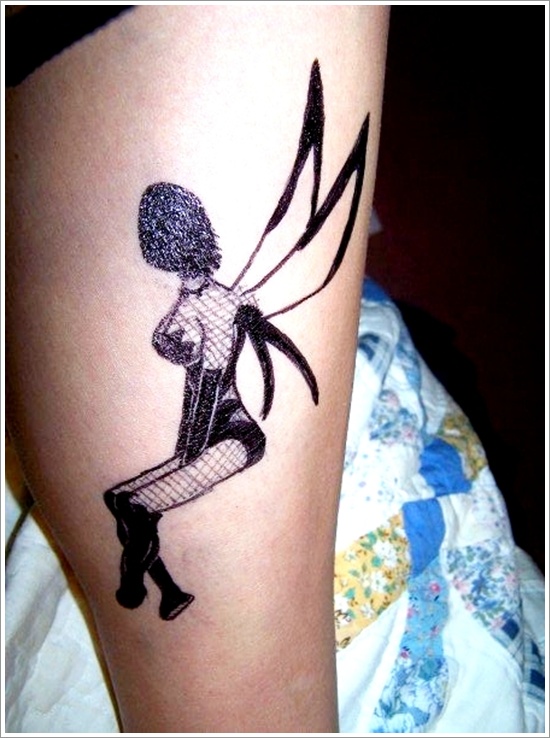
Blackwork silhouette. No face at all - a winged figure against the moon, or in outline. Solves the ageing problem entirely and can be very striking.
Fine-line. Delicate and popular. The wings survive; the face is the question.
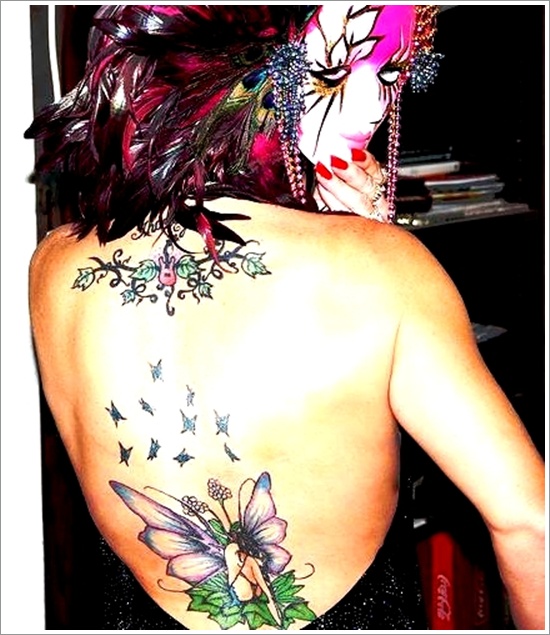
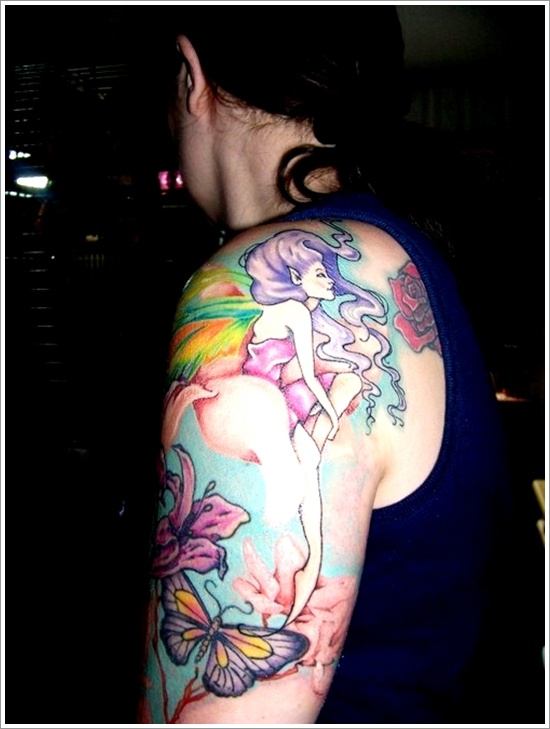
Watercolour. Very common for fairies, and weak over time unless there is a black structure underneath. Ask for line work under the colour.
How it will age
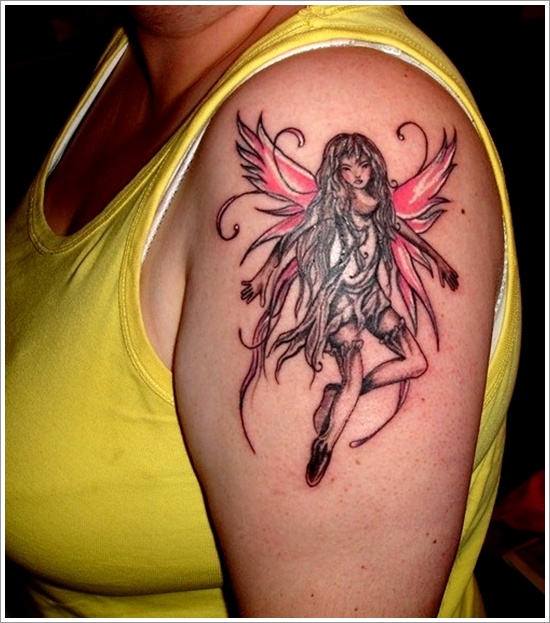
Faces first. This is the whole ageing story for this subject. As ink spreads over ten to fifteen years, fine facial features soften, and a softened face reads as blurred rather than gentle. Larger faces have further to go before that matters. Stylised faces - where the expression comes from a few confident marks rather than from precise realism - hold their character indefinitely.
Wings are usually fine. They are large, mostly translucent, and rendered in tone or light line, and losing a little crispness there costs the tattoo nothing.
Fine dust and sparkle effects - the trails of dots around a fairy - are the other thing that goes. They blur into a haze. Fewer and larger is better.
Pastel colour, which is most of the traditional fairy palette, is among the faster-fading. Deeper saturation lasts longer, and a strong outline means the figure survives whatever the colour does.
Sunscreen once healed. Expect a touch-up around year five, particularly on the face.
What to bring your artist
Which fairy you mean - sweet or unsettling - because they are entirely different drawings. Reference for the face specifically, and a willingness to size up if your artist asks.
And look hard at their portfolio for small faces. Not portraits, which are a different skill at a different scale, but small stylised human faces. An artist with beautiful animals and florals may not be the right hand for this, and a good one will tell you so.
Expect pushback on a three-inch fairy with a detailed face, on heavy pastel palettes, and on sparkle dust rendered as hundreds of tiny dots.
Aftercare, briefly
Your artist's instructions come first. Generally: leave the covering on as long as they said, wash gently twice a day with clean hands and fragrance-free soap, then a very thin layer of the recommended aftercare.
Colour work weeps a little more on the first day and peels more visibly - both normal. No soaking for two to three weeks, no sun while healing, and do not pick, particularly over a face. Ink lifted from a cheek or an eye during peeling is the one patch a touch-up cannot fully disguise.