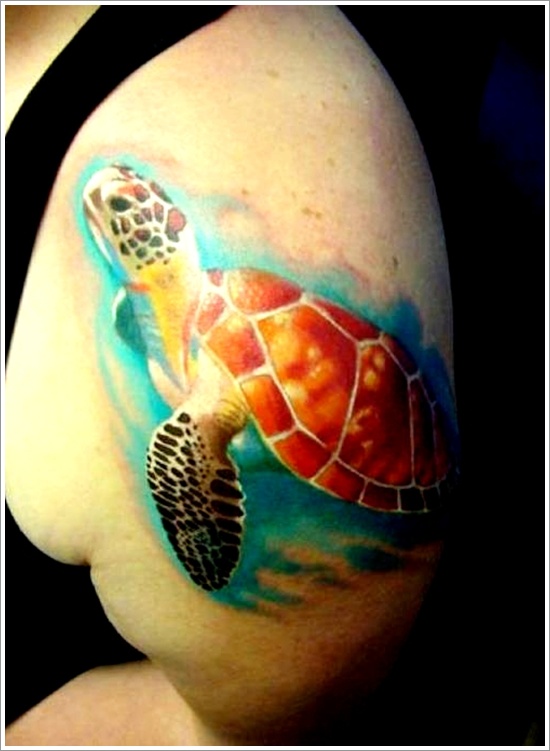
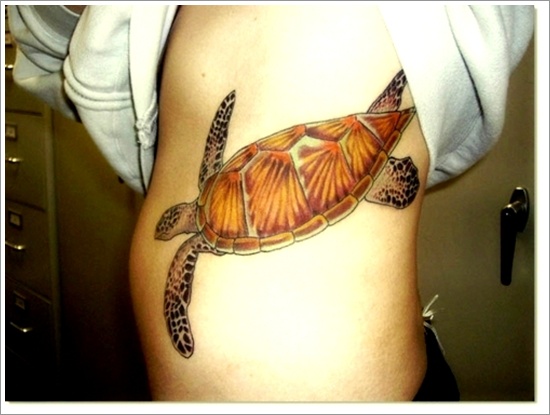
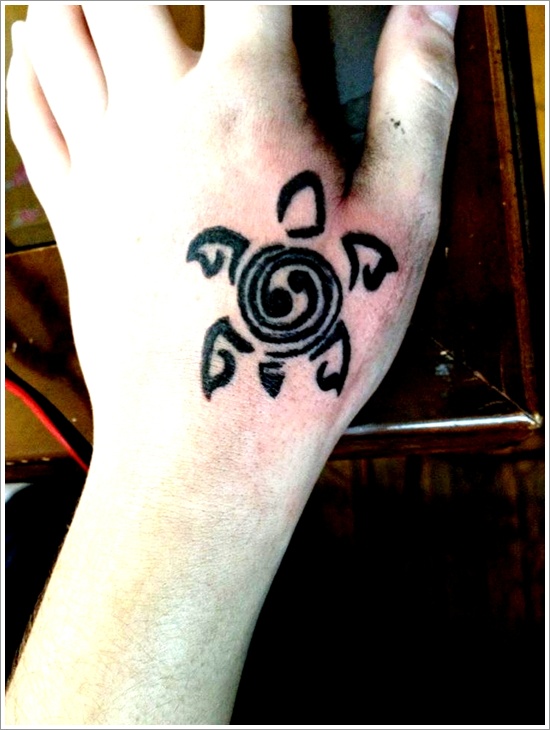
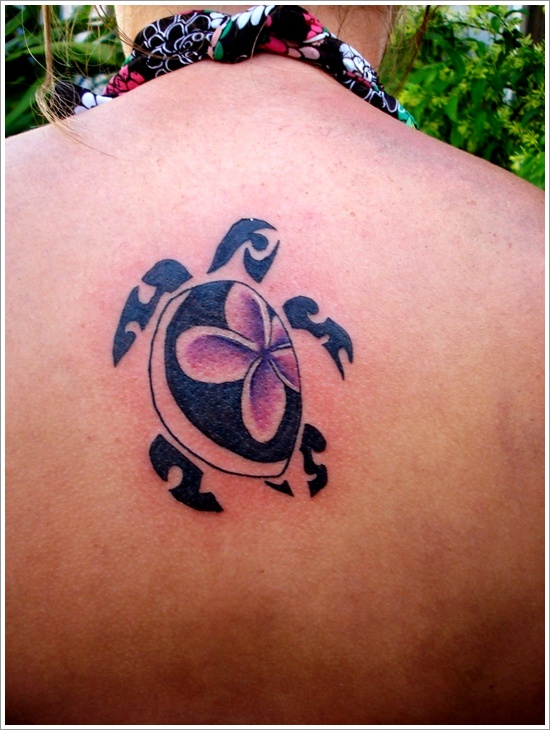
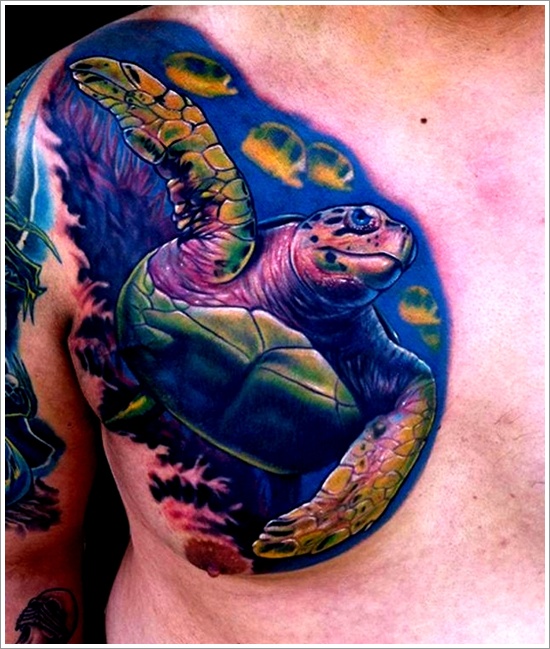
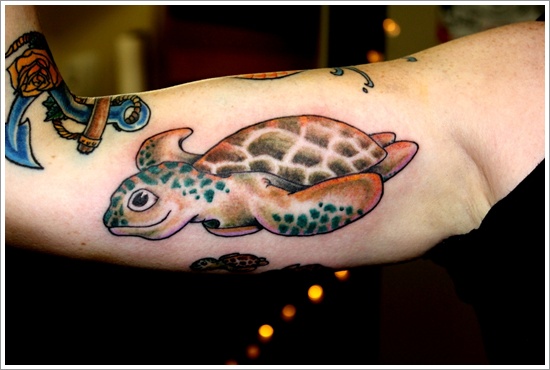
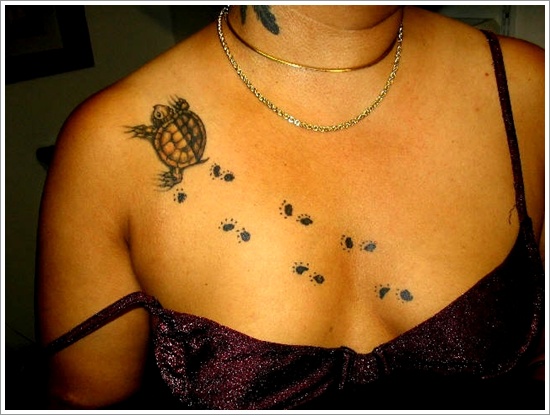
35+ Turtle Tattoo Designs that portray beauty and tranquility
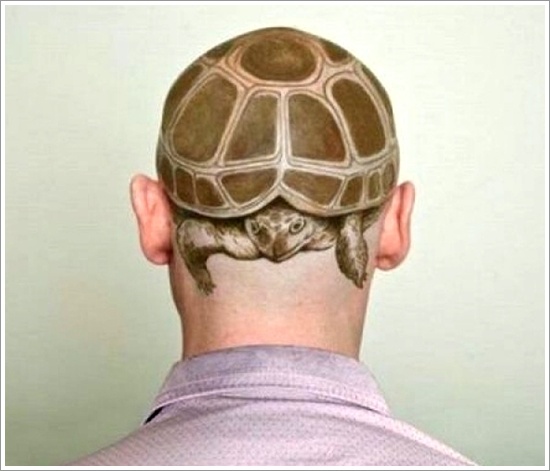
The turtle is a good tattoo subject for a technical reason as much as a symbolic one: the shell. A carapace is a natural grid of plates, which gives an artist somewhere to put pattern, texture or geometry that belongs there rather than being imposed on the design.
It is also a motif with real cultural weight in the Pacific, which is worth understanding before choosing a style - particularly if the version you like is Polynesian.
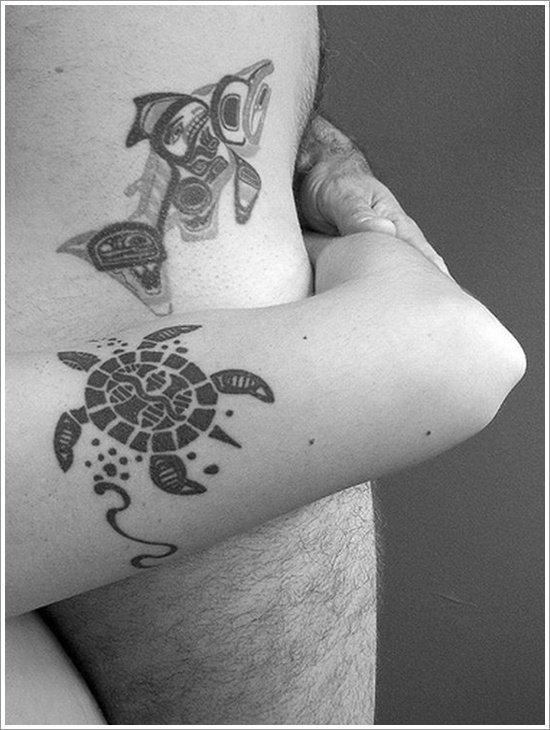
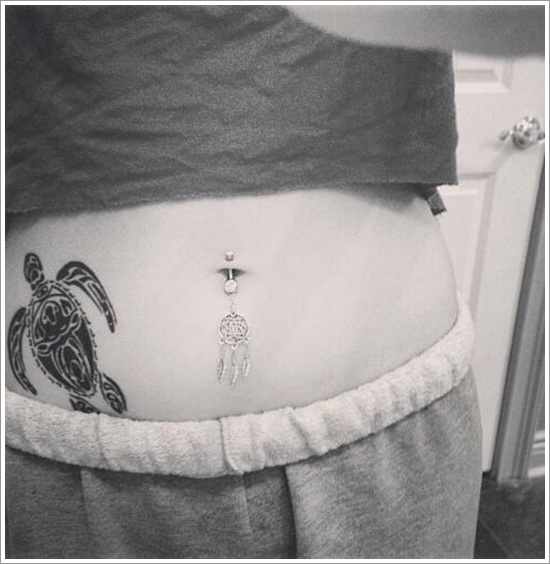
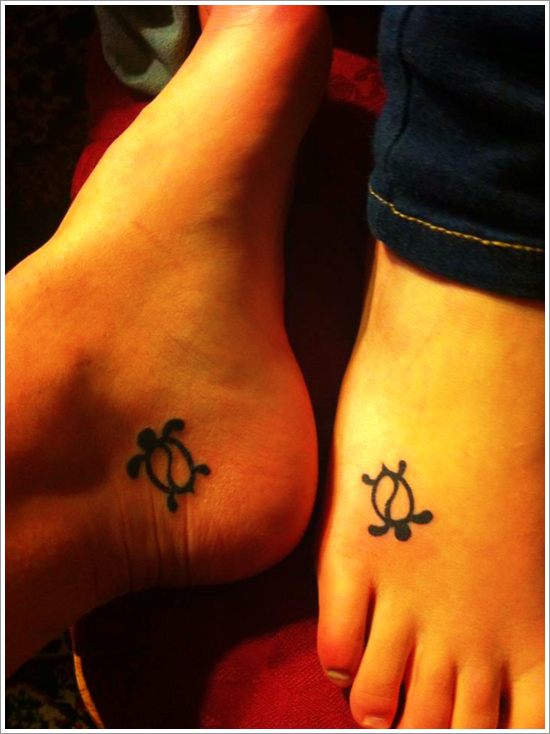
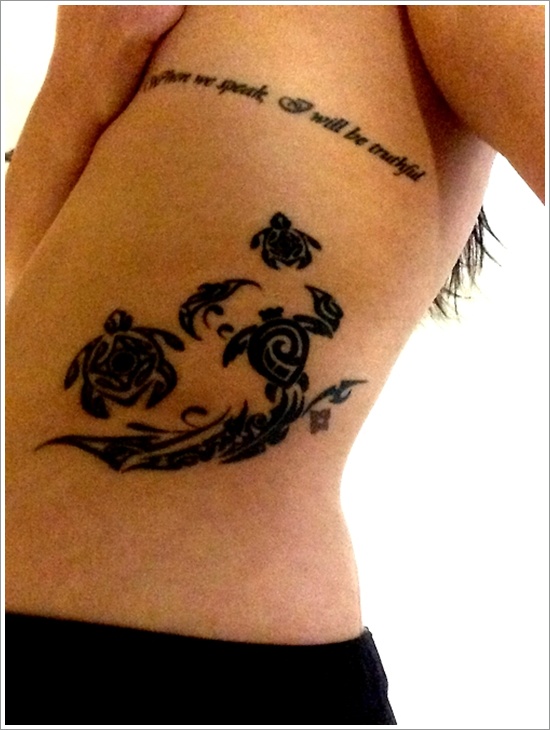
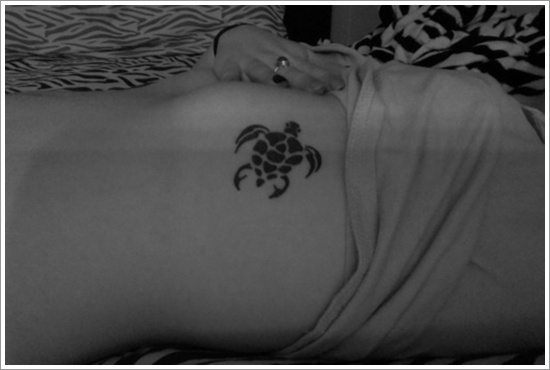
What it means, by tradition
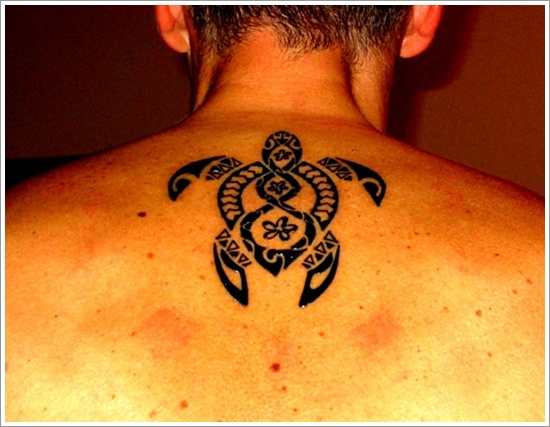
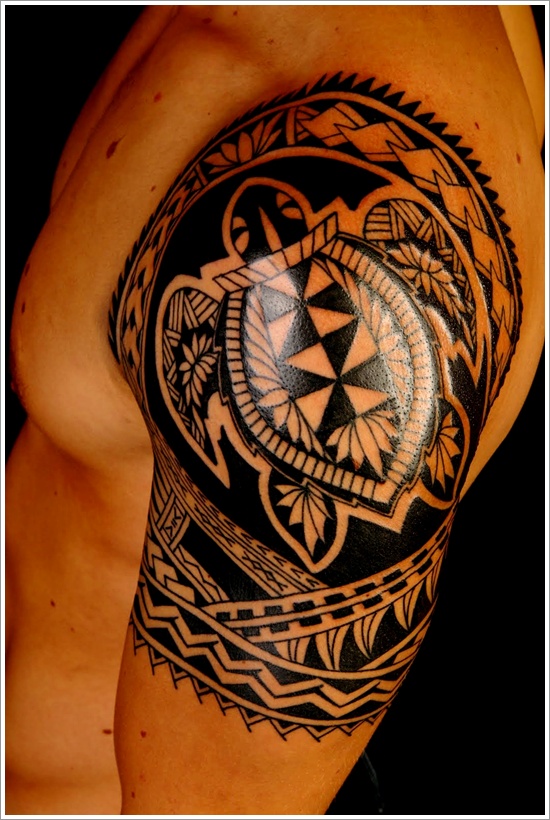
Polynesian and Hawaiian. The honu, the green sea turtle, is among the most significant figures in Polynesian iconography: longevity, navigation, family, and a guide between worlds. In Hawaiian tradition the honu is an aumakua, a family guardian spirit, for many families. This is living belief rather than decoration.
Native American. In several nations, particularly Iroquois and Lenape tradition, the turtle carries the world on its back - Turtle Island is the name for North America itself. Again, a specific tradition rather than a general symbol.
Chinese and Japanese. Longevity, endurance and steadiness. The turtle is one of the four celestial animals in Chinese cosmology, associated with the north and with winter.
Generally. Patience, persistence, being at home wherever you are, and the long slow view. The turtle carries its house, which is why it recurs among people who have moved a great deal.
On Polynesian style specifically
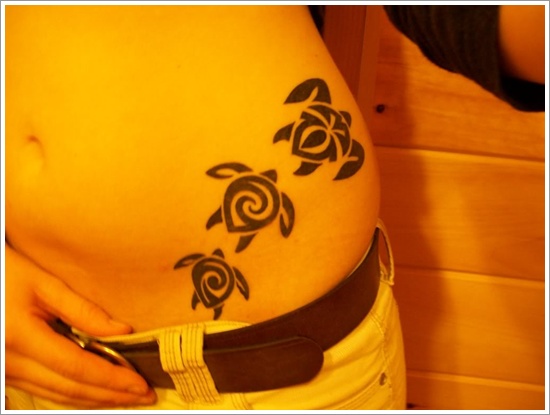
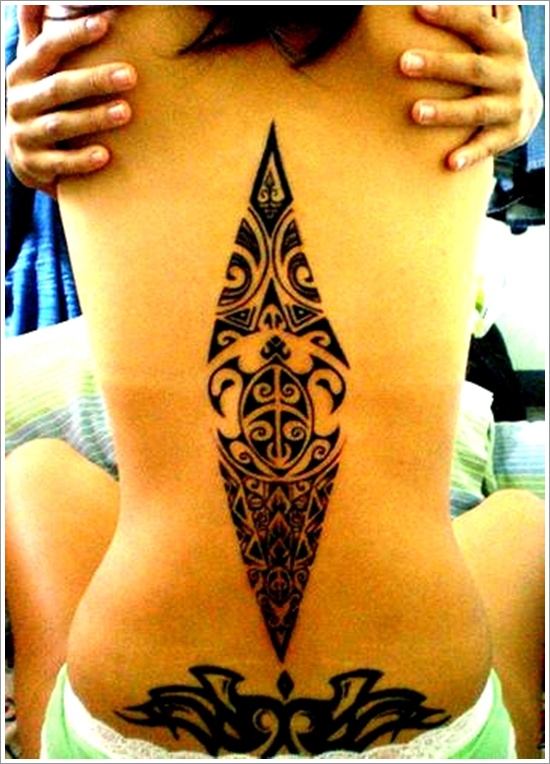
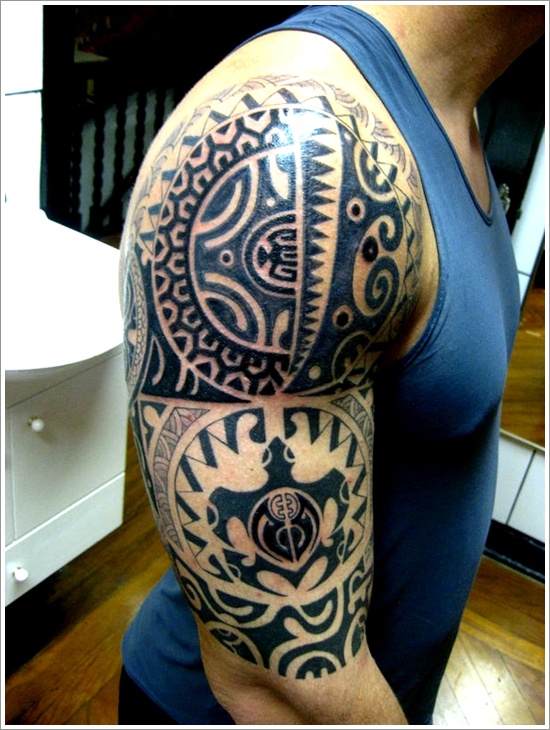
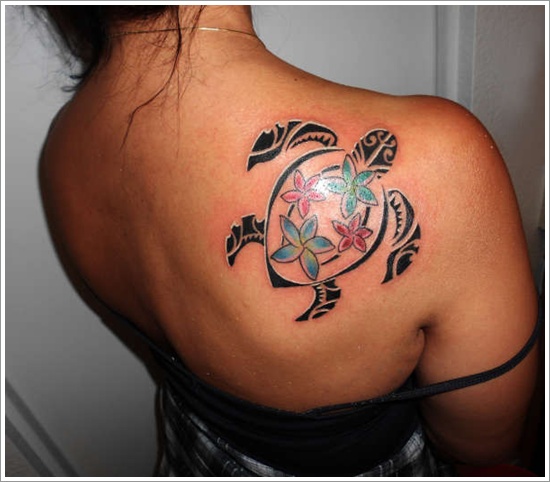
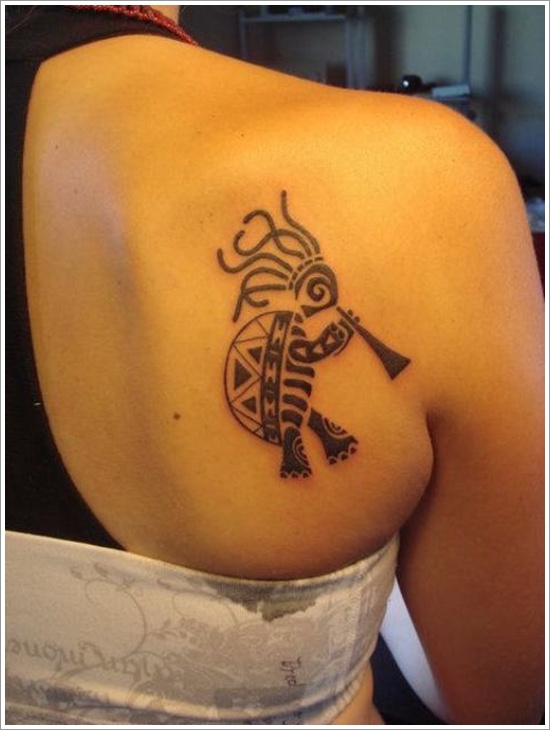
If you want a Polynesian-styled turtle, know that the patterns in genuine Polynesian tattooing are a language. Individual motifs carry meanings - lineage, status, ocean, protection - and they are arranged according to rules, not aesthetics. A design assembled from images online is likely to be decorative shapes that read as nonsense to anyone who knows the tradition, and occasionally worse than nonsense.
The respectful route is an artist who actually works in the style and can tell you what each element says. Several will design something meaningful for your circumstances, which produces a far better tattoo than copying a pattern.
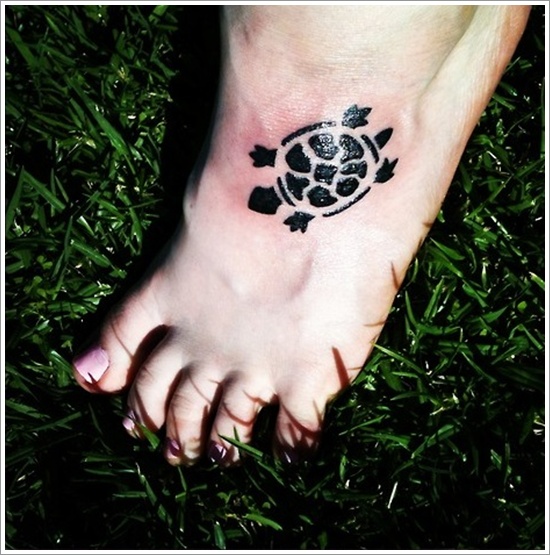
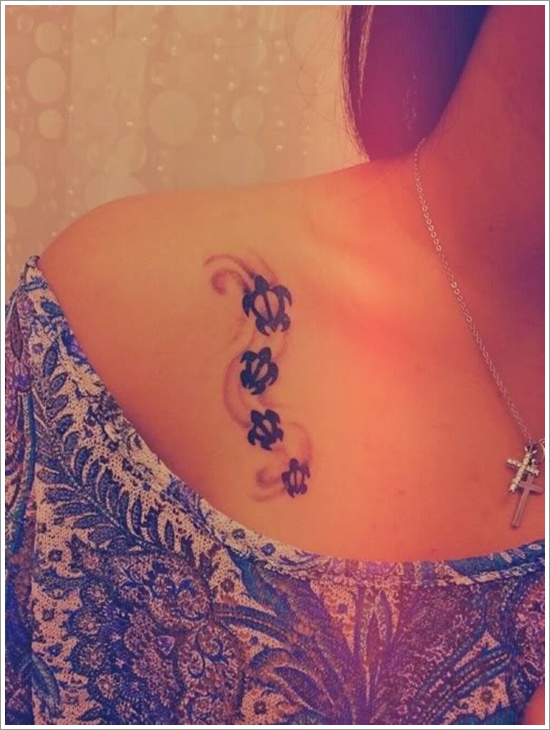
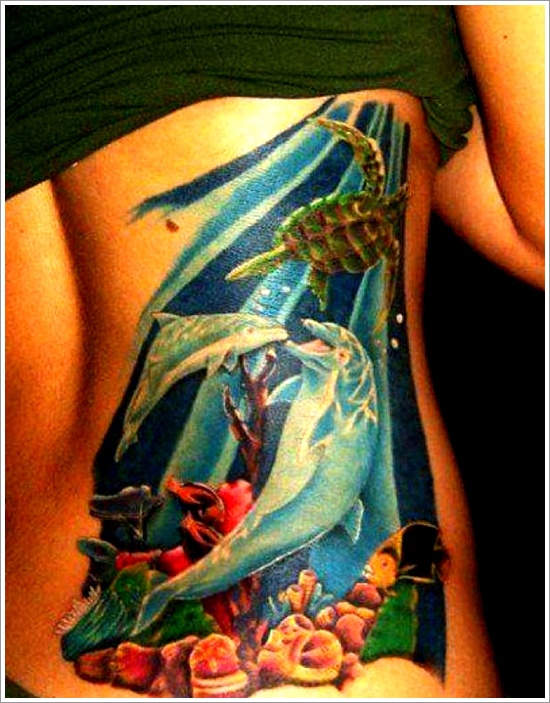
Placement, size and cost
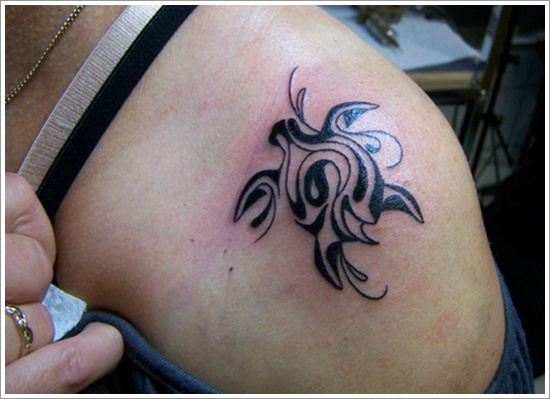
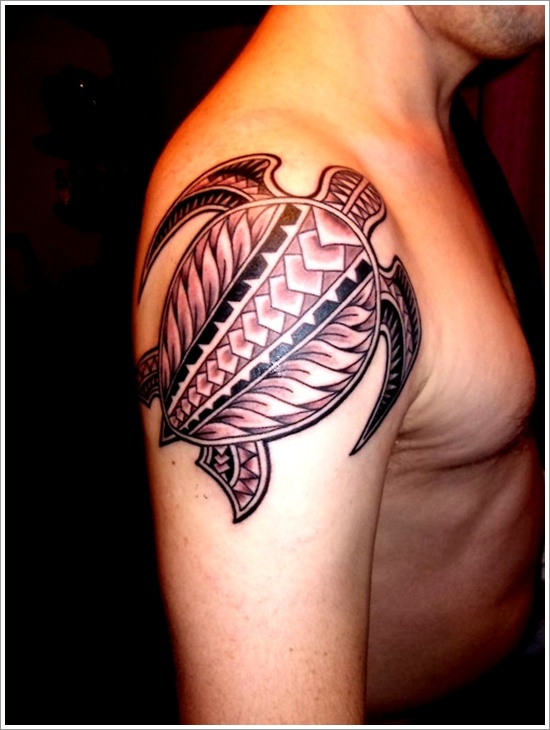
The turtle is broad and roughly oval, so it suits placements with area rather than length: shoulder blade, upper arm, thigh, calf, upper back.
| Design | Typical size | Sittings | Pain, 1-10 | Rough cost |
|---|---|---|---|---|
| Small silhouette, wrist or ankle | 1-2 in | 1 | 6-7 | Shop minimum |
| Shoulder blade | 4-6 in | 1 | 4-5 | $250-$600 |
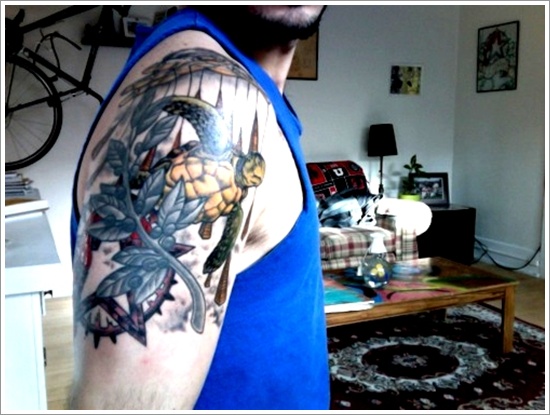
| Outer upper arm | 5-7 in | 1-2 | 2-3 | $400-$900 |
| Calf or thigh, detailed shell | 6-10 in | 2 | 3-4 | $700-$1,800 |
| Polynesian-style, wrapping the arm | - | 2-4 | 3-5 | $1,000-$3,000 |
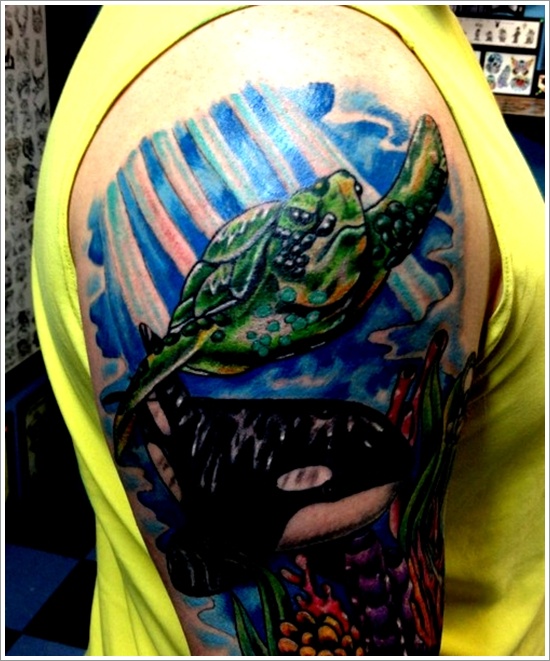
| Underwater scene, back or thigh | 10-14 in | 3-5 | 4-6 | $1,800-$4,500 |
Rates vary by city and artist. The shell is where the hours go, whichever style you choose.
Styles that hold up
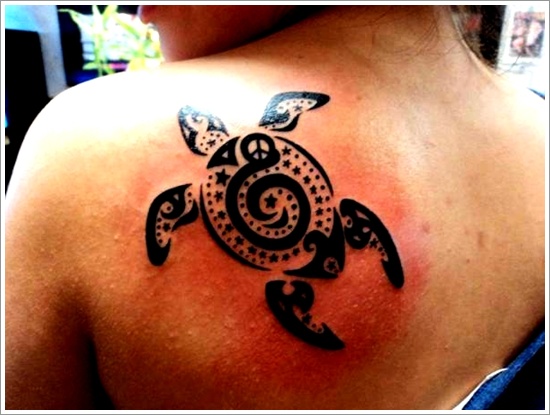
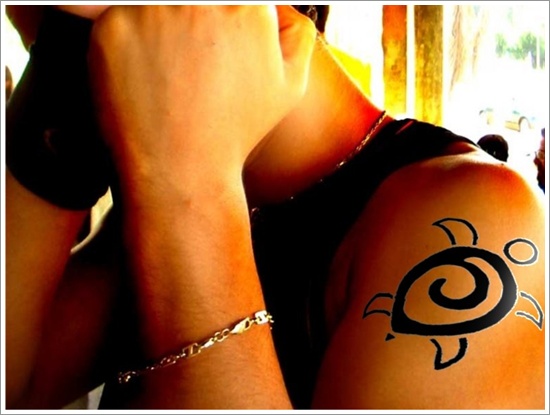
Polynesian and tribal. Solid black, bold shapes, no fine detail to lose. The most durable option there is, provided it is done by someone who knows the tradition.
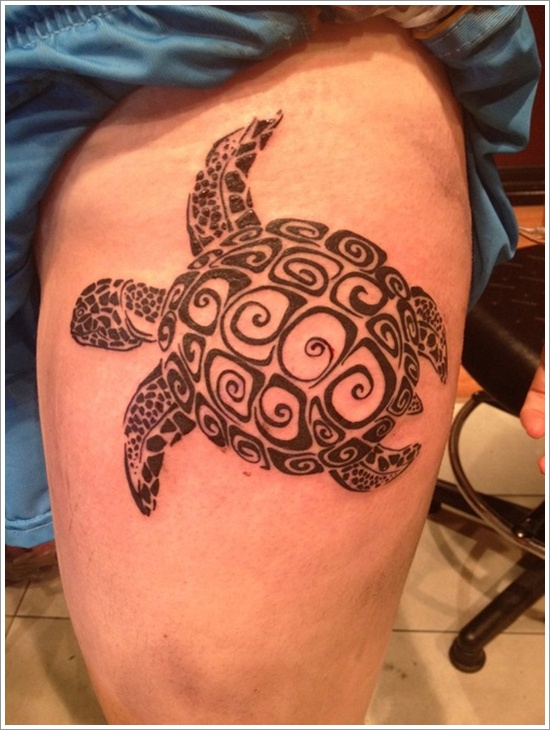
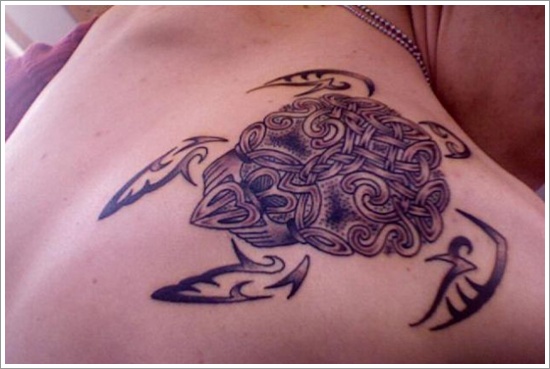
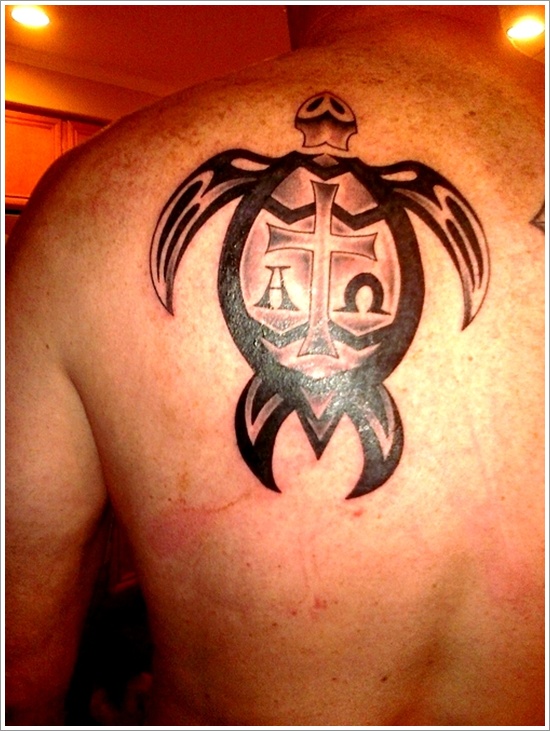
Blackwork and geometric. The shell plates filled with pattern. Ages very well because it is built from solid shapes.
Dotwork. Stippled shading in the carapace. Holds up better than hairline work.
Black and grey realism. A real sea turtle with real shell texture and the suggestion of water. Demanding, and superb when done well.
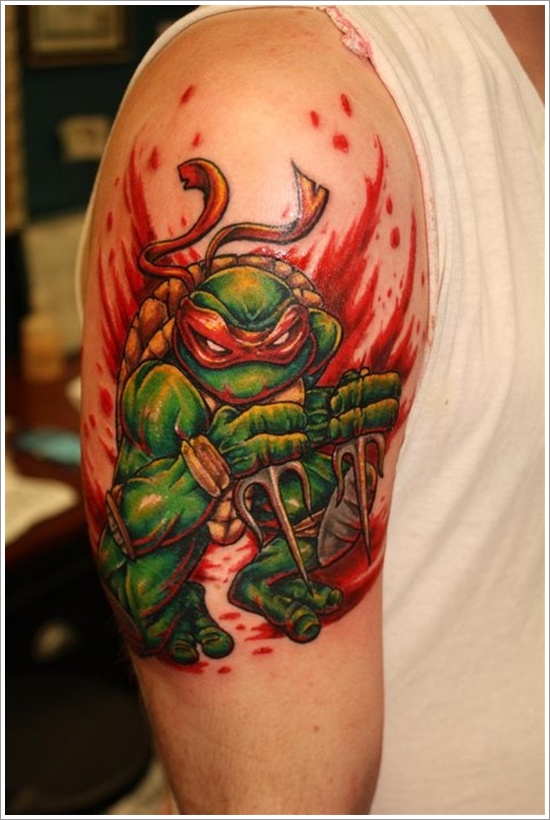
Neo-traditional. Bold outline, controlled colour. The best coloured option for longevity.
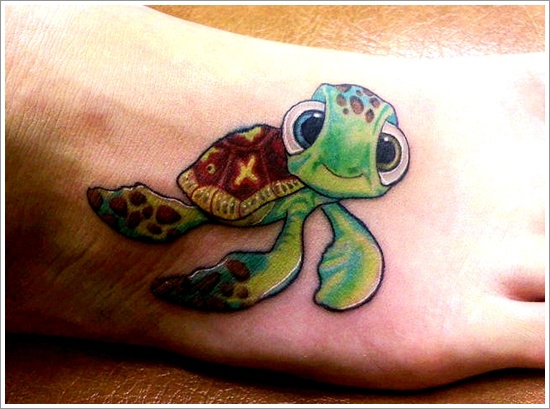
Watercolour. Common for underwater scenes and the weakest over time. Without a black structure underneath it fades to vague colour. Ask for black-and-grey bones if you want the effect.
How it will age
The shell decides it, and it cuts both ways. A shell built from solid shapes and bold pattern is one of the most durable designs you can wear - the plates stay distinct because they are separated by real black.
A shell built from fine texture - hundreds of small scute lines and stippled shading - will merge over ten to fifteen years into a dark oval. The turtle survives, because the silhouette is unmistakable, but the detail that made it interesting does not.
The practical instruction is the same one that helps most detailed motifs: ask your artist for fewer, bolder divisions in the shell than the reference photo has, and real black between them.
Blues and greens in an underwater scene fade before the black does. Sunscreen once healed, and expect a touch-up around year five on anything detailed.
What to bring your artist
A tradition, if the meaning matters to you, and honesty about which one - it determines the style entirely. A sense of whether the turtle is swimming or static, since that changes the whole composition. And the placement, because the shell wants a flat-ish area to sit on.
A good artist will push back on: a Polynesian pattern they cannot explain, fine shell texture at small sizes, and cramming a whole reef scene into a palm-sized space.
Aftercare, briefly
Your artist's instructions come first. Generally: covering on as long as they said, then gentle washing twice a day with clean hands and fragrance-free soap, and a very thin layer of the recommended aftercare.
Heavily packed black, as in Polynesian work, swells more and peels harder than linework. That is normal. No soaking for two to three weeks, no sun while healing, and no picking - a pale patch lifted out of solid black is very visible.