50 Butterfly Tattoos for Women
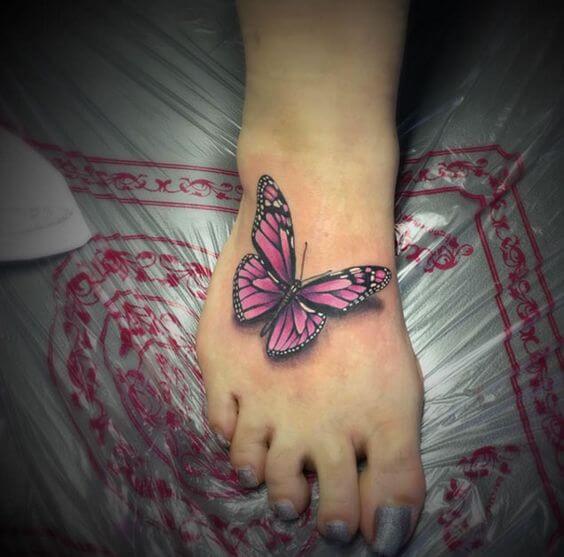
The butterfly is probably the most tattooed motif on earth, which cuts both ways. It carries genuine meaning, it suits almost every part of the body, and a good one is a beautiful piece of drawing. It is also the design most likely to come out looking like a sticker, because the easy version is very easy.
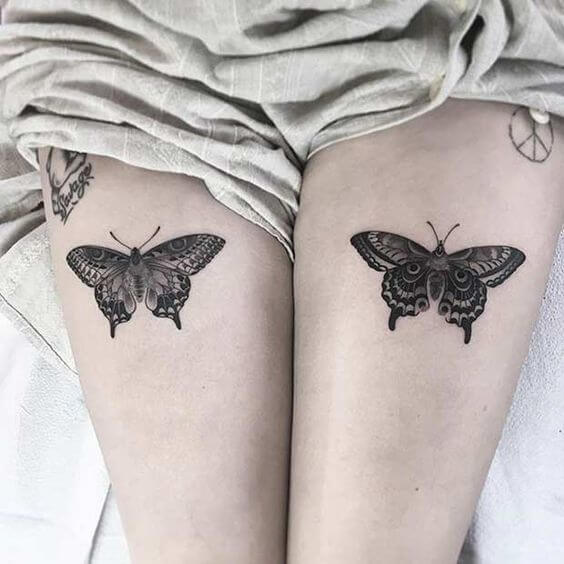
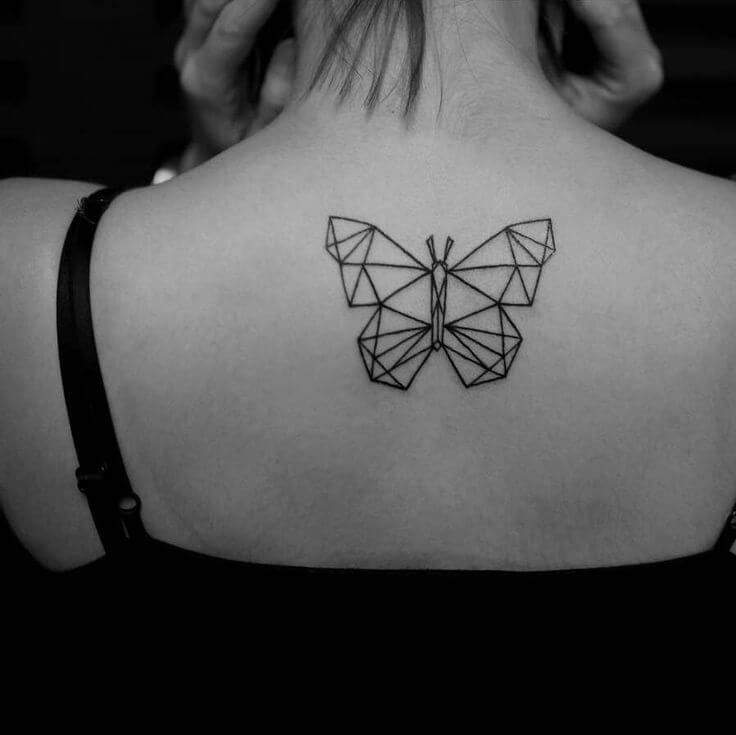
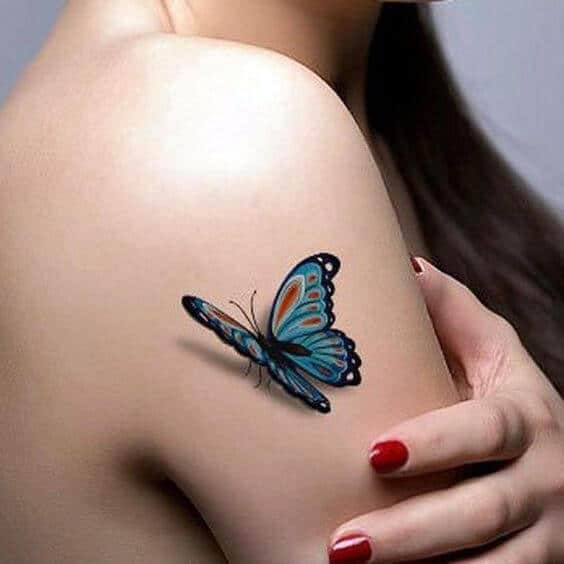
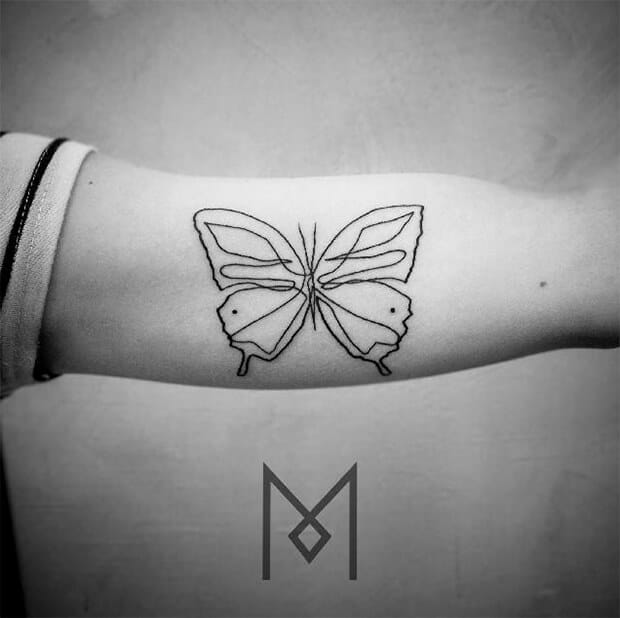
The difference is nearly always in the wings. A butterfly drawn as a symmetric outline with a few dots reads as clip art. One drawn as an actual insect, with structure in the wings and a body that connects to them, reads as art.
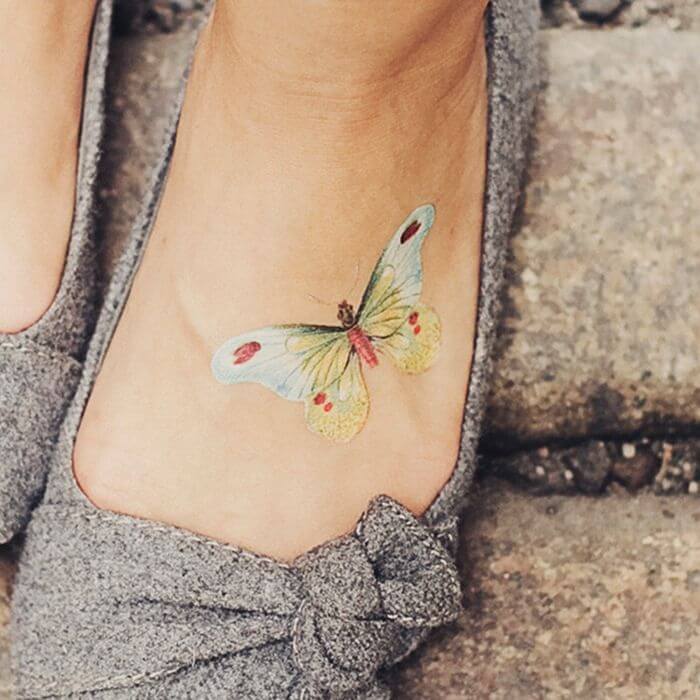
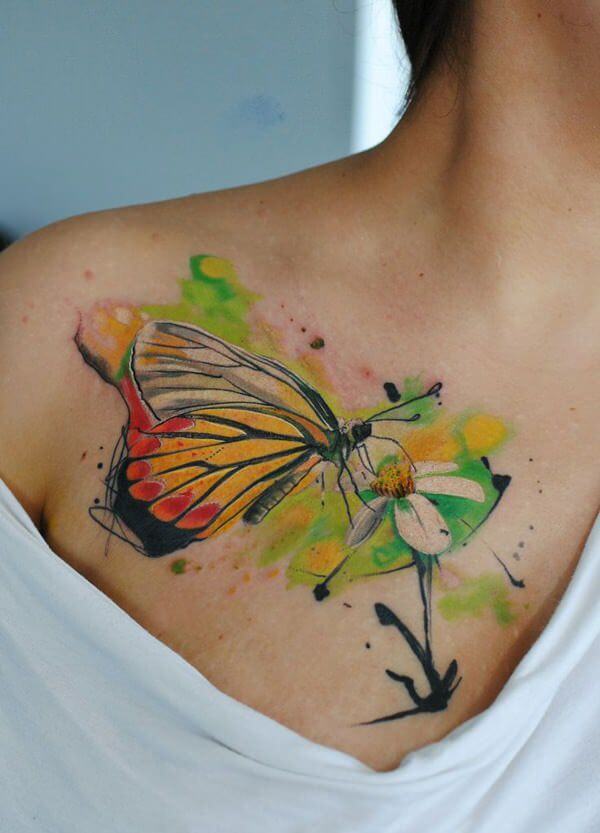
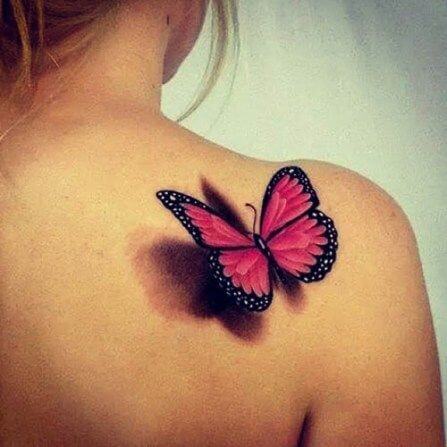
What it means, and where it went generic
Transformation is the honest core of it - the insect that reorganises itself completely and emerges as something else. That reading is real and it is why the motif recurs in recovery, in memorial work, and after a period someone has come through.
Beyond that it carries: the soul, in Greek and in several East Asian traditions; a departed person visiting, in a great deal of folk belief; and simply beauty and lightness, which is a perfectly good reason on its own.
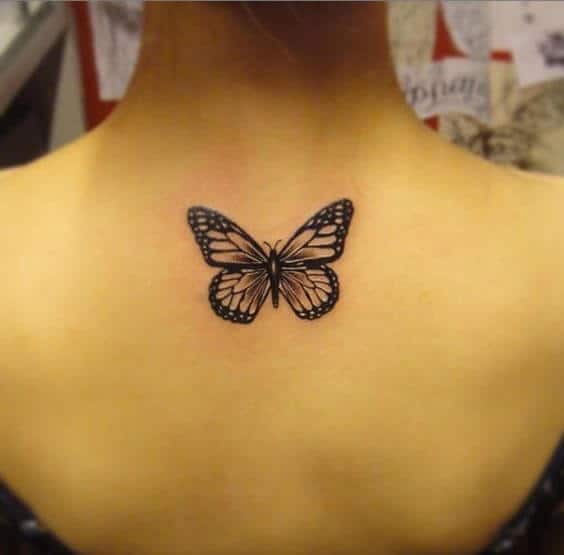
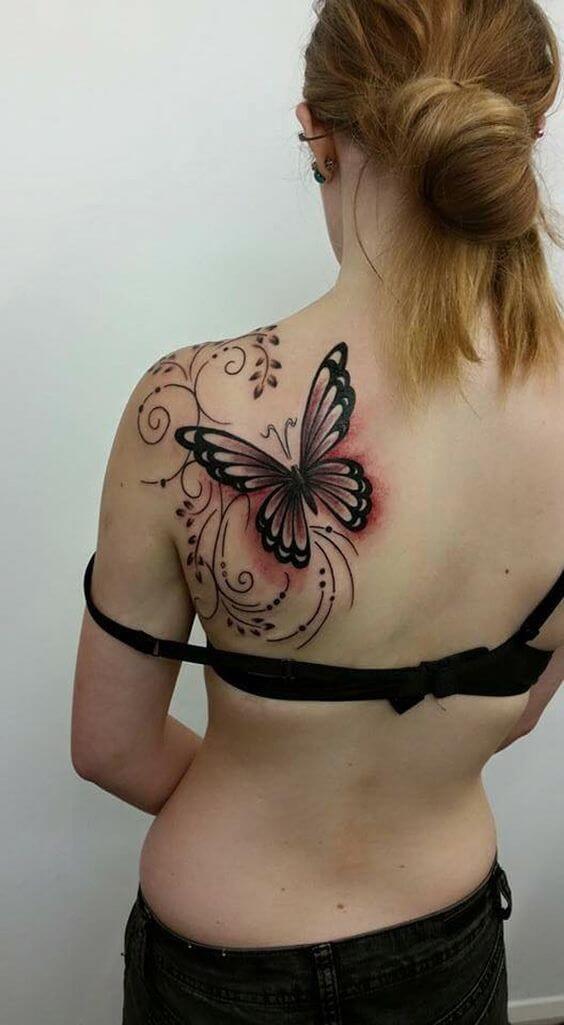
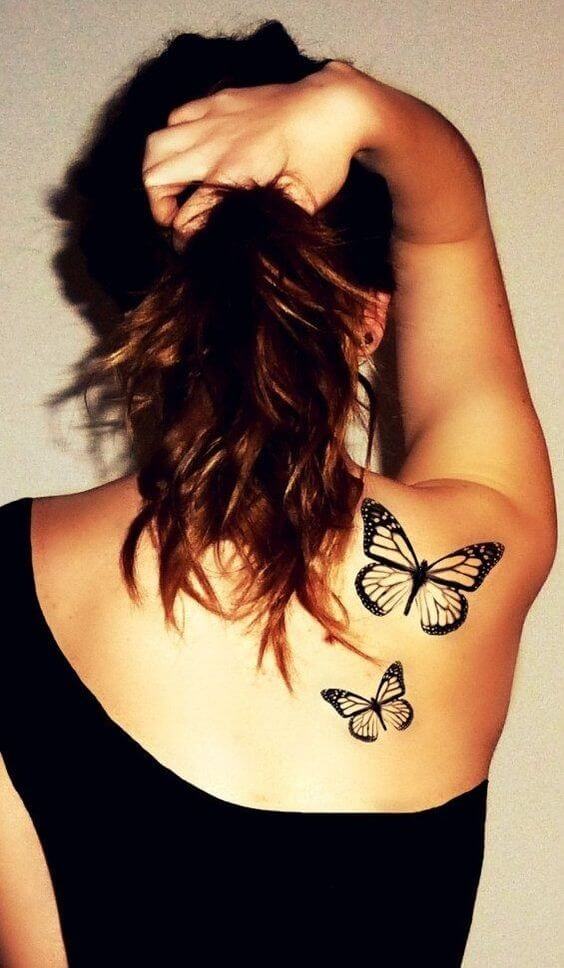
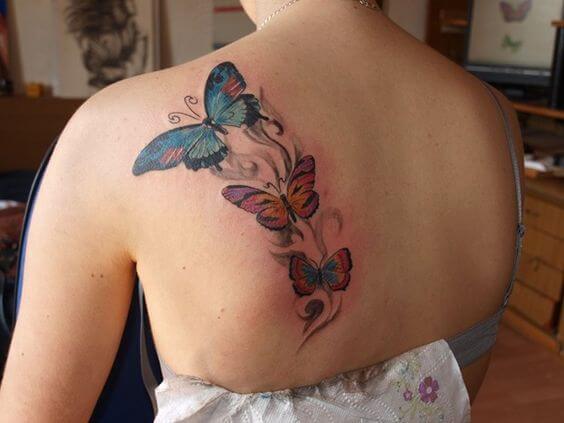
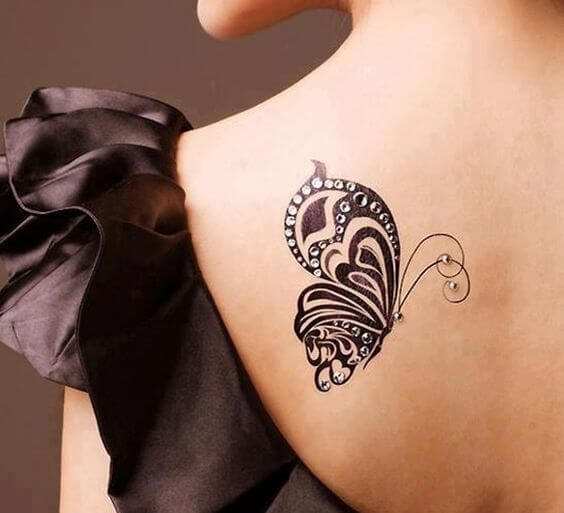
Where it has become generic: the small symmetrical butterfly on the shoulder blade, hip or ankle, in solid black with a dotted trail. It has been done so many times in exactly that composition that it no longer says anything about the person wearing it.
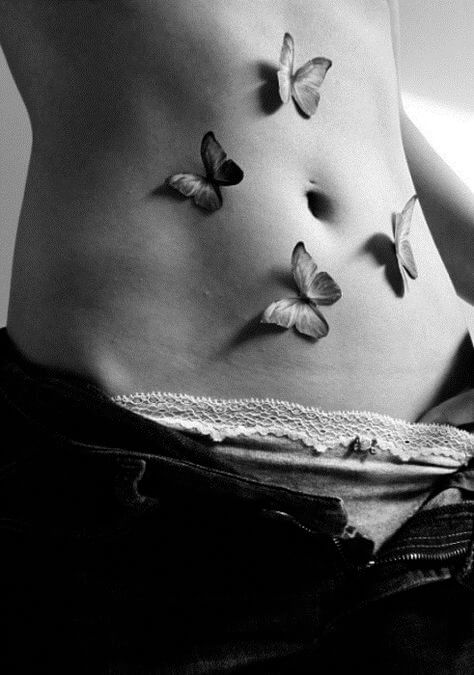
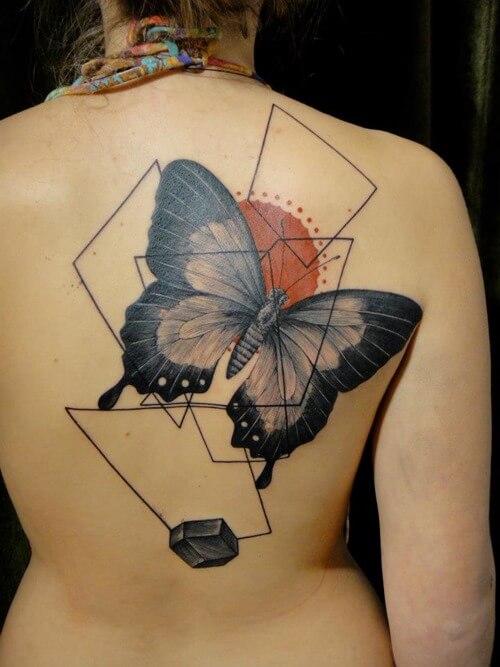
The fix is specificity. A named species rather than a generic butterfly. A composition that is not perfectly symmetric. A wing that is torn, or one that is dissolving into something else. Something that shows a decision was made.
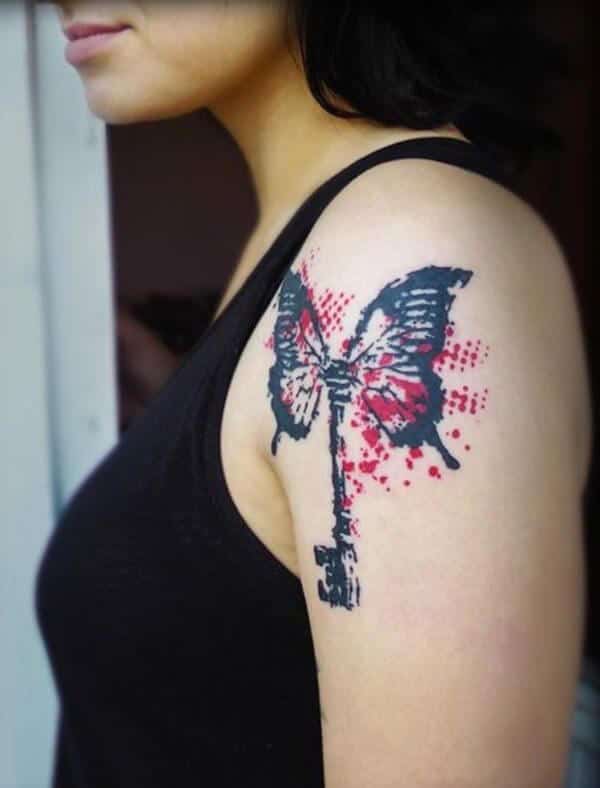
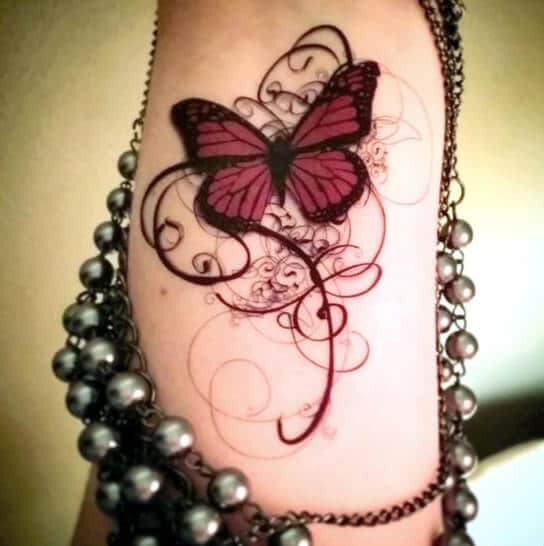
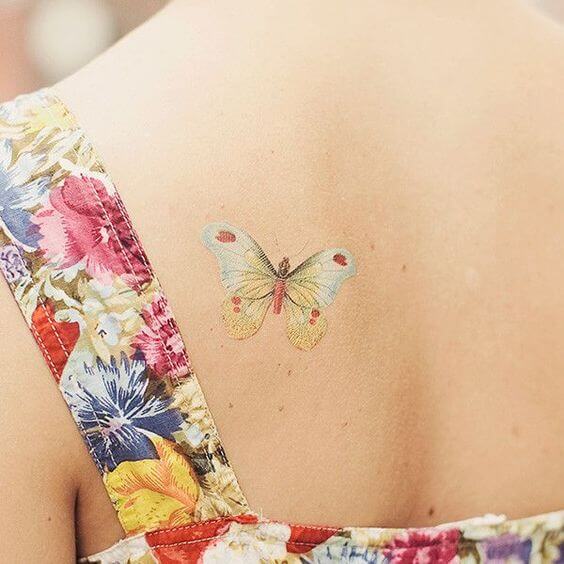
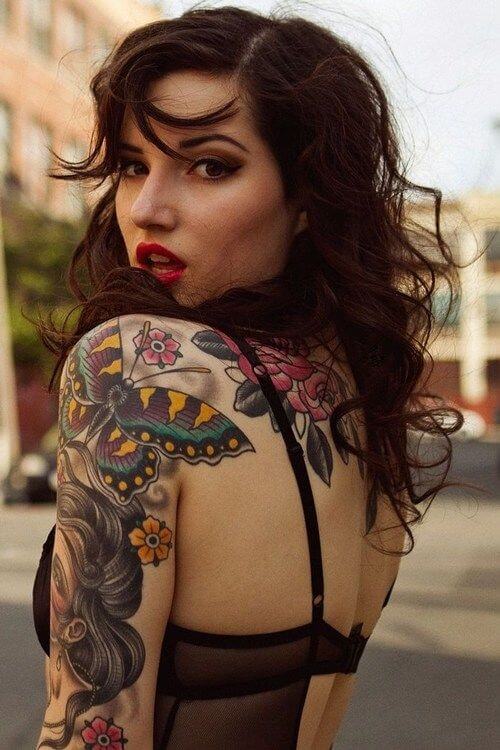
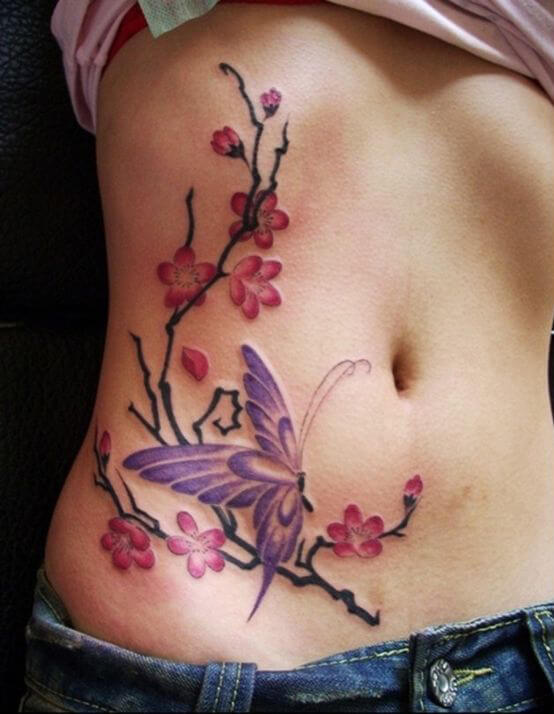
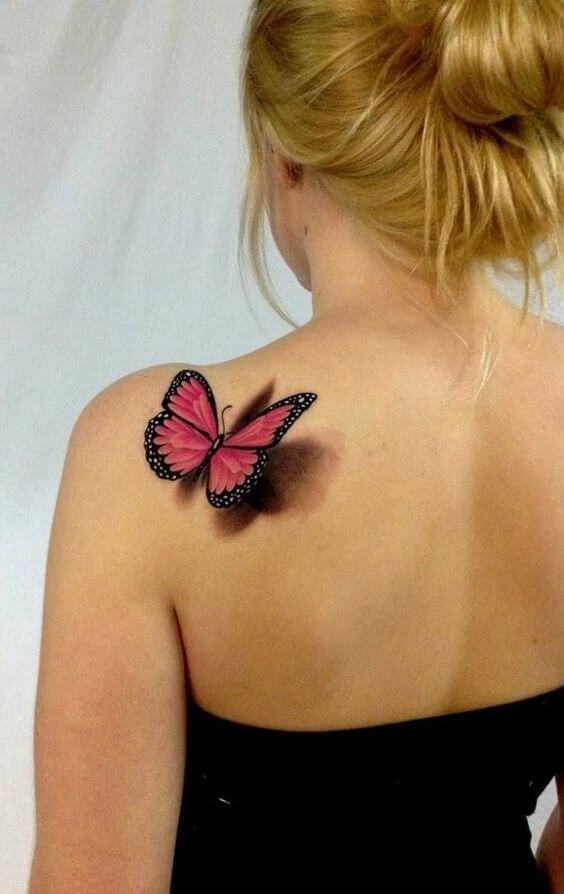
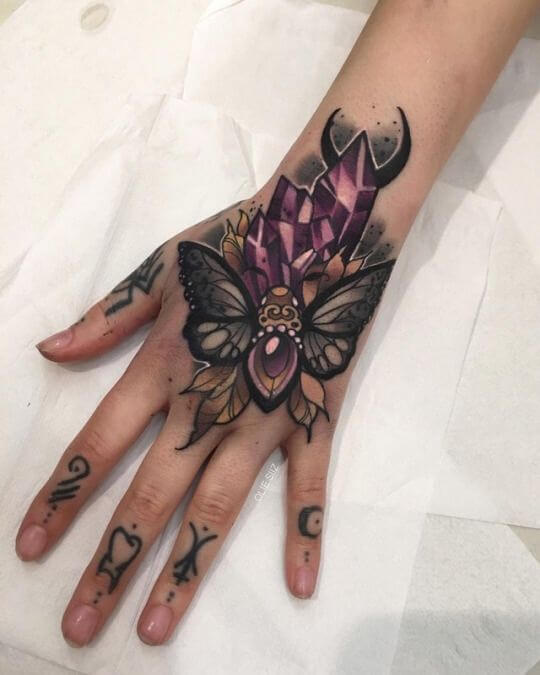
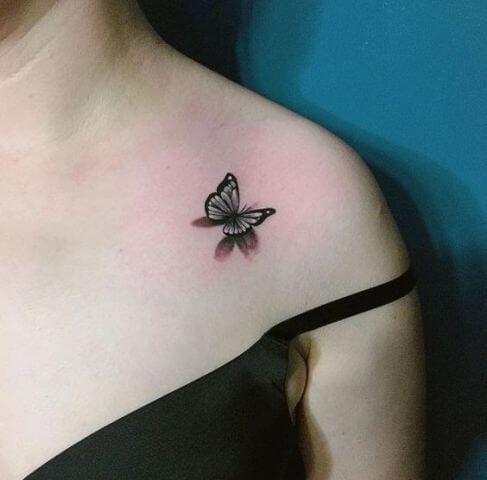
Choose a real species
This is the single change that most improves a butterfly tattoo, and almost nobody does it.
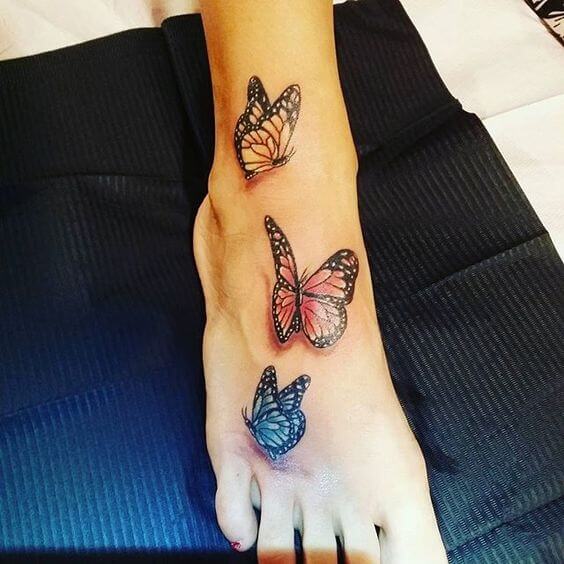
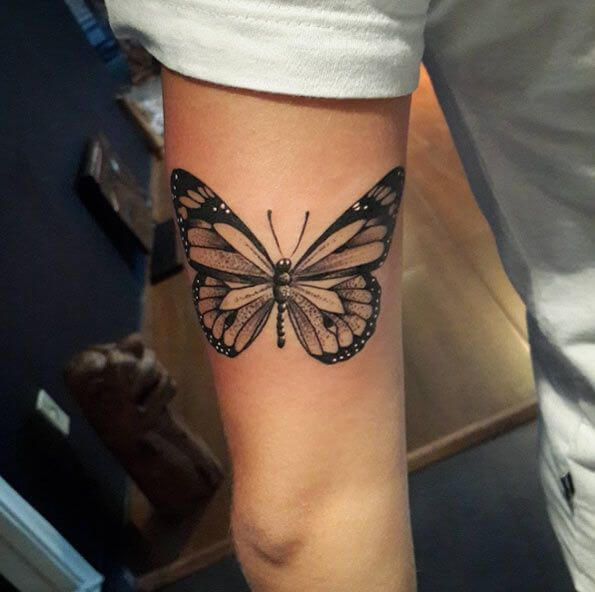
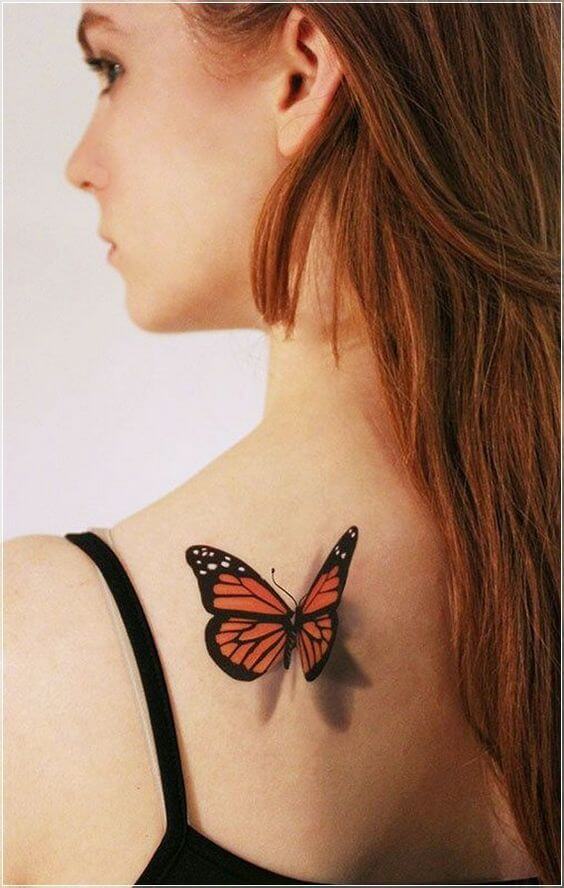
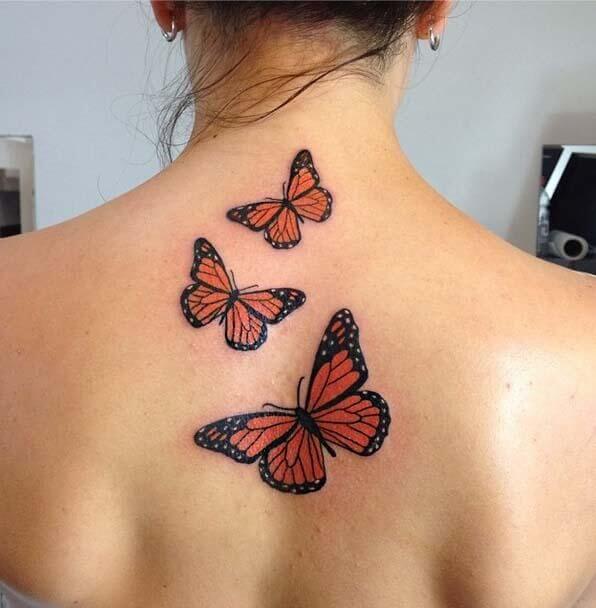
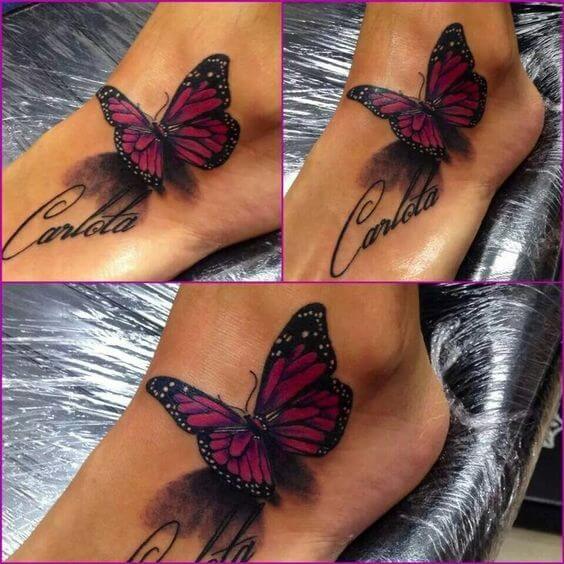
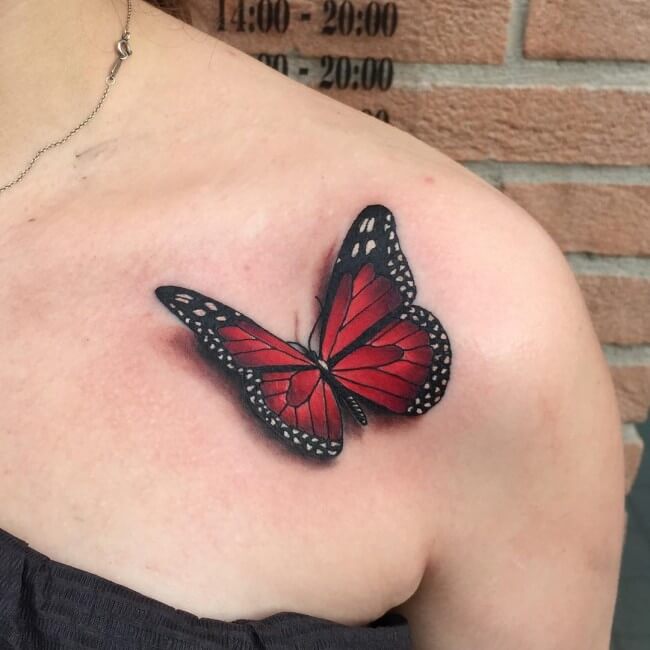
- Monarch - orange with heavy black veining and white spots. Bold, instantly readable, and it ages better than most because the black structure carries it.
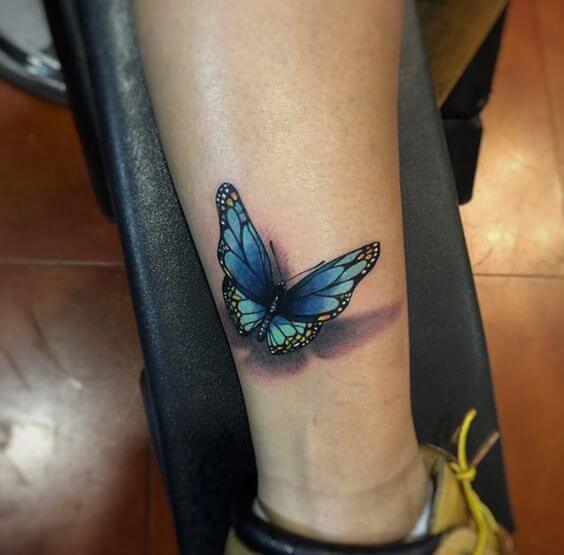
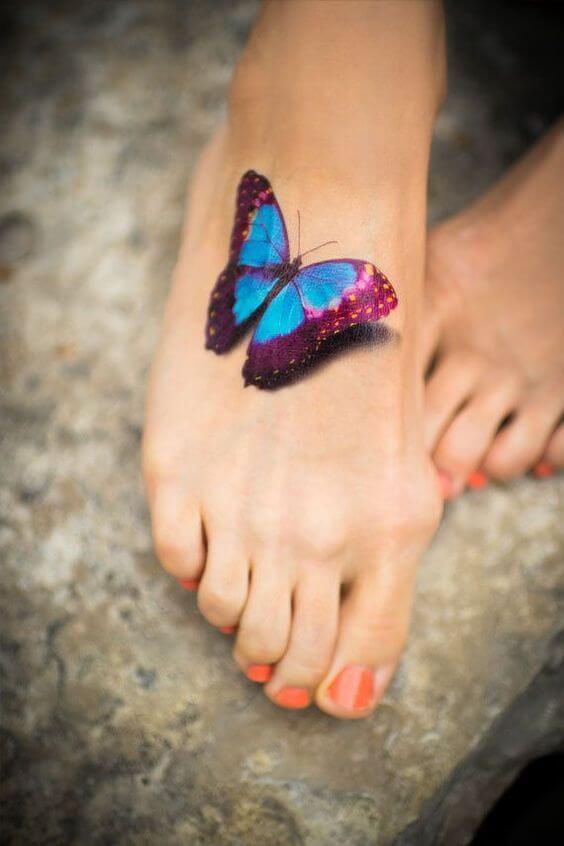
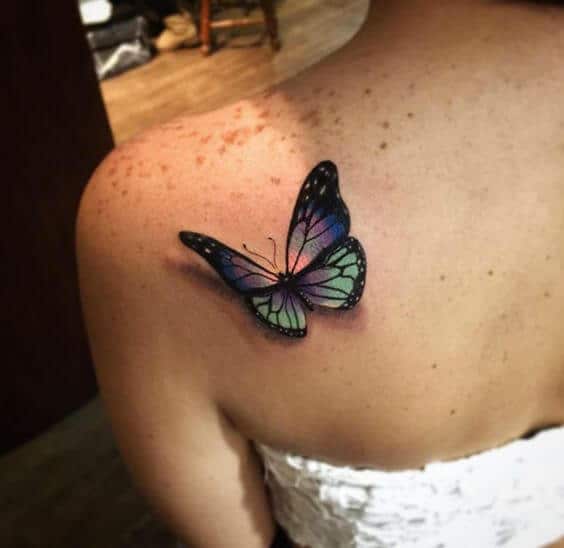
- Blue morpho - iridescent blue. Spectacular, and the hardest to keep. See the ageing note.
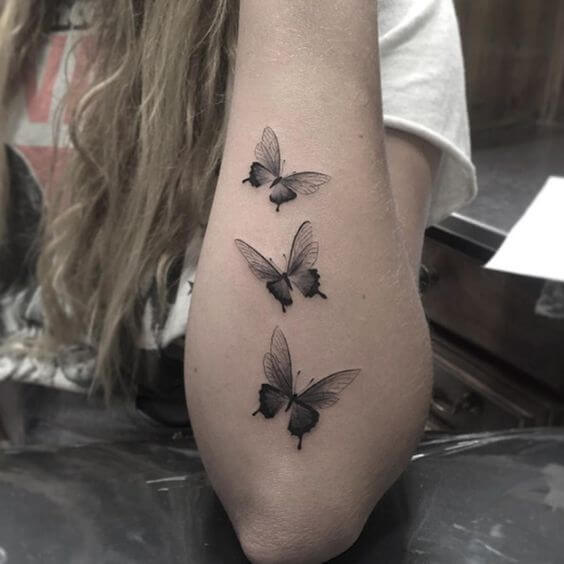
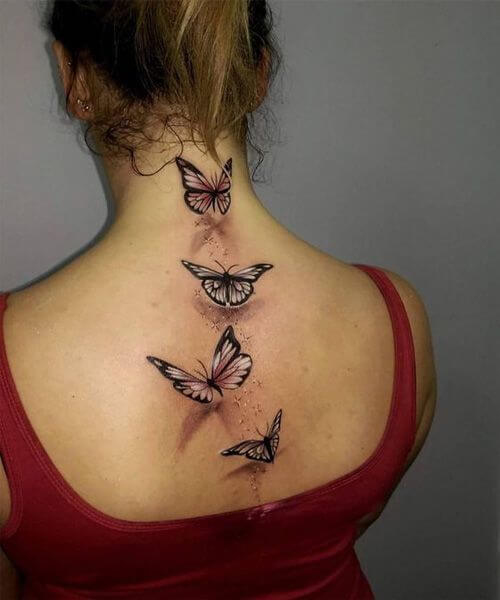
- Swallowtail - the tails on the hindwing give a strong silhouette and suit long, narrow placements like the spine or forearm.
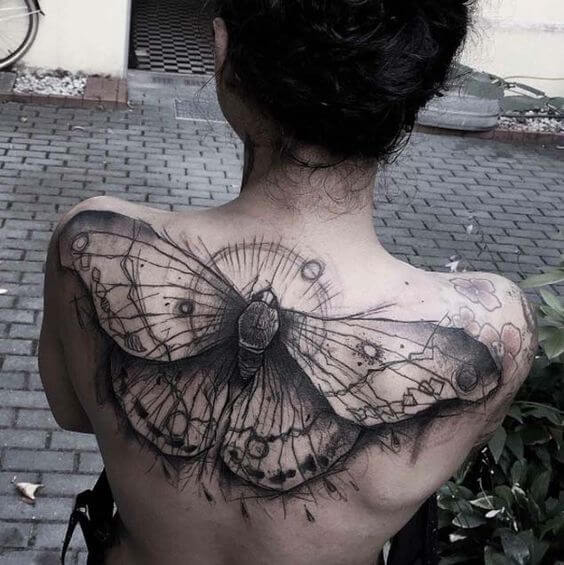
- Luna moth - technically not a butterfly, and the most striking of the lot: pale green, long trailing tails, deeply symmetric. Superb on a sternum or the back of the neck.
- Death's-head hawkmoth - the skull marking on the thorax. Dark, and a very different statement.
- Local species. A butterfly native to where you grew up is a more personal tattoo than any of the above.
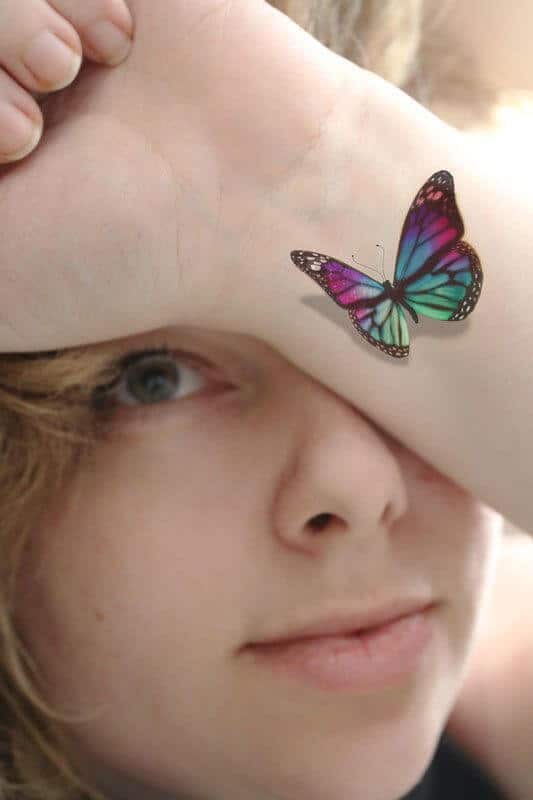
Placement, size and cost
Butterflies scale further than most motifs, but small means simple - detail needs room.
| Design | Typical size | Sittings | Pain, 1-10 | Rough cost |
|---|---|---|---|---|
| Small fine-line, wrist or ankle | 1-2 in | 1 | 6-7 | Shop minimum |
| Shoulder blade or hip | 3-5 in | 1 | 4-5 | $150-$400 |
| Forearm, black and grey | 4-6 in | 1-2 | 5-6 | $300-$700 |
| Sternum, wings spread | 5-8 in | 2 | 8-9 | $600-$1,500 |
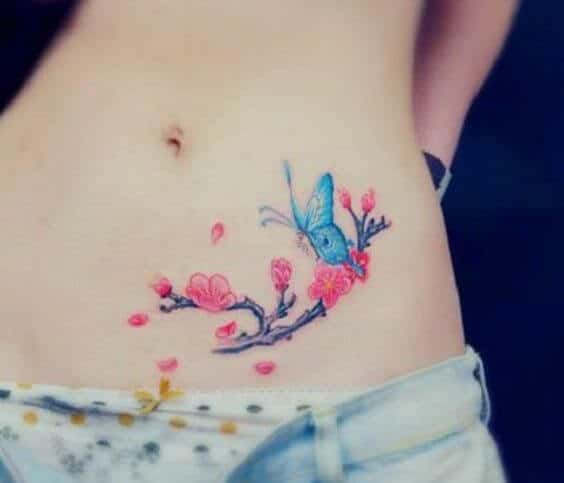
| Thigh, colour with florals | 8-12 in | 2-3 | 3-5 | $900-$2,500 |
| Back piece with several | - | 4-8 | 4-6 | $2,000-$6,000 |
Colour packing is what drives the cost up. The same design in black and grey is usually faster and cheaper, and often ages better.
Styles that hold up
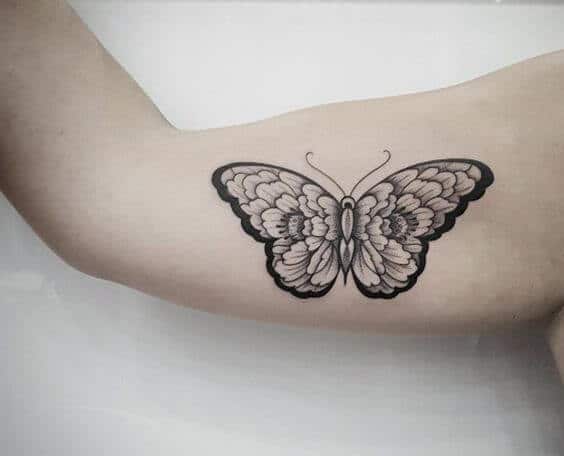
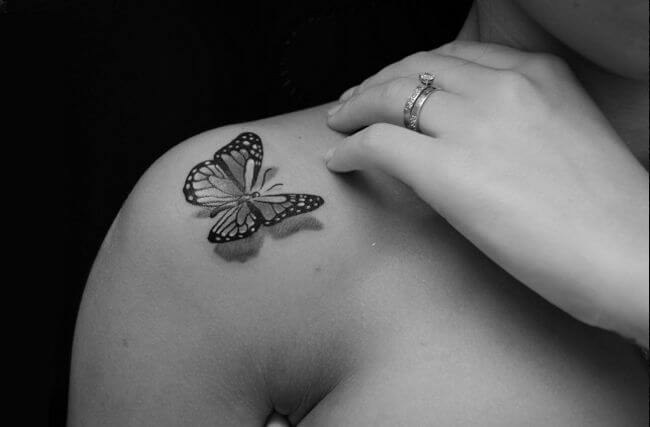
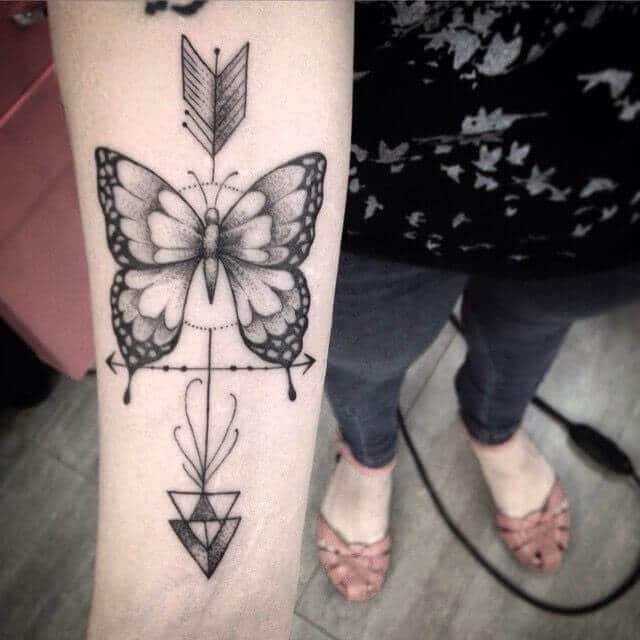
Black and grey realism. Wing structure rendered properly, no colour to fade. The most durable version by a distance.
Neo-traditional. Bold outline, controlled palette, decorative treatment of the wings. Built for longevity and it suits the subject.
Traditional. Heavy black, simple shapes, classic colours. Nothing ages better.
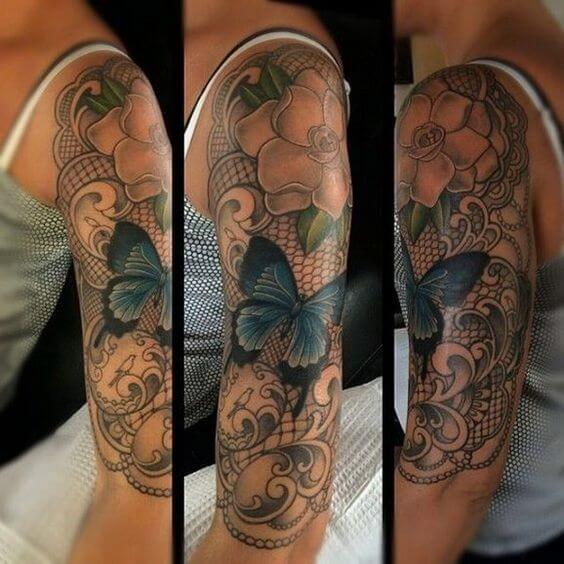
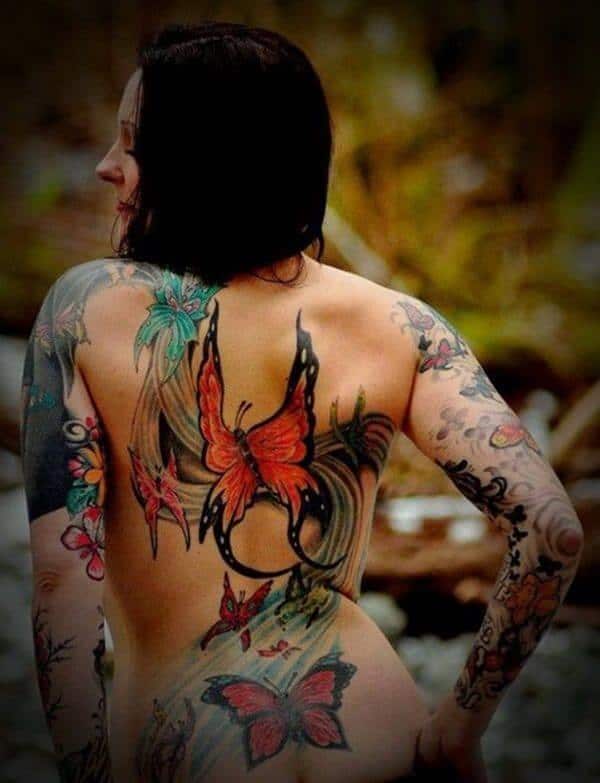
Illustrative with botanicals. Butterfly with peonies, poppies or foliage. The plant work gives the composition weight and disguises later fading.
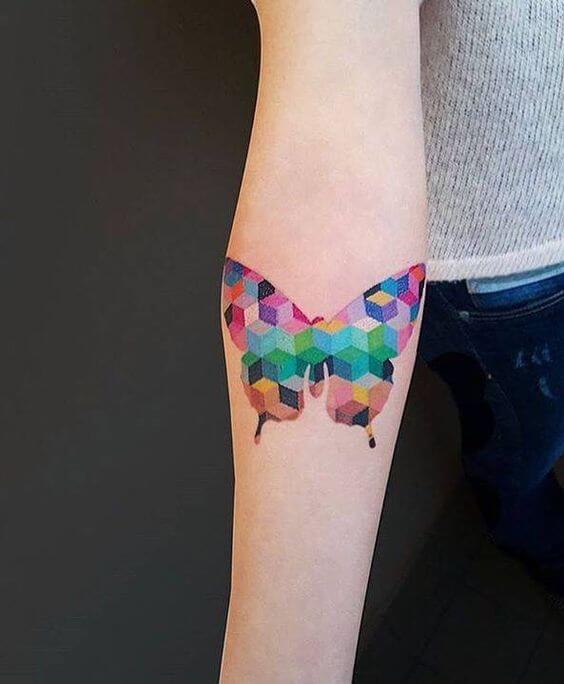
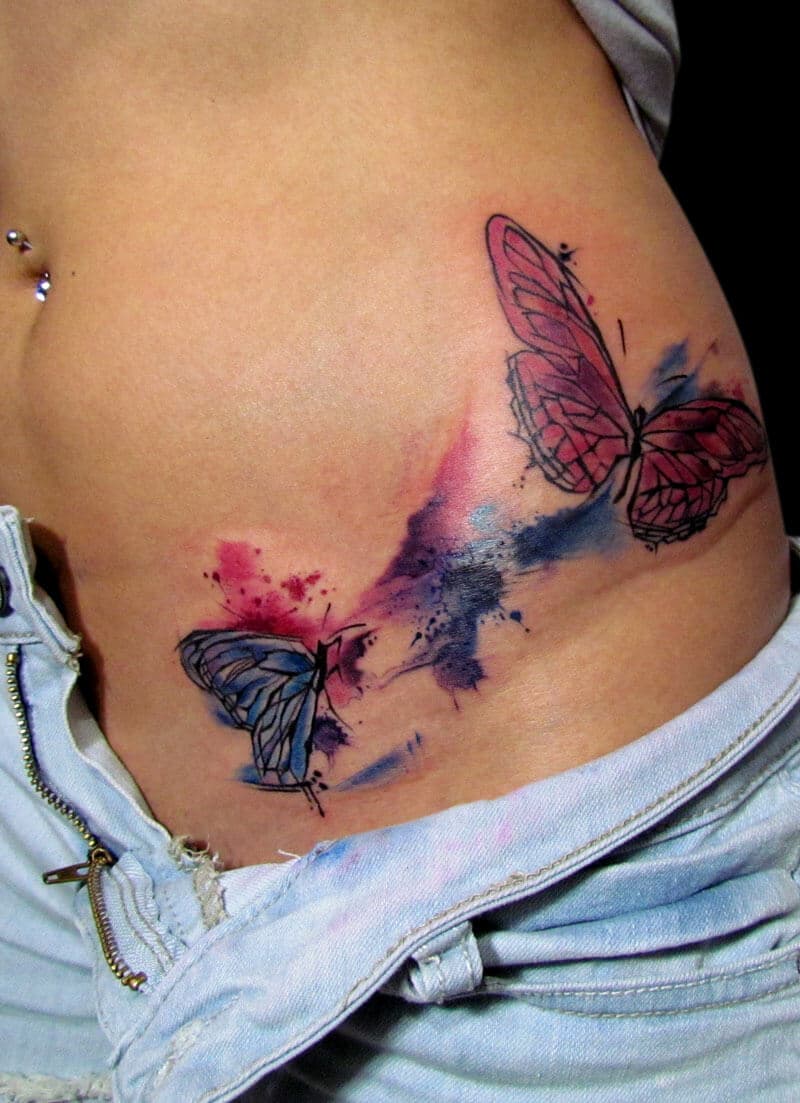
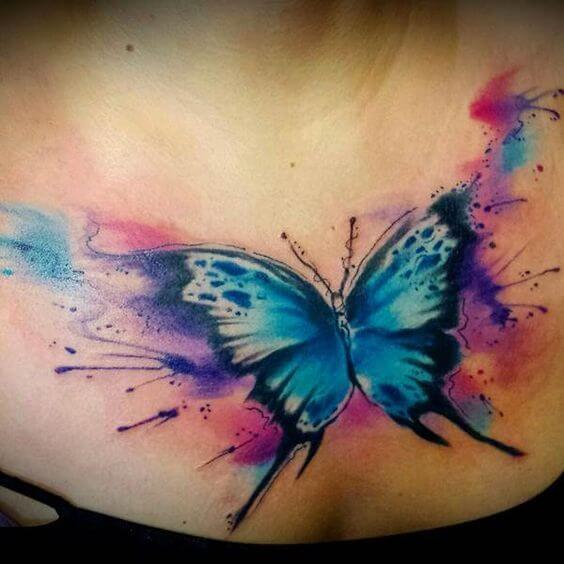
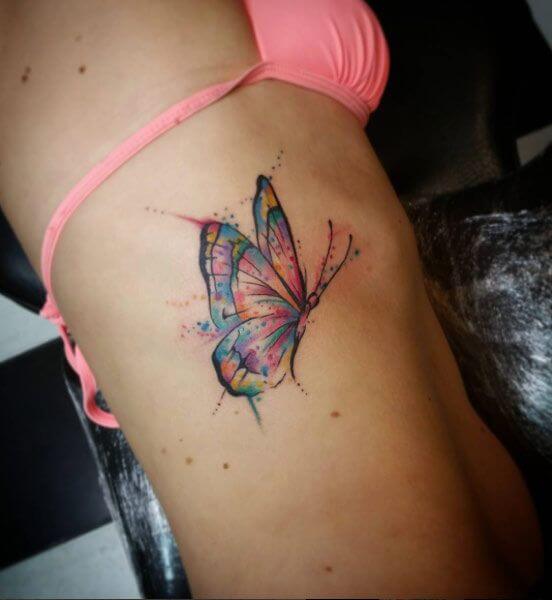
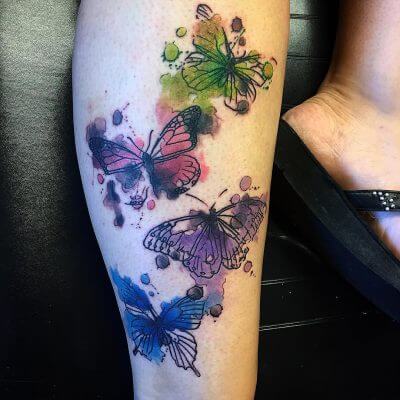
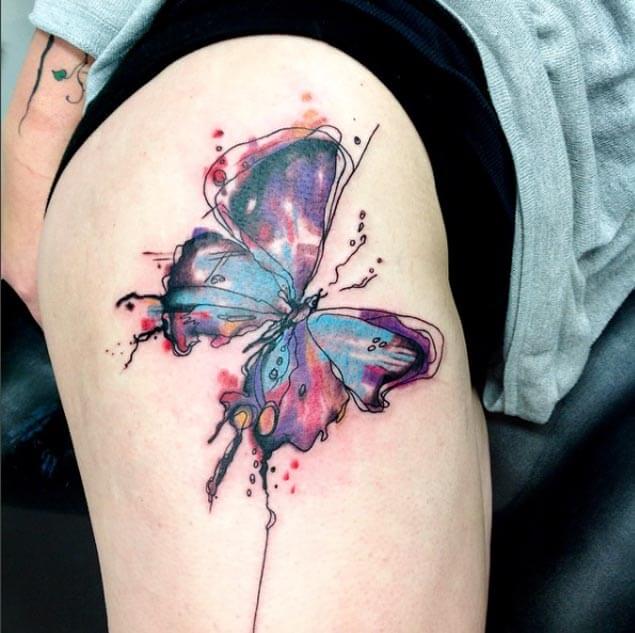
Watercolour. Beautiful for about five years. Splashes without a black line structure underneath fade into vague colour, and there is nothing to touch up. If you love the look, ask for a black-and-grey framework with watercolour on top - it keeps the effect and gives the tattoo bones.
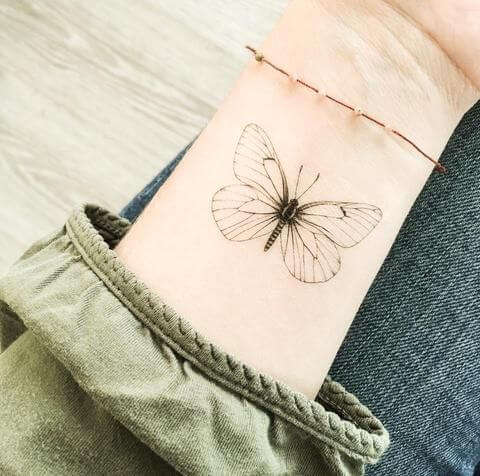
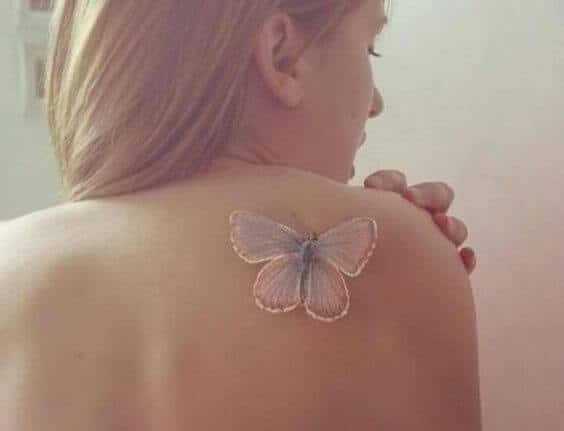
Fine-line and micro. Delicate and popular. Very small butterflies with hairline wing detail lose that detail early.
How it will age
The wings decide it. Fine veining packed close together merges over ten to fifteen years into a solid shape - the difference between a butterfly and a dark blob is the space between the lines. Ask your artist to space the veining more widely than the reference photograph, or size the tattoo up.
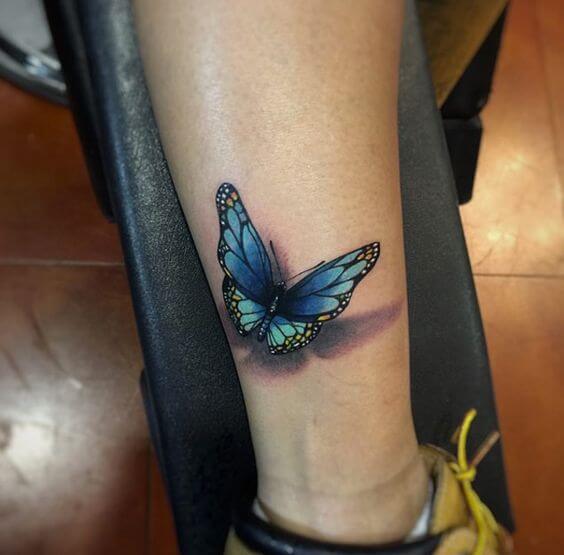
Iridescent blues, like a morpho's, are among the fastest colours to lose their punch, because that colour on the insect is structural rather than pigment and the tattoo is approximating it with light blues that lift. If you want a morpho, expect to maintain it.
Solid black holds indefinitely. Sunscreen once healed. Plan a touch-up around year five on anything with fine wing work or heavy colour.
What to bring your artist
A species, if you can. A sense of whether you want it symmetric or in motion, because those look completely different. And where you want it to sit on the body, since a butterfly wraps well over a shoulder or a hip and needs to be drawn for that curve rather than flat.
A good artist will push back on: hairline veining in a one-inch tattoo, pure watercolour with no line structure, and perfect symmetry if you want it to look alive.
Aftercare, briefly
Follow your artist's instructions. In general: covering on as long as they said, then gentle washing twice a day with clean hands and fragrance-free soap, and a very thin layer of the recommended aftercare.
Colour work tends to weep a little more in the first day and to peel more dramatically. Both are normal. No baths, pools or sea for two to three weeks, and no picking, however much it itches.