How To Go About Getting A Tattoo Removed
Removal is slower, more expensive and less complete than most people expect. It is worth knowing that before the tattoo, and worth knowing honestly once you want one gone.
The short version: laser is the only method with a good record, it takes the better part of a year at minimum, it costs several times what the tattoo did, and "faded to the point nobody notices" is a more realistic goal than "gone".
How laser removal works
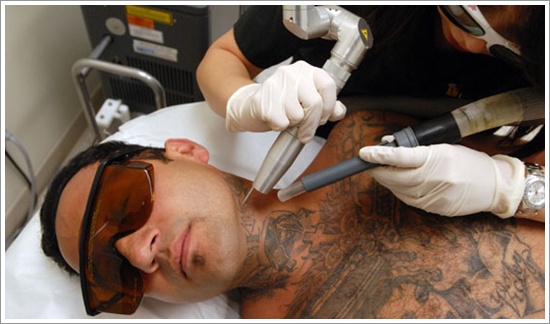
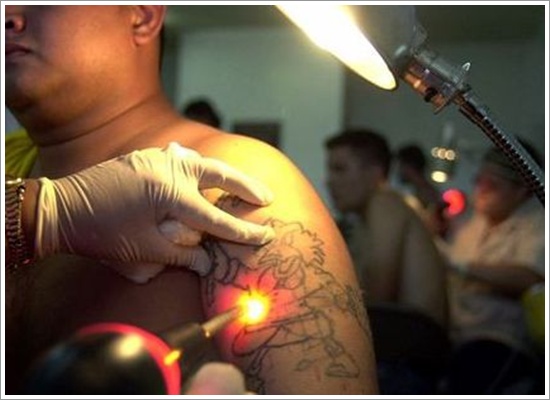
The laser fires a very short pulse tuned to the ink's colour. The pigment absorbs it, shatters into fragments small enough for your immune system to carry away, and your body clears them over the following weeks. The laser does the breaking; your lymphatic system does the removing, which is why sessions are spaced six to eight weeks apart and why the process cannot be rushed.
Two broad technologies. Q-switched lasers are the long-established standard. Picosecond lasers pulse far faster, generally clear in fewer sessions and handle stubborn colours better - and cost more per session.
How many sessions, and what it costs
Expect 8 to 12 sessions for a typical tattoo, and more for something large, dense or previously covered up. Amateur and stick-and-poke work often clears faster than professional work, because the ink is shallower and sparser.
| Typical | |
|---|---|
| Sessions | 8-12, sometimes 15+ |
| Gap between sessions | 6-8 weeks |
| Total time | 12-24 months |
| Cost per session | $75-$500 depending on size and clinic |
| Total | Often several times the original tattoo |
Several factors decide where in that range you land: how old the tattoo is (older fades more easily), how deep and dense the ink was laid, where it sits on the body (closer to the heart clears faster - ankles and hands are the slowest), your skin tone, whether you smoke, and how good your circulation is.

Colours are not equal
Black is the easiest, because it absorbs every wavelength. From there it gets harder.
- Black and dark blue - respond best, clear most completely.
- Red - generally responds well.
- Green and turquoise - stubborn, need specific wavelengths, and many clinics do not have them.
- Yellow, white and fluorescents - the hardest, and sometimes do not clear at all. White ink in particular can darken on contact with the laser.
Ask a clinic directly which wavelengths they have before booking, if your tattoo has green or turquoise in it.
What it feels like, and aftercare
Most people describe it as sharper than getting tattooed but far shorter - a hot elastic band snapping against the skin. A small tattoo may take only a few minutes. Clinics generally offer cooling or topical numbing.
Afterwards: blistering, swelling and pinpoint bleeding are normal in the first days, and there is often a white "frosting" over the area immediately after that fades within minutes. Treat it as a wound - keep it clean and covered, do not pick the blisters, and keep it out of the sun completely between sessions. Sun exposure on a treated area is the most common cause of pigment changes in the skin afterwards.
The methods that do not work
Removal creams do not remove tattoo ink. The pigment sits in the dermis, below the layer any cream reaches. What the aggressive ones do is bleach or chemically burn the surface, which can lighten the skin around the tattoo, and can scar. There is no cream that works.
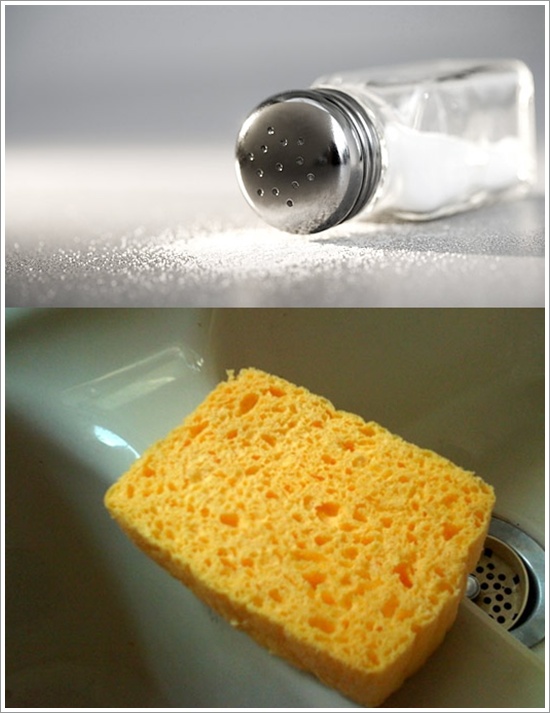
Salabrasion and dermabrasion - sanding the skin away with salt or an abrasive - are old methods that scar reliably and clear ink unreliably.
Surgical excision genuinely works, by cutting the tattooed skin out and stitching the edges together. It is realistic only for small tattoos, and it trades ink for a permanent scar.
Cover-ups are the other legitimate route, and often the better one. A skilled cover-up artist can hide a great deal, though it means something bigger and darker than the original. Sessions of laser to fade the old tattoo first give the artist far more freedom, and that combination - partial laser, then cover-up - is a common and sensible plan.
Choosing a clinic
Ask about medical supervision, which laser they use and which wavelengths it covers, how many tattoos like yours they have treated, and to see before-and- after photographs of their own work rather than manufacturer stock images. Insist on a patch test. Be wary of anyone promising complete removal in a fixed small number of sessions - nobody can know that in advance.
And before the next one
Removal is difficult enough that it is worth spending the time on the design, the placement and the artist in the first place. Most regret traces back to rushing one of those three.